

Leaderboard



Popular Content
Showing content with the highest reputation on 08/11/22 in Posts
-
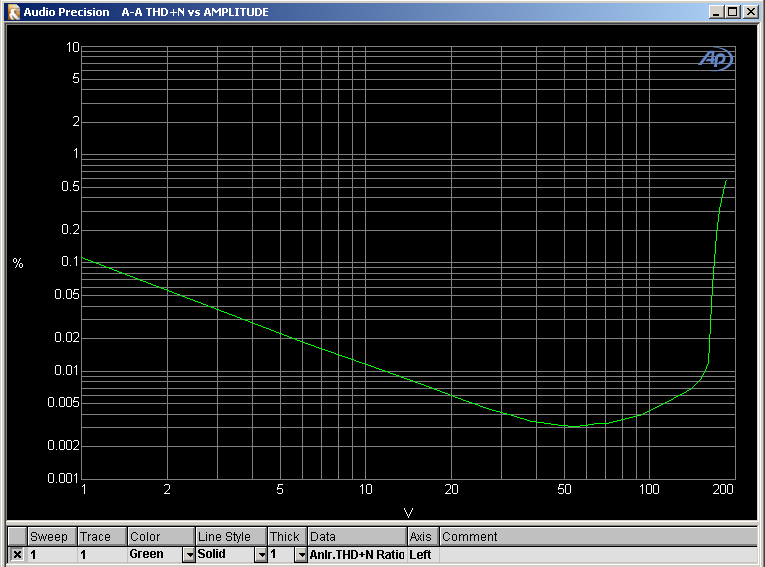
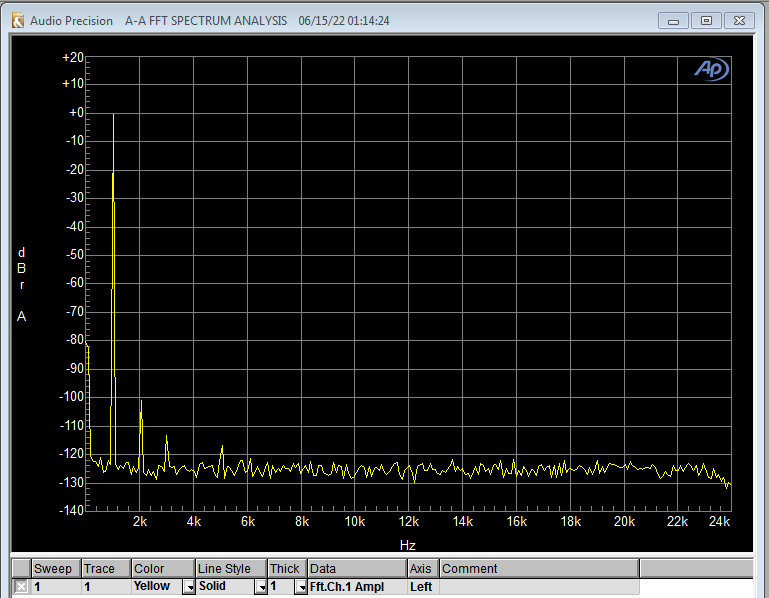
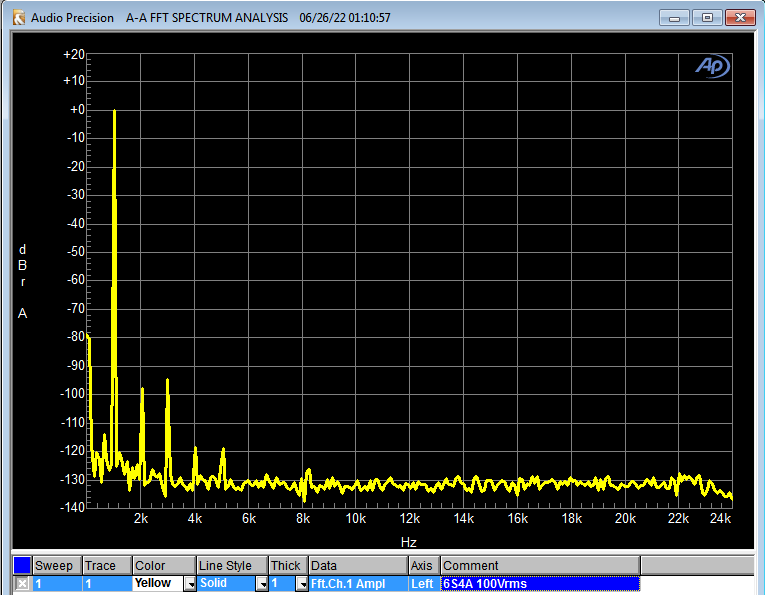
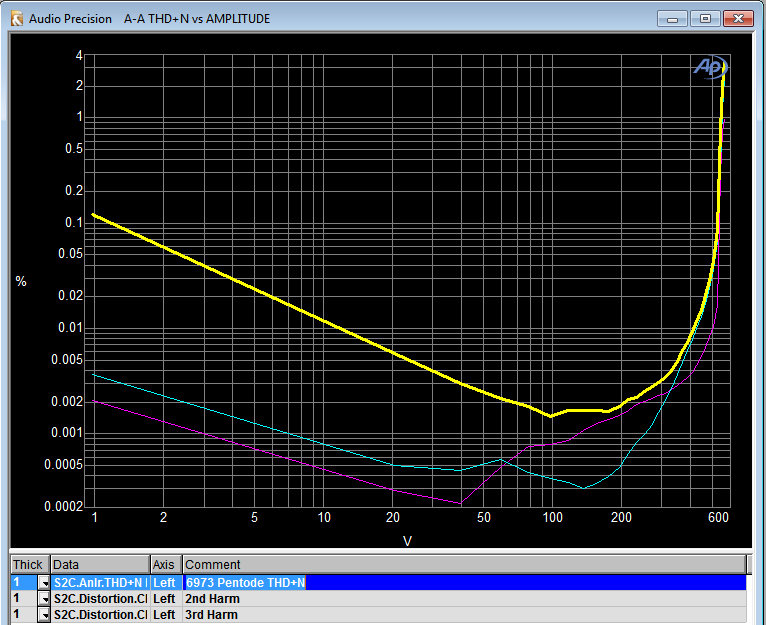
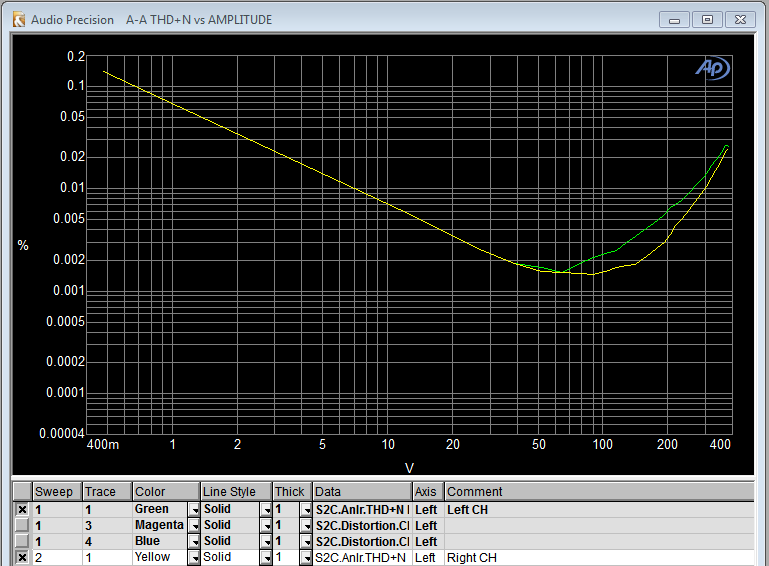
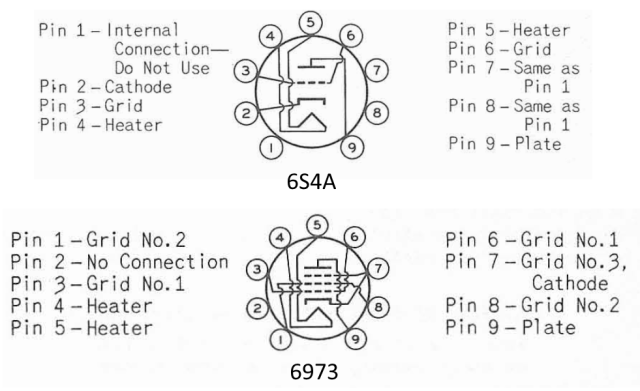
8 pointsAlthough the KGST uses the same front-end as BH and Carbon, its simplicity comes at a cost. In the 'stock' form, the open loop gain is about 78dB and closed loop gain about 59dB. Having only moderate global NFB means that the circuit has to have a wider open loop bandwidth and good linearity to begin with. It also suggests that the measured performance would depend a lot on the matching and inherent linearity of the tubes. Below is the THD+N vs amplitude plot I did earlier on the 'stock' circuit. The max output is about 200V. It kind of falls short for an amp with ±400V supply. With the experience from the pentode experiment on Carbon, I tried a few pentodes and tetrodes with the 'stock' circuit. The first one I tried was the 6973. Why 6973? Because it's pinout is very close to the 6S4A, such that I didn't even need to cut any PCB trace in order to use it. The result was quite ok. The max output went up to 500V and the lowest THD reduced by about a half. Knowing how much the 6973 costs on ebay I think I should have a better use for them 😉 Then I tried a few others, including the 832A. It has one of the cutest bottles and yet is not that expensive. I was eyeing on the Breeze audio 832A SE amp enclosure. The box may look hideous to some people, it would be really cool to have a unique eStat amp like that - if still offers reasonably good performance. The 832A didn't pan out very well. The THD flattened out at 0.01%-ish, mostly 2nd harmonic, due to the mismatch between the two tetrode sections. Some people may appreciate the 'tuby' sound, I decided to move on. I looked for a triode with amplification factor of 30 (twice that of the 6S4A), which also allows 400V DC on the plate (800V peak). It's not that easy to find real triodes like that, unless I go with the exotics such as the 801-A/10Y. I heard about the 12HL7/12HG7/12GN7 family. The video output pentodes designed for the color TVs in the late 1960's. They allow 400V on the plate, have a mu of 30 to 50 when triode-strapped, and said to have great linearity. Below curve was captured with one of them at X=100V/div, Y=5mA/Div, Vg1= 2V/step It turns out (again) it's not easy to find well-matched pairs because the curves in the high voltage region vary a lot from tube to tube, and the g2 power would be over spec when triode strapped idling at about 400V. I did get some nice distortion plots when they are wired in pentode mode (below FFT with 12HL7 at 100Vrms output). Unfortunately not all of them are happy with 800V peak on the plate, although 400VDC is okay on paper. So I came back to the drawing board, trying to make it work with the 6S4A. In the 'stock' circuit, the limiting factor to the output swing is the signal amplitude at the 6S4A grids. Adjusting the ratio between the 200K/6.8K resistors on the active loading NPN pair can increase the idling voltage and improve the max swing into the 6S4A. The downside is that the output impedance of the driver stage will increase, and the open loop bandwidth drops a bit due to the Miller caps on the 6S4A. Also I don't need the full 60dB gain. '200mV sensitivity for rated output' was established from the analog-era when tuners and tape decks are the most popular sources, not to mention 100mV for rated output. Doubling the resistors at the source of the input JFET aught to do it. The end result is extended output swing: And a not super clean, but still okay output FFT spectrum at 100Vrms. Well, that seems to be the best I can do. I'd live with(in) its limitations, close the lid and enjoy the music!
.thumb.jpg.0aa6b8d5a3a0182053251826bd156fa6.jpg) 8 points
8 points -
3 points
-
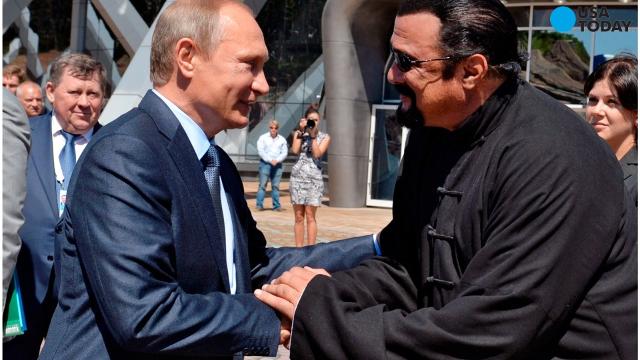
3 points2 pointsLonger ratio definitely works great with this basket. Looking forward to getting back to my IMS and VST baskets, though. Soon! I really like the Dual Boiler. It makes excellent coffee,* right out of the box. Heat’s quickly, great steam. Easy to use and program. Build quality reminds me of, say, the better Marantz separates. I do wish it just had an E61 group, but it’s not that big a deal, as I would need multiple portafilters anyway, as I’m too lazy to move one between two machines. I wouldn’t want a bigger machine, though, unless I had a custom coffee bar. 2 bar preinfusion followed by 9 bar brew is good enough that I might not even bother with the Slayer mod unless I have the machine open already; I will use the Flair when I want to play around with profiles, at least for the time being. *I can get better coffee out of the Flair, but not consistently.2 points2 pointsSylvester Stallone is of Italian and Ukrainian descent and Arnold Schwarzenegger has already asked Putin to stop. We have enough aging action heroes. Can we ask Zelenskyy to target HIMARS on Seagal specifically, you know for a world-wide morale boost?
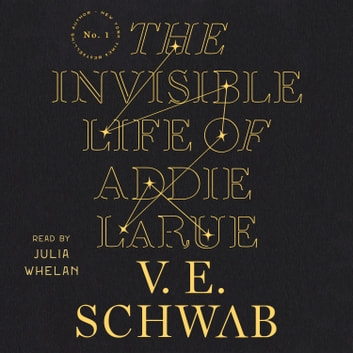
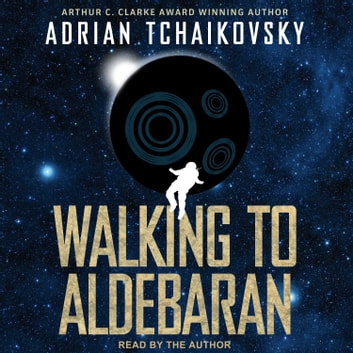
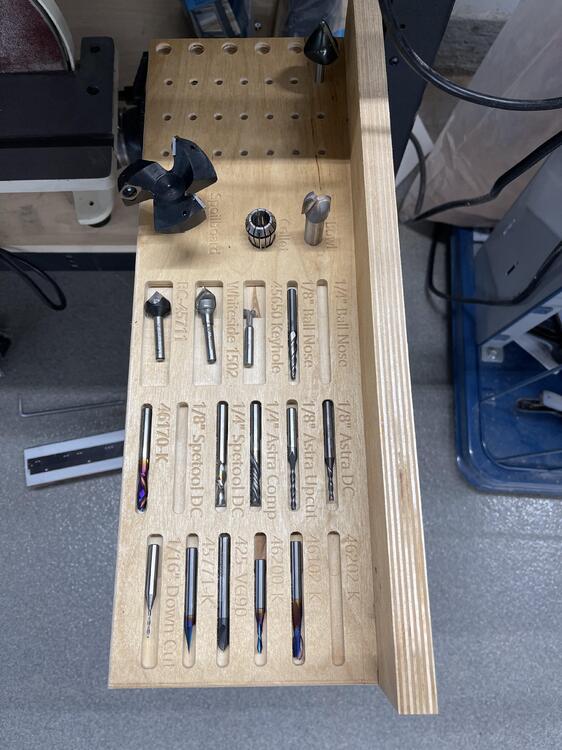
 2 points1 point1 pointCleaned out about 20lbs of dust from the filter on the DC for the CNC. I guess I need to spin around the filter basher handle a lot more.1 point1 pointSome recent reads: This was really great. Strahan is a Top Notch anthologist. Not as good as Station 11 but still pretty dang good. This one grabbed me. Couldn't put it down. Quick read, absolutely loved it. Really great Sci-Fi/Horror that reminded me of Harlan Ellison's I have No Mouth and I Must Scream. After reading this and the Children of Time duology I have become a big fan of Tchaikovsky. Current reads: I also stumbled upon an audiobook version of all 12 issues from Asimov's Science Fiction from 2014. Pretty cool.

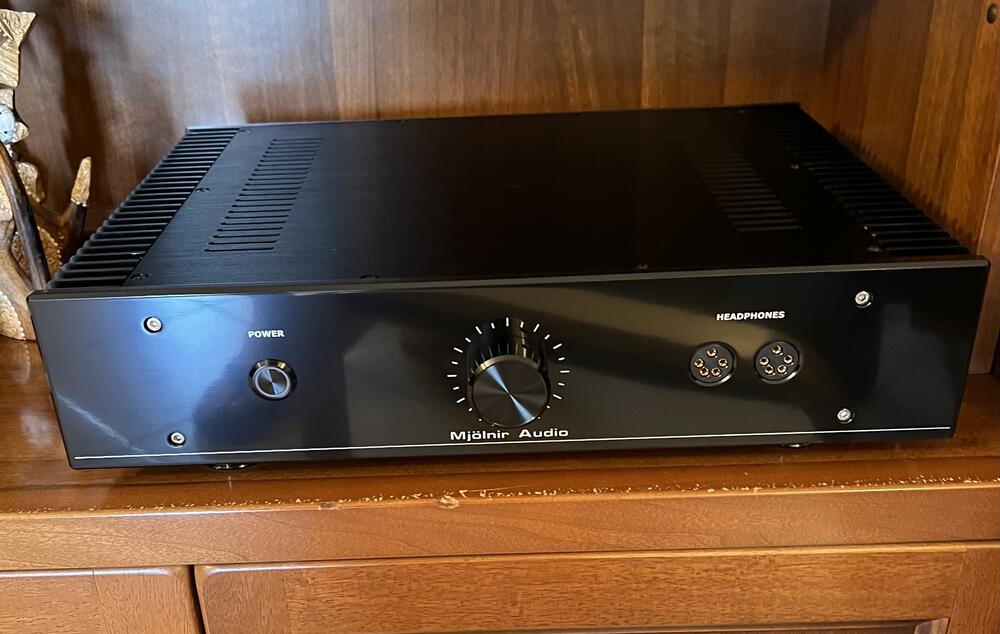
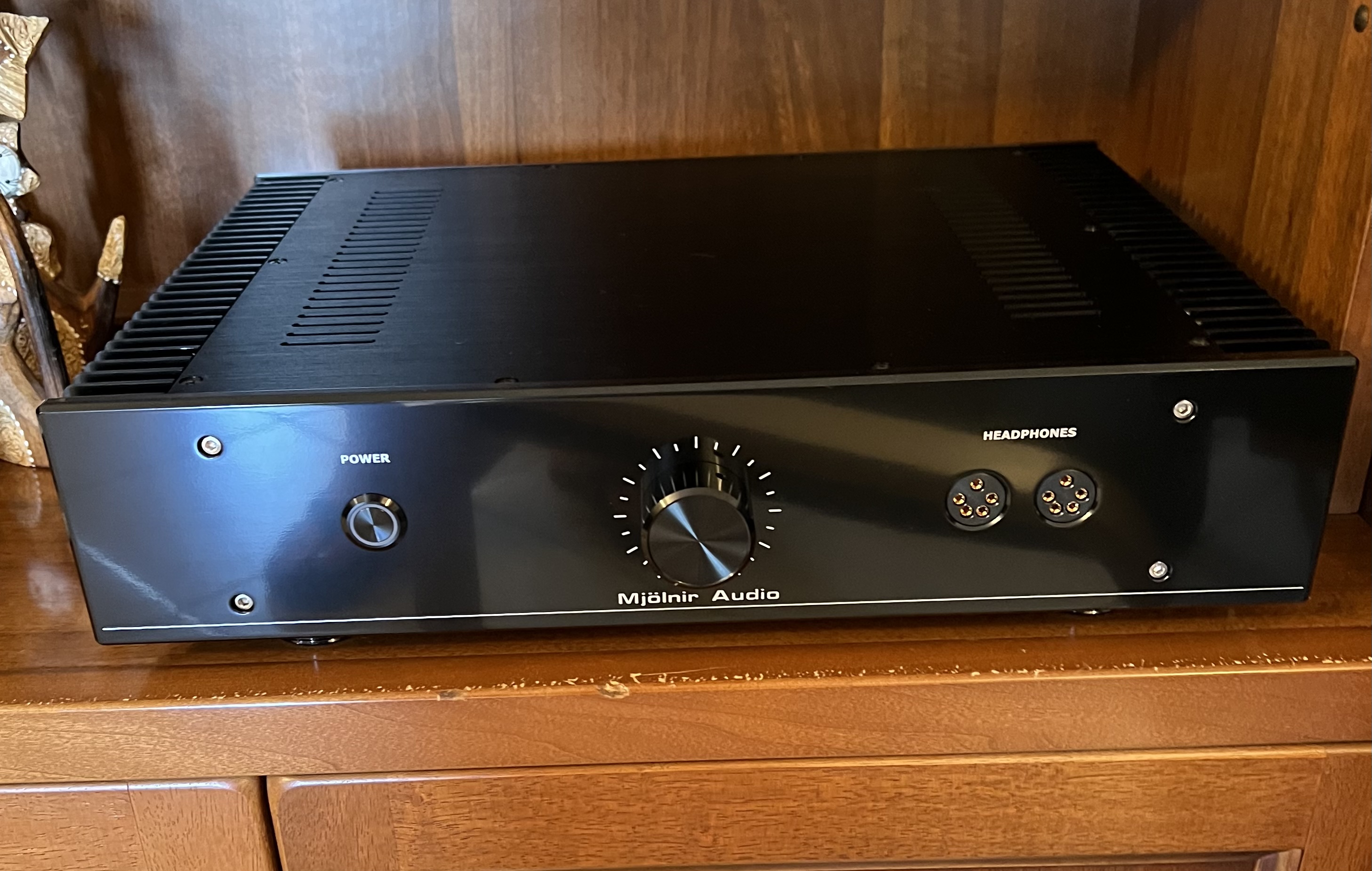
 1 pointTry a ratio of 1:2.4 with that machine and see what you think...1 pointBrian Jackson JID008 Brian Jackson, Ali Shaheed Muhammad, Adrian Younge 2021 https://album.link/i/1561881049 Example: Good mix.... But now1 point1 pointPlease accept my apologies for any lowering of the signal to noise ratio in advance but my sincere and profound thanks (as a philistine of all things electronic) to people like Birgir, Kevin, Justin and the rest of you that have influenced (directly and indirectly) the creation of masterpieces such as the one below and the influence they have on the lives of us mere mortal lovers of music. This is the culmination of a dream of over 15 years in the making: Special thanks to Birgir for his efforts and support to this community at large
 1 point1 pointI have not, I have not played any besides the one I have. But that's a good point, you should -- if at all possible, go try play one in person. (I have a ginormous beast of a keyboard controller that I inherited for free, the Akai Professional MPK88. Honestly, I would not recommend it, it's not a good beginner's keyboard. And most of my others are "synth action" / non-weighted.) Yamaha and Casio totally dominate the digital piano market, and for a good reason. I think the hard part would be deciding on which one, but I think you're perfectly good choosing just from those two brands. I happen to be happy with all of my Alesis gear, and I found that one on a page of best MIDI controllers, and it was the only one with built-in sound, but I agree that you should stick with digital pianos, that way you get what you want straight out of the box. Something else I noticed is that some digital pianos come without a built-in stand, so if you're comparing standless pianos with pianos with built-in stand, I would add the cost of a good stand to the ones without, or just stick with ones with built-in stands. Sorry for the long delay in replying, I had an interview today. It went well, I think.1 point0 pointsIssey Miyake Dies at 84 https://www.nytimes.com/2022/08/09/fashion/issey-miyake-dead.html Missed this a few days ago. Of significance for me as Erika had an Issey Miyake dress as her wedding dress.0 points0 pointsTried to mount a slide out tray with simple drawer slide on one side but not really stable enough.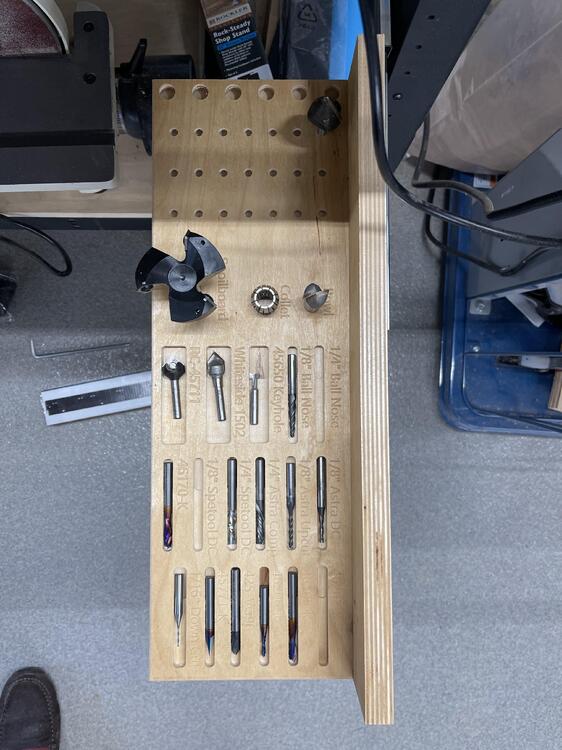
 0 points0 points
.jpg.d475321966f5769f0d3a3f0482762ecd.jpg)








Important Information
By using this site, you agree to our Terms of Use.