kevin gilmore
High Rollers
-
Joined
-
Last visited
Everything posted by kevin gilmore
-
years ago I designed a r2r/sacd dac which I would still like to do. But the fpga code was something I knew nothing about, and when I went searching for someone to do the code I ended up with absurd prices in the $350k range. Now given the amount of time that may have been put into this, that was probably not completely out of the range of reasonable. Over the years that price has dropped, a lot recently, someone is willing to sell me the code for $5k. So its clear that the code has been ripped, or reverse engineered and the source code is now readily available. Its also clear from those pictures that the massdrop board is a virtual identical copy of the hibiki board. There is evidently software out there that will take gerber files and turn them back into editable layout files. my guess is that the firmware in the 2 boards is at least marginally different. so they are not the same even though from a hardware standpoint they are completely identical. in the end its probably going to be shown that even the stupid high priced spreads (msb,totaldac…) will have a code base that started at the same root. another year or 2 and this will all be public domain. Then the math wizzes out there will be able to work on the FIR and IIR code for optimization.
-
I expect that the fpga code has been leaked and pretty soon everyone will have 24 bit sign magnitude dacs that convert dsd. also this uses actual switches, not the 8 bit shift registers, so it's a better quality product than some of the stupidly priced things. massdrop seems to be doing their best to drop the bottom out of the audio market
-
you can listen to it. But better to pick pairs of tubes that result in better balance. or trim the cathode resistors, but really better to pick matched tubes. yes it gets pretty warm. touch a 120 watt fender head sometimes.
-
Heavy plexiglass shield absolutely required, rounded is better
-
try removing the 2n3904 current limit transistor if the voltage is right without any load
-
Original downloads work for me?
-
Balanced done right gives you double the slew rate and 4 times the power. If it's a 4 pin xlr it's good to use on the gsx. Best with balanced source. the headphone cannot otherwise know if it's driven from a balanced or unbalanced source.
-
The esx exceeded cathode to filament voltage by 200 volts resulted in leaking output tubes that sat at minus 150 or more which raised the bias voltage enough to damage the headphones. 20 volts offset is not a problem.
-
More important is for example cavalli liquid platinum at $700. Pretty much guaranteed to perform similar or worse than these 2. you can get an audio-Gd balanced amp with high accuracy attenuator for $500. With plenty of class A power.
-
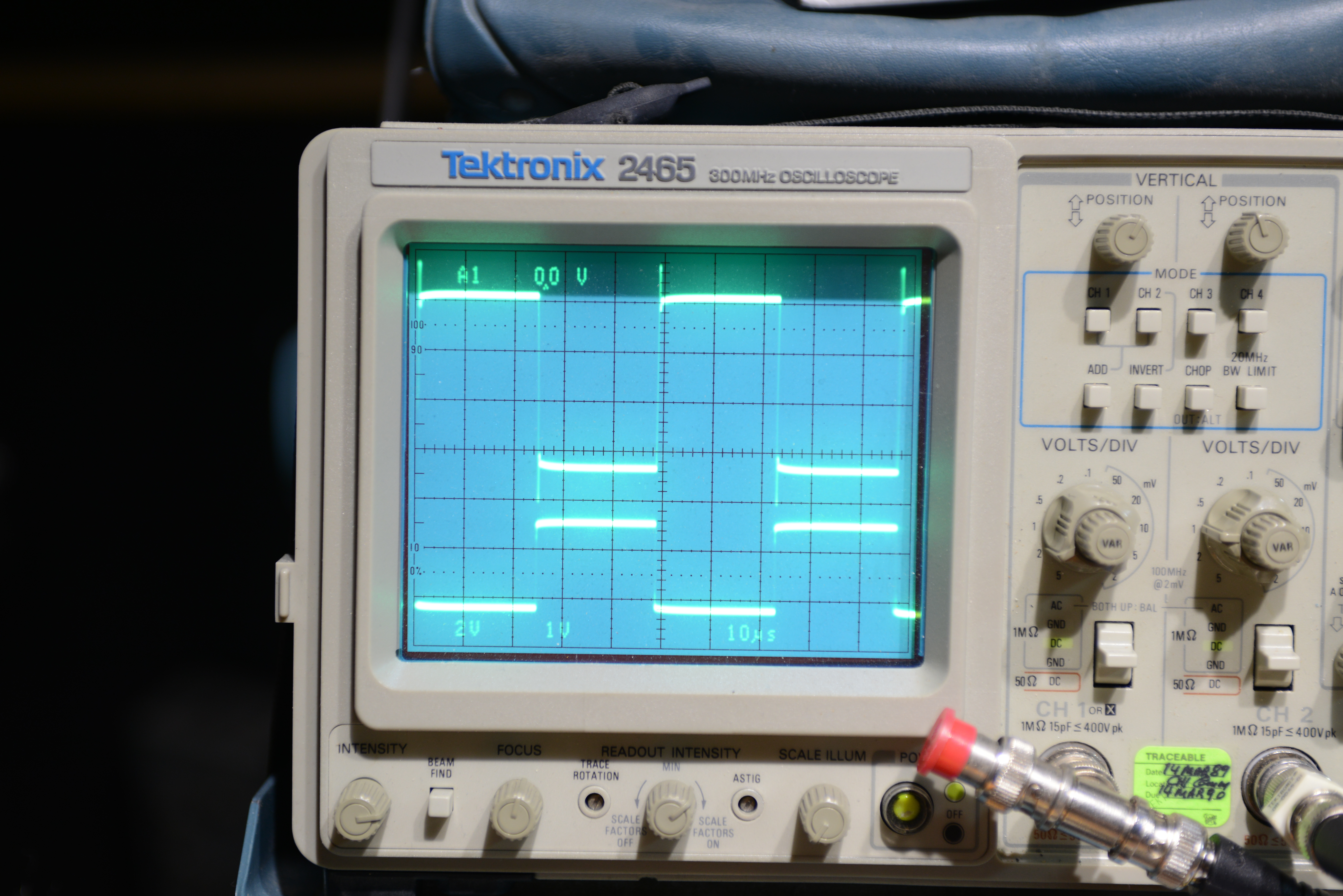
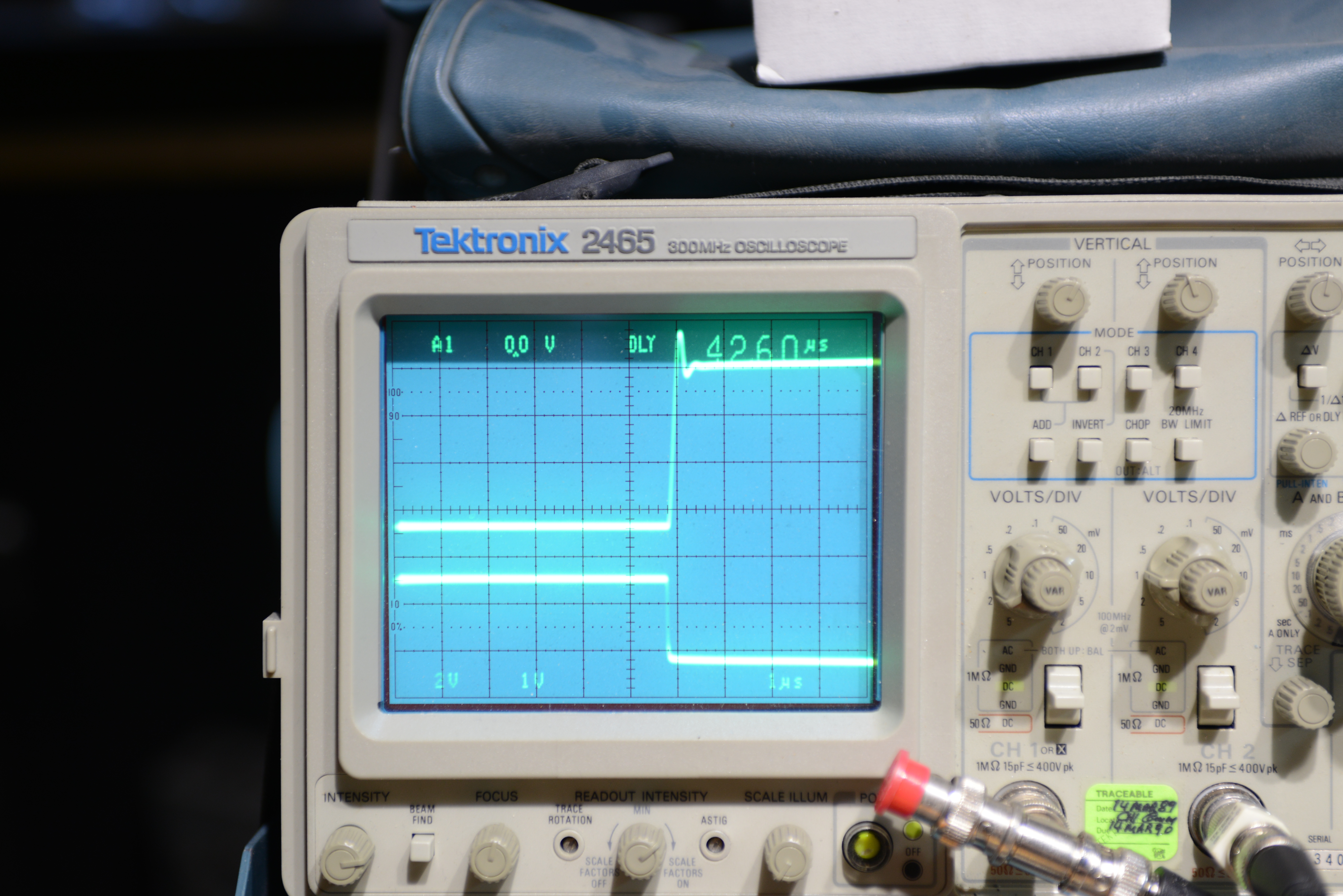
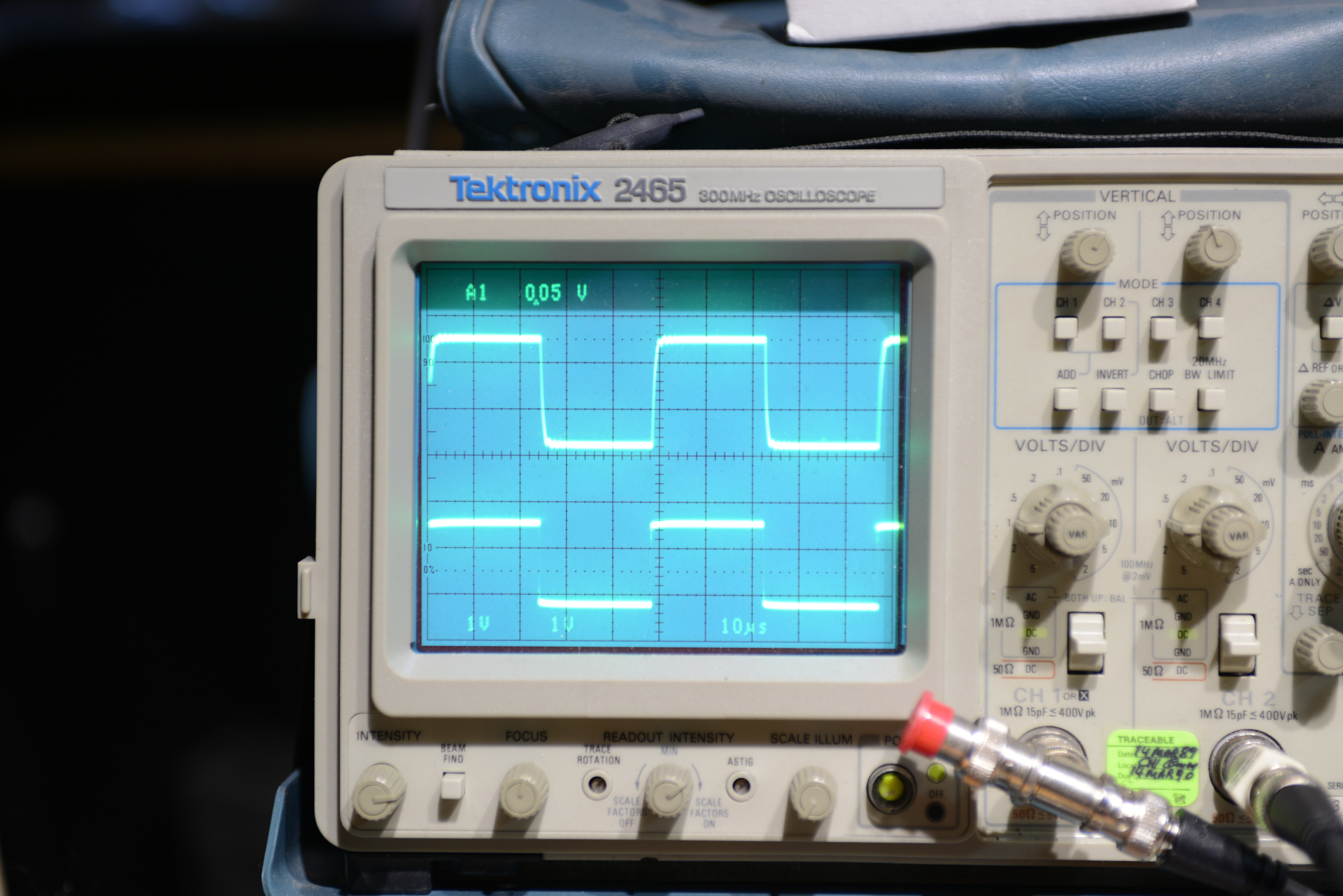
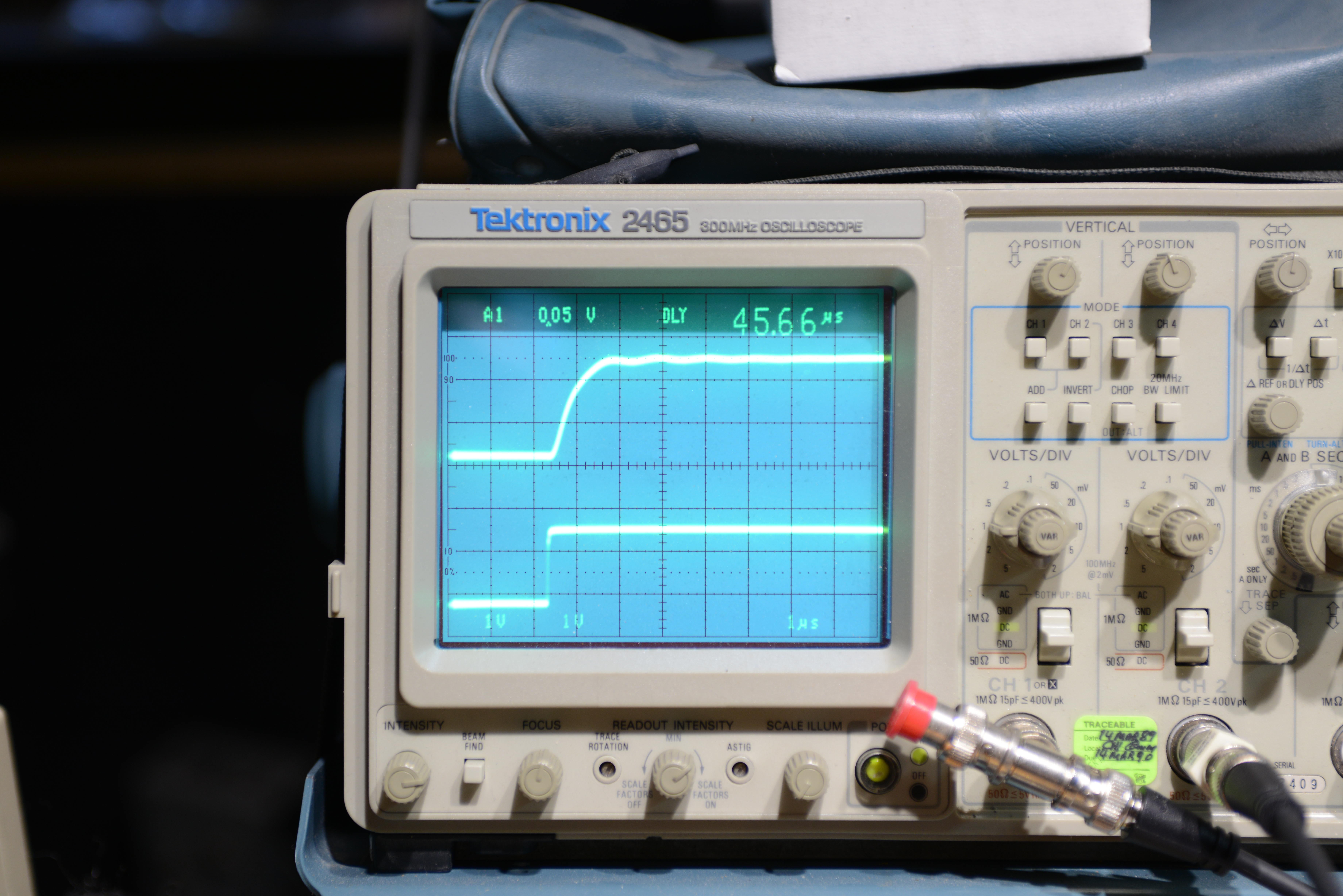
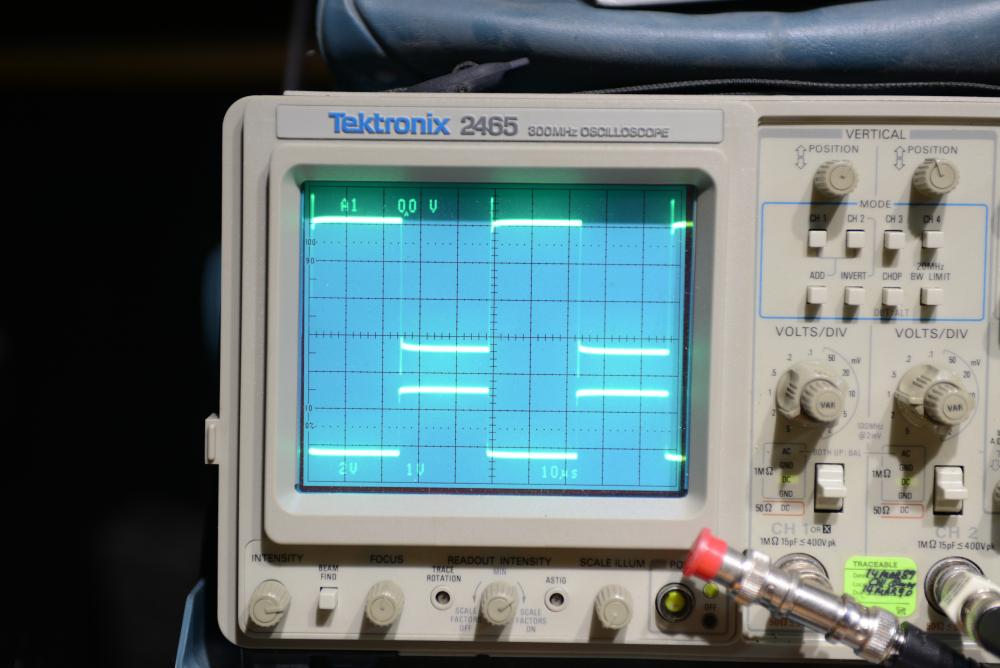
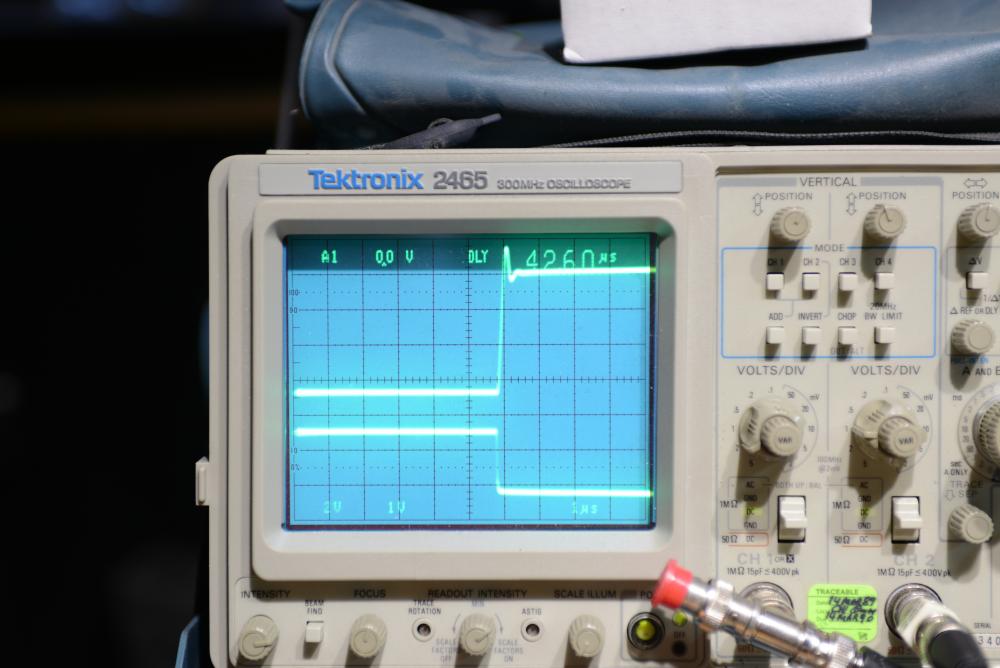
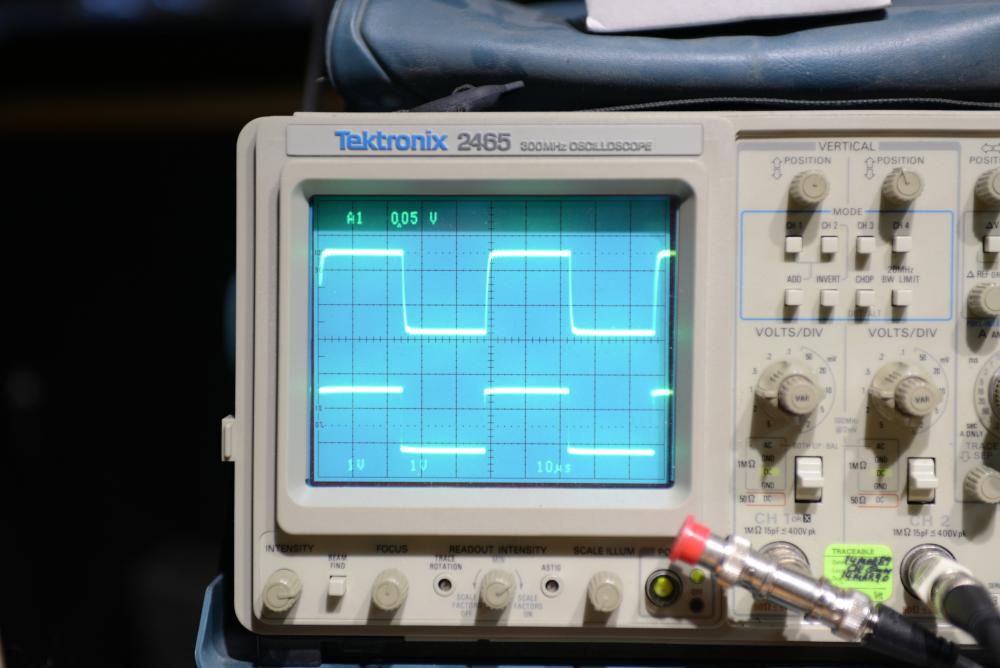
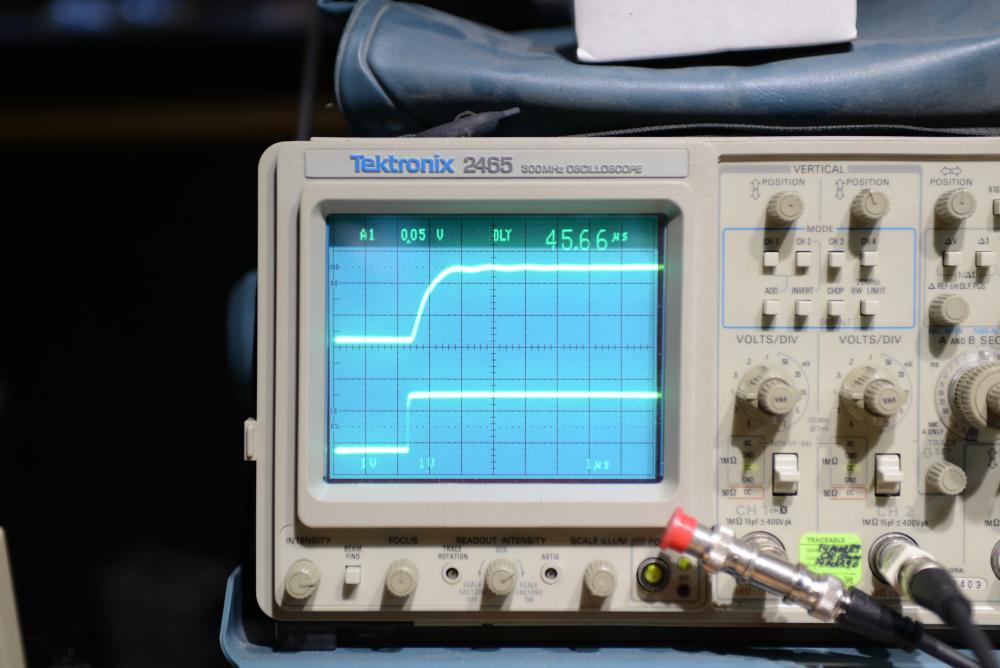
so birgir sent me 2 pieces of cavalli to test all at 20khz into 50 ohms top is output, bottom is input first up is the CTH which does in fact invert phase, check out the feedback spike next is the lcx, much slower slew rates (mosfets, no surprise there) and the ringy dingy
-
scratchy on the pot means there is some dc offset somewhere
-
10 times the input capacitance, 20 times the output capacitance. Yes it will work as the gate follower, but in the gain stage the frequency response is definitely going to change
-
flyback switcher on board. another stepdown flyback switcher for the filaments
-
the 5.1k resistors are to protect the headphones.
-
so all sorts of problems actually building this. 1) input transformer needs a center tap probably tied to about -420v 2) voltage swing on the ecc88 is such that you are going to loose 40v or more on negative swing 3) 6sn7 filaments would have to float and then you are still limited by the cathode to filament voltages to about 400V 4) 33R output resistor absolutely a bad idea 5) available 900V mosfets are high gate capacitance limiting frequency response 6) resistor plate loads for 6sn7 a bad idea 7) 900V npn output transistors no longer exist have to use obsolete parts, or currently best transistor is 800v no servo to control output stage dc
-
-
absolutely stunning, but I think the triumph would be a lot more fun, too bad i'm way past my prime to ride something like that. more than 20 years since the K100RT
-
hum and heat are 2 issues the lyr3 seems to be getting a reputation for.
-
yes the amp is balanced. whether there is a opamp unbal to bal converter like the liquid carbon or lcx, is unknown. But there is no reason why the front end cannot be a differential amplifier and then its balanced. of course that depends on your definition of balanced, its not the same kind of balanced as a super symmetry dynalo. its a unbalanced/balanced to balanced converter and then 4 x cfa output amplifiers. Same as liquid gold, liquid carbon, lcx. I see the confusion from my post, the single ended output is going to be limited to something like 18vpp (30 volts - VGS(x2)-2) whereas the cth would be about 26v This amp is definitely to compete with the lyr3. whether they knew that the lyr3 was coming or not. Both amps have serious limitations and issues. also that picture is the cavalli version the monoprice version will probably be different just like the differences in the original cth and the production version
-
+/-15V power rails and mosfet output transistors. Single ended output with very limited voltage swings. Same super simple CFA output section as CTH,Liquid Carbon, Liquid Gold, Liquid crimson etc. Virtually no class A power. And this is $700?
-
No reason for an extra buffer
-
I am sure that the design is a version of his current source feeding a buffer output stage. Possibly ac coupled. With a fair bit of feedback.
-
it may have been cute when schiit came out with its original batch of cheap shit. all sorts of compromises necessary to produce something for $149 But now we have schiit competing with massdrop competing with monoprice, producing seriously compromised product for prices approaching $700. All sorts of issues including virtually no class A output power, split rail power supplies, low component life due to some really high chassis temperatures, noisy external switching power supplies and flyback switchers internally. Throw away product for sure. When you can buy real products from real companies for $500 or less.
-
the cfa input is a diamond buffer and is biased thru the base currents of the input pair.
-
I think it may screw up the first stage bias currents, but you can certainly try it.