Leaderboard
-
Voltron
High Rollers16Points34606Posts -
Absorbine_Sr
High Rollers11Points8097Posts -
spritzer
High Rollers10Points14709Posts -
morphsci
High Rollers7Points13347Posts




Popular Content
Showing content with the highest reputation on 04/08/15 in Posts
-
3 pointsWhat I would do is set traps myself. I would probably set four traps in places where you notice rat droppings. I would check them twice a day, once in the morning. If you catch a rat replace the trap with a new one, set it and wash the old trap and let air dry before using again. If you have rats you should catch some in the first few days. I would not worry about getting the house sealed up unless you keep catching the rats semi-continuously. If you are only catching 1 or 2 a month then you have to weigh the cost with the expense of knocking it down to 1 or 2 per year. I doubt you could ever get it down to zero. The rat pictures on the website are actually mice.3 points
-
2 points
-
No, it's $19.95 and they require me to download at least 2tb of pirated Bang Bros each month or they double the price. Weird.2 points
-
Sure. The equation relating capacitance, charge and voltage is: V = Q/C where V = voltage, Q = charge and C = capacitance Taking the time differential of both sides we get: dV/dt = (1/C)*dQ/dt where dV/dt = voltage change/time = slew rate, dQ/dt = change in charge/time = current = I So: dV/dt = I/C, or C*dV/dt = I For my example, dV/dt = 30 V/microsecond, C = 100 pf, plugging everything in gives I = 3 mA for 1600 volts peak-to-peak. I used to be a physics major in a previous life. ) The reason you got a different answer for slew rate is that you are calculating for a full-power, 20 kHz signal. However, music does not contain full-power signals at 20 kHz. As Nelson Pass and Peter Baxandall found, the music power spectrum rolls off above around 5-6 kHz at a rate of approximately 6 dB/octave. Because of this, for a 100 watt amp that can swing 80 volts peak-to-peak the fastest slew rate with a music signal is 1.5 volts/microsecond up to clipping, whereas a sine wave 20 kHz signal at clipping would slew at 5 volts/microsecond for the same amp. The fact is that music signals are not that fast compared to some test signals. Multiply those results by 20 for a 1600 volt peak-to-peak signal at 20 kHz gets you to 100 volts/microsec, which is what you calculated, or 30 volts/microsecond for music signals, which is what I got. You'll get the same answer as me if you plug in a full-power signal at 6 kHz, which is what Baxandall said was needed to reproduce music. Now, the calculations in the second post assumed a signal of 800 volts peak-to-peak, which is 400 volts peak, whereas your calculation was for 800 volts peak, hence your answer is twice as high as mine. My number also includes the 1.5 mA current into the capacitative load of the headphone, and because that current is 90 degrees out of phase with the current to the resistor, the overall answer 8.1 mA (rounded off) rather than 8 mA for the resistor load alone.2 points
-
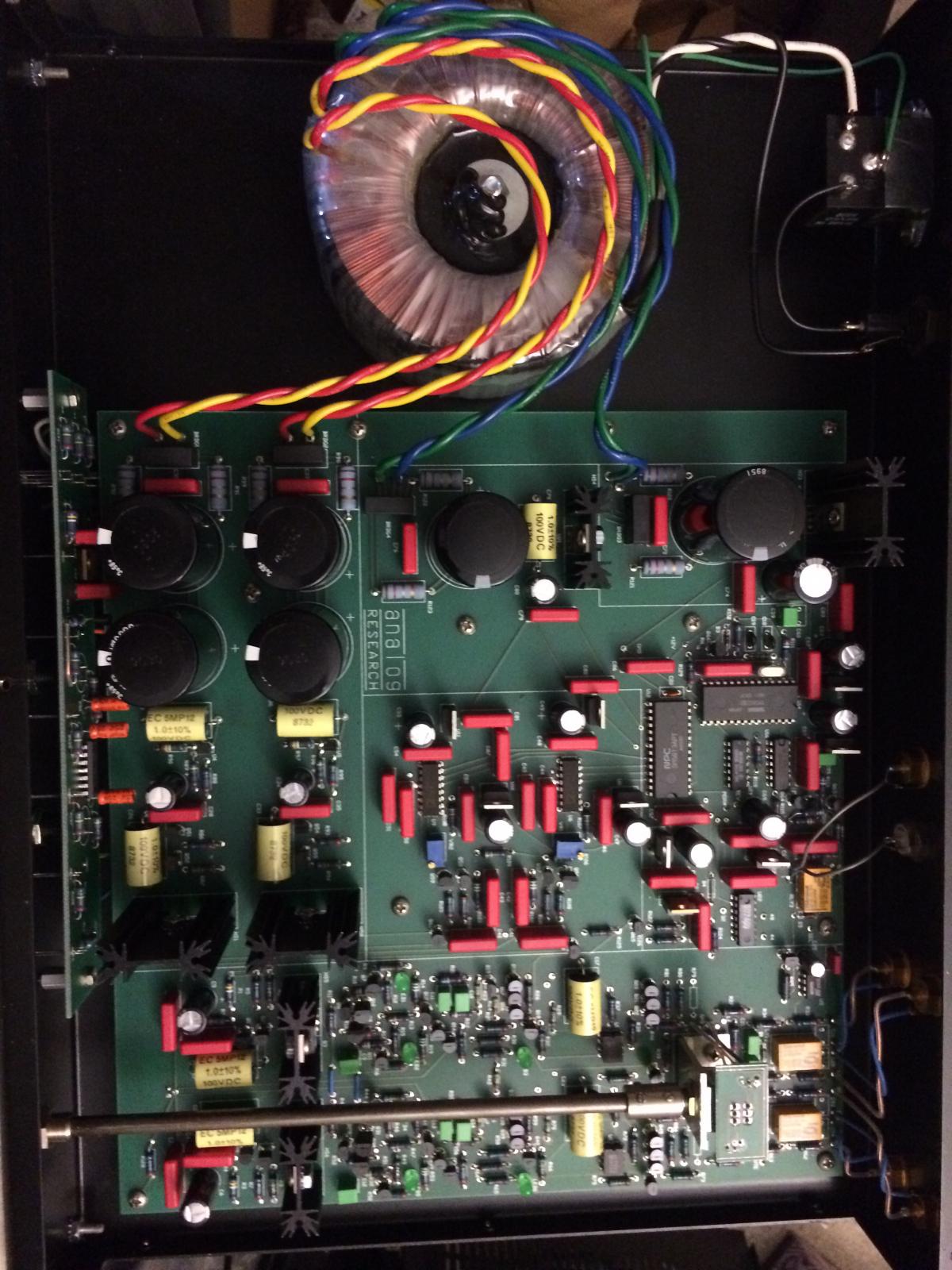
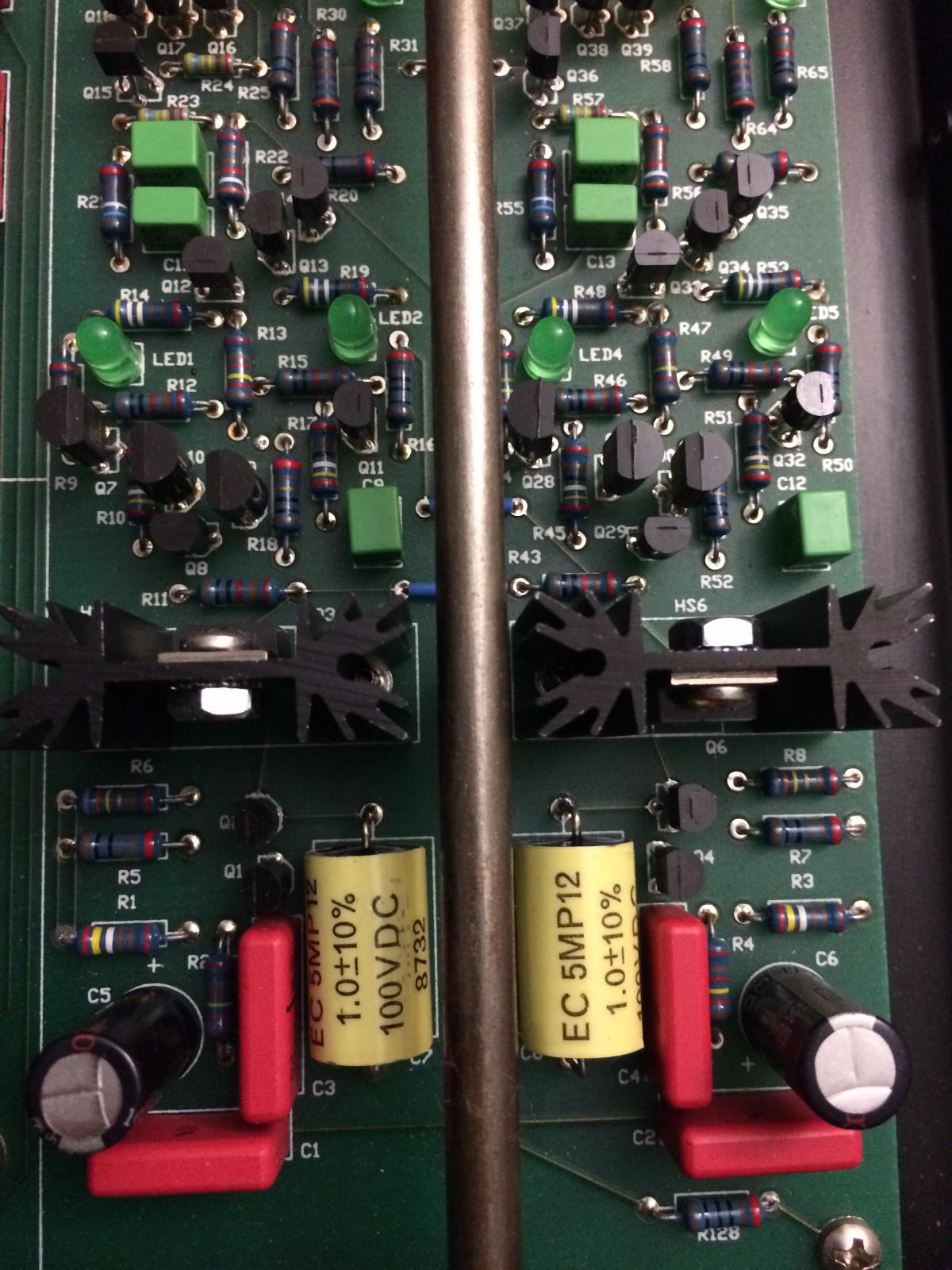
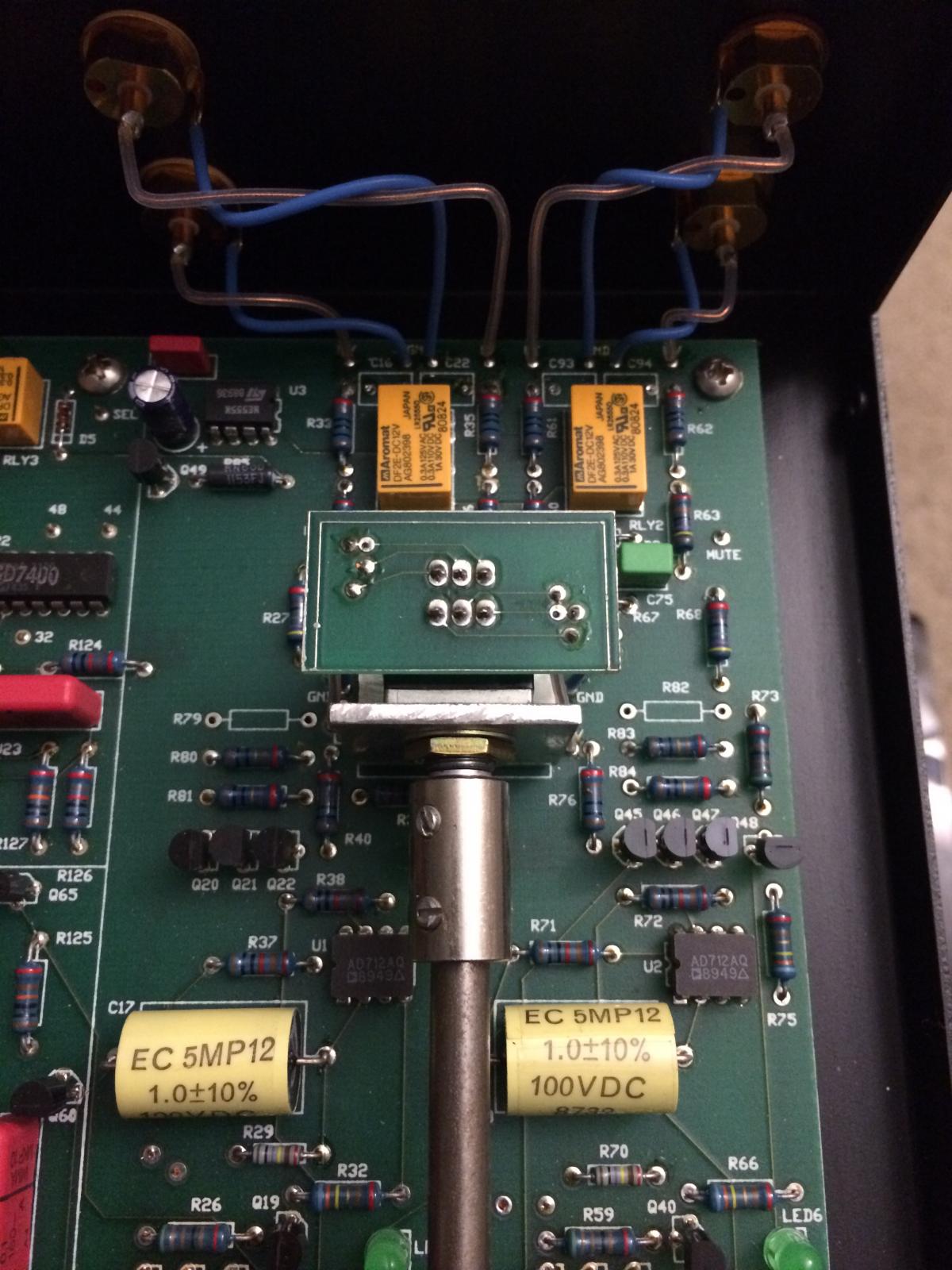
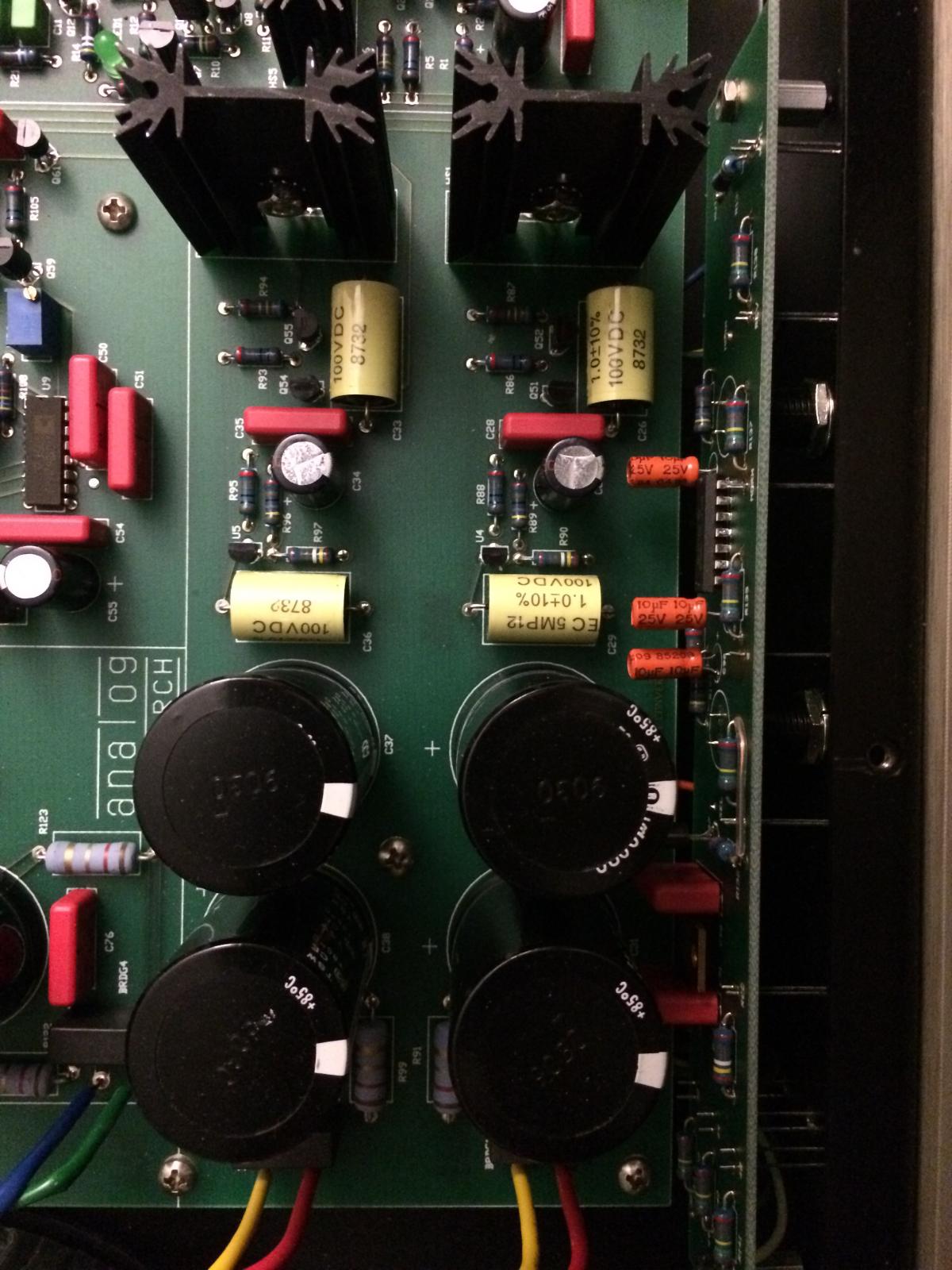
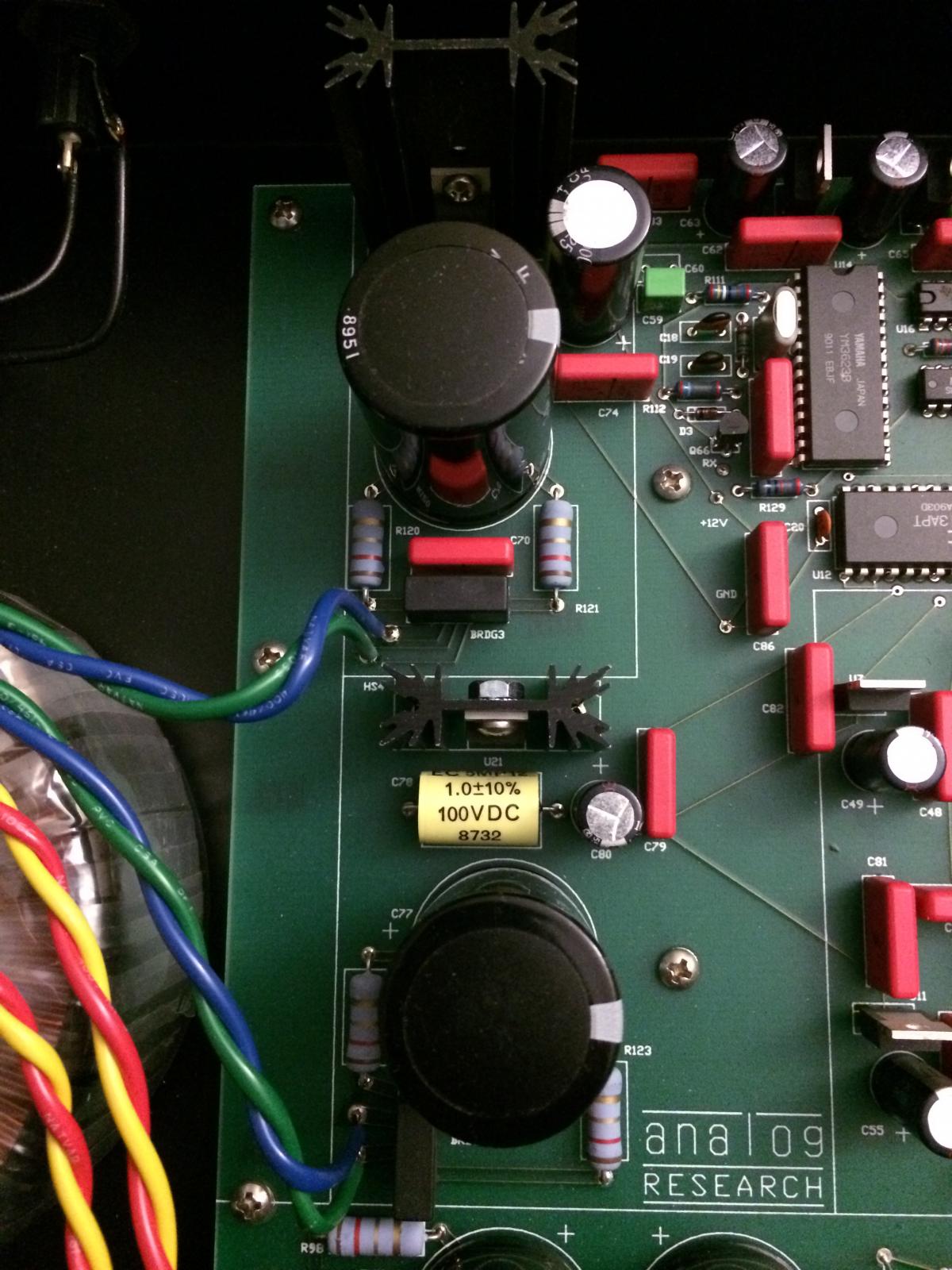
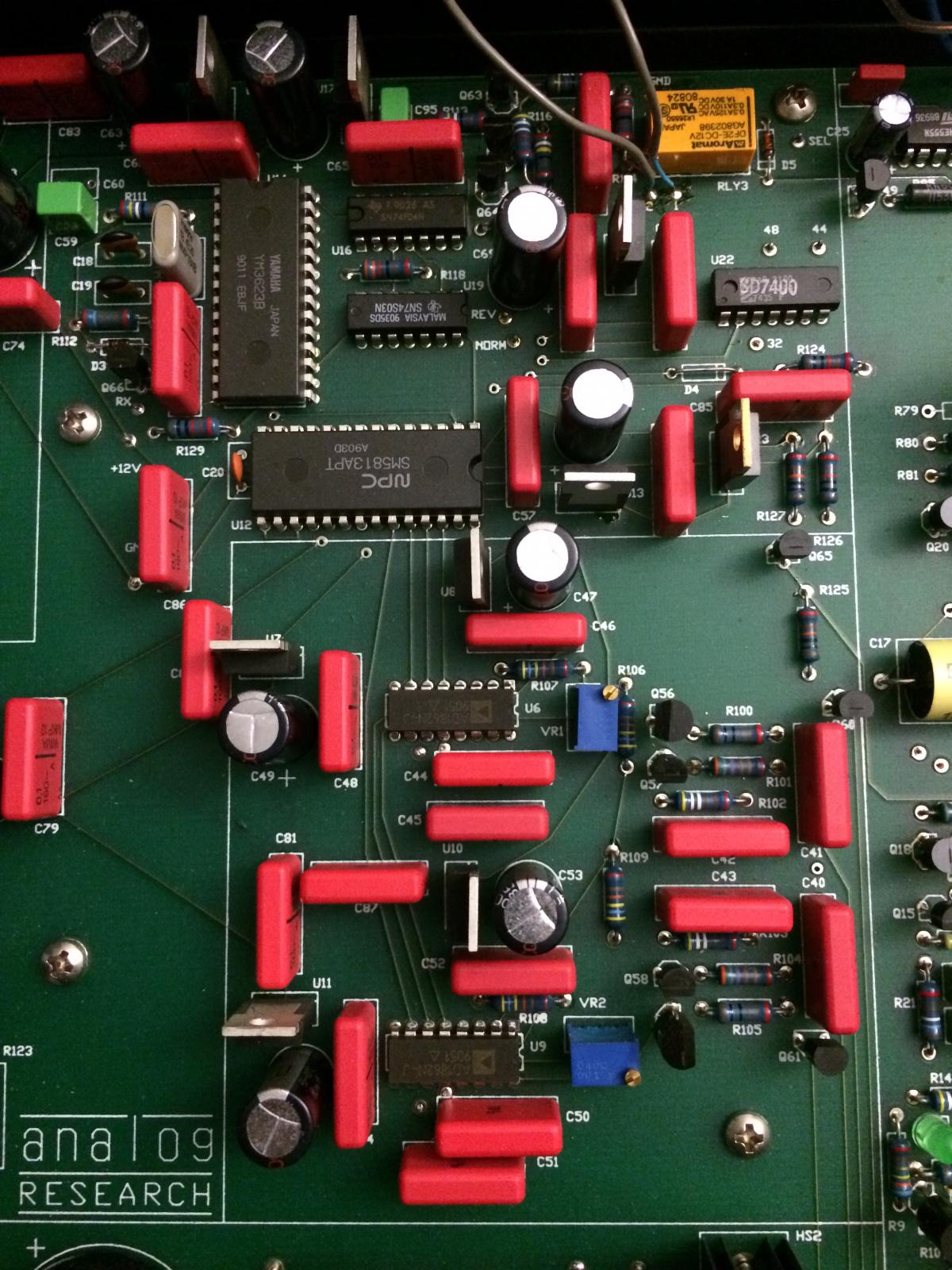
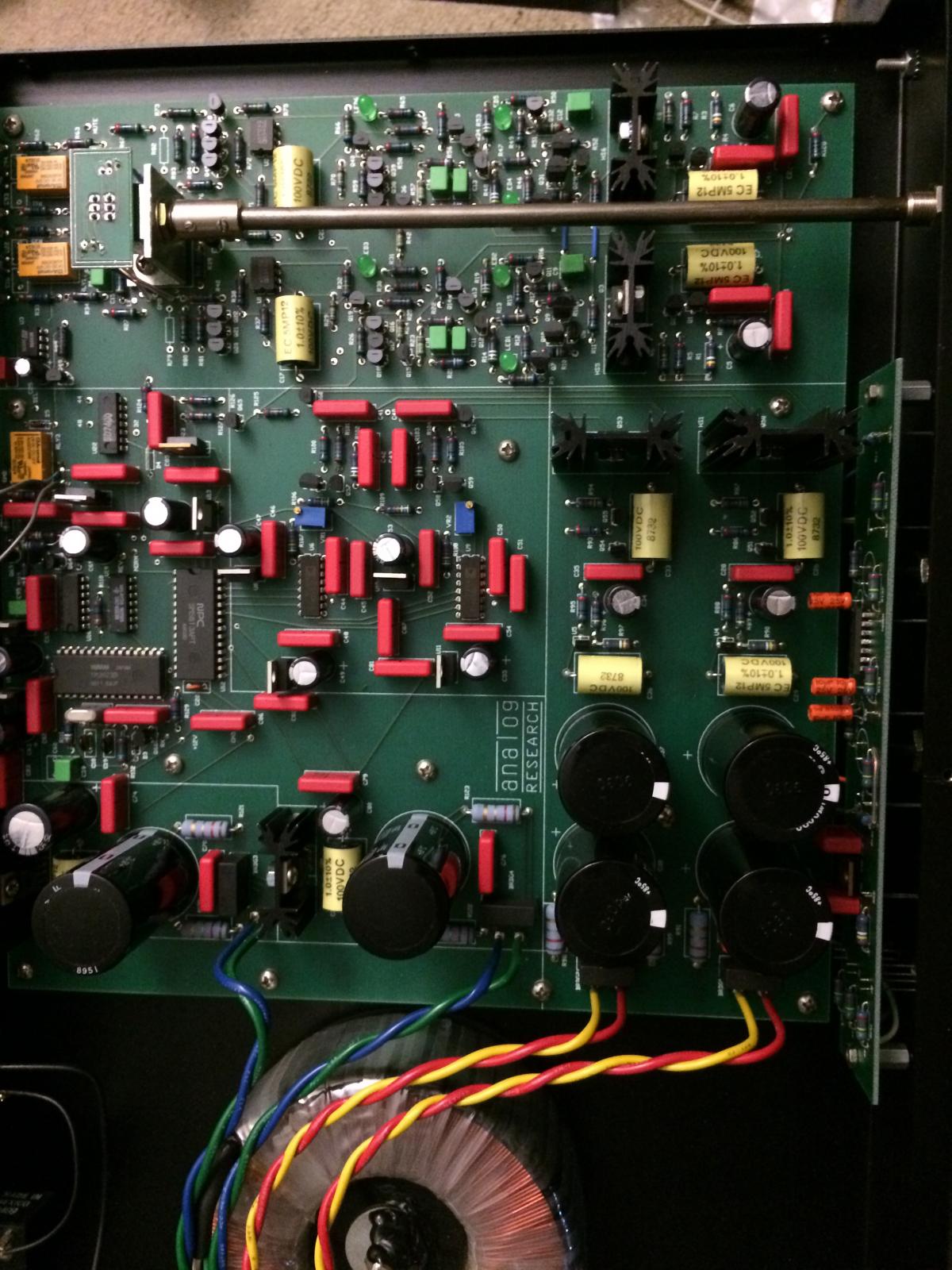
1 pointI was recently able to pick this up after a year or two of searching. I figured I'd post some pics that I had on hand, only internals atm. It uses 2 AD1862s, and has two outputs. One of them is fixed level while the other can be attenuated by a TKD pot. Supposedly this was a CES prototype so there's no power switch. Sounds great, a shame I can't compare it to my Spectral which recently melted down. Using it with a Legato 2, which was designed by the same guy (Jocko Homo)
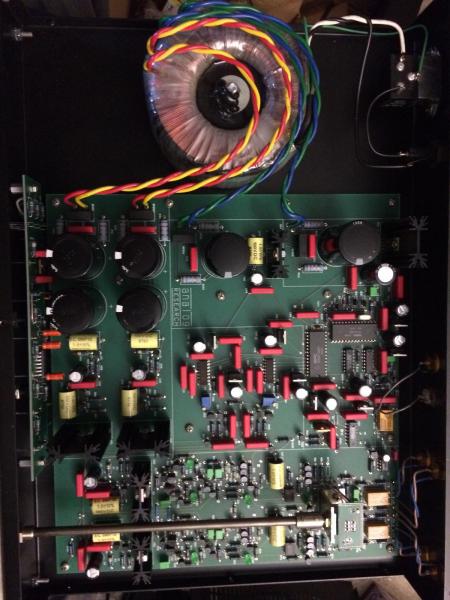
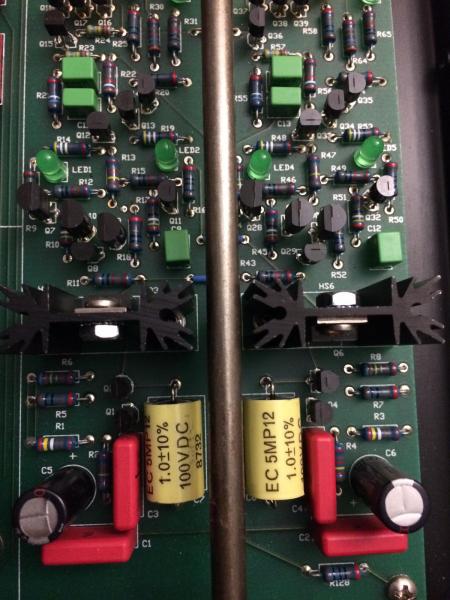
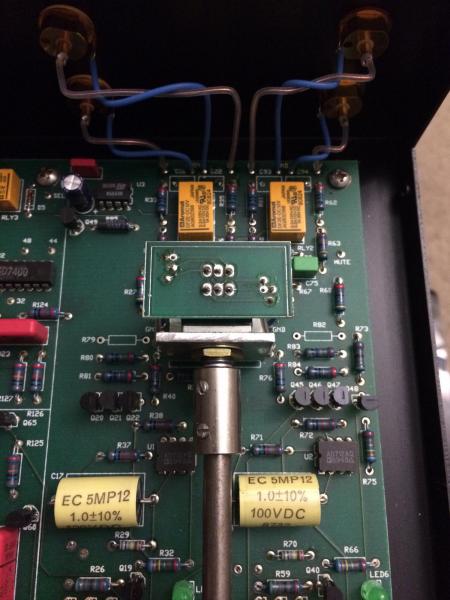
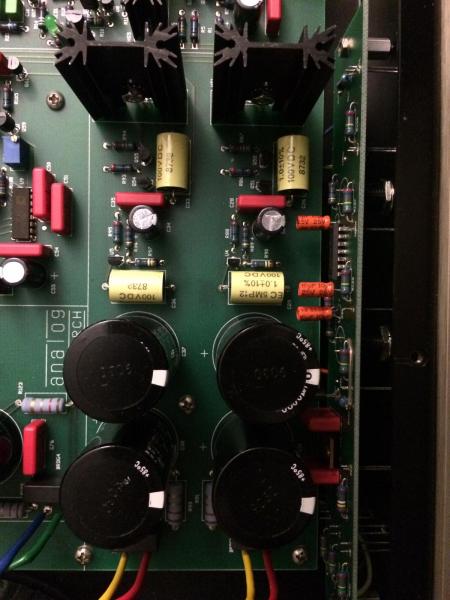
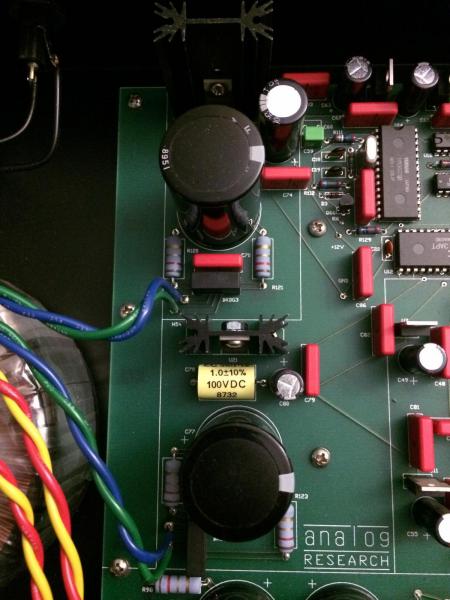
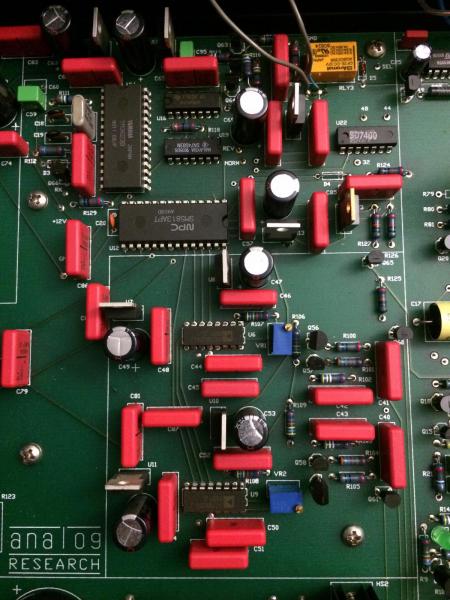
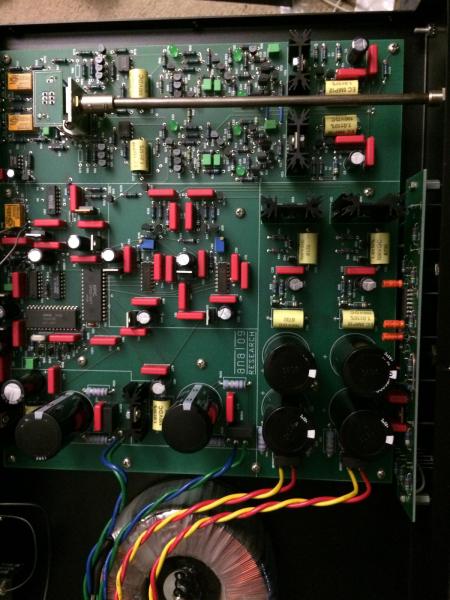 1 point
 -
1 point
-
1 pointThat seems like a better company. I also understand not wanting to deal with rodents. No big deal for me since I did my Master's project live-trapping White-footed Mice and did a later project on Cotton Rats. Both involved handling living rodents. White-footed Mice are actually pretty non-aggressive. The same cannot be said for Cotton Rats. We usually end up with anywhere from 2 - 5 White-Footed Mice that decide it is a good idea to take up residence in our house. It always ends up being detrimental to their fitness. I am not a big fan of poison, especially in open areas, because it usually ends up taking out non-target species, many of which actually help control the pest, and so you actually end up making your problem worse.1 point
-
1 pointYeah, I do not think 43 is big at all. The 46 starts to seem a bit big, but only when going back and forth. The Rolex Glidelock clasp is fantastic. Getting the perfect fit is so easy with this system. Might have to upgrade the Sea-Dweller to the SD4000 or whatever next.1 point
-
1 point
-
1 pointAnd remember, it's very possible that the rat proofing company told you they saw fresh droppings because they want to sell you expensive rat proofing.1 point
-
1 pointInu was planning to build his KGST with 9RA6's. The pinout is different so be sure to account for that. I'm trying to figure out how to make adapters for my 9RA6 tubes.1 point
-
1 pointI like the Japanese made 6S4As better than the GE, RCA. and Philips EGC that I have sampled. All have different plate structures. I believe them to be repinned 6RA6s, a Japanese tube with 40% lower Rp and higher dissipation. Heater current spec for the 6RA6 is higher too, and measurements on the JAPAN 6S4A bear that out. They are easy to spot with flags between the plates and the getter like on an EL-34. That said, I am currently using Tungsol 3 mica, square getter 6S4As. The internal plate structure is indentical to the Japanese mfg tubes without the flags. Probably the tooling was sold to JAPAN and tweaked for the 6RA6. These Tungsol sound great in the KSGT.1 point
-
1 pointBack slowly away from this one. It cannot really be done unless you are going to pay exorbitant amounts of money. What is required is to close every hole 1/2" diam. or larger for rats and 1/4" diam. or larger for mice. If you miss any, they will find them since they have nothing but time. Grahame has a good idea or you could go with Greg's solution and cultivate rattlesnakes, which love to eat rodents.1 point
-
1 pointTry acting like a new person in an old forum. Especially an old forum that tells you it is full of grumpy people who are dubious of new people. Don't post lengthy dissertations teaching us things. Don't claim to know how every business in the entire world operates. Don't try to impress us with your background in music or engineering or whatever the fuck. Don't post and post and post and not take hints. And don't call Birgir "Spritz." That is just stupid. Take a breath and lay back occasionally and maybe you will find a niche here. Obviously, there is plenty for you here, and you are clearly enamored with the technical expertise that is shared here. But if you simply cannot filter and cannot help but sound pompous, then you're going to get this same treatment until you are banned or bail out.1 point
-
Billie Holiday - Last Recording Today is the 100th anniversary of Lady Day's birth. This is arguably not one of her bests but is deeply emotional, recorded a few days before her passing away. Personnel: Billie Holiday, vocals Ray Ellis, arranger & conductor Harry Edison, trumpet Joe Wilder, trumpet Billy Byers, trombone Al Cohn, tenor sax Danny Bank, baritone sax Hank Jones, piano Barry Galbraith, guitar Milt Hinton, bass Osie Johnson, drums1 point
-
1 pointIt takes a special kind of cunt to turn MPI into the reasonable one in an argument. If anyone needs to stop running his mouth, it is you, so why don't you shut the fuck up and quit clogging our forum with your verbal diarrhea.1 point
-
CJ, I'm surprised that you were getting that kind of speed for $20 per month. That seems incredibly cheap.1 point
-
1 pointYes Kevin's files and His kgbhultraminipsV4 PS, The tubes are out the back like on Megatron. pic's on other site as I can't figure out how to do it here. Made the boards on a DIY Microcarve CNC (dust and noise but no ferric cloride) and yes it is a fun way to waste a bunch of time> Thanks to Kevin for handing out the files. Question: the SRX sounds much better than my KGST, which was built using same parts as my KGSSHV. while the KGST has more gain than SRX, it is also harsh and the bass is not as good. no complaints with KGSSHV poor choice of tubes?1 point
-
1 point