

Leaderboard
-
Voltron
High Rollers19Points34606Posts -
luvdunhill
High Rollers10Points13728Posts -
Dusty Chalk
Moderators8Points49160Posts -
VPI
High Rollers7Points9103Posts




Popular Content
Showing content with the highest reputation on 01/04/17 in Posts
-
4 points
-
3 points
-
Shpongle – Tales of the Inexpressible (Nothing Lasts is my favorite Shpongle album, but I forgot how good this one is)3 points
-
The Radio Dept. -- Running Out Of Love A heavy album of deceptively light music.
 2 points
 -
We need to send Steve to see if he has a bug up his own ass.2 points
-
2 points
-
1 pointThanks for all the birthday wishes. As further proof that I continue to live the wild DJ lifestyle, I spent my birthday getting my car working (yay!) then going ...grocery shopping. I did splurge on some organic, free range tree hugging hippie Kielbasa. It was eye-wateringly expensive, but damn is it good.1 point
-
1 point
-
1 point
-
1 point
-
1 point
-
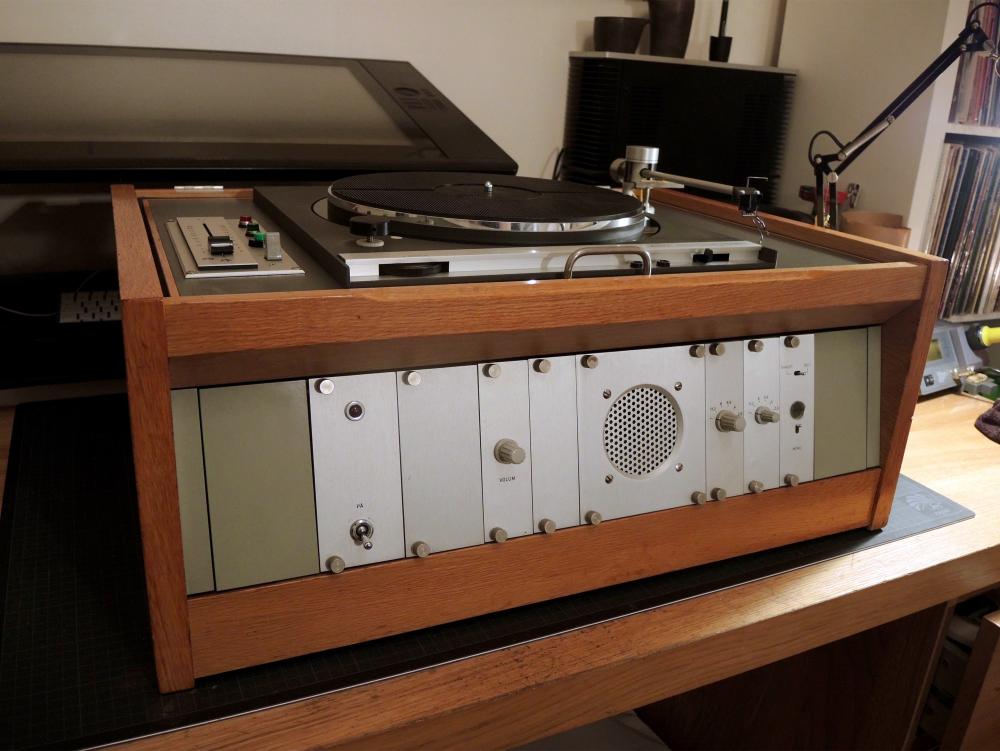
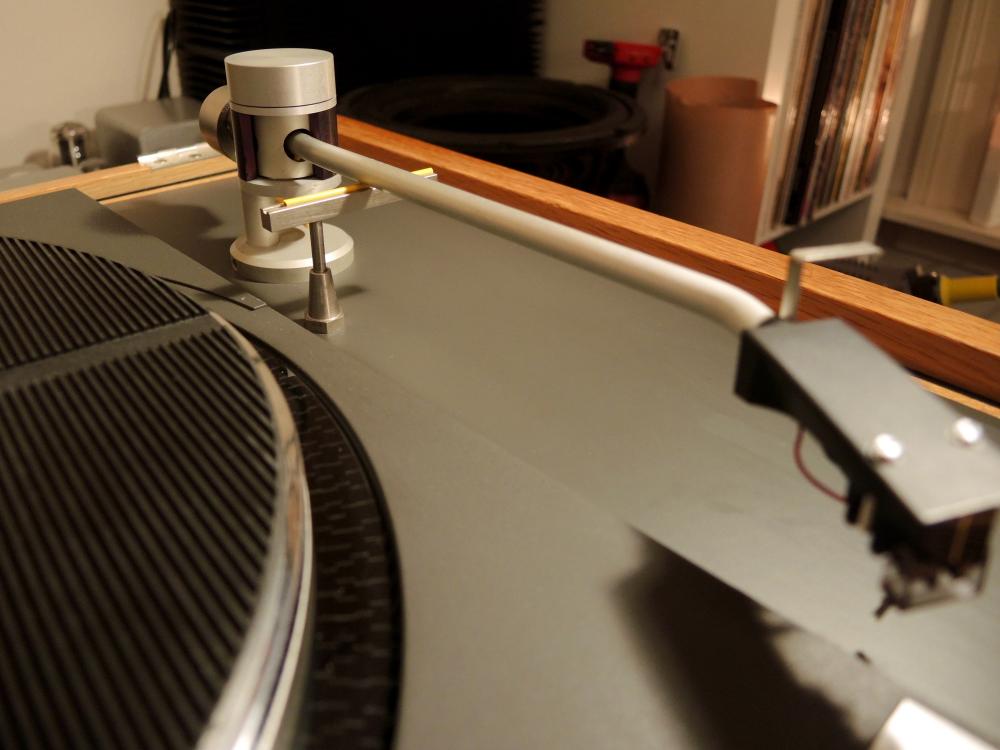
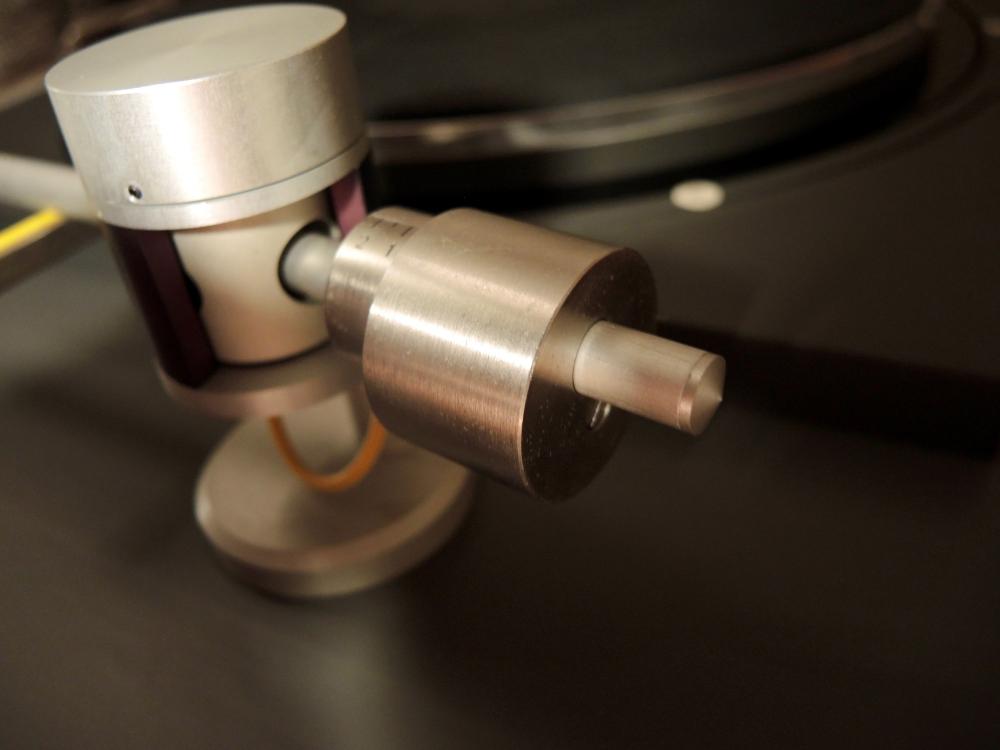
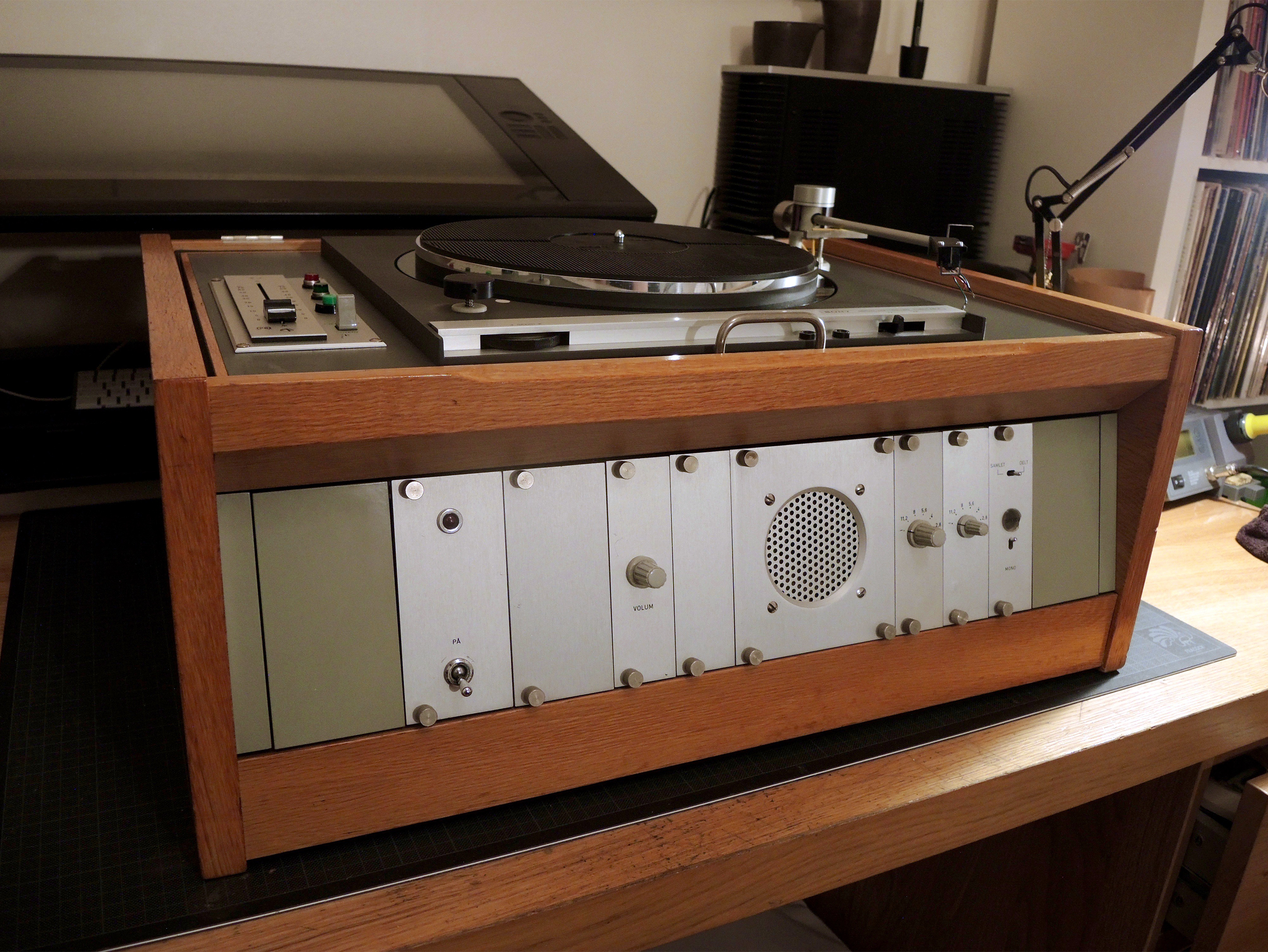
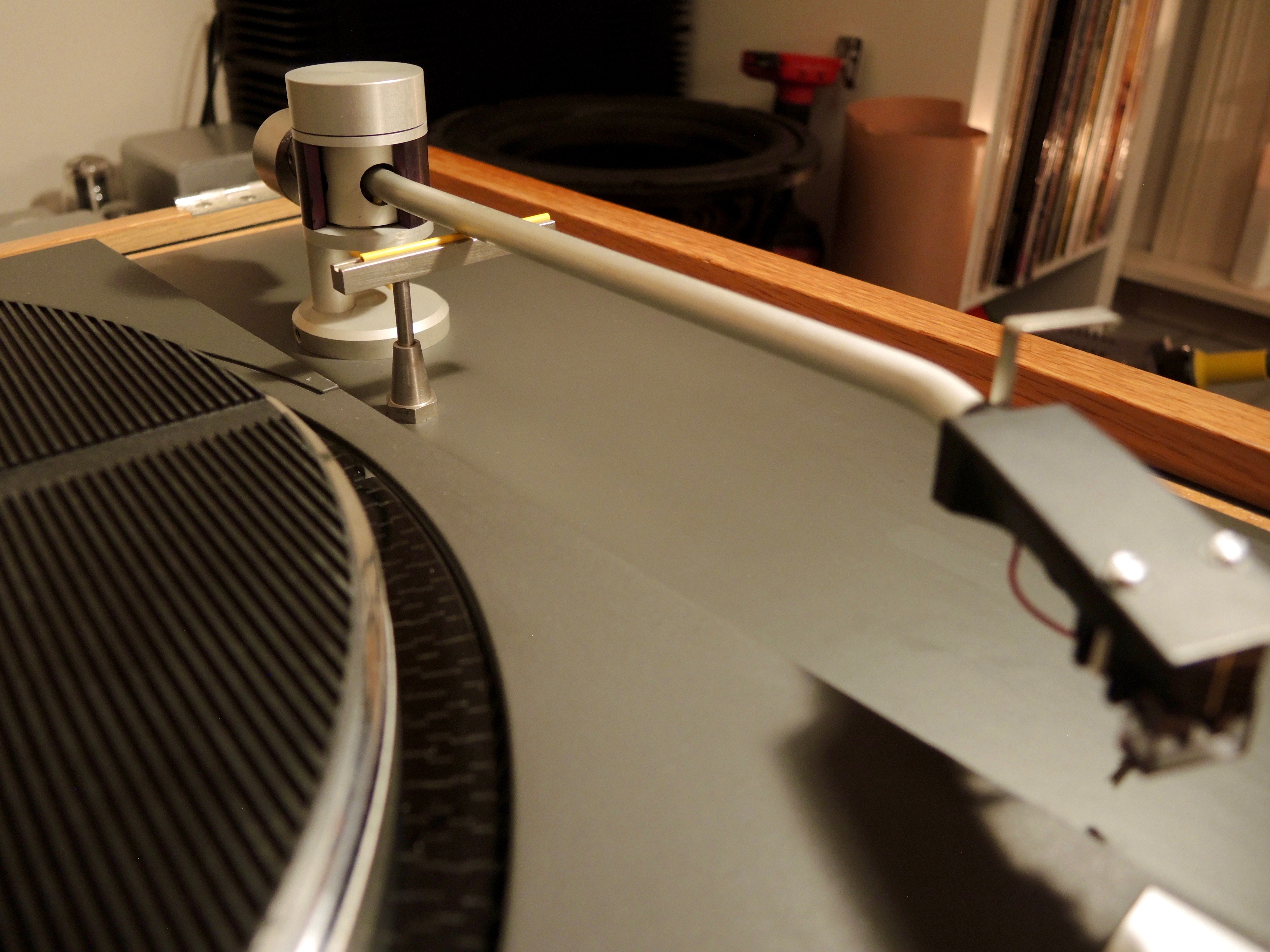
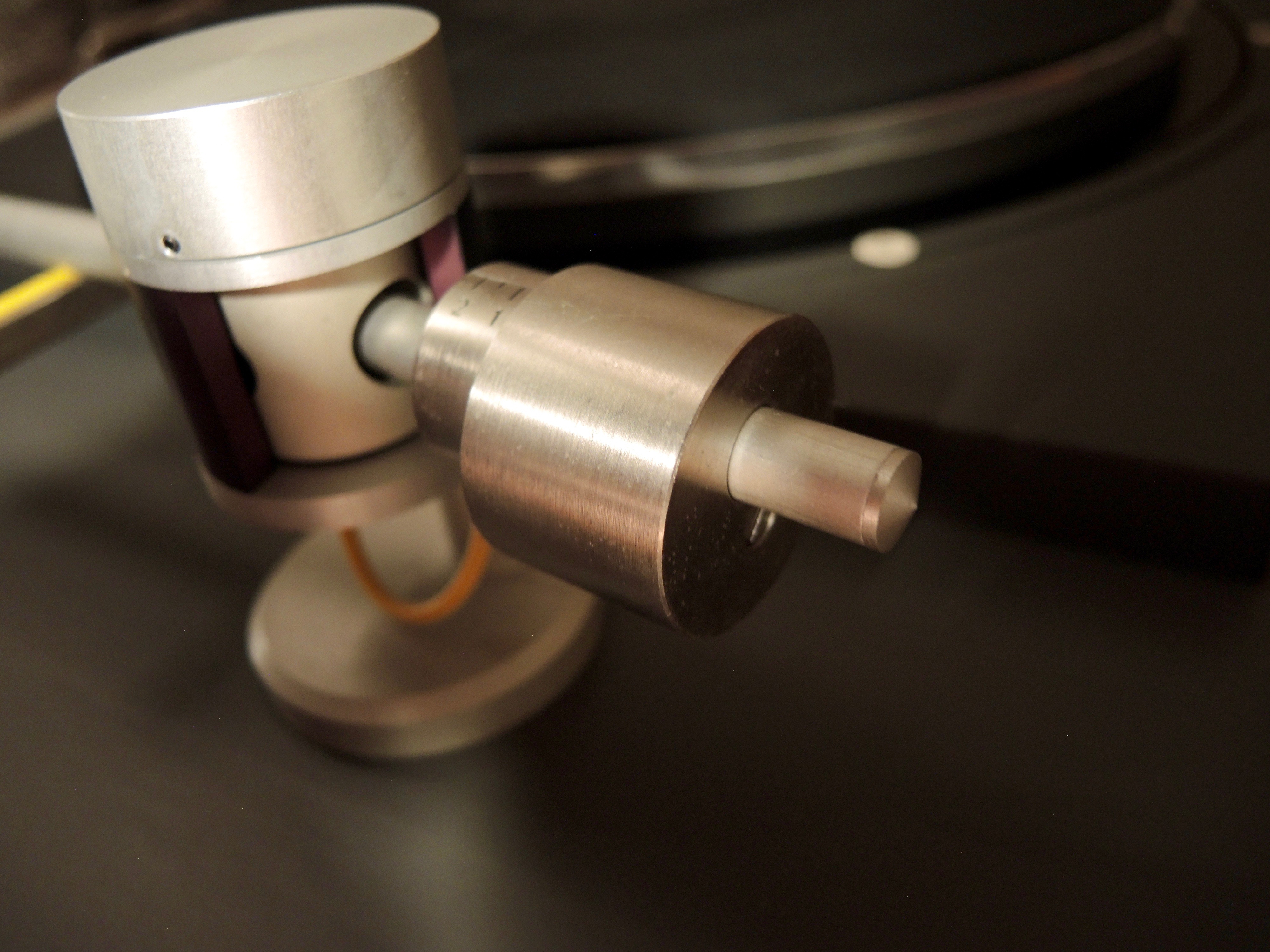
1 point1 pointShape of Despair, Alone in the Mist -- Bandcamp streaming and purchase link I thought their last album -- Monotony Fields -- was a nice return to form, back to the Shades of... and Angels of Distress era, but this might be even better. Doom. Just funereally paced, cavernous reverb-washed doom, where it takes them 5 minutes to sing one 4-line verse. EDIT: It's a remaster of their 1998 demo, that might explain why it literally harkens back to their early days.1 point1 point1 point1 pointi'm pretty pleased with the sound of my vinyl rig at the moment, but that didn't stop me from picking up this oddball on new years eve. it's an old NRK broadcast turntable from the late 60s (probably), based on a Sony TTS-3000a it's got a pretty interesting arm, made for NRK at the Kongsberg weapons factory. i guess the reason they went for a highly expensive custom arm, was that all the adjustments are hidden and locked down with unbraco screws, making them fool proof and durable in a studio setting. you need a slotted screwdriver to adjust the counterweight, and a tiny unbraco key to set the torsion spring anti skate on top. no accidental bumping will ever upset the settings. Still haven't got it up and running, as i need a new belt and cartridge clips, but i'm looking forward to seing how it performs. The inbuilt riia is supposedly pretty serious, so i'm also looking forward to compare it with the graham slee reflex M. i need to make some kind of internal rca junction box though, so i can bypass it, or insert the elevator EXP for MC cart usage.
 1 point1 pointA surprisingly small one. There is a mild suppression in the upper midrange where you loose some "air" and the bass is clearly tuned like other Pro model Stax so lean but insightful. Their major drawbacks are just how heavy and bulky they are. Also the first ones are so uncomfortable that it isn't even funny. Ohhh and as I found out...stay far away from ones that have been serviced. Stax will turn them into an unlistenable mess which sucks so bad that it isn't funny. Now we all know that the SR-507's are garbage but those drivers in the 4070...holy fuck that was bad.1 point1 pointThanks guys, surgery went without a hitch and her knee felt better the moment she woke up afterwards. She's a bit immobile but on the mend.1 point1 pointWell, I have a somewhat different perspective on this. I don't know that "tubes had to become more reliable into the '50s" as prior to that there was no other option. In fact, if improved reliability was a major engineering goal you would think that the tube manufacturers would be putting out advertisements touting it. They didn't. They did promote cheaper 9 pin miniature tubes, e.g. 12A_7 vs. more expensive pre-war octals such as 6SL7 and 6SN7, squeezing more elements into the same tube envelope with compactrons (less tubes, less expense), or putting in controlled filament warm up elements to allow manufacturers to run series filament heaters (less expensive) - do you see a pattern here? The fact is by the 1930s, consumer tubes would last 5-10 years, which was "good enough." In fact, the major factor for tube reliability is conservative operating conditions, which was understood in the 1930s - the longest running tube was a "Mazda AC/P pentode valve (serial No. 4418) in operation at the BBC's main Northern Ireland transmitter at Lisnagarvey. The valve was in service from 1935 until 1961 and had a recorded life of 232,592 hours." A 1930s tube. In the 1950s, they did introduce premium versions of the 6SL7 (5691) and 6SN7 (5692) tubes which were supposed to have a longer service life. The way they did that is very simple, they just derated the tube so it was supposed to run at lower voltages, currents and power dissipation than its parent tubes. Now, it is true that they made advances in reliability for specialized tubes which were used for trans-Atlantic submarine telephone cable repeaters, but AFAIK that technology never made it to consumer grade tubes - too expensive. Switching to the other item in your post, would it be possible to show the schematic of the HEV90? The working version, that is.1 point1 pointI'd say that's an oversimplification. For example, some of the triodes from the 1930s such as the 56 and 76 tubes are among the most linear tubes ever designed, as documented by Eric Barbour in issues of Vacuum Tube Valley. 6SL7 and 6SN7 tubes designed in the 30s are more measurably more clinear than theircounterpart 12AU7,6CG7 and 12AX7 tubes from the 1950s, which were primarily designed to cost less. OTOH he latter tend to have less microphonics due to smaller plate dimensions, so pluses and minuses, but not all on the later design's side. And NOS JAN (Joint Army Navy) tubes that were sold as surplus in the 1990s and 2000s when DOD finally decided that they were never going to use those old tubes are nobody's idea of "rejected crap," as they were stocked after meeting military specs. A lot of the advances in tube technology in the 1940s were due to the war effort and had more to do with VHF and UHF design for radar, not improvements in audio tube design. As for materials, probably some improvements there. Lynn Olson has noted that early direct heated triodes are measurably very linear devices, more so than even triode strapped pentodes from later. They do have disadvantages of course in terms of amplification factor, hum problems with AC heater supplies, etc. The 300B is one of the most linear tubes ever designed. Not ideal as a stat headphone amp output tube because of its voltage limitations and its relatively high current requirement for best linearity, which isn't needed for stat headphones.1 point1 pointI've posted a revised power supply schematic and explanation on the SRX revised thread. This comes as a result of trying to make the supply quieter. Most of my attempts seemed to make it noisier, but after frying a few 431 chips, including getting some hundred plus volt oscillations, this is both quieter and more stable.1 point















Important Information
By using this site, you agree to our Terms of Use.