

Leaderboard



Popular Content
Showing content with the highest reputation on 08/04/22 in Posts
-
Sun's Signature / Sun's Signature. Yo, Cocteau Twins fans. ex.
 3 points
 -
3 pointsRIP to Vin. Spent my childhood listening to him - Dad's a big Dodgers fan.3 points
-
3 points
-
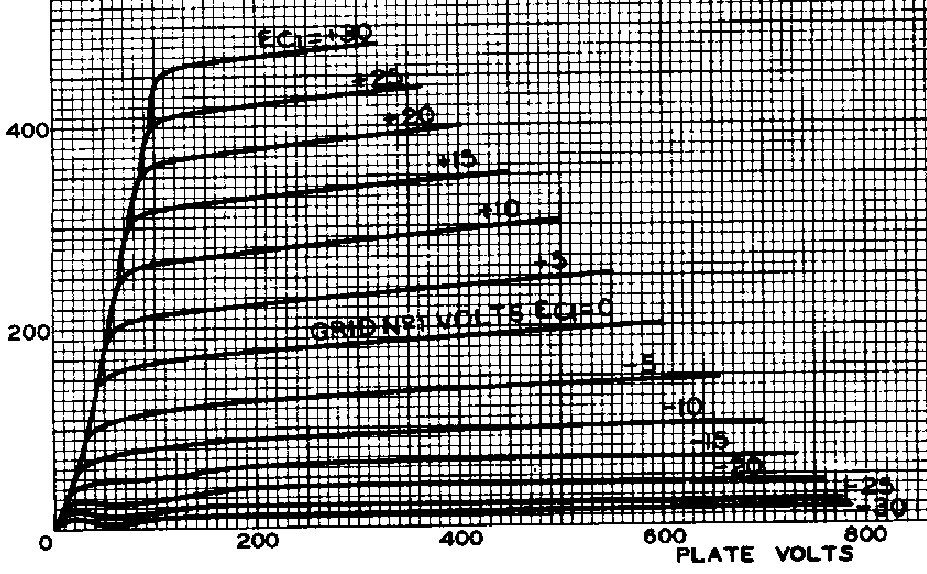
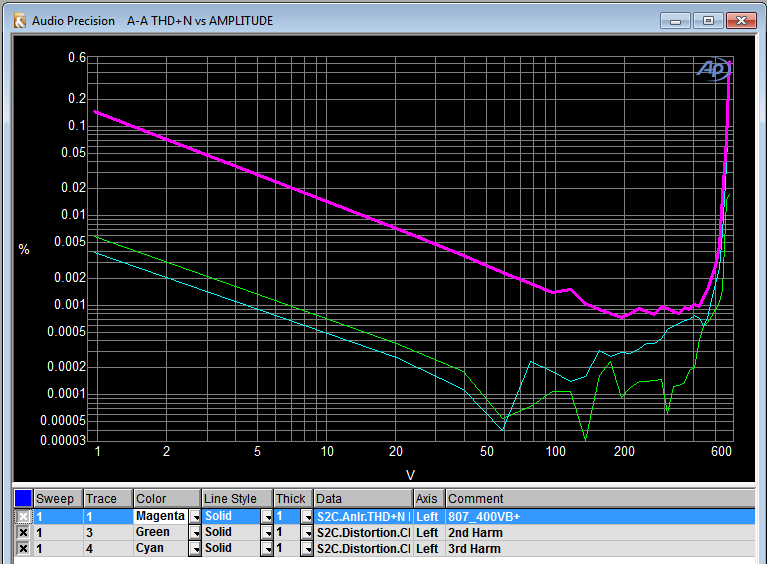
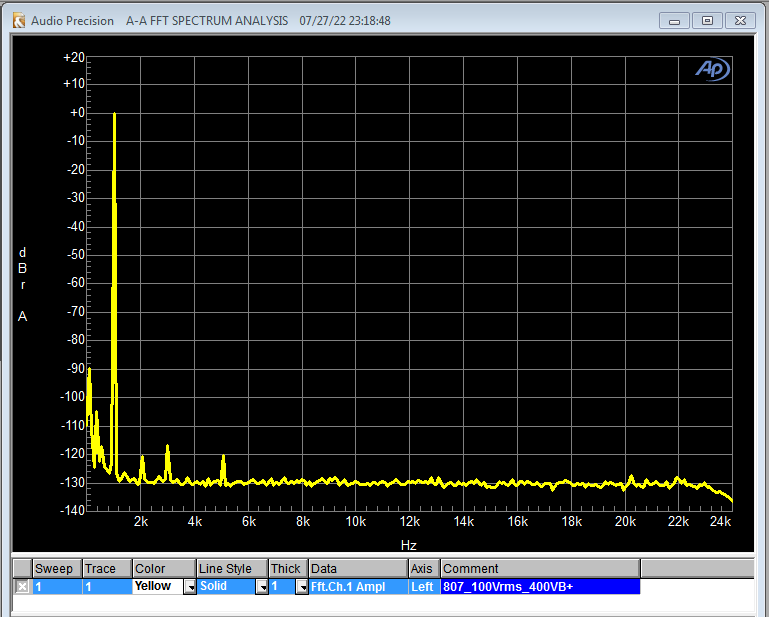
The pentode experiment gets a little twist - with a beam tetrode. In my search for an acceptable output device, I went through the popular low-power transmitting tubes. The 807/6L6 family has such a wide, kinky curve in the low current region with typical Vg2 (250V) and was rejected as a candidate at the first glance. However, the curves around zero Vg1 looks quite linear. Lowering the Vg2 could sort of 'bring them down' to the low current region. With about 60V on the G2, the kinks are largely gone, and the linearity looks pretty good (pictured below X= 100V/div, Y= 5mA/div, Vg1= 0.5V/step). Another benefit is that Ig2 comes down considerably with such a low Vg2, which allows me to use the same simple G2 supply used with the GU-50 (zener diode paralleled with a 10uF cap). I compared quite a few tubes on the curve tracer. The National Union 807s (shown above) from WWII era seem to have the best linearity and are the most stable. The RCA and Sylvania tend to oscillate on my test jig. 1625s are about the same. Unfortunately I don't have enough National Union for a matched quad. The earlier 6L6/6L6-G are not officially rated for 400V plate voltage and have to be excluded. The Tung-sol 6L6WGB/5881 (the real deal, not the 'reissue') looks much more linear compared to the 6L6GC. The Sylvania 5881 (shown above) although has the same internal structure as the Tung-sol, doesn't seem to be as linear. The 1624 would be an interesting direct-heating variant that has a bit higher gain than the 807. The 2E26/2E24 brothers are suitable, too. Here are the 807s on the test bed: The result is convincing: The 100Vrms output FFT shows harmonics -115dB below the fundamental: The 1624 turned out to be a disaster. It was hard to get a clean, low capacitance filament supply. When attached to the signal path, the common-mode noise would kill the S/N and the capacitance would mess up the frequency response and THD. I have to admit I don't have much experience with direct-heating tubes in circuits where every uV counts. It would be nice if the few exotic direct-heating tube eStat amp owners can get their units measured and share their secret to success... The grounded-grid cascode output stage is such a nice thing that it allows us to play with many tube types, as long as they have enough plate voltage and power ratings and are reasonably linear. We could end up having unique amps that still have top-notch performance.
.jpg.fce1991dc322ef72d687ba06df701c5e.jpg)
.thumb.jpg.d98748cac500efd883f3488216d77adf.jpg)
 3 points
 -
2 points
-
2 pointsIs "suck" code for best record in baseball right now? Just wondering2 points
-
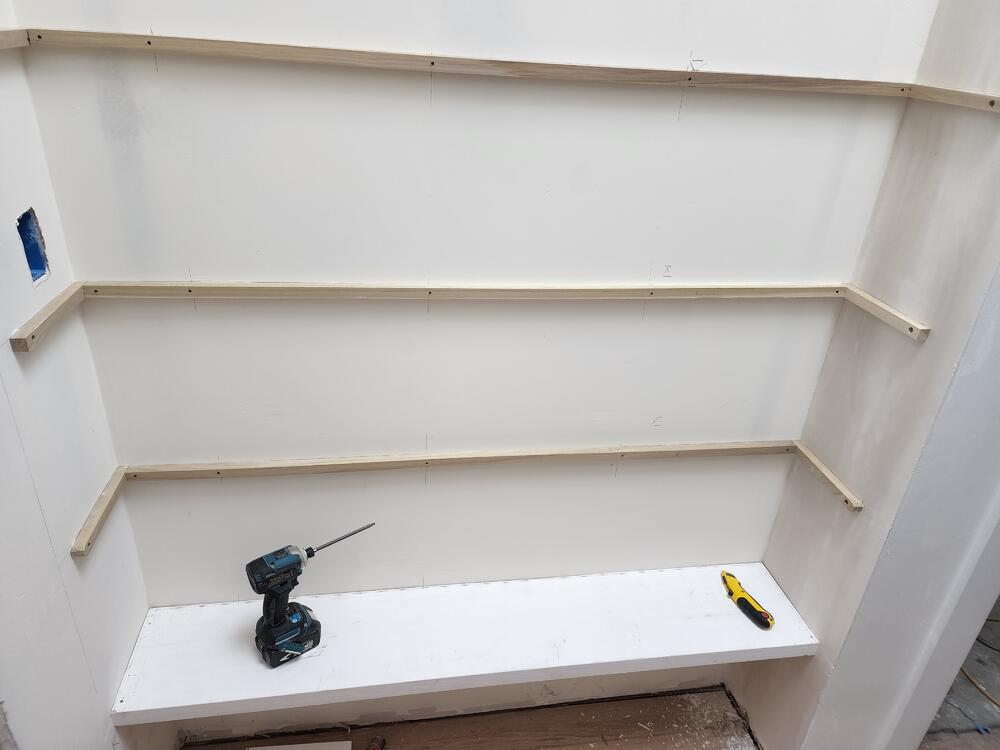
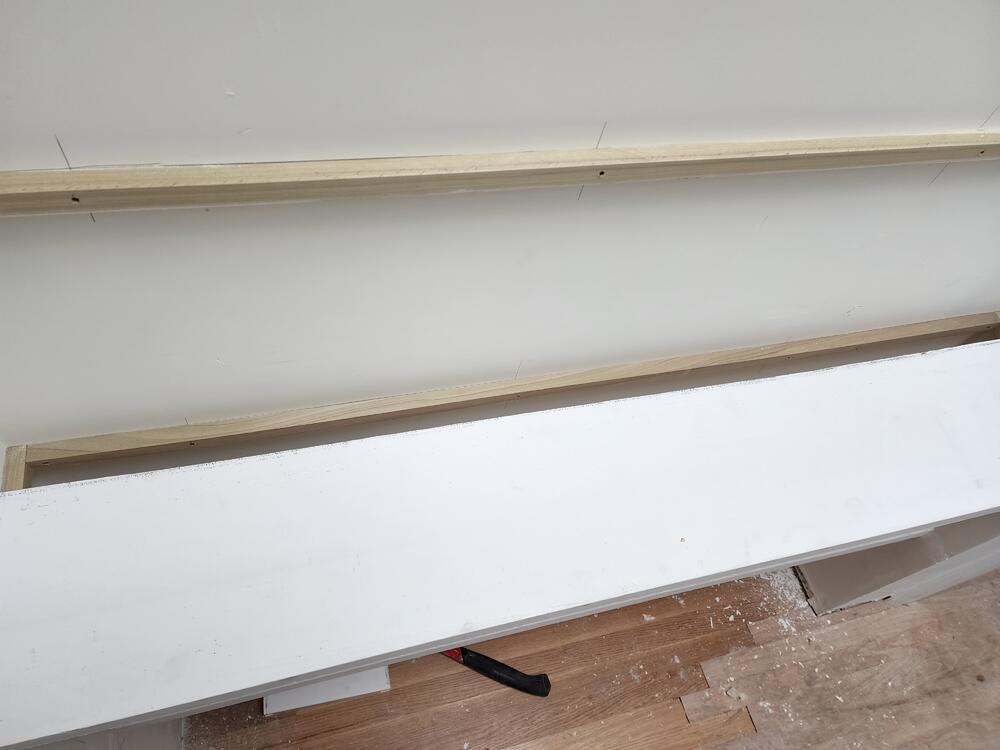
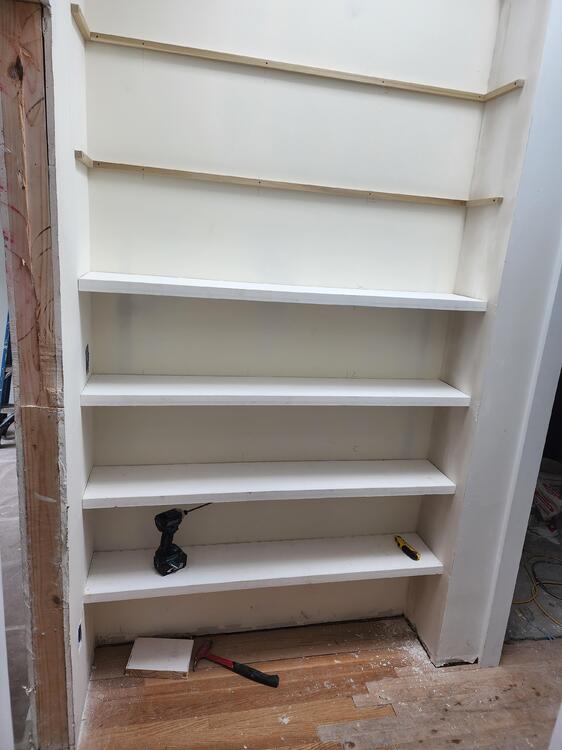
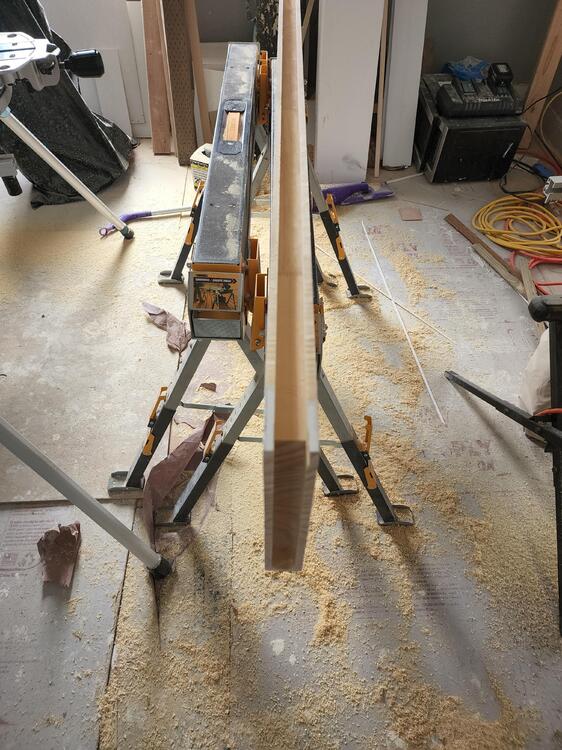
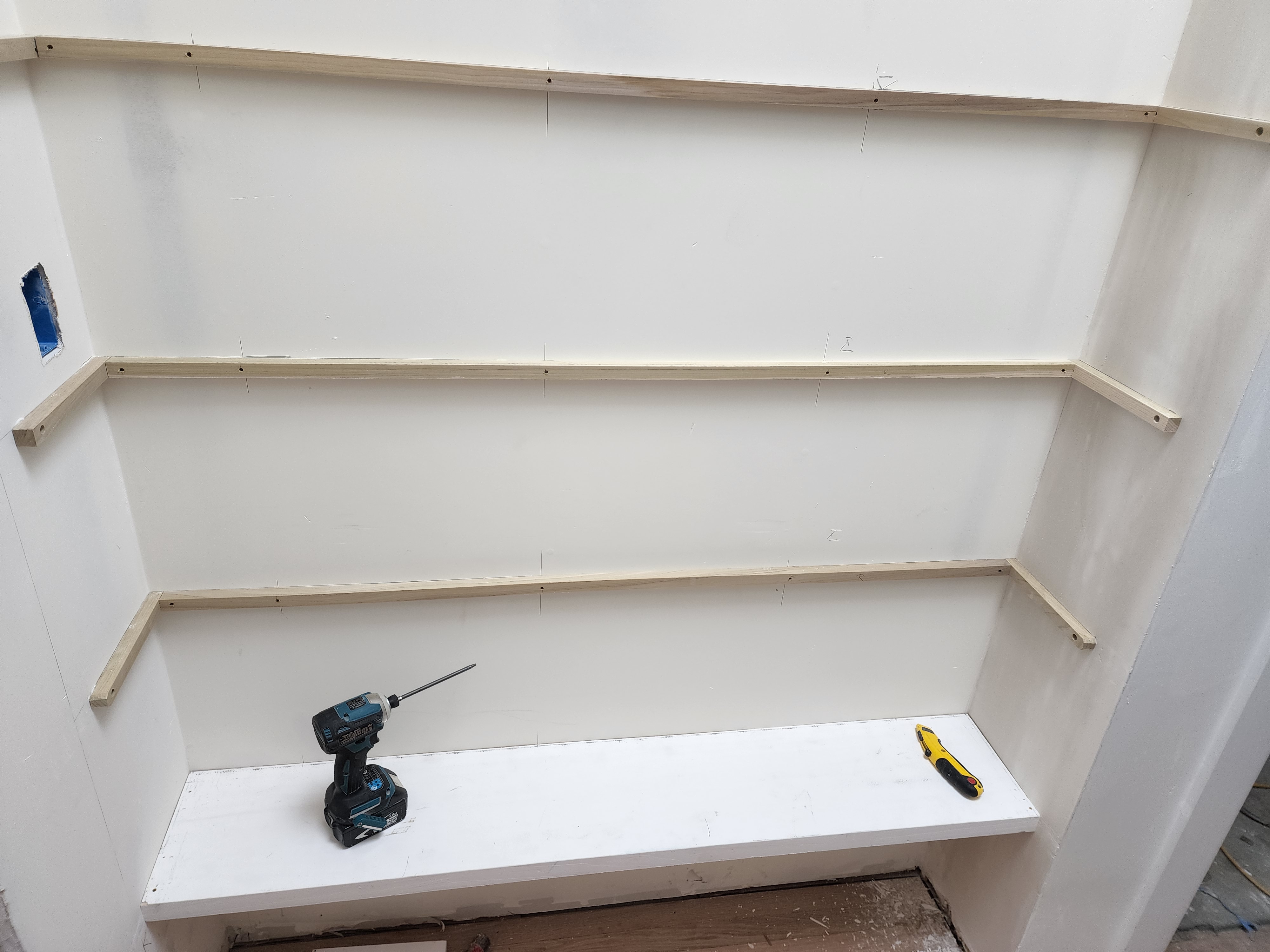
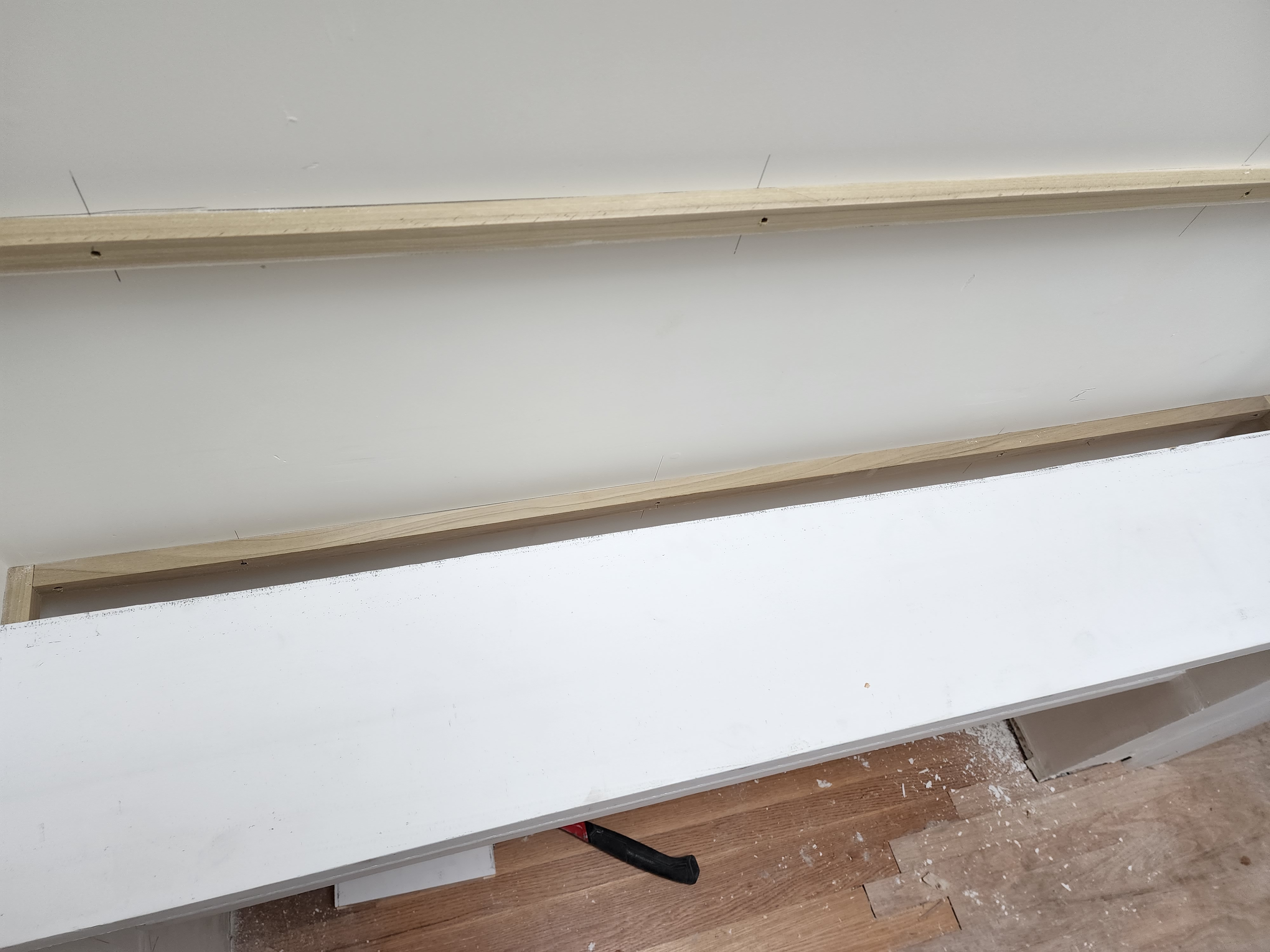
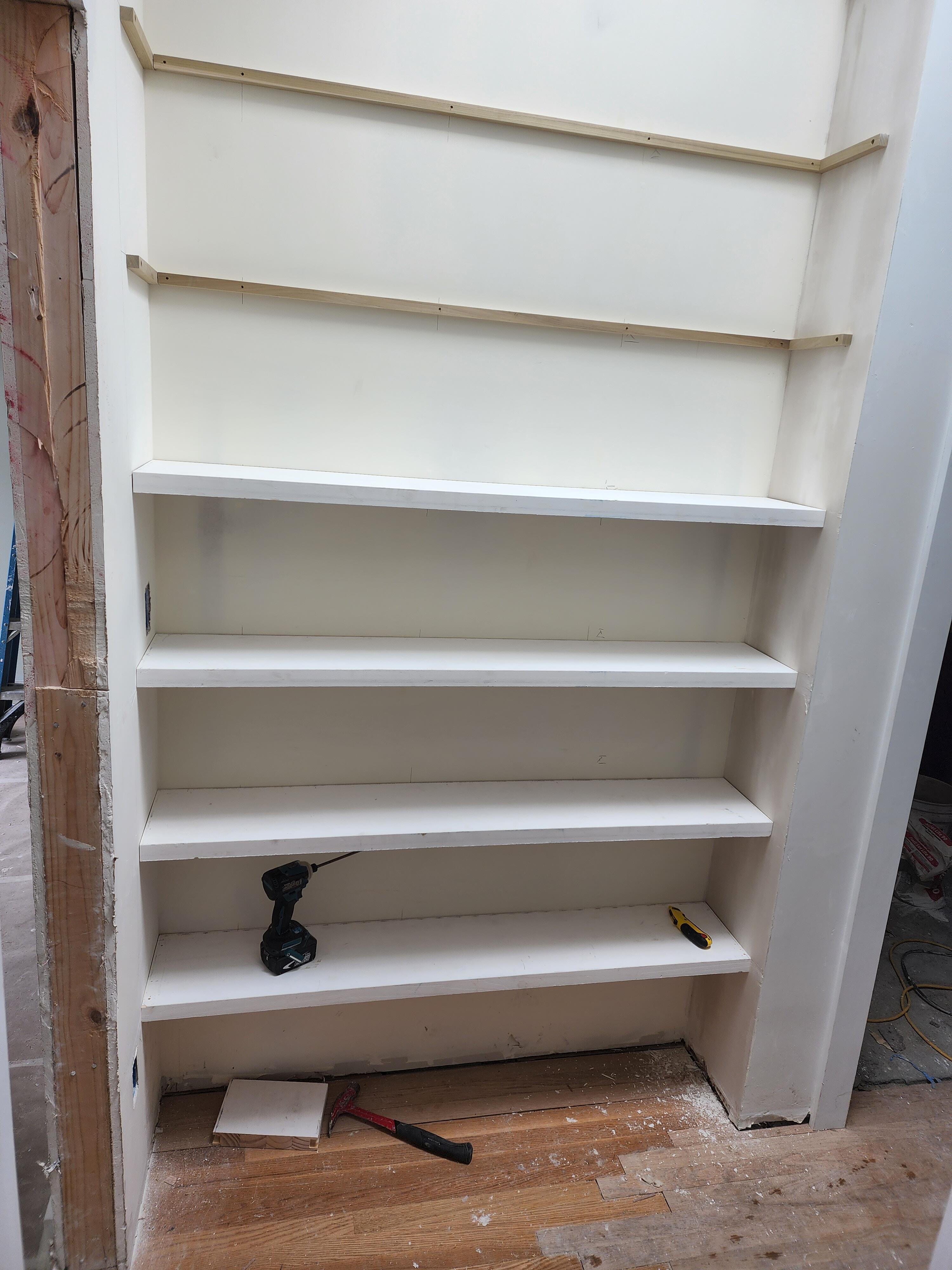
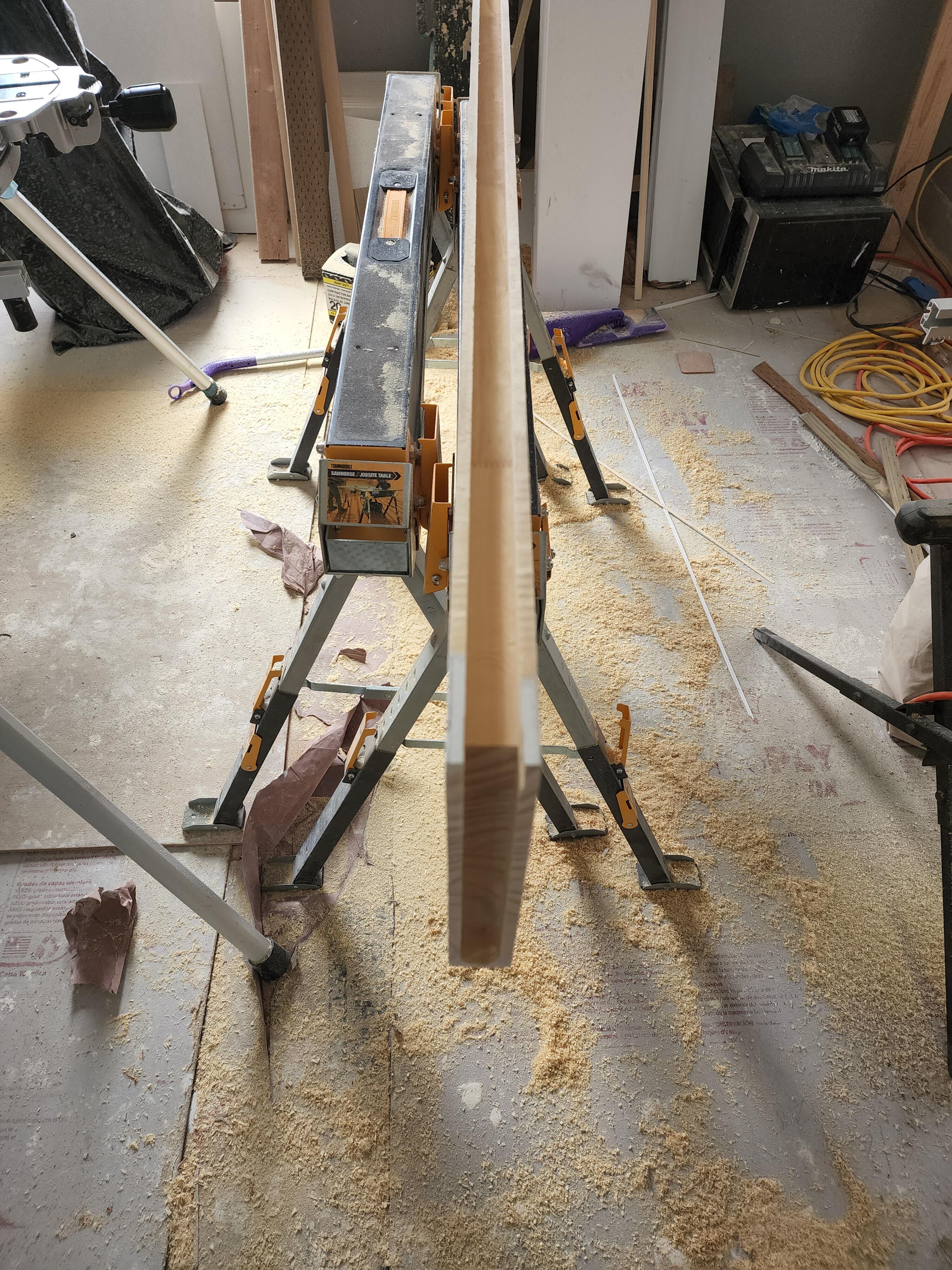
2 points2 pointsAnother way to build floating shelves, without purchasing the steel supports.
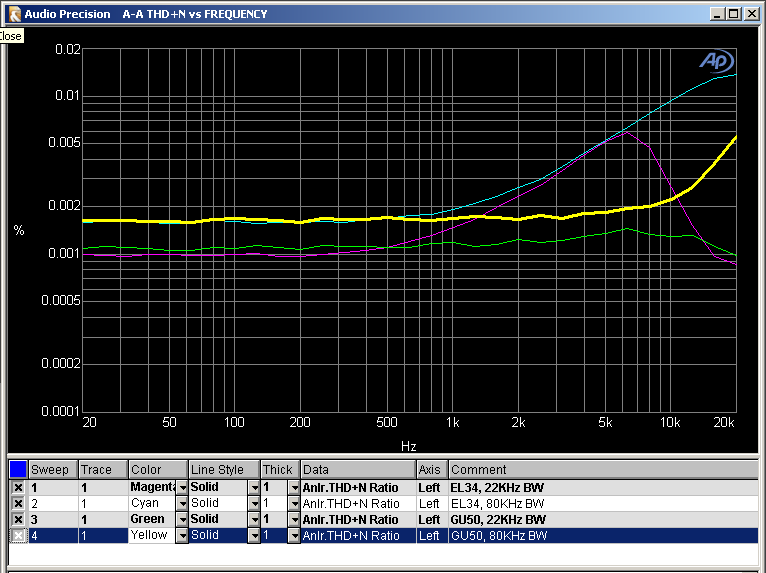
 2 points^^ That group was my first "alternative music" like. I was a big Pink Floyd fan, and they (and Teardrop Explodes) were written up in Rolling Stone as being part of the new Psychedelic-influenced sound in the UK. I got each band's first album in 1980 and was a fan big time. Got to see them live, then Ian M. solo after Pete de Freitas passed away and they had broken up. Unique and wonderful voice....great band all around. Funny story: when I saw them, it was at a club called The Channel in Boston. I had a college friend (also named Todd) who got so drunk at the show we had to help him outside, he could barely walk. The 4 of us went around the side so he could puke in private....and out walks the band to their bus! We got to chat briefly, and said how much we liked them and the show. Will Sergeant chuckled a bit and said something like "I think you're friend didn't really like us...." 😄1 point1 pointYou’ll need some kind of +/-15V power supply, GRLV being an option. There are left and right versions of the GRHV board, one with the bias supply and the other with the 7815/7915 LV supply. The sellers from China cut the corner and only produce the GRHV board with the bias supply. You’ll end up receiving two of those, and still need the LV supply.1 pointI've called them to verify stock and price. My guess is it'll be somewhere around $8.50 a piece after tax and shipping.1 point1 pointYou can either use split or a single GRHV psu board, your choice there is no difference, just layout choices. The amp pcbs are 1 channel per board, you’ll need 2. You don't have to use a GRLV, you can use the onboard 15V circuit that is included as part GRHV psu.1 point1 pointi see thanks for the info, i want to confirm to make kgsshv carbon, it takes 2 pcb psu and 2 pcb amp? do we need pcb grlv ?1 point1 pointOkay it is only FB funny, but I still thought it was funny.1 point1 point1 point1 pointI read on the innernetz that mono is best in a geodesic dome or a pyramid, so there's that.1 point1 pointI find it funny when speaker manufacturers advertise their speakers as "$XXX per speaker". Who buys one speaker, V. van Gogh? 🤣1 pointWhile waiting for the GU-50 sockets, I found a pair of reasonably matched EL34s, and decided to wire them in the original GG circuit for comparison. The TTC004Bs are used as drivers. Above the THD+N curve turning point at around 80V (multiply the X axis by 10 for actual voltage), the majority of distortion is 3rd harmonic. So I think the tube matching is not the major contributing factor here. The EL34 is biased at -37V, which means the driver transistors have to work really hard to push the tubes to make the output swing. The Pentode could be a better choice in a simple circuit such as the Grounded Grid. A more complex BH-style final stage would be needed to make the EL34 really shine. The triode-connected EL34 also lost on the high frequency distortion (100Vrms)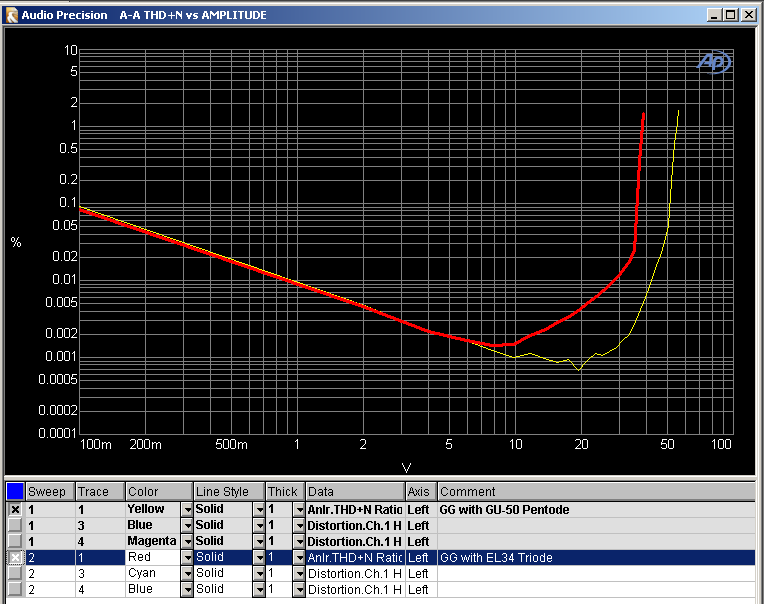
 1 point0 pointsRIP Vin Scully 94. I was never a Doger fan but growing up in SoCal, I was a fan of listening to Vin. Edit - "..you think about the great great players, none of them were any better at what they did than Vin Scully was at what he did." - Bob Costas0 points0 pointsThank you mwl168 for the opportunity to get the mini T2 boards. the package from mwl168 arrived on february 22nd, and on the 24th my country was attacked by the enemy. and everything went into the background, the country was fighting for survival. thanks very much to many countries, especially the USA, very much helped and helped. now there is already hope that my country will survive, and i hope that i can solder a mini T2 and listen to the potential of this version. Translated with www.DeepL.com/Translator (free version)0 points


.jpg.9673bed850c4915aeacee856d6255850.jpg)








Important Information
By using this site, you agree to our Terms of Use.