Leaderboard




Popular Content
Showing content with the highest reputation on 02/10/23 in Posts
-
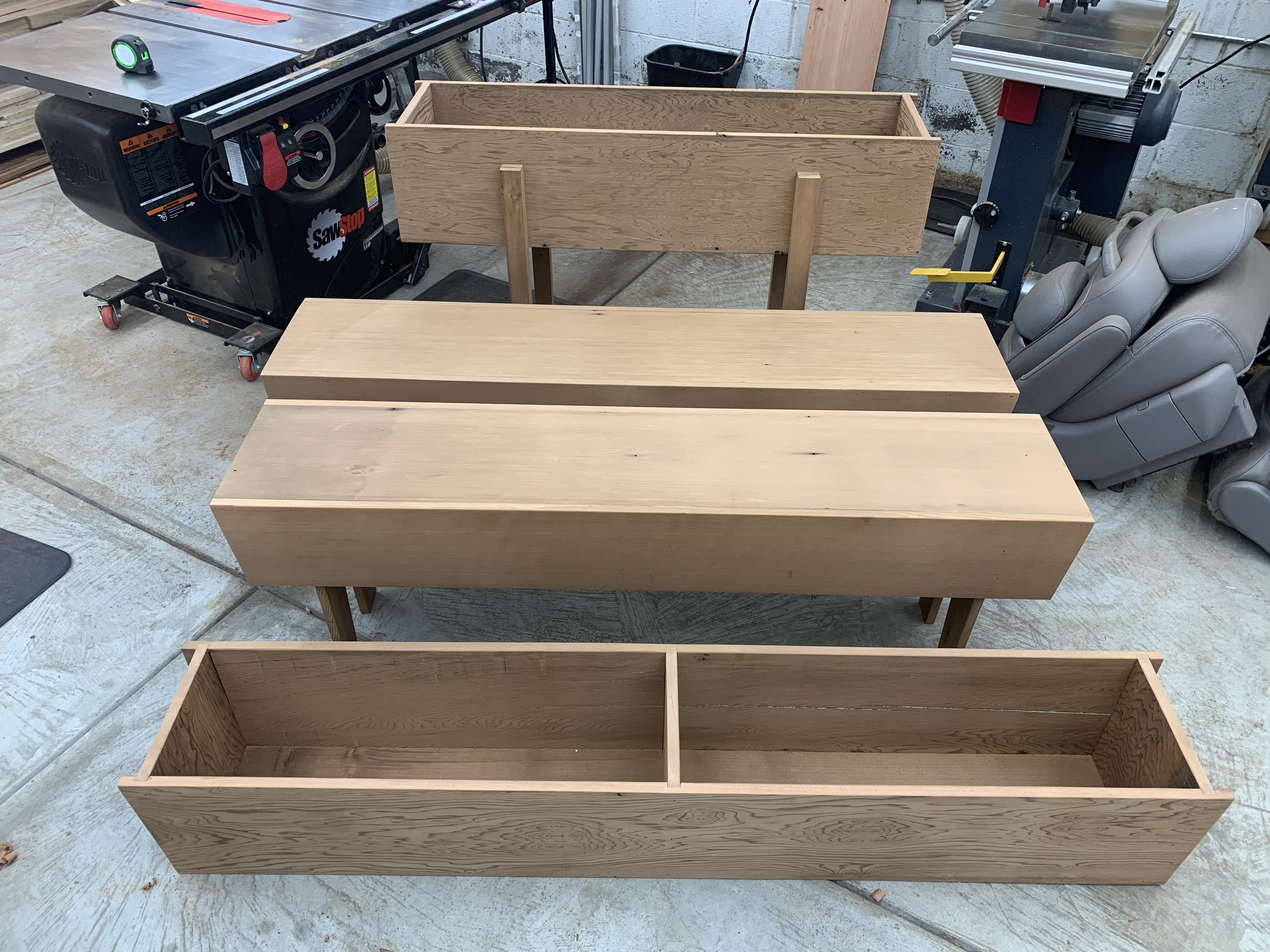
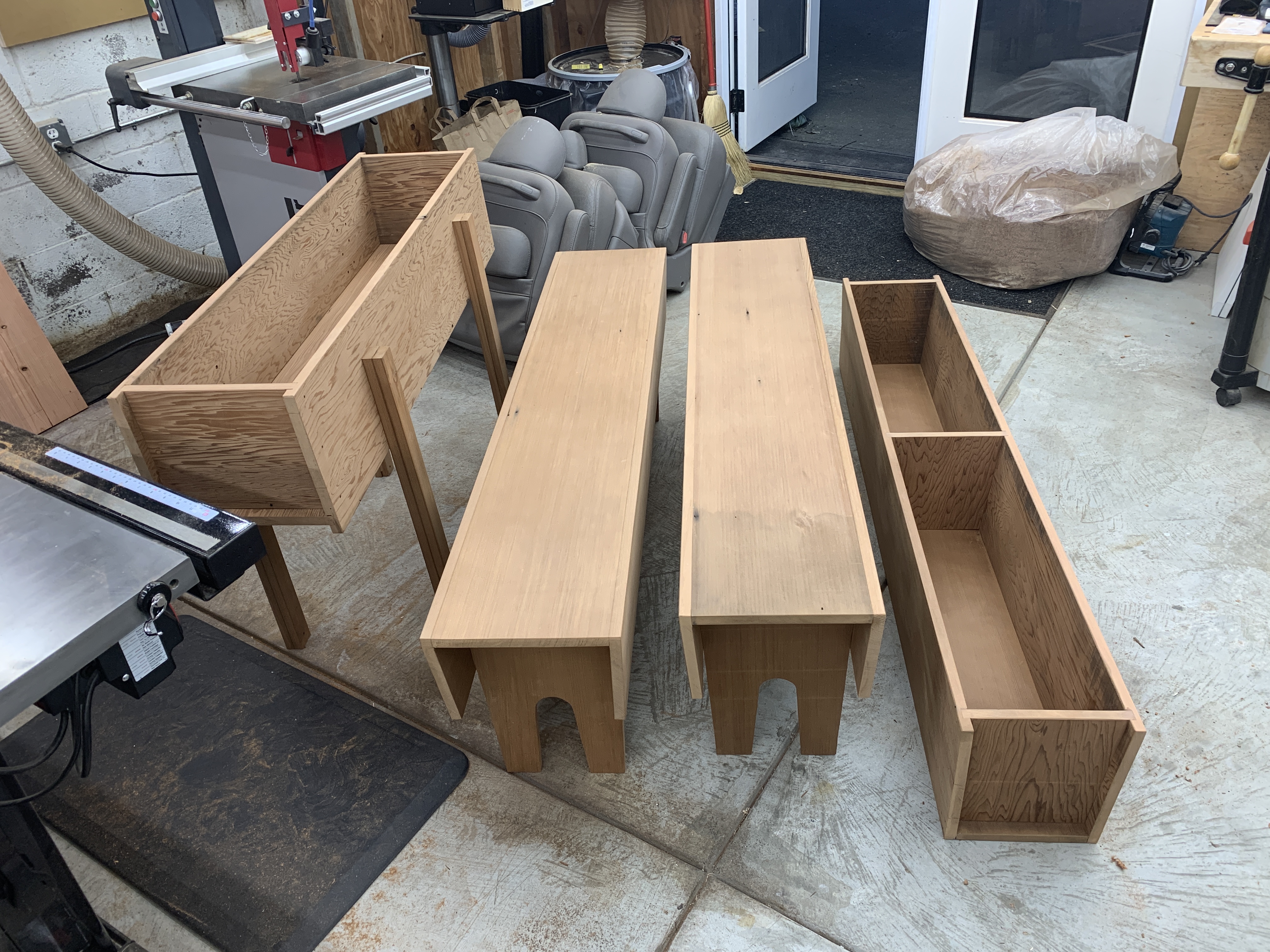
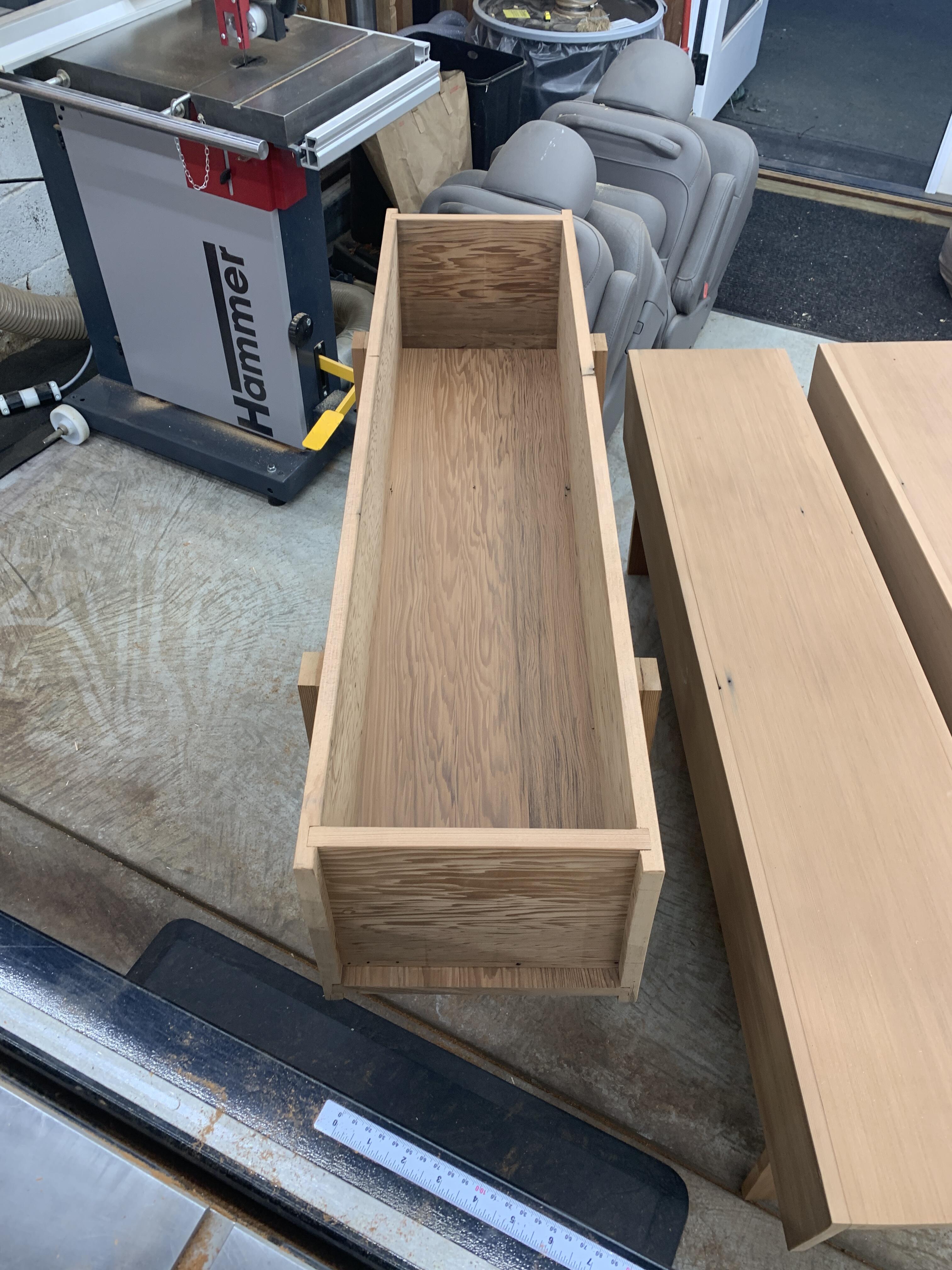
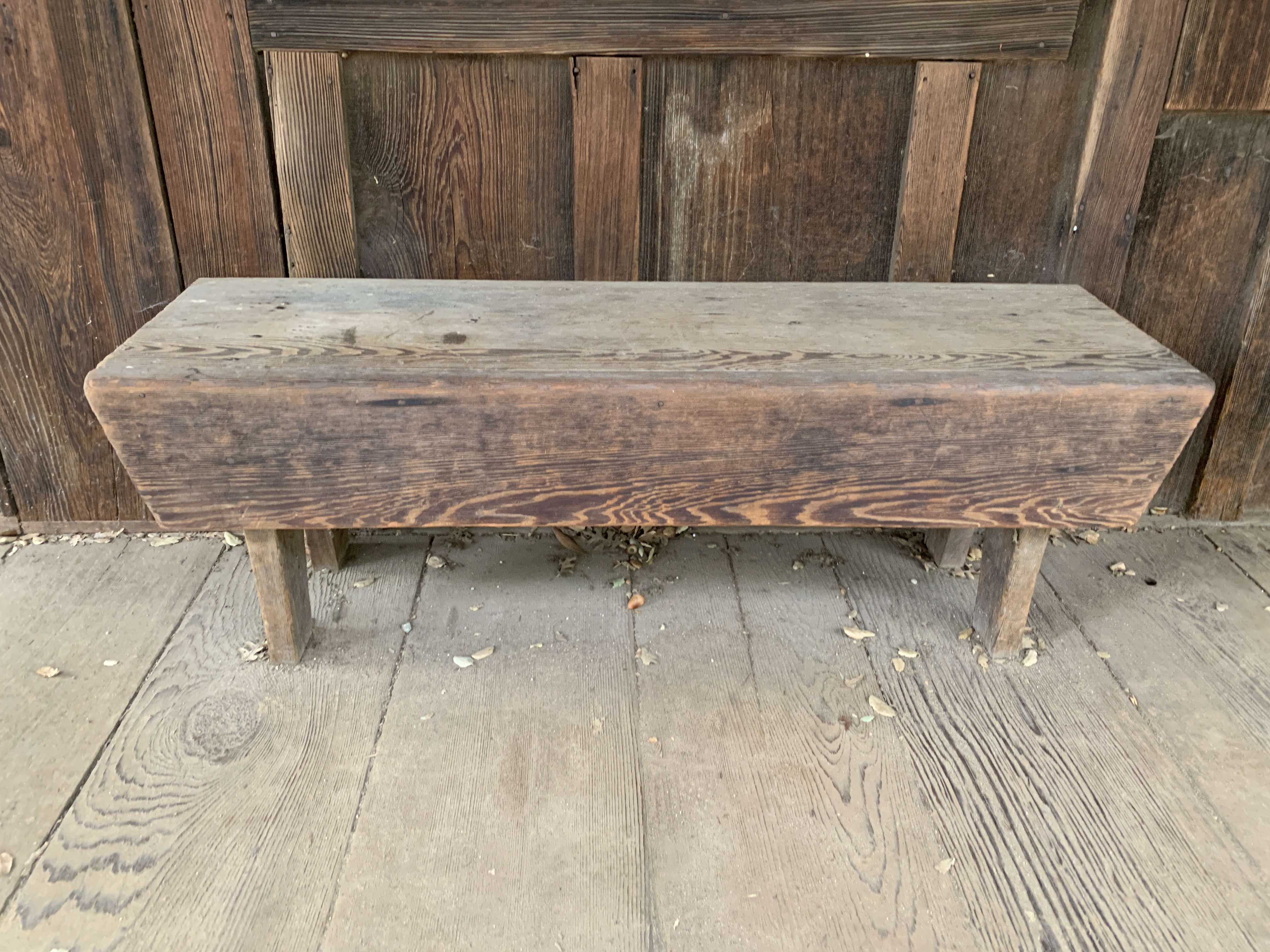
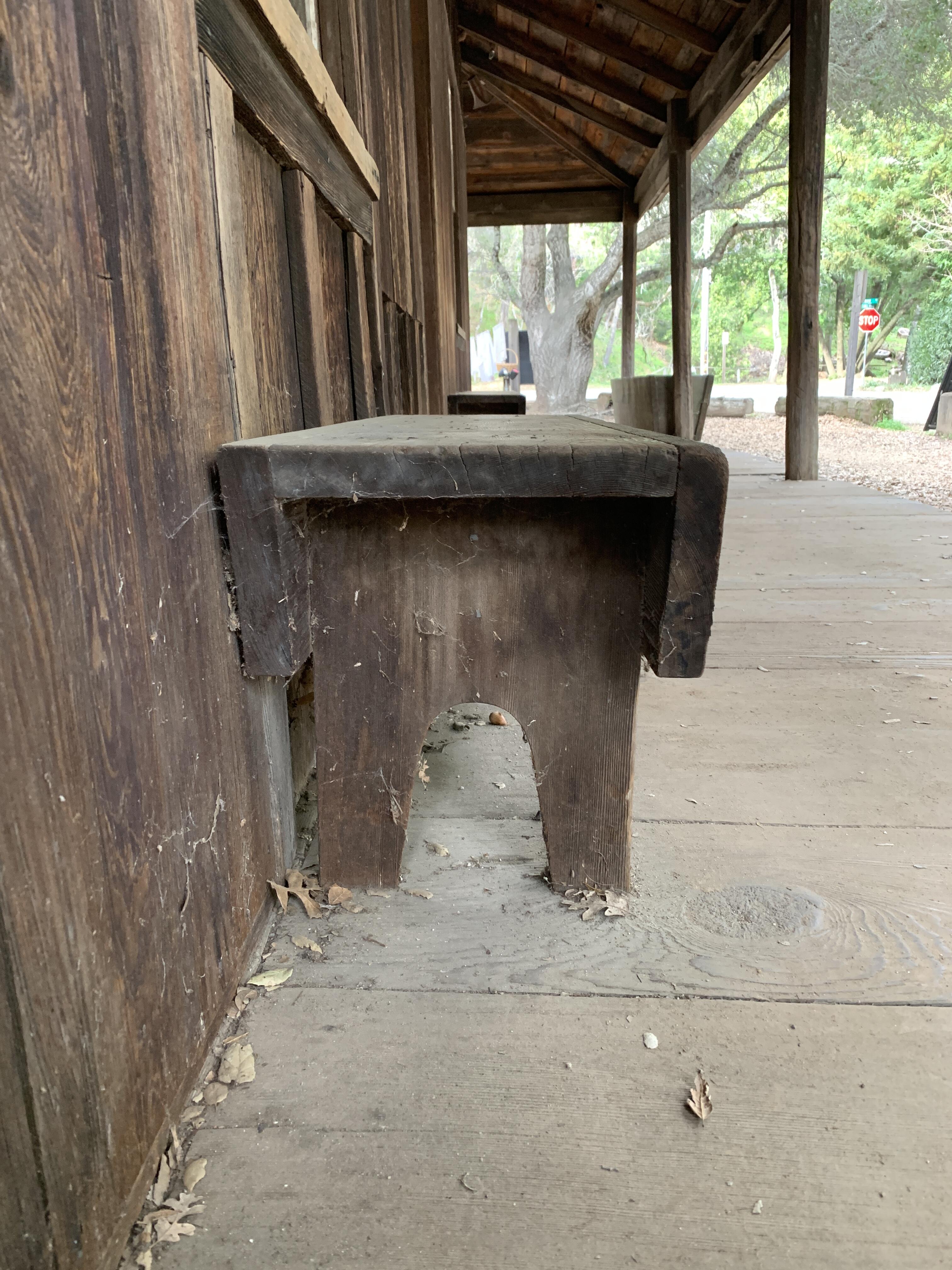
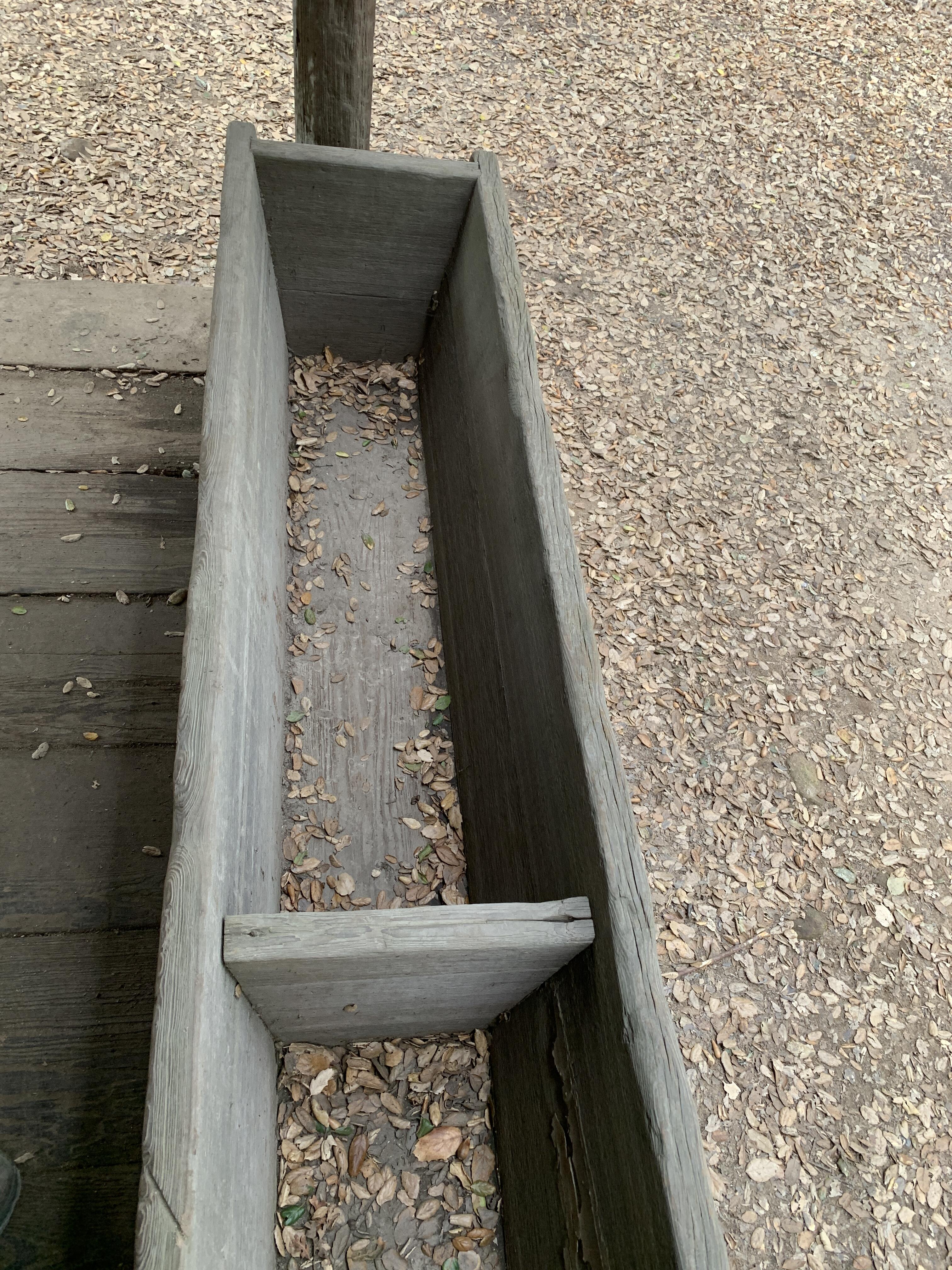
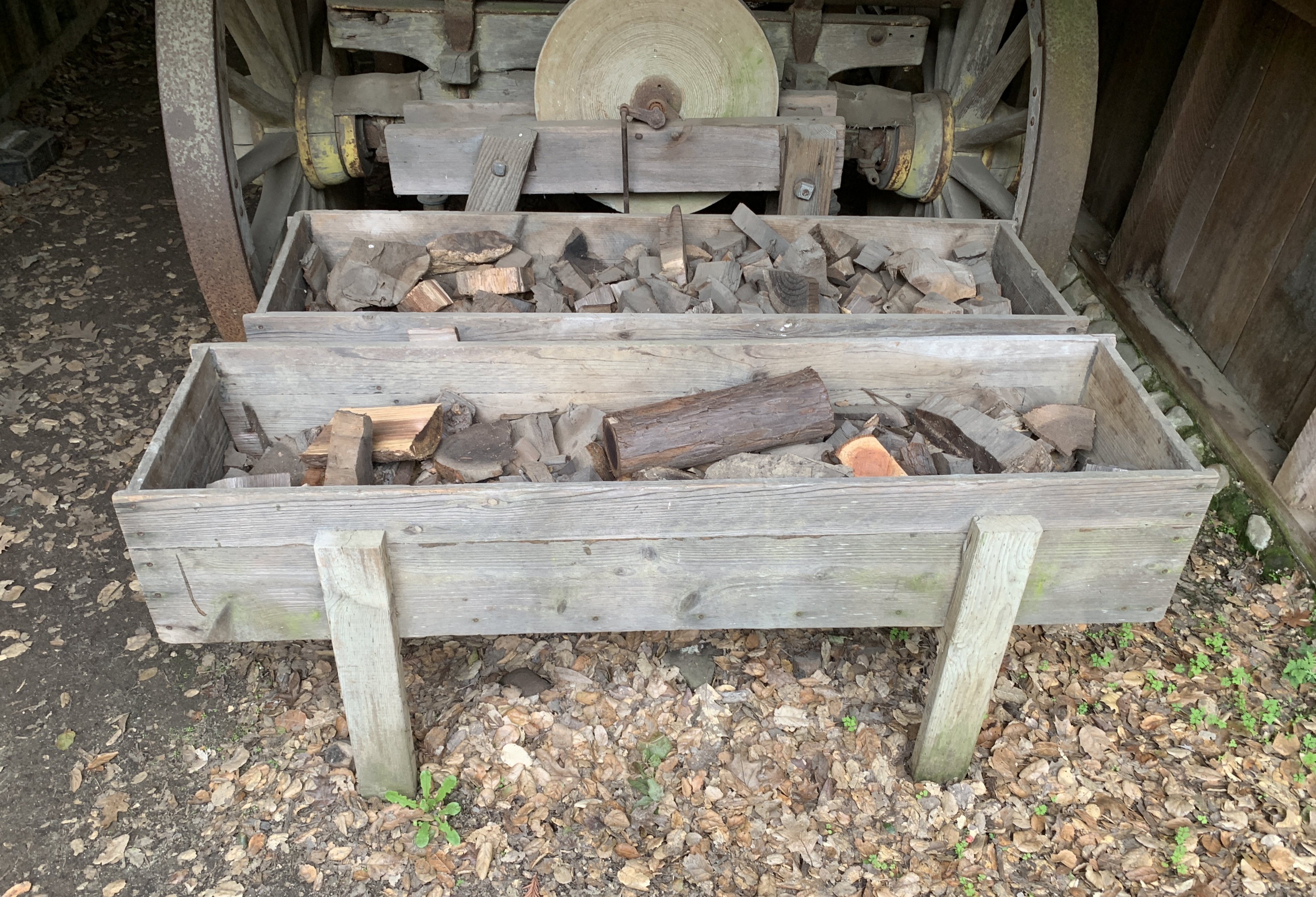
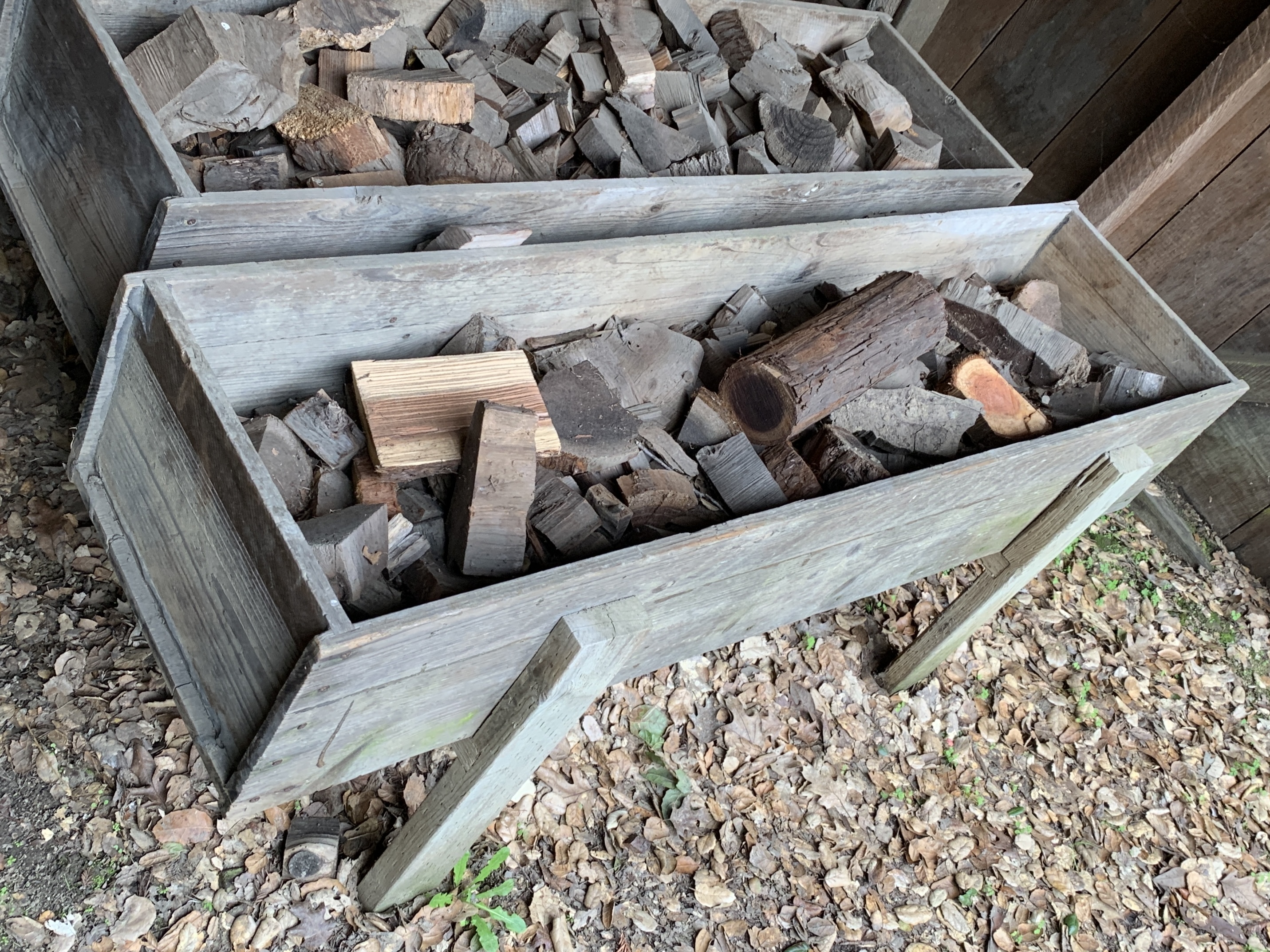
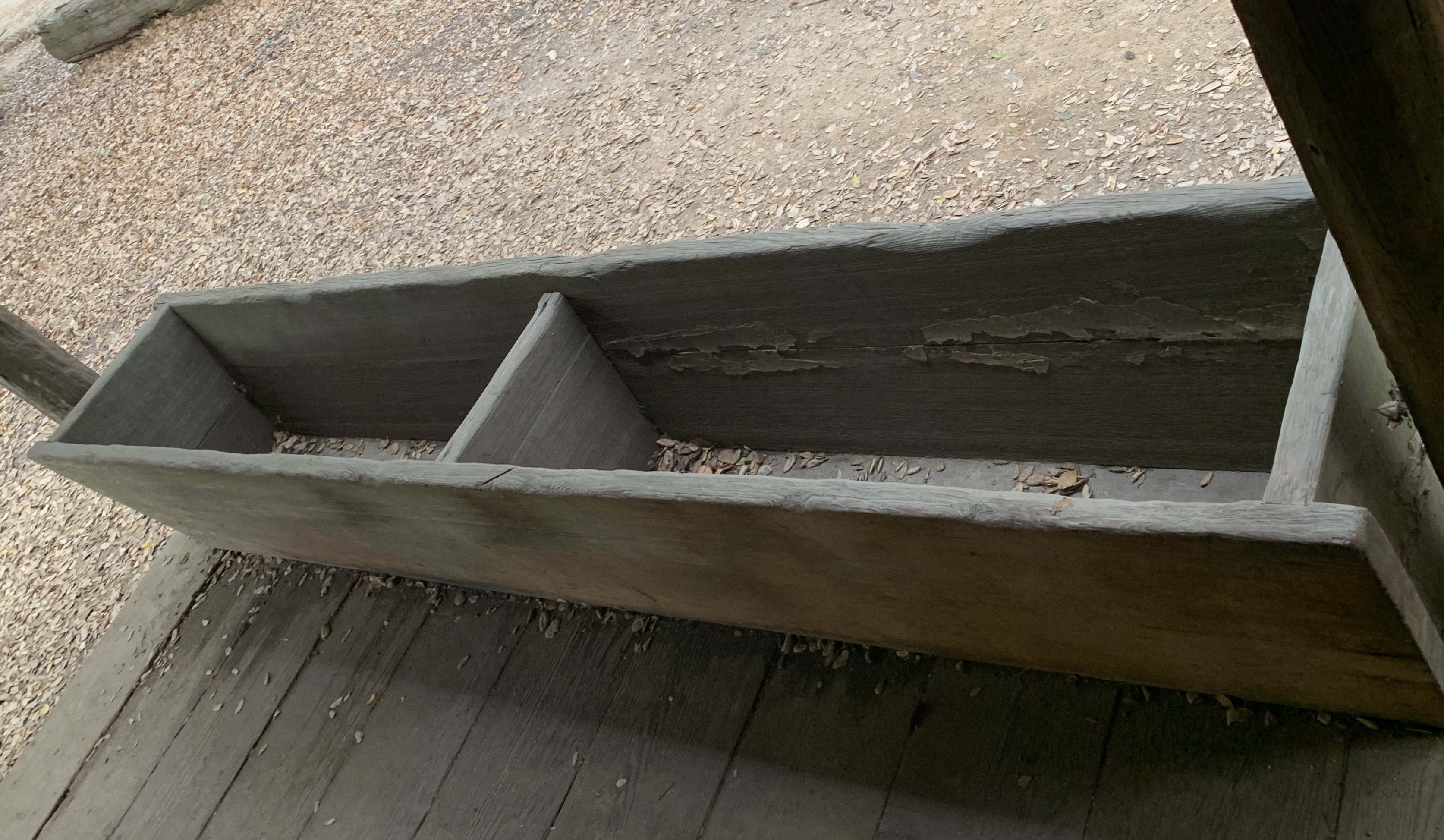
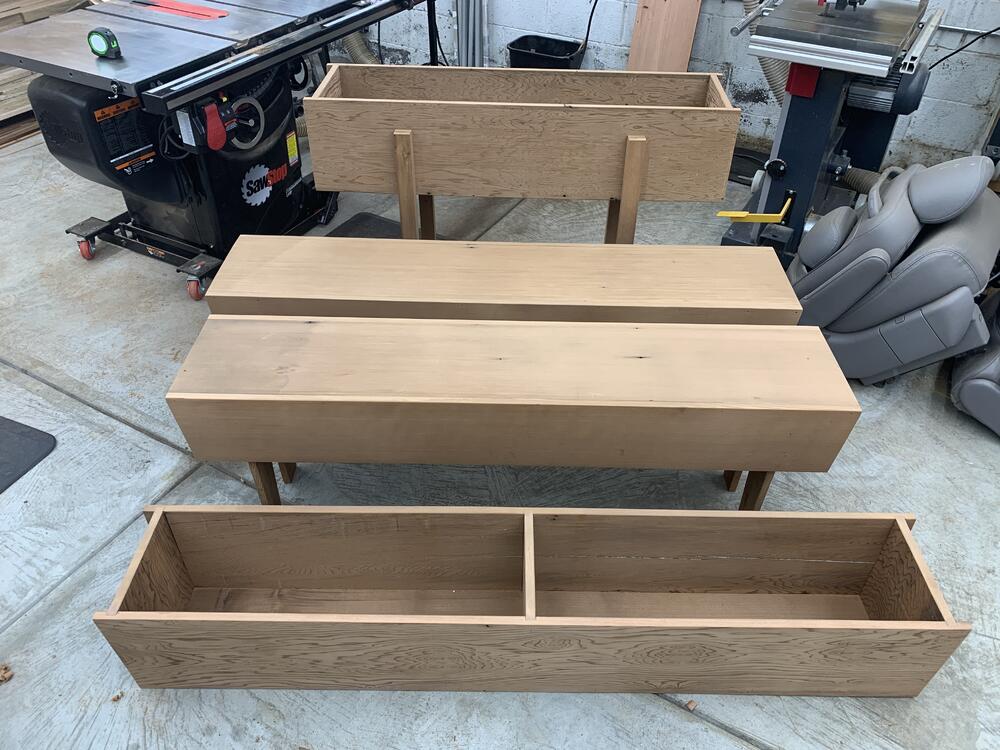
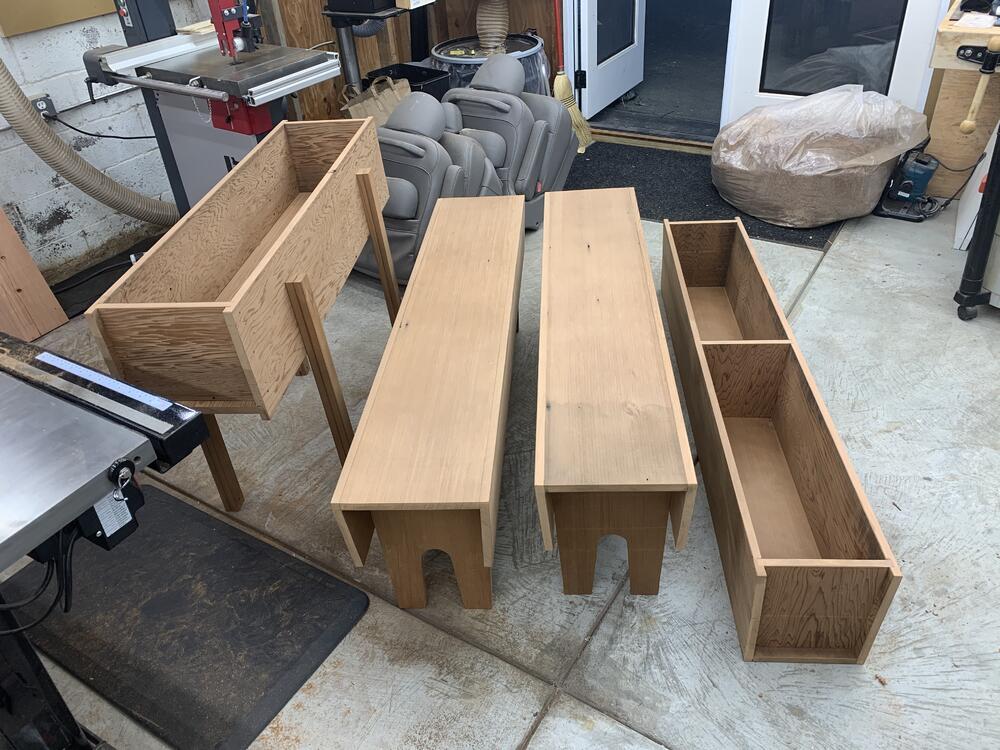
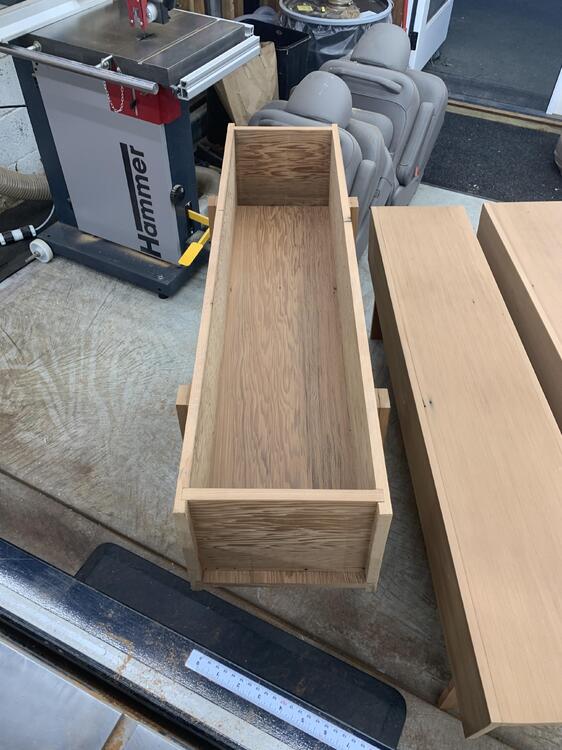
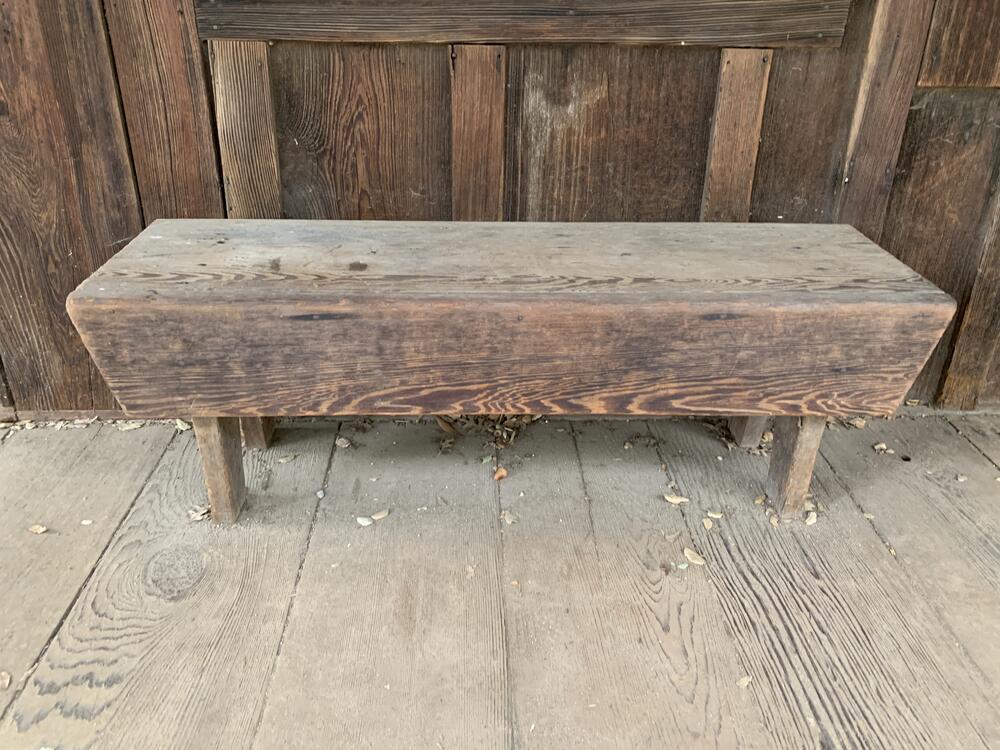
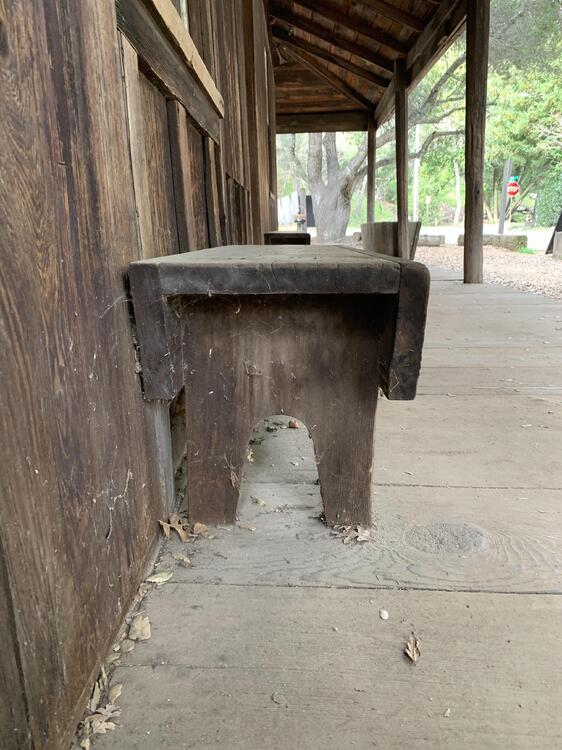
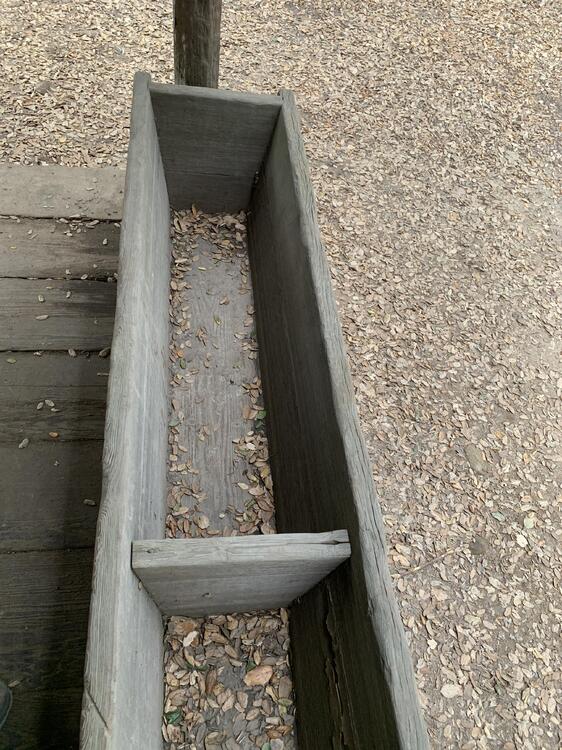
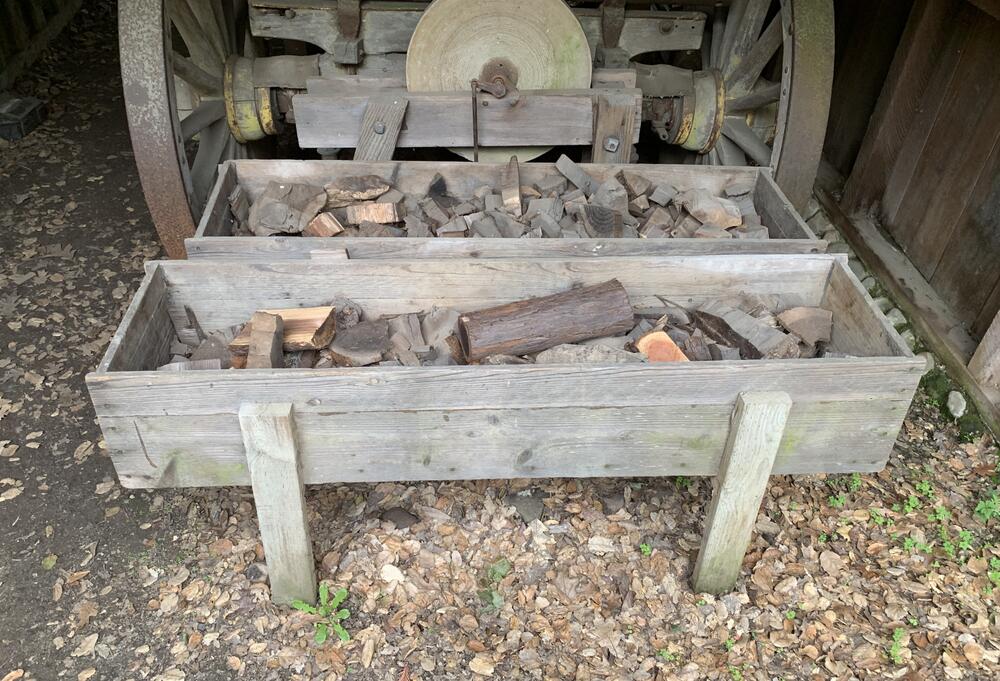
8 pointsMy brother had his new garage designed to emulate the oldest building in town, which is called the Woodside Store and is now a museum. The back side has a wrap around covered porch like the original shown below. Tom took me there last week to show me some benches and feed troughs that he thought were cool. He wondered whether I might be able to replicate them with the reclaimed redwood that Steve and I have been using to panel his wife's tack rooms. Here are some lousy pics of the originals. I brought a stack of the redwood home to finish planing and milling and decided to take a stab at them. I didn't do measurements but used those pics to make designs and a template that I used for the bench legs and trough dividers. Here are some crappy pics of the two benches, one standing trough and one low one I made.

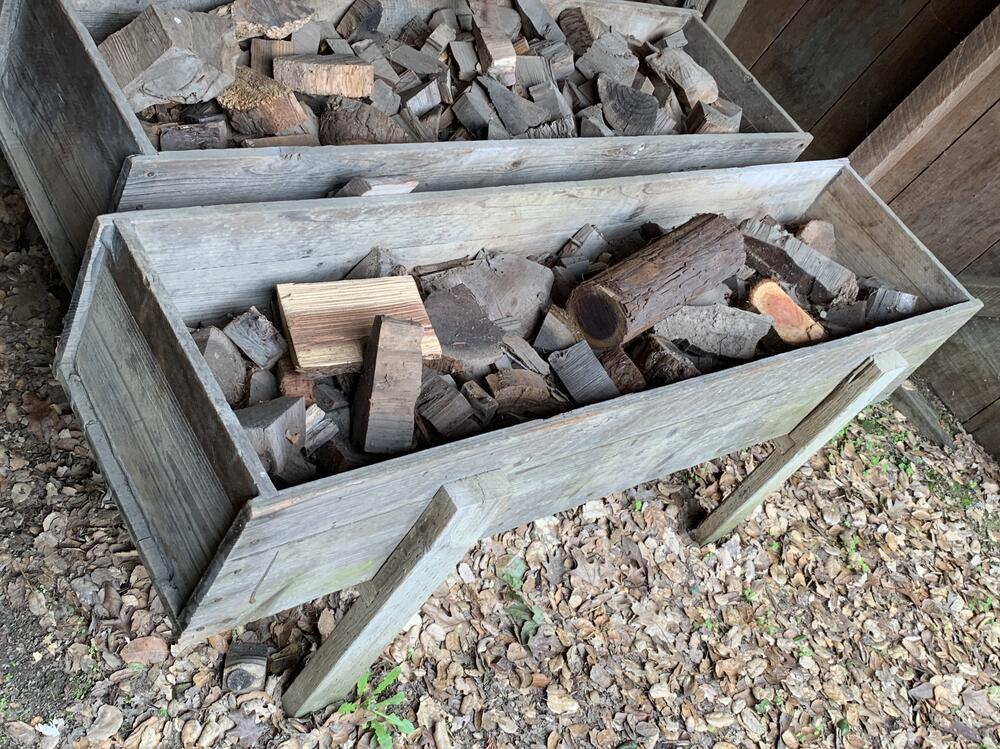
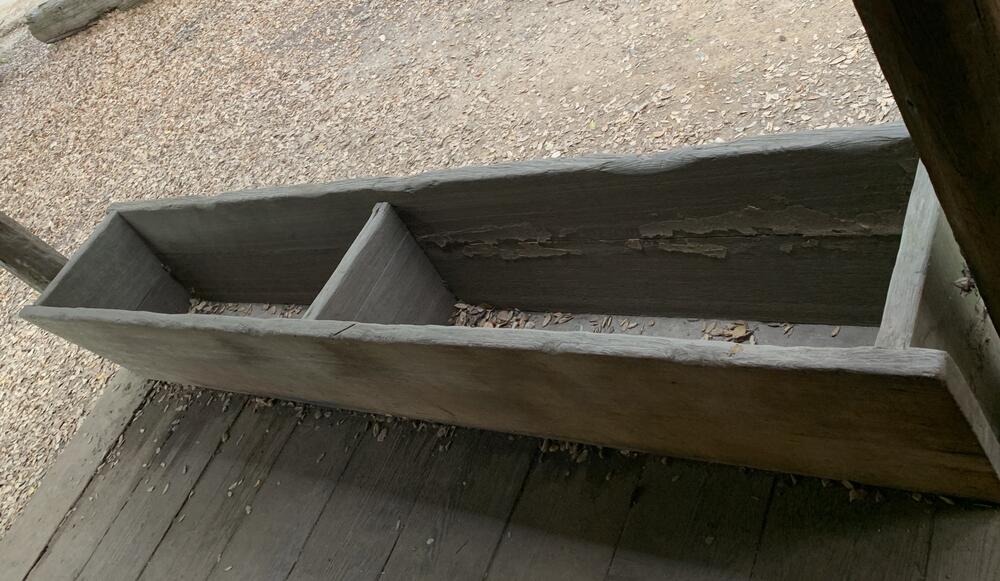
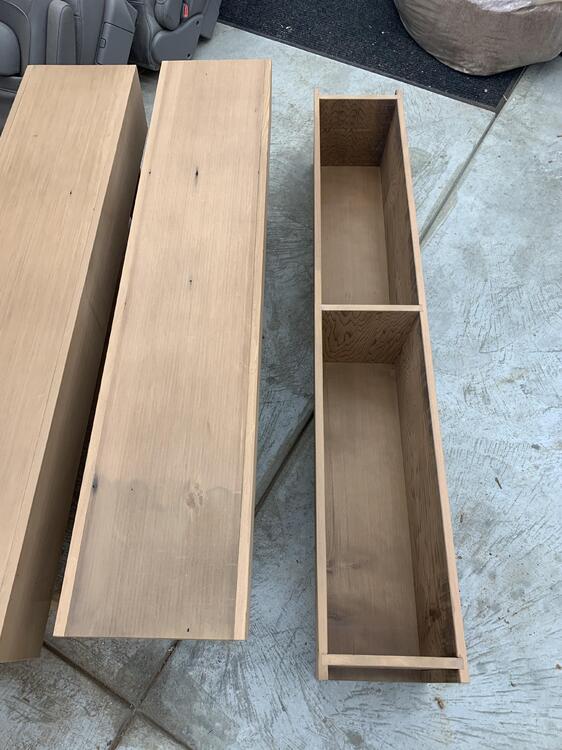 8 points
 -
Remember listening to them for the first time at 13 when the world was new and wonderful. Unfortunately getting a bit more aligned on the back end nowadays at 53 but still speaks to me.4 points
-
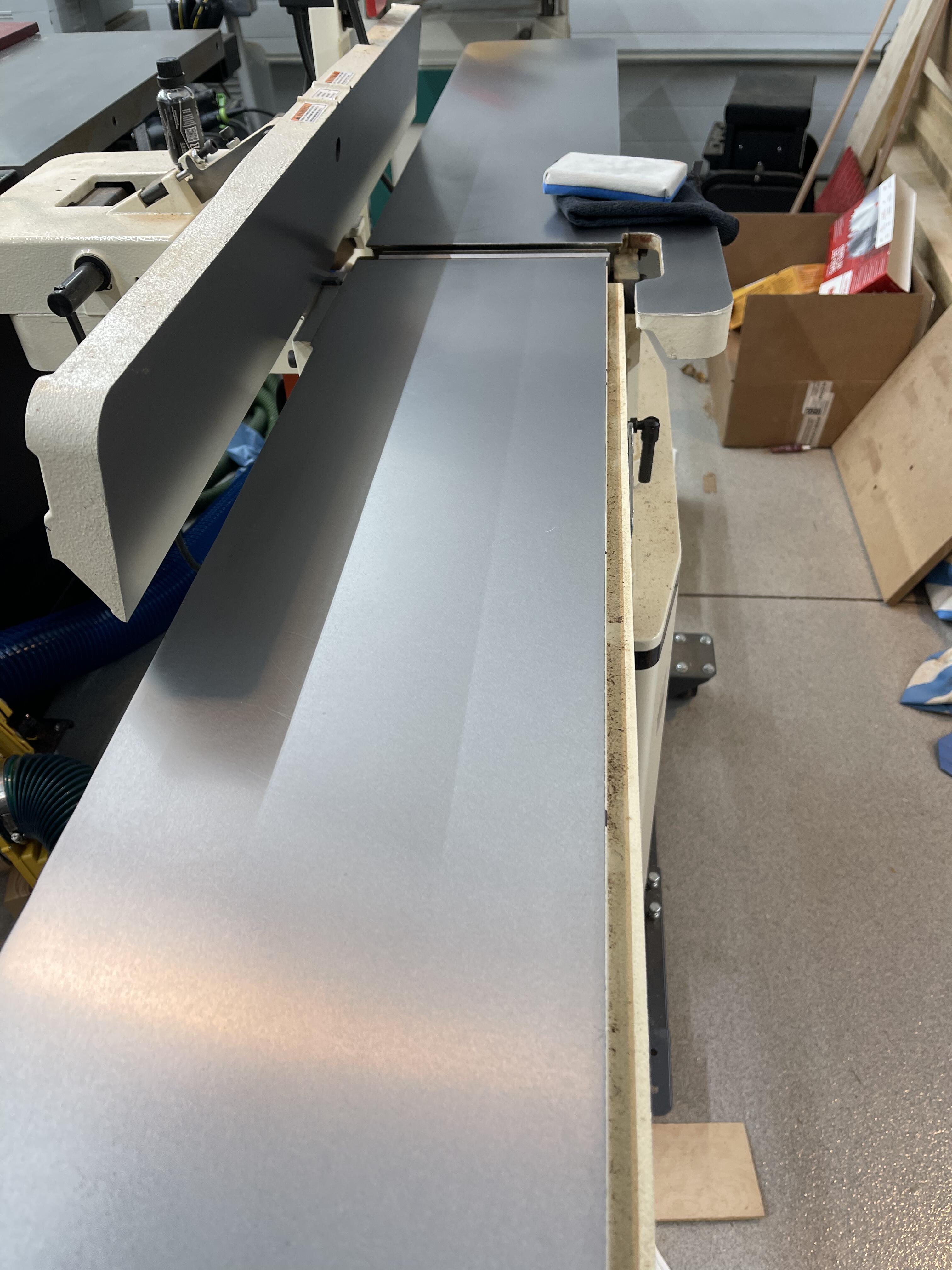
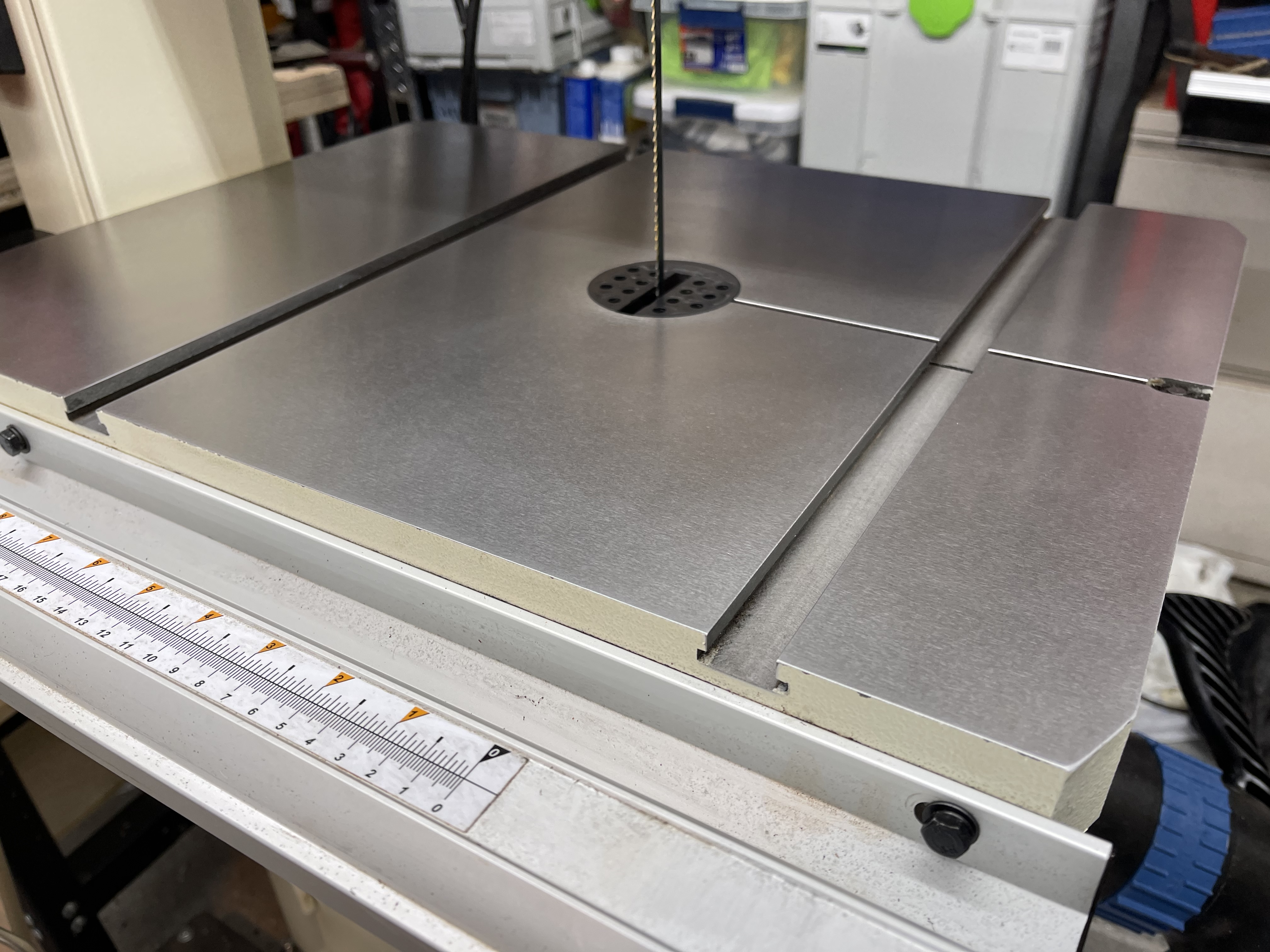
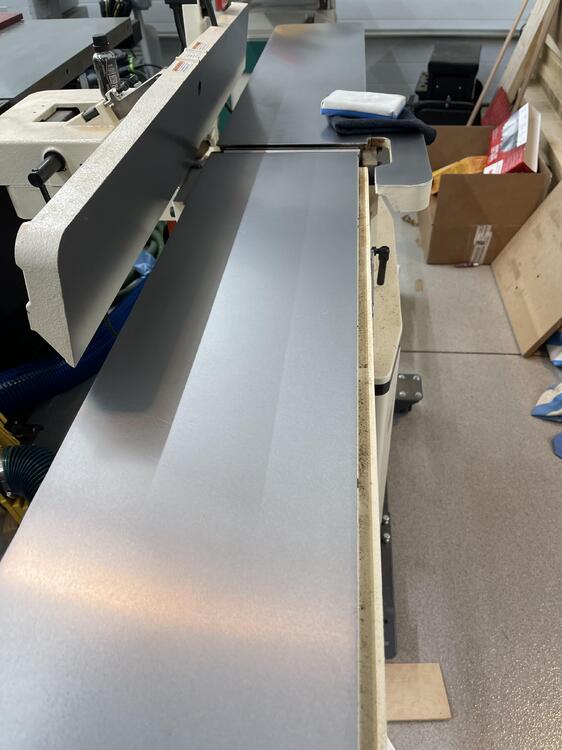
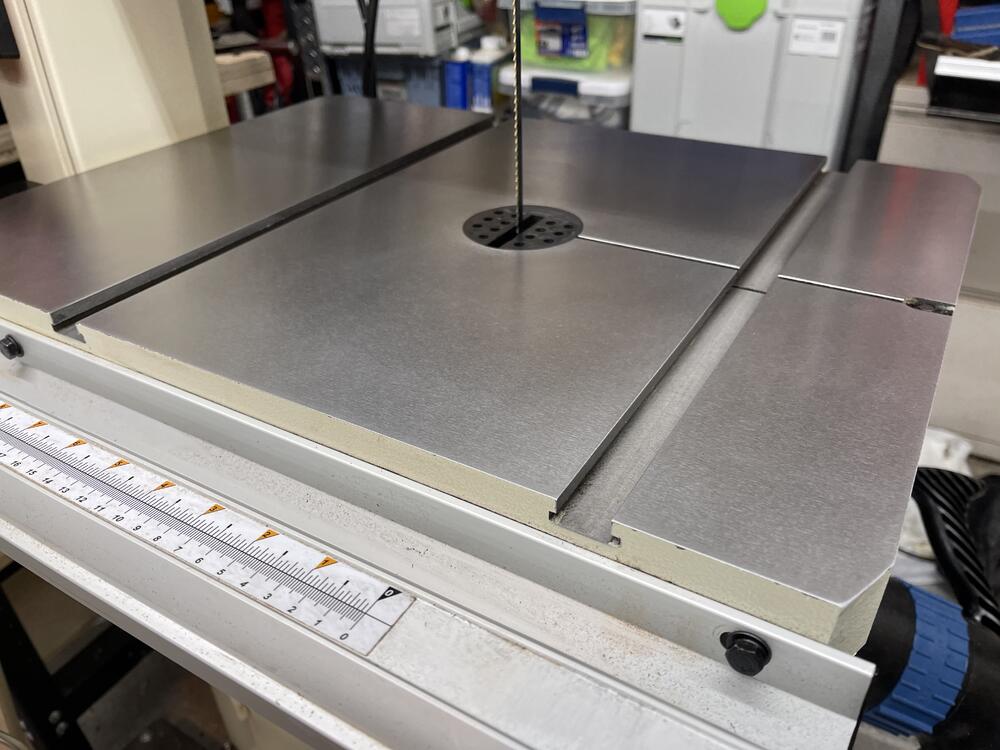
4 pointsDid the Carbon method on my two shittiest cast iron surfaces, the bandsaw and the jointer. Shopfox seems to use the shittiest cast iron. Went on easily but I think it is too cold/dry to really apply it as they say 50 degrees at the lowest and my shop is right around 57 these days. They definitely look a lot better now. We will see what the glide stuff does tomorrow after these 4 coats cure.
 4 points
 -
I guess it is tomorrow Your Mother Should Know: Brad Mehldau Plays The Beatles Brad Mehldau 2023 https://album.link/i/1654701817 Example - I chose the one non-beatles song {because I'm that guy}: It is not a new concept - but Brad is just that good. All live tracks.3 points
-
2 points
-
2 points
-
2 points
-
2 pointsI can't afford a real coffin and plot, so he's killing two birds with one stone. Now I'll have a place to rest. Awesome work Milo!2 points
-
Kelela - Raven Fresh out today, not available in my regular streaming services. I'm a sucker for R&B so sampling it on Deezer. Liking it so far.2 points
-
2 points
-
1 pointI like it, Al, but it has a coffin-like feeling that I find kind of disturbing.1 point
-
1 point
-
1 pointI totally want to go to the Zorn show (just got a ticket)!!! I am arriving Sat afternoon and will be around all Sunday (until I have to move to a hotel in Newark - giving a talk at Rutgers on Monday). Staying at the Marriot Marquis on Saturday night.1 point
-
1 point
-
1 pointNot saying it’s not possible, but there is a lot he is getting wrong about Panama City and SF units. Super secret yet all these people talk? 🤷♂️1 point
-
1 pointScratch that. Did not pay attention and bought the 10 1/4” blade. Also, improvement for Dust Collection at the CNC is massive. So much better than the standalone 750CFM Dust Right that used to sit next to it. So much more suction that the flexible hose whipped up to the ceiling and took out all the magnets on the bandsaw next to the CNC.1 point
-
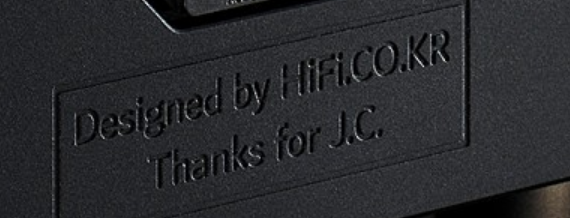
You know. That famous amp designer - HiFi CO KR And as always, Thanks for J.C. {our amp and saviour}
 1 point
 -
good soldering technique and understanding what is going on when you solder: (a little wordy, somewhat dated and slow paced but the latter part of the video has lots of useful info). I heartily agree a good quality temperature adjustable soldering iron is essential and it will make soldering easier, more consistent and you will get better joints. Something along the lines of the hakko fx888d (although the use interface is horrible) that has descent power and is reliable and has repeatable temperatures. also good quality solder and good quality flux I would add a good quality multimeter, one that will not blow up in you hand if say by accident try to measure a 400V psu rail when the meter is in resistance mode... and yes I am speaking from experience here.... I was tired had already lecturer for 9 hours that day. its not cheap but I really like the brymen BM869s. - or one of the lower end models they seem to be very well made and robust. If the multimeter supports temperature probe(s) all the better for verify transistor case temperatures are not excessive etc. joe smith one you tube has done some excellent videos comparing and torturing multimeters for reliability and high voltage tolerance. for proper verification of stability, checking for clipping, etc a signal generator and scope are necessary. For a signal generator the bare minimum would be the analog output of a sound card on a pc and some software to generate sine waves, triangle and square. given the high voltage outputs and rails the scope needs to have switchable x1 and x10 probes (x10 is actually divide by 10 so you can get 400V down to a more manageable 40V). Scopes can be dangerous to use since the ground wire on the probes is actually earth referenced and is clipped to something in the circuit which is not at earth potential you get the possibility of a short to ground.... Some form of desordering to 1. fix mistakes, 2 make repairs. The cheap option is solderwick or a spring loaded desoldering pump. The far more expensive option is a desloldering station. For me using a soldering iron and solder wick has resulted in to many lifted tracks and is too slow and clumsy. something like this works well and is worth its weight in 2sj79s. There are many similar types out there. it is temperature controlled and has a vacuum pump to suck out the solder. For safety a variac is also very useful it allows you to slowly increase the voltage going into the psu so that if there is an issue it would hopefully manifest at lower voltages and hence reduce the collateral damage once you get more serious a transistor tester and identifier can be very useful especially to check for bad components or to post mortem when the "magic smoke comes out". It can also do small signal transistor and led matching. if you are going to do any surface mount soldering there are multiple ways to do it. fine tip soldering iron, hot air station, reflow oven. Magnification is useful - . The cheap ones can be really uncomfortable and can slide off your head easily but if your eyesight is not 20/20 I find them essential for surface mount and for generally inspecting joints etc. now some "luxury" items to make life easier etc The duoyi allows you to test high voltage zeners and also aids in detecting fake old stock transistors by providing non destructive transistor breakdown voltage testing. The instruction manual is crap and the sockets are junk. But with some modifications it works well. another luxury is an LCR meter - this can allow you to match capacitors and inductors and also can measure lower capacitances e.g. a few PF than a multimeter can manage. It can also measure the effective series resistance of caps and other parameters so you can compare caps and identify worn out caps in old equipment. super luxury items because you are addicted to building: distortion analyser super luxury? ultrasonic cleaner. flux residue can result in joints degrading over time and at the voltages some stax amps work at e.g. the T2 the residue can conduct and cause failures. super luxury: sometimes the provided gerbers are the wrong shape, don't fit your style and you wish you could change them. Sprint allows you to import gerbers, modify and re-export. Its relatively cheap. https://www.electronic-software-shop.com/lng/en/electronic-software/sprint-layout-60.html?language=en super luxury: sometimes you want to make your own schematics: https://www.electronic-software-shop.com/lng/en/electronic-software/splan-70.html super luxury: hands free thin probes for smd or when you don't have 3+ hands available. (The same company also sells hands free multimeter probes). disclaimer, all items shown here I own personally and use regularly. However, other builders may have their own favourites and peoples priorities and build styles vary. So these are suggestions and nothing more.1 point
-
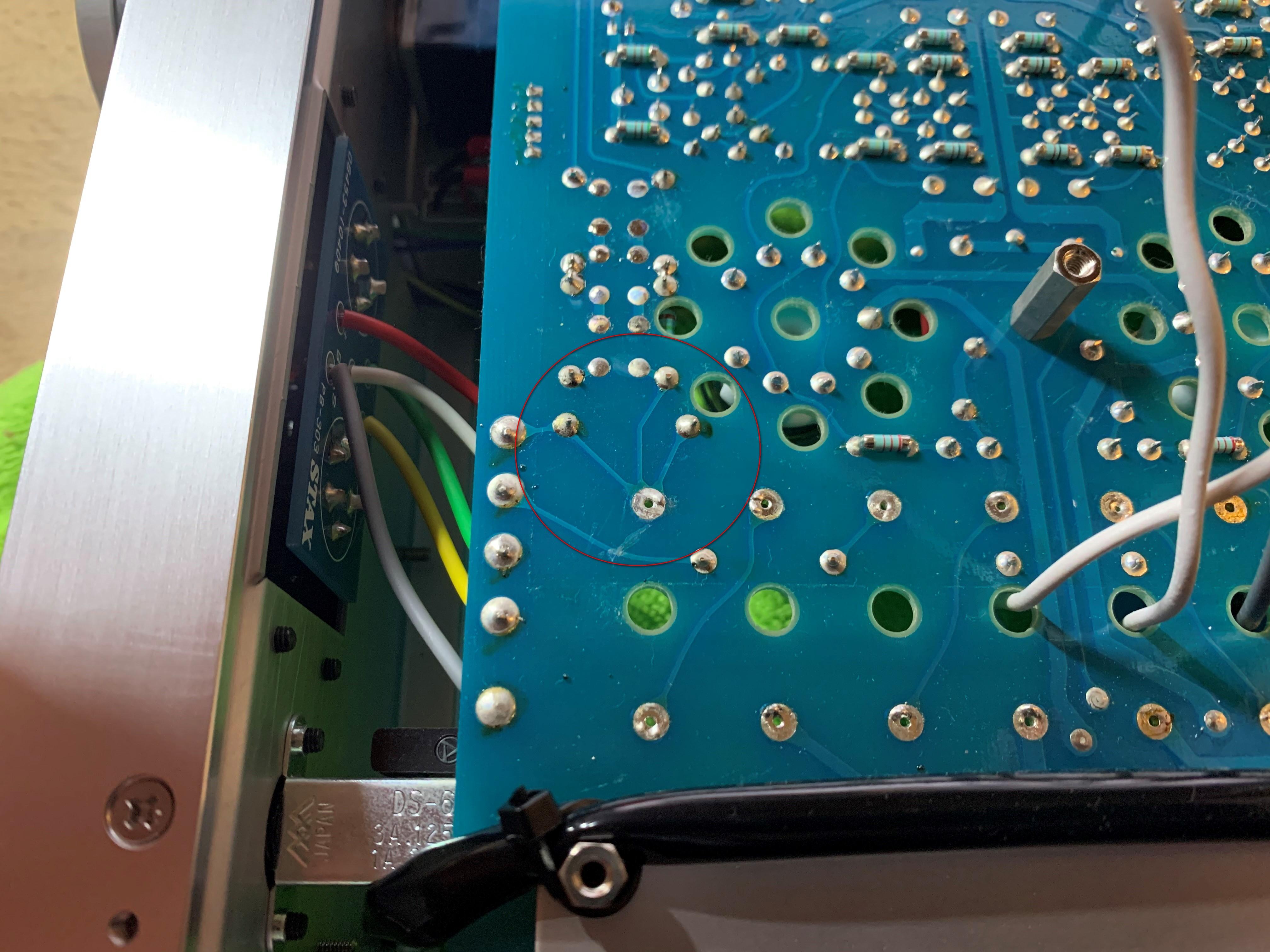
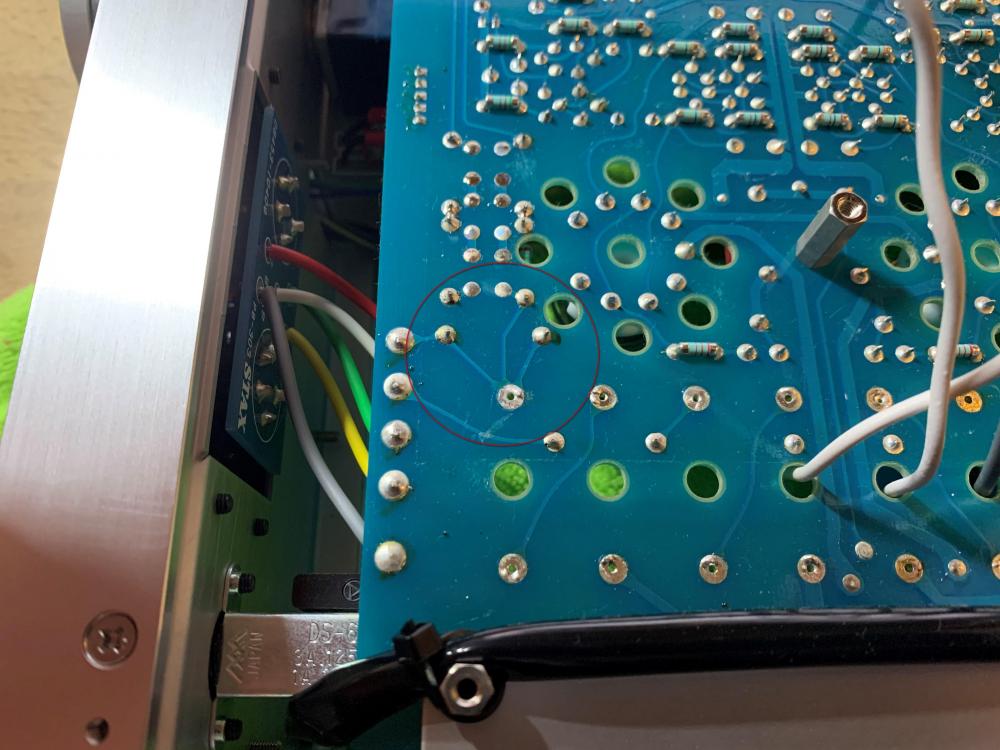
1 pointSo here I was modding a SRM-006tS to a CCS and noticed this: That is the R+ output and notice the 3 lines coming off it, one going to the feedback, one going to the output resistor and one... going to the other side of the output resistor... One has to wonder just how many of these they have shipped like this? In other news, it was fun converting an original T1 and and this one at the same time. 30 years apart and almost exactly the same...
 1 point
 -
0 points
-
0 pointsAlso RIP Burt Bacharach. But Jesusfuckingaitchchristalmighty, my heart goes out to all of those in Turkey & Syria.0 points
-
0 pointsRIP Burt Bacharach at 94 https://www.theguardian.com/music/2023/feb/09/burt-bacharach-0 points