

Leaderboard
-
shellylh
High Rollers14Points18863Posts -
Voltron
High Rollers11Points34606Posts -
luvdunhill
High Rollers8Points13728Posts -
Sorrodje
Members7Points14Posts


Popular Content
Showing content with the highest reputation on 03/16/17 in Posts
-
6 points
-
4 pointsCan't you guys find a burro for Brent to ride in the game? I think I need to go buy this game.4 points
-
3 points
-
3 pointsDo you need any advice from Brent on recommended mandatory upgrades since your last round of purchases?3 points
-
3 pointsFinally ! She is up. Sir ! You have hit the jackpot!!!! I went through all bipolar trans and reflow it to just immediately realized that the PTZA06 was a bit floating on the solder. This explained why the R50K was being overloaded and the rest of it didn't click phewww....I thank you so much ! Now onto the trimming and current offset, balances3 points
-
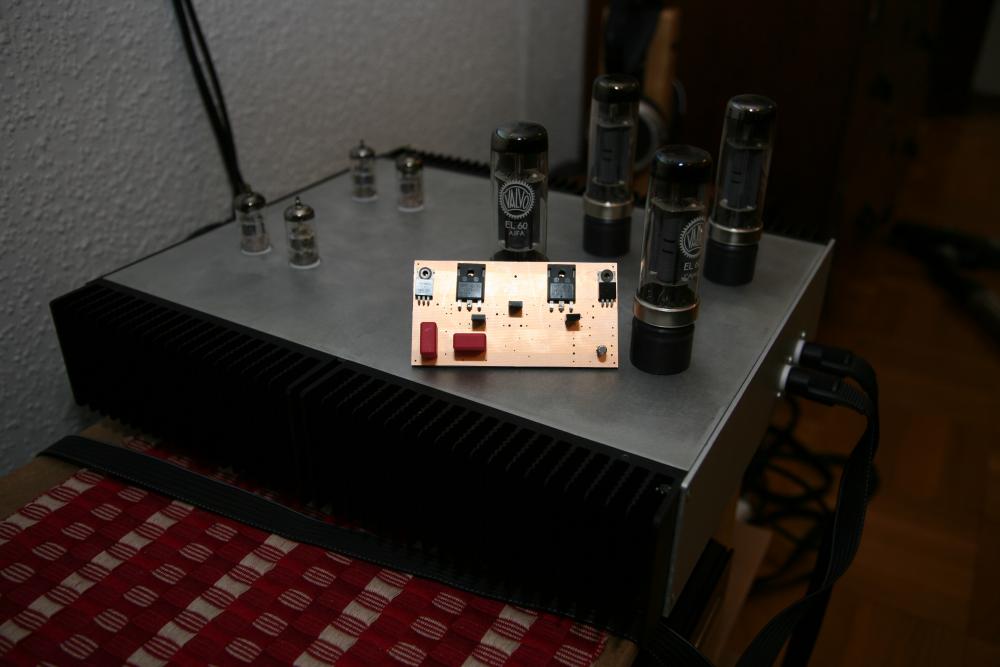
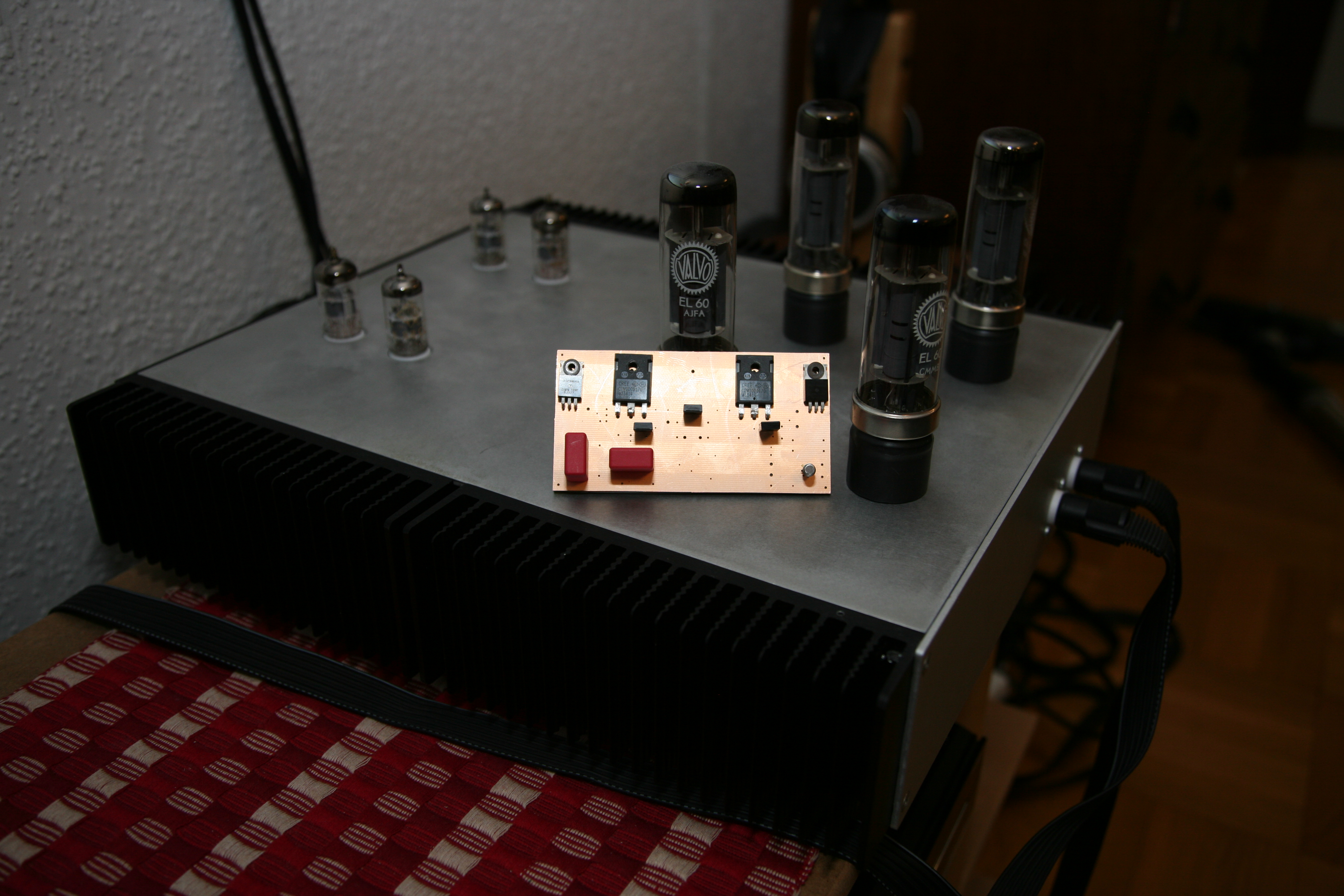
2 pointsHave drilled and cut out boards for the three layer Carbon. A bit smaller than the T2.
 2 points
 -
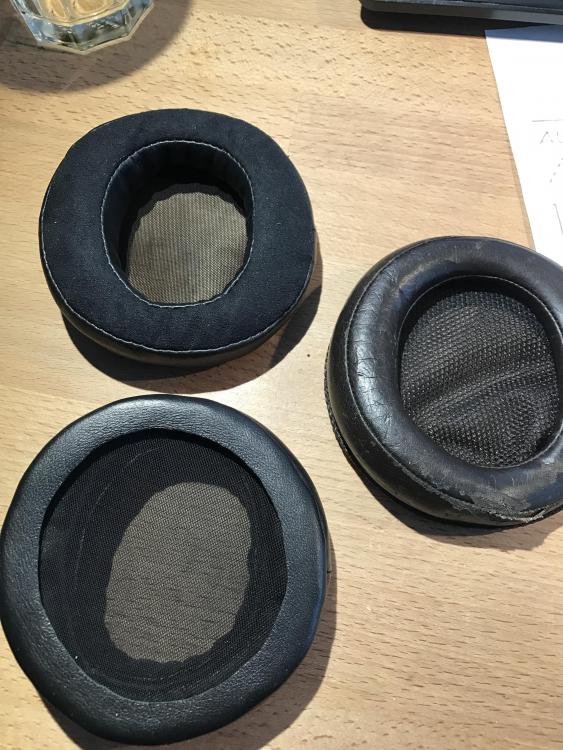
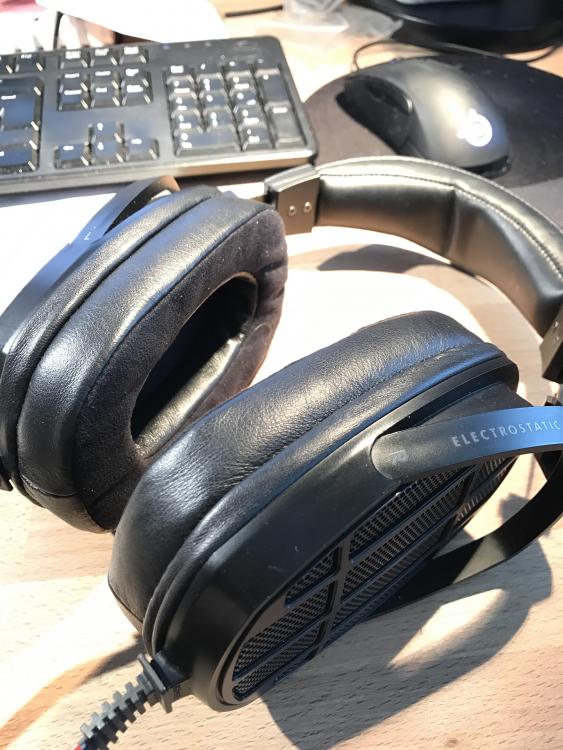
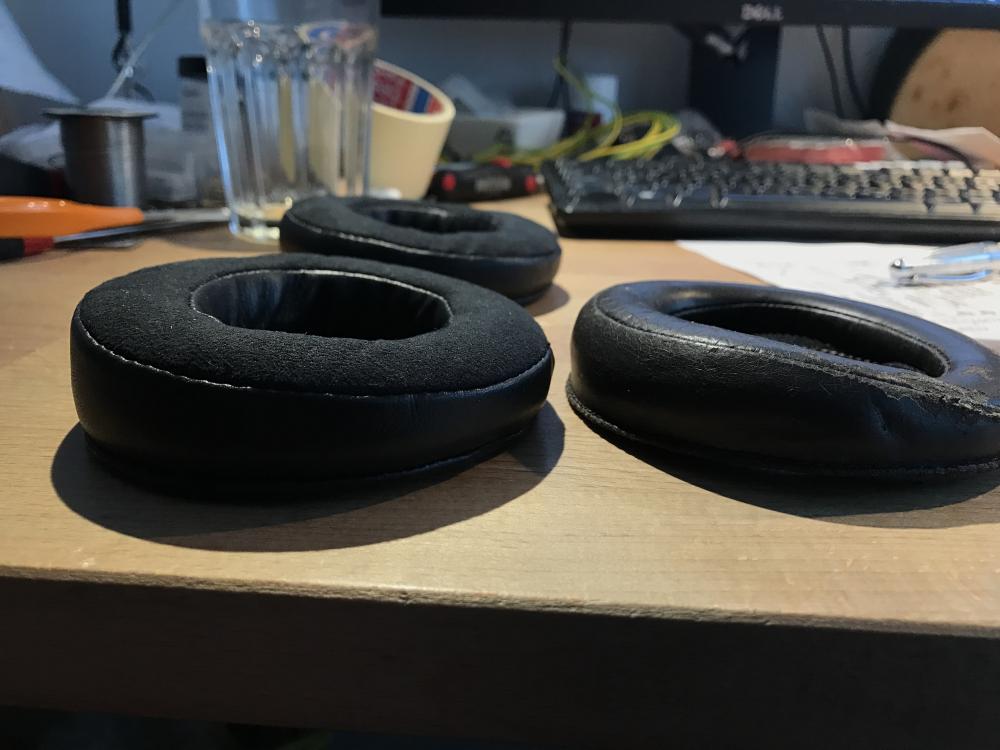
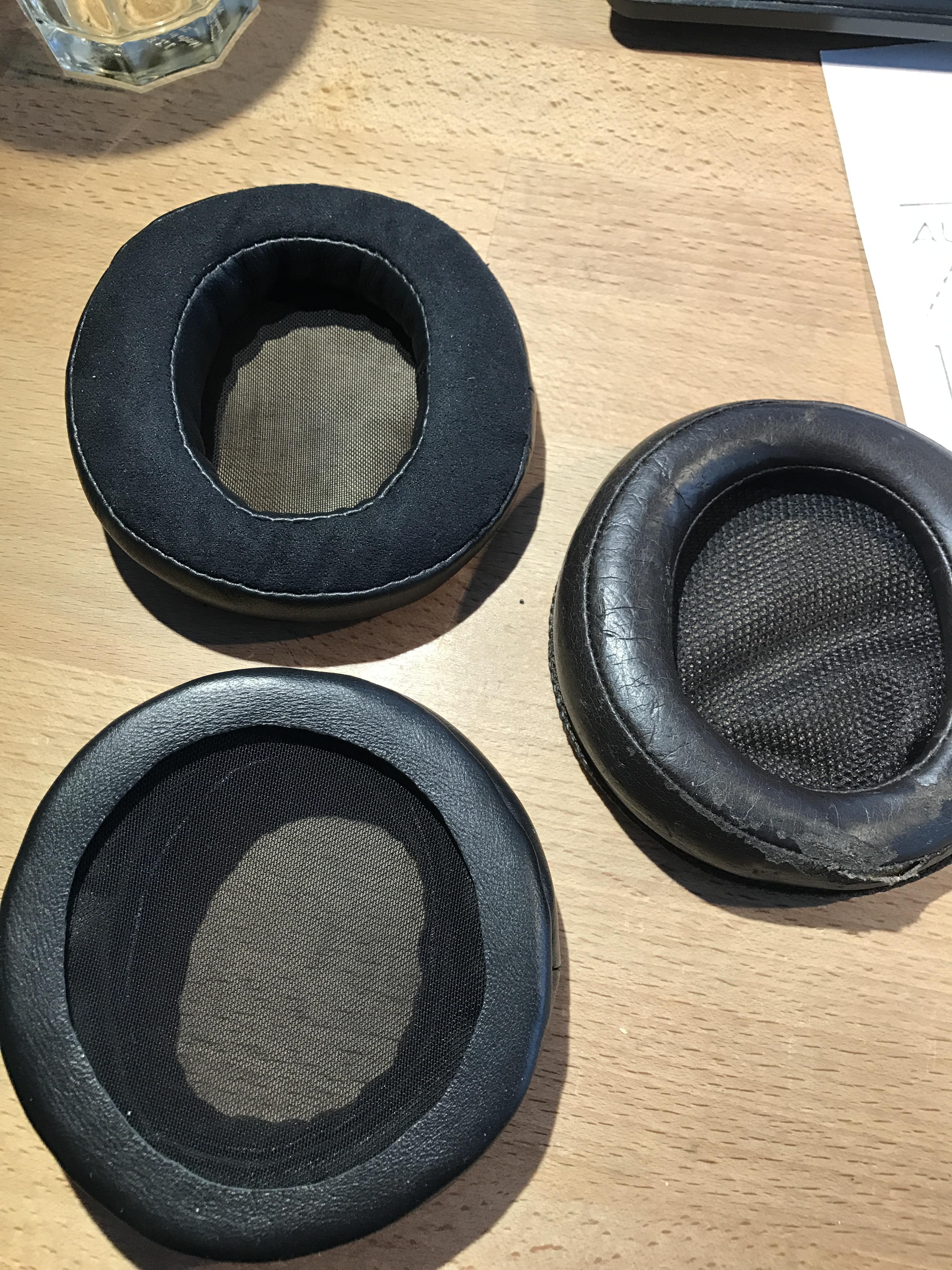
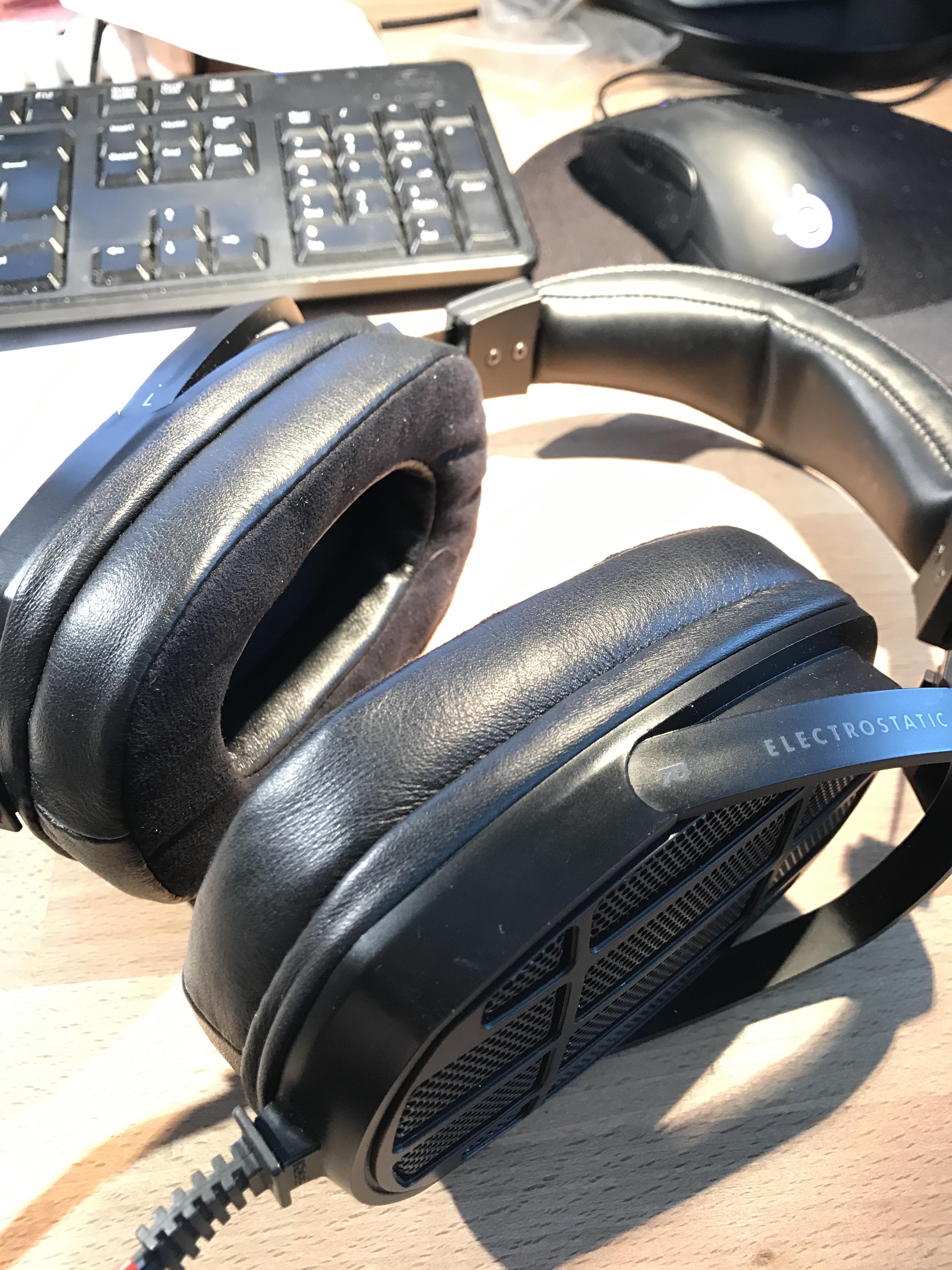
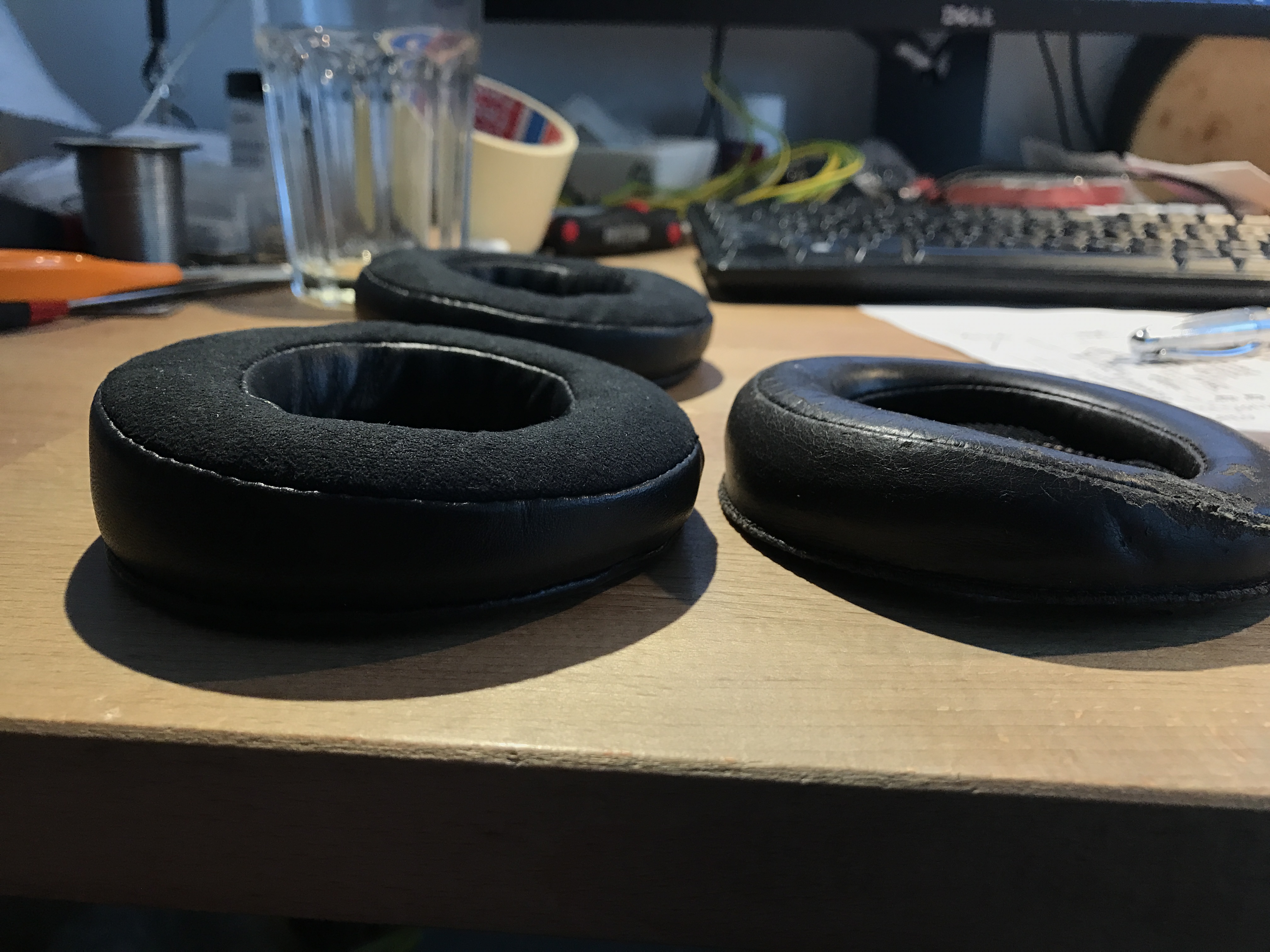
2 pointsSo I got those ESP950 leather pads and I kinda like them. Now the opening is much smaller than even the ebay pads and they are taller too. The sound...well it does clear up some of the ESP950's issues to some extent such as the boomy bass and vague sound stage. I need some further listening but yeah...not bad at all. I also had them make some SR-Omega pads and these won't work. Too thick, not big enough and the opening is too small...
 2 points
 -
2 pointsOn the second photo of the board, the solder joint of the tab of the PZTA06 between the offset trim pot and the 0.1uf bypass capacitor looks suspicious to me. May want to re-flow it.2 points
-
2 pointsIn terms of price, they are aimed at the same market. In terms of quality, well.... If you do a search for electrostatic headphone amplifier schematics, both commercial and DIY, you'll find a lot of resistor loaded output stages, you'll find several constant current loaded output stages, and you'll find some transformer output stages, but you won't find any choke loaded output stages. The Woo WES uses choke loaded output stages. Now, there are two possible reasons why they are unique in this respect. The first is, they have a patent and nobody else can use it - however choke loaded output stages have been around for a long time, so that's not it. The second reason is, they don't know what they are doing and are using an expensive topology that is demonstrably inferior for this particular purpose. See my thread on current requirements for electrostatic headphone output stages for infinite gory detail on why current loads are the optimum way of loading output stage active devices from a strictly engineering perspective. Second, the WES has a passive power supply rather than a regulated power supply. Now, Stax also use a passive power supply, however they are much cheaper and much smaller so there's a good engineering reason for that. In an allegedly state-of-the-art design, there is no reason NOT to use a regulated power supply since the ideal power supply provides a perfectly stable, noiseless and unvarying voltage regardless of the demand on it, something no passive supply can do, and something a regulated supply is much closer to doing. In other words, IMHO the WES is state-of-the-wallet, but not state-of-the-art.2 points
-
1 point
-
1 pointI don't know what to tell you. Our show was about two hours plus intermission. I don't know when yours starts or if there is intermission. He did two encores that were not quickies.1 point
-
1 point
-
1 point
-
1 point
-
1 point
-
1 pointEnjoyable concept for foodies. The author/photographer asks the worlds most famous chefs the same six questions and then photographs them and their food. 1. What would be your last meal on earth? 2. What would be the setting for the meal? 3. What would you drink with your meal? 4. Would there be music? 5. Who would be your dining companions? 6. Who would prepare the meal?1 point
-
1 pointat 75 pieces it goes down 30% I'll take some time this week to see if I can get a proper dollar amount1 point
-
1 point
-
1 point
-
http://www.wsj.com/video/the-family-behind-viral-bbc-video-speaks-out/D6046F80-52A8-480F-8CF3-2C9AB00ACF44.html1 point
-
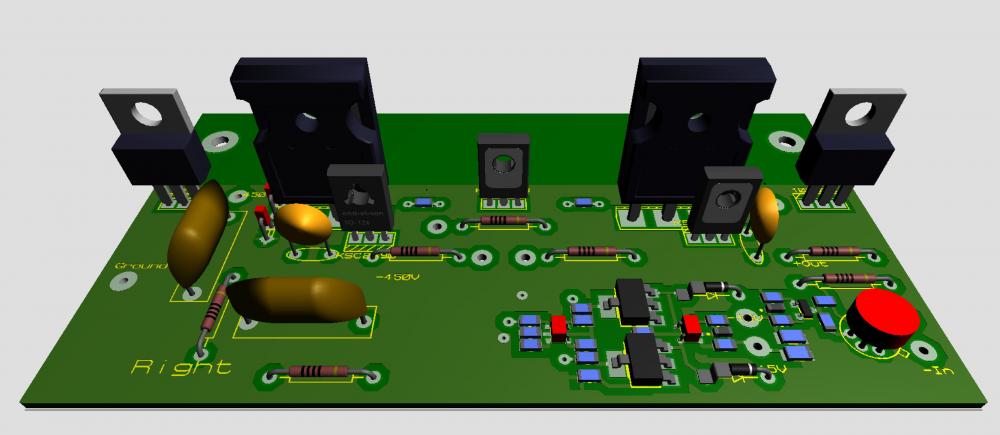
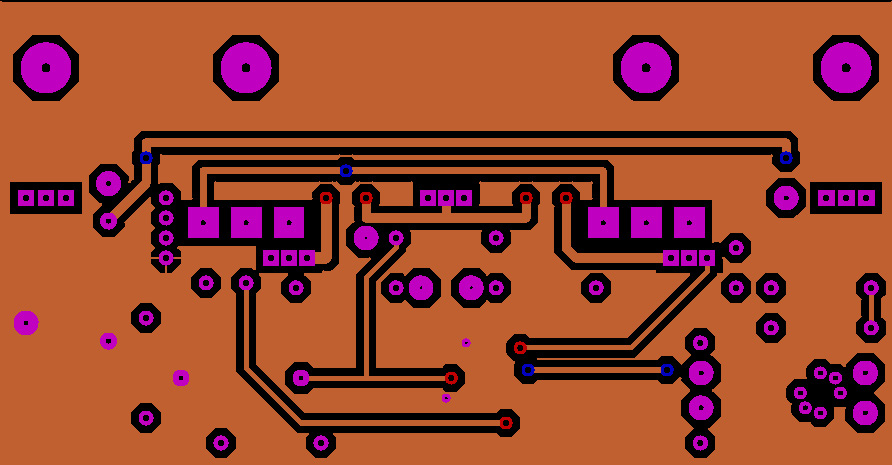
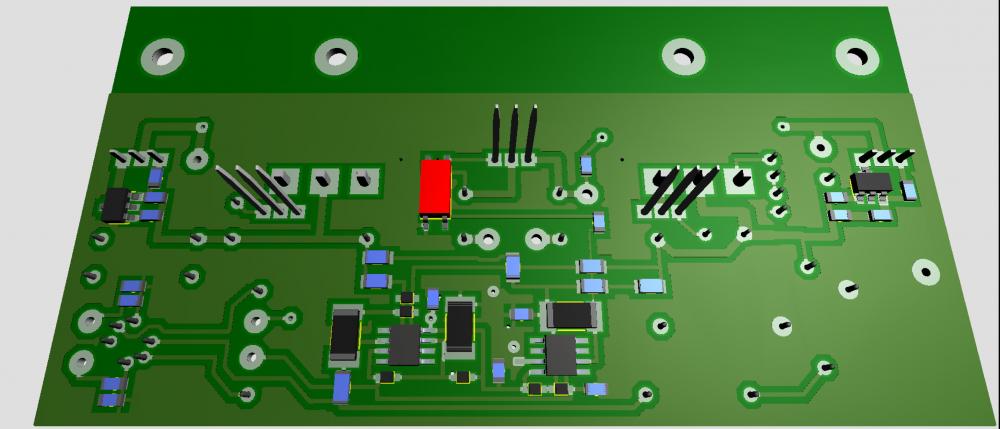
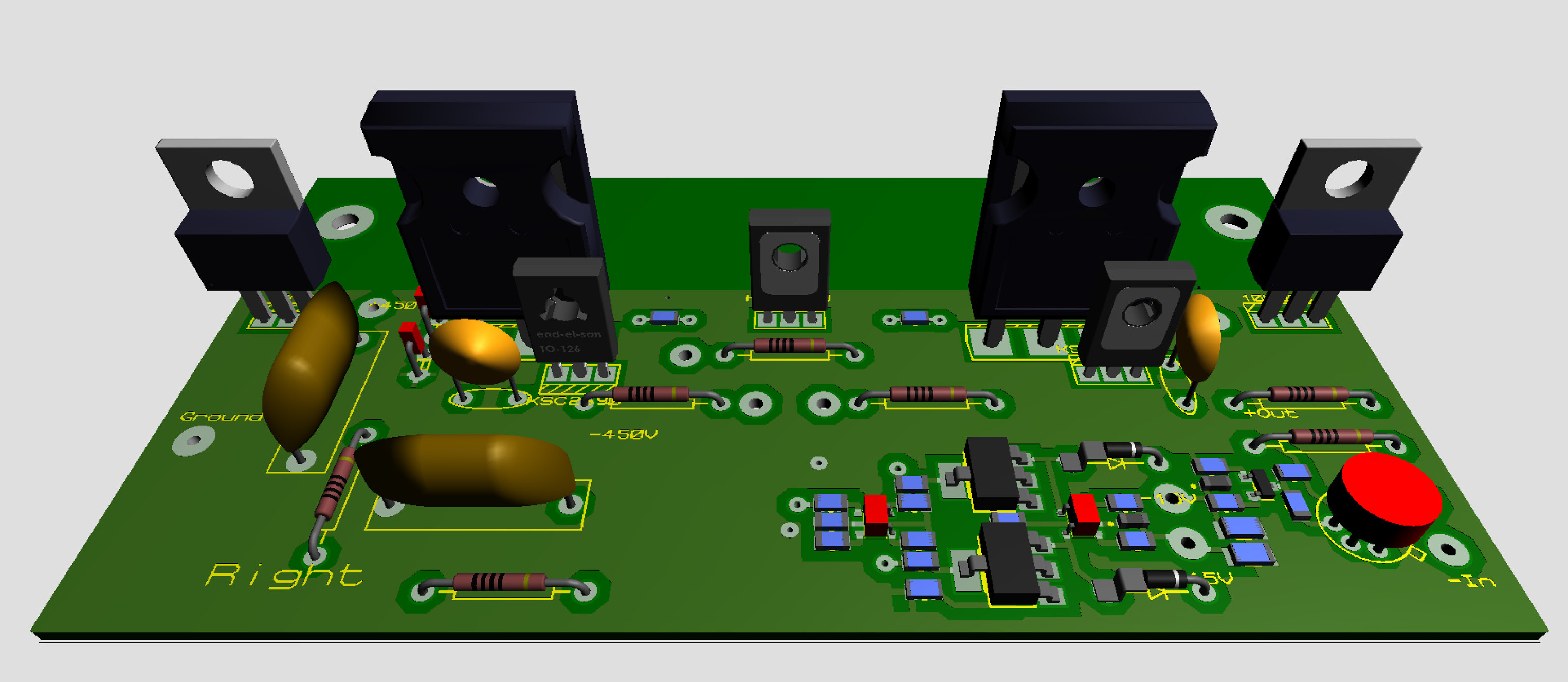
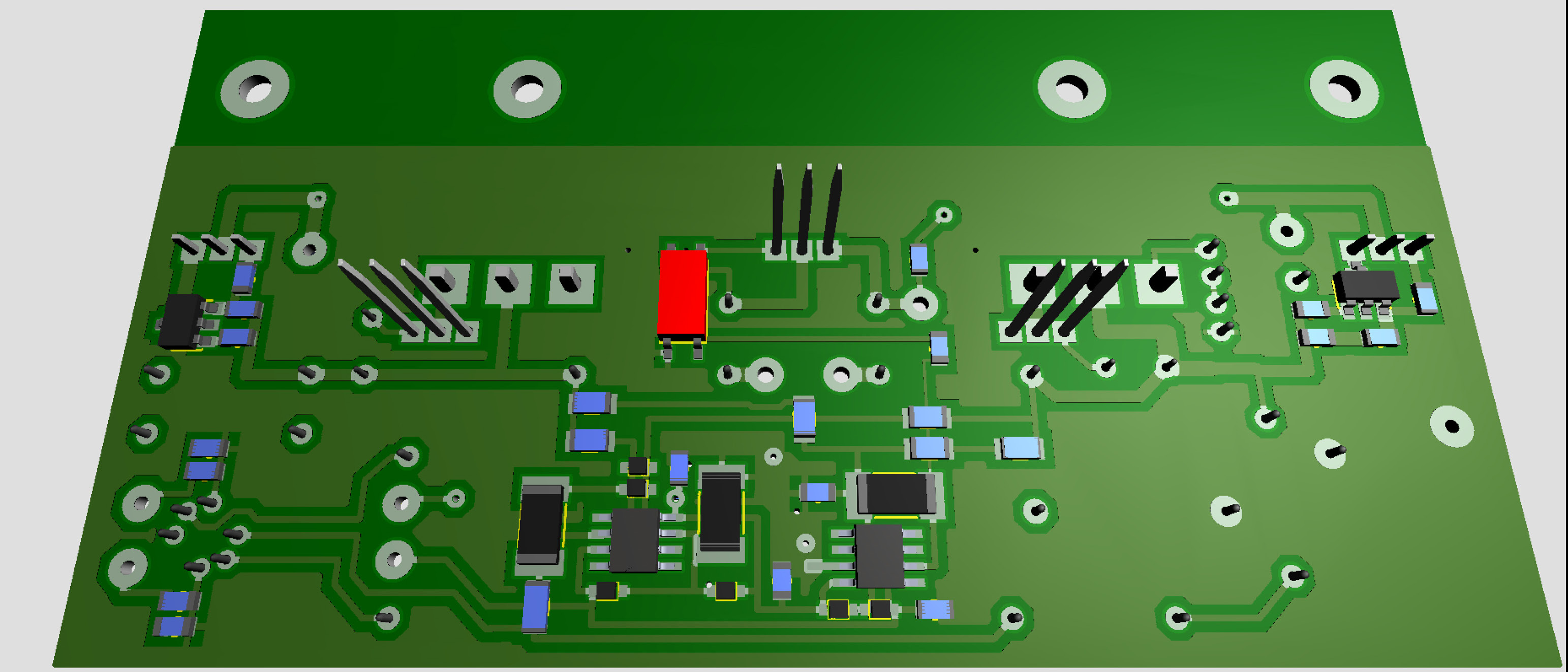
1 pointSeems you make great progress, Whitigir. Already one amp working, then one is almost home. Made some more work on the Carbon. Managed to keep it within 4.5 x 2.4 inches. Three layers – will try to do this in kitchen….. For some unknown reason the software flips the to-126 in 3D view. Below: inner layer, and bottom.
 1 point
 -
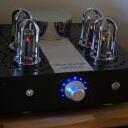
1 pointFinally received Front/Back plate for the 5U Dissipante - almost took forever. Decided to have a groove dividing the front plate into an upper 2U and a lower 3U, to have it look less bulky; it's still one 5U piece. The "pi" sort of symbols the topology To be continued ...1 point1 point1 pointIt is a really big thing, extreme ironing. Google it and look at the images. People try to do it in ever more beautifully crazy places.1 point1 point1 pointHere is my Carbon build. The layout is a lot like the KGSShv Cube I made in 2014 although this is bigger and easier to assemble. I have dubbed it the “Chunky”. I have two versions, a black/silver and an all silver and am building two of each. The Chunky measures 340 wide X 310 deep x 138 high, plus feet and weighs about 10 kg. As I wish to concentrate on other projects I do not intend to make more amplifiers for other people. I am intending to do a KGBH for myself. I have enjoyed the challenge over the last few years and have also met some great fellow head-cases. The KGSShv/KGST/Carbon KG designs I have built have all worked as intended and been easy to set up and all have given great musical pleasure. This is a sign of a great designer and I would like to note again my gratitude for the great gift given to this hobby by Kevin and Birgir, Kerry, Joamat, Jim L and all the others for their contributions and inspiration.1 point














Important Information
By using this site, you agree to our Terms of Use.