

Leaderboard


Popular Content
Showing content with the highest reputation on 07/30/16 in Posts
-
17 pointsAlmost there. I've got one channel dialed in and working on the second.
 17 points
 -
7 pointsPSU issue solved I replaced one of the KSC5026Ms and now the supply outputs +452V. Probably replaced more sand than necessary, but I'm just glad it works now.7 points
-
5 pointsI finally acquired the EAR Discmaster turntable which has been a real chase! Just put it together a couple of weeks ago:5 points
-
4 points
-
3 pointsUpgraded speakers to the Marten Coltrane Tenors and also picked up a new turntable, the EAR Discmaster. STILL dialing in the setup...been with the speakers for about 2 weeks or so.3 points
-
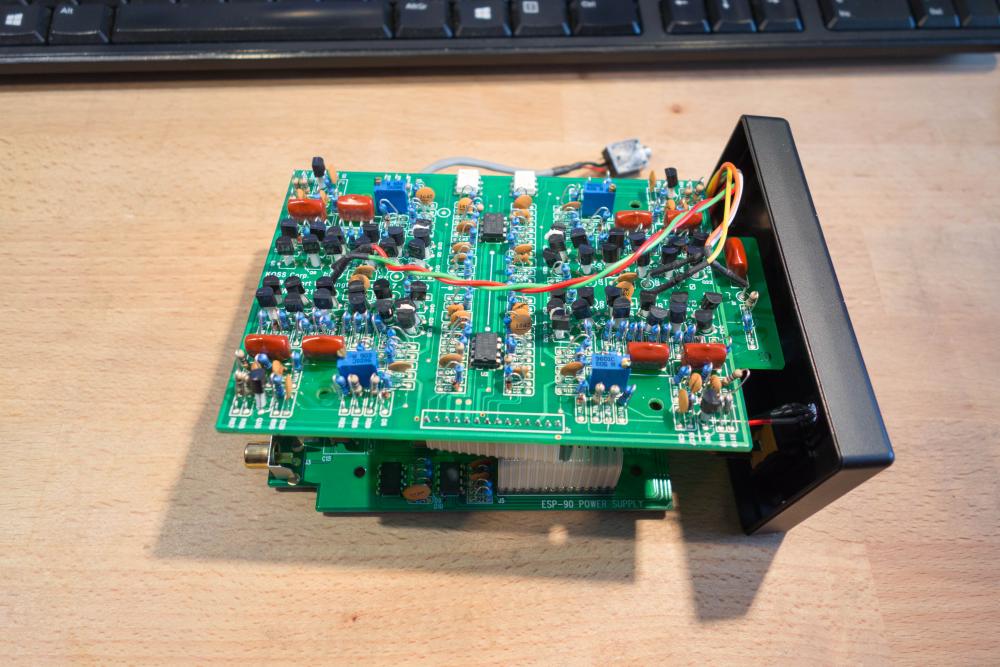
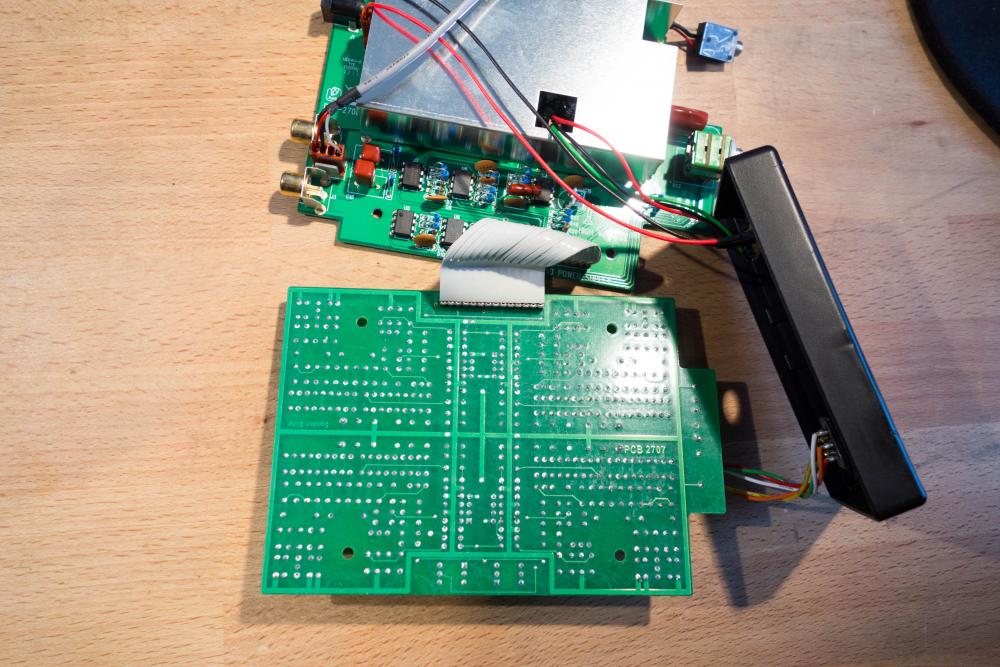
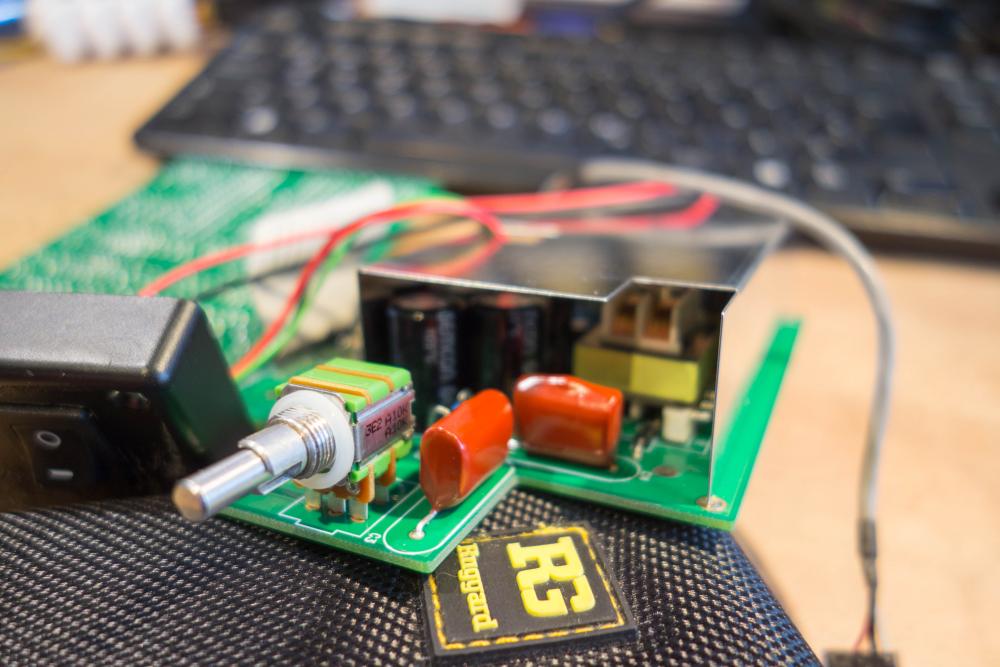
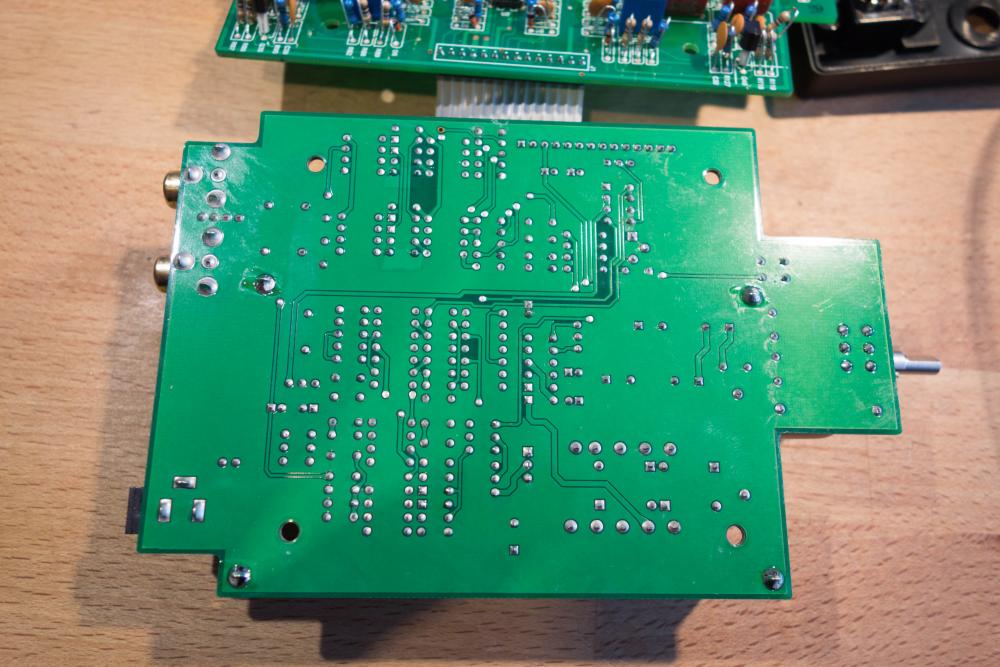
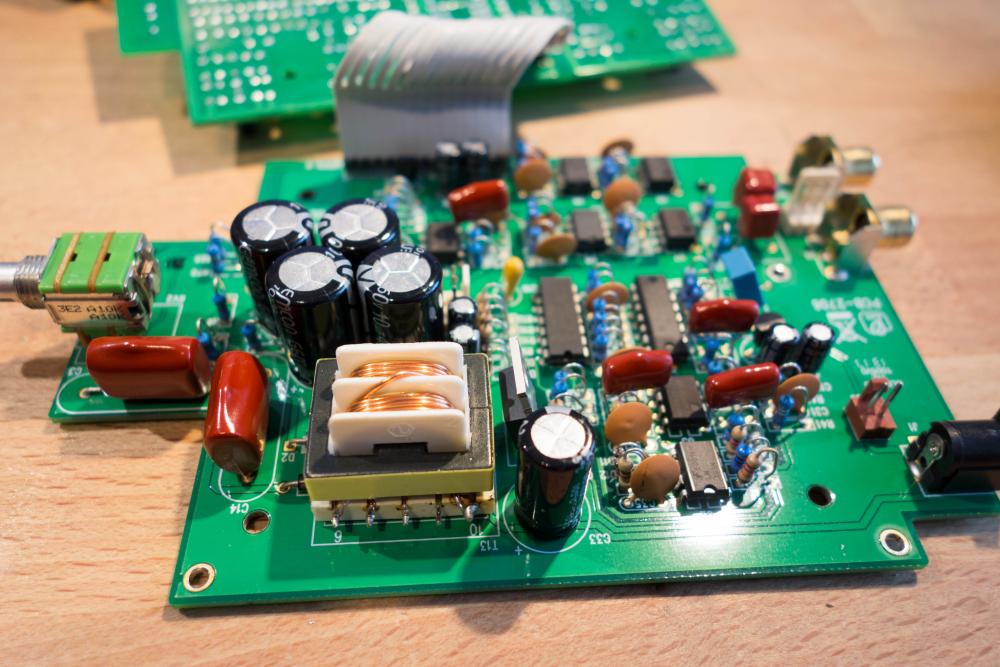
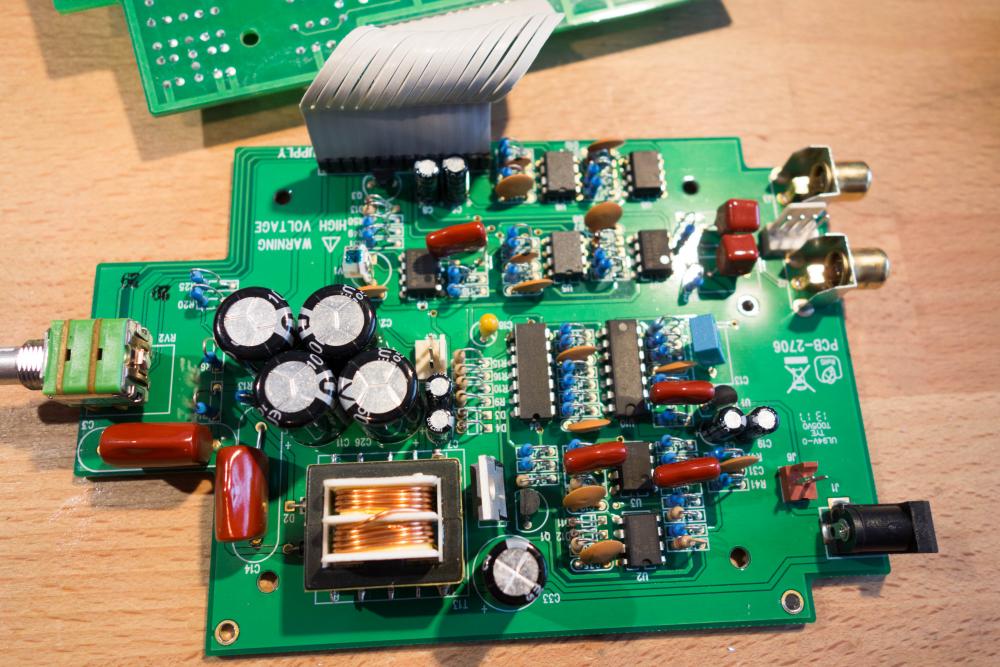
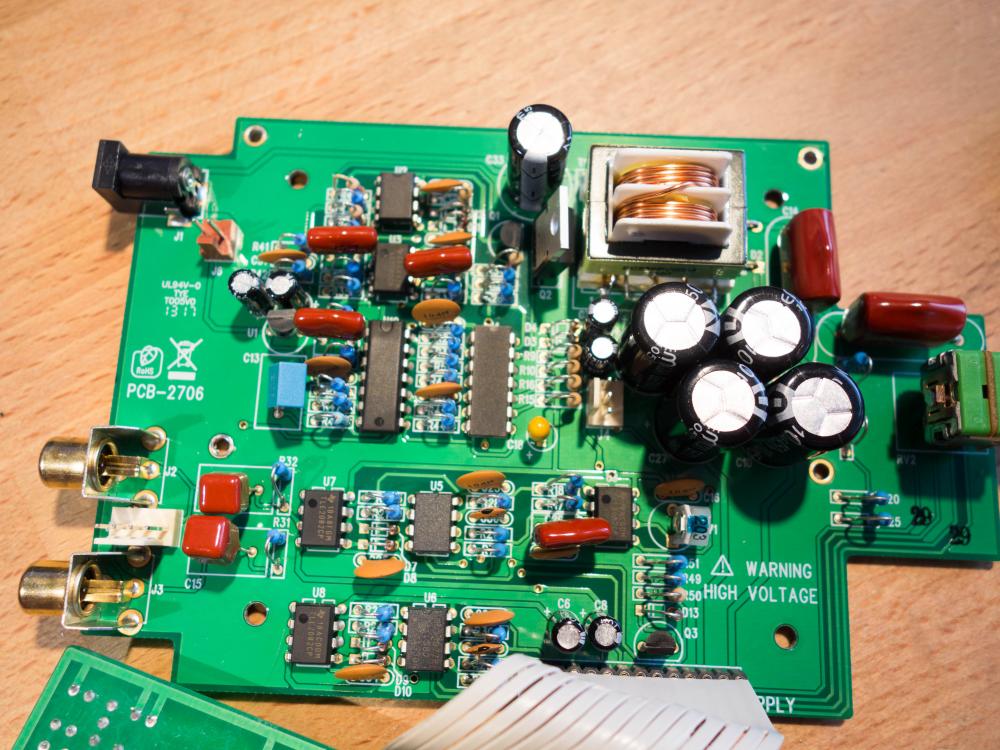
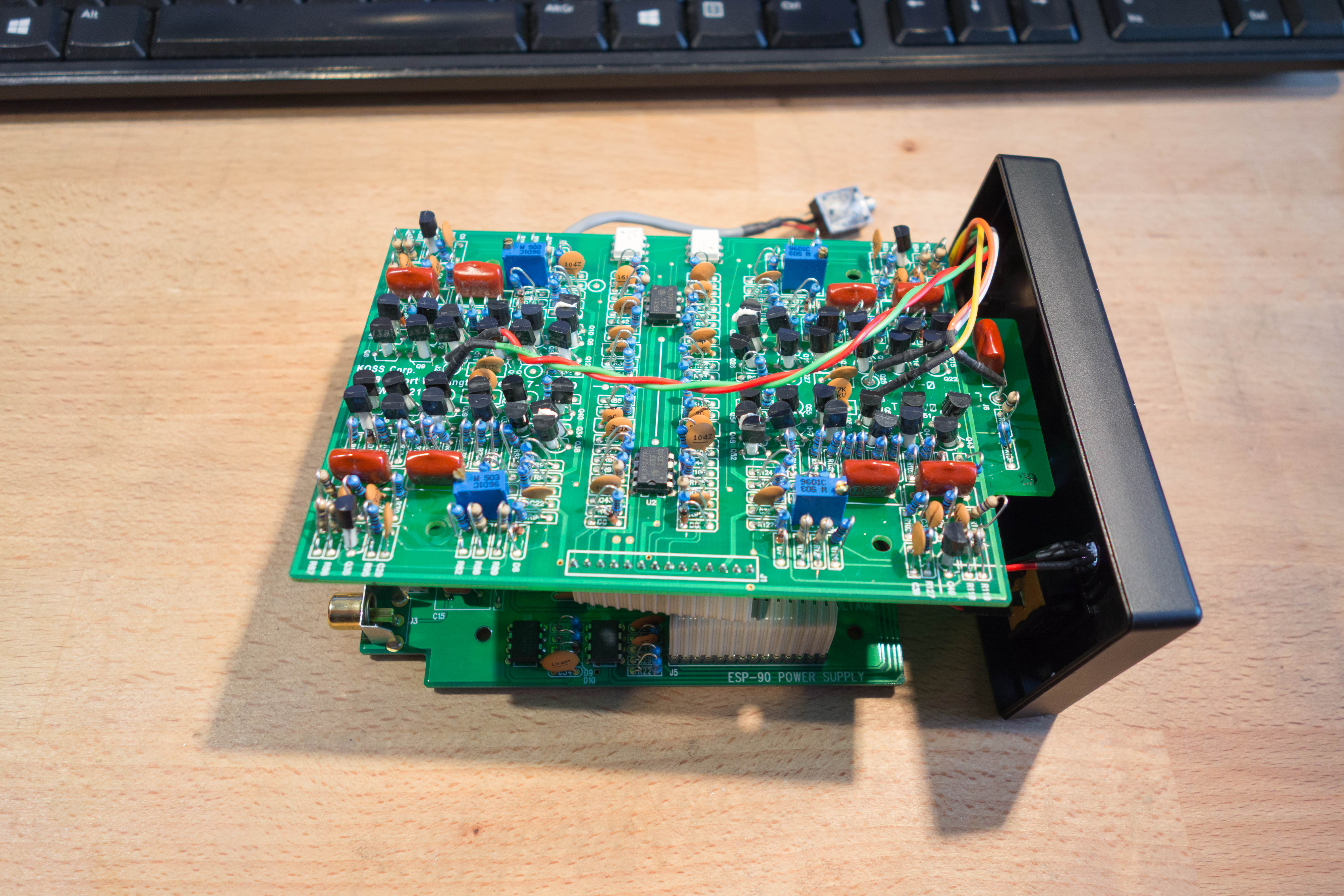
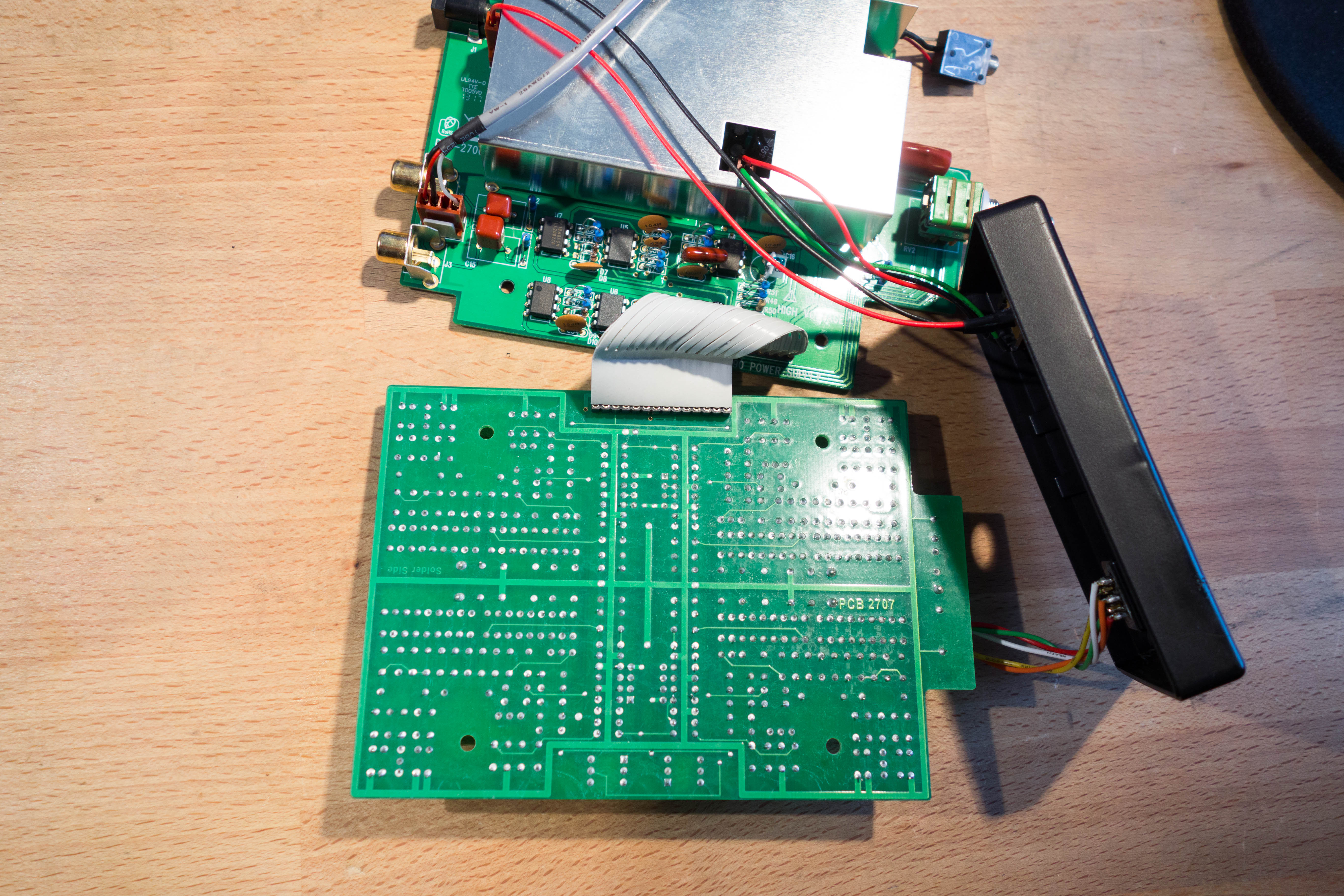
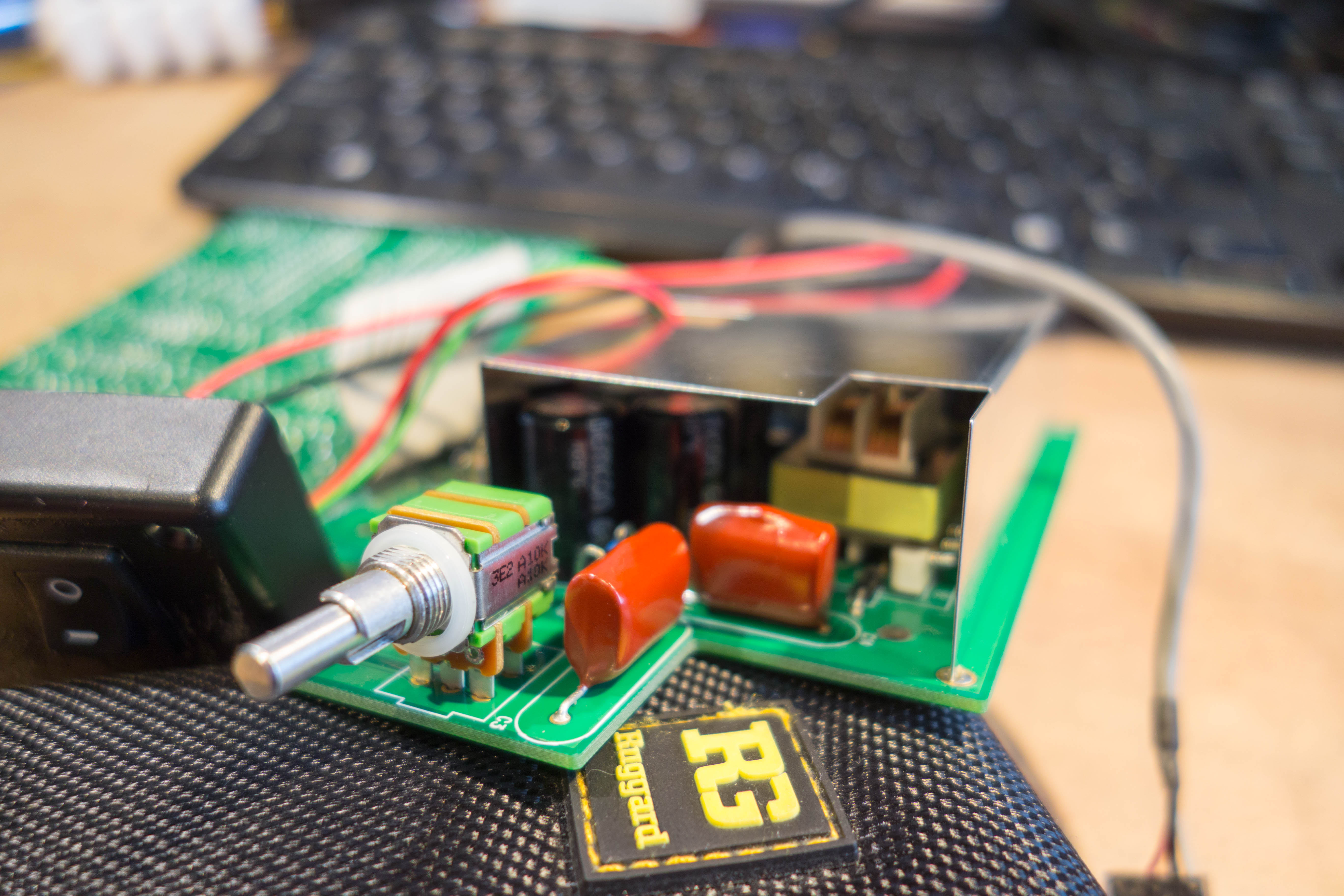
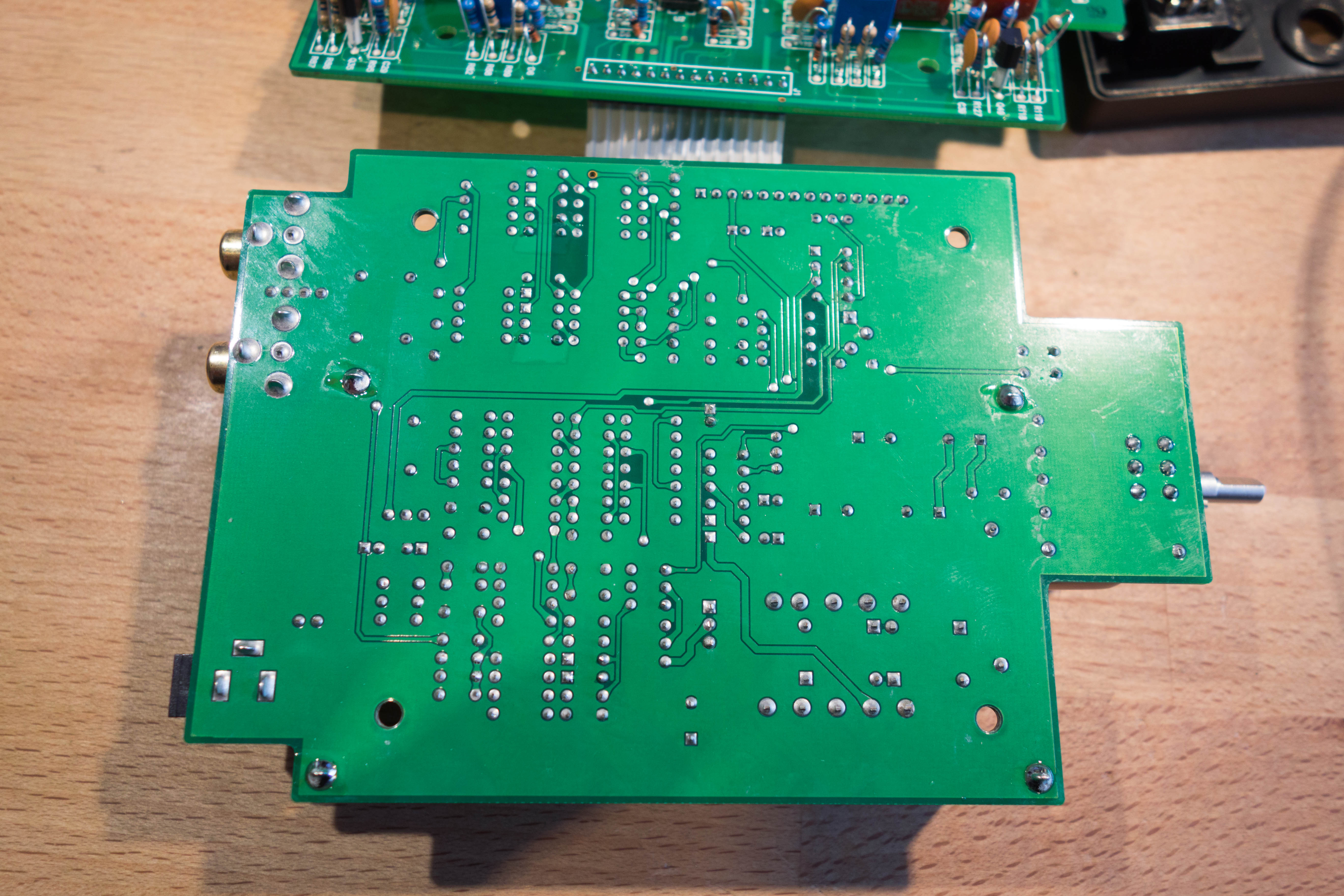
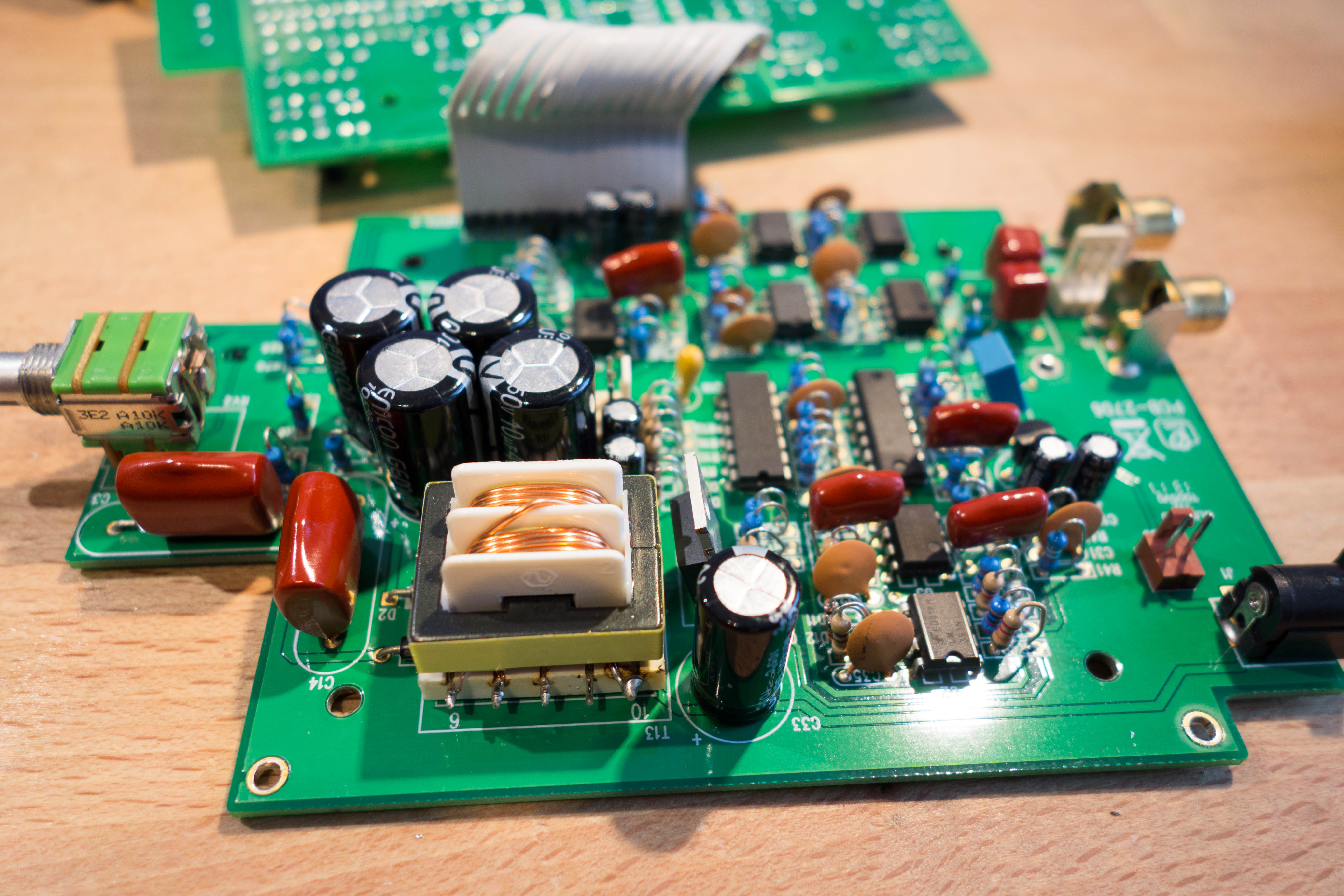
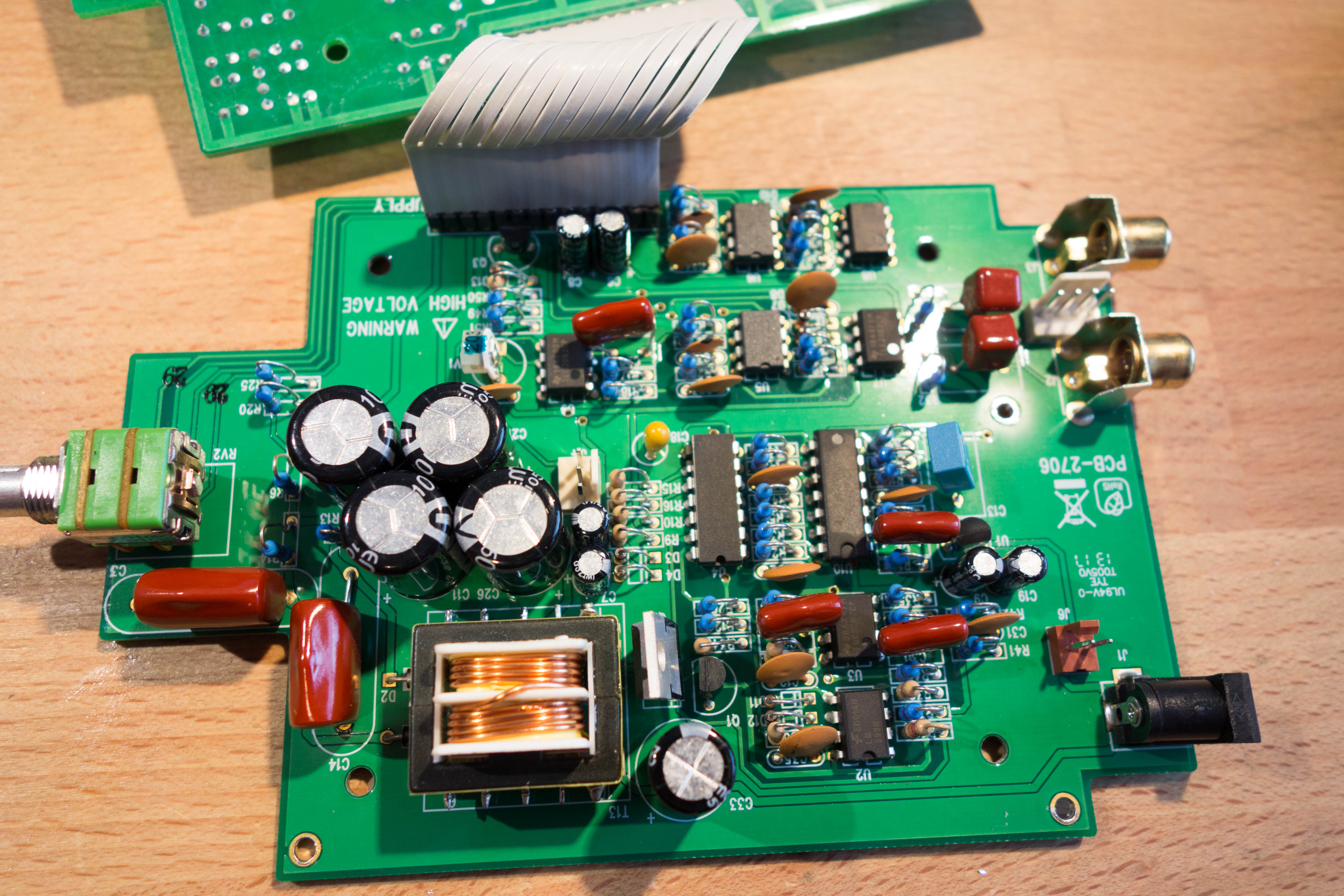
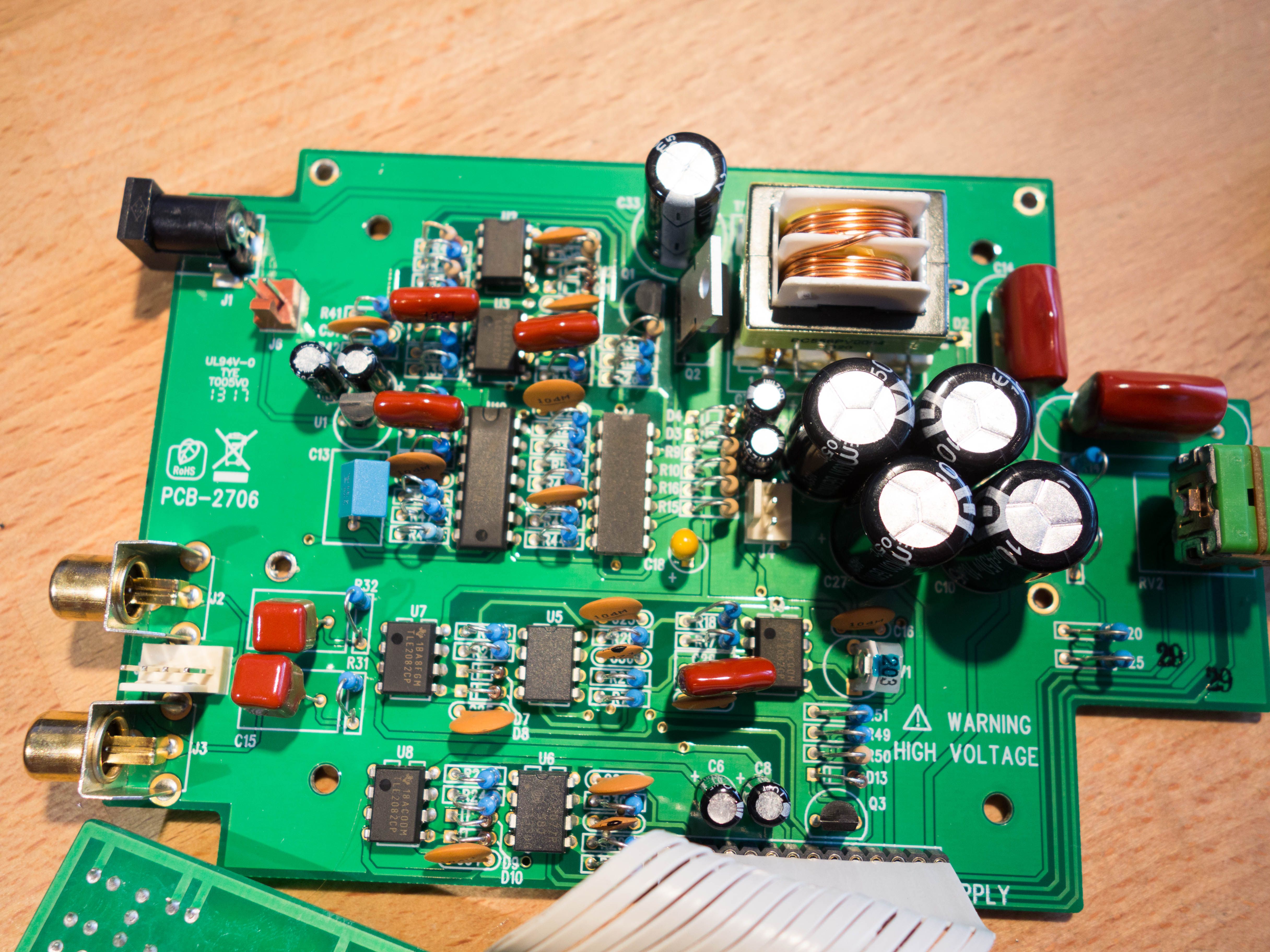
2 pointsSo I just got a recent ESP950 and I naturally could not resist taking a peek inside. Looks like they have finally updated the design of the amp a bit. New pot, new PSU board but the amplifier board is still dated 1990... There are also some clear signs of penny pinching going on. No name caps, non branded 3296 trimpots and that shitty as all hell volume pot. Bias is 600V off the main B+ line and through a 10M resistor. Next to is an "infinite" resistor which can clearly be replaced to trim the bias if they start to squeal. Not happy about the cap on the bias output but this is 1990 tech. The PSU is labeled 1317 so 2013 vintage so they are clearly still building them. It's quite funny that they didn't go to SMD for this as this is clearly a new layout. Gotta love Koss, hell they've made the same headphones for almost 50 years so why modernize. I left the amp alone except that dual section pot had to go. It can't track in stereo The headphones still look the same and were quickly modified to a SR-Gamma Pro cable. There is so much potential in those drivers but lost in the shitty as all hell housing. The earpads off ebay do help quite a bit but they should be angled to improve the soundstage.
 2 points
 -
2 pointsInteresting that Carl would initiate this discussion. I say that because I believe that one of the reasons that particular mic was chosen is because it's a news station (and Carl is a news guy right?). If the engineer was from a music studio, they'd be using a different mic and set up for every act. It would be a cluster fuck almost every time and the OCD would choke the life out of the whole thing. That 418 is probably about the best mic they have (probably under lock and key most of the time). And when you want to set up fast, you use what you know. And using a hyper/super cardioid is a great choice when you're recording with audience members close by. The better the rear rejection the less you'll pick up people noise (Dan knows all about that). The recordings sound great but the life and heart of the performances comes through so strong that it's hard to think about the sound.2 points
-
2 pointsCan we buy one on ebay...? (Ducks head and runs for cover...... )2 points
-
Test Tone @ Home live right now: http://mixlr.com/illuminator/chat2 points
-
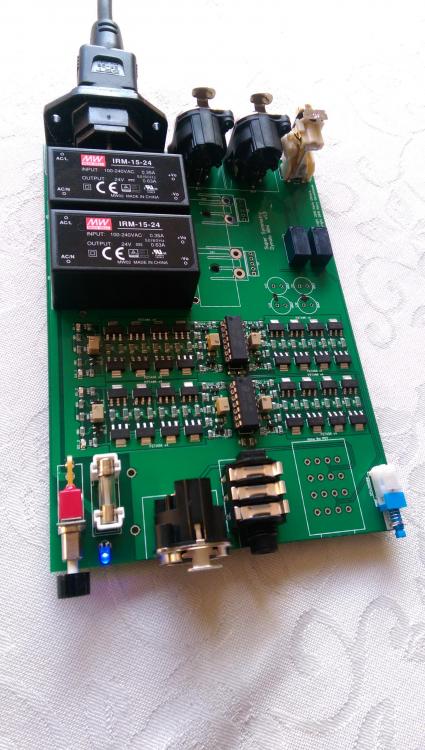
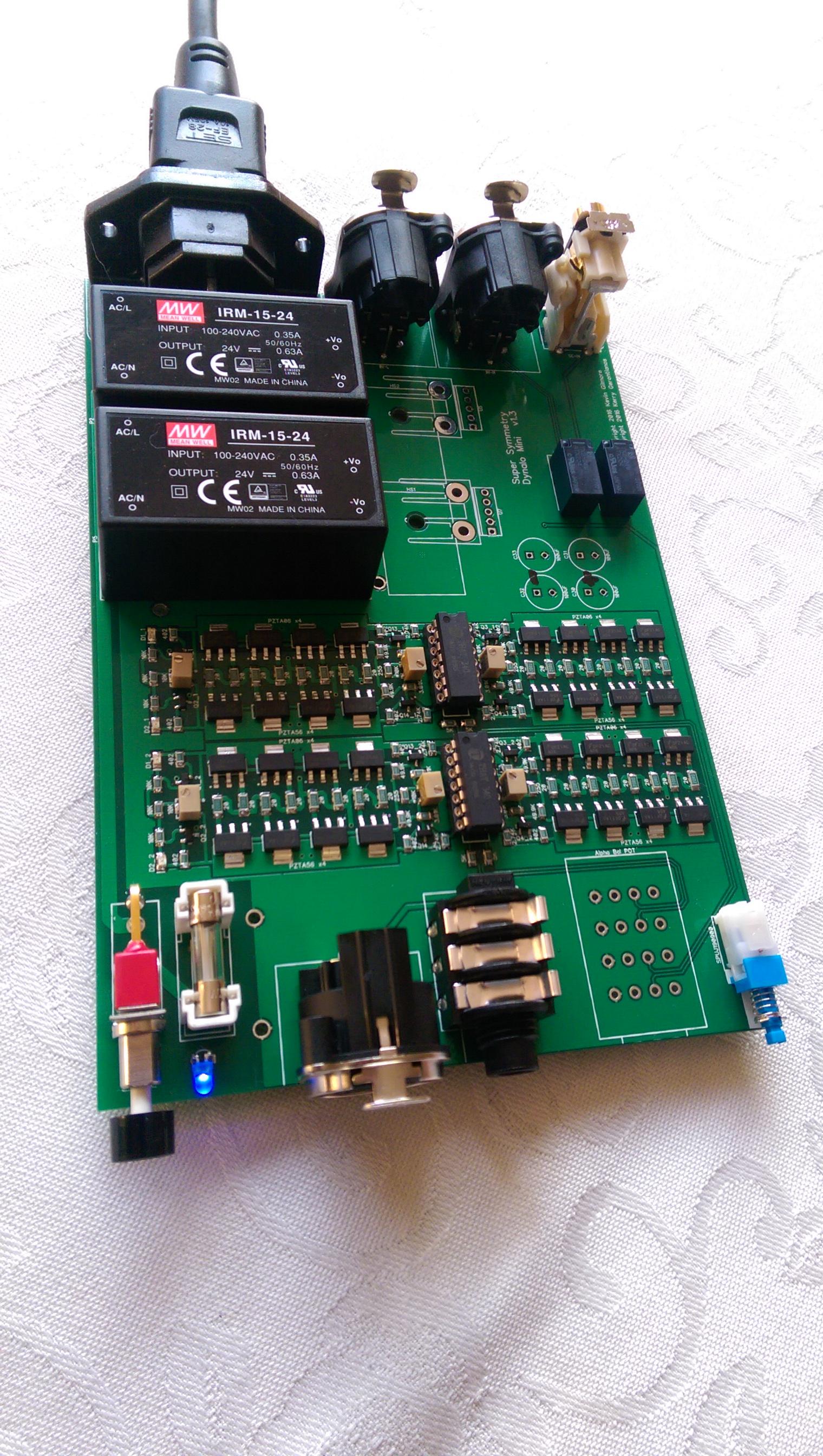
2 pointsI got the parts in this afternoon and had a chance to start stuffing. Here's the back of the board. A couple of things wrong. The holes for the IEC inlet are a bit small. I can drill them out since all the traces are on the bottom. The other more important issue is I used the wrong size QFN-20 pattern for the regulators. Luckily I have an off-board option that I'll be using on this version. I ordered a couple of sig78/79 regulators from AMB's site. I can test the rest of the board so I will continue stuffing. Should be done tomorrow night.
.thumb.jpg.1eace156afd8c4147b6c3d164244535c.jpg) 2 points
2 points -
1 point
-
1 point
-
1 pointThanks, guys! It's been a great one so far. I picked up all the Roxy Music live albums: Viva!, Heart Still Beating, and Live (from their 2001 reunion tour). Also, I got American Gothic (the 1995 TV series) on DVD. It's a lot less eerie and a lot more unintentionally hilarious watching it in 2016 as an adult, but great entertainment nonetheless. Enjoy the summer!1 point
-
1 point
-
1 pointTrue John, and I've said before that I'm enjoying the SQ from the Yggy more than I did the K-01, in fact I've also said before the Yggy stopped me from saving for a CH Precision C1. Now the Yggy [ IMO ] is nowhere near the build quality of both the K-01 and C1, but the most important thing is SQ, and to what I recall the Yggy isn't far behind the C1, a £24,000 DAC, I would have to hear the two together to be sure though. One thing is for sure, I'm still pissed off with the amount I lost in selling the K-01.1 point
-
1 pointThey've been using the same mic forever. For the most part, the set up is more like a field recording (and I believe that's on purpose). It's a Sennhieser MKH 418 m/s shotgun mic (decoded to l/r stereo in post). They like it because they never know how many folks are going to show up for the recording. Super nice condenser and they price it accordingly! For more details (if anybody cares?) Unfortunately, many of the links are broken. I used to mic these myself with a good stereo mic.I love having the band play to the mic.These days, our engineer Kevin Wait has been micing and mixing the shows.Here are some of Kevin¹s thoughtsHope it helpsAll the bestBobProduction Tools for NPR All Songs Considered Tiny Desk Concerts: * In the spirit of the Tiny Desk Concerts, we don¹t always know beforehandhow many musicians will arrive or even what instruments/arrangements will beplayed. After a quick set up we generally have the act play a half-song forlevels, and the show begins. For ease of use and flexibility, I have fallenin love with the Sennheiser 418s mid/side stereo shotgun mic:http://www.sennheiser.co.uk/uk/home_en.nsf/root/professional_wired-microphon es_broadcast-eng-film_005284 * Besides the simplicity of ³a mic on a stand,² the mid/side configurationallows the user to instantaneously (electronically) vary the width of thestereo field. This allows the same mic to be ³focused² for a solo performeror, on a moment¹s notice, a group of 10 or 12 (or 30) musicians. The 418shas very low self-noise as well. Note: this mic by itself will NOT decode tostereo. It will need to be mid/side decoded the old-fashioned way (3 faders,phase-flip on a mixer, or by a device like the SD722 below!)http://www.wikirecording.org/Mid-Side_Microphone_Technique * The recorder is a Sound Devices 722:http://www.sounddevices.com/products/722.htm <http://www.sounddevices.com/products/722.htm> This recorder has fantastic(forgiving) mic pre-amps and handily decodes the mid/side signal from the418s into stereo L and R. It¹s menu includes requisite phantom 48V power,high pass filters to keep the rumble out, and a super-nice limiter for whenlevels get out of control. * We have experimented lately with micing the host discreetly so the hostquestions can be heard better in the mix. We add a Sennheiser WirelessENG100 http://www.sennheiser.com/sennheiser/home_en.nsf/root/professional_wireless- microphone-systems_broadcast-eng-film_ew-100-series_021418 with a stock omnilavaliere mic. This addition necessitates a small mixer. The other option isto simply raise the level of ³chatter² in the stereo mix at post-production.Both techniques are far from ideal but we strive to keep it technicallysimple as to not disrupt spontaneity of the performances. * The last step is mastering the audio. Even with great tools, thelimitations of the space include difficult mic placement, resonant surfaces(lots of glass in the skinny end of the 635 Mass. Ave. building,) smallacoustic space, street noise, etc. I use Adobe Audition to EQ out annoyingresonant frequencies, then apply some normalization and slight compressionto get the hottest, most transparent signal to the web listener. Final Thought: Having said that, truly, the success of the audio recordingis in the mic placement. Results similar to the NPR method can be realizedwith any decent stereo recorder and a point-source stereo mic or stereoarray (2 mics properly arranged.) Most audio SD/CF flash recorders (MarantzPMD-620, for example) have stereo mics built in. There is no set techniqueto record music, though I find closer is better. Have your act/band standphysically as close together as possible and aim your mics/device aboutmouth level maybe 2¹-3¹ away. (Look at the Tiny Desk videos and can see ourmic (albeit low) in some of the shots.)1 point
-
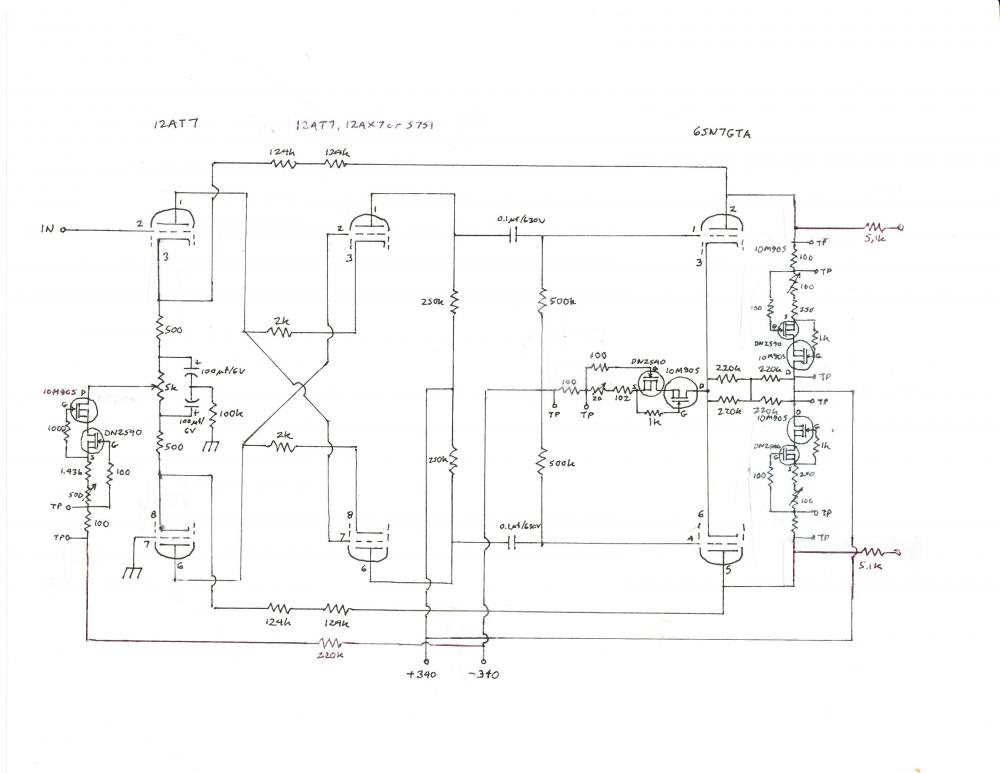
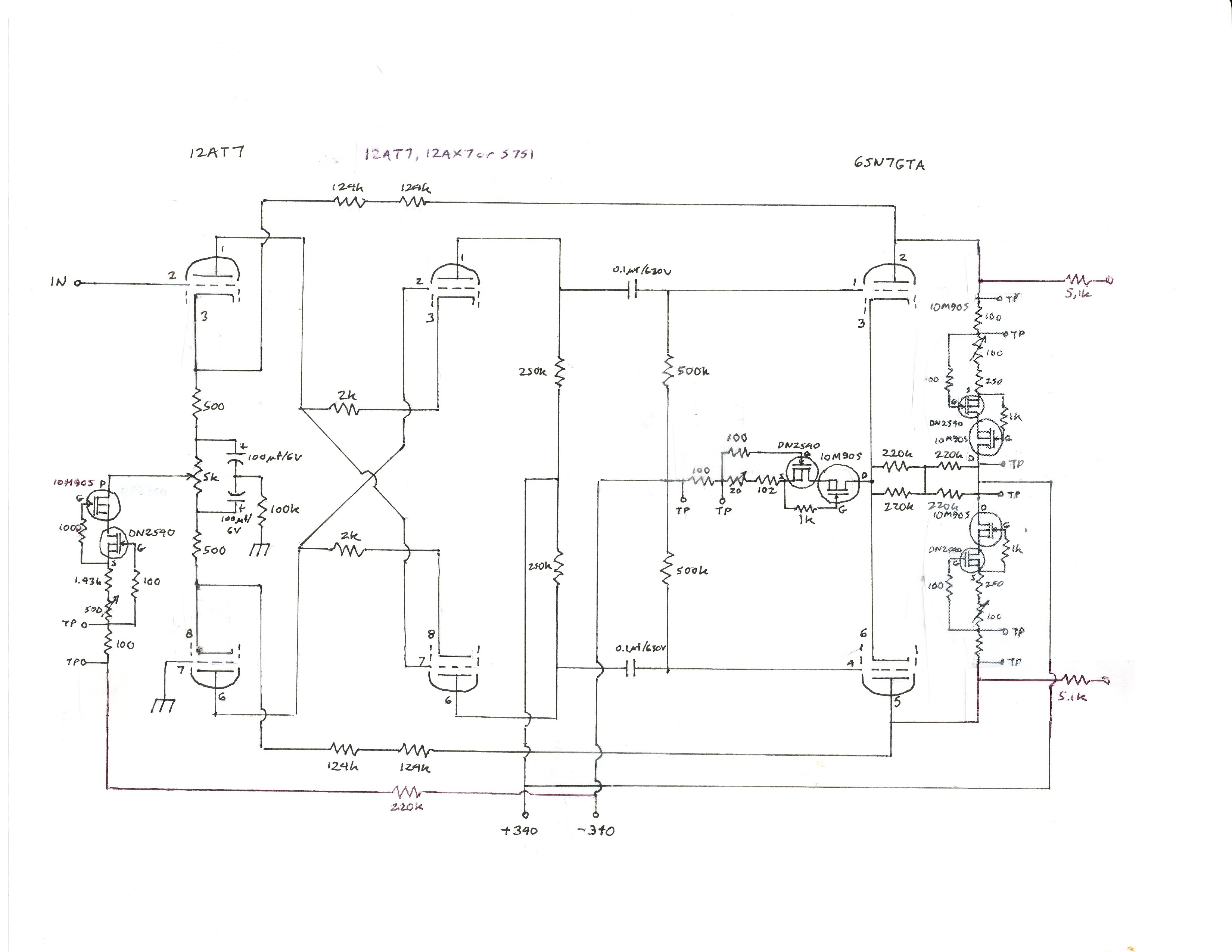
1 point1 point@mypasswordis not aquatint with Stocastichausen ... some years ago I got hold of a box set 62 CDs called Electroacoustic history ...although it didn't contain anything Else Marie Pade (died january this year), it's an interesting box ... quite like Pierre Henry's "variations pour une porte et un soupir" which I re-discovered as I actually had that already ;o) I transcribed 4'33" into Es ...as most great works are in Es or parallel c for some reason ... The main character in A Clockwork Orange calls Beethoven by his first: Ludwig van ... so do I, when ever I'm in that mood ;o) BTW my Iphone is setup to use Webern Op.10, nr.4 as ringing tone ...no one else seems to have that one, for some reason ;o)1 point1 point1 pointExtreme long shot; I went through the same part by part routine with one of my PSU boards where the regulation did not kick in, and in the end it turned out to be the KSC5026M:s. I had to replace both at the same time to make it work. Perhaps diode test those first?1 point1 pointhttp://www.rollingstone.com/music/pictures/10-classic-albums-rolling-stone-originally-panned-w429731/weezer-pinkerton-1996-w429756 10 classic albums that Rolling Stone originally blasted. Kind of interesting.1 point1 pointI've been watching quite a few of Tiny Desk concerts lately. I found this one today, and thought it was worth sharing with my mates here. It's a pity it's a bit short. http://www.npr.org/event/music/403354930/diego-el-cigala-tiny-desk-concert1 point1 pointA couple weeks ago one of the 12AT7s in my SRX Plus failed, and in troubleshooting it eventually took out both input sections. On analyzing the failure it appears that I may have been just a bit too much of a cheapskate. Therefore I have slightly revised the circuit so that at least a failure won’t take out both channels, and hopefully won’t even take out one. The revision is pretty straightforward. Rather than supplying both input current source tails with a single resistor from B-, I substituted a 220k/500V rated resistor (270k/500V if you are using the original 300k plate resistors) from the B- rail to the input tail current source of each channel (which was previously marked on the schematic as being connected to -20v). The revised schematic is shown (ignore the +/-340 volt numbers, they should be +/-325 v). This resistor takes the place of the 10k and100k resistor chain in the shunt power supply that ran from B- to -C. This means that C- in my original power supply is no longer connected to anything, and the only connections between the high voltage power supply and amp boards are B+, B- and ground. For those using my shunt regulated current supply, you have to make a couple changes on the amp board. First, you have to cut the connection between the -20 volt terminal and one of the 100 ohm sense resistors, and then you have to cut the connection between that 100 ohm resistor and the other 100 ohm sense resistor. Then you have to connect each of those two sense resistors to a 220k resistor, which then runs to the B- rail – probably the closest place to do this on the amp board is the connecting point for the 100 ohm sense resistors on the output tail current sources – a bit of a kludge but it will work. In addition, I substituted a 10M90S in place of the upper DN2540 on the input current source. This modestly improves its performance, but more importantly should prevent the input current source from failing due to overvoltage. This modification does not need to be done for those of you who built the SRX Plus circuit using a Gilmore regulated PS, as that supplies the -15 volts that can be used for the input current sources.
 1 point1 pointWell done jose. I was going to post these images in the builds thread but it’s missing in action. Thanks to Kevin and Birgir for being awesome. Thanks to Michael (mw168) for all the work you’ve put in with the group buys and documenting etc it’s been very helpful. A couple KGSSHV Carbon amps running 400V @ 20ma, GRLV supplies, SUMR transformers.1 point1 pointNo pictures but made sous vide steak finished on the Genesis, grilled asparagus, gemelli pasta with sun-dried tomato alfredo sauce, and sautéed onions.1 point1 point





.jpg.b6d76b37d44af571e1e0e6f9457c3402.jpg)














Important Information
By using this site, you agree to our Terms of Use.
Account
Navigation
Search
Configure browser push notifications
Chrome (Android)
- Tap the lock icon next to the address bar.
- Tap Permissions → Notifications.
- Adjust your preference.
Chrome (Desktop)
- Click the padlock icon in the address bar.
- Select Site settings.
- Find Notifications and adjust your preference.
Safari (iOS 16.4+)
- Ensure the site is installed via Add to Home Screen.
- Open Settings App → Notifications.
- Find your app name and adjust your preference.
Safari (macOS)
- Go to Safari → Preferences.
- Click the Websites tab.
- Select Notifications in the sidebar.
- Find this website and adjust your preference.
Edge (Android)
- Tap the lock icon next to the address bar.
- Tap Permissions.
- Find Notifications and adjust your preference.
Edge (Desktop)
- Click the padlock icon in the address bar.
- Click Permissions for this site.
- Find Notifications and adjust your preference.
Firefox (Android)
- Go to Settings → Site permissions.
- Tap Notifications.
- Find this site in the list and adjust your preference.
Firefox (Desktop)
- Open Firefox Settings.
- Search for Notifications.
- Find this site in the list and adjust your preference.