Leaderboard
-
Voltron
High Rollers26Points34585Posts -
naamanf
High Rollers22Points6661Posts -
Hopstretch
High Rollers9Points16805Posts -
swt61
High Rollers8Points22256Posts




Popular Content
Showing content with the highest reputation on 12/22/20 in all areas
-
6 pointsWhen you are awake at 4:30am and start listening to an audio book in bed at 5:30am and that book includes a description of an aged cheese and terragon omelet at a Paris bistro, you get up at 6:30am, pick fresh terragon in the dark and make an omelet. At least that is what I did this morning but forgot to post it.
 6 points
 -
Amazon never ceases to amaze me. I guess it was just a matter of time!3 points
-
2 pointsYes. If you use it outside, you might get away without one. They used to sell it with just a bag, but the internal fan wasn't enough and they clogged so it didn't really work. Also, what good is a planer without a jointer?2 points
-
2 points
-
2 pointsI'm getting you an audio book of waffle recipes for Christmas. I'll see you December 26th at 6:30 am.2 points
-
2 pointsYep, I actually met him once back during his Steeler days. Seemed like a legit cool guy.2 points
-
1 pointYou might as well order this along with a large cyclone extractor. https://byrdtoolexperts.com/shelix-head-for-dewalt-dw735-planer-lander?utm_source=google&utm_medium=cpc&utm_campaign=dynamic-search&utm_content=lp-from-standard-groups&gclid=CjwKCAiAz4b_BRBbEiwA5XlVVpc4u6gdRQ-M-Eaqqoj6w9iIqE7V5AwATyFqVlOebRB72OWGf5p3WhoC95gQAvD_BwE1 point
-
Jenny Jinya usually writes tearjerking stories called "Loving Reaper", but this time she wrote one dedicated to rescuers. Have your tissues ready (3 tweets, the first two with 4 panels each):1 point
-
1 point
-
1 point^I always thought she was hot. In a scary, "she'd break you in half" sort of way. *shrug1 point
-
1 pointThat entire setup is otherworldly cool. I would be jealous if anyone else had it, but I like you so much it just makes me happy to think of you enjoying what is almost certainly the best source gear available to man.1 point
-
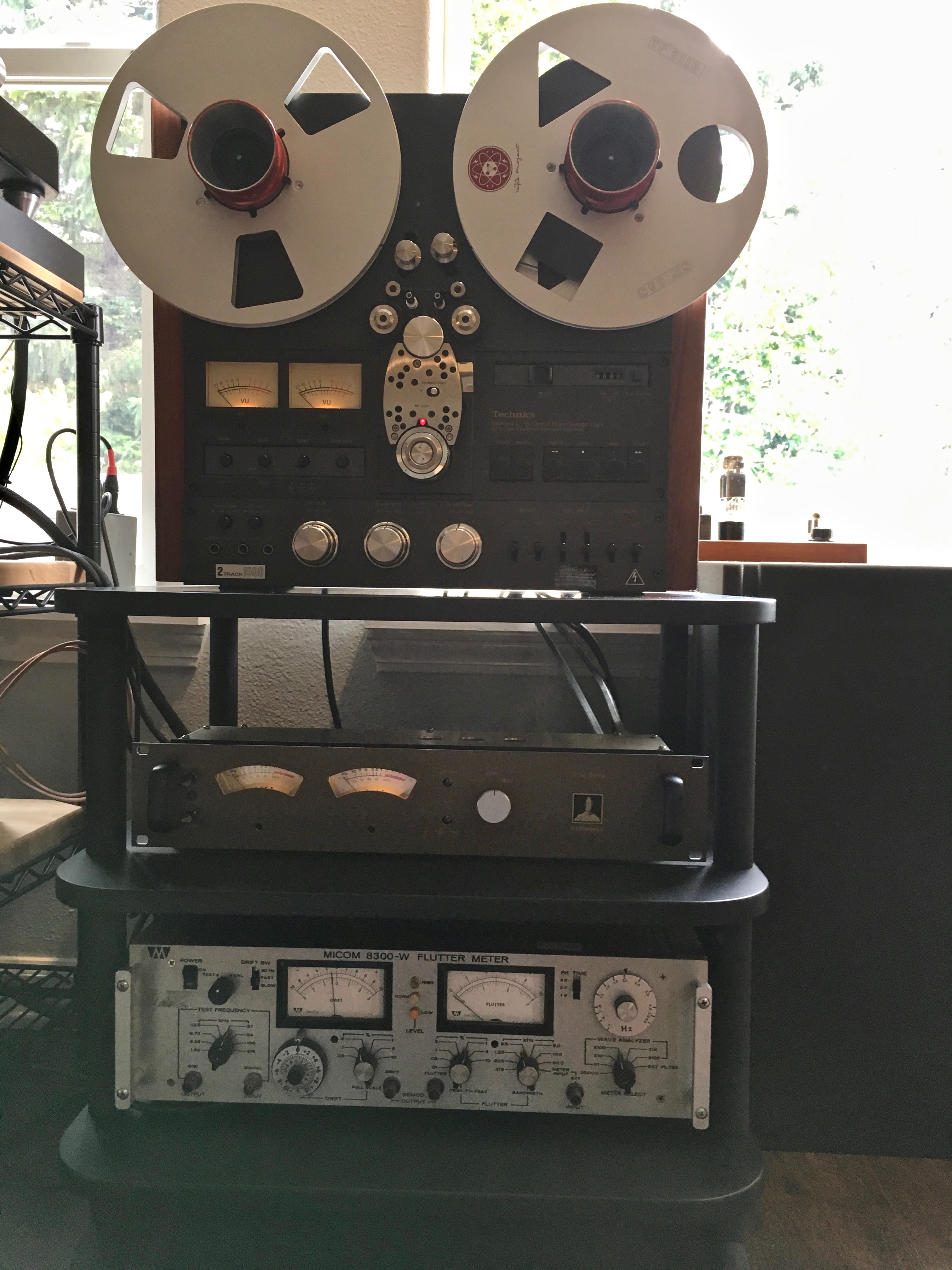
1 pointI am/was the moderator for the Tape Project forum and I have a modified Technics RS1500 with a custom tube output that replaces the 70's era solid state amp. I use that for listening to a collection of about 400 reel to reel tapes. I also have an Ampex ATR700 which is one of the last machines that Ampex sold. It was a collaboration between Ampex and Teac. I have a couple of head-blocks for the Ampex and I did some experimenting with the mono/full track head set processing tracks similar to what you're planning. The results were mixed, but in the long run, I ended up using tape machine plugins. I admit that my mixing chops weren't nearly what they should have been to make an honest assessment of the process but reel to reel tape is not the cheapest or quickest media to deal with and I'm pretty happy with the subtle results I get with the plugins I use. After running the Tape Project forum, I did get practiced at teaching and guiding other folks on the care and feeding of reel to reel tape machines. I wrote a guide which (although many links to pictures are now dead) still exists and may help you getting your Revox running. I'm a huge fan of these machines so I'd be happy to give you any advice you might need. Just PM me! Here's a link to the forum. The Beginners Guide is located at the top of the General Discussion page. https://forum.tapeproject.com/ Here's a pic of my listening machine.
 1 point
 -
1 pointI have now pulled some numbers from the circuit. And I took more pretty pics, which I‘ll start off with: Now for some numbers: PSU voltages: V_HV_pos=402V, V_HV_neg=-403V V_LV_pos=14.88V, V_LV_neg=14.88V Current sources: Right channel voltage drop over the RN60C 49R9: V_ccs_pos=857mV, I_ccs_pos=17.17mA V_ccs_neg=856mV, I_ccs_pos=17.15mA Left channel voltage drop over the RN60C 49R9: V_ccs_pos=862mV, I_ccs_pos=17.28mA (adjusted to 857mV/17.17mA) V_ccs_neg=856mV, I_ccs_pos=17.15mA On the left side the initial B+=20V current source adjustment was the following: V_ccs_pos=845mV, I_ccs_pos=16.93mA V_ccs_neg=847mV, I_ccs_pos=16.97mA So going from a B+ of 20V to full a 402V led to an increase in current of a meager 1%. Next up is gain, THD and clipping. Input is a single ended 0.1V at 1kHz from the Boonton 1121. The – input of the carbon is grounded through a 220R resistor (equivalent the output impedance of my preamp). The output is measured unloaded. L+: V_out_rms=42.5V, gain=52.56dB, THD=0.3% L-: V_out_rms=46.0V, gain=53.26dB, THD=0.095% R+: V_out_rms=41.9V, gain=52.54dB, THD=0.38% R-: V_out_rms=46.6V, gain=53.37dB, THD=0.09% The THD is higher than I would have expected (the Boonton‘s baseline is at 0.00085% btw). It‘s mostly 2nd harmonic though. Here’s how I took the gain and THD readings: And here’s what the THD spectrum looks like (notched out fundamental at 1kHz, peaks at 2kHz and 3kHz, and maybe even 4kHz): Here we see the output just before clipping: CH2 in purple is the input signal to the amp, 1kHz at like 1.5Vpp (518mVrms): CH1 in yellow is the output signal. 764Vpp. The probe is rated for 600Vpp at its 10x setting, so that was stretching it a bit… And here we see clipping with an input signal of 1.9Vpp (668mVrms): I also took temperature readings after the amp has been running for 2hrs or so. Ambient is at 24°C. Right behind where the SiC Fets are mounted, the heatsink temperature is 45°C (113°F). The corner the farthest away from where the bracket connects to the heatsink is as 41°C, so the heatsink gets utilized reasonably well. Inside the case it read 43°C. I realize that the brackets are not positioned ideally on the heatsink (too far up), which is why I have used chunky brackets, thinking that the thick material would conduct heat nicely. Seems to work well enough. Seeing the 21°C rise in temp makes me think I could try upping the current. Calling it a furnace was overstating it a bit perhaps, but the whole enclosure gives off an impressive amount of heat already. I also employed the opto servo btw, going up to 17.5V positive offset before putting in the jumper. The amp now comes on with like 1V offset, which goes down to a few mV after a couple of minutes. I don’t think I could hear any sonic difference between going raw vs. opto servo. So, two questions remain: Why is THD so high? I would have expected a lot less. Is it the frontend perhaps? And what's up with the gain imbalance? It’s consistent between polarities (single ended input, - input grounded). Could that be the cause?1 point
-
Someone generously shared with me a bootleg of the first Porcupine Tree show I ever went. I’m in heaven.1 point
-
So I've been active on Flickr on and off since 2005. I used to regularly submit images to the Tattooed Girls group. Said group has been rudderless for what feels like a decade. All of the admins have been MIA for ages. In the interim, the group has been overrun with off topic images, porn, spam, images with phishing links in the description, etc etc. After several months of back and forth, I managed to get control of the group by contacting Flickr staff. The first thing I did was ban a few spam accounts. Since then I have been slowly going through the 65,000+ (ya rly) images and removing ones that don't fit. I'm currently on page 217 of 629, which is from some time in 2012. I've saved a few photos that I liked as I've waded through oh so many. I'm gonna post some here over the next period of time. Fair warning, there may be an occasional titty.1 point
-
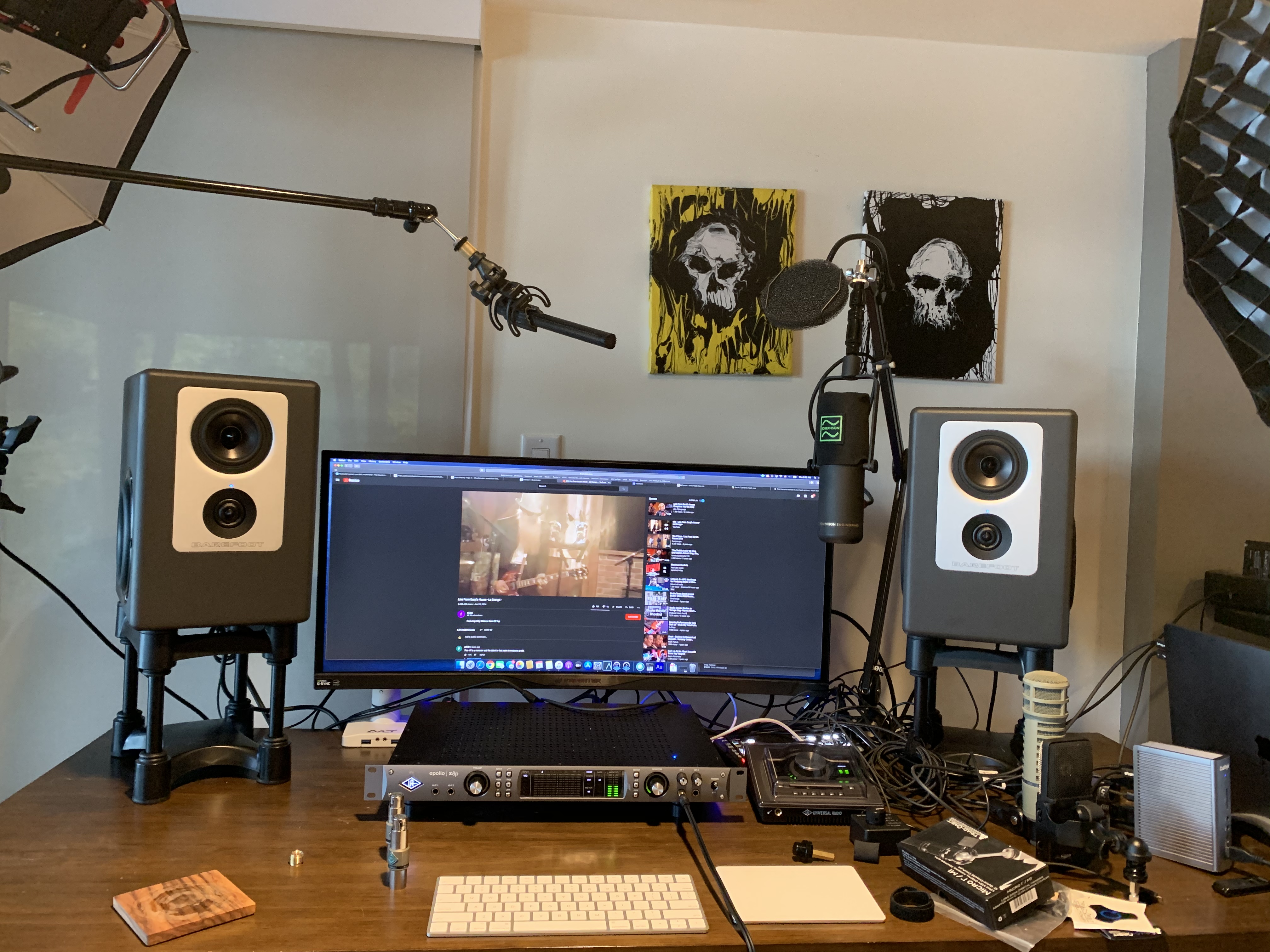
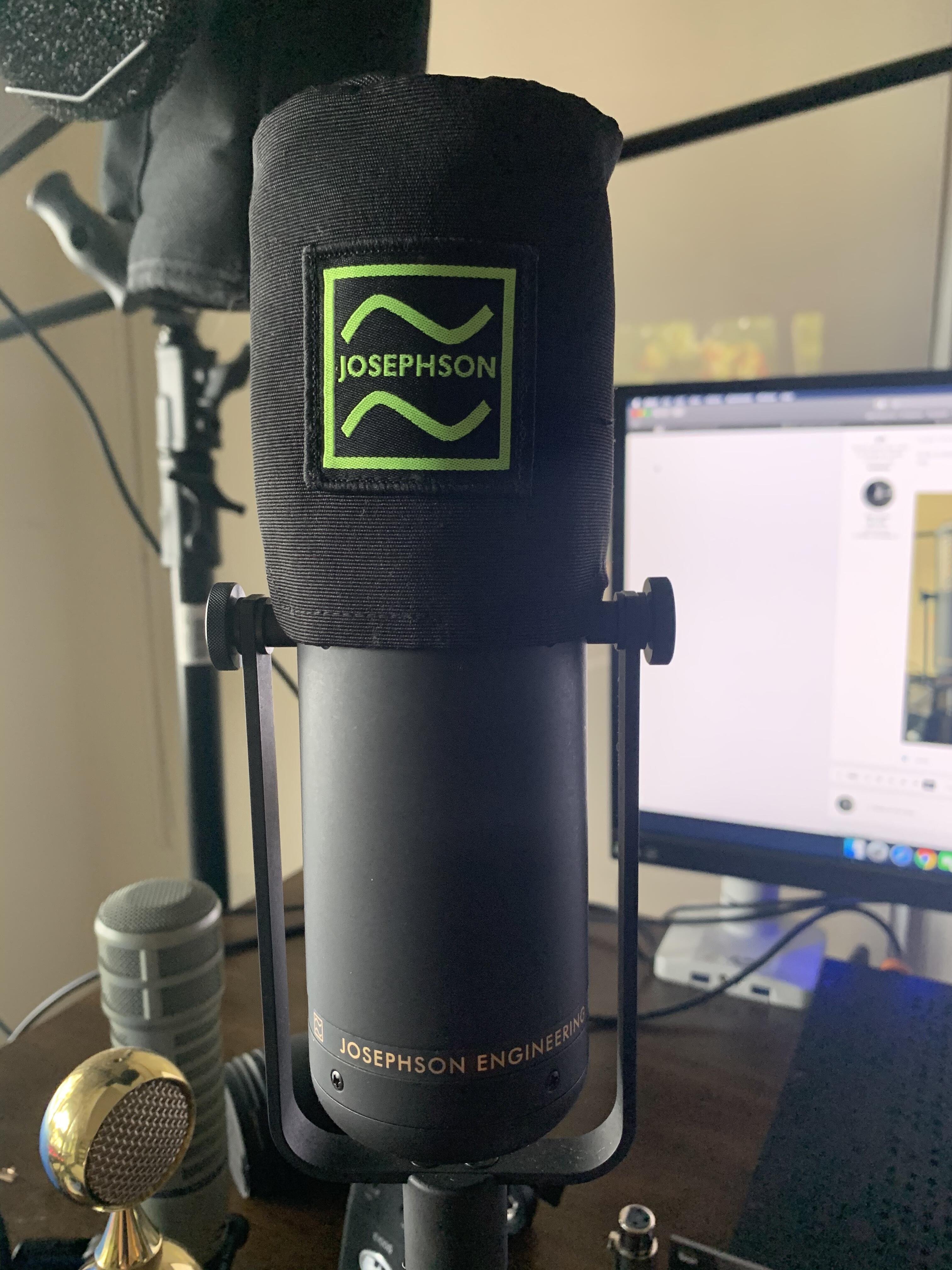
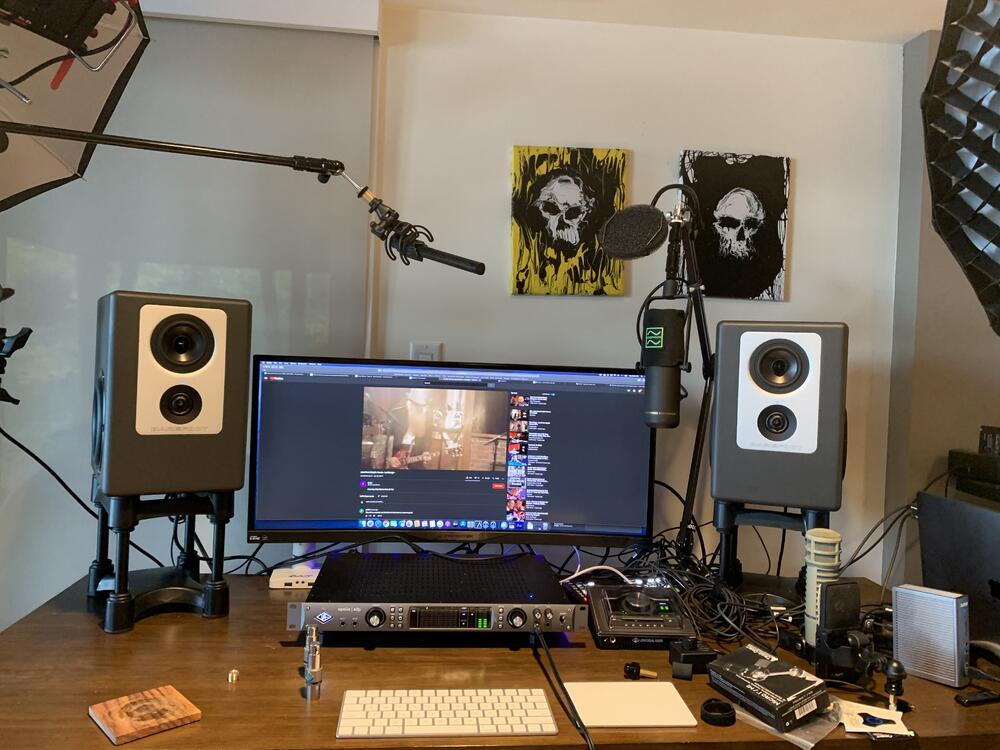
1 pointSo far completely happy with the Josephson and the Barefoots. Still have a bit of hiss with the Barefoots near field, but I guess that is to be expected. Did a work podcast with the Josephson this morning and it needed zero post processing. Now trying to figure out how to fit all these Triad-Micro boom mic stands fit into my desktop system. Thinking about this for an actual boom mic videos, but I need to come up with something for the podcast mics as I do not trust myself pulling the Rode arm in and out with the exposed woofer right there.
 1 point
 -
1 point
-
0 pointsRIP Kevin Greene https://www.espn.com/nfl/story/_/id/30575423/hall-famer-kevin-greene-third-all-sacks-dies-580 points
-
0 pointsRIP K.T. Osline. She was a force in country music in the 80's, and the first woman to win song of the year with her hit '80's Ladies'. She was battling Parkinson's when she contracted Covid 19.0 points