mwl168
High Rollers
-
Joined
-
Last visited
Everything posted by mwl168
-
The balanced amp gives twice the voltage swing and slew rate and 4 times the output power. Wether that matters for a headphone like HD650 is debatable. My personal opinion is yes. The motto here at HC is "moar is better" and never pass a chance to go overkill
-
I bought a bunch of tta004b/ttc004b for this exact purpose but have not tried them yet. Would be nice if we can find something that's also pin-compatible with 2SK216/2SJ79.
-
I see now that I missed it - I thought you built a SUSY Dynalo and only used one phase of the balanced output. I see now it's actually a single-ended Dynalo. Did you follow Kevin's original Dynalo schematic from many years ago?
-
Probably not a bad idea to also get the corresponding KSC2690 as well.
-
Nice review and pics. How would you describe the build quality and durability of the ES 1a compared to the Stax 007?
-
I also really like my HD800 with my balanced KG CFA 🙂
-
That's what I am using in my Megatron as well, Philips E180CC SQ. Very happy with the outcome.
-
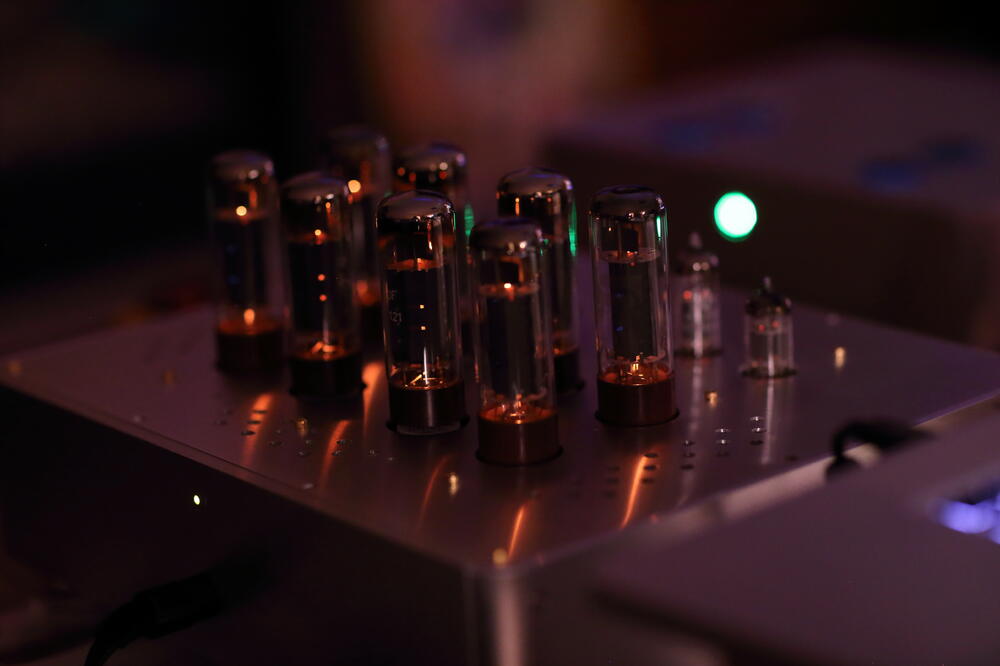
Single digit temperature outside. Time to power up this glorious sounding amp. What a treat...
-
I am in US and figured you are in UK thus the comment on the shipping cost.
-
I may have spare boards left but, given the shipping cost, it probably makes more sense for you to have them fabricated.
-
A much better idea is to see if you can obtain one of the pot PCB from a GB (or other sources) some time ago so you don't need to solder directly to the pins on the pot. No need for fancy solder IMO. I have solder from Cardas, WBT and good old Kester and don't believe either one makes an audible difference. Get a good quality solder and solder the joints well is key.
-
My car has over 400 hp and can go over 150 miles/hour. Even though I don't use all that power nor intend to drive it anywhere near that speed. I enjoy it just as much.
-
Check out Kevin's (Dr. Gilmore) current feedback electrostatic amp if you are looking for a compact and first DIY project. I suggest it because it's easy to build, low cost with very simplistic power supply requirement and, more importantly, a very nice sounding solid state amp that uses all current production parts.
-
The original design of Blue Hawaii uses 2SK170 BL grade which has the IDSS grade in the same range of LSK389B. Double check the data sheet to confirm. 2SK170/LSK389 are JFET so using either 10K or 50K volume pot should be fine. 10K pot may be more ideal if your source can drive it.
-
I had a pair of Apogee Duetta Signature which I foolishly sold. They are wonderful speakers and do things I have not experienced with other type of speakers. They were difficult to place properly and seem to be choosy of the room which was the main reason I sold it. It's the single piece of audiophile gear I miss the most all these years.
-
I have one possible theory to consider; Everything being equal, cable capacitance is in direct proportion to the length of the cable because of the amount of conductor material needed. Enough capacitance and high output impedance can form a low pass filter that, in extreme cases, can roll off the highs.
-
In my own own humble experience with tons of different interconnects, ranging from my own DIY Mogami/Neutrik cables costing less than $50 to those boutique cables costing over $1K, it's usually a combination of the following factors if an interconnect cable does make a difference: 1. the cable has quality/construction issues that induce capacitance, impedance or even connection issues 2. one or both of the equipments being connected have inadequate output/input impedance, drive capability, grounding, etc. 3. length of cable, Nate already touched on this 4. shielding of cable - especially in "noisy" environment Personally, I want my interconnects to be just that, an interconnects, and not injecting other artifacts. A properly constructed interconnect does just that and no reason for it to have a sticker price that resembles fine jewelry.
-
JimL explained the details of the cascode CCS in the thread below. It's a great read. In short, using the combination of 10M90S and DN2540 is intended by Jim. There is also a SRX Plus build thread in the DIY forum that also contain much information you'll find helpful.
-
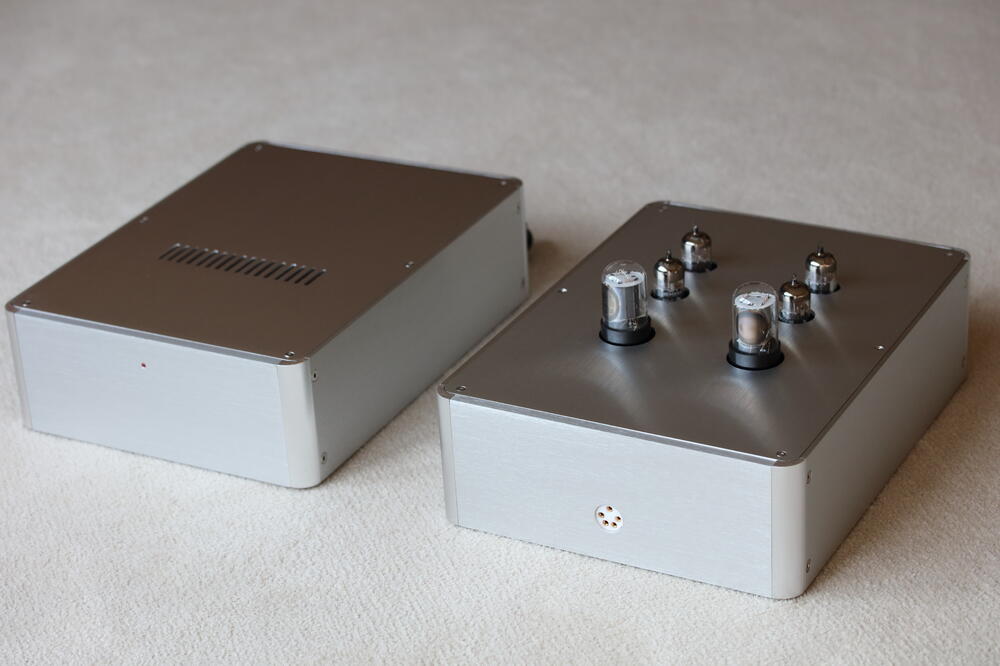
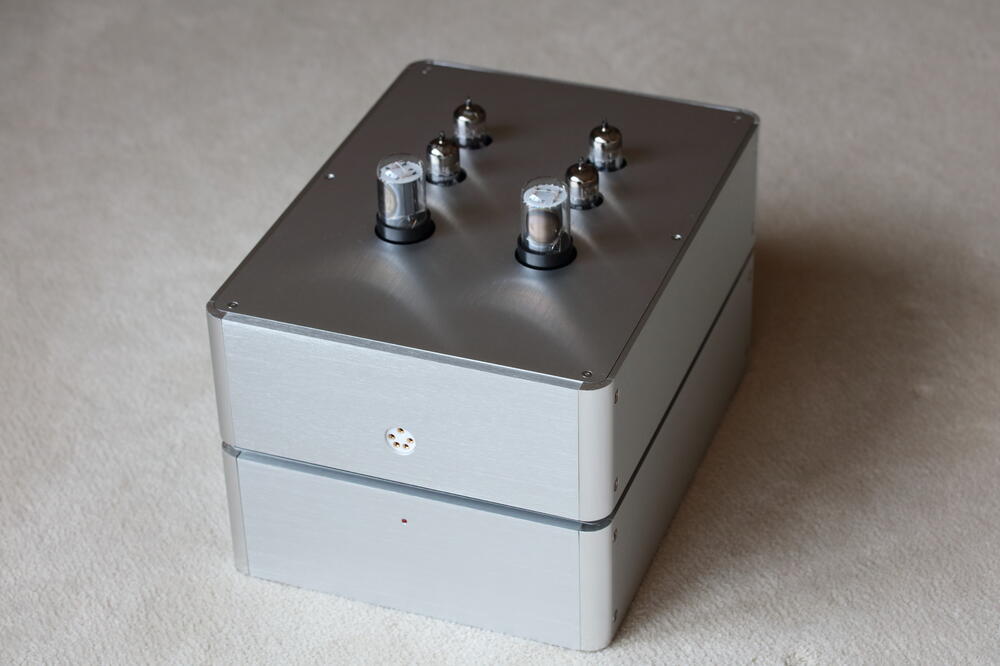
The "SRX Plus" is what Jim (JimL) named the circuit he modified based on the SRX schematic which I believe Stax released to the public decades ago. The modification, among other things, adds CCS to some critical positions which significantly improves on the performance of the original circuit. I don't believe Stax ever produce an amp based on the SRX circuit. I built one and I love it!
-
Megatron?
-
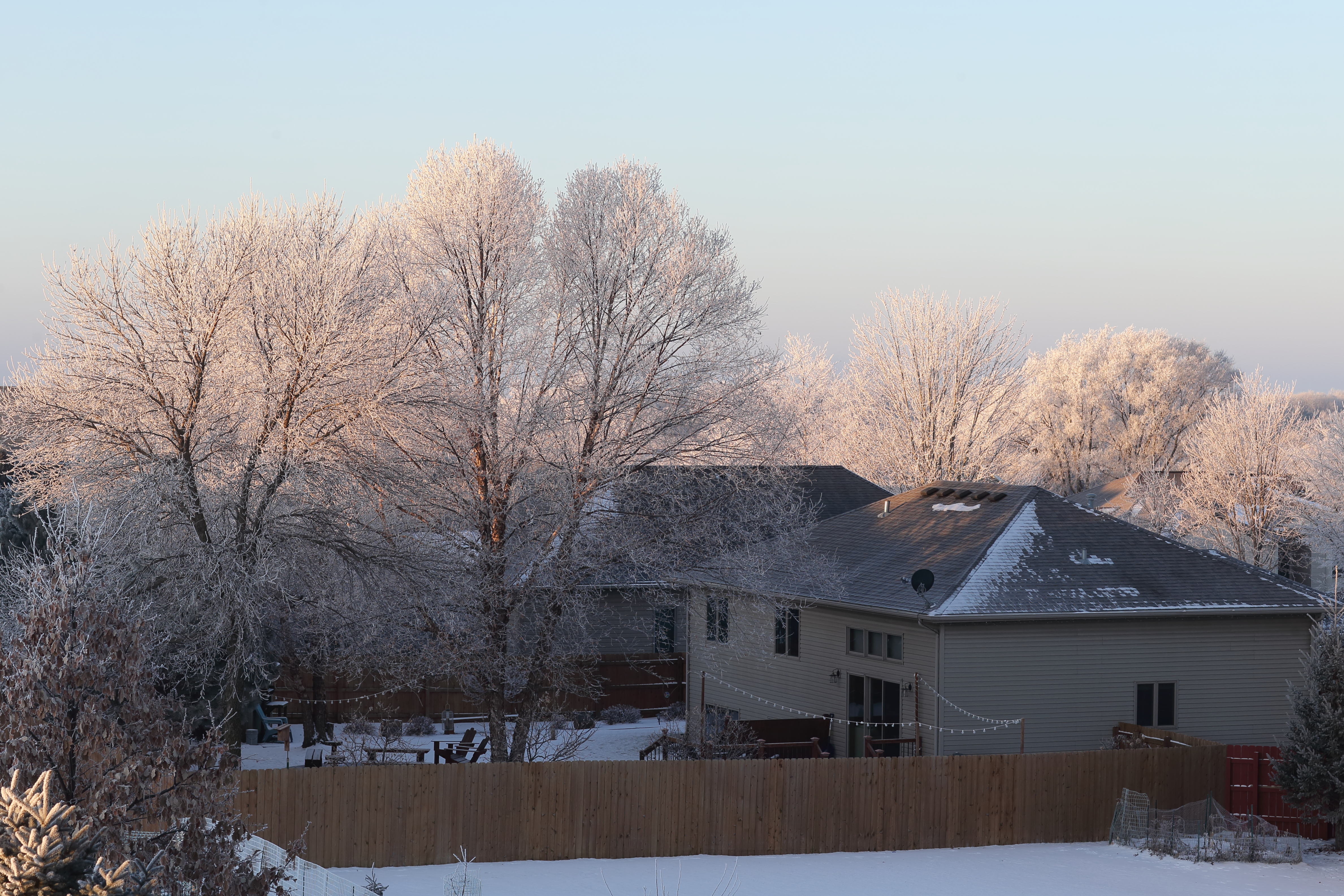
this is what I woke up to this morning...
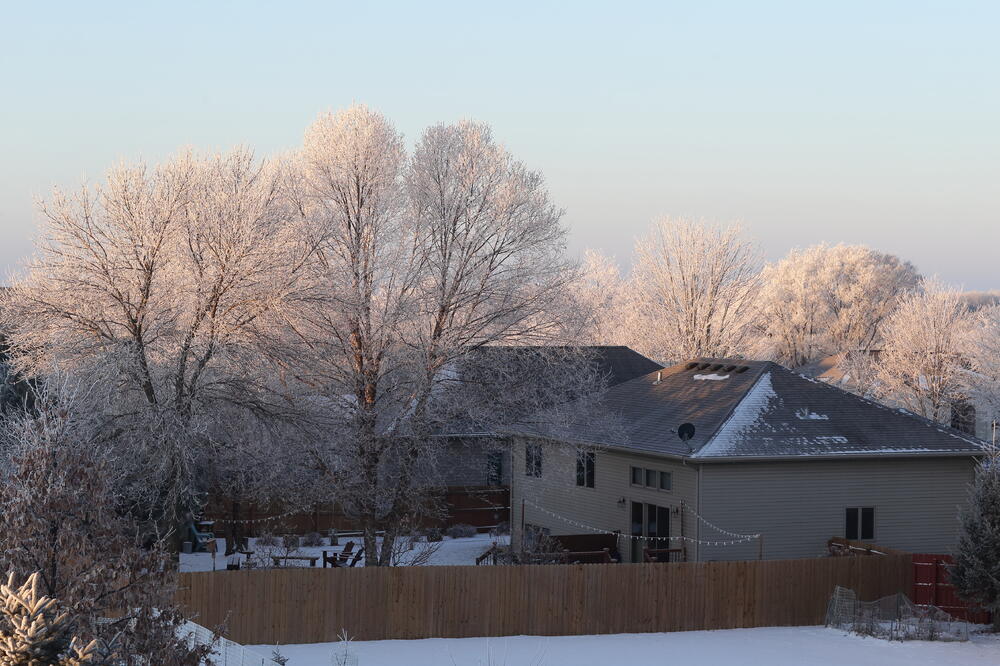

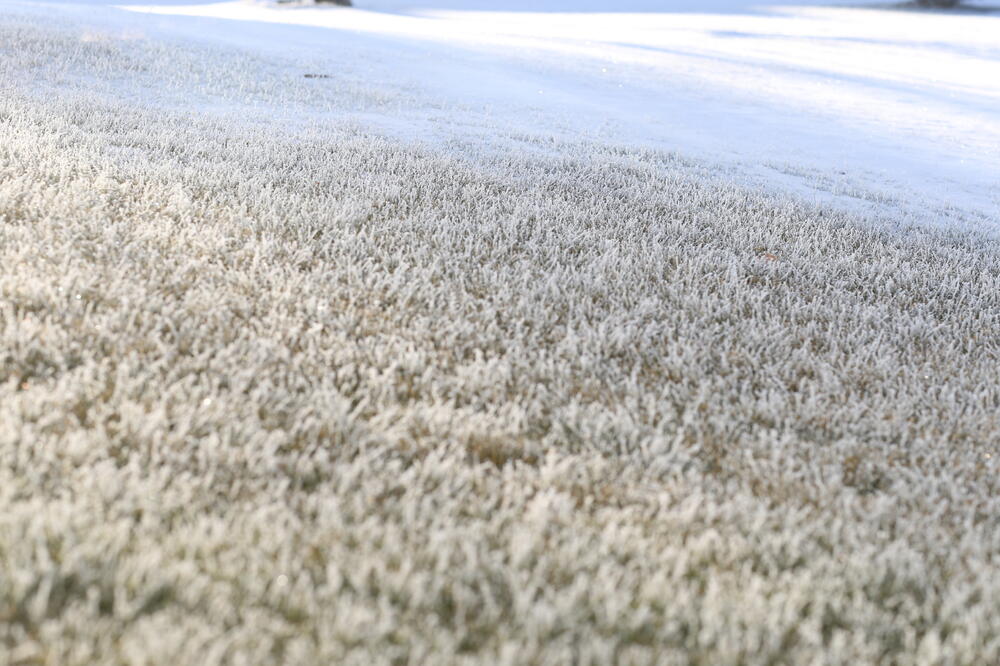
-
I think it’s a deleted scene from “Shining”.
-
I can confirm that the full-size SuSy Dynalo offset does drift even with servo engaged as Chris stated. My own observation: 1. The drift is mostly ambient temperature related. A cased amp drift less than a free-standing (aka air-chassis) amp does 2. The + out and - out drift the same amount so, while the offset relative to ground drifts, the voltage difference between + out and - out are fairly stable
-
Maybe he bought them on Amazon Prime Day.
-
I, too, have re-terminated my headphones with 4-pin XLR and built a 4-pin XLR to TRS adaptor cable. Additionally, I replace the female TRS socket with 4-pin XLR on single-ended amp when I can. To me, the primary benefit of a 4-pin XLR connector for single-ended amp is to avoid the brief shorting of output when plugging and unplugging headphones with TRS connectors.