

Leaderboard



Popular Content
Showing content with the highest reputation on 04/16/18 in all areas
-
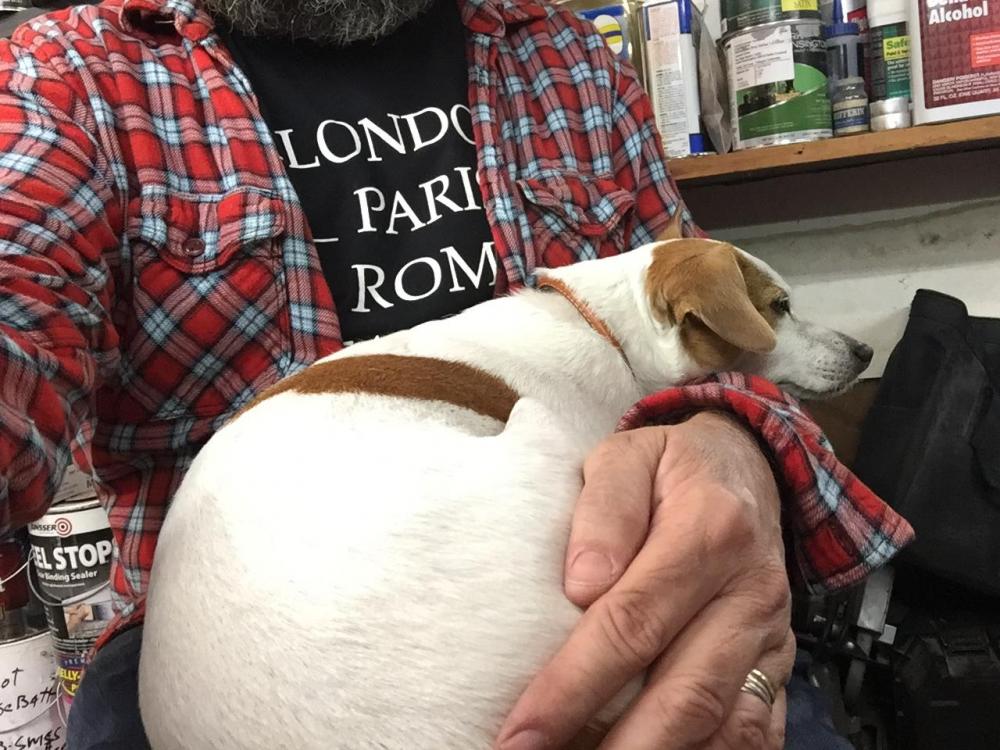
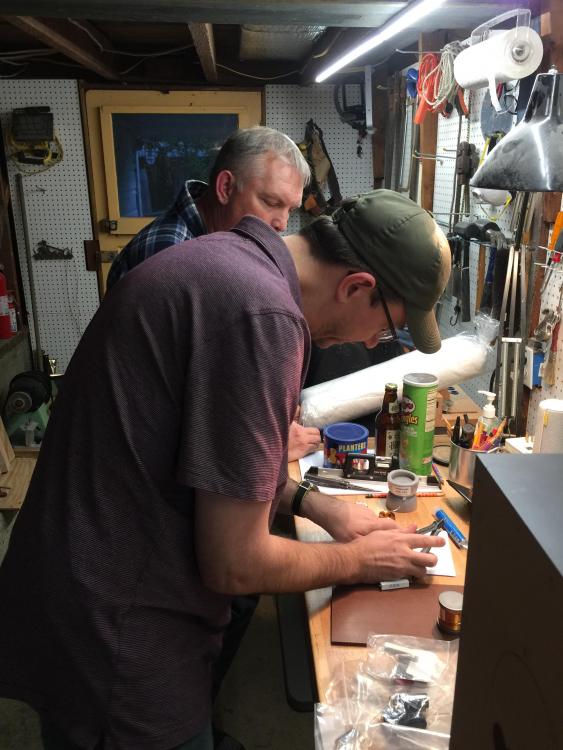
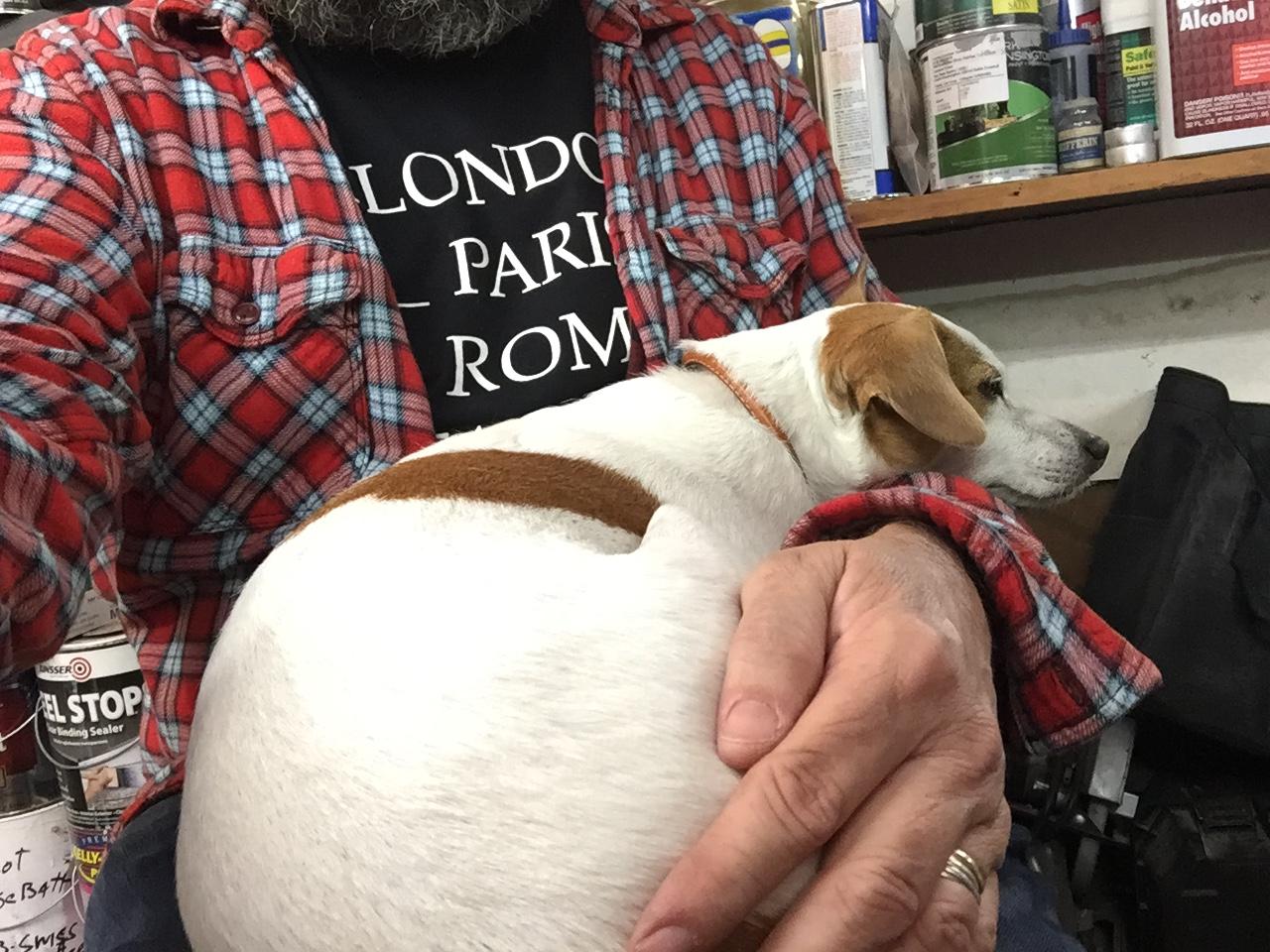
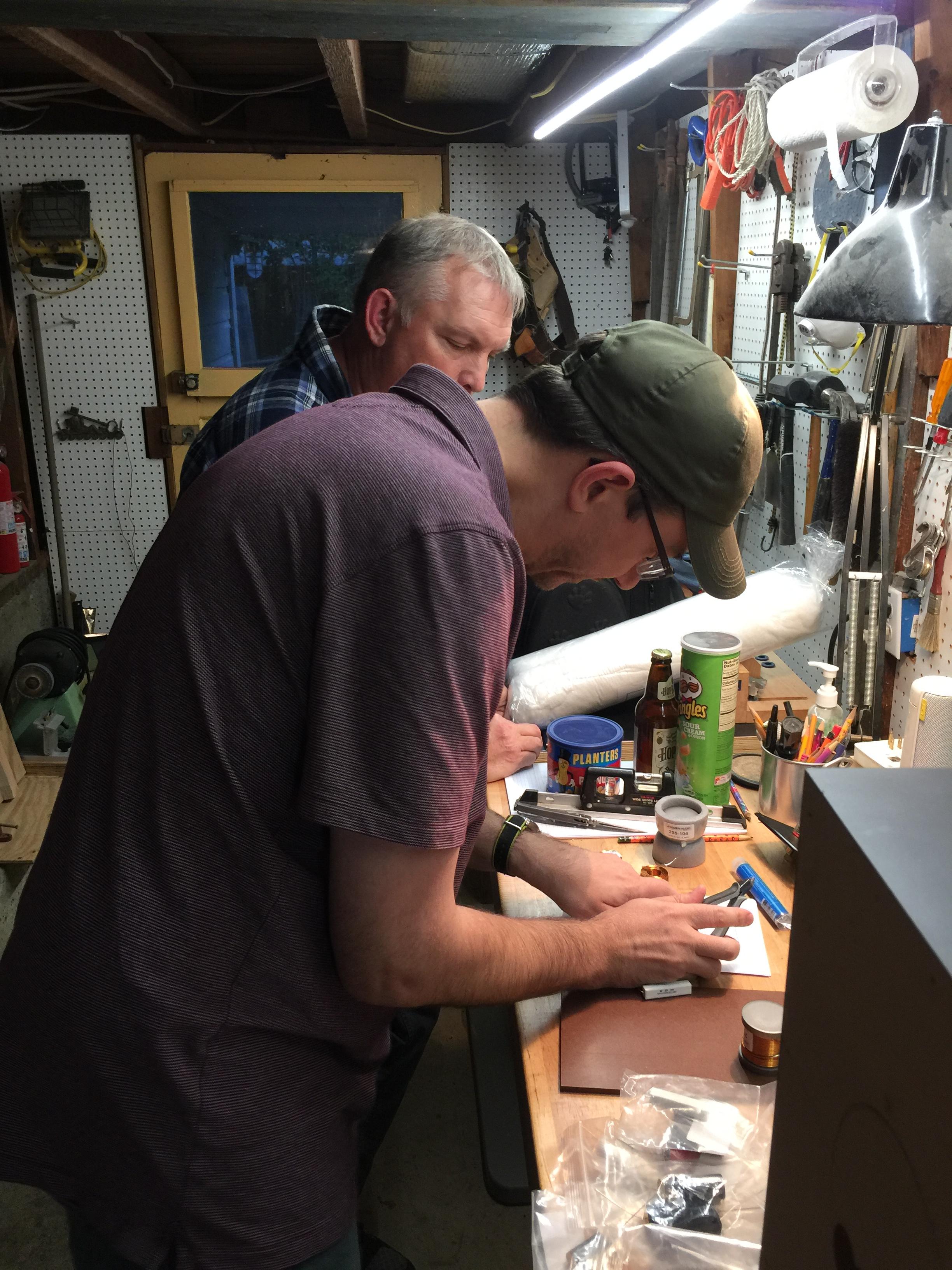
10 pointsIt is a very good question, but he's used to fitting a lot into a small space. Or so he says. BTW, here's my role in the shop tonight: Lap Dog Lap
 10 points
 -
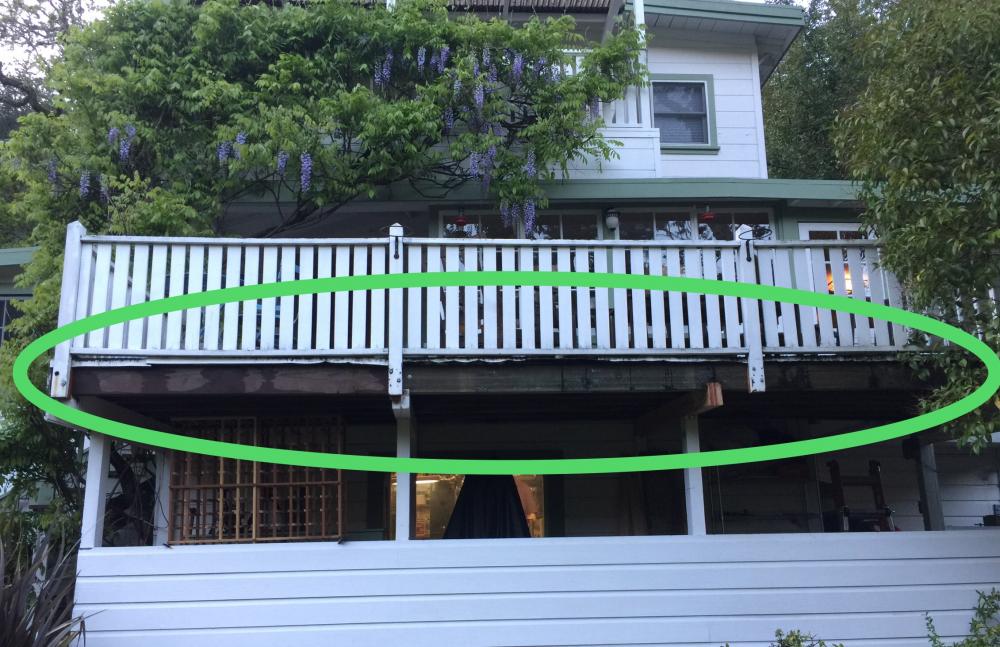
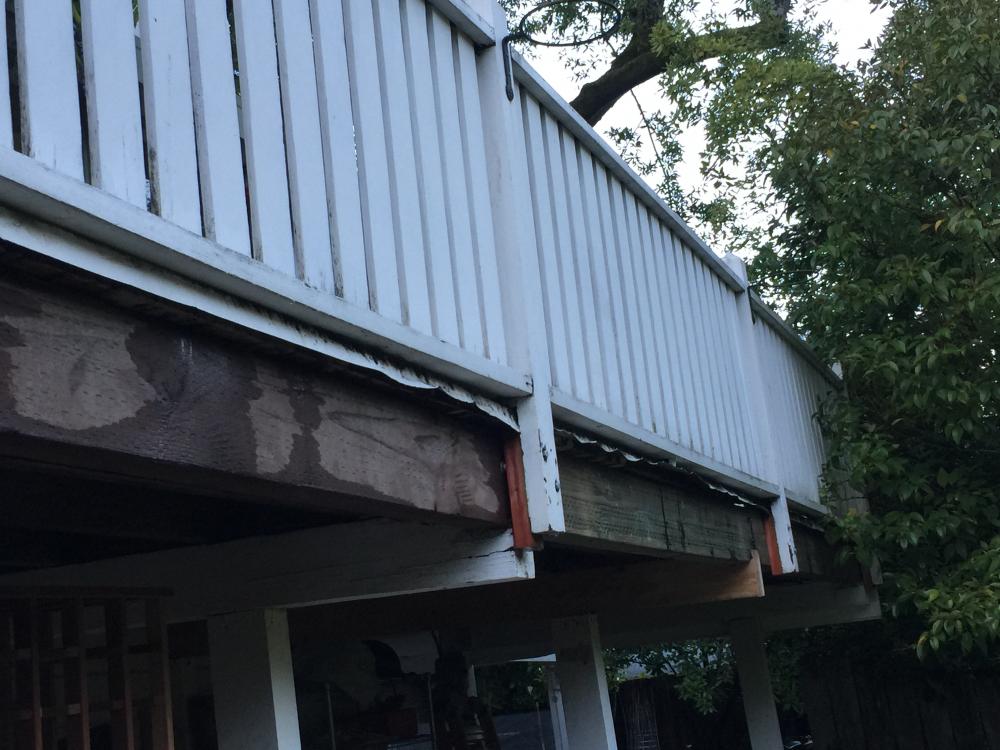
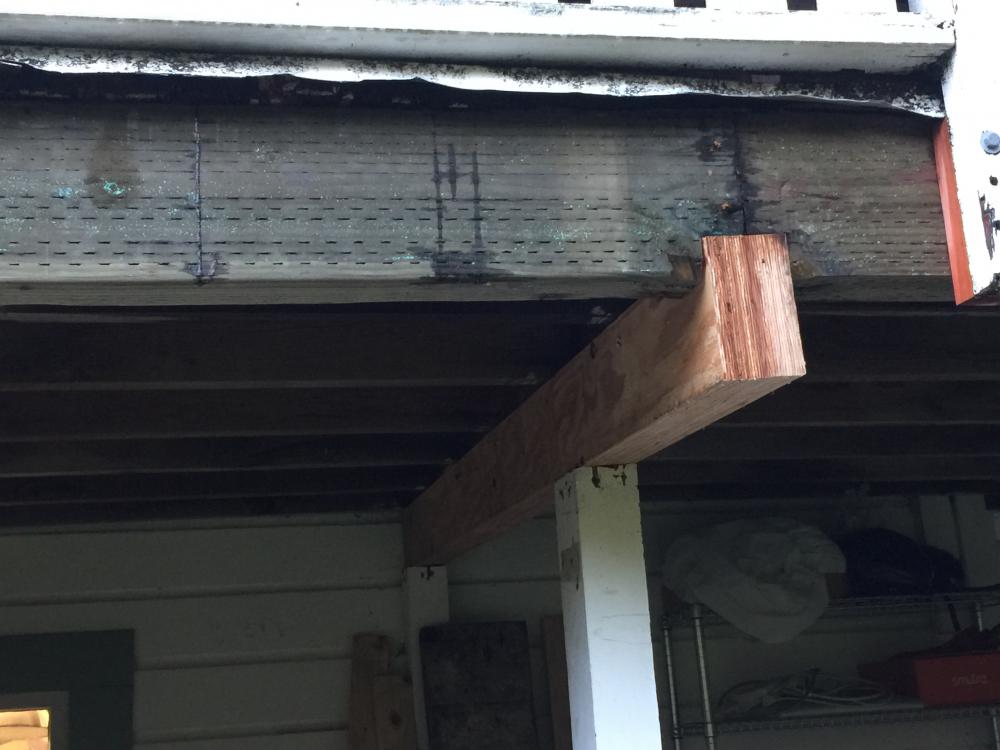
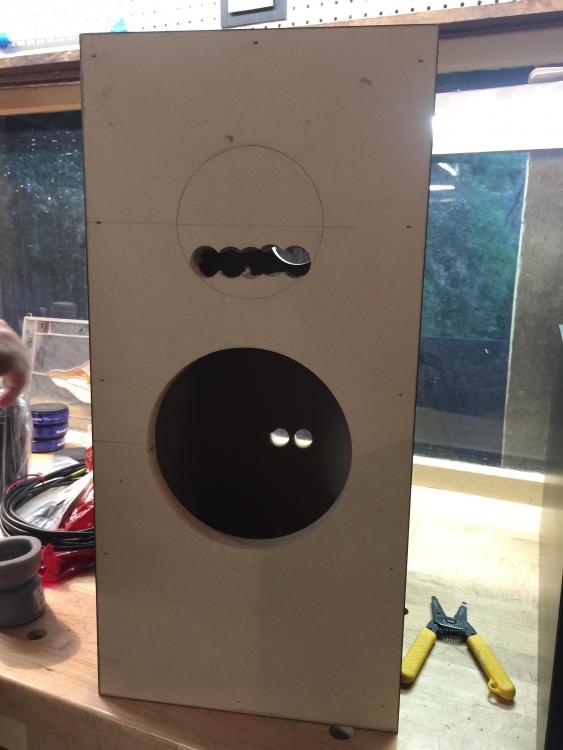
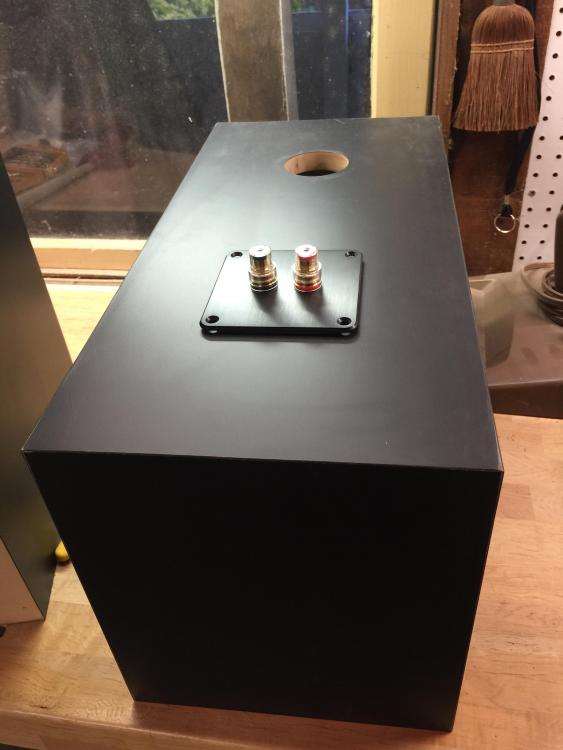
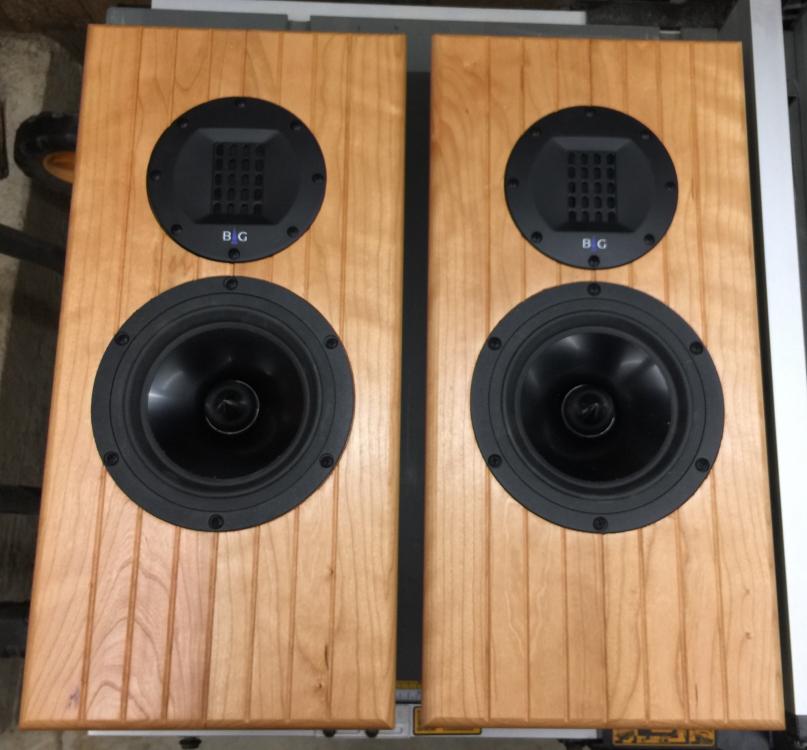
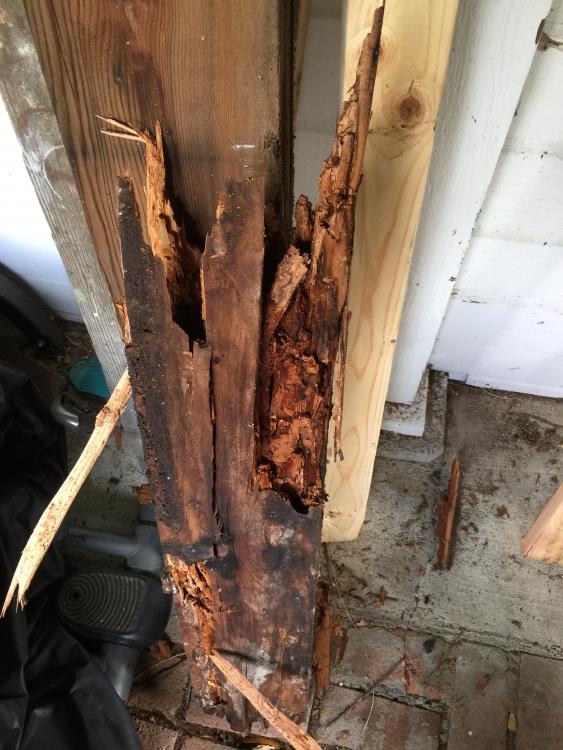
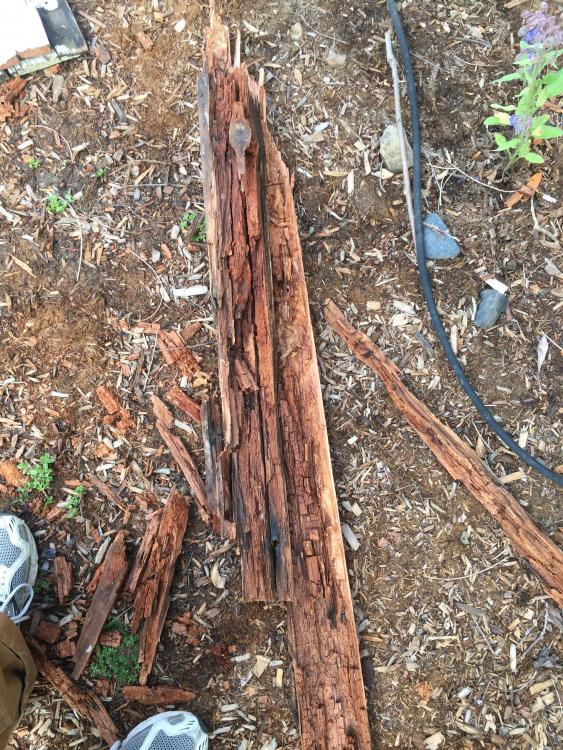
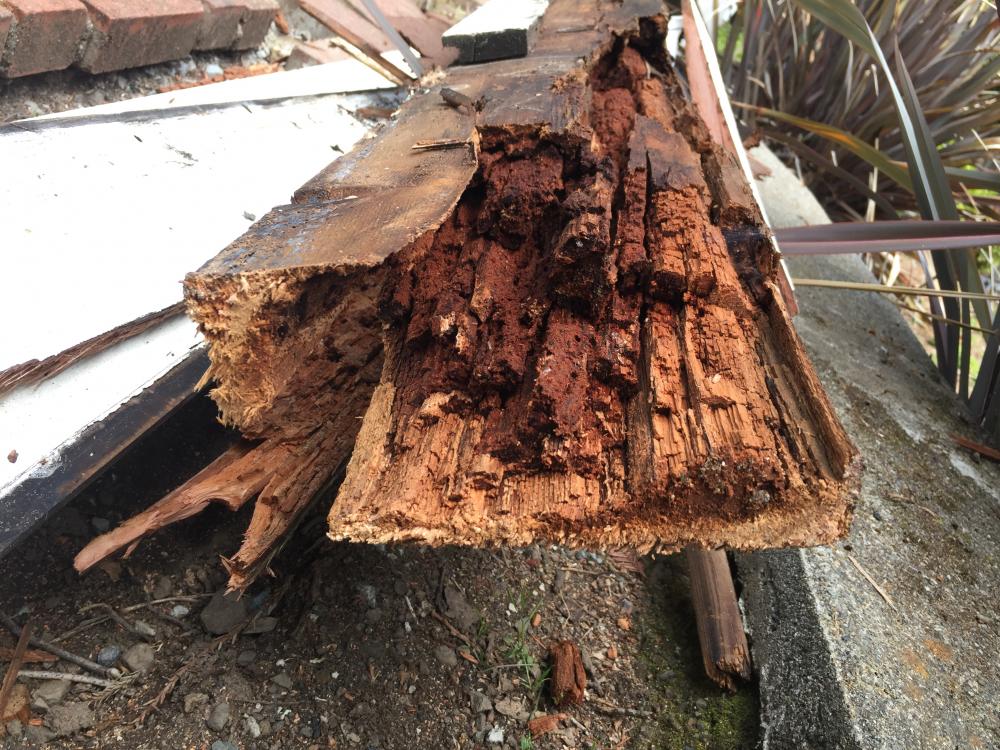
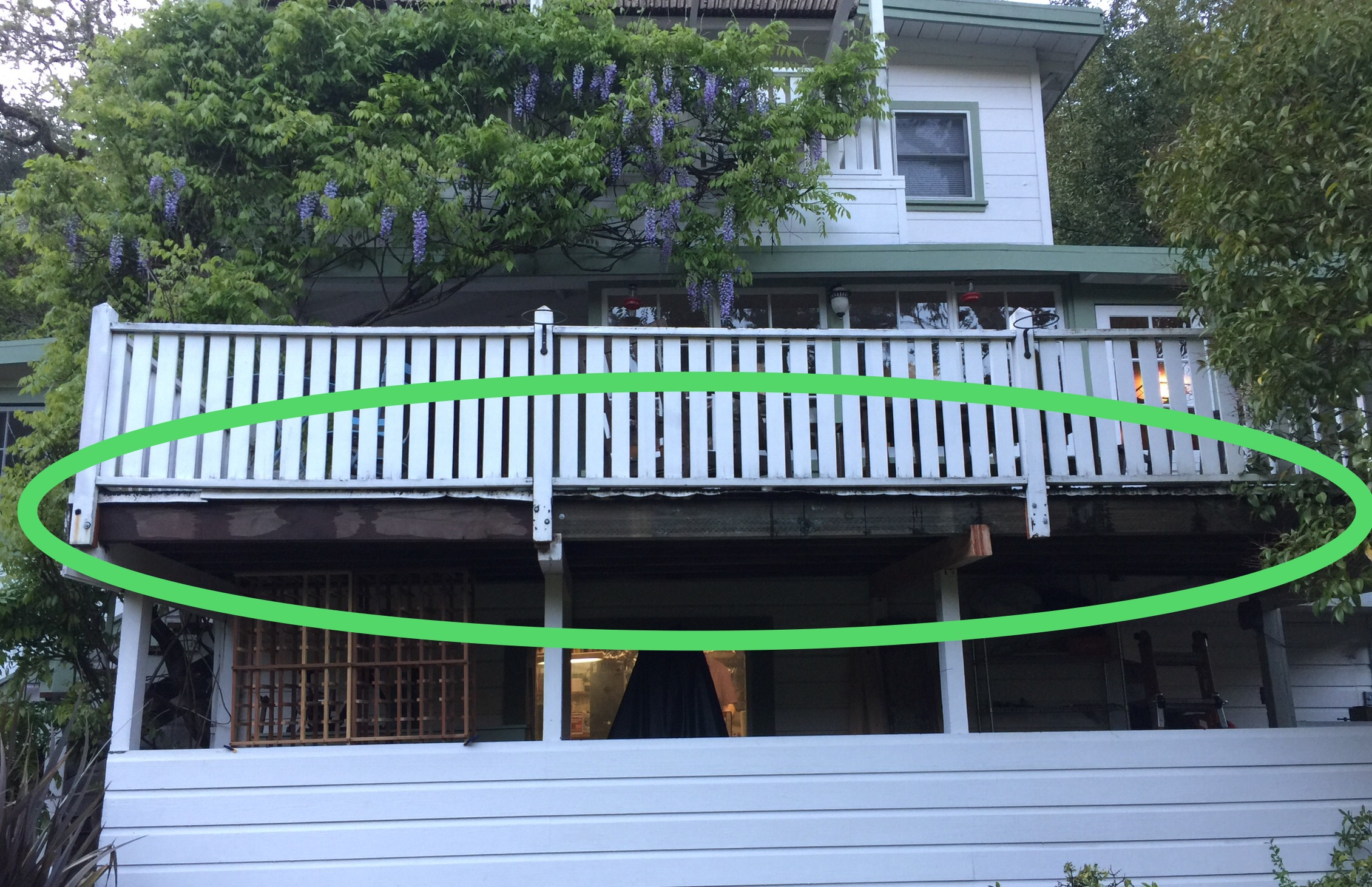
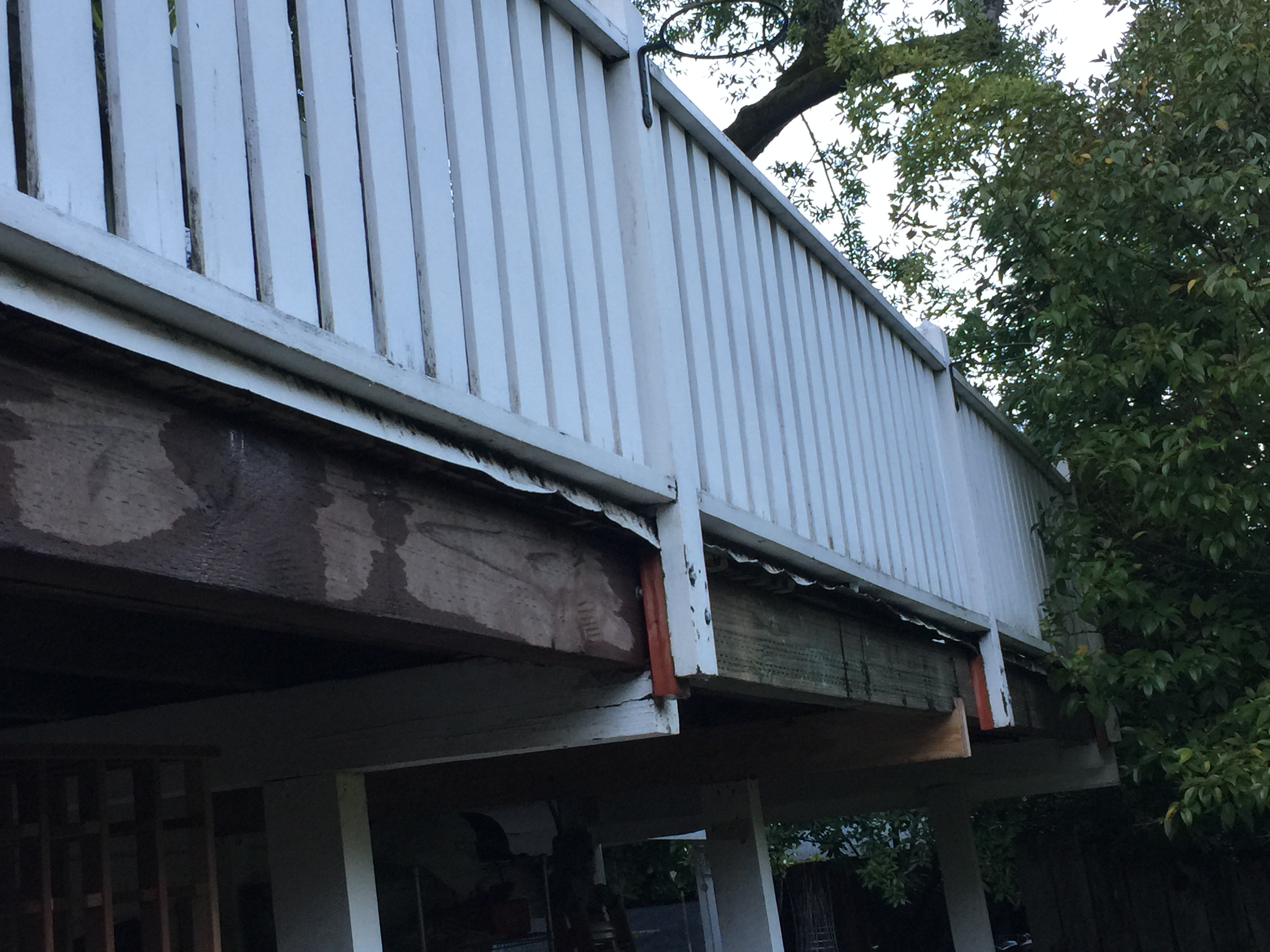
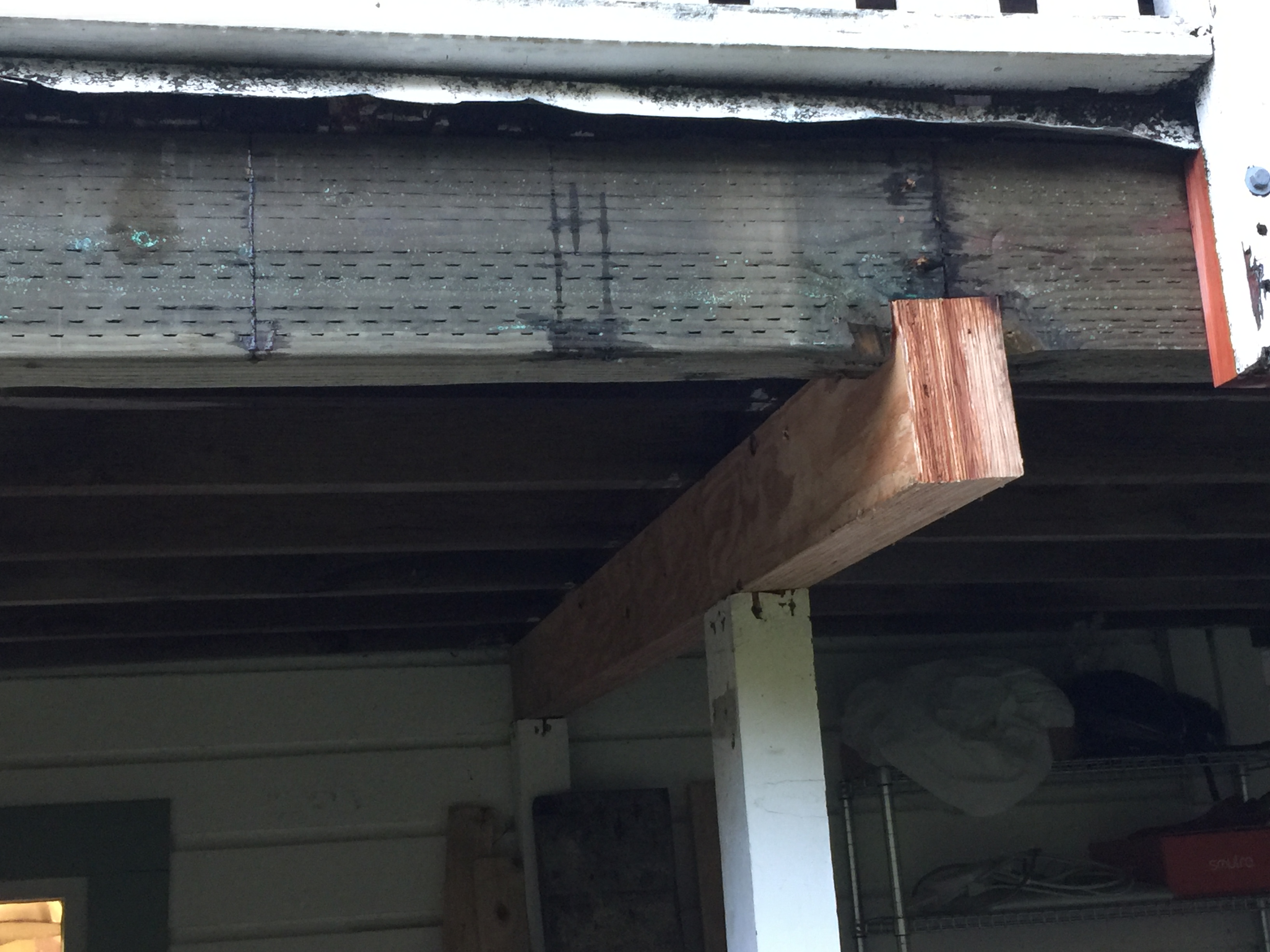
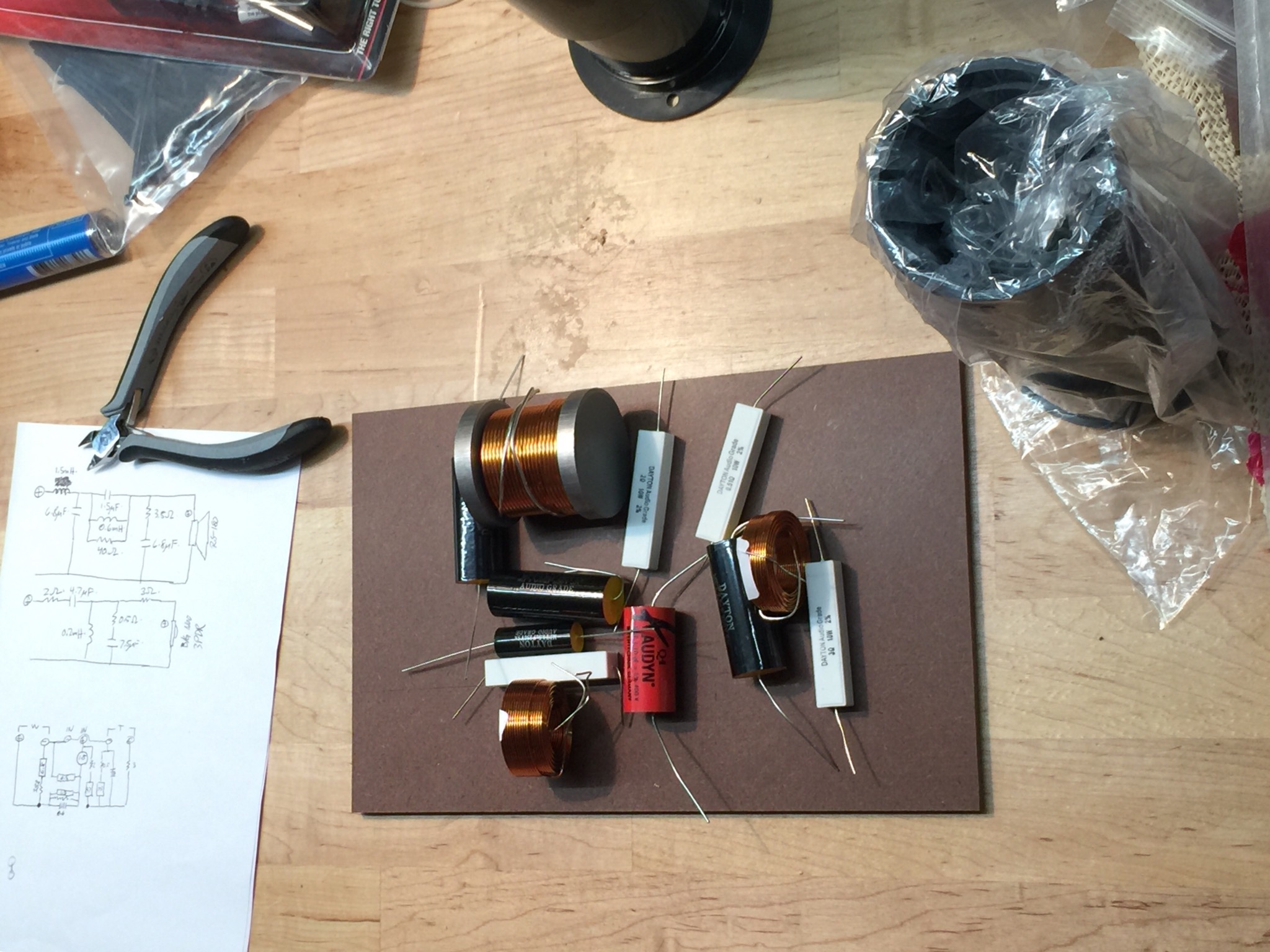
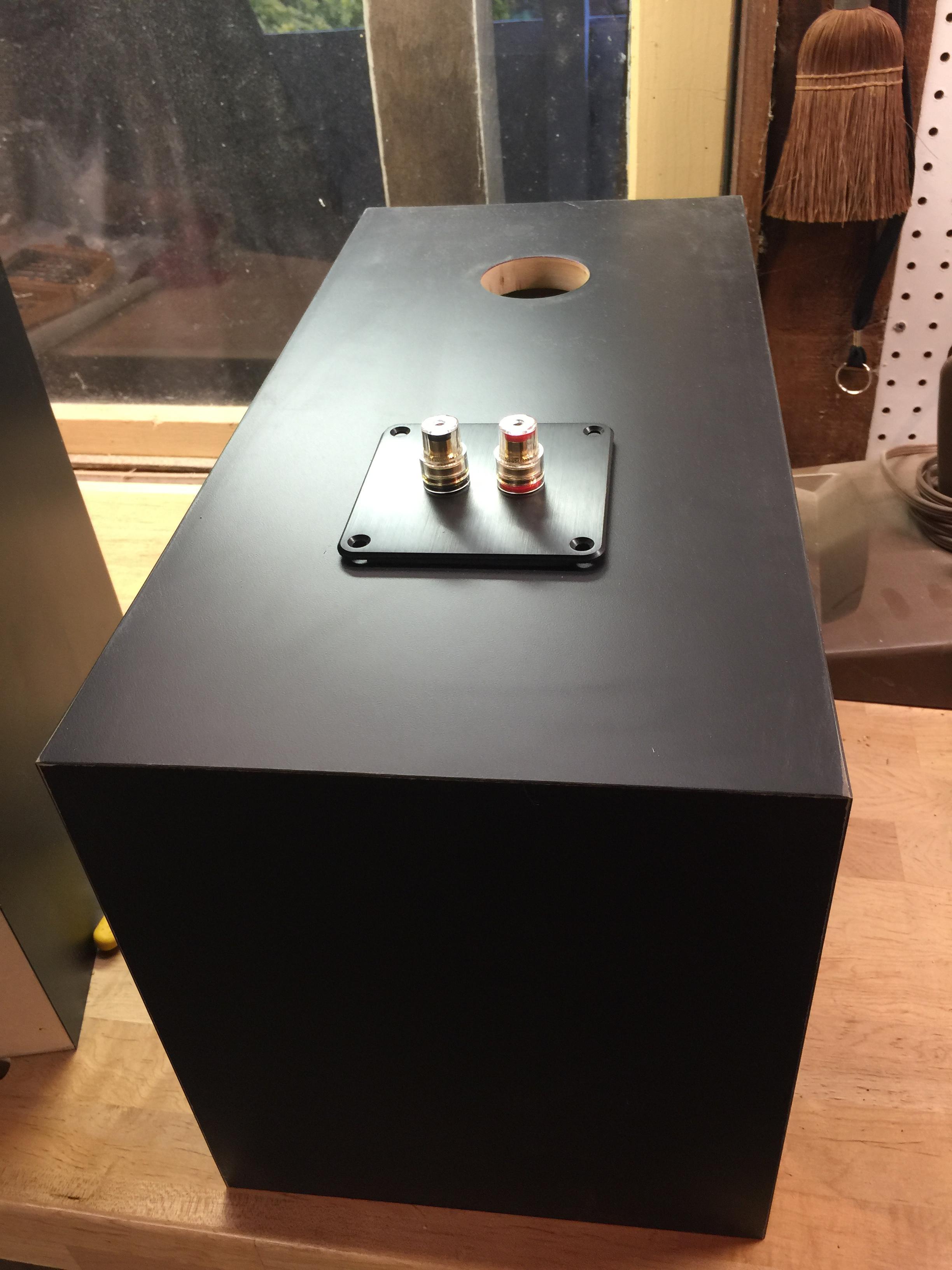
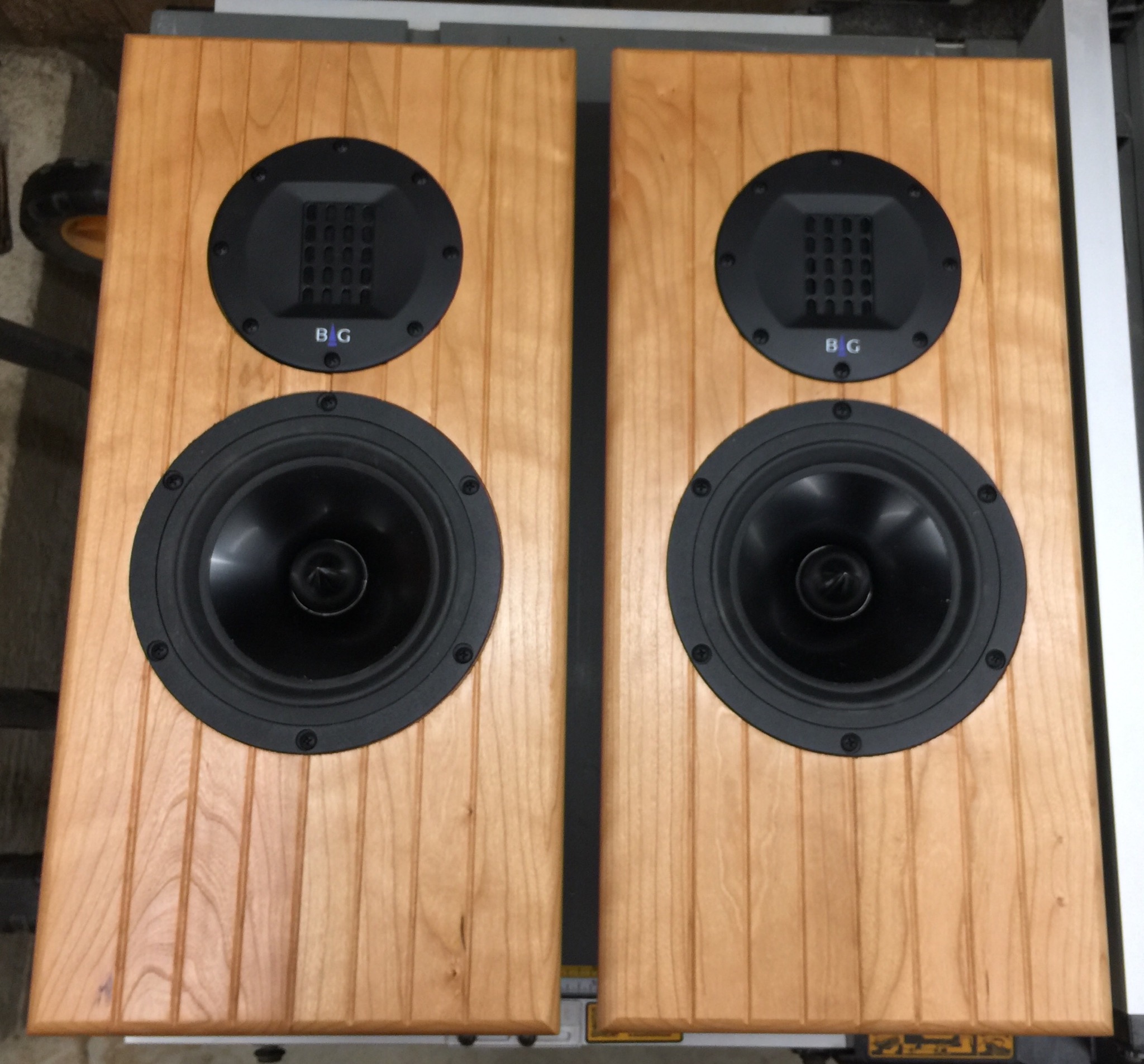
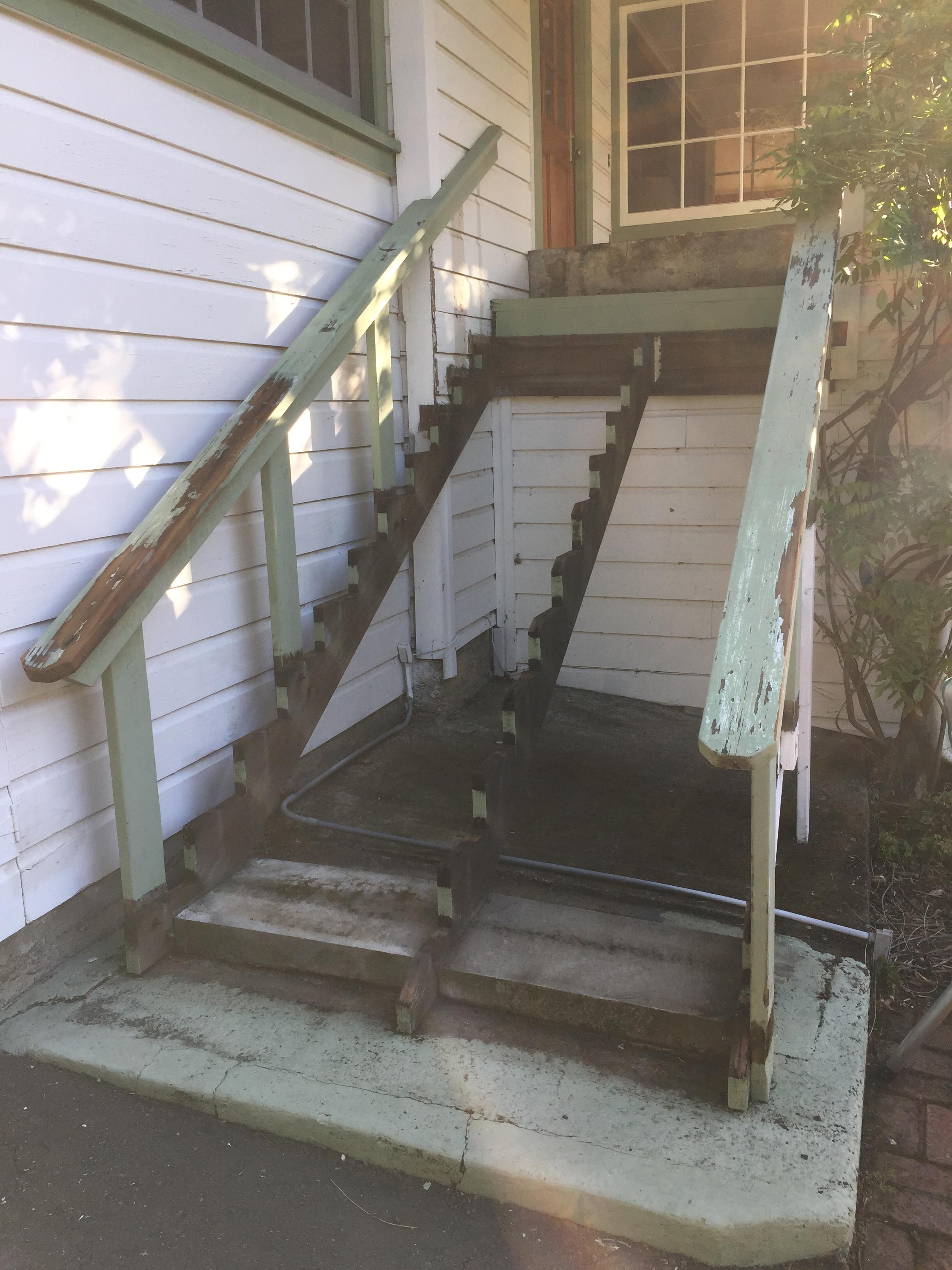
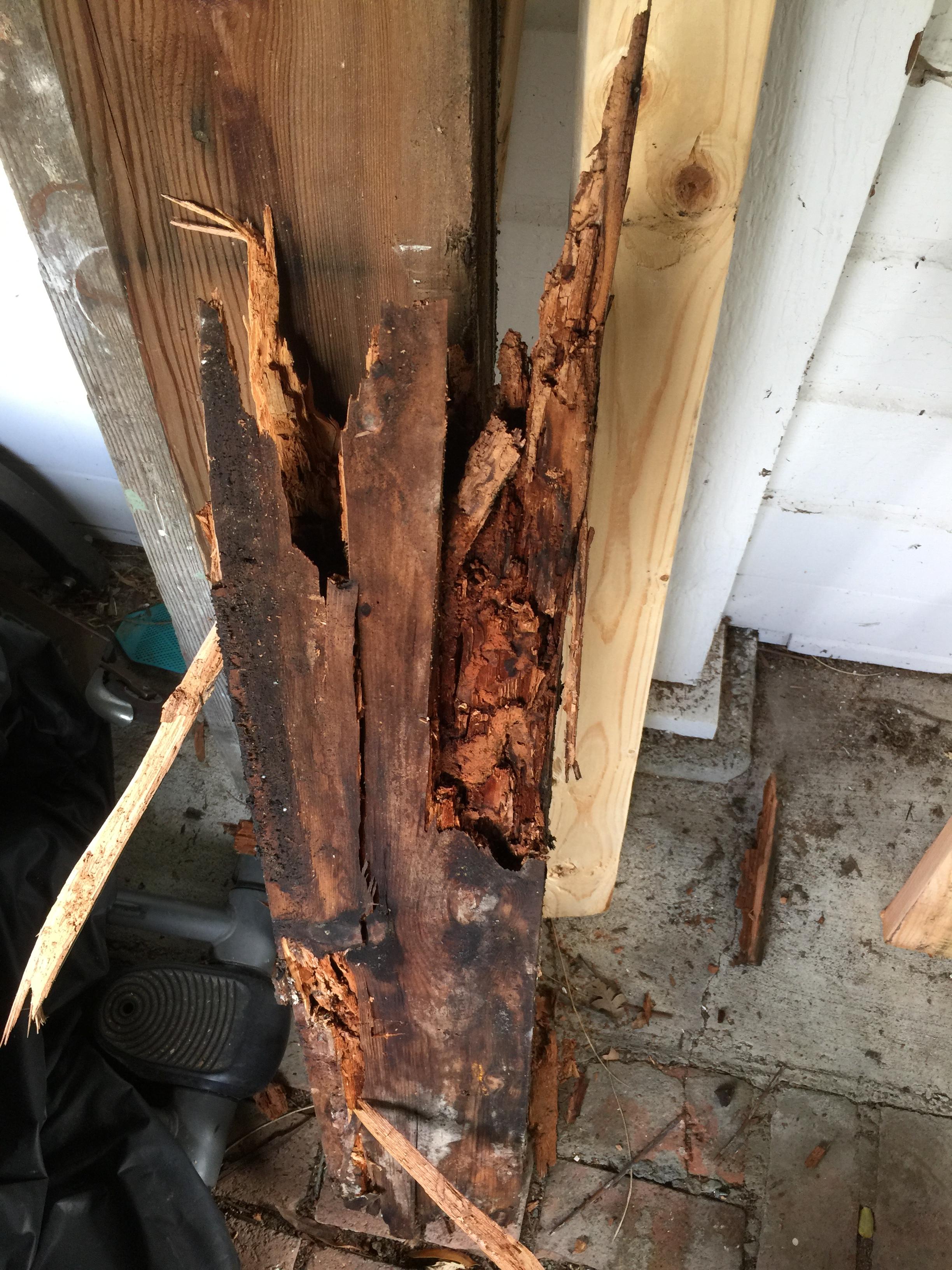
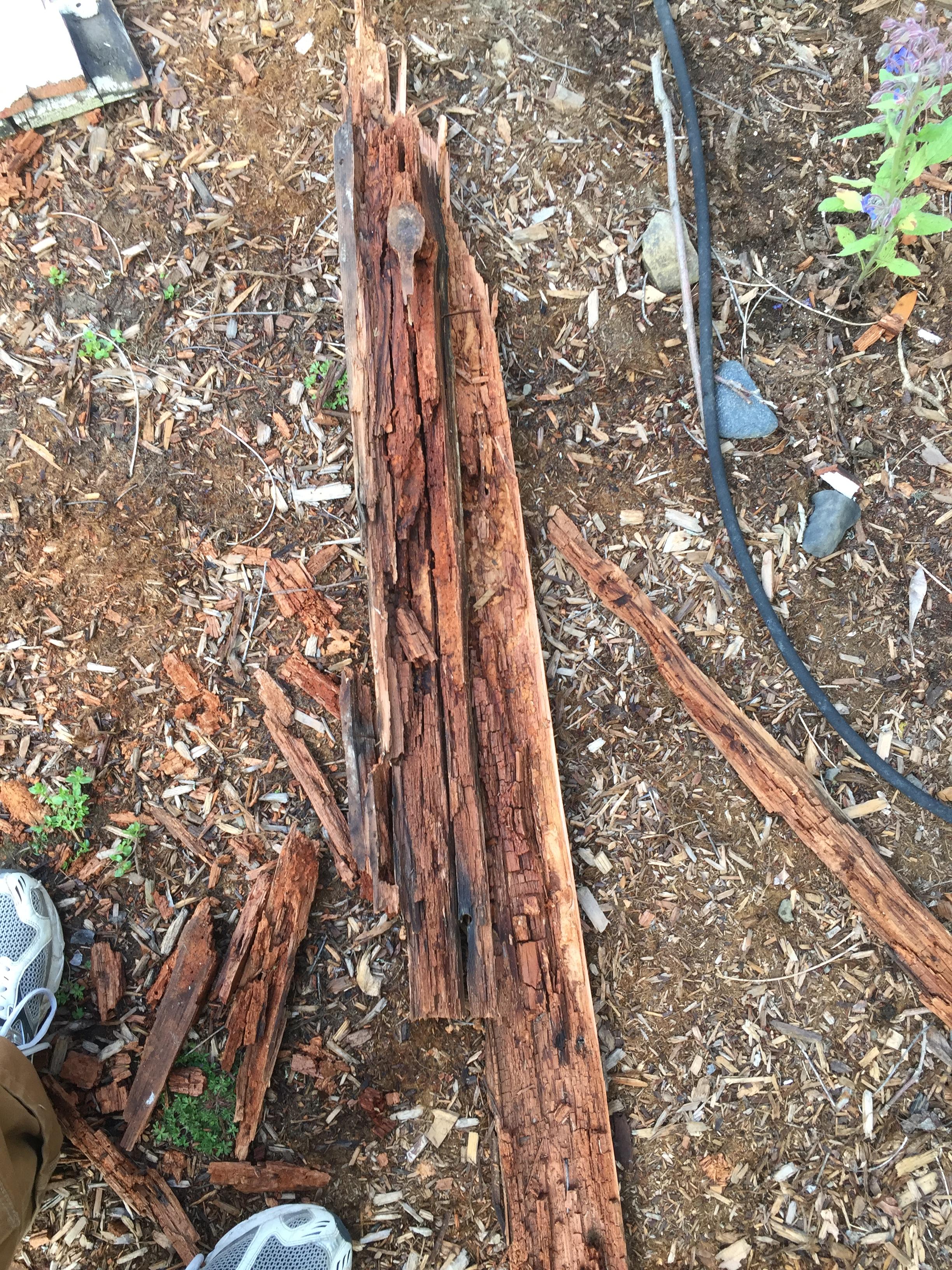
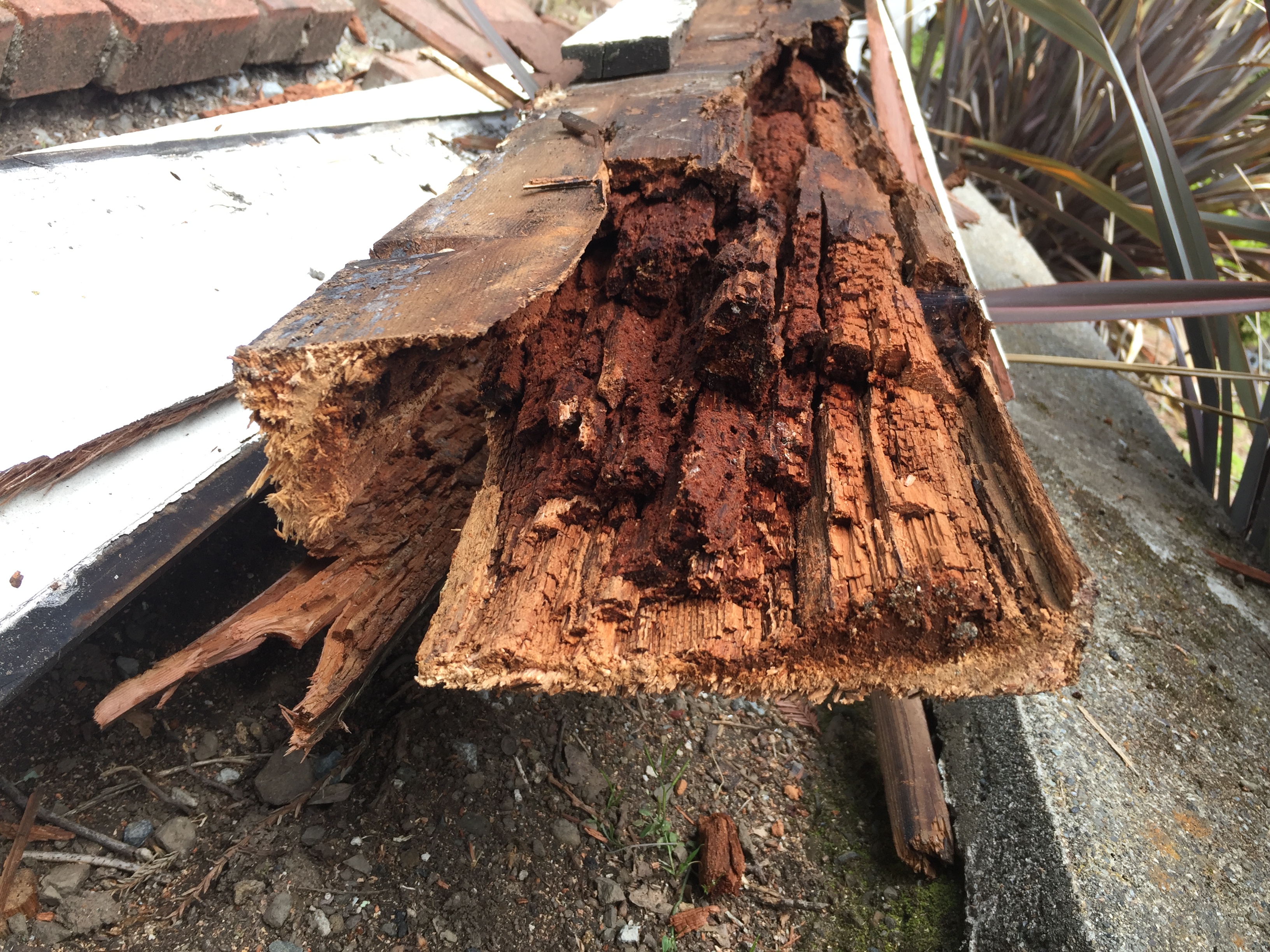
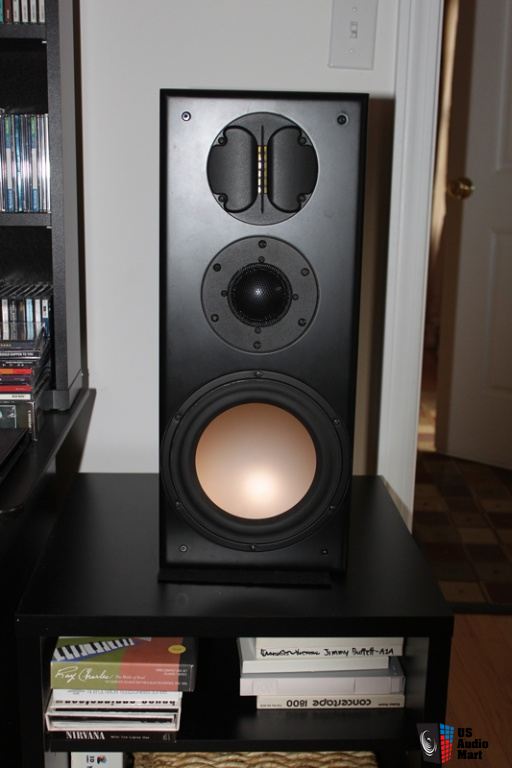
10 pointsIt stopped raining long enough to take a couple of pics of the beams we replaced. I'm especially psyched about the LVL that replaced a completely rotten beam perpendicular to the house. And now we've turned into an electronics shop with Dr. Luvdunhill building the crossovers for Otis's speakers.

 10 points
 -
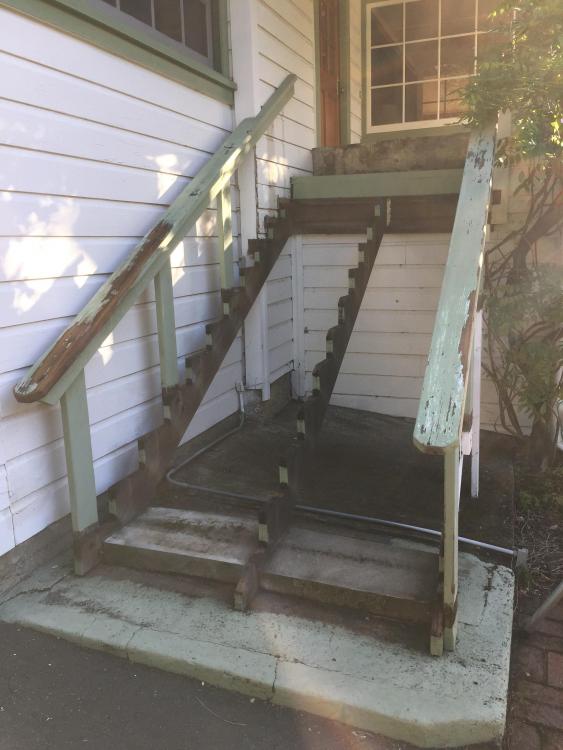
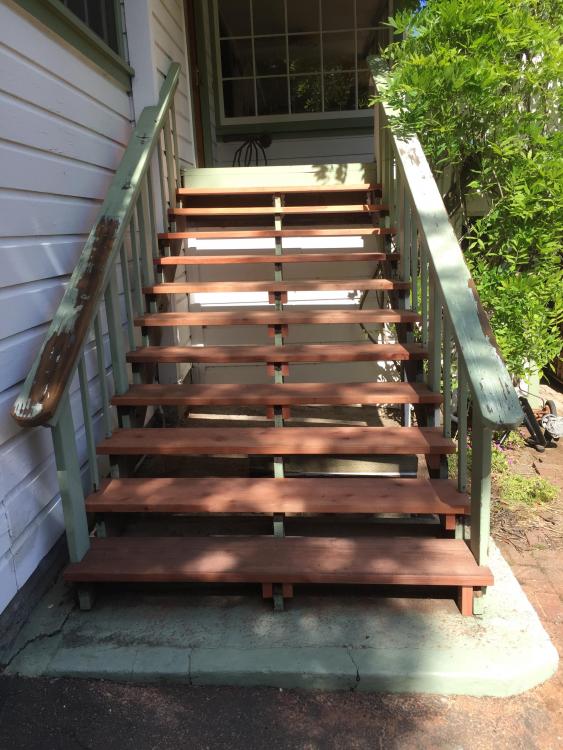
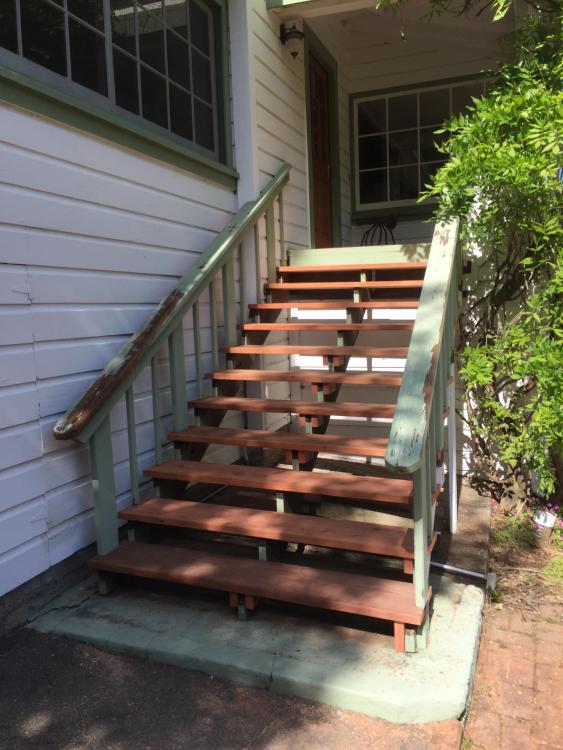
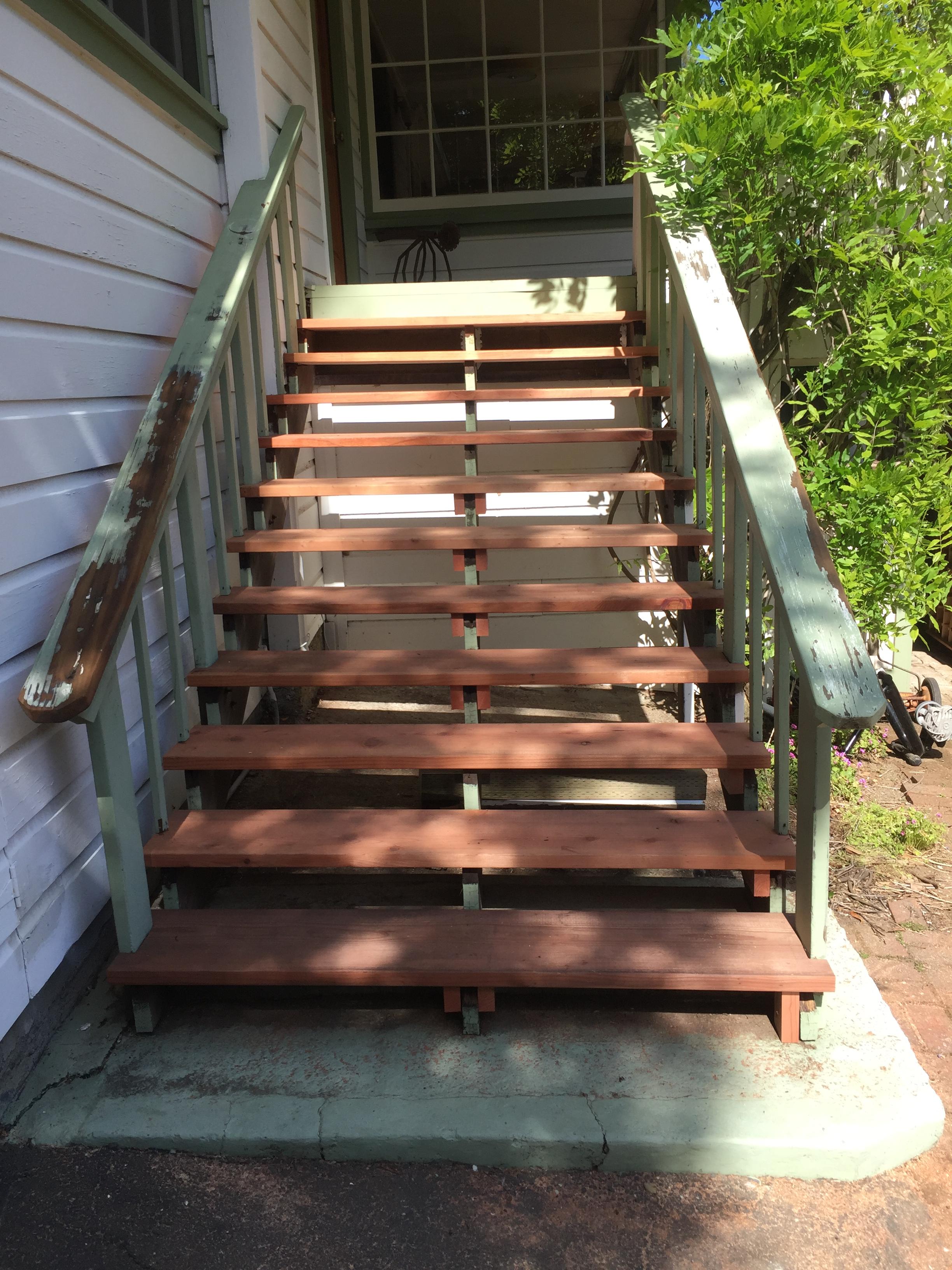
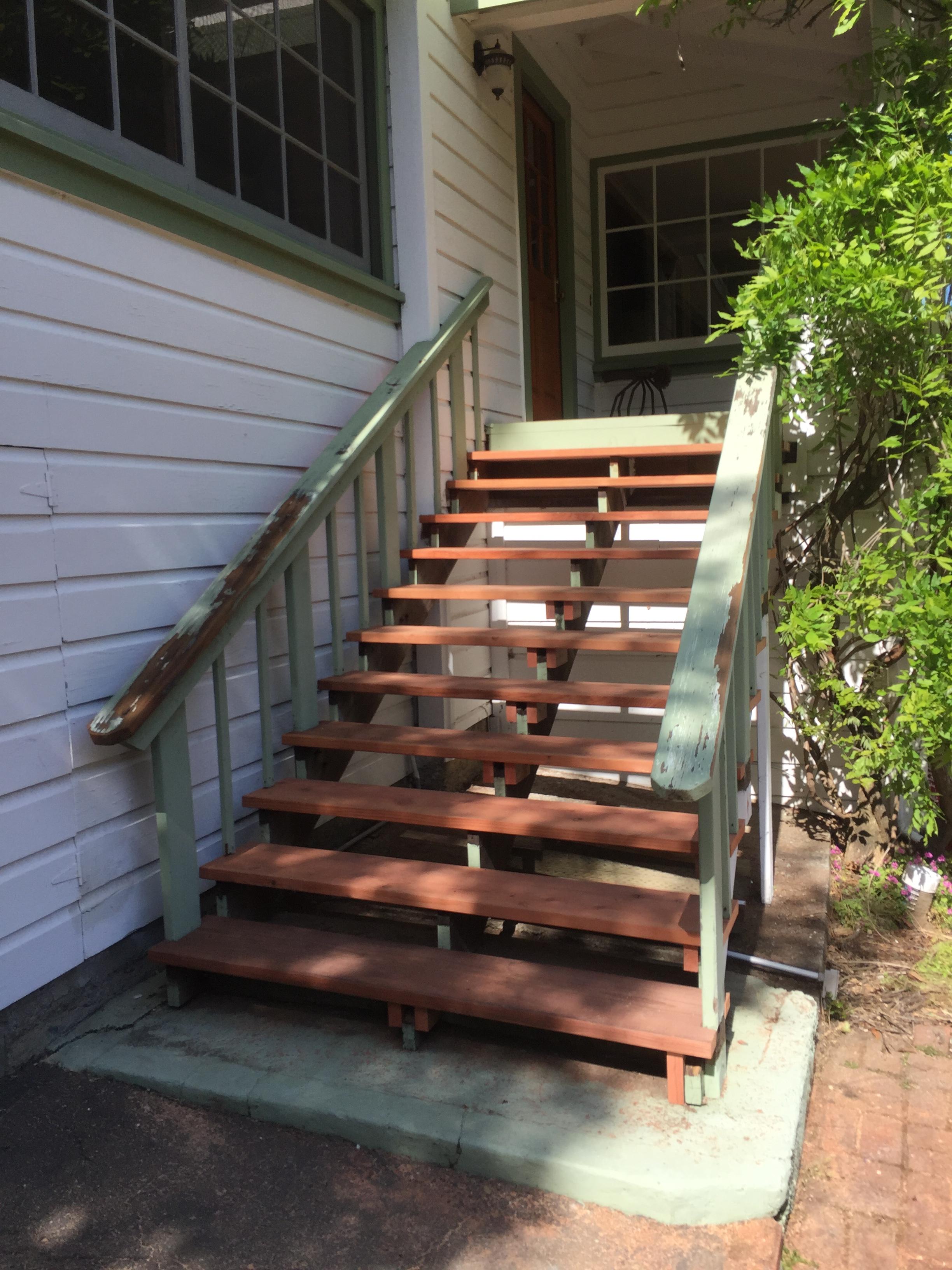
10 pointsStairs went in easy yesterday. Solid as a rock. Not sure these beams holding up our front porch had to be replaced, but we did it anyway.
 10 points
 -
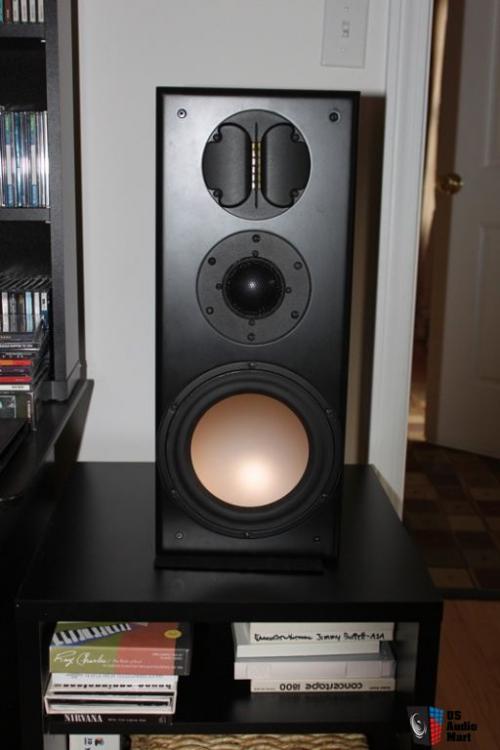
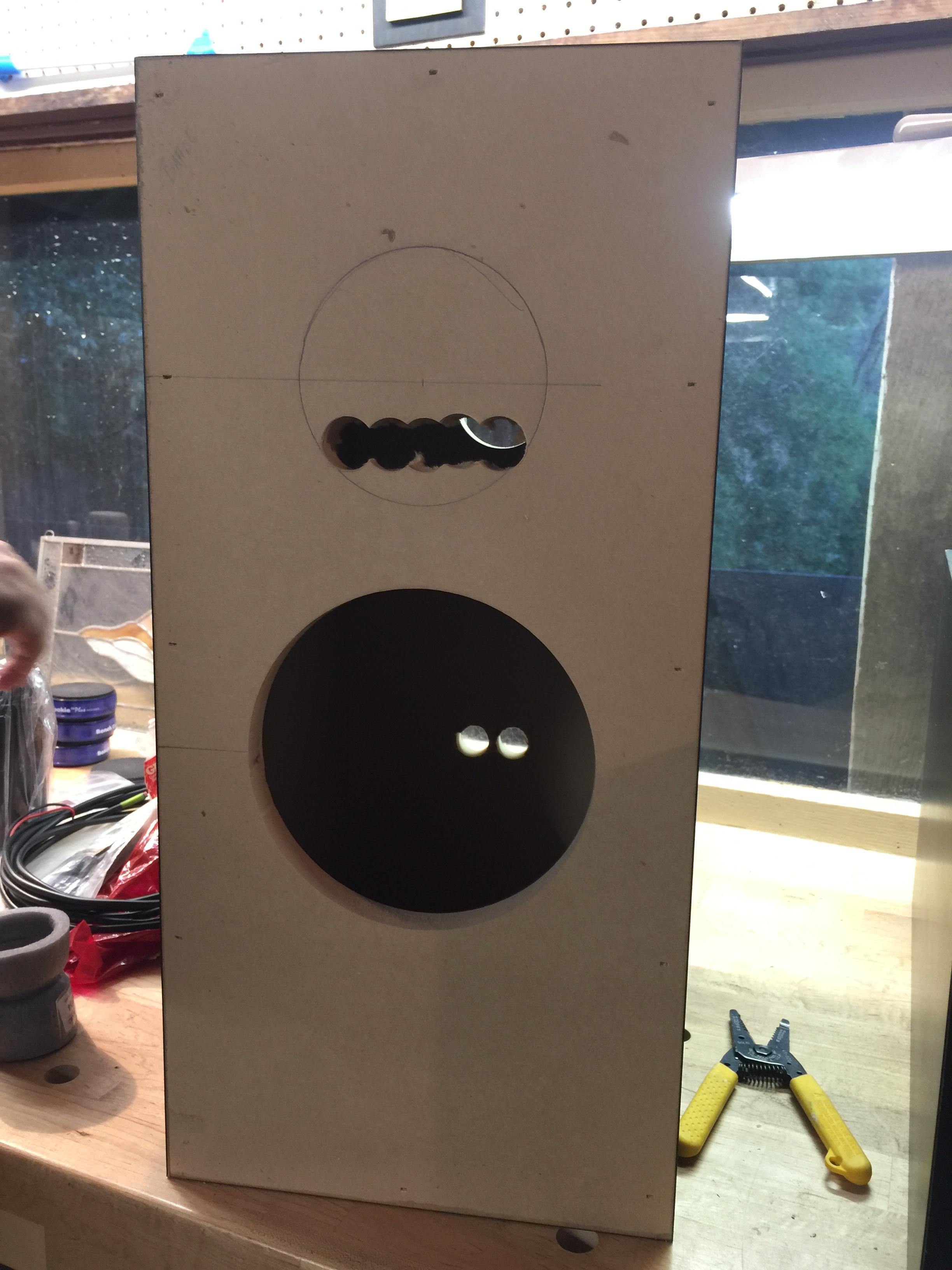
6 pointsI had a pair of these... And a 50" Panny Plasma in a small class C motorhome. This will be a walk in the park. We got one crossover finished, will most likely finish the other Tuesday eve. I'll glue on the Cherry baffles tonight, then it's just a matter of soldering on a few spade lugs.
 6 points
 -
4 points
-
3 points
-
2 pointsJust so you know, your cardiologist is following this thread, Cambridge Analytica sold your dining habits to Jenny Craig and your dietician has unfriended you on Facebook2 points
-
2 pointsHow is Otis even going to fit any more speakers into his abode?2 points
-
2 pointsRIP R. Lee Emery, you unorganized grabastic pieces of amphibian shit!2 points
-
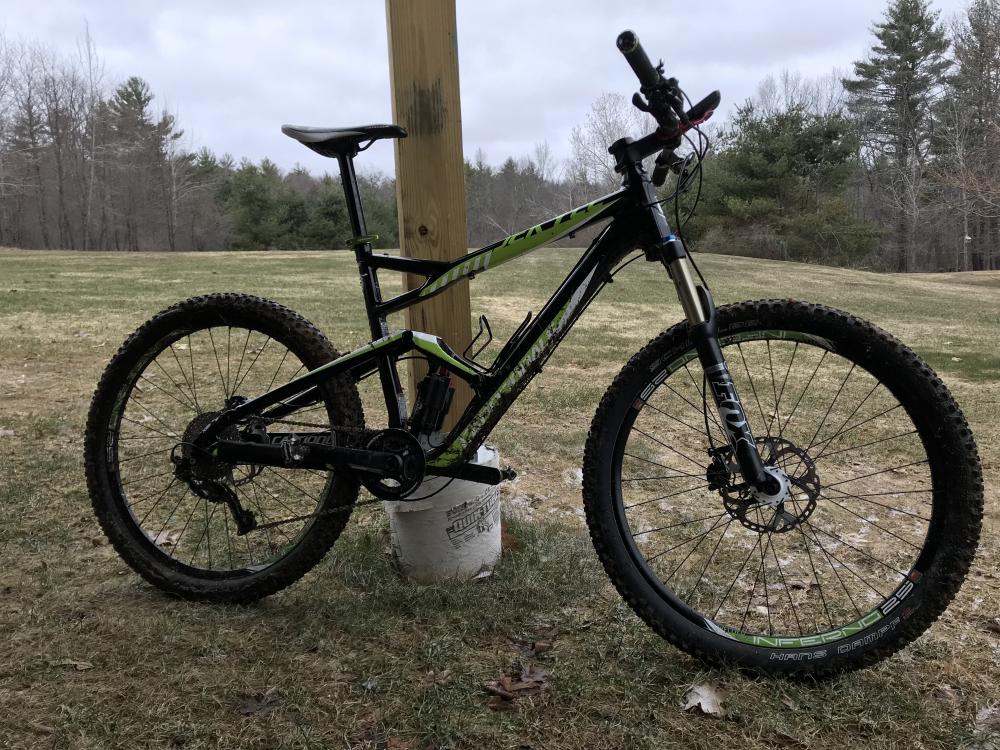
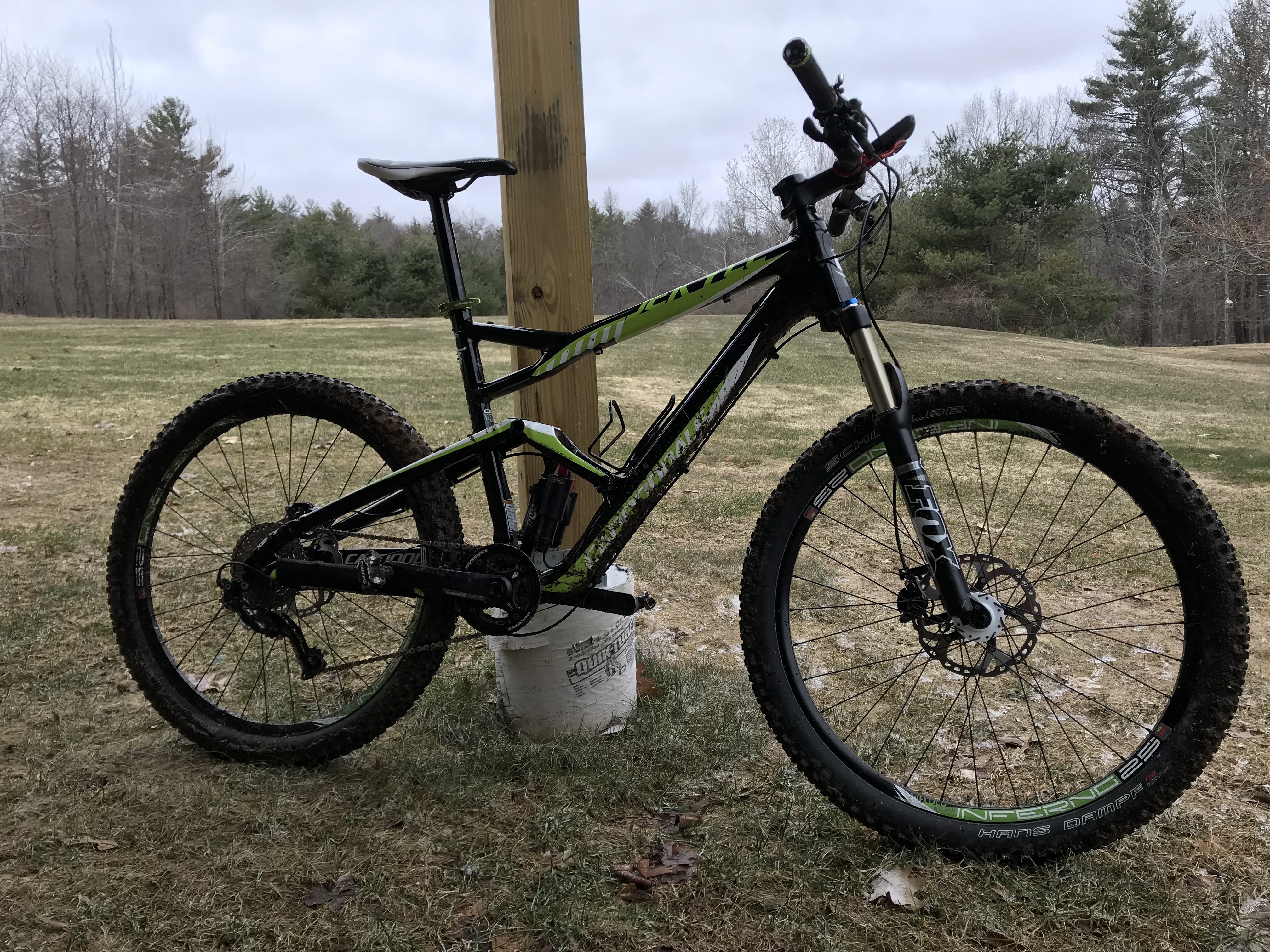
2 pointsFinally got out to test the new brakes. Not your typical mid-April ride, with a light dusting of snow on the trails and temps in the low 30s... The brakes did squeal once on the trail which I'm hoping was an aberration or I'm going to be grumpy. They worked great though, and should improve with a few more rides.
 2 points
 -
2 pointsThe Copenhagen is a differential cascode circuit. The Copenhagen V uses tubes (valves) for the upper device, while the Copenhagen S uses transistors (sand). They are otherwise just about the same. It does indeed use input and output transformers (amorphous Lundahls in both cases, though the inputs can use mu metal instead). The tubes (E81L's) need not be matched at all. It is what is often called a "transconductance amp". In essence, it uses the headphone's impedance as an I/V converter, and it takes advantage of the slight Sennheiser impedance bump to make it a bit more euphonic. When used with Senns, I'd describe the sound as happy and punchy (kind of making them sound like how Grados would sound if they were not grating) - some people hate it, others love it, but it definitely has a sound. It can be linearized with the addition of some parallel resistance on the output (this is what a triode amp does except the parallel load is the tube plate impedance). Without doing that, it is not great with the Focals. Even with, they are so poorly damped that it would not be my first choice for powering them. With phones that have a flat impedance, it is pretty neutral. It's not an amp for everyone (definitely not for the objectivist crowd), but it is my favorite these days - I use a Copenhagen S with 650's for most pleasure listening.2 points
-
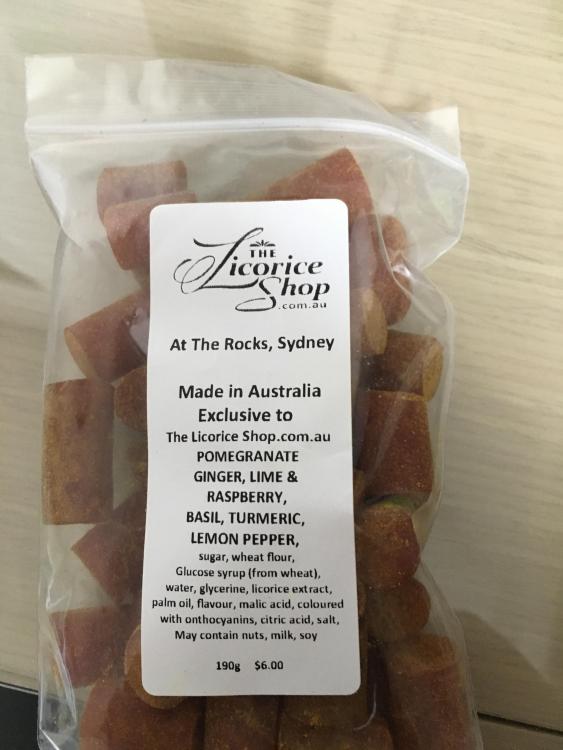
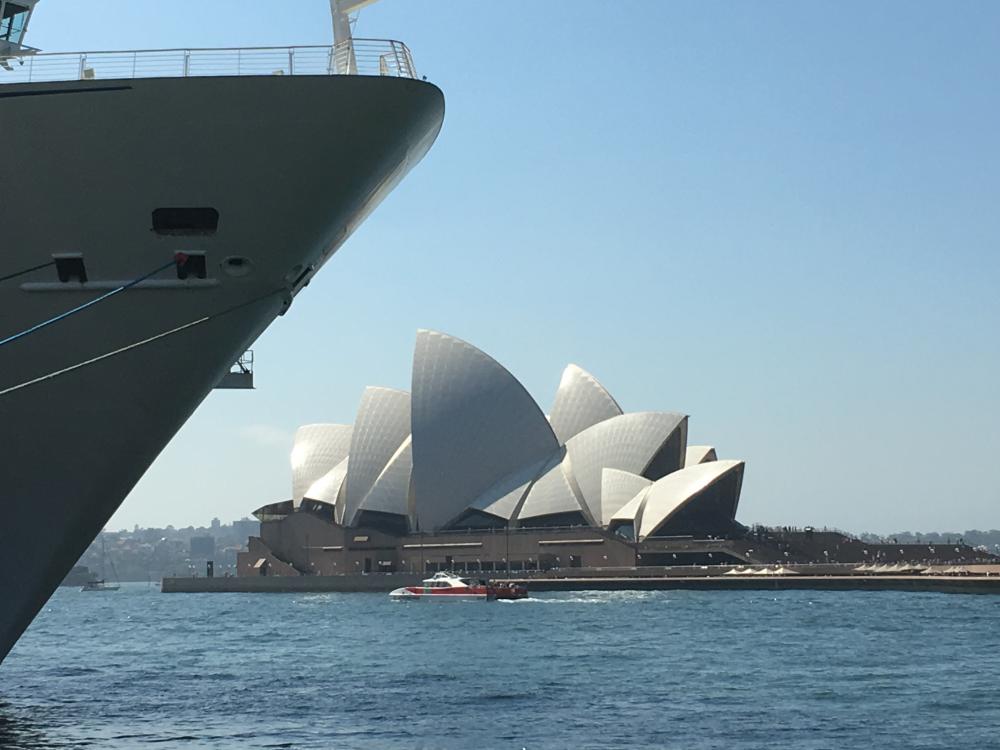
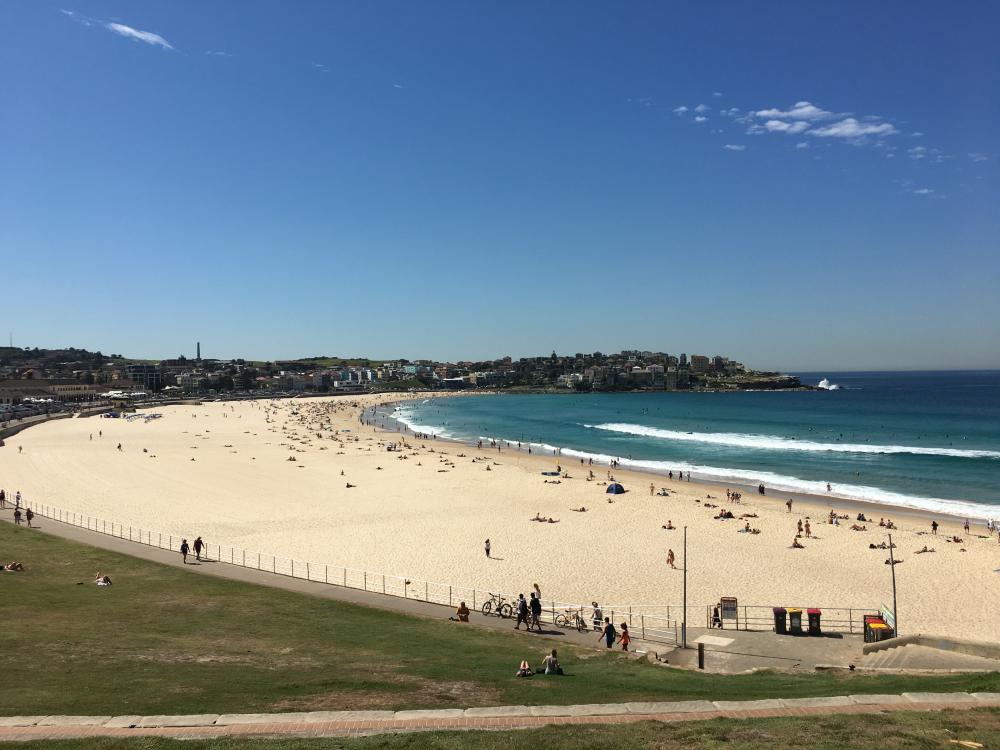
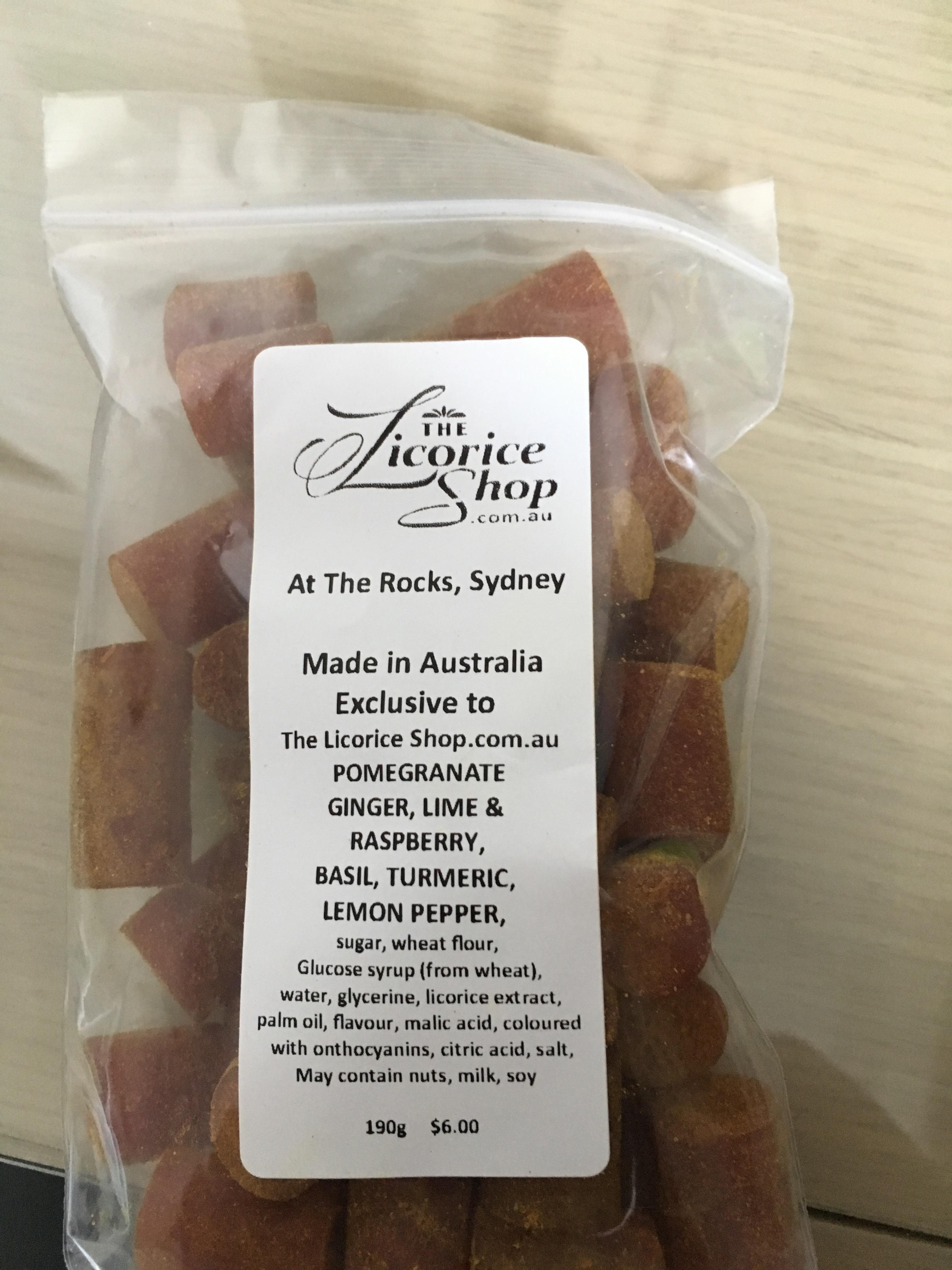
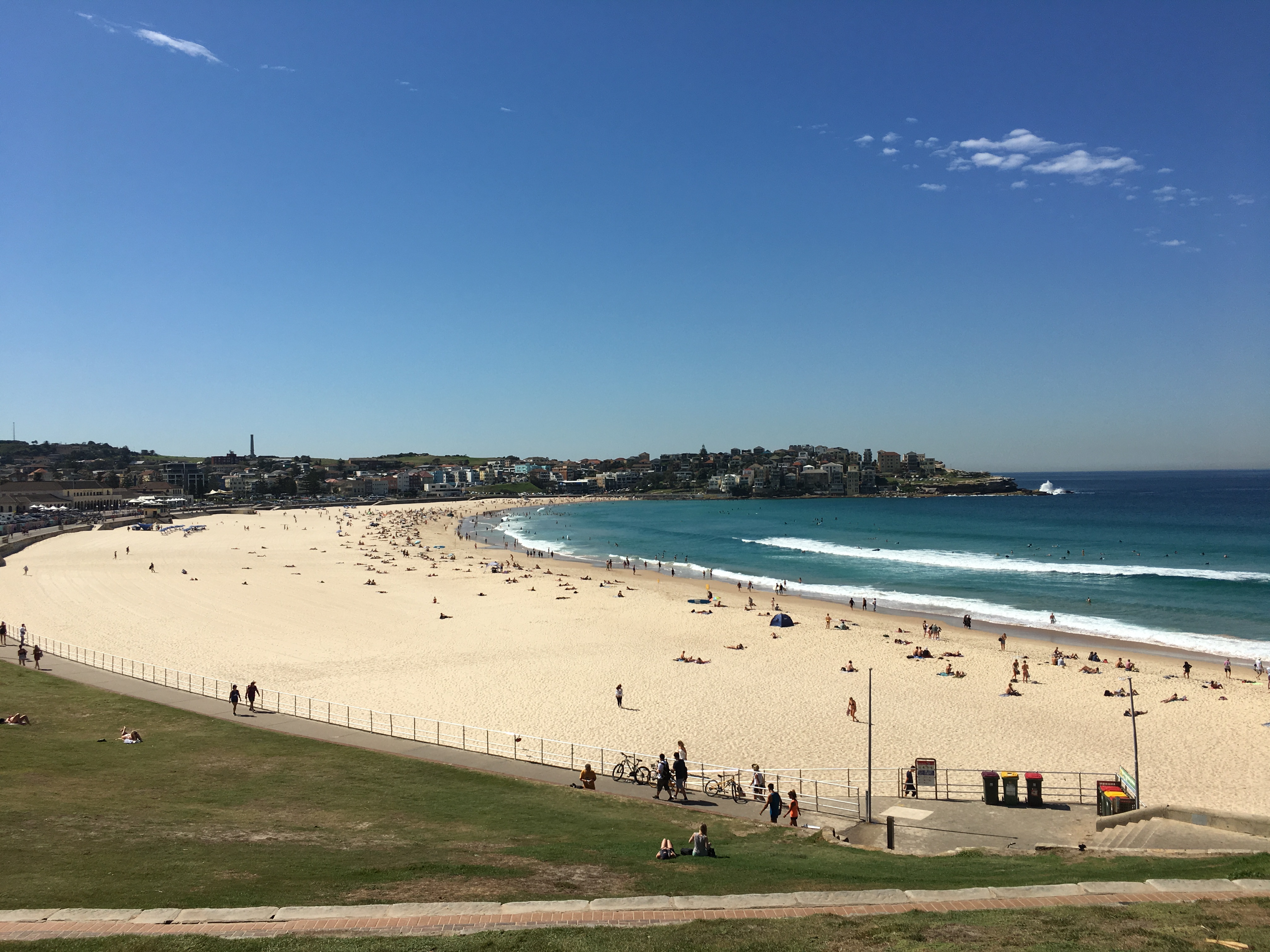
2 pointsSecond day in Sydney, lovely city this is. We're very close to the Harbor....when we got here, we took a walk down to the harbor and looked through a nice local market at an area called the Rocks. Got some absolutely amazing licorice there, the maker is a fucking genius at bringing some of the most unexpected ingredients together to make a delicious treat. Then got a distant pic of the Opera House (we'll tour it later), but some big-ass thing was in the way. Today, we did a hop-on-hop-off tour of the city, stopped in a few places including Bondi Beach, Chinatown, several market areas, and then I walked back to the hotel while Karen is still shopping Lot of walking, but enjoying this a lot!

 2 points
 -
1 point
-
1 point
-
1 point
-
1 point
-
1 point
-
1 pointWent and had brunch with 2 of my favorite people. Bacon pancakes are delicious. Sent from my ONEPLUS A3000 using Tapatalk1 point
-
1 pointHad lunch with Grawk at Champy's in Chattanooga Great time catching up before he went off to a bacon festival he didn't invite me to Sent from my ONEPLUS A3000 using Tapatalk1 point
-
1 pointI quick test on my system with BHSE and 007mk2.9 says this is a problem with a component in your chain. With hard diving edm/pop at volumes that made me cringe I experience no distortion. Fwiw I ride motorcycles all the time and my wife thinks I'm deaf. My normal listening volume is determined by her yelling across the house at me. Ymmv.1 point
-
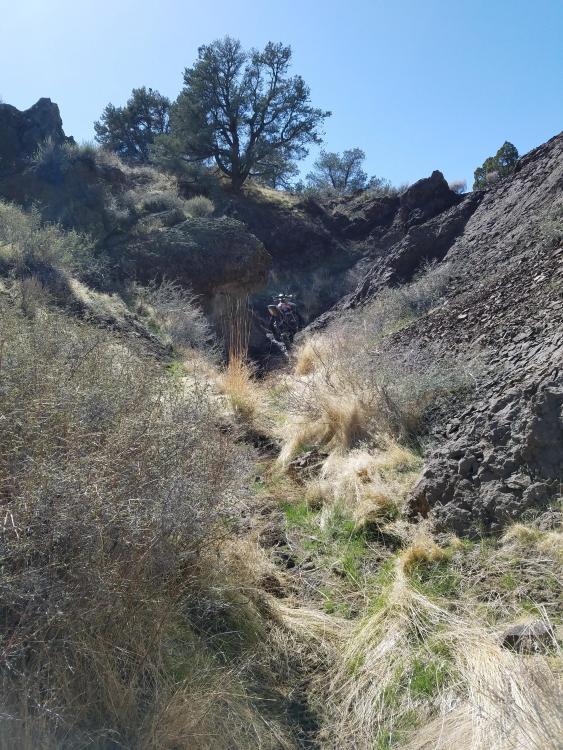
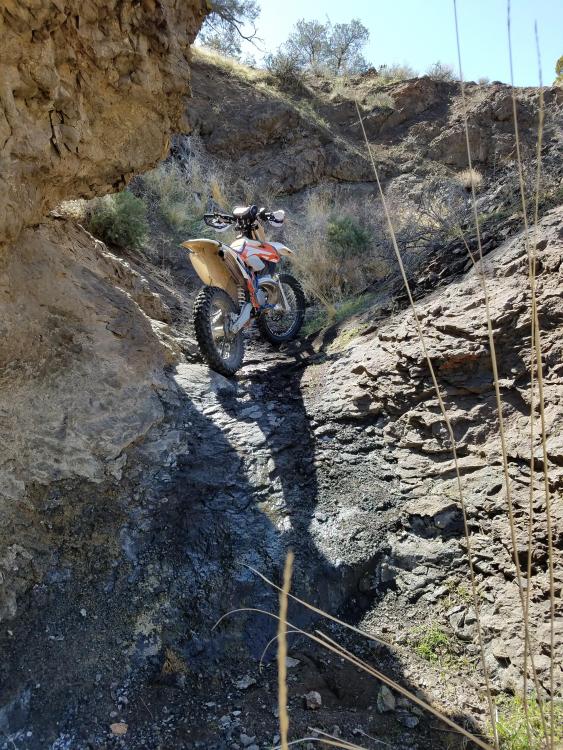
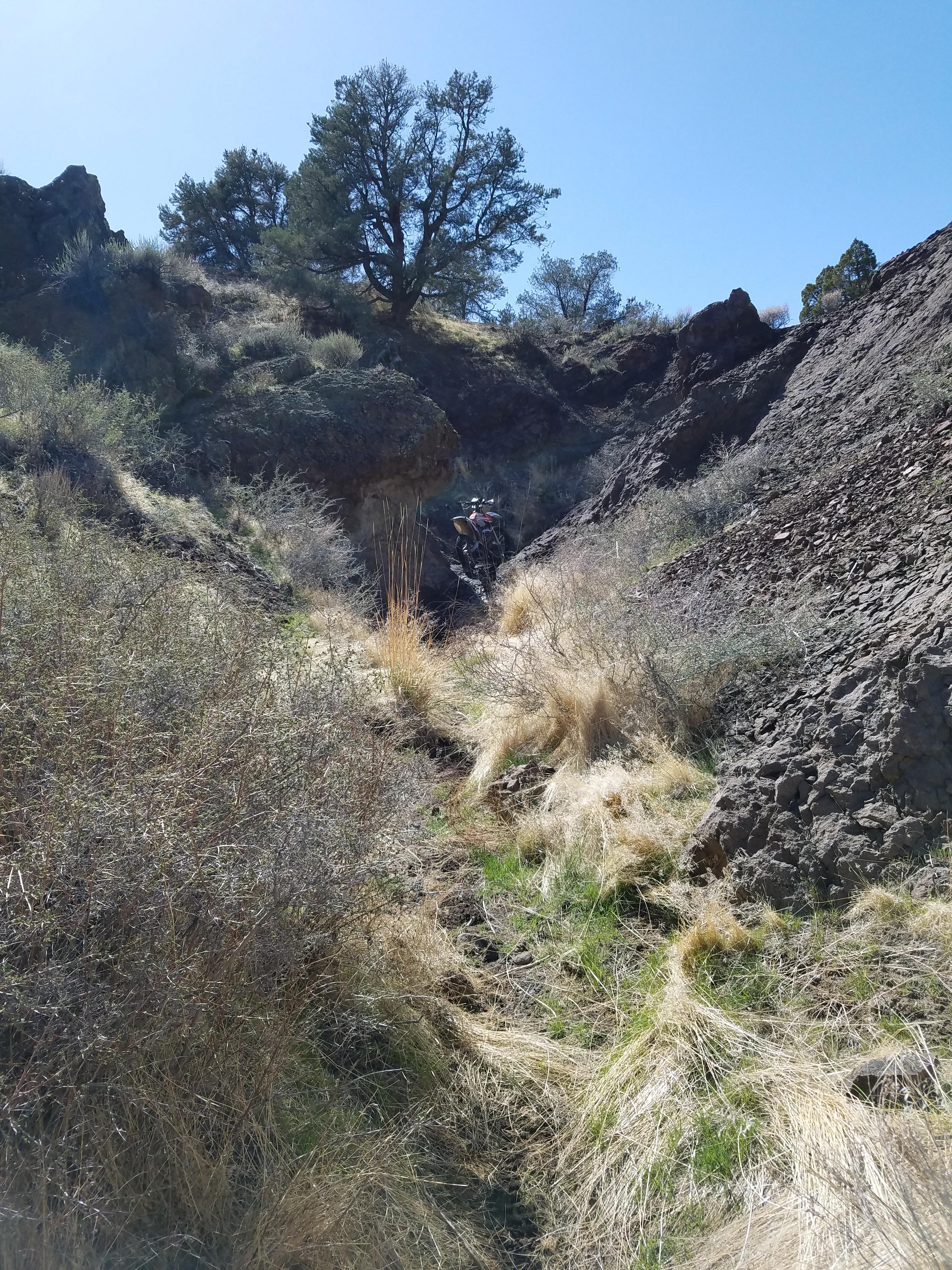
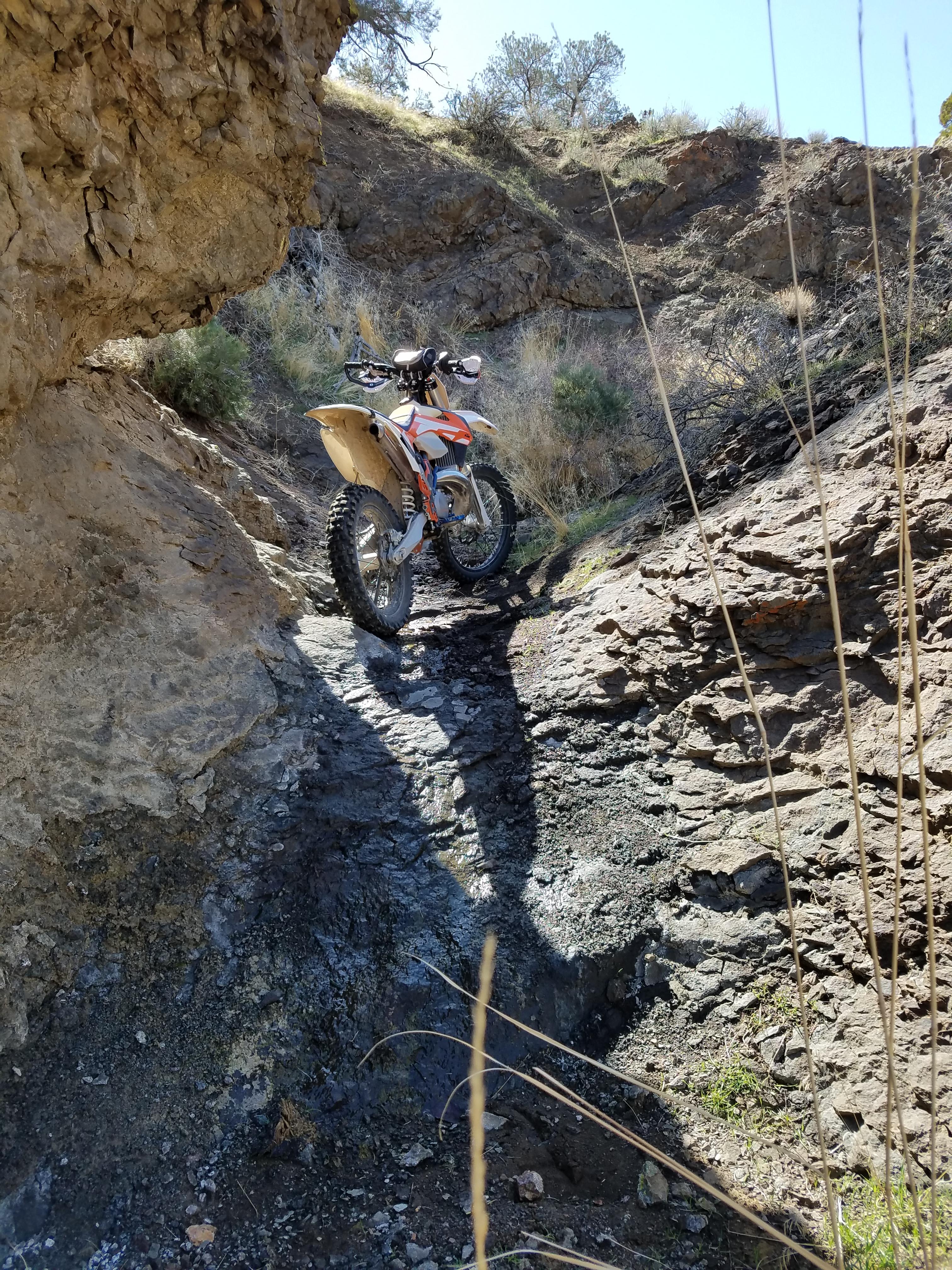
1 point1 point1 pointKiller today too, most of the creaks/streams are dry, almost all the terrain on the west side of the valley is rideable again. Kids passed out early, BHSE and vodka is a winning combination for me. Low call tomorrow and the in-laws want the grand kids, so it looks like another hard day of dirtbking followed by music and drinking for me!
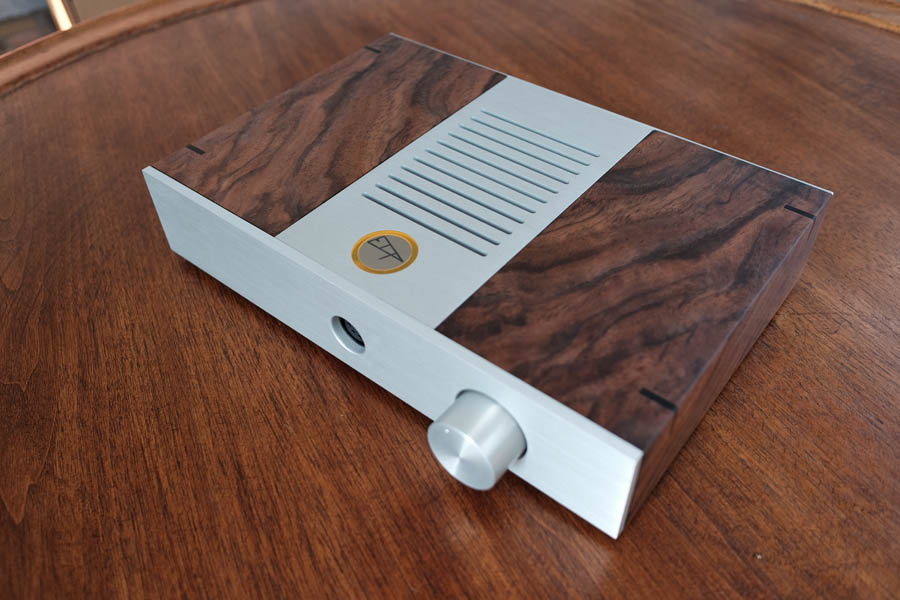
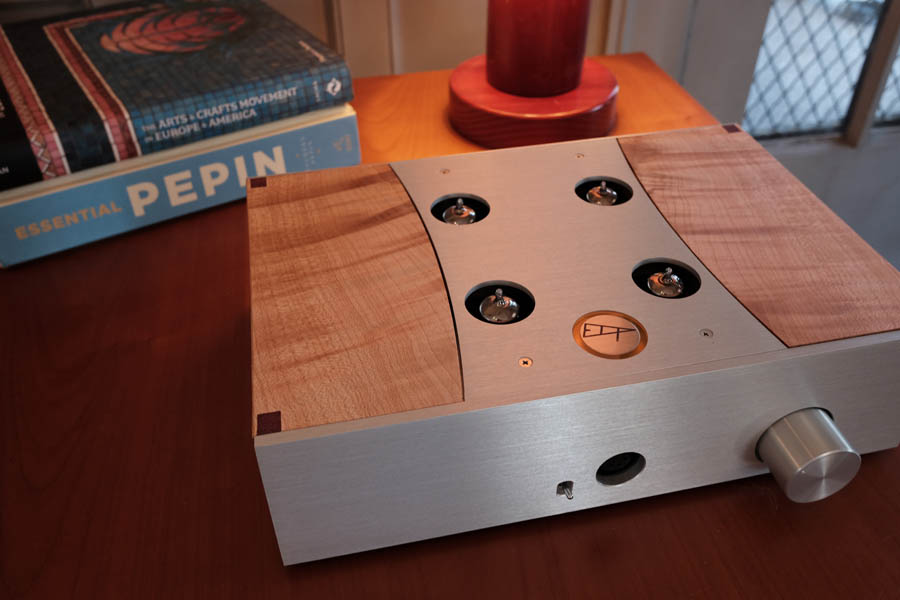
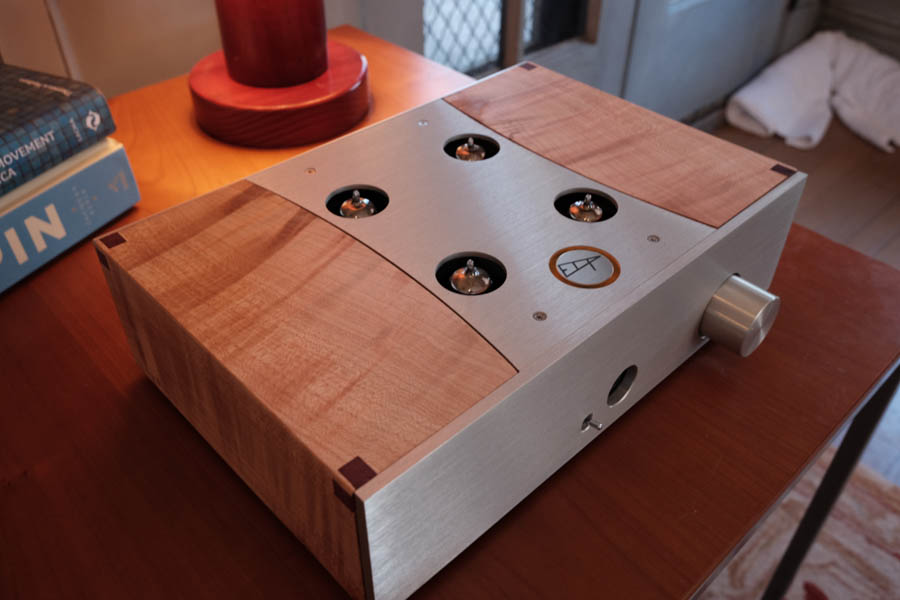
 1 point1 pointThey are that, but they are available. DSHA3 and DSHA3F (specifically for Focals, picture below in walnut) are the current models, and Tom and I are very close to releasing the T5 which is effectively a DSHA output stage with tube gain. Indeed, I just received an updated T5 power transformer in the mail today that I soldered in not 10 minutes ago.
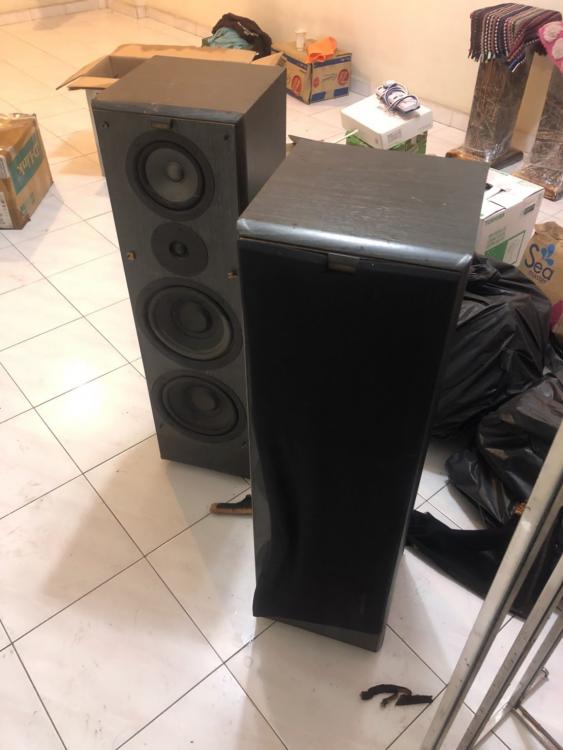
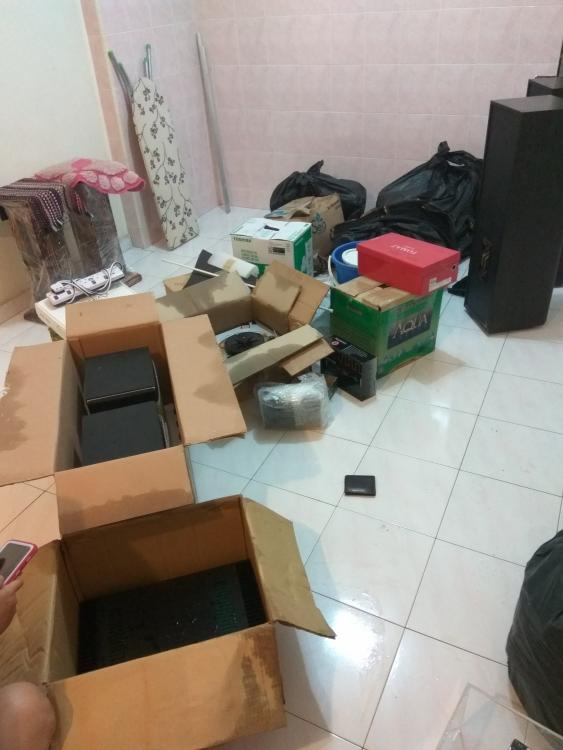
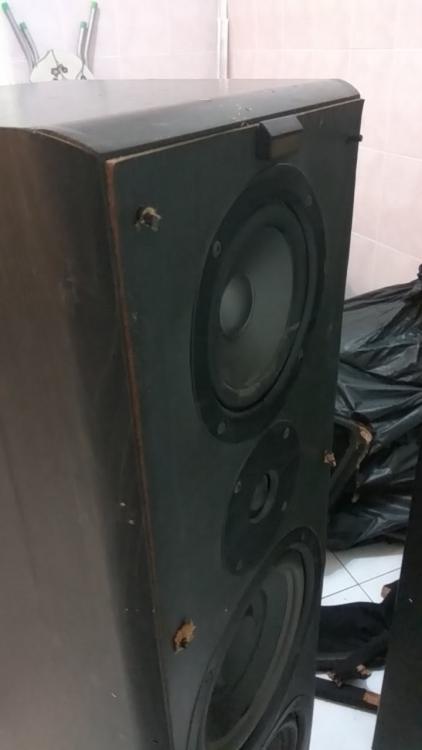
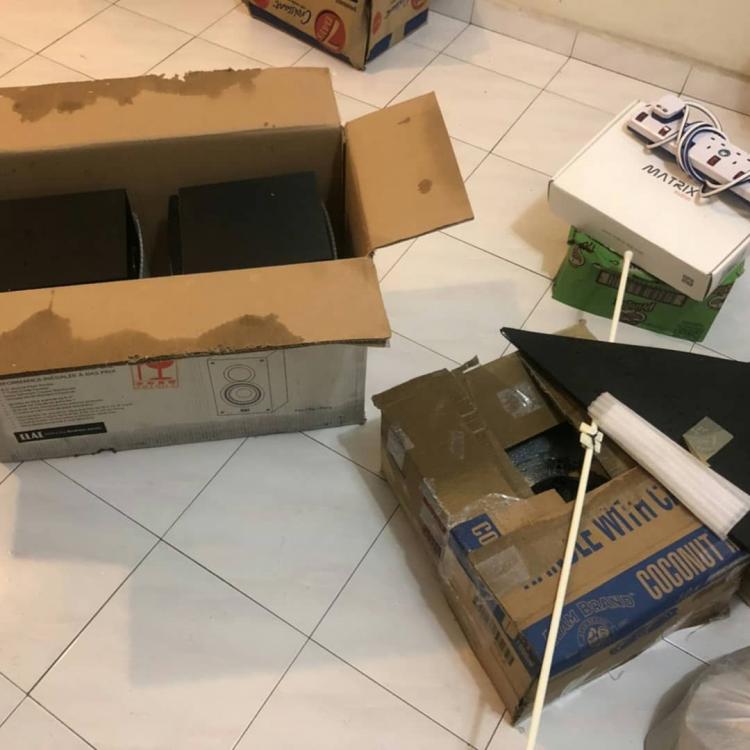
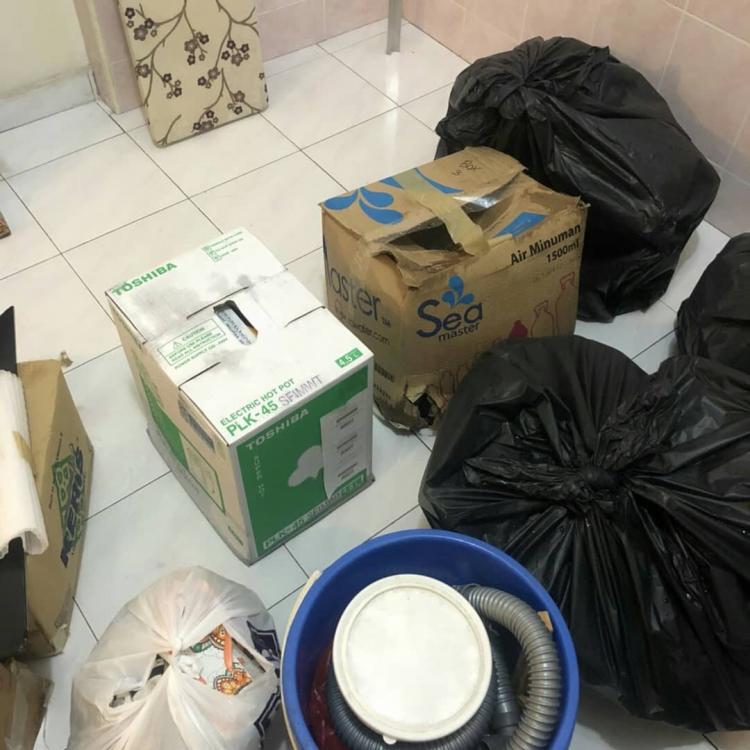
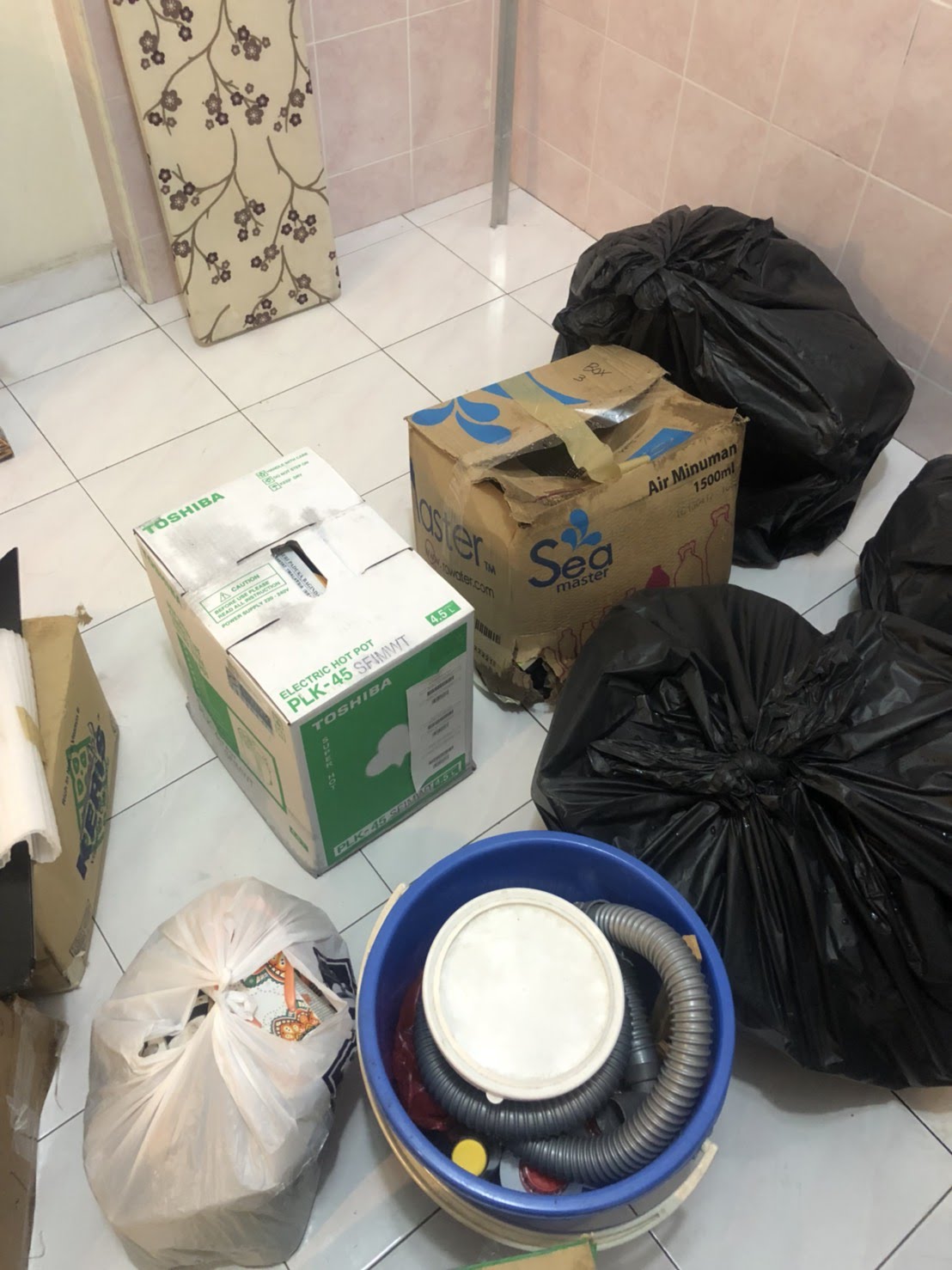
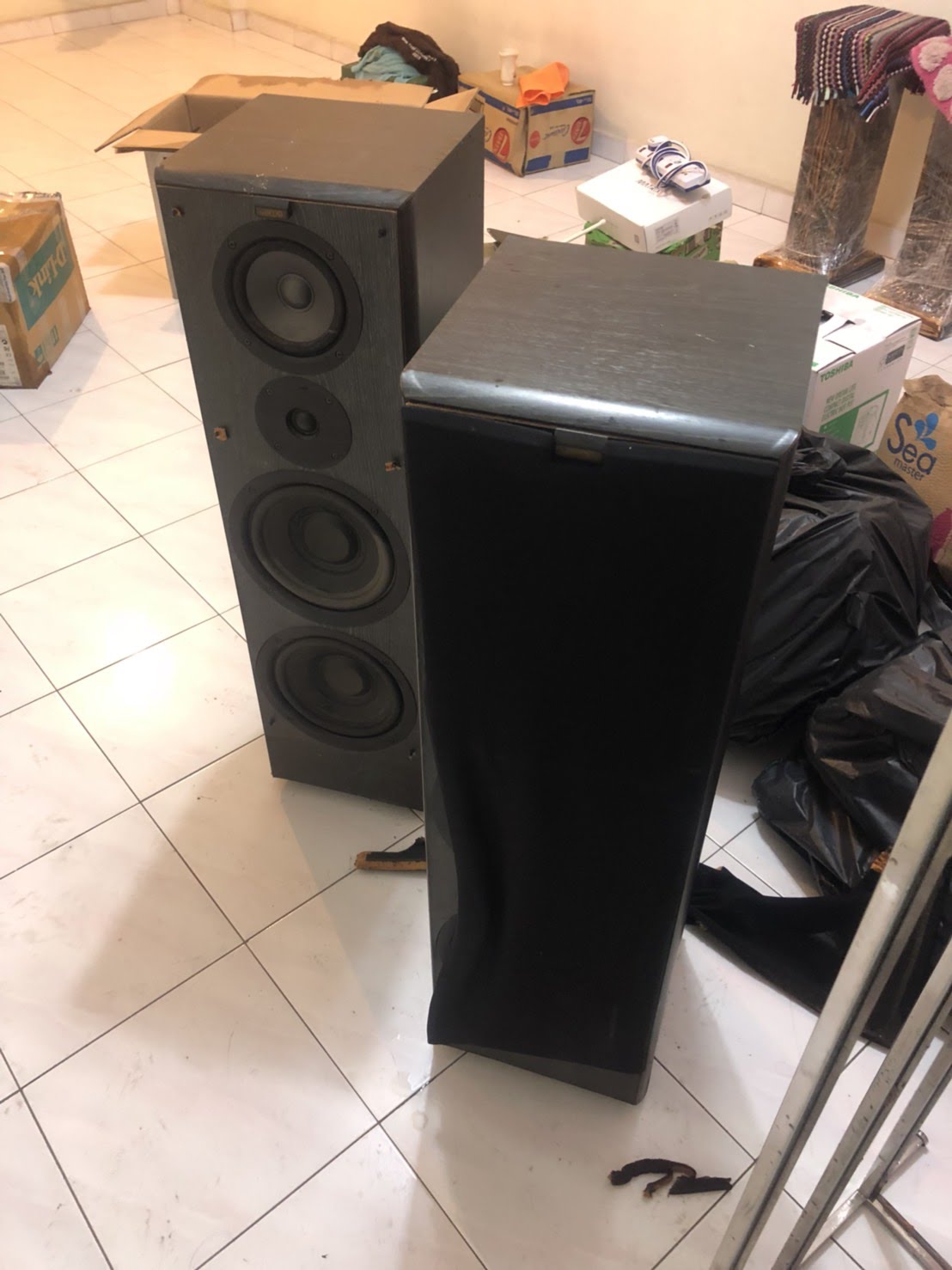
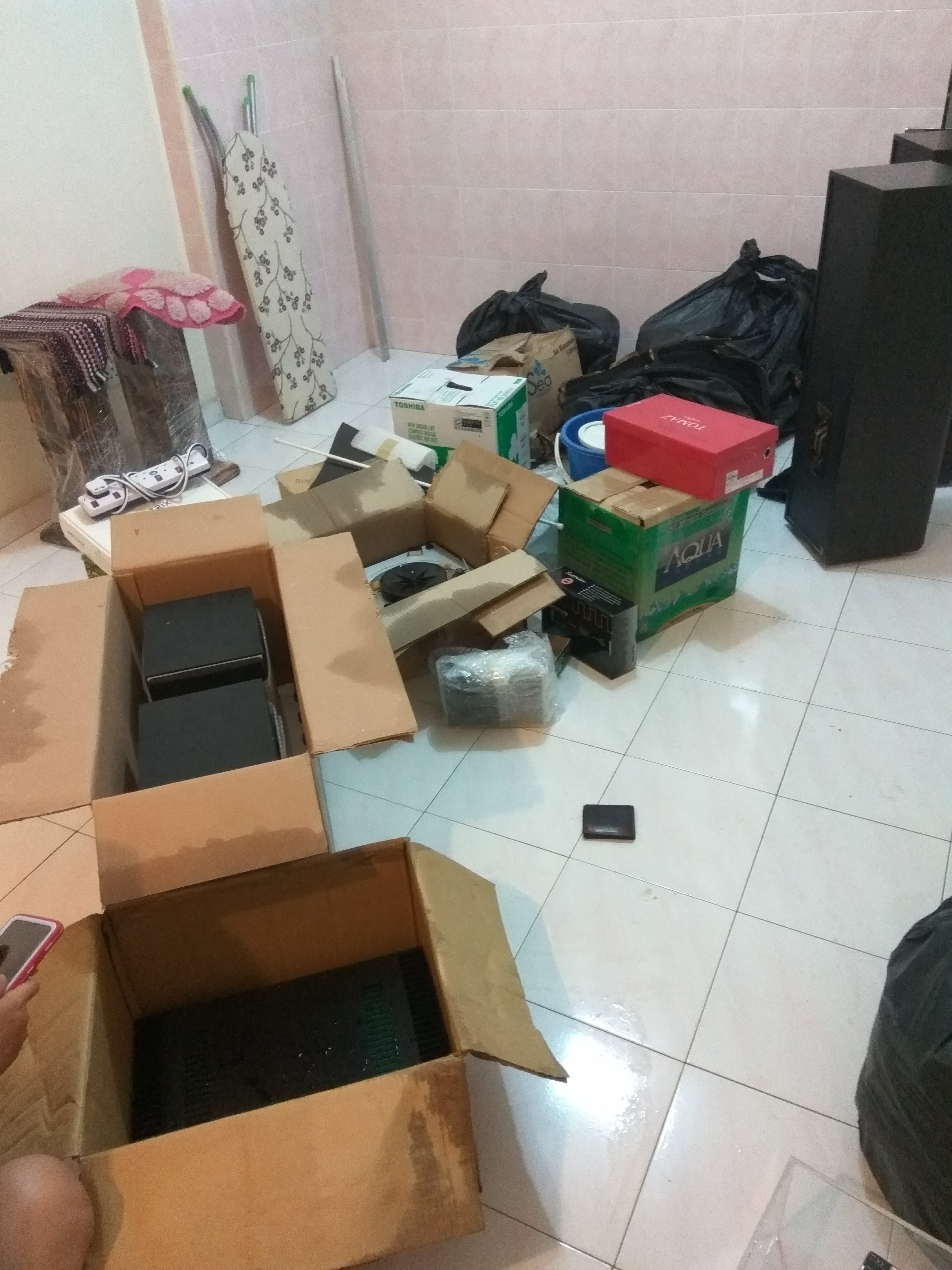
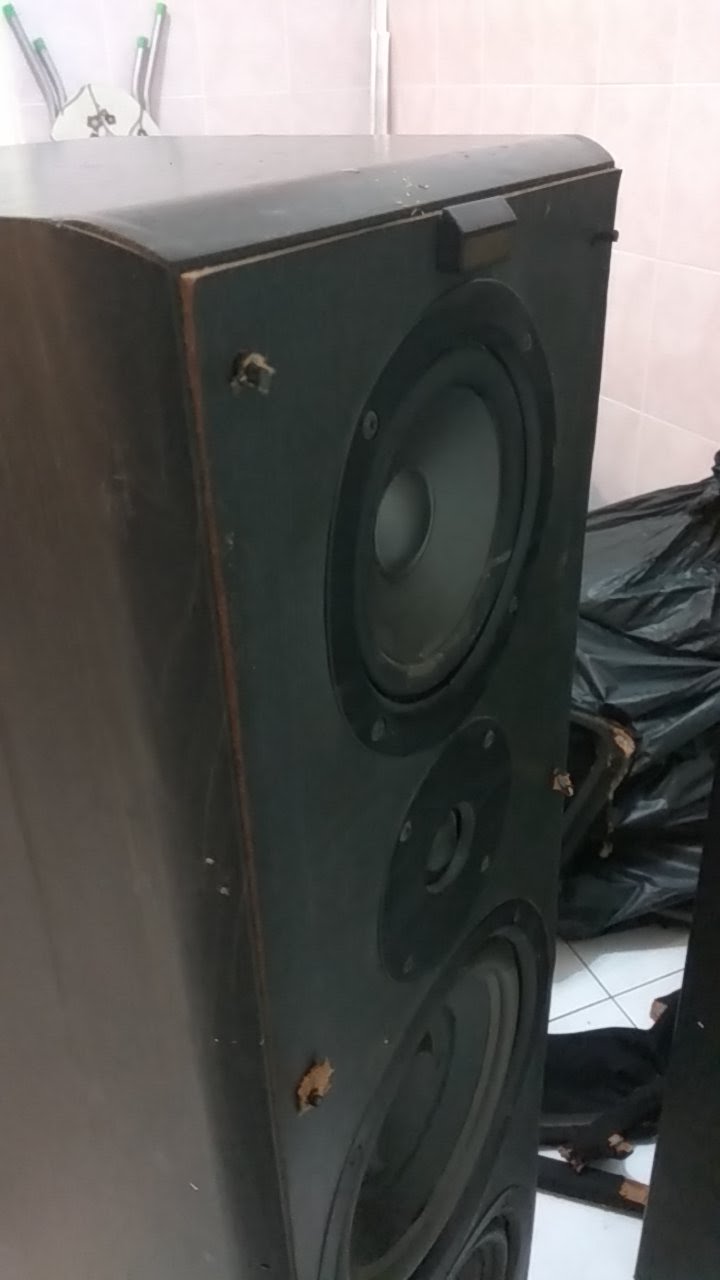
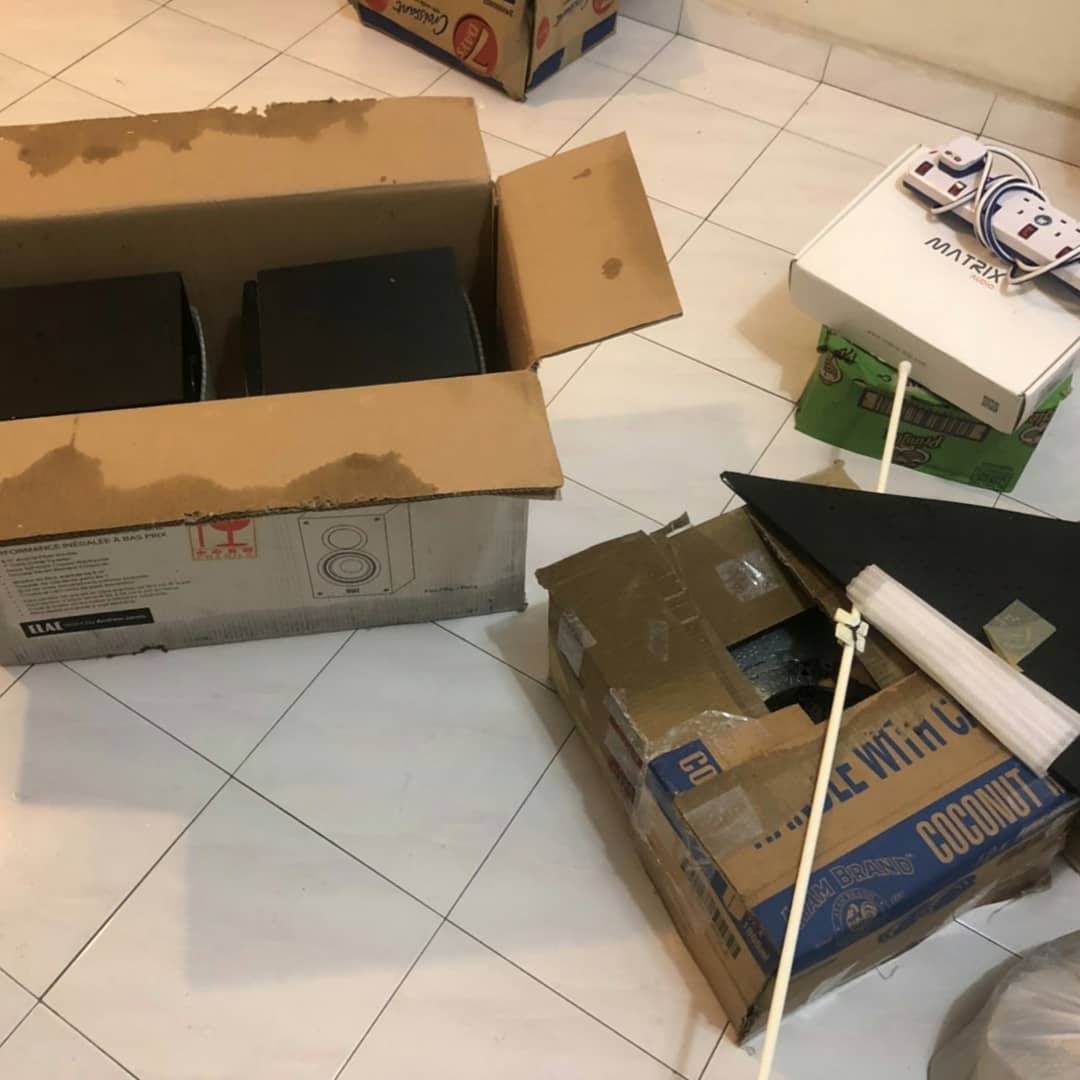
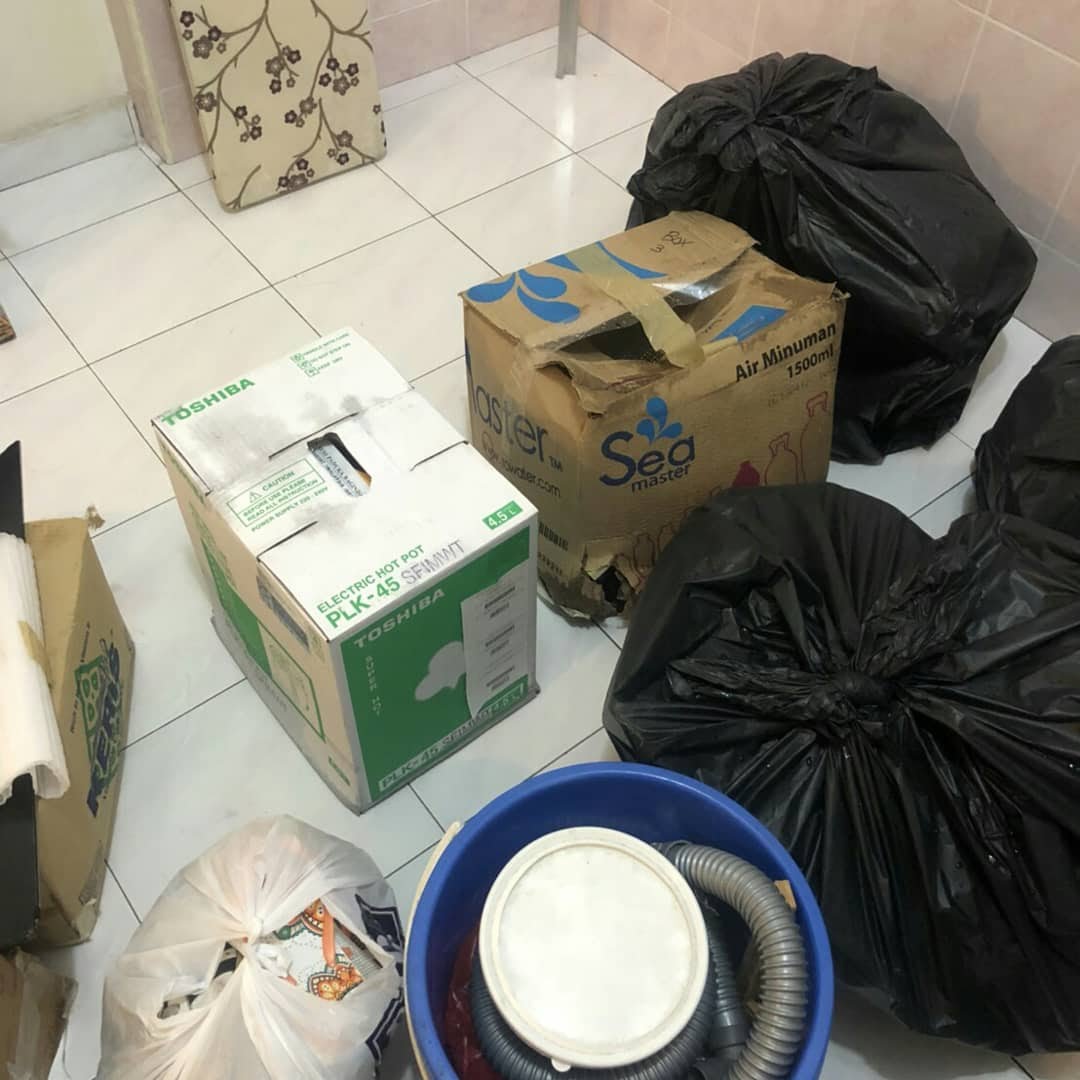
 1 point0 pointsMoved to a new house yesterday. Rented a pickup truck since my stuff isn't a lot to justify a moving lorry service. I got some glass paneled TV rack so instead of covering the stuff with the tarp we used it to wrap the glass panels. Fucking bad decision. It rained like a motherfucker for around 10 minutes and although we managed to cover them with blankets and towels they were already wet. The blankets and towels helped a bit to channel and absorb the rain but, fuck man. What's done is done. Now laid out and leaving the electronics to dry. Speaker cabinets swelled. No fucking good at all. Most electronics were inside the passenger area, but the ones that were outside took some moisture. I'm just glad my Elac B5 has their original box, it kept them dry. Fucking, rain, man.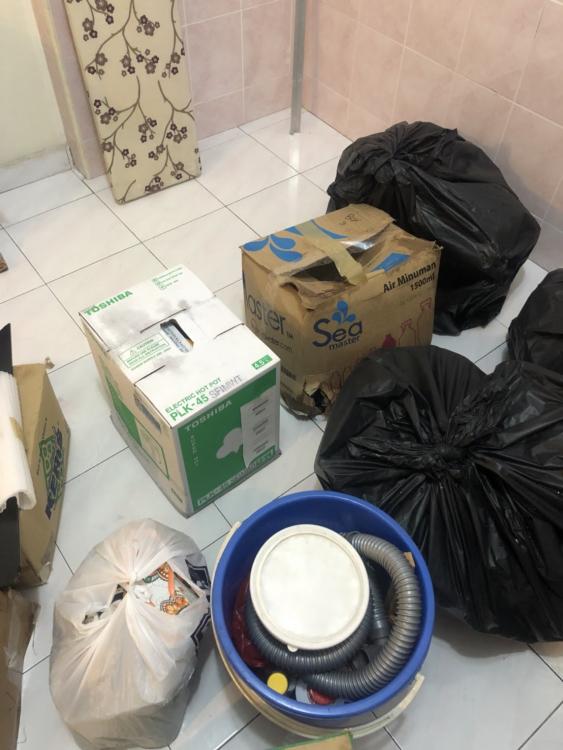
 0 points















Important Information
By using this site, you agree to our Terms of Use.