

Leaderboard




Popular Content
Showing content with the highest reputation on 04/07/19 in all areas
-
3 points
-
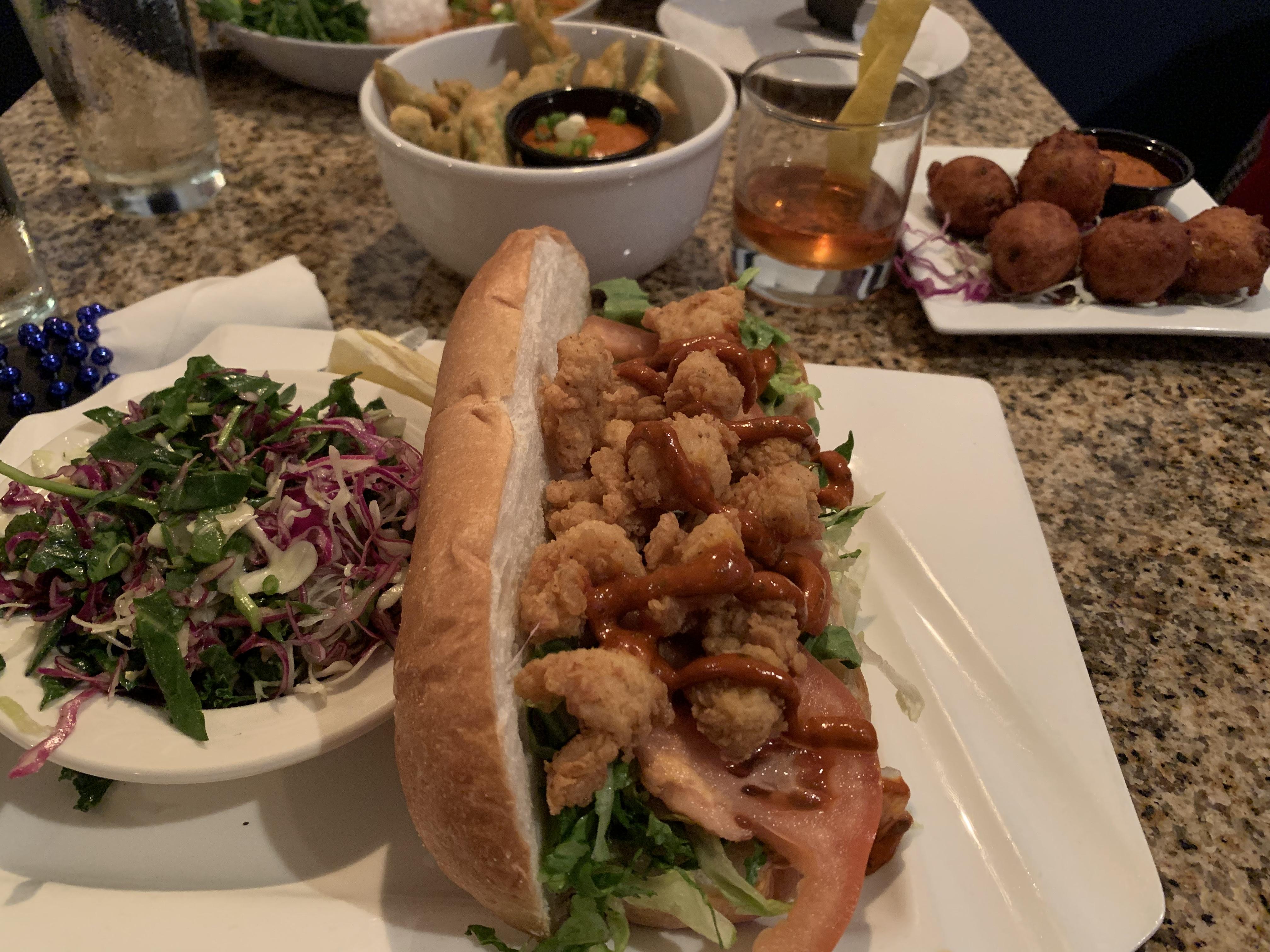
2 points2 pointsGator Po’boy, Fried Okra Spears and Crawfish hush puppies. Gator Po’boy, Fried Okra Spears and Crawfish hush puppies.
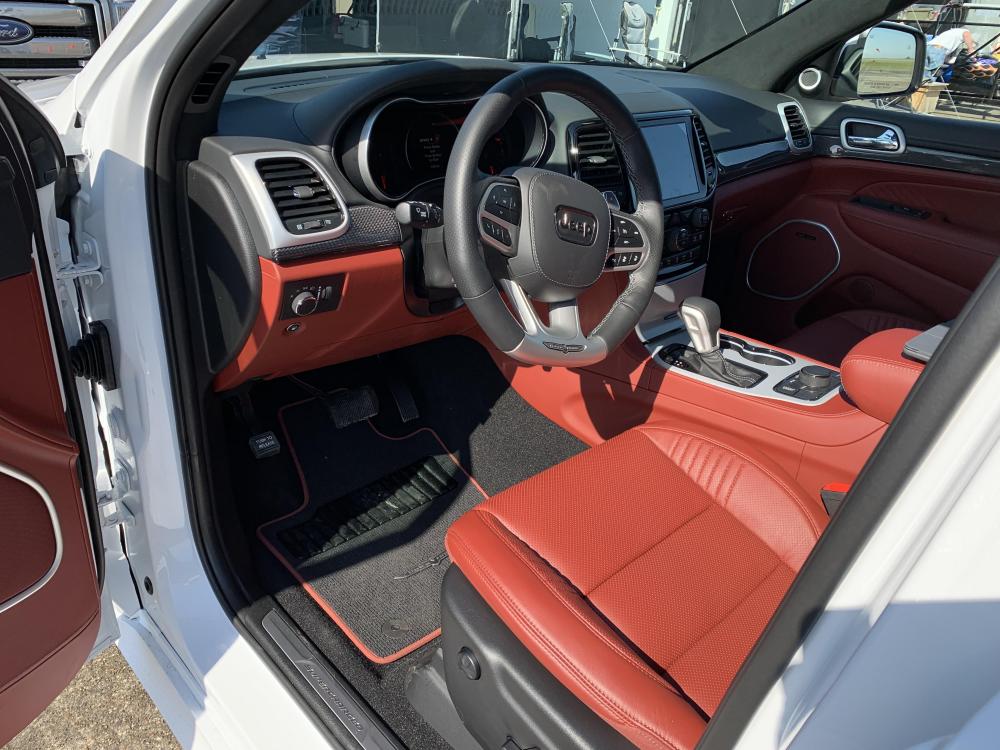
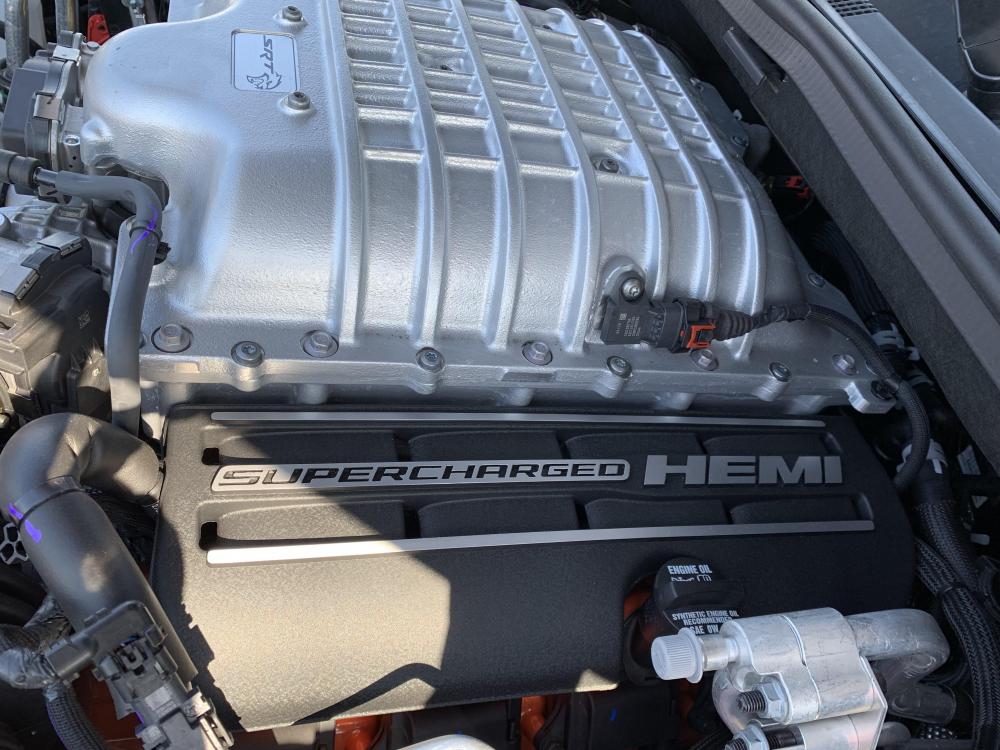
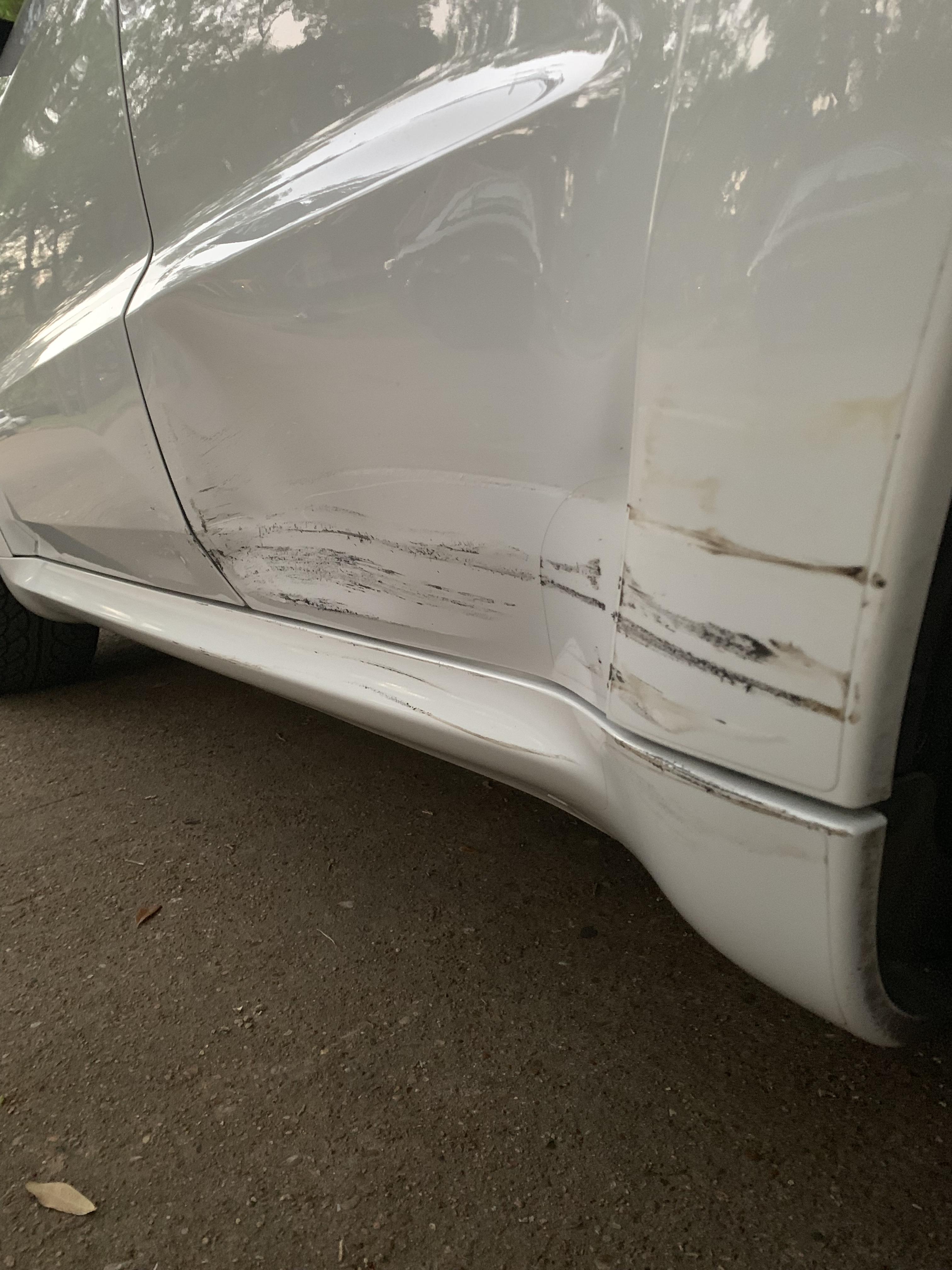
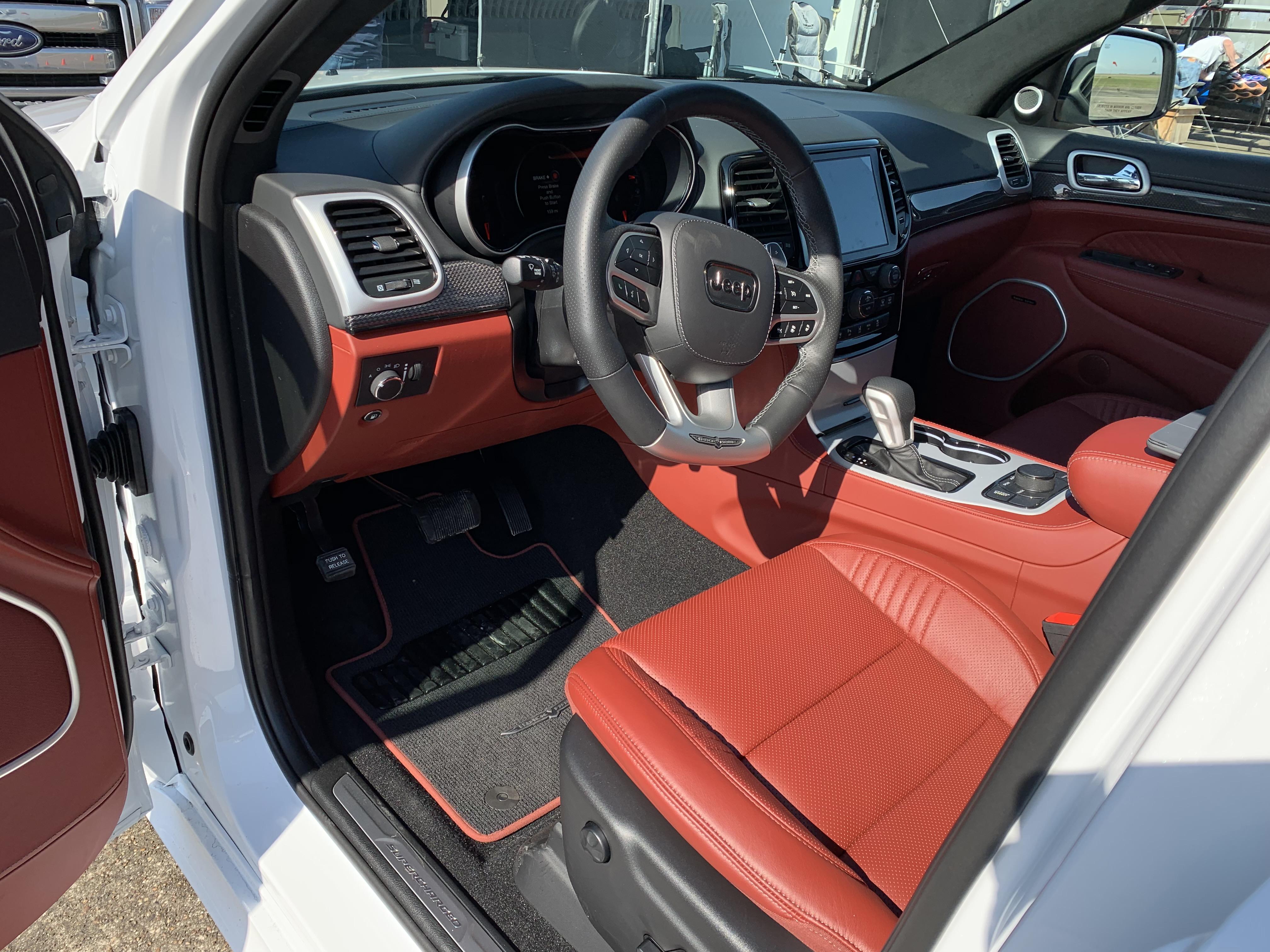
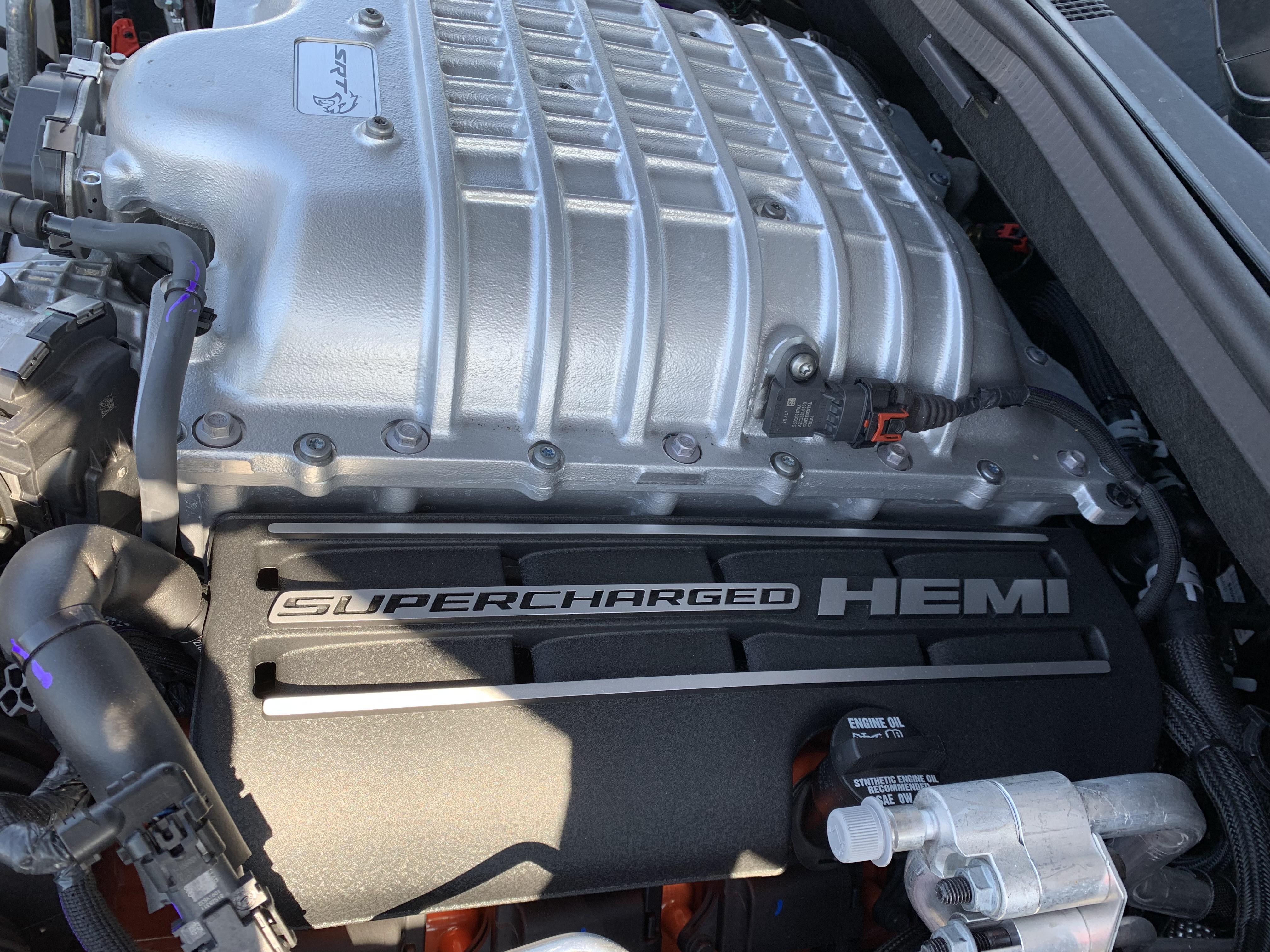
 2 points2 pointsThey are ok and pretty well built. You can easily use them with an adapter though the cable is pretty short as they foresaw some sort of portable usage I suppose. The bass is pretty limited due to the small drivers. If you are keen on one, I have mine for sale on my site with a Stax adapter... Shameless plug but my better half really wants me to have a "sane" number of headphones...what ever that is.2 points2 pointsWell, I've held off on posting this one. Thought the 300mph barrier deserved its own space. Also, I've been to busy and or lazy. Weekend is finally here and I'm kicking back in the backyard after way too much foot traffic through the house...LOL. My daily was my beloved 2015 Jeep Grand Cherokee SRT. Creampuff with only 26K miles (I work a couple of miles from the house). All wheel drive, 392 cubic inch motor that made short of 500hp at the flywheel (i.e. not the wheels...I'd guess 10-15% drivetrain loss due to torque converter, etc...), 8-speed transmission with paddle shifters, big Brembo brakes, a lot of suspension flexibility with a dial...and a hilarious but beloved launch control should one ever need one. The wifey borrowed it a few weeks go to pick up her dad from the hospital and take him home as her coupe sits quite low. She got struck by another driver on the way home (fortunately she was perfectly fine) and the damage while not huge was enough for me to call it a day after 4 years with the big girl. It was days before the Texas Mile and my tow vehicle was down... I did not make it to the Mile with my Demon. Don't get mad, get even. After scouring for a similar vehicle I concluded there are not many and certainly not in the shape I'd be happy with. So..... 2019 Jeep Grand Cherokee Trackhawk with the Hellcat motor and some nifty gadgetry was acquired. Traded in my 2015 at full trade-in value and handed over my insurance claim. The 2018's on the lots were discounted more, but I still managed to get a good bit of the 2019. Way to expensive a vehicle, but I have to admit I'm a sucker for the power, leather, and technology. vroom vroom... HS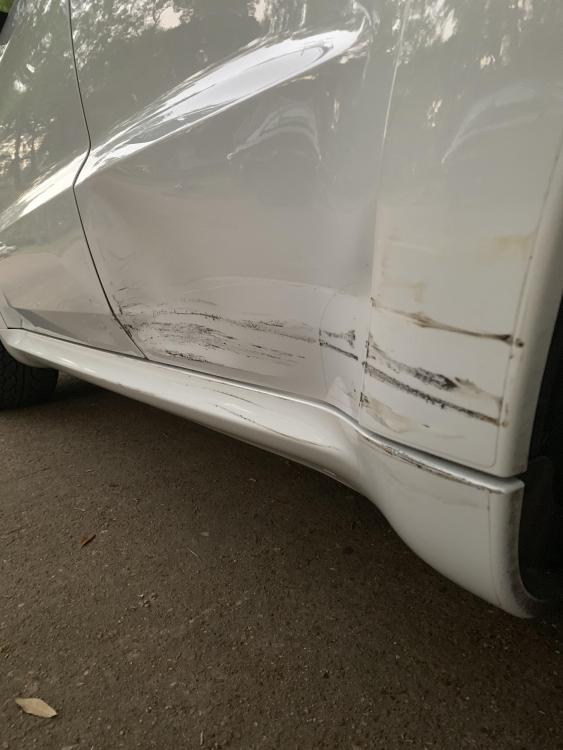


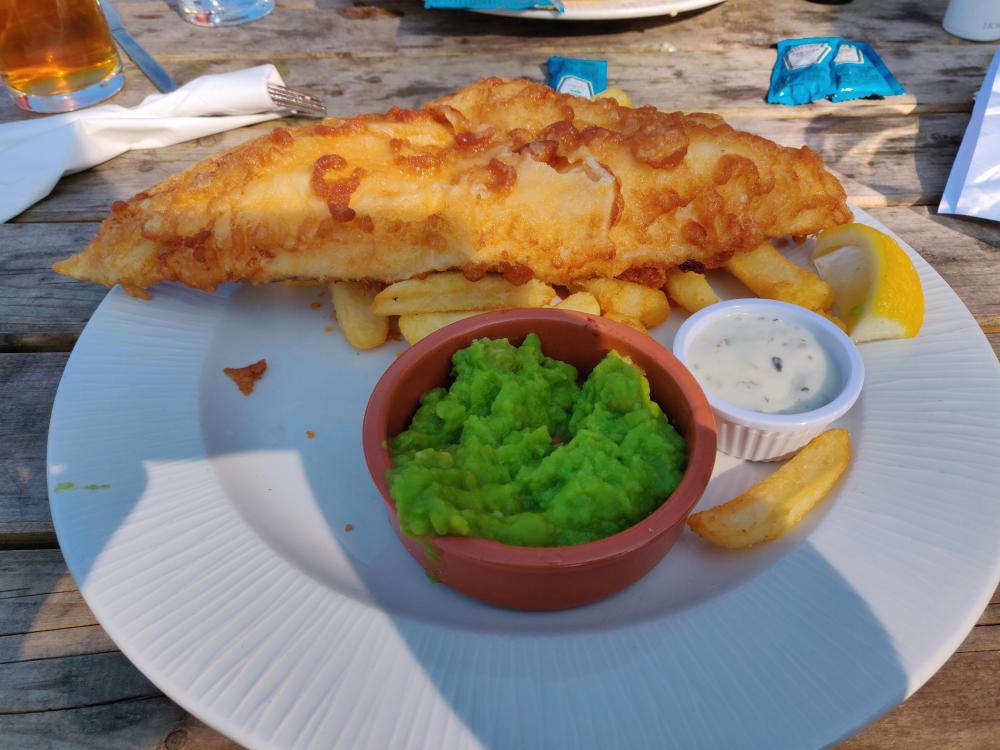
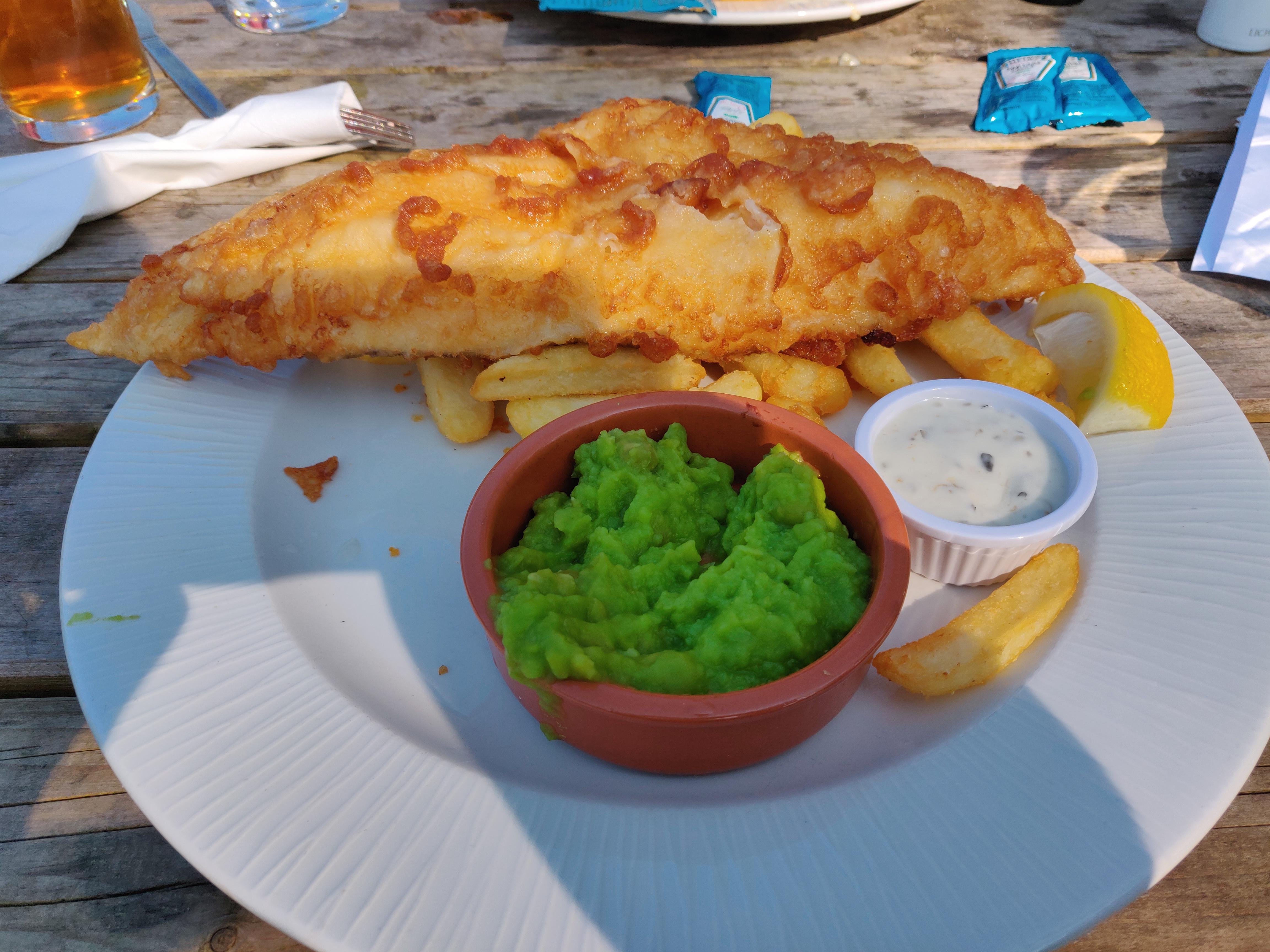
 2 points2 pointsVery cool Jose! Finished my latest composition. This time I wanted to use plenty of notes,.. and marimbas too! Memories of a care free day at Giffis Sculpture Park in upper state NY.2 points1 pointI simply suggested it for the build out tool...visuals given several varying options, Dave. HS1 point1 pointI agree. Looks great. Dave - if you want to play around a bit on a site, check out ABPconcept.paris. I was doing so yesterday and I found it an easy site to use and useful for some context / visuals. Best of luck. HS1 point1 point1 point1 pointI have a silver gray dial Longines that looks better on a dark gray strap than on a black one. Dark blue also combines pretty well, so take your poison. The tone in the pic looks like it'd be a good match to the OP dial. Good luck1 point1 pointHi Arnaud, Yes, the design does have some impact but is negligible compared to spatial tolerances in the FR due to the inherent, narrow dispersion patterns by Electrostatic transmission. The RR1 initially wasn't an Electrostatic, I was developing a new transmission type which was an Electrodynamic derivative with a key component eliminated to reduce mass but because of budget/technical constraints, I had to stop the R&D. The system was designed to be angled. Hence, we took the same chassis and engineered an Electrostatic system around it. As you might know, Electrostatic drivers are useless at an angle. Yes, my design is indeed ported but not for Acoustic reasons. The port is a pressure/humidity relief port. My drivers don't use a traditional dust cover system like others and hence have a different reaction to turbulent patterns which make the diaphragms sensitive to collision to the Stator only if there's a sudden pressure change when the system is operating at an high SPL or if the system isn't coupled to the head while it's is baised. The port reduced the effect to a certain level but is still a characteristic of my system, no big deal to be honest but is a place where I think I can definitely improve upon. The port also helped to reduce moisture build up which was a very critical issue I was facing in the R&D - voltage breakdown. I'm in Mumbai so this triggered it more than it would elsewhere. We also experimented with Hydrophobic coatings but had no success. Without the port, the bass extension was among the flattest I've measured on an Electrostatic but, to address the stability issues, I had to port for all the above reasons. Hope this answers your questions, don't worry about me not sharing something. I could care less about keeping trade secrets. No progress can be made without sharing your findings. I've read your posts over the years and I really appreciate your service to the community. Same can be said about Wachara, Birgir etc.....1 point1 point1 point1 point1 pointPub Fish & Chips (Joanne for scale) Then later after a nice country walk
 1 point1 pointHI Jose, Majority of sales will be through my website (direct). Distribution will be hard to achieve but of course, if I can strike an acceptable deal with distributors then we will definitely build a network. Wachara, my film isn't different from regular PET. We just make it ourselves which I find a little cool! Kinda like how Grand Seiko grows their own Quartz crystals. The RR 1 Conquest is almost 98% made in-house. The only part we don't make ourselves is the Earpad, I spent a year trying to make one that looked production quality but did not succeed. I finally had to go to China for it. Our Earpads are made at the same factory where many big name Manufacturers get theirs made as well. RR 1 Earpads are bespoke, not off the shelf.1 point1 pointHi Jpleg, I don't think that should be a concern. I don't see myself jacking up the price. Let me give you a quick background about me and my Company. My company is "Kaldas Research"- as the name suggests, we are a Research company. Our main Business is contract R&D and Manufacturing. "Kaldas" is named after my Grandfather Mr. Gokaldas Chandan who was a big inspiration for me as he started with absolutely nothing. Making my own Headphone was a very old dream. I started as an enthusiast with my HD650 around 8 years ago, what rekindled my dream was when I visited Beyerdynamic in Heilbronn back in 2015. The factory and family owned spirit of Beyerdynamic was a big moment for me to consider making my own Headphone. I have been lucky enough to visit G.R.A.S. in Denmark as well as Klippel GmbH, all of them had an impact on me in one way or another. As to your concern, why am I selling at $500? Is the Headphone cheaply made? Does it sound like Garbage? For me, it's simple. I am personally sick and tired of the over-inflation in prices of recent Headphones. Most people are trying to get into the Headphone industry to make money. I am not. I think there are better ways to make money than to get into an overly crowded industry. At the end of the day, I'm just a kid with a passion. The skepticism people have is beyond my control. Regards,Aumkar1 point1 pointI agree but the system is fairly safe due to the orientation of the male and female. There's no real way to get shocked even if a certain Aftermarket cable builder screws up Bias with + or -. Let's say they manage the impossible and intentionally try to get shocked. Due to the inherent lack of current and thanks to our reflex action, you might get a cute shock which will only affect someone emotionally for their poor skill of Electronics handling. Thank you for your kind words. I am trying my best to get a unit out to Spritzer as soon as I can for the Stax community. I understand that there's a lot of crap coming out nowadays and it's hard to build trust. I am an enthusiast as well. My personal collection includes an original SR-1, Sigmas and many other vintages.1 pointBecause although Rees-Mogg is the chair of this shadowy body, he is a strongly and fundamentally religious (Catholic), to the extent he has burdened his children with multiple religious names. I don't know anyone else that has done that - my wife is a practicing Catholic and she has zero time for a zealot like Rees-Mogg. This is what he sounds like Incidentally, although it is called the European Research Group, its aim is not Research - it is a one-policy group aimed at leaving the European Union with no deal. The use of the name Research qualifies them for grant payments. The whole of British Government is beset with stuff like that. How about the Star Chamber? Medieval set up, abolished in 1641, but revived in a watered down version during Thatcher's premiership https://en.wikipedia.org/wiki/Star_Chamber . Or the Parliamentary Archives, which are the records of mainly the House of Lords back to 1497 (The Commons records were burnt in a fire). 3 million hand written records on vellum, early ones on scrolls, on 5.5 miles of shelving. That corresponds to 16 records a day, 7 days a week for 500 years. And that is just the Lords!0 points
















Important Information
By using this site, you agree to our Terms of Use.