

Leaderboard
-
Grahame
High Rollers14Points16860Posts -
morphsci
High Rollers10Points13355Posts -
Augsburger
High Rollers5Points13165Posts -
jose
Returning Member5Points1936Posts




Popular Content
Showing content with the highest reputation on 08/01/22 in Posts
-
5 points
-
5 pointsWent to the Pacific Coast Air Museum with the Brits. Felt the need for speed. But I ain't no fortunate son. Heard some interesting tales from the docent present about how they acquired the various airframes, which are a fairly representative sample of American fighters in the Jet Age. The one with the most interesting story is AF77-102 The "First Responder" lead F-15 to arrive over NYC on 9/11. Interesting history.


 5 points
 -
3 points
-
3 pointsVisited Killington Vt and their tribute to the Beatles (or Charles Manson)
 3 points
 -
2 points
-
Exiles Max Richter, Baltic Sea Philharmonic, Kristjan Järvi 2021 https://album.link/i/1571131917 Example: If you like the style, you like the style, I like the style.2 points
-
2 pointsRIP Bill Russell. One of the great American sportsmen of the 20th century. A true champion and a gentleman who brought respect and dignity to his sport. He had been declining physically for a long time but it is sad to see him go. Also sorry for your loss, Jim. A lovely dog indeed.2 points
-
My love she's like some raven At my window with a broken wing...2 points
-
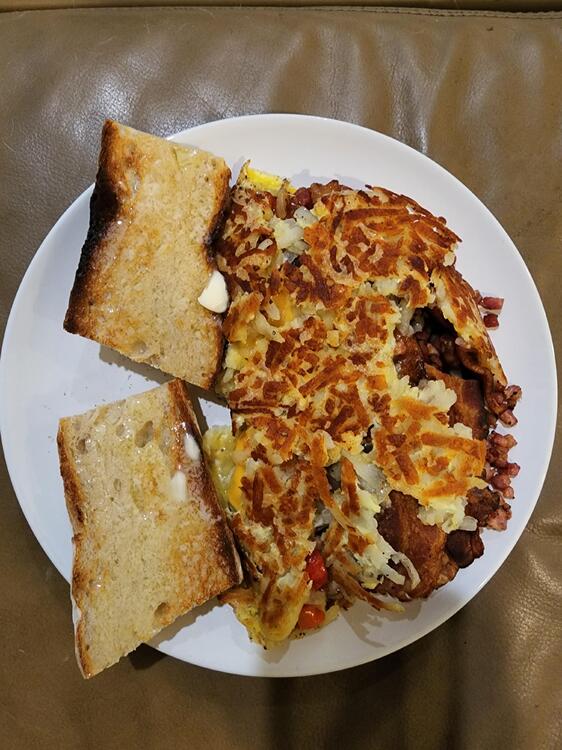
2 pointsOh dear God! If I owned a Blackstone grill, I'd cook this for the entire neighborhood! Damn this is good!
 2 points
 -
1 pointSometimes I think I'm the only one who understands what "retirement" means. Or maybe I'm just fucking lazy.1 point
-
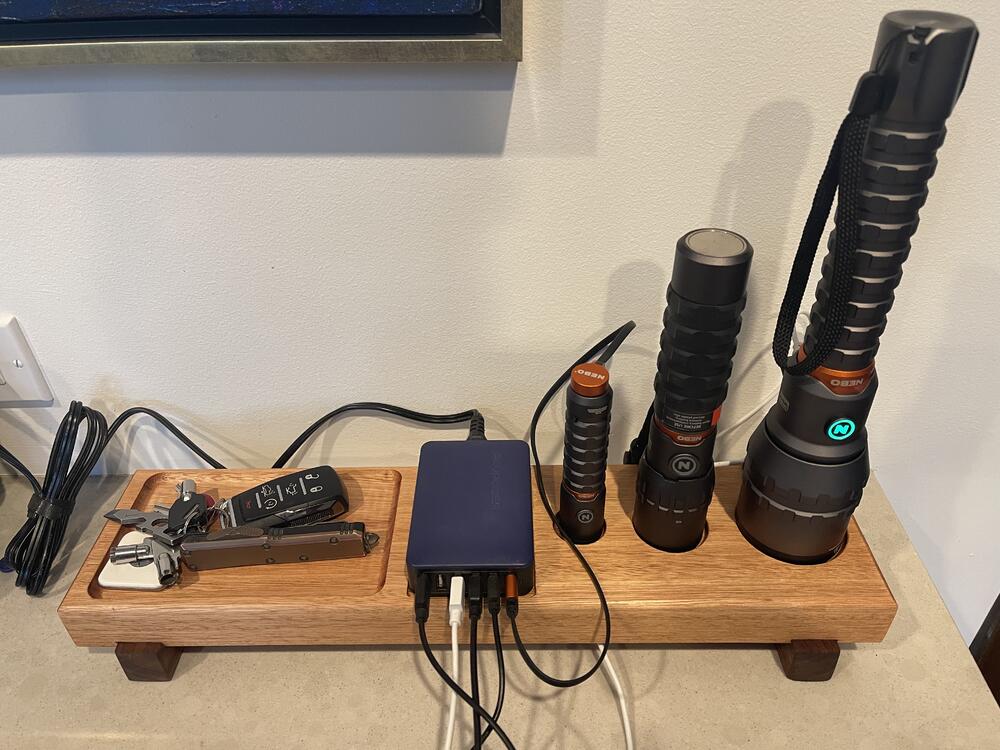
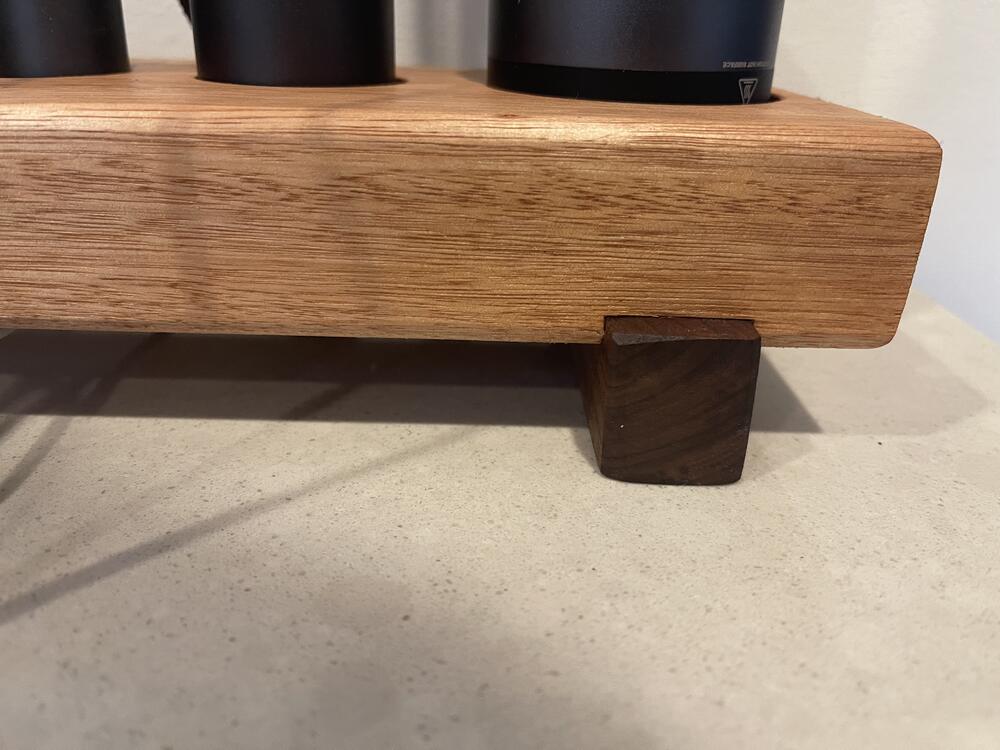
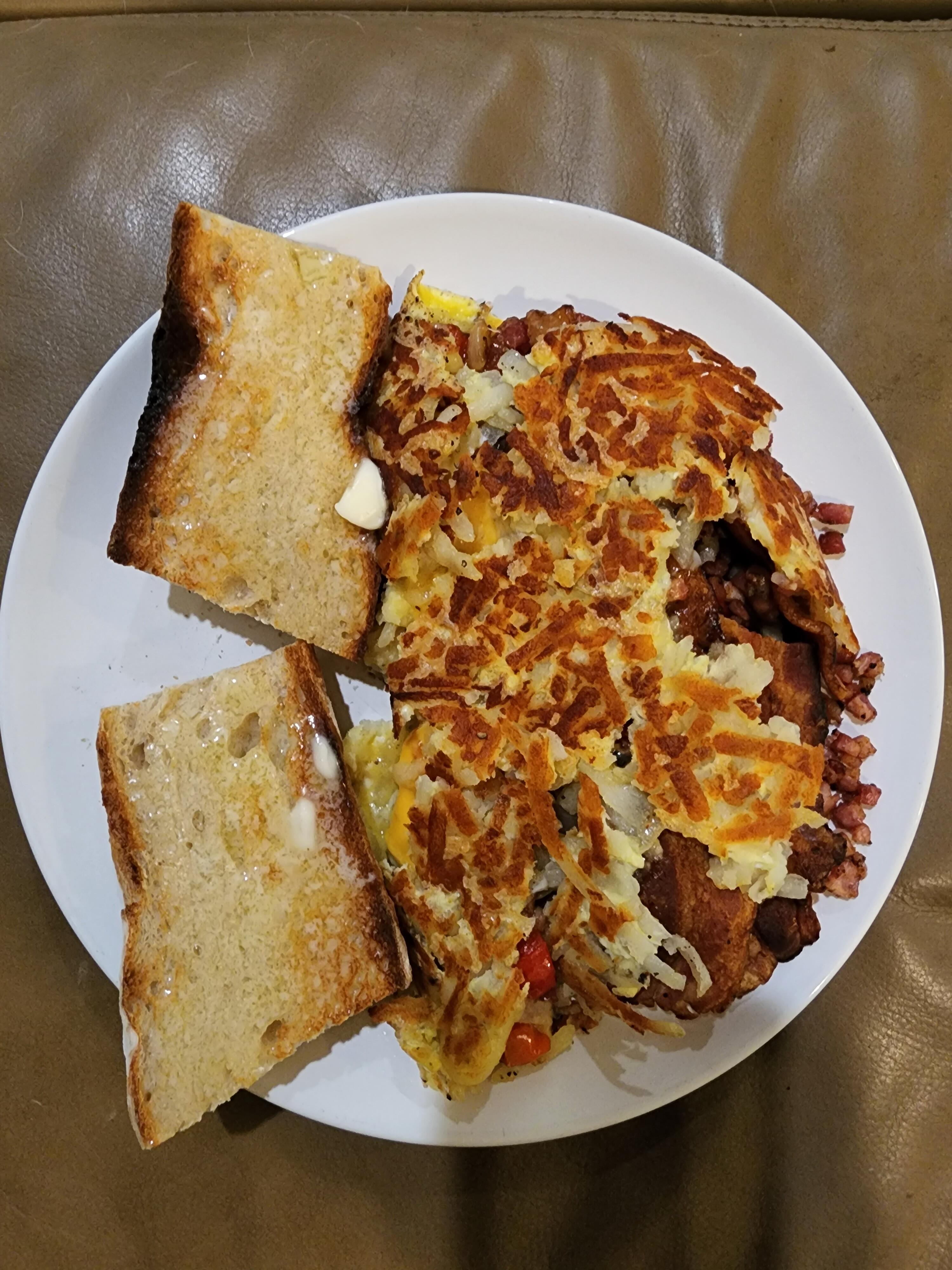
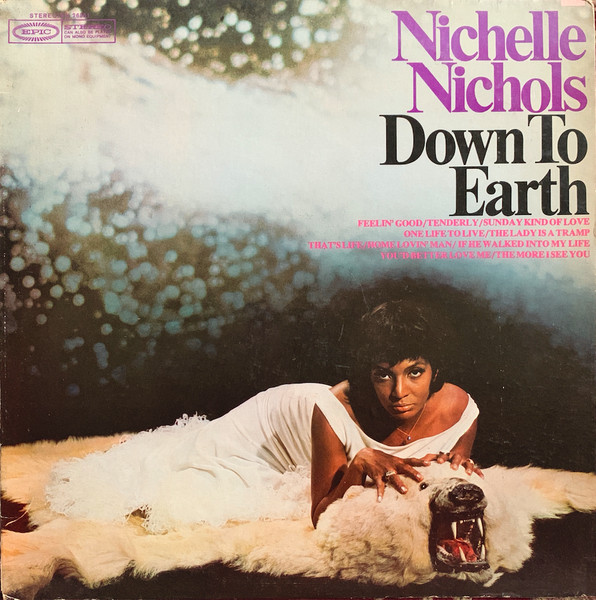
1 point1 pointYes, except for the new look, I don't see anything revolutionary with Win11. In any case, a loss of performance until the patches have been arriving over the months. These are precisely things that I have improved until I was forced to migrate to the 30 series in April due to HP Reverb. Thanks to the collapse of mining, I pay a price close to the recommended. About the new GPUs generation (I use Nvidia but I´m not a fanboy) I am quite skeptical. Nvidia has a "questionable" way of doing business (not mention mining, and how prices have been artificially inflated). My perception is that prices will not drop to pre-pandemic levels (CPUs, GPUs or SSD). The industry has seen that they can increase prices and continue to sell (including AMD) So the only alternative when the time comes will be OM computers.1 point1 pointNot a big enough jump going from Coffee Lake to Alder Lake, in my opinion. I've been looking at new computers and one of the things to mention is that the Intel processors are some of the hottest and most power-hungry they've ever been on this newer process, Intel 7 (10nm). The upcoming Raptor Lake processors will also be manufactured in Intel 7 and they are increasing the number of cores, so expect a bit more performance from that update. AMD's Ryzen 7000 series will be built on TSMC's 5nm process and they've increased the maximum power limit to 230W (15% performance increase estimated). In my opinion, the value proposition hasn't changed radically for most PC users, especially desktop users. You're more likely to notice an improvement from other factors, like a new monitor, better speakers, larger SSD drives, or 10 Gigabit Ethernet or Wi-Fi 6 in daily use. Yes, GPU and CPU power is important in gaming and some other applications, but they haven't pushed CPU and overall system performance as heavily because of the number of people using older hardware in the market and delays in software development. The last few years of supply chain shortages haven't helped things either. Prices are starting to drop, thankfully, but I think a lot of people are still waiting for really substantial changes to come down the pipe (like the new Nvidia GeForce 40-series and AMD Radeon RX 7000 series GPUs) rather than incremental changes like PCIe 5.0 or DDR5 that take several years to fully optimize. People are still waiting for Windows 11 to implement some basic features, too. I played around with a co-worker's Win11 system, but it didn't seem much better than Win10 to me. Here's a list of missing features: https://www.windowslatest.com/2022/04/03/should-you-upgrade-to-windows-11-heres-a-list-of-missing-features/1 point1 point1 point1 pointSo sorry Jim, RIP to a great pup.... And RIP to two what I consider legends in their fields! I had read that Nichelle spent a decent amount of time helping NASA get women & minorities interested in the Sciences.....1 point1 point1 pointGood girl Isabella. You can go play now. 😢 RIP to legends and trailblazers Bill Russell and Nichelle Nichols. George Tekai is going to be so sad.1 point1 point1 pointRIP Isabella. I'm sure that she thanks you for giving her a good life.1 point1 pointHashbrown omelet. In 2018 a coworker took me to Art's diner at 9th and Irving, in San Francisco. Art's was actually run by a lovely Asian couple. He made these thin, crispy hashbrown omelets, and they were fantastic! Sadly Al tells me that they didn't survive the pandemic, as so many restaurants. Yesterday while scrolling YouTube, I ran across this recipe for hashbrown omelets. I used a carbon steel pan, as I don't own a Brownstone grill. I chose sautéed onion & red bell pepper, bacon and pancetta, and stayed with American cheese. I'll report back after I dive into this, but judging by how it looks and smells, I think it's going to be a winner.1 point1 pointI obviously have too much free time and too little design imagination.

 1 point1 pointRIP Choco Taco(s) https://thetakeout.com/choco-taco-discontinued-1849327038 https://www.npr.org/2022/07/26/1113692240/choco-taco-discontinued-ice-cream https://www.washingtonpost.com/food/2022/07/26/choco-tacos-klondike-discontinued/ https://www.washingtonpost.com/food/2022/07/26/choco-taco-appreciation-nostalgia/ The Choco Taco saved me in my hour of need, when, while undergoing a grueling wait outside the temple of encased meats, the now defunct Hot Dougs, some kindly gents took pity on us, and provided sustenance for us, in the form of the aforementioned Choco Taco(s). They were well received. Choco Taco, We Salute You! You will be missed.


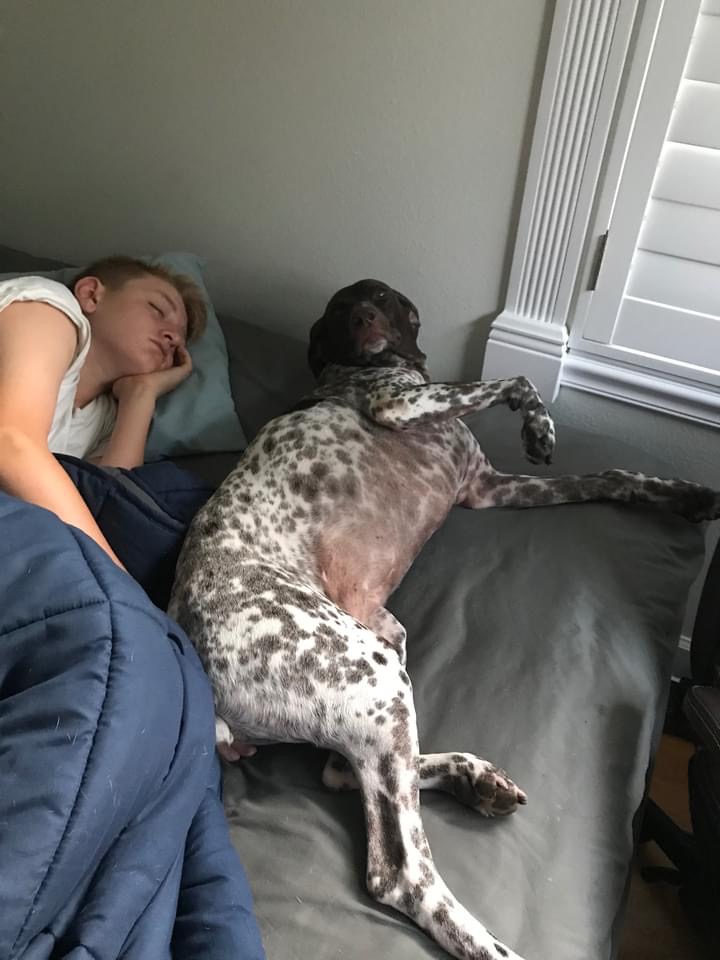
 1 point0 points0 points0 pointsWe had to let Isabella go yesterday. She was declining rapidly this last week so we took her to the vet to get a professional opinion on her condition. She had a good 12+ year run

 0 points0 pointsRIP Paul Sorvino, dead at 83 https://www.nytimes.com/2022/07/25/obituaries/paul-sorvino-dead.html0 points

























Important Information
By using this site, you agree to our Terms of Use.