All Activity
- Today
-
Ooh, haven't made jambalaya in quite some time. Thanks for the reminder,. I guess I have a Costco visit in my near future for shrimp, sausage and peppers.
-
Jordan Jensen’s 2025 Netflix comedy special Take Me With You. Probably the best set I’ve seen in a while. [NSFW]
-

Is mesh wifi still the best home network type?
Grahame replied to Voltron's topic in GoRedwings19's Computer Help Hotline
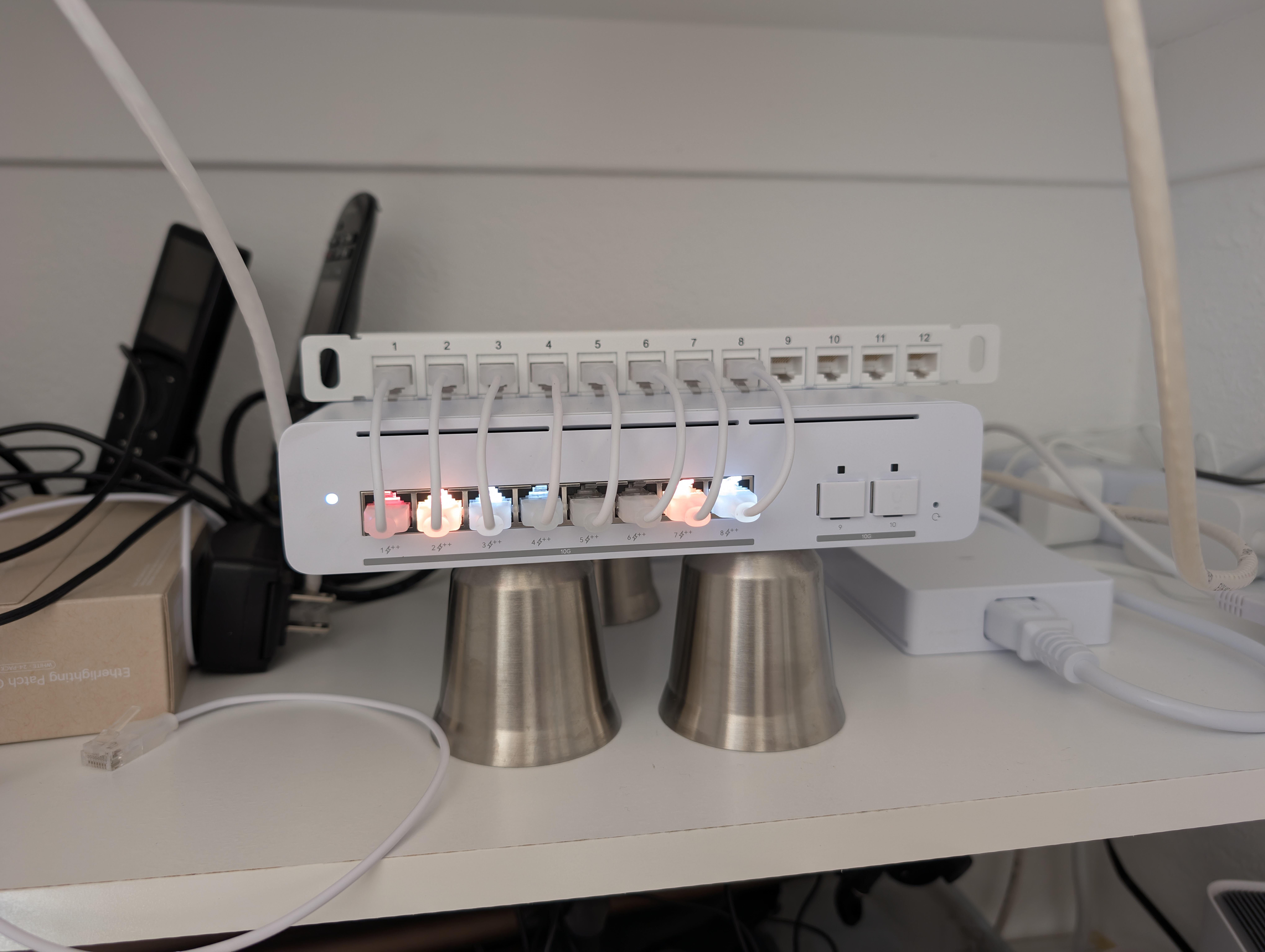
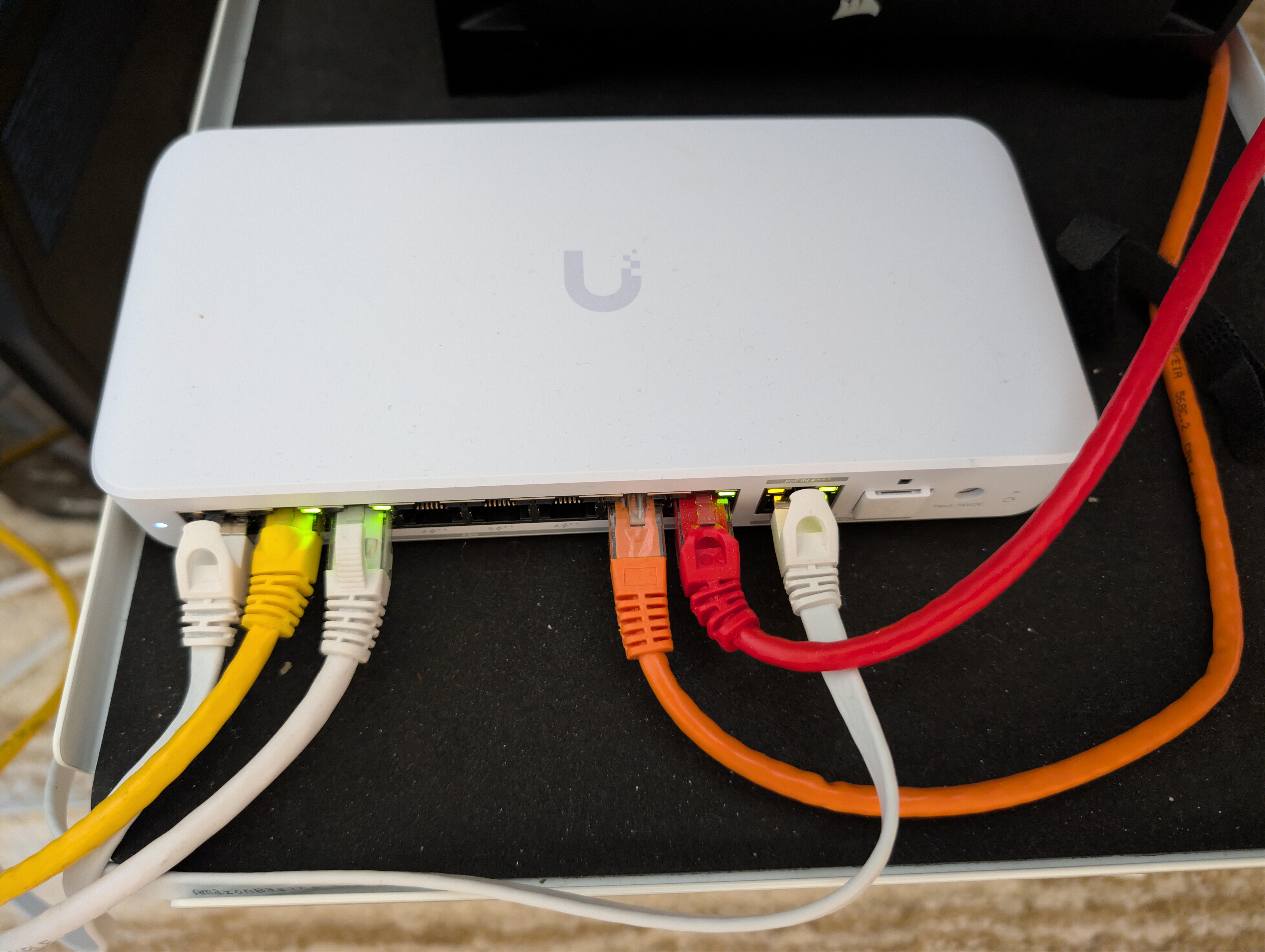
+1 for Unifi Cool RGB / Blinkenlights Power over ethernet (PoE) means you run single wire installs to both network and power your equipment. and daisy chain them to where you need them. Plenty of info / tutorials on YT. Your use case? Router (that supports PoE) where the internet comes comes into the property connected to a UPS, That enables the first building, Ethernet to the other two buildings then add switches and Wireless access points as required. simples.
-
Bœuf Talk (sorry vegans): Fore Part Deux: Hind UK Edit: oops, not a TV show, don't feel like moving it. 😎
-
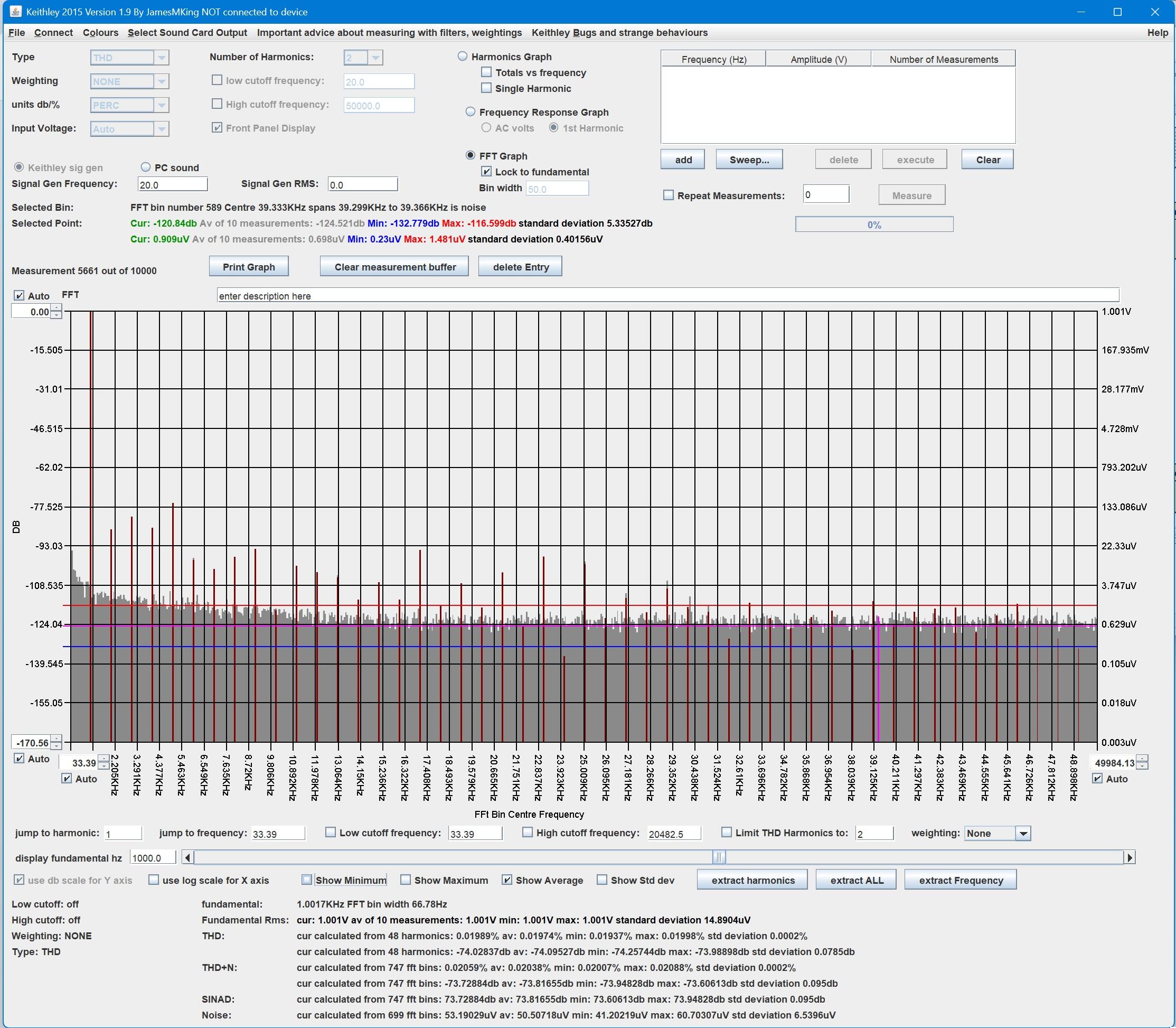
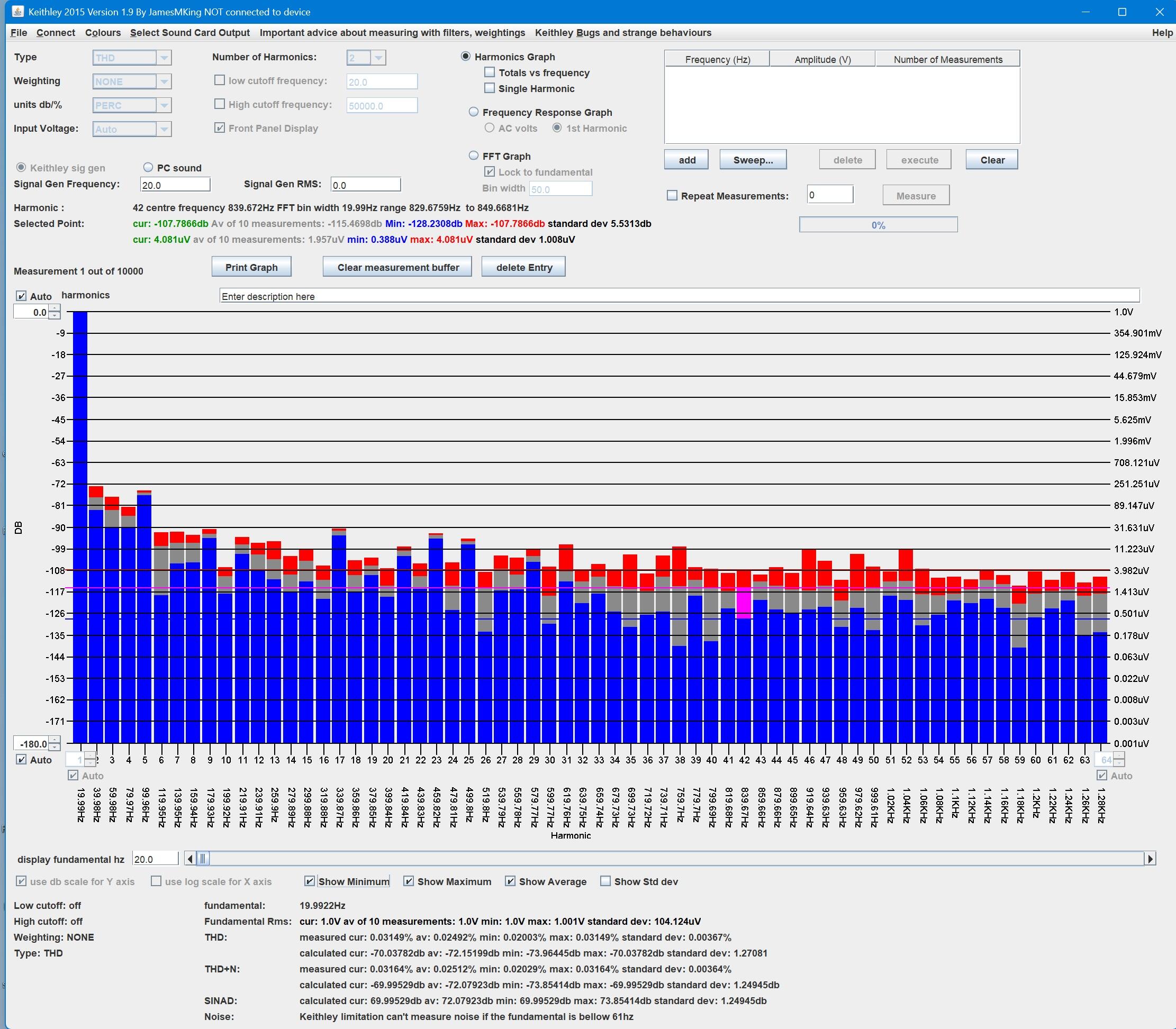
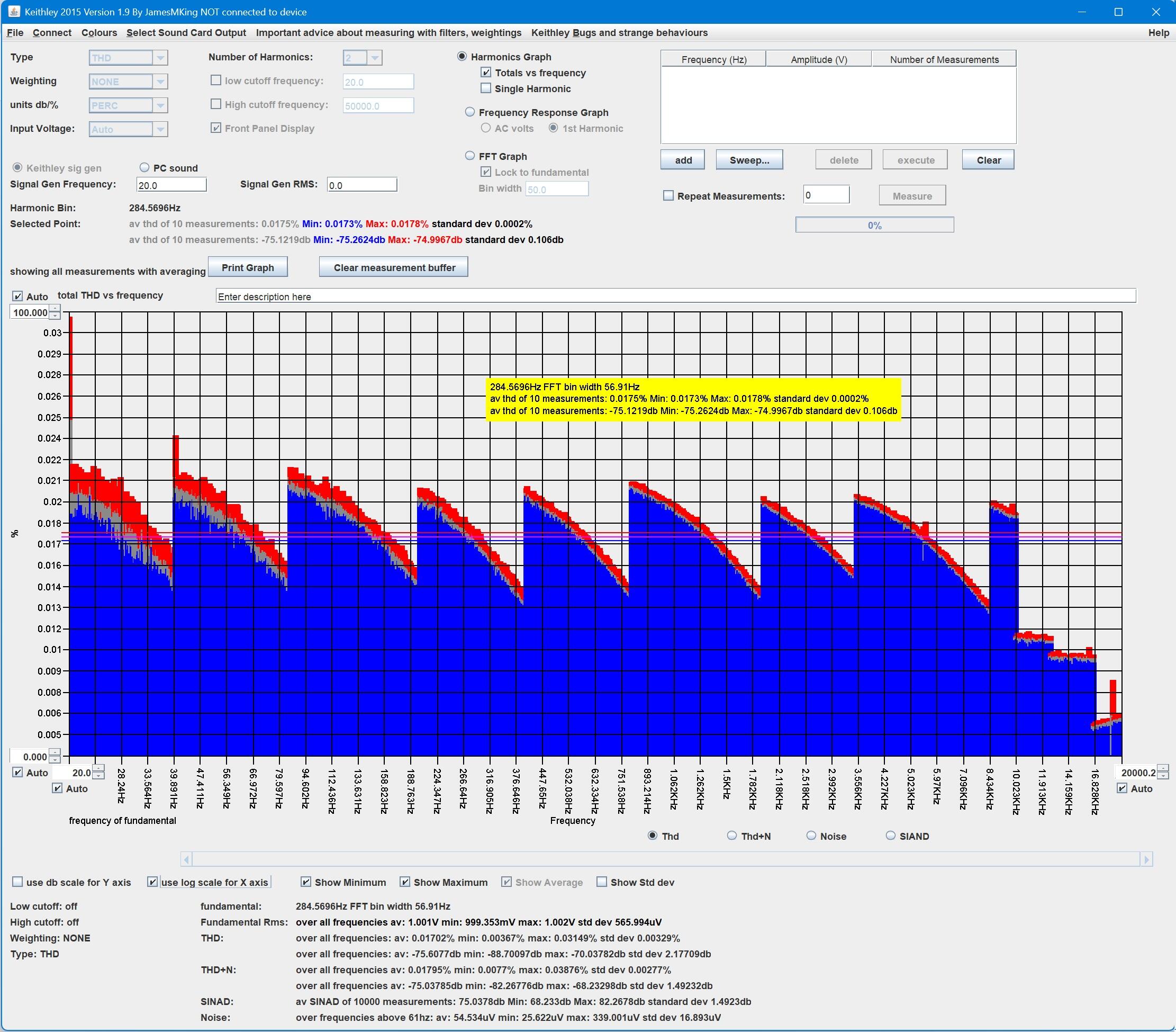
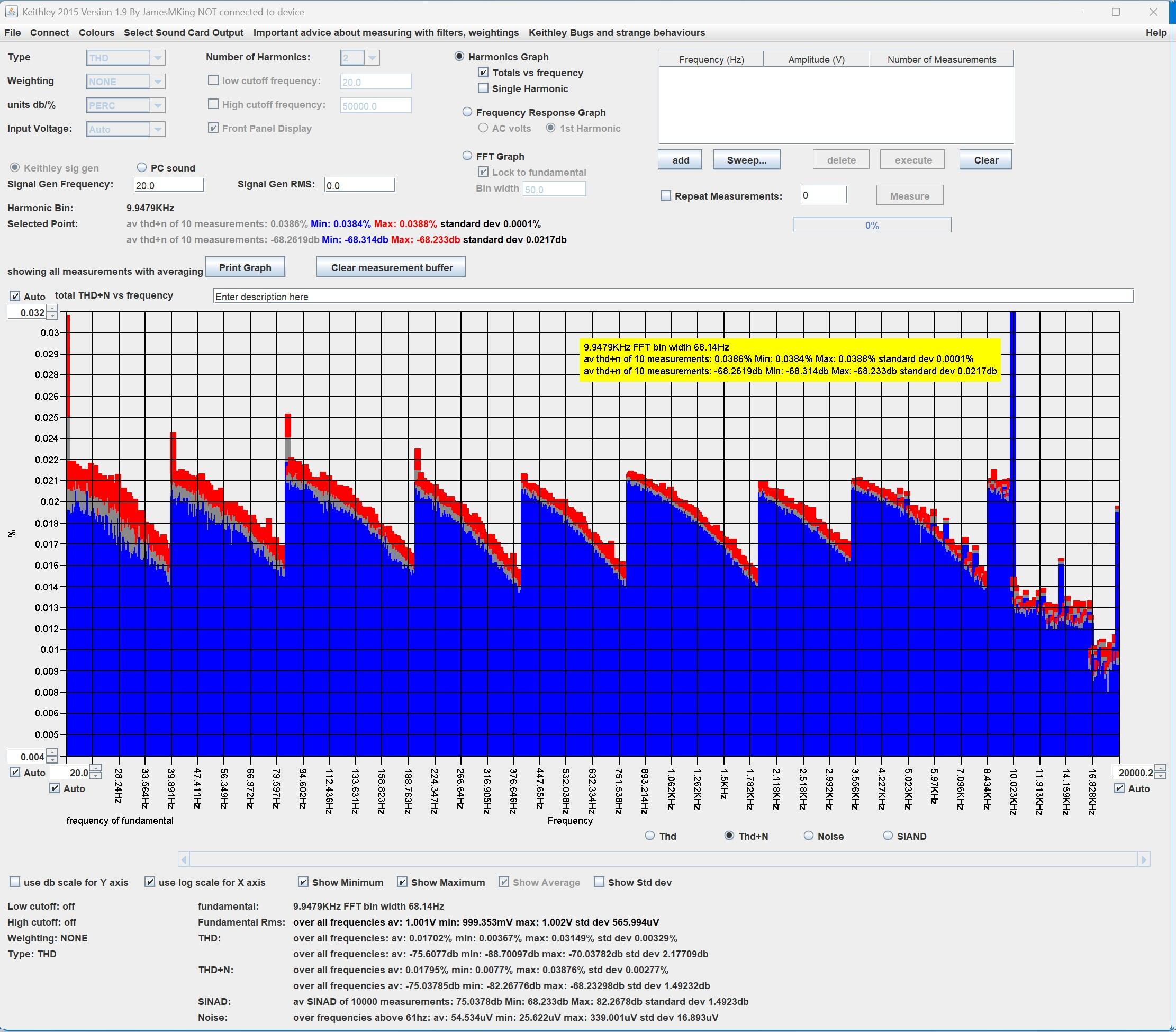
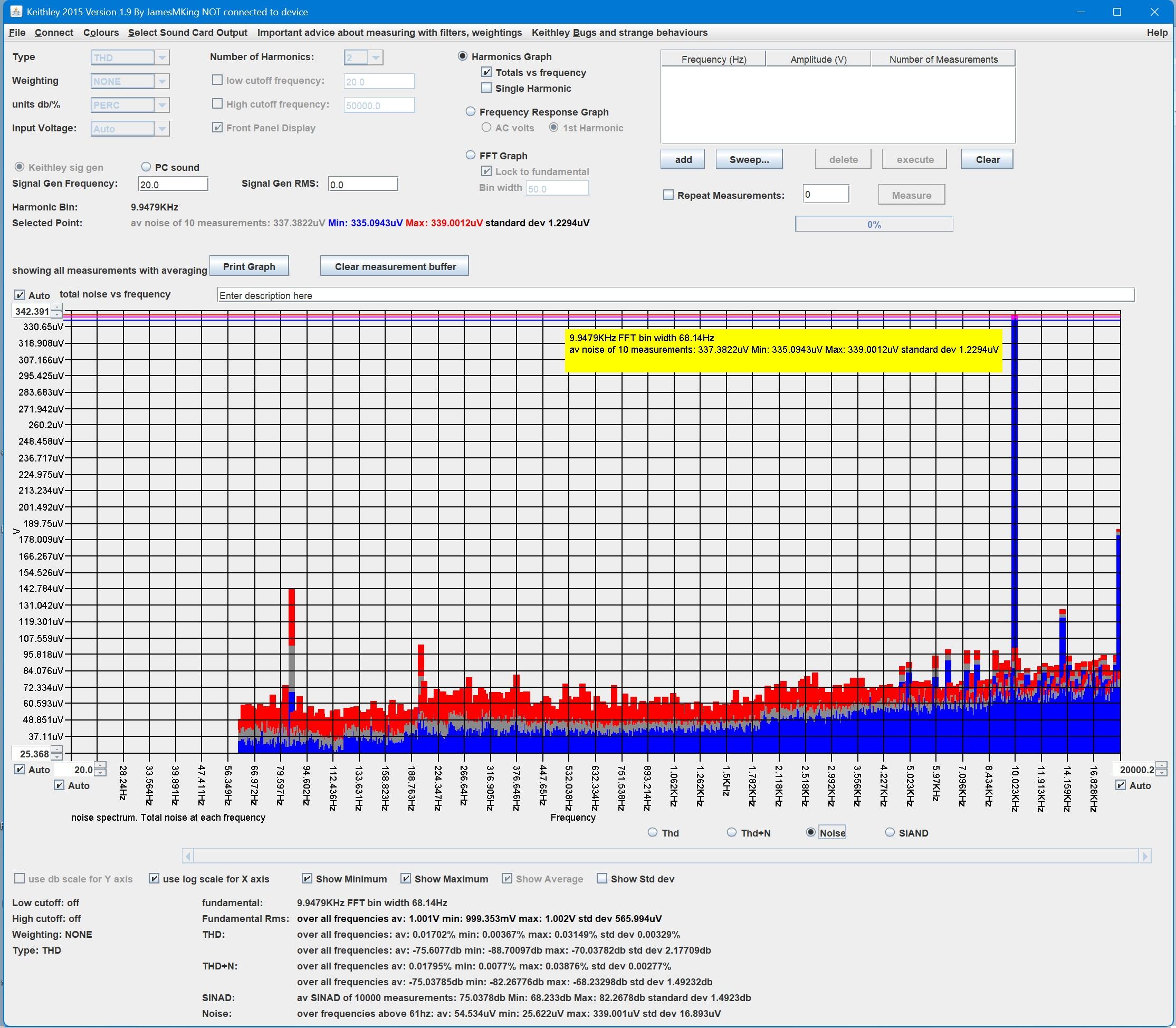
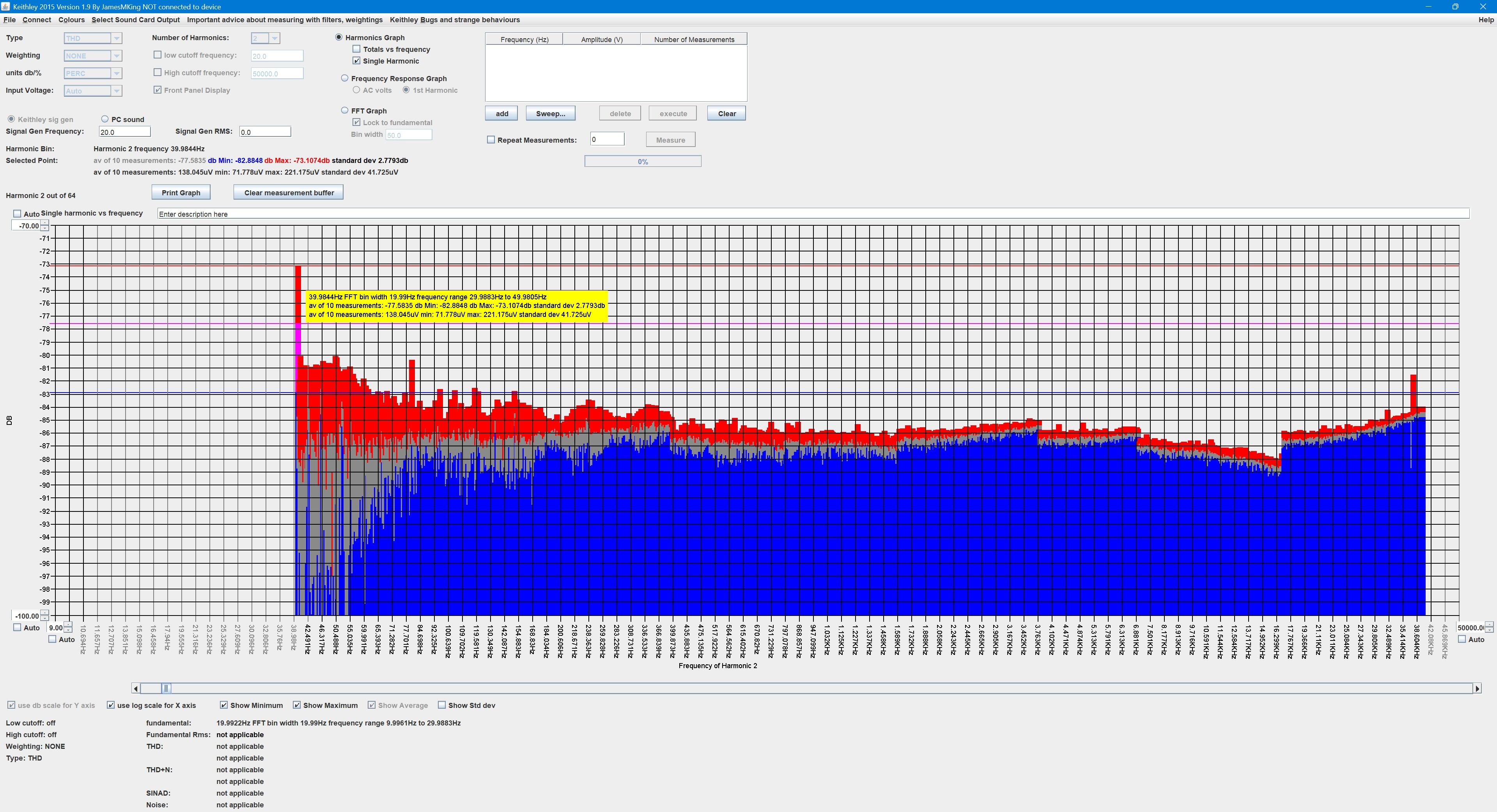
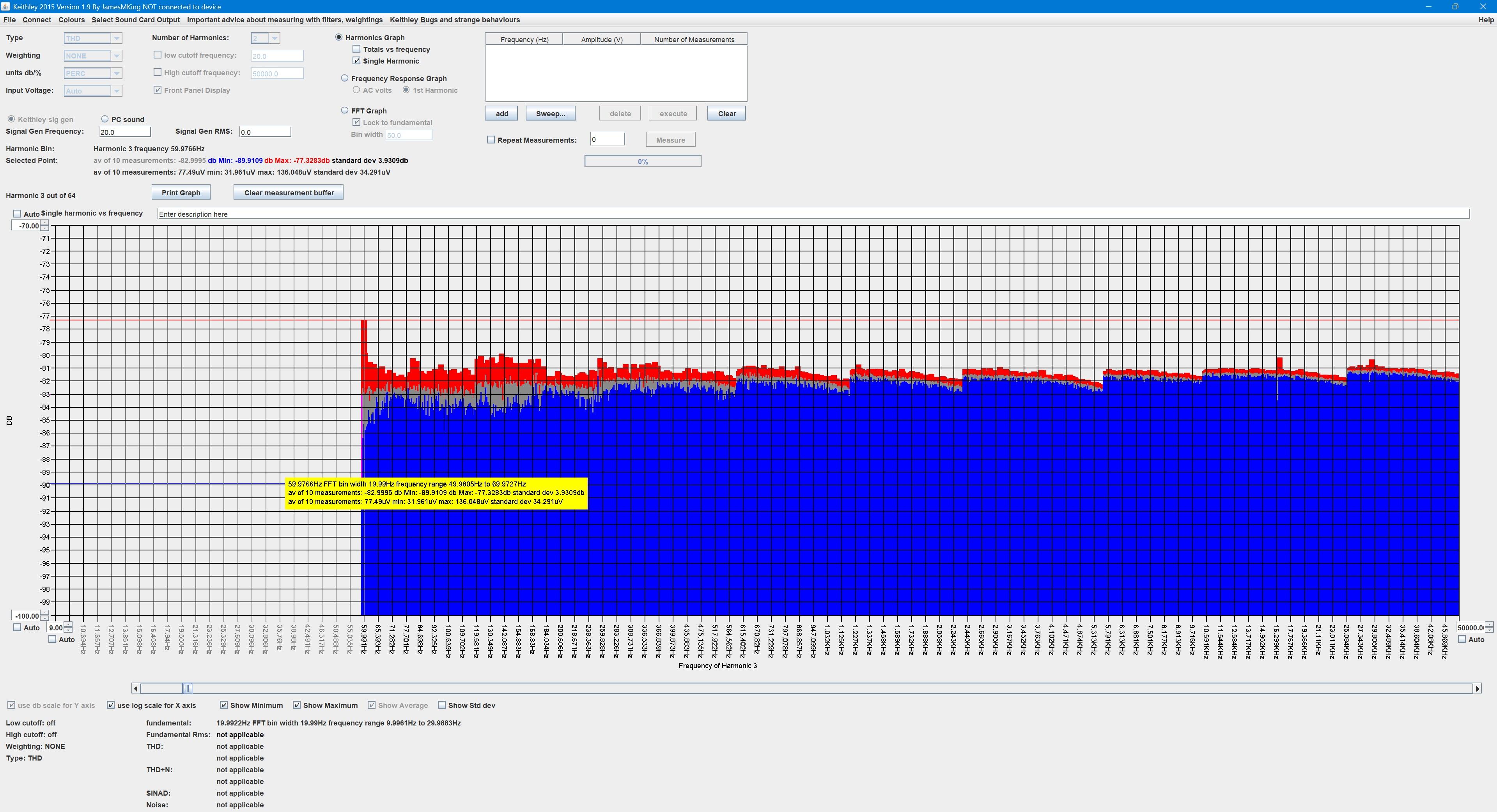
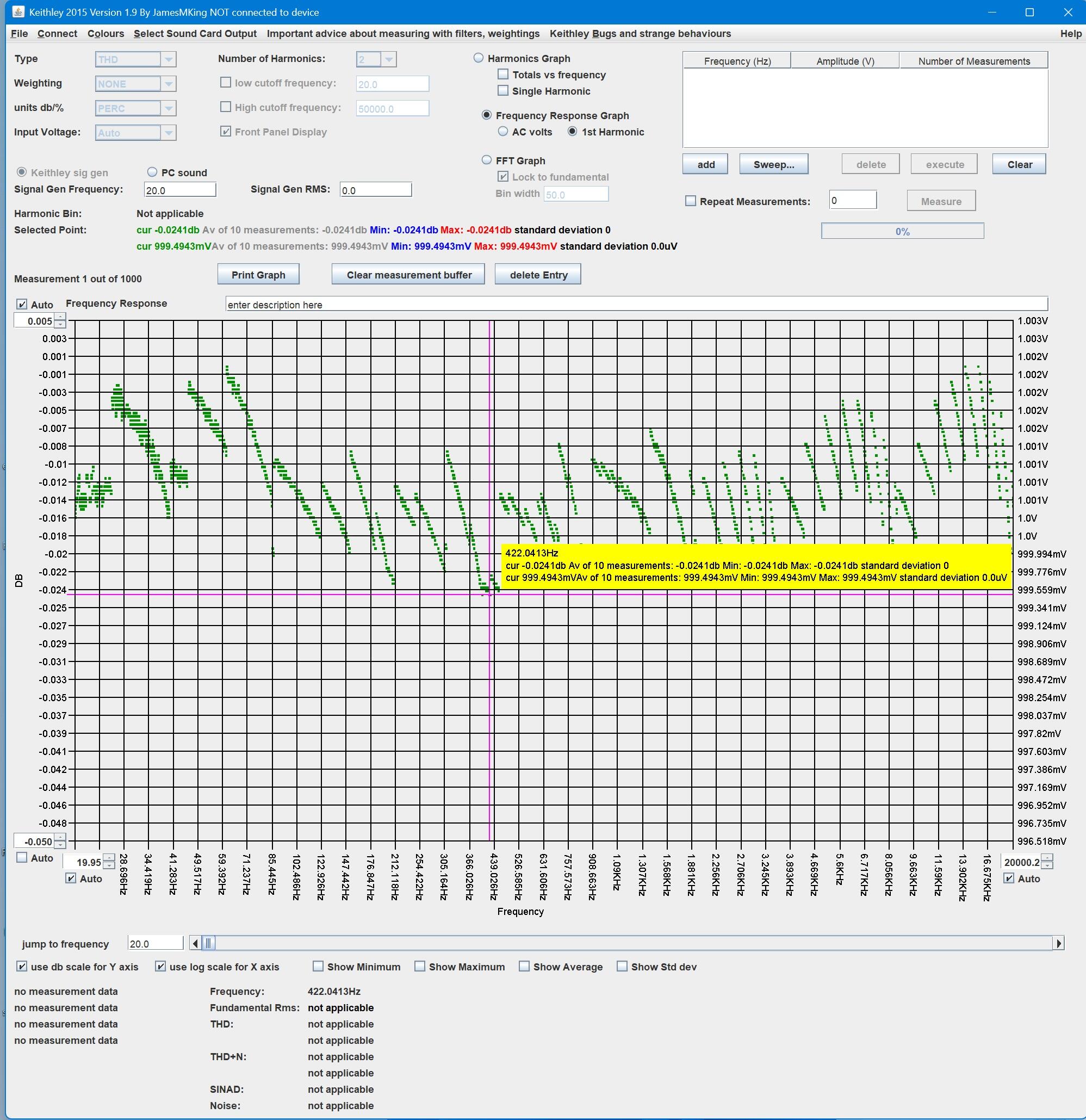
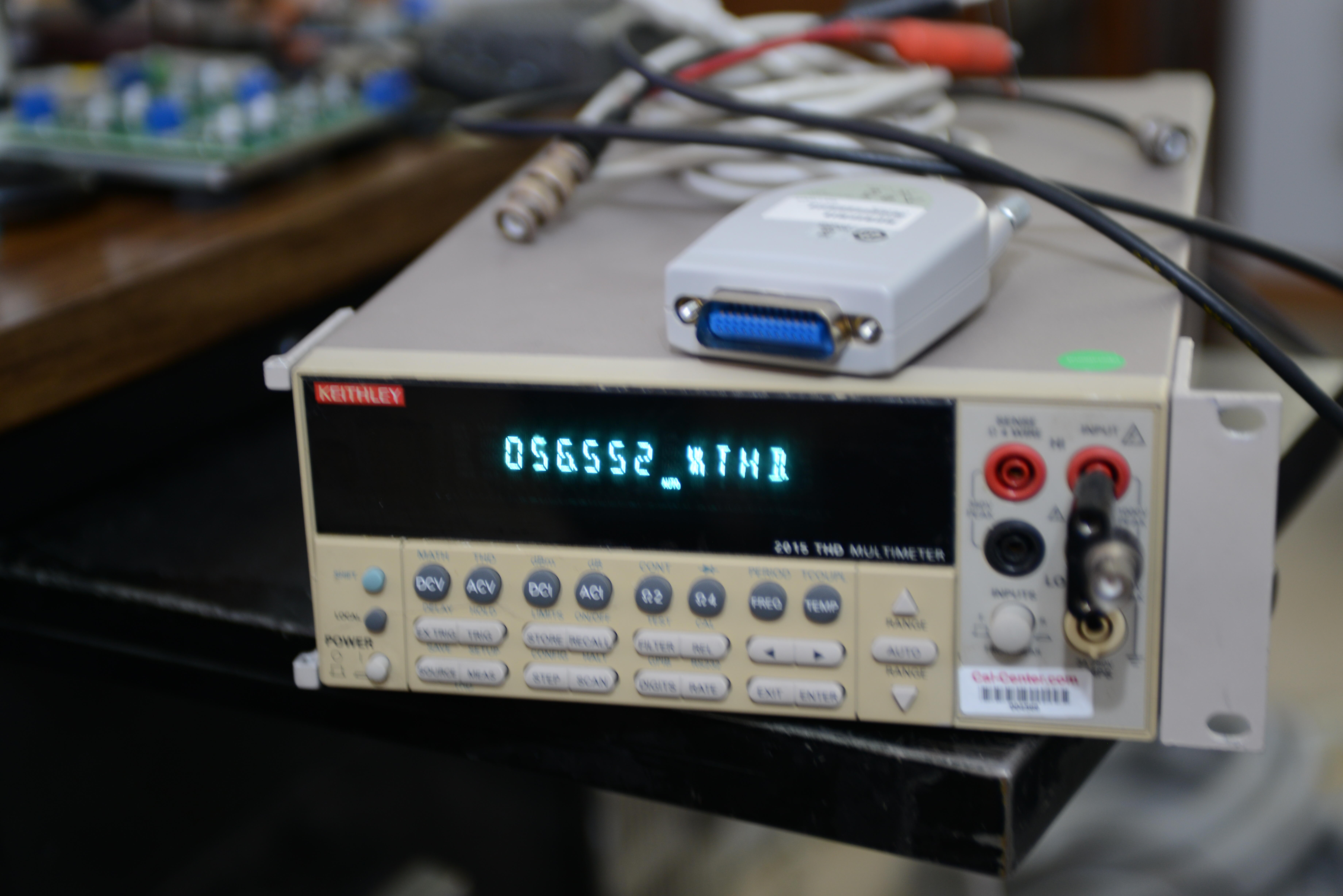
In my opinion the current prices on ebay for a Keithley 2015thd are rather high. To note, the more modern version of my software only supports the National instruments gpib to usb adapter rather than the hp 82357b. This is because I could never get the 64bit drivers to work with the Chinese fake 82357b whereas the Chinese fake national instruments adapters work fine with 64bits (my 82357b also died and i replaced it with the ni and so could not test the hp anymore). If you don't want to get a gpib adapter, rs232 is also supported - its slower to transfer the data from the Keithley to the software (around 2 to 4 times slower but you only really notice this on long transfers such as full ffts or on automatically repeated measurements) once the transfer is complete the software performance is the same. the software has been written and tested under windows. theoretically it could run or be adapted to run on Linux or mac since it is written in java - but I have no interest in spending time on that. Some of the Keithley's more interesting features are only available via gpib/rs232 and the programming guide has multiple errors and omissions and does not in some cases give vital information which means figuring out simple things like how wide in Hz a FFT bin is, is a real pain in the **** - and the width varies with the fundamental frequency in non-linear way. Keithley provide no software or programming libraries and so you are left on your own. You can't even get the frequency of a bin or ask for the bin at a certain frequency on the 2025/6thd (you can on the (2015/6P) which seems crazy. The user interface on the keithley is not that intuitive. Due to some (I assume) design/cost limitations it only has as a maximum of 1023 fft bins which limits its resolution and for fundamental frequencies less than 60hz it can't differentiate noise from distortion since the bin width is the exactly the same as the fundamental, i.e. EVERY bin contains distortion and there are no noise bins. Despite this it will give you a thd+n result for a fundamental of 50hz with no warning that its actually a thd without n calculation! If you set the keithley up with filters or limit the number of harmonics the keithley can not provide unfiltered results. i.e. it only shows on screen and passes to a program the filtered results. There is no way to get at the raw readings. So from a programming point of view its often better to do a full fft and the calculate the thd, thd+n, sinad, noise and apply filters in software than rely on the keithley to do it. On the thd version the fft automatically locks onto the highest bin as the fundamental and if there are two highest bins this causes issues. The fft on the thd has no reliable way for you to manually specify the fundamental frequency, there is a hack but you can only specify a sub multiple of the fundamental frequency in the range 20-68hz and even then the fft is not as clean as automatically locking. The harmonic calculation is limited to a maximum of 64 harmonics regardless of how many harmonics are present in the fft. there are also some firmware bugs (at least in the firmware I have) and there seems to be no reasonable way to get new firmware. The built in signal generator only goes from 10hz to 20K and has a surprising amount of jitter and at 20 hz it can output 19.Xhz which causes issues. The thd/thd+n and sinad only accept fundamentals from 20hz to 20K and at 20Khz there is only the fundamental and 1 harmonic since the fft is hard bandwidth limited to 50khz. Noise calculations are limited to fundamentals in the 60hz-20K range. In short the Keithley shows its age and requires a lot of programming and reverse engineering to understand what's actually going on under the hood. The 2015P and 2016P remove many of the programming limitations of the 2015/6thd and it would be interesting to know if a thd could be upgraded to a P model - it might only be a firmware change since the thd programmatically seems to be a gimped P with certainly very useful programming features missing. Unfortunately the P models are double the price of the thd... Here are a couple of measurements of the Keithley's signal generator feed back directly into its inputs. At least on my unit, the generator has around 0.02% THD at 1V rms output (using single ended - not balanced). Using a good PC sound card instead the thd can be cut by around a factor of around 5-10. So the measurement of the keithley is more capable than the built in signal generator.. Signal generator harmonics at 20Hz (10 averages minimum and maximum values also shown) Signal generator noise and harmonics at 1Khz (10 averages) signal generator THD vs frequency of its output (averages of 10 measurements, minimum and maximum shown note log scale for x axis frequency) Notice how there is considerably more THD at 20hz... this is because when 20Hz is requested the output of the signal generator is actually 19.X and this causes issues with the fft lock on the Keithley. Noise of the keithley signal generator vs frequency of its output (10 averages min and max shown log scale for frequency) notice the rising noise as frequency increases but there is a huge noise spike at 9.95Khz and smaller spikes at 85hz, and 19.86Khz. I have not put any effort into determining if this is caused by the measurement side of the Keithley, external noise or the Keithley signal generator. THD+N of course shows the issues with 19.zHz locking and the noise spikes: here is a graph of just the second harmonic from the signal generator. again 10 averages min and max shows log scale for frequency. notice the large variations between minimum and maximum at low frequencies. These variations decrease with increasing 2 harmonic frequency. Third harmonic is cleaner but still shows the effects of the 19.9hz lock on issue and the trend for the variation between minimum and maximum measurements to decrease as the harmonic frequency increases. frequency response of the signal generator is reasonably flat at +0.0db to -0.024db at 420Hz.
-
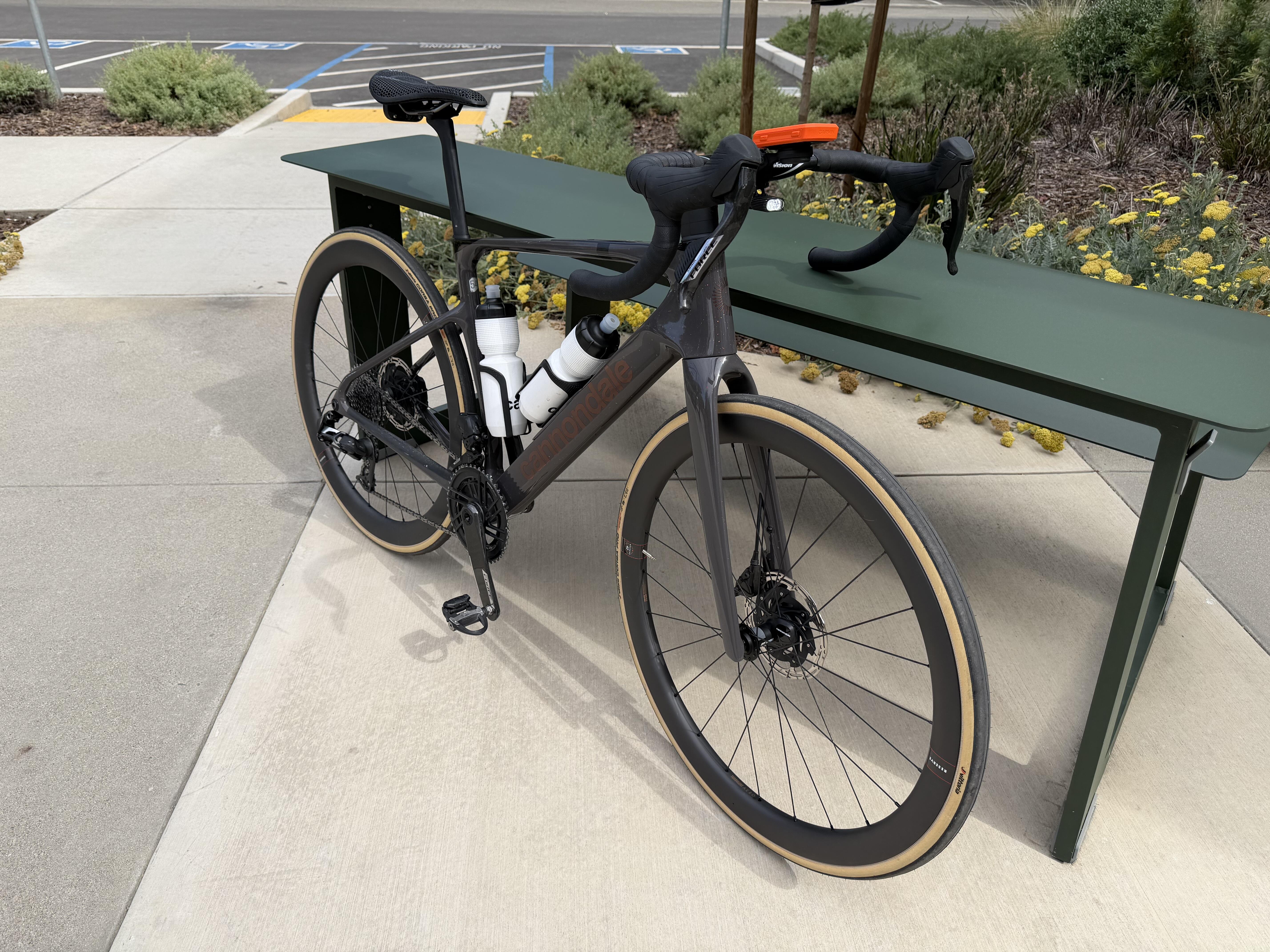
I'm a 30/32 guy on the road. I think my Roubaix maxes out at 32 and that's what's on it now. I have a pair of 30s in reserve for when those wear out and won't sweat the difference.
- Yesterday
-
Tried 40s now trying 28s. These feel faster for sure but not sure how they'll do on shittier roads and more challenging decents. Thinking the sweet spot for me might be 32s.
-

The Knuckledragger 3rd Memorial Slow Forum Post
mikeymad replied to Knuckledragger's topic in Off Topic
Posted without comment. -
 You know, I normally hate harsh vocals. But every once in a while, it brings me joy. Like this. (And Nemophila.)
 -

Is mesh wifi still the best home network type?
HiWire replied to Voltron's topic in GoRedwings19's Computer Help Hotline
Unifi is great, but often it's hard to get their equipment because of high demand. They've been steadily improving on the software management side, too. -
 A guilty pleasure, but a pleasure nonetheless.
 -

Is mesh wifi still the best home network type?
Emooze replied to Voltron's topic in GoRedwings19's Computer Help Hotline
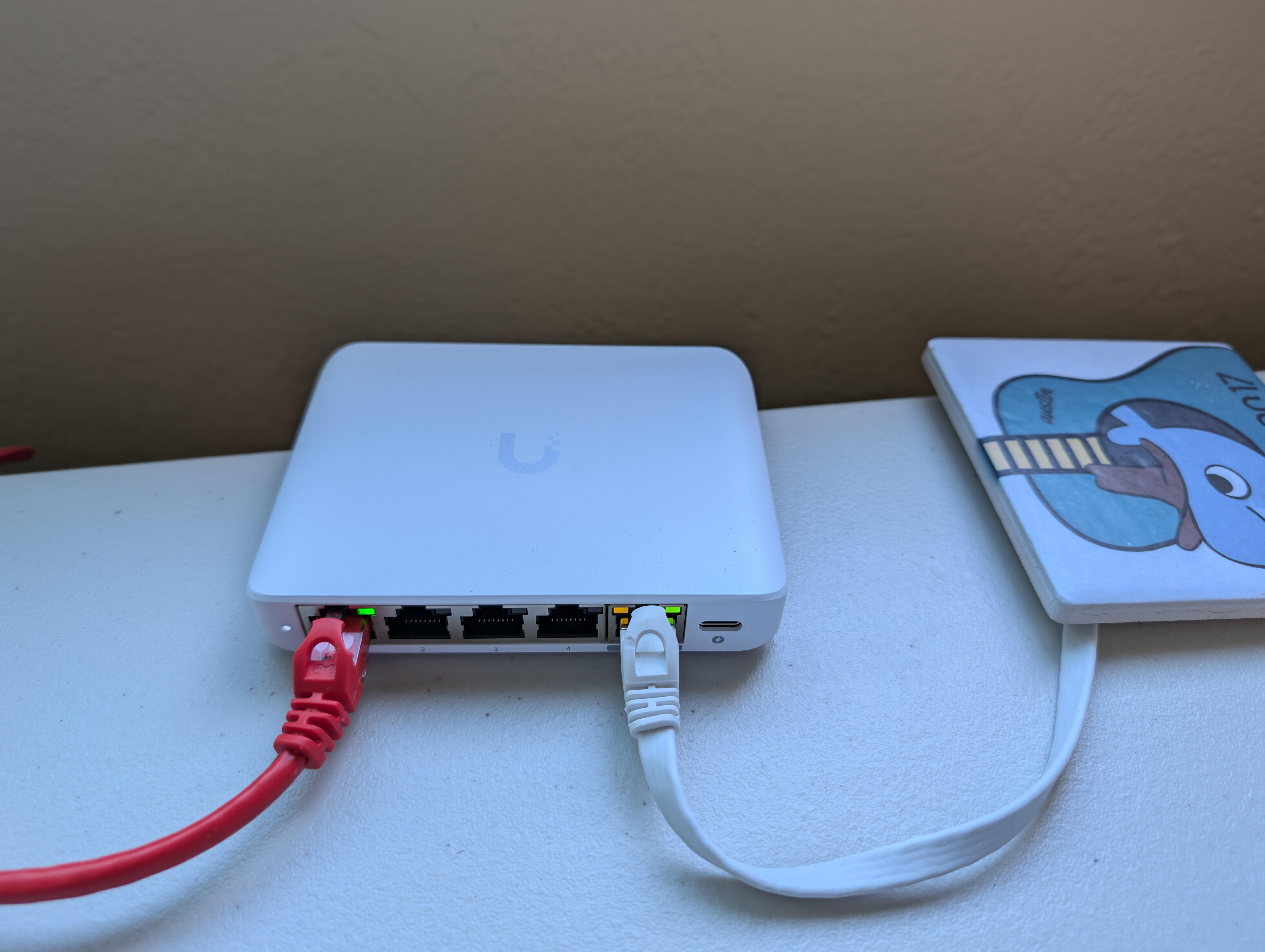
I don't use mesh but I will definitely also recommend Unifi. I have a Cloud Gateway, a U6 WAP and one of their switches. The whole system was a dream to setup and piecemeal upgrade-able should I need it. No required subscriptions or cloud BS either for the security-minded folks. - Last week
-

Is mesh wifi still the best home network type?
dsavitsk replied to Voltron's topic in GoRedwings19's Computer Help Hotline
Look into unifi wifi https://ui.com/wifi It's meant for covering a large area with easy integration of multiple access points. You could put one access point in the main house and another in the loft over the garage and you should have excellent coverage everywhere. You would need to install the controller on your computer to set everything up, but once it's running you don't really need to do anything else. It would also give you the ability to easily monitor it all while you're away. You could continue to use the current router, or you could use a unifi router (I have an extra in a box that I never opened of you want it). -
 I have Orbi and Asus ZenWifi setups in different places, now I need one for the Michigan compound. Old Apple Airports have gotten us this far. From reviews and best lists, the top contenders seem to be Eero and TP-Link Deco. For what it's worth, here's the main challenge: There are three separate buildings in the compound, the main house with the cable internet connection is down slope from the three story shop/garage/loft set into the slopes and lastly another cottage across from a garage. The in-laws have hard-wired ethernet cables running to two both ends of the main house and the top floor loft in the middle building. The biggest challenge is getting a decent signal to the third building from the second story loft. We do not have major demands or multiple smart devices -- people just want to be able to stream video in all three locations. Either I just leave the main house the way it is and try a modern mesh system between the loft and the cottage or I try to have a single mesh system with at least one unit in each building and hope they bridge. I'm not sure if it makes sense to connect mesh units by ethernet where possible or if they only are meant to bridge between themselves wirelessly. Any thoughts are appreciated on the approach and favorite brands/models.
 -
I had some interaction with Dr. Gilmore a few years back discussing what kind of tests to perform on a DIY T2 that I had started, 7 years ago was it? Don't recall. Thanks for giving the info on methods to test electrostatic amps, I'll post those on Audio Science Review there are actually people there curious about this, and yes I know Amir (the main guy) has a hard time thinking beyond his accepted paradigm of using a klippel robot to test speakers (doesn't work with Magneplanars but he can't see that) and testing amplifiers into load resistors. However he's not the only one on the site with an interest in testing things, and there isn't much info out there about PROPER testing of amps for electrostatics. I would LOVE to see some actual published test results on the "better" designs you have come up with as compared to the venerable Stax amps, but I can't find any such. I would have thought that Spritzer's Mjolnir Audio site would have published some test results, but I haven't found any.
-
-

The Official Head-Case Photography Thread.
n_maher replied to Knuckledragger's topic in Miscellaneous
I'm heading in to work tomorrow at 3am to trigger the time lapse camera that I setup this afternoon using my A7IV. If all goes to plan it'll take at least 3000 still frames over a 24 hour period and not fall from the sky (it's mounted ~100' in the air). It's on a smallrig mount with multiple tethers so it shouldn't be capable of flight and should be rigid enough to be stable/consistent throughout. If I get the video cleared for public release I'll post it. -

The Official Head-Case Photography Thread.
crappyjones123 replied to Knuckledragger's topic in Miscellaneous
-
RIP Marjane Satrapi, director of ‘Persepolis’, “who died of sadness a little over a year after the death of Mattias Ripa, her husband and the love of her life” https://www.hollywoodreporter.com/movies/movie-news/marjane-satrapi-dead-persepolis-director-56-1236613671/
-
miloz never contacted me. i would likely not respond if he did. get one of each of these from ebay. keithley 2015 6.5 digit thd multimeter and a hp 82357b (or later) usb to gpib adapter. yes, the 82357b is a fake coming out the wrong end of the agilent factory (no shielding on the plastic) in china. but work absolutely identical to the real one which is about $600 new. unlikely to pass fcc radiated noise tests and a windows 11 laptop. then contact james king for the software package. ebay price about $600 total for the 2 pieces. (about $7k brand new) have at it. rated for 2000 volts peak to peak. no attenuators or other hacks needed. many of the used 2015 will require replacement of the display for about $75, and unsoldering about 100 connections. but the software does not require a well lit display except to put it into the right mode after you turn it on. accurate to .002% Thd+N. built in balanced signal generator that matches the same specs. single box solution. better than any stax amp with 50 to 60db of gain. the Noise component overwhelming the signal. no way i would pay $35k for an audio precision and then pray that the required attenuator does not cause trouble. I would much rather pay that much for a set of CCB brakes and wheels. retired 9 years now. i only do things that are fun. like 30 to 130 in the Z06. over and over and over. and yet no tickets (yet).
-
Which has probably been bounced back as that is not my domain name.
-
I wrote an email to you using [email protected]
-
What the actual fuck is this? How is posting in an open forum "reaching out to me"? Copied from the Audioretards forum: Did you send me a PM or an email? No... so how did you reach out to me? Go ask the retard in chief over there on how to test electrostatic amps... as he did such a good job last time. Wasn't the quote something like, how can anybody listen to this as it measures so badly? Yeah... stellar work there.