

Leaderboard




Popular Content
Showing content with the highest reputation on 03/26/16 in all areas
-
8 pointsSome pics from Katie's this morning and the Alexandria one previously.8 points
-
5 pointsGenerally speaking, Bill Maher is a fuckhead, but this is a fitting tribute.5 points
-
5 pointsThe heart of the matter is this, it's not about what sounds "good" or "OK". It's about how to get the best sound. An electrostatic headphone is inherently a high impedance device. The best resistor or choke is always going to limit how good the sound can be, because it is always going to suck the majority of current from the output device to itself, diverting it from the headphone, because it is lower impedance than the headphone. That is simple Ohm's law. That means the output device is always going to more distorted than necessary. A really good current source is MUCH higher impedance than a electrostatic headphone. That means most of the current from the output device actually goes to drive the headphone rather than being wasted generating heat in the resistor or choke load. Better efficiency, lower distortion, better sound. Simple. So, Pirx, build an amp with choke output and the same amp with a good MOSFET cascode constant current source, listen to both and then get back to us.5 points
-
4 points
-
3 points
-
3 pointsOh my... someone parked a brand new burnt orange Porsche GT3RS on my block. I think I am in love.3 points
-
2 points
-
2 pointsI see R fairly often. Still a great car (just not for me). I am probably going to do a Cobb stage 3 or the Motune equivalent at some point if I don't get into autocross. Thinking about the local autocross level 1 class in a week.2 points
-
2 points
-
2 pointsNope. The active device, we'll use tube for simplicity, should be relatively low output, but because the headphones are so high in impedance, even an output of 5-10k is adequate - in fact the Stax headphones all have a 5.1k resistor in line between the output device and the headphone to protect the latter. Being high in impedance, the headphone needs large voltages but relatively low currents. Hence, a 6SN7GTA with its DC voltage limit of 450volt and running 7-8 mA makes a good output device - IF all its output current goes to driving the headphones. But, if you waste a good proportion of that current in the amp load, it isn't nearly as good. Remember that the output tube drives the headphone in parallel with its load, whether that be a resistor, a choke, or a constant current load. This means that the music signal current is distributed between the headphone and the load depending on their relative impedances. On the other hand, the output impedance is the impedance of the tube and the load in parallel. With a tube plate resistance of, say, 8k, even a perfect constant current load with an infinite impedance results in a combined output impedance of 8k. With a resistor load of, say 50k, the output impedance is about 6.9k, a negligible difference. With a choke load, the output impedance varies with frequency, being higher as the frequency rises, but mostly dominated by the plate resistance. So the output impedance is pretty similar regardless. In order for the tube to have a reasonable standing current, the resistor has to be around 50 kilohms unless you have a very high voltage power supply. Since the impedance of the headphone is much higher than 50 kilohms, this means that most of the music signal current is wasted in the resistor. With a choke of 100H, the impedance is only 12.5 kilohms at 20 Hz, and only gets to 50k and above at 80 Hz and above, and doesn't exceed the impedance of the headphones until you get above 1 kHz. With music signals, about 1/2 the power is in the range below 300-400 Hz. Again, this means that the majority of the music signal current is used to drive the choke, and the leftovers go to the headphone. This is not only inefficient, it causes more distortion because the tube has to supply much more current. With a really good current load of very high impedance, there is practically NO current going to drive the current source, so nearly all the current goes to drive the headphones. Do a search for the thread "Output Stage Current Requirements for Electrostatic Headphone Amps" for my full technical discussion. The bottom line is, the output load is the plate resistor/choke/constant current load in parallel with the headphone. A perfect constant current source needs no current drive so it is invisible to the output tube, which sees only the headphone load. This is the best possible situation for the output tube. On the other hand, the output impedance is the impedance of the plate resistor/choke/constant current load in parallel with the plate resistance of the tube. Since the tube plate resistance is much lower than that of the plate resistor, etc., the output resistance is primarily the plate resistance. So a constant current load has no significant disadvantage in terms of output impedance compared to the other two options. Finally, a constant current load does require a heat sink, so it is more expensive than a resistor, but still significantly less expensive than a good plate choke. So, the constant current load is by far the most efficient in directing the signal current to the headphone, resulting in the least distortion and most output, has no significant disadvantages, and reasonable expense.2 points
-
2 pointsFWIW, my Charge HR now gets much better battery life after I shat all over it in this thread. One may want to keep that in mind if theirs isn't working out well, just mad mouth it. **BRENT**2 points
-
2 pointsPretty sweet. The dealer put in the wrong remote start in it (key fob installed, but cell phone based ordered) so that will need to be fixed but otherwise seems great. Also noticed that there was a scratch on the one of the passenger windows of my Focus ST and they have agreed to replace it. Expensive for them but the car should be pristine when new.2 points
-
2 pointsA couple things. Put simply, a choke is an inductor and an electrostatic headphone looks kind of like a capacitor. Look in any electronics textbook and you will see that when you connect an inductor with a capacitor you get a resonant circuit, which means you can have a peak in the frequency response at the resonance frequency. I said the headphone looks “kind of” like a capacitor. It doesn’t exactly resemble a capacitor because it makes sound, which means it uses power. The power spectrum of music is highest in the mid-bass to lower mid-range areas (approximately 50-300 Hz). The impedance of a choke rises with frequency, which means that it requires more current to drive it at low frequencies, exactly where the headphone is requiring the most current and voltage to make music. This increases the distortion of the output device. The largest commercial plate choke I have found runs around 200H. This has an impedance around 25 kilohms at 20 Hz, rising linearly with frequency from there so at 40 Hz its impedance is 50 kHz, which is a typical resistance for a stat amp plate resistor. So at the lowest bass frequencies it requires/diverts more current from the headphone than a typical plate resistor. This is all based on an ideal choke, ignoring the possible resonances and other imperfections of a real world device. With a resistor load, you don't have the possibility of a peak in the frequency response but the resistor requires curent to drive it through the whole frequency spectrum. In fact, with a resistor load, the amplifier actually wastes more current (and power) driving the resistor than driving the headphone. By comparison a really good current source load demands a negligible amount of current, which means all the standing current of the output device is available to drive the headphones, which is what you want. As I said elsewhere, it converts an amp for driving output resistors to an amp for driving headphones. It is simply a better technology. This is why Stax has used current source loads in its solid state amps in place of resistor loads since the 1970s.2 points
-
1 pointGreat pics, VPI...thank you as always! I enjoy them. Dread...here is a small procedure you may very well be aware of. It's the best thing you can do for better braking w/o costing you a dime IMO. See the bedding-in Street Performance pads section. Just in case you start tracking the car. Also, if you get serious I would upgrade the brake fluid so you have a higher boiling point. Also, be sure you "parade" the car immediately after hot laps for a while so you don't mar your rotors. Looks great, BTW! http://www.stoptech.com/technical-support/technical-white-papers/bed-in-theory-definitions-and-procedures/stock-brake-system-bed-in HS1 point
-
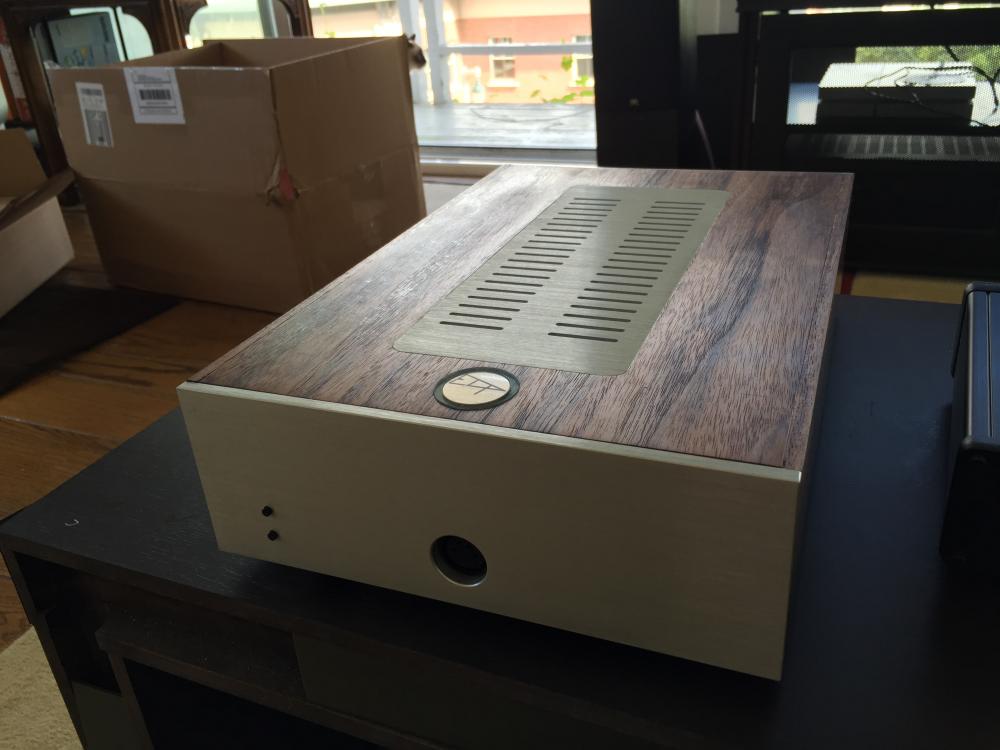
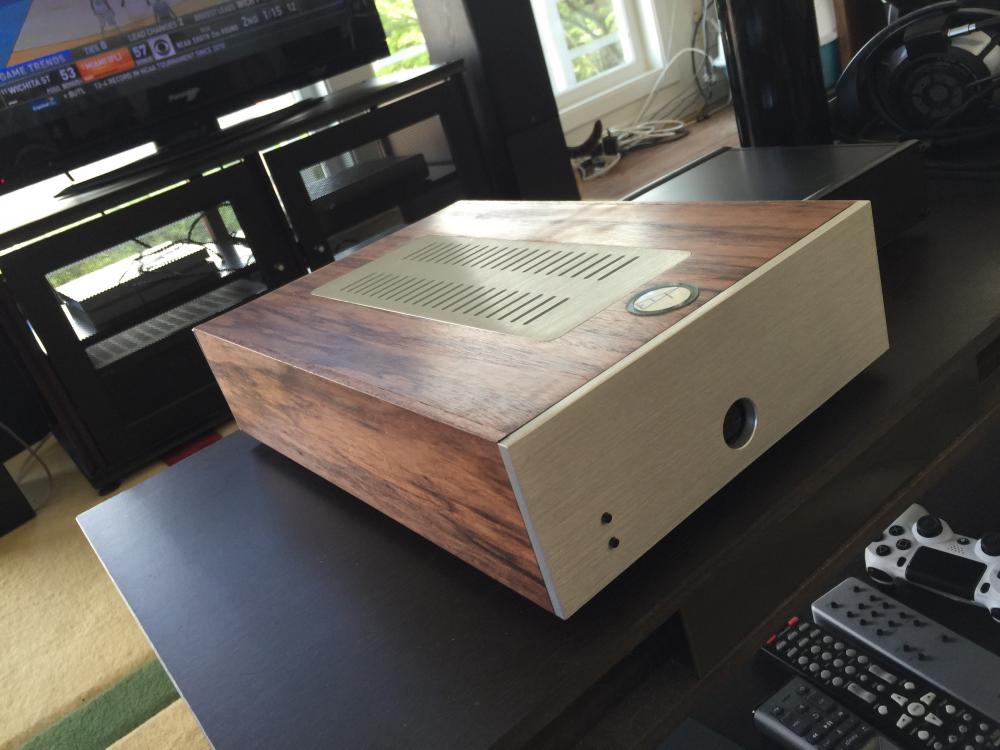
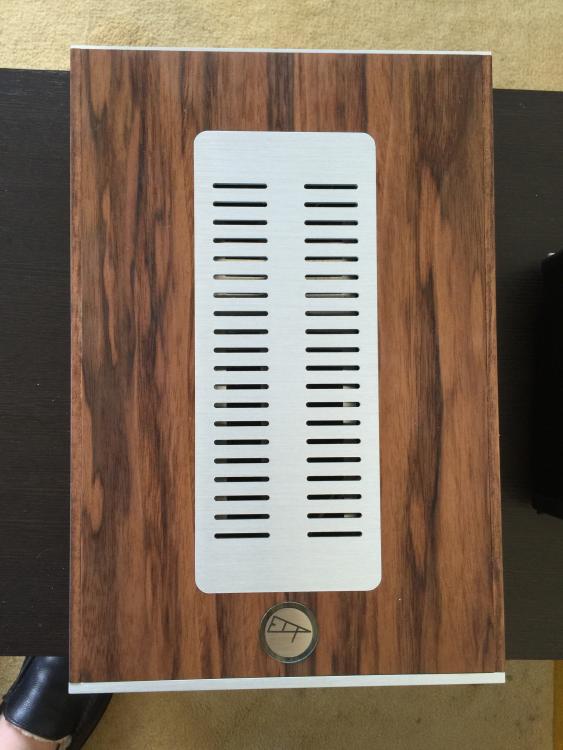
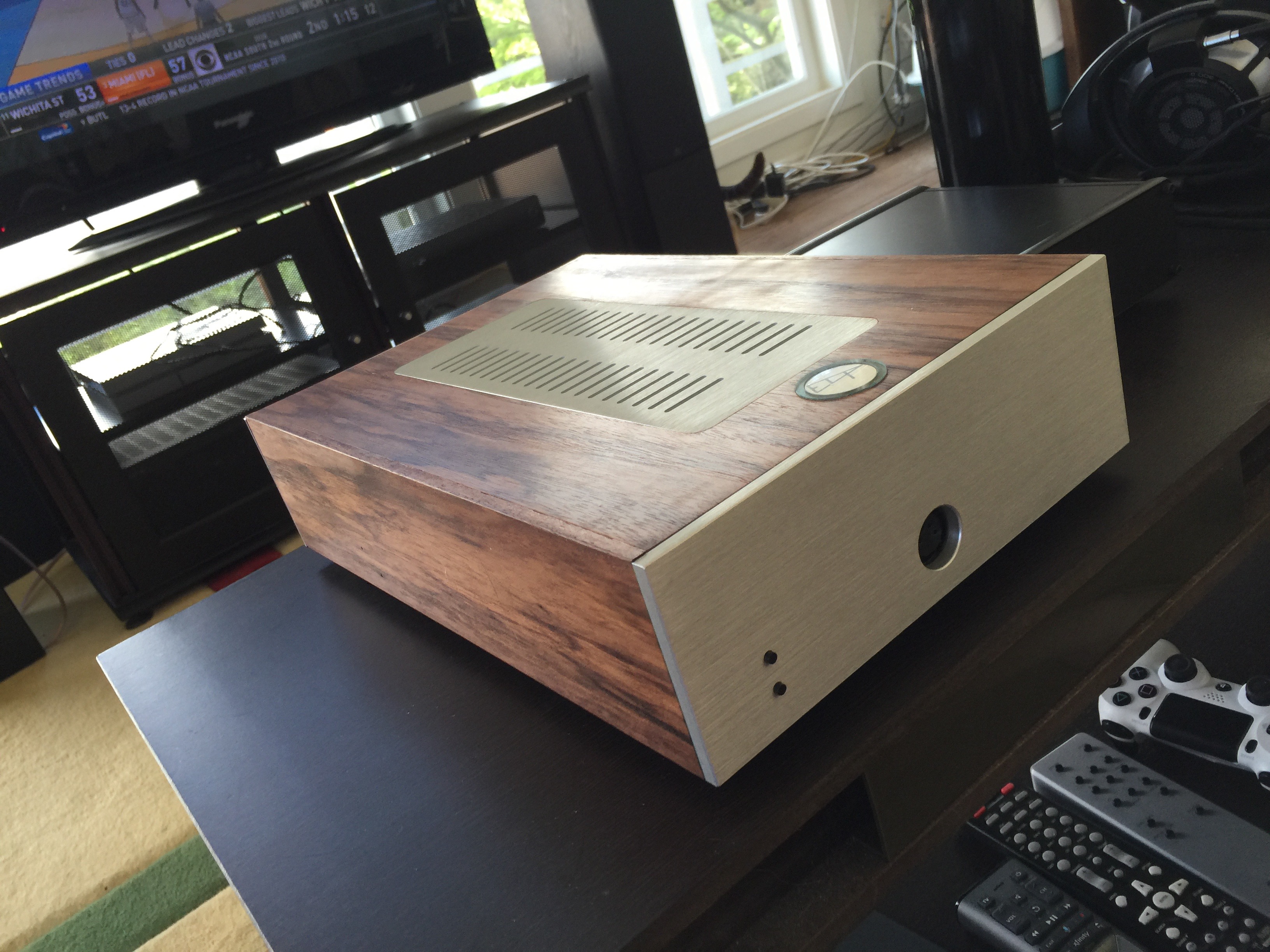
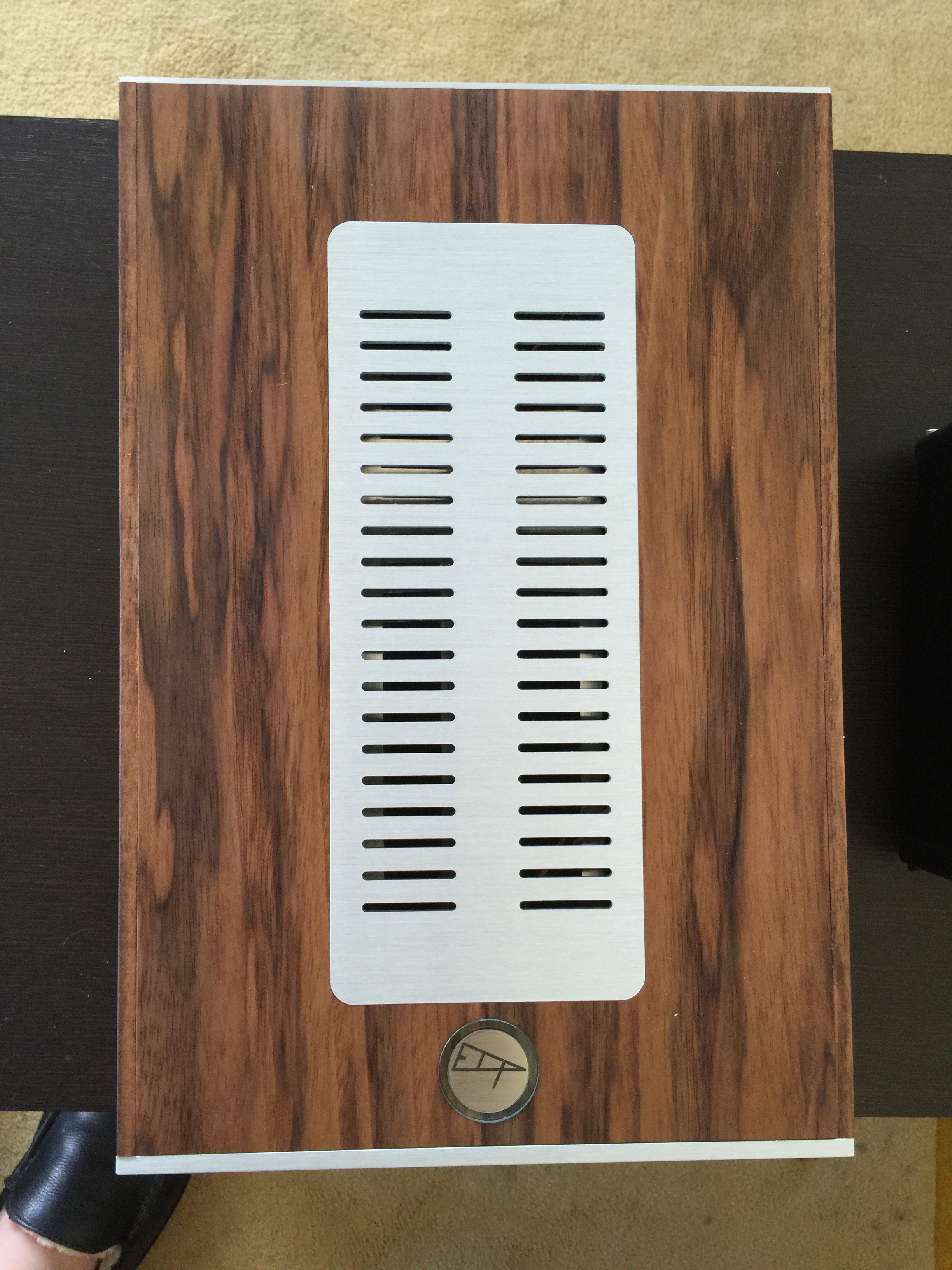
1 point1 point1 point1 point1 point1 point1 point1 point1 pointA kid hit Dodge RAM truck in his old Ford Bronco when I was at the range teaching my son how to shoot skeet. Polite as could be but he damaged the rear bumper and quarter pretty good. He had GEICO and I have to say I was very impressed by how well they handled taking care of the repair. Would not hesitate using them after that experience. HS1 point1 pointSurprisingly my Charge worked all the way through my vacation but it's pretty much toast now. Ordered a Fitbit Alta today, we'll see how that goes. It has the features I need and the thinner profile will be nice I think.1 point1 pointThere are many great insurance companies with great rates out there. Also many that do not. Limiting yourself to Geico, State Farm and Progressive is like buying only Ray Samuels because you recognize the name, or McDonalds, or Applebees. Seek out those companies that are domiciled in the state in which you live and don't forget independent agents who have access to several markets, which may or may not offer a better value than the companies named. Rates are like a roller coaster ride. Sometimes a company will be high. Other times low. Most of the time someplace in between. Good luck.1 point1 pointI didn't manage to slow down fast enough to take pictures of the plate with red chard and couscous but this is the broiled pork tenderloin I made tonight1 point1 point1 point1 pointDamn, Doug! The wood came out AMAZING! This thing is gorgeous! I'll leave it to Doug to describe what the heck it is I just bought. Time to plug her in!
 1 pointThat GQ piece was something indeed. Actually, they did contact me to participate in that episode through headfi in the beginning but they refuse to compensate for any traveling expense so I did not go through with it ( I won't anyway). I asked them to get Justin on board and allow him to show case his wonderful BHSE but that didn't come through either. So they must have reached out to this individual some how.1 point














Important Information
By using this site, you agree to our Terms of Use.
Account
Navigation
Search
Configure browser push notifications
Chrome (Android)
- Tap the lock icon next to the address bar.
- Tap Permissions → Notifications.
- Adjust your preference.
Chrome (Desktop)
- Click the padlock icon in the address bar.
- Select Site settings.
- Find Notifications and adjust your preference.
Safari (iOS 16.4+)
- Ensure the site is installed via Add to Home Screen.
- Open Settings App → Notifications.
- Find your app name and adjust your preference.
Safari (macOS)
- Go to Safari → Preferences.
- Click the Websites tab.
- Select Notifications in the sidebar.
- Find this website and adjust your preference.
Edge (Android)
- Tap the lock icon next to the address bar.
- Tap Permissions.
- Find Notifications and adjust your preference.
Edge (Desktop)
- Click the padlock icon in the address bar.
- Click Permissions for this site.
- Find Notifications and adjust your preference.
Firefox (Android)
- Go to Settings → Site permissions.
- Tap Notifications.
- Find this site in the list and adjust your preference.
Firefox (Desktop)
- Open Firefox Settings.
- Search for Notifications.
- Find this site in the list and adjust your preference.