Leaderboard
-
Voltron
High Rollers23Points34628Posts -
swt61
High Rollers14Points22273Posts -
Hopstretch
High Rollers11Points16821Posts -
n_maher
Administrators10Points27522Posts




Popular Content
Showing content with the highest reputation on 12/14/20 in all areas
-
4 points
-
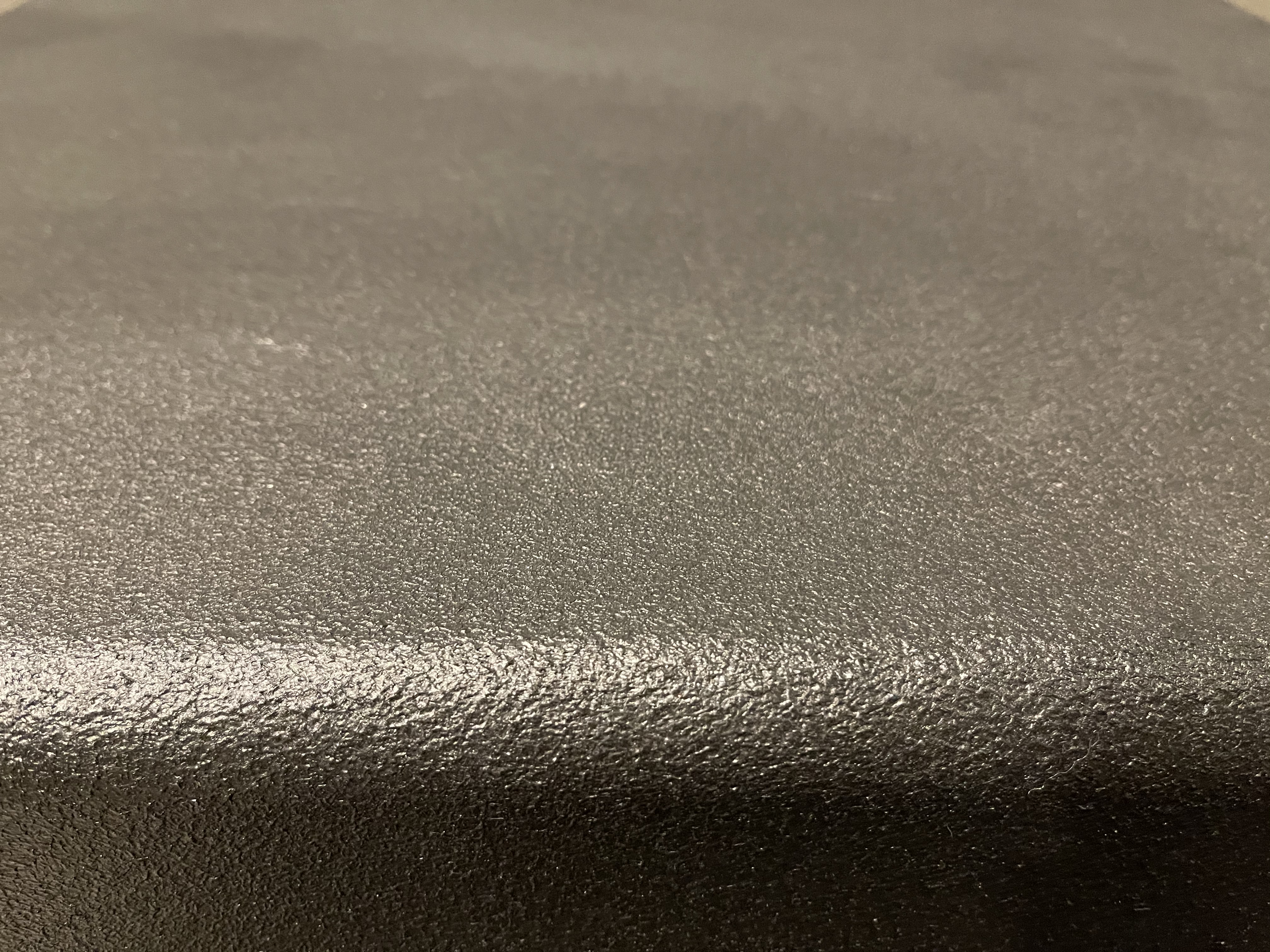
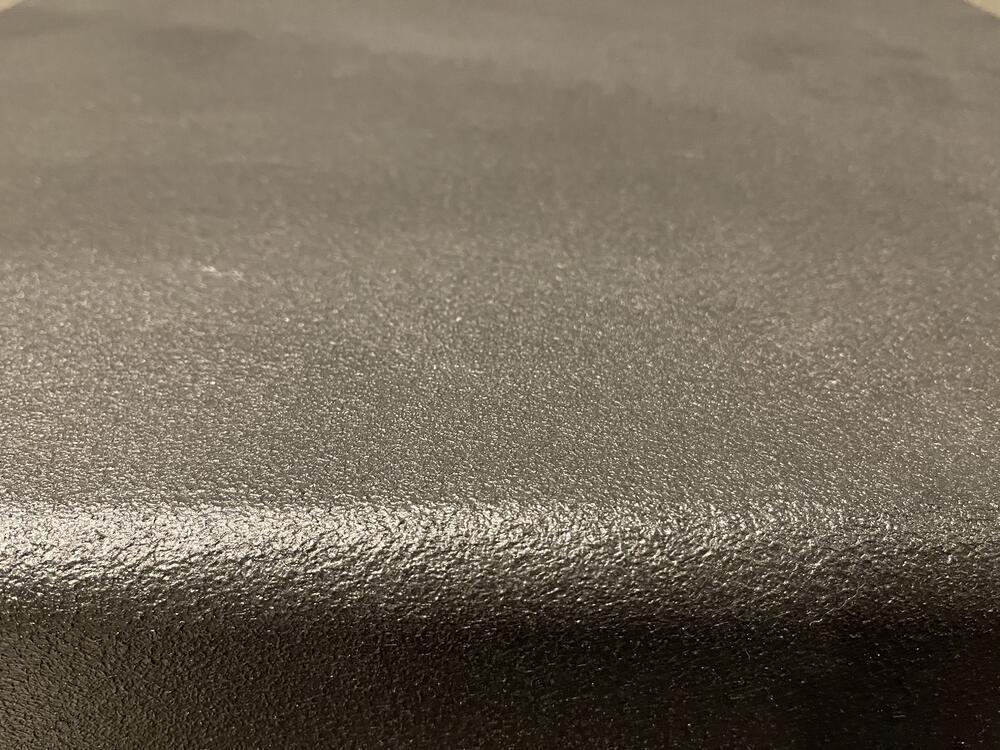
4 points3 points3 points3 points3 pointsI would finish with Wilsonart or if you really want to paint something on, Duratex or ExoHyde. This is a Duratex I did on my theater speakers. Incredibly easy to roll on in one or two coats.
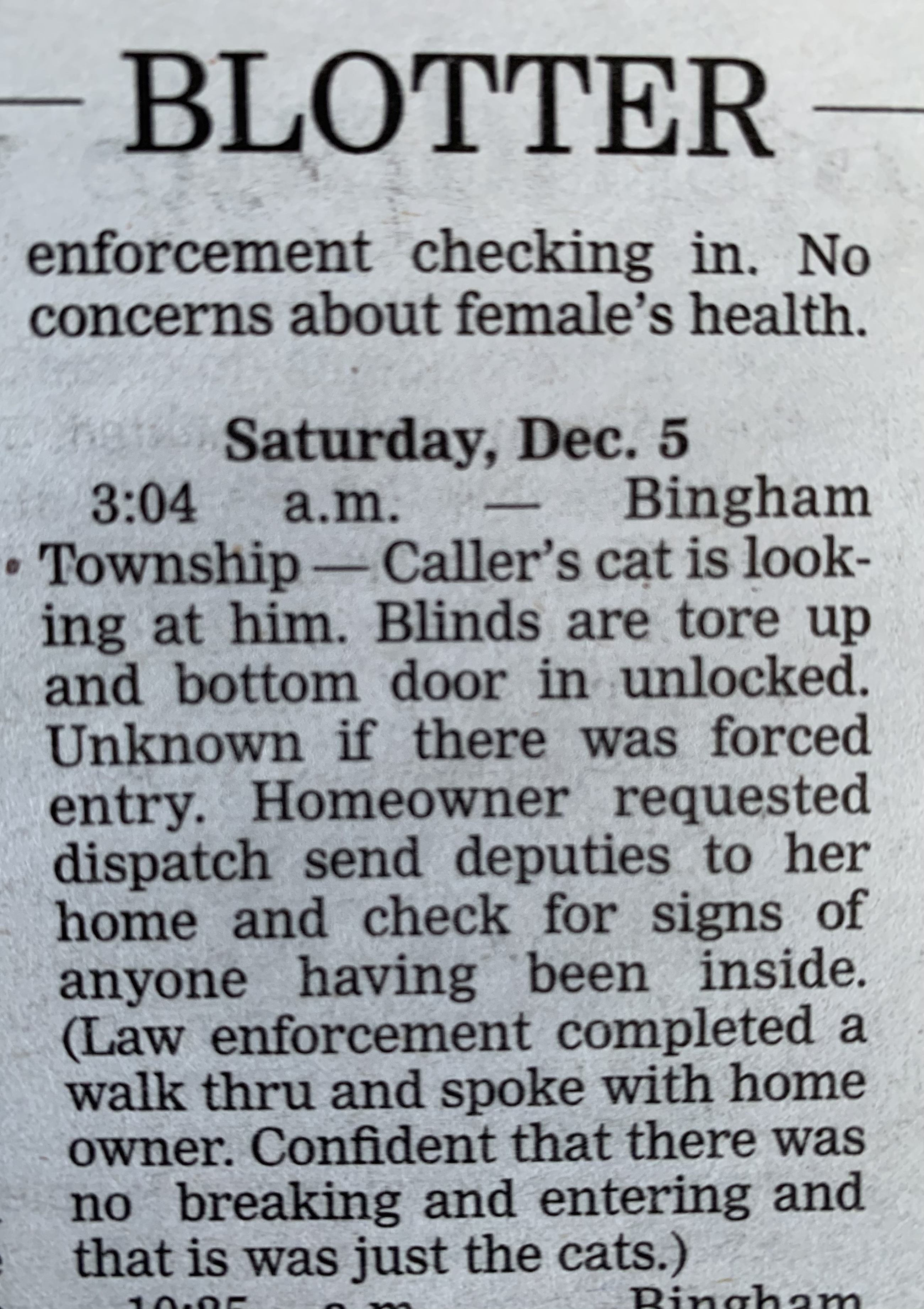
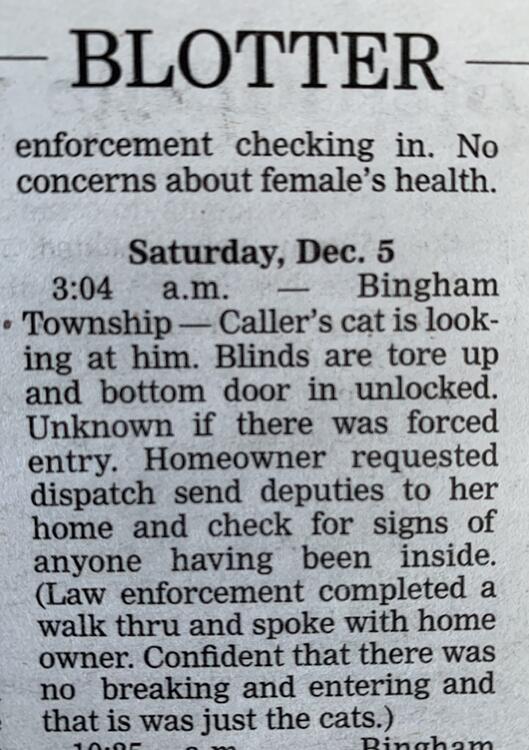
 3 points3 points2 points2 points2 points1 point1 pointThis reminds me of the police blotter entry from the local paper in Michigan that I read this morning. There are always some gems in the blotter but I did love this one.
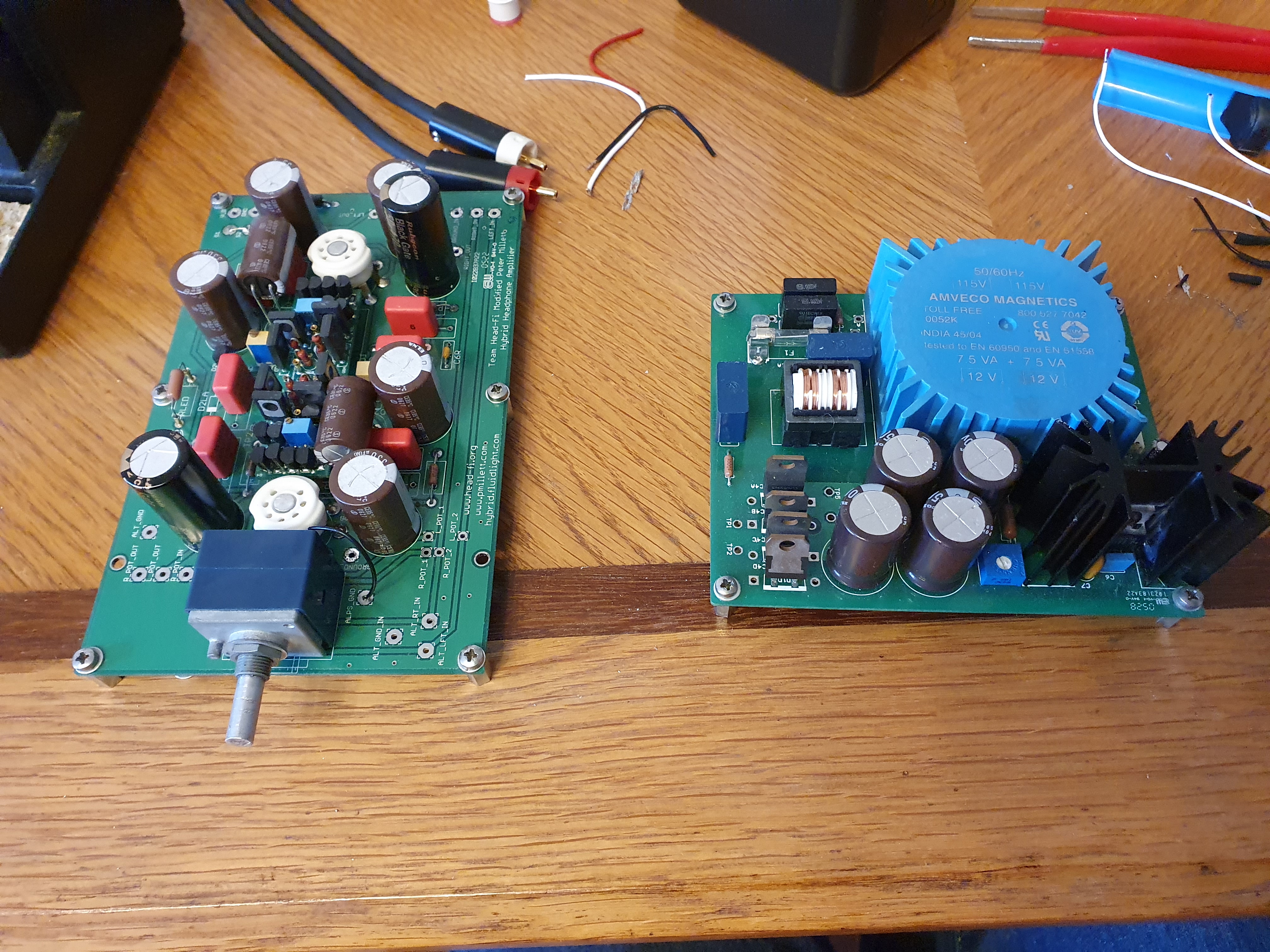
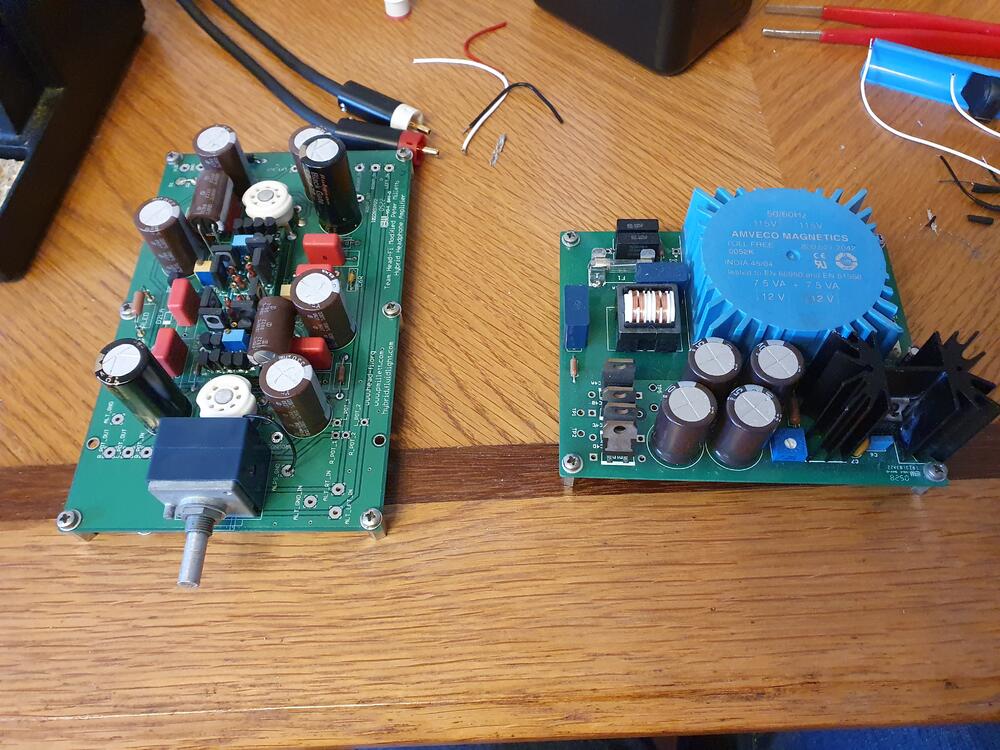
 1 point1 pointGoop: Bolted down: Fits like a glove: Good clearance: And the full monty:1 point1 pointChecked all the windows were securely closed and patio doors secured because people three miles away had this unexpected visitor. Hello, can I come in?1 point1 pointI'm assuming he meant a table saw. I've built hundreds of thresholds, but I can't open your file, so not sure if it's a complicated build or not.1 point1 pointRefurbishing my old Pete Millett hibrid. The electrolitcs are over 15 years old, Should I replace them all or might they still be good? Building a new wood and aluminum case.
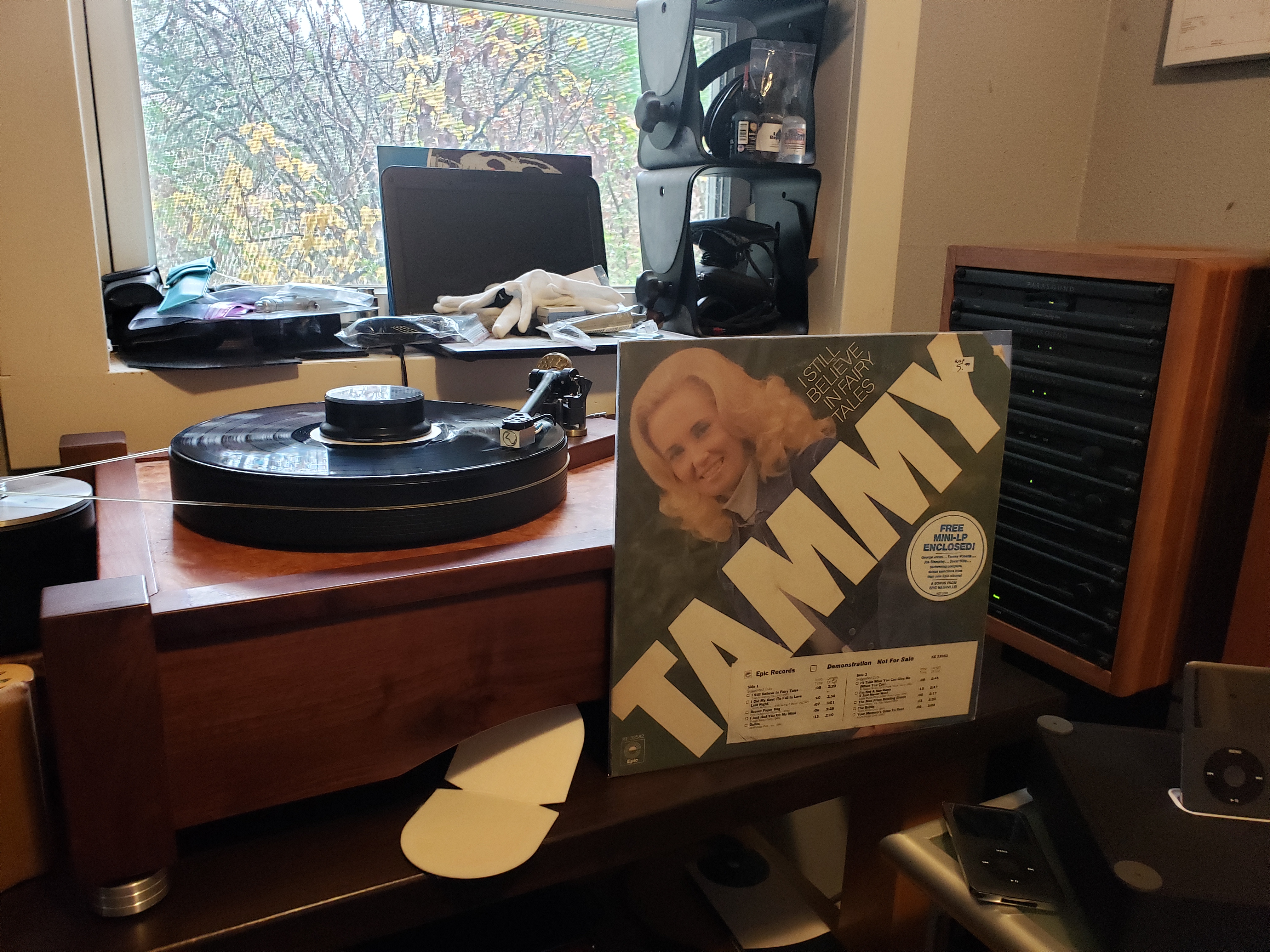
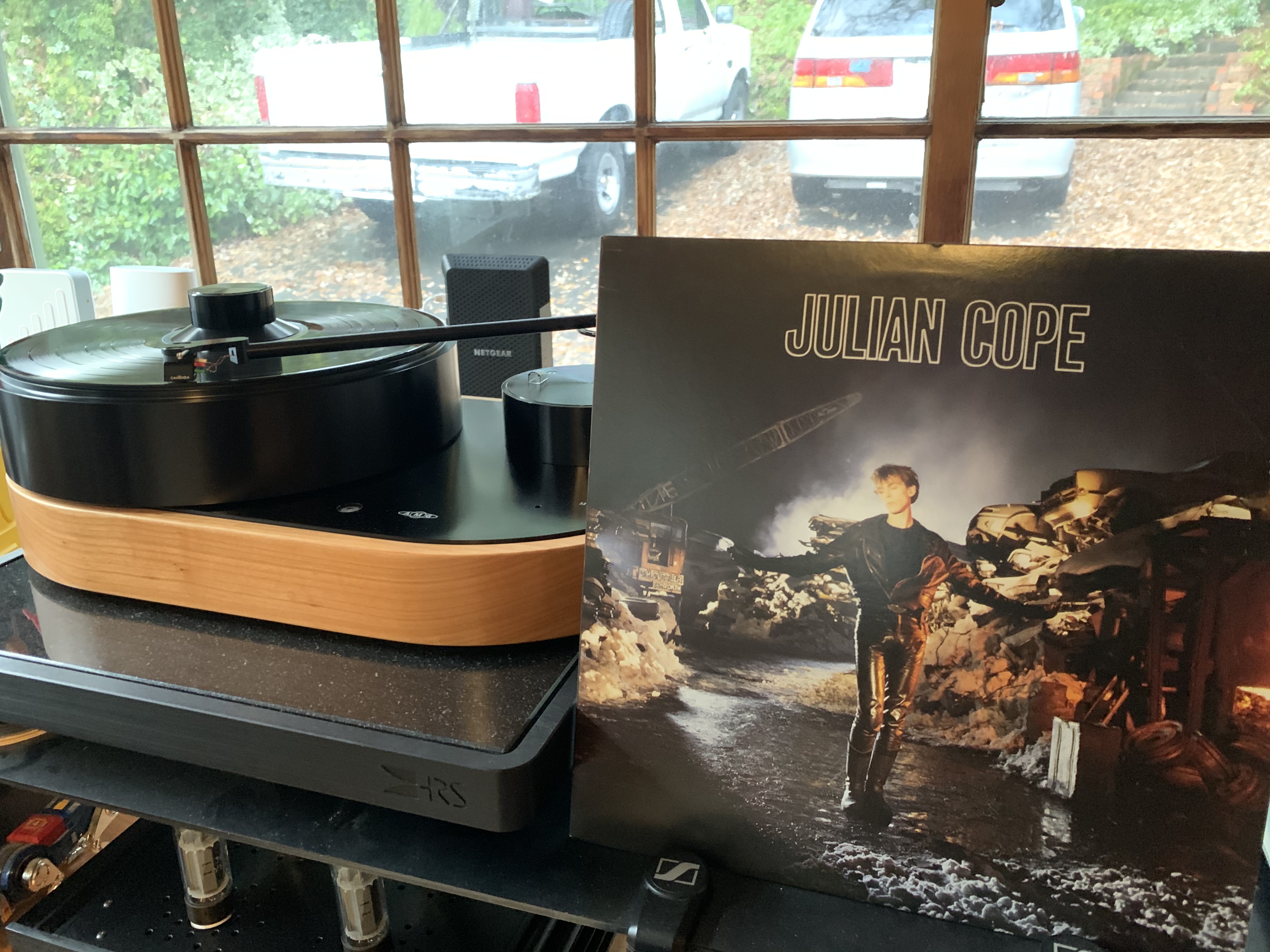
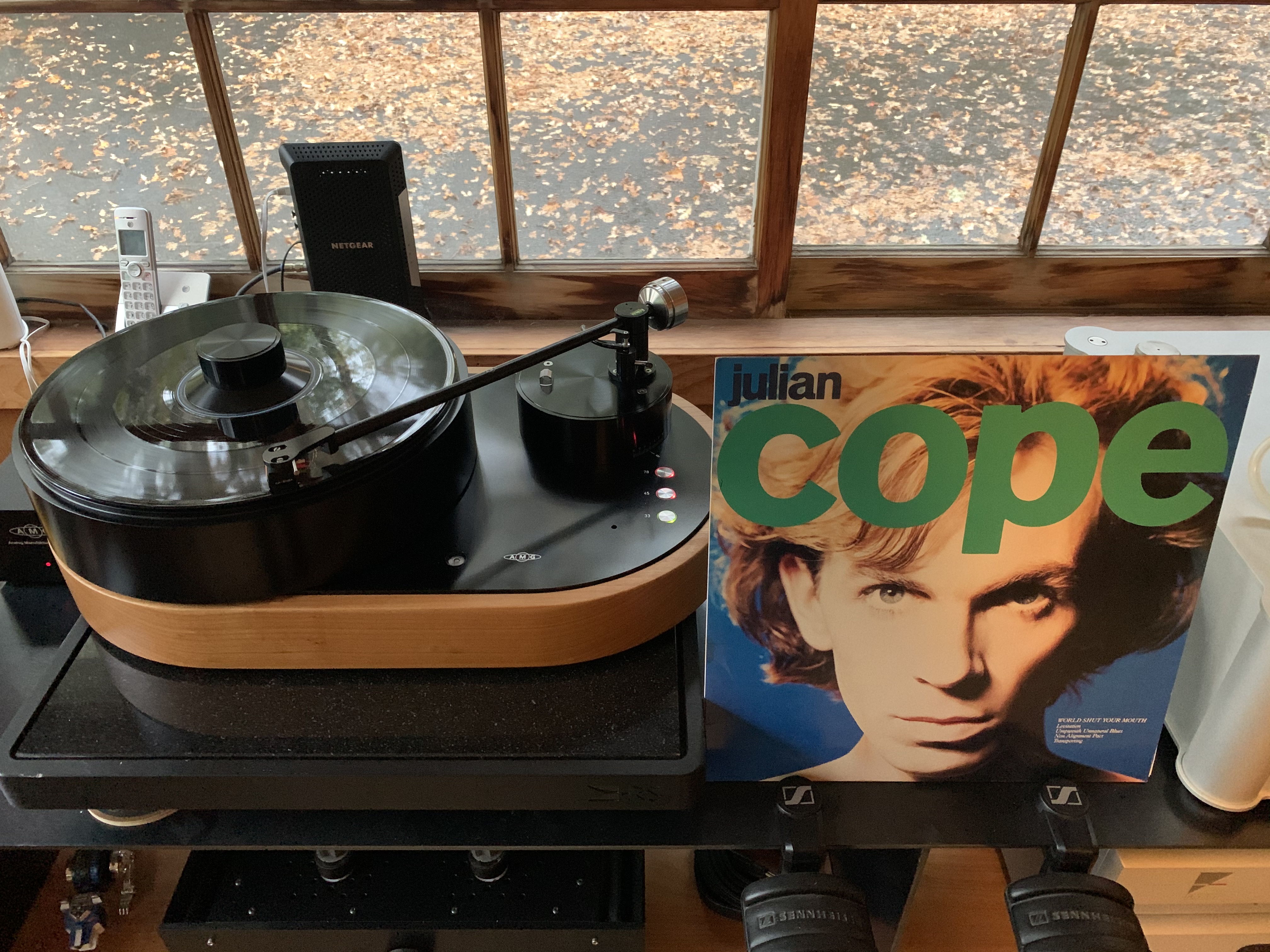
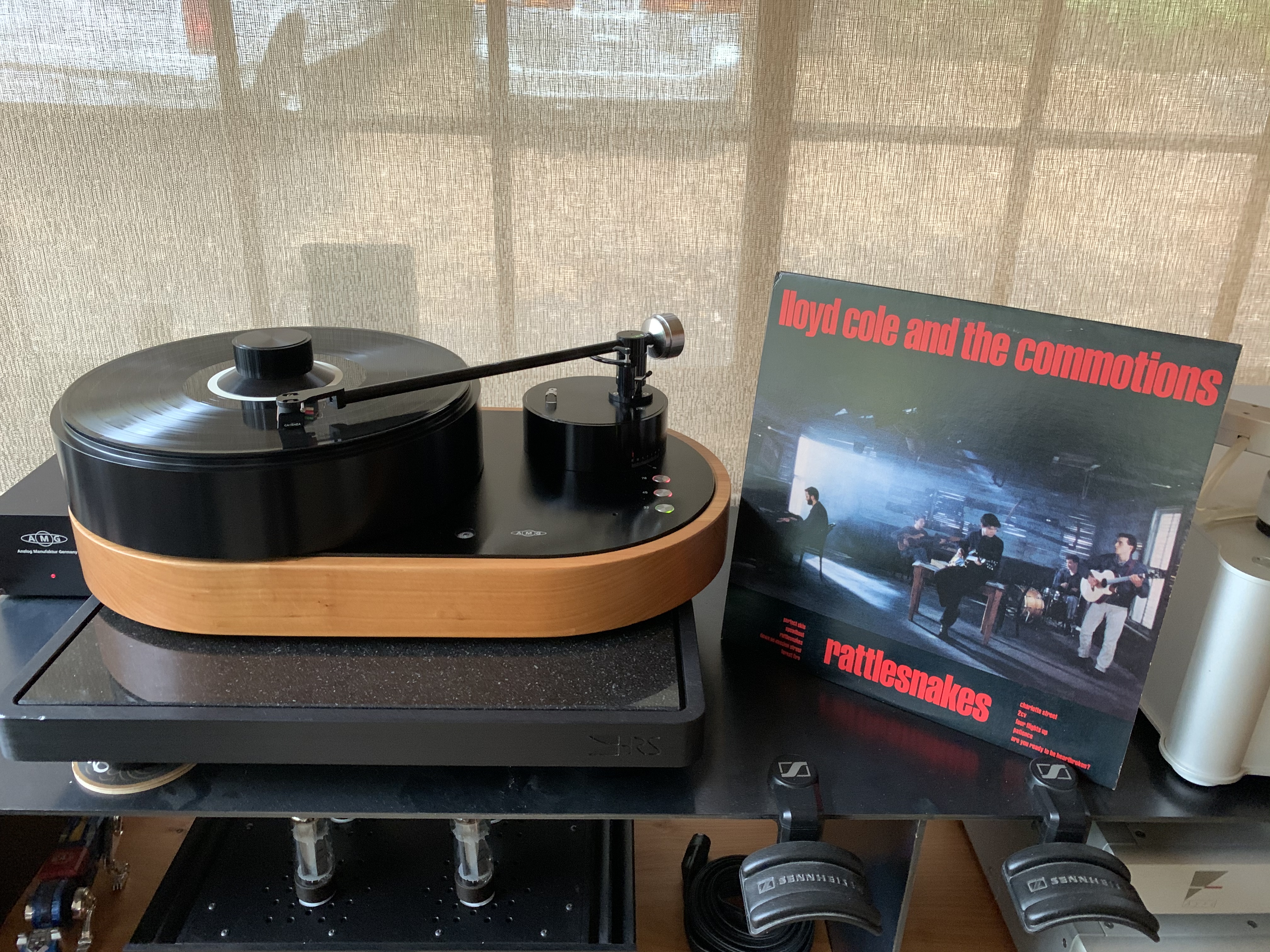
 1 point1 point1 point1 pointOne thing I've done in the past to replicate a textured finish, is to paint the shelf Black, then with a pin or exacto knife, open up the spray hole. Test first, but it should give you a nice splatter texture as the finale coat. Even better if the sheen is a little different. That's best with spray epoxy.1 point1 pointDo not use a water or latex based paint on MDF, at least not before sealing the MDF. Spray paint is going to give you the best finish. But you can use an enamel paint with a brush. Just use 500 grit sand paper in between coats.1 point1 pointThe amplifier boards are now fully populated, including the front end Jfets, for which I picked pairs of 2sk170bl from the same batch with an Idss of 7.3 and 7.4mA. Using a benchtop PSU supplying 20.00V DC I then set the constant current sources to 17.00mA: It's going to be interesting to see how much this will go up with the full B+.1 point1 pointThere was too much to address in cutestory's query, but: Keeping (or getting) your knives sharp is a combination of metallurgy (alloy, heat treatment, etc.), edge geometry, and consistency. It's easy to wipe out a good factory edge with poor sharpening (I have done it) and harder to improve a poorly-executed edge by skillful re-profiling and sharpening. It's better to start with cheap knives. A harder steel will keep it's edge longer, but an overly-hard heat treatment will mean that it can also be more brittle. Each alloy of steel has an ideal hardness range, depending on your application. Softer steel will get dull more quickly but it may be tougher in abusive situations (e.g., camp work, chopping, swords/axes, etc.). Different sharpener grits for different jobs, just like in wood sanding. Coarse grit to remove lots of metal (unnecessary for most knives), medium grit for a less aggressive re-profiling or sharpening a completely dull knife, and fine to ultra-fine for edge maintenance or a finer, more polished edge. Some people prefer a slightly coarser edge for more biting cuts into tougher material like wood or rope (the microscopic teeth on the edge will be more aggressive) and others like a very smooth edge for sashimi cutting, for example. Some people like to use a leather strop to finish the edge on a knife or razor. Explained here: https://www.sharpeningsupplies.com/Understanding-Strops-W111.aspx Edge endurance can also depend on the bevel type and angle... having more steel at the edge will make it tougher, but a thinner edge will feel sharper and cut more easily through softer material. You can see in the list of edge geometries at the bottom that the V (flat grind) is the simplest to understand and to sharpen properly, which is why it is the most common. This popped up on YouTube... not a lot of "super-steels" in here: https://youtu.be/MKMG-FdCGtM1 point1 point1 point1 pointNothing says Christmas like a dead, rotting King on a skull thrown.1 pointWorked a holiday event this morning and holiday music is now lodged in my brain so might as well begin the sentimental (in the best sense) outpouring. Starting with Tracey Thorn's Tinsel and Lights...1 pointDisk Jazz Cafe - Shinmachi, Aomori-shi, Japan.1 point1 pointmajor error in the surface mount version of this board, fixed I think, someone please check http://gilmore.chem.northwestern.edu/boards/kgdynalobal7.zip1 point0 pointsRIP David Cornwell (John le Carré). Superb novelist over the decades. Aged 89, so not too bad an innings.0 points0 pointsRIP John le Carré. Wrote some amazing spy novels. One of the best in the genre.0 points0 pointsRIP Charlie Pride. He became a huge Country Music star at a time when a Black Country singer was unheard of. He did it with a positive attitude and a bucket load of class. They wouldn't even put his picture on his first two albums. Covid-19 sucks ass!0 points
Important Information
By using this site, you agree to our Terms of Use.
Account
Navigation
Search
Configure browser push notifications
Chrome (Android)
- Tap the lock icon next to the address bar.
- Tap Permissions → Notifications.
- Adjust your preference.
Chrome (Desktop)
- Click the padlock icon in the address bar.
- Select Site settings.
- Find Notifications and adjust your preference.
Safari (iOS 16.4+)
- Ensure the site is installed via Add to Home Screen.
- Open Settings App → Notifications.
- Find your app name and adjust your preference.
Safari (macOS)
- Go to Safari → Preferences.
- Click the Websites tab.
- Select Notifications in the sidebar.
- Find this website and adjust your preference.
Edge (Android)
- Tap the lock icon next to the address bar.
- Tap Permissions.
- Find Notifications and adjust your preference.
Edge (Desktop)
- Click the padlock icon in the address bar.
- Click Permissions for this site.
- Find Notifications and adjust your preference.
Firefox (Android)
- Go to Settings → Site permissions.
- Tap Notifications.
- Find this site in the list and adjust your preference.
Firefox (Desktop)
- Open Firefox Settings.
- Search for Notifications.
- Find this site in the list and adjust your preference.