Leaderboard
-
Voltron
High Rollers36Points34606Posts -
Tyll Hertsens
High Rollers15Points3403Posts -
acidbasement
High Rollers12Points2988Posts -
morphsci
High Rollers10Points13347Posts



Popular Content
Showing content with the highest reputation on 06/07/17 in Posts
-
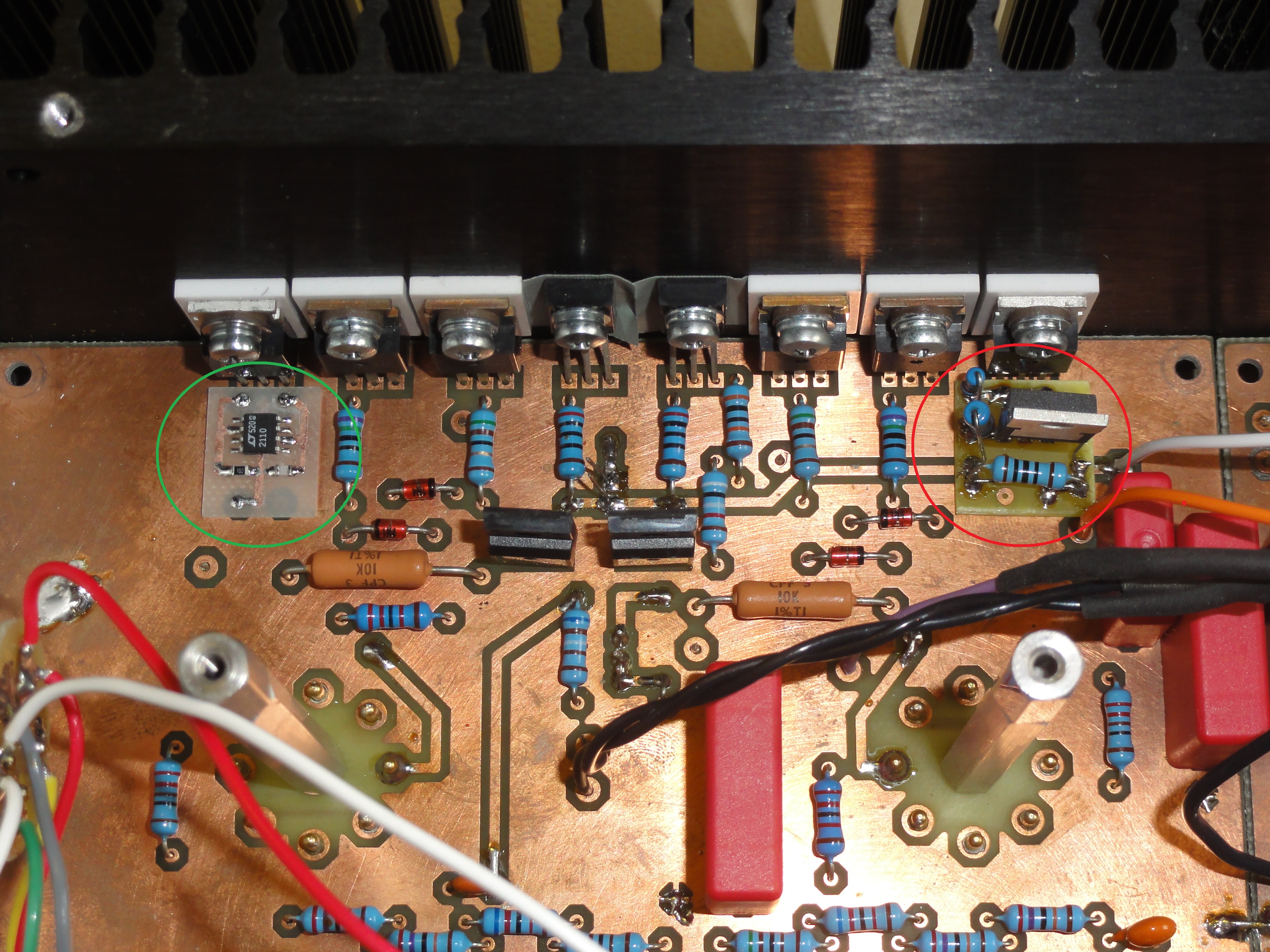
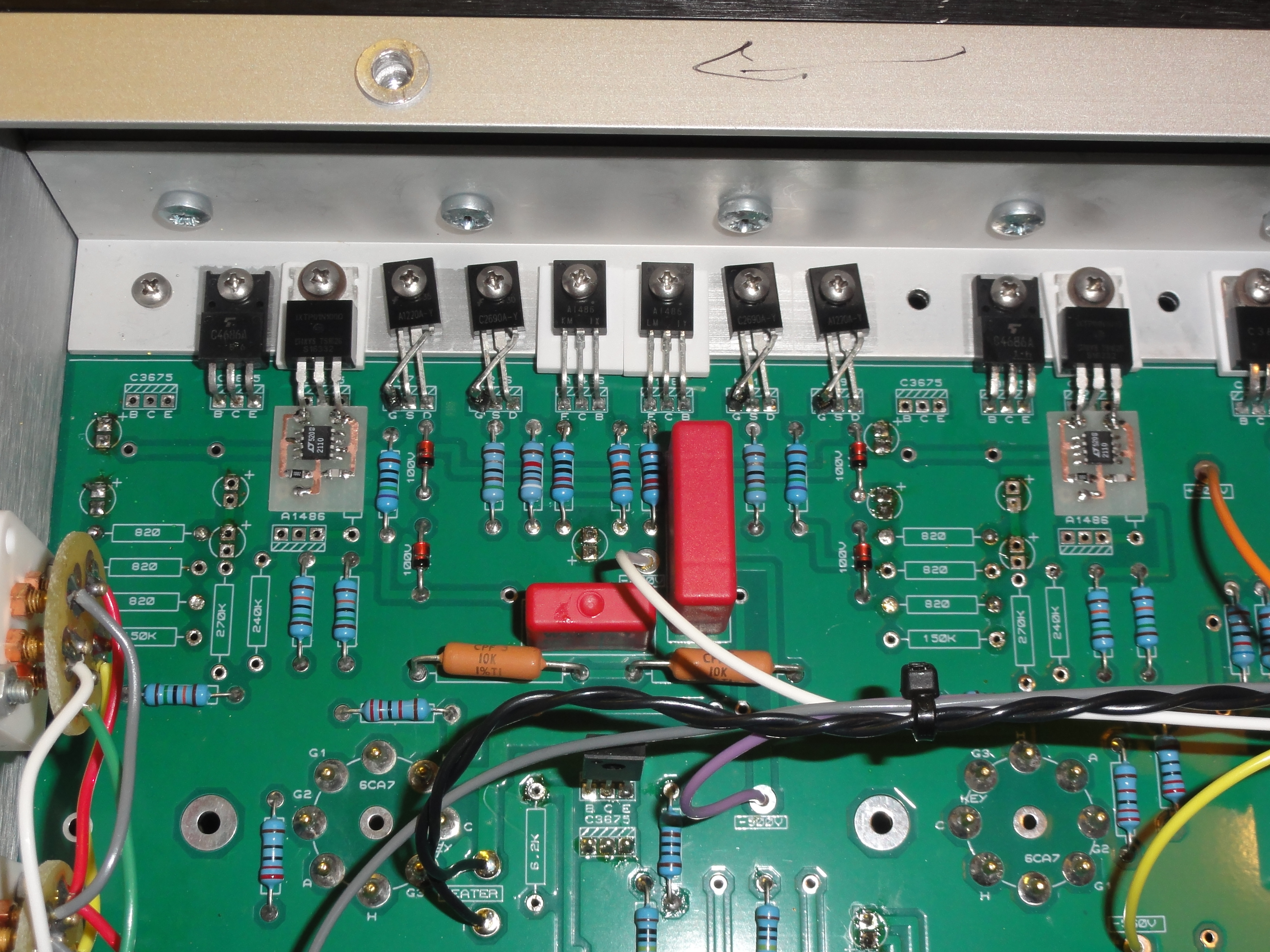
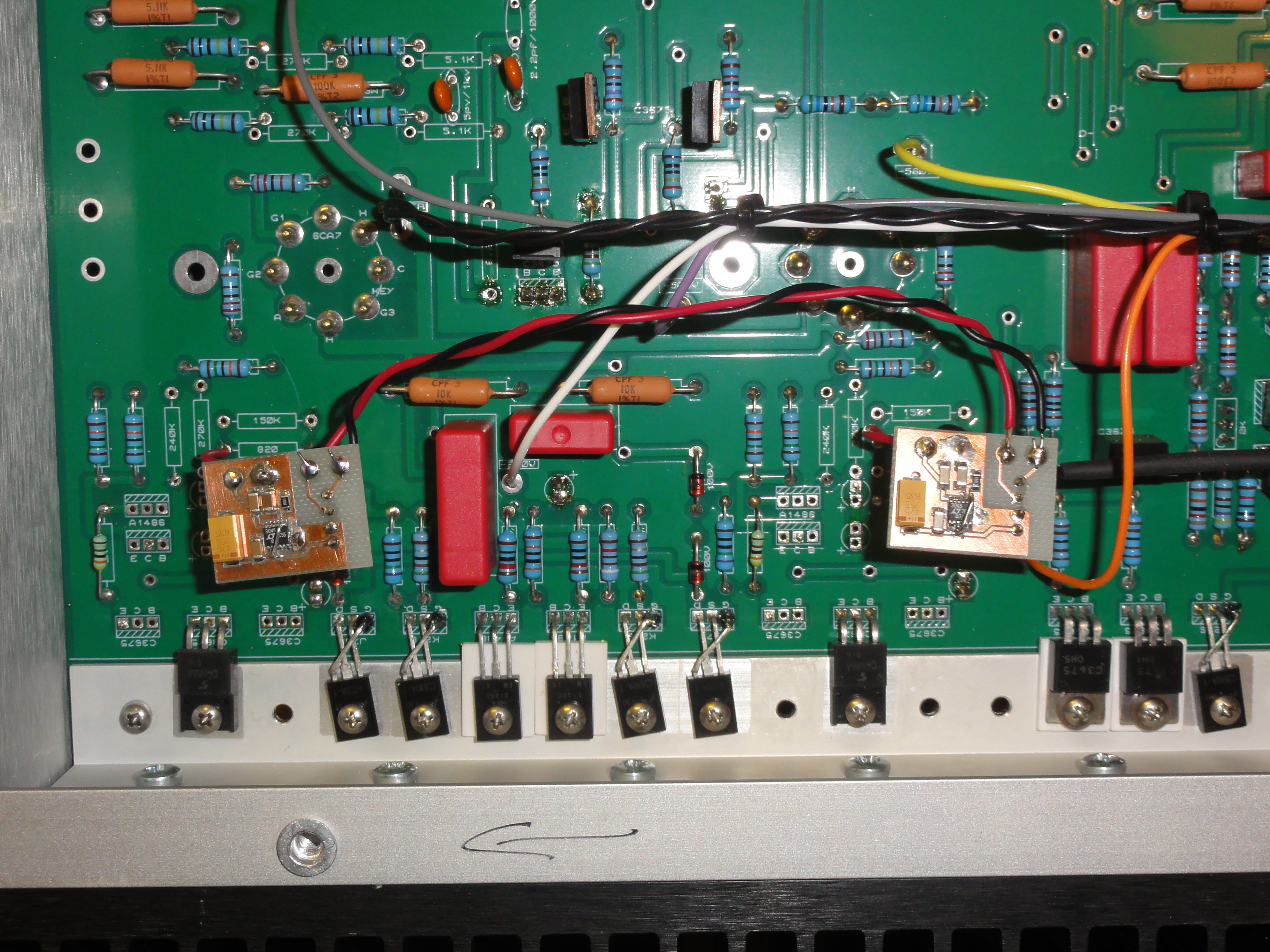
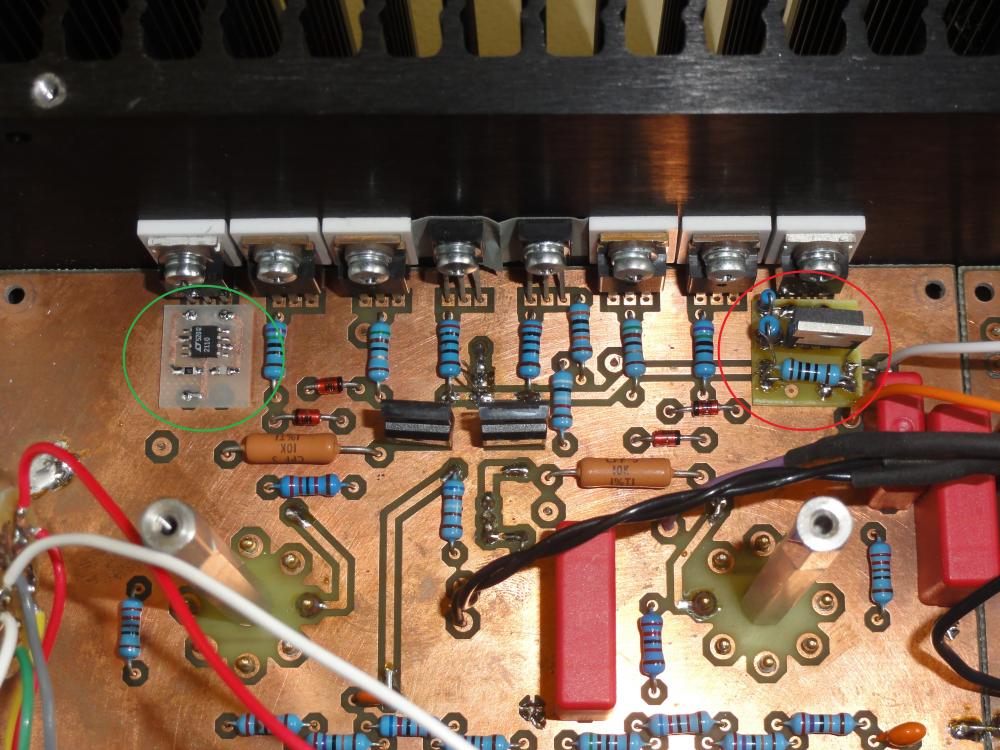
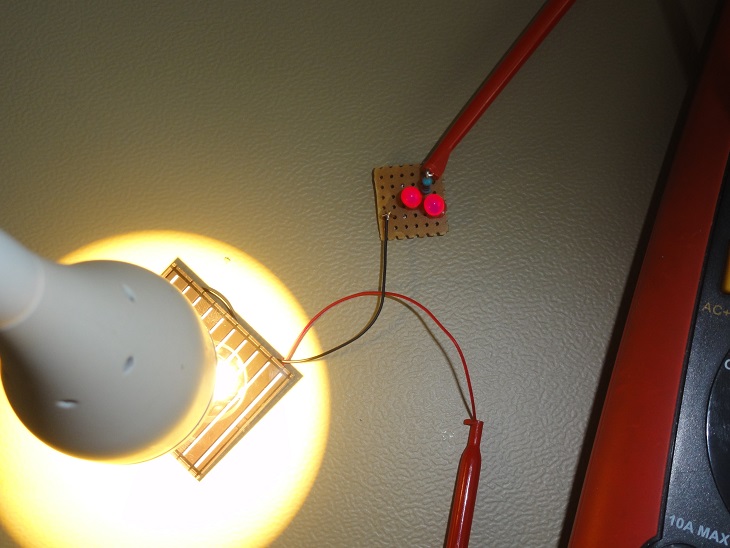
6 pointsToday I’ve equipped my modified T2 with the 01N100D/LT1021 current source Kerry has simulated, see previous posts. From beginning it had a straight 10M90S set to 10 mA. When JimL came with the cascaded version I removed the two resistors at 10M90S and added a small board with the DN2540 and corresponding resistors(red circle below). Today I made new daughter boards containing LT1021, 1k resistor and 47pF cheremic capacitor (green circle). Have listen to this for an hour. It works and I’m satisfied. Thanks Kerry for coming up with this. Below solar cell. Only for experimental purpose.
 6 points
 -
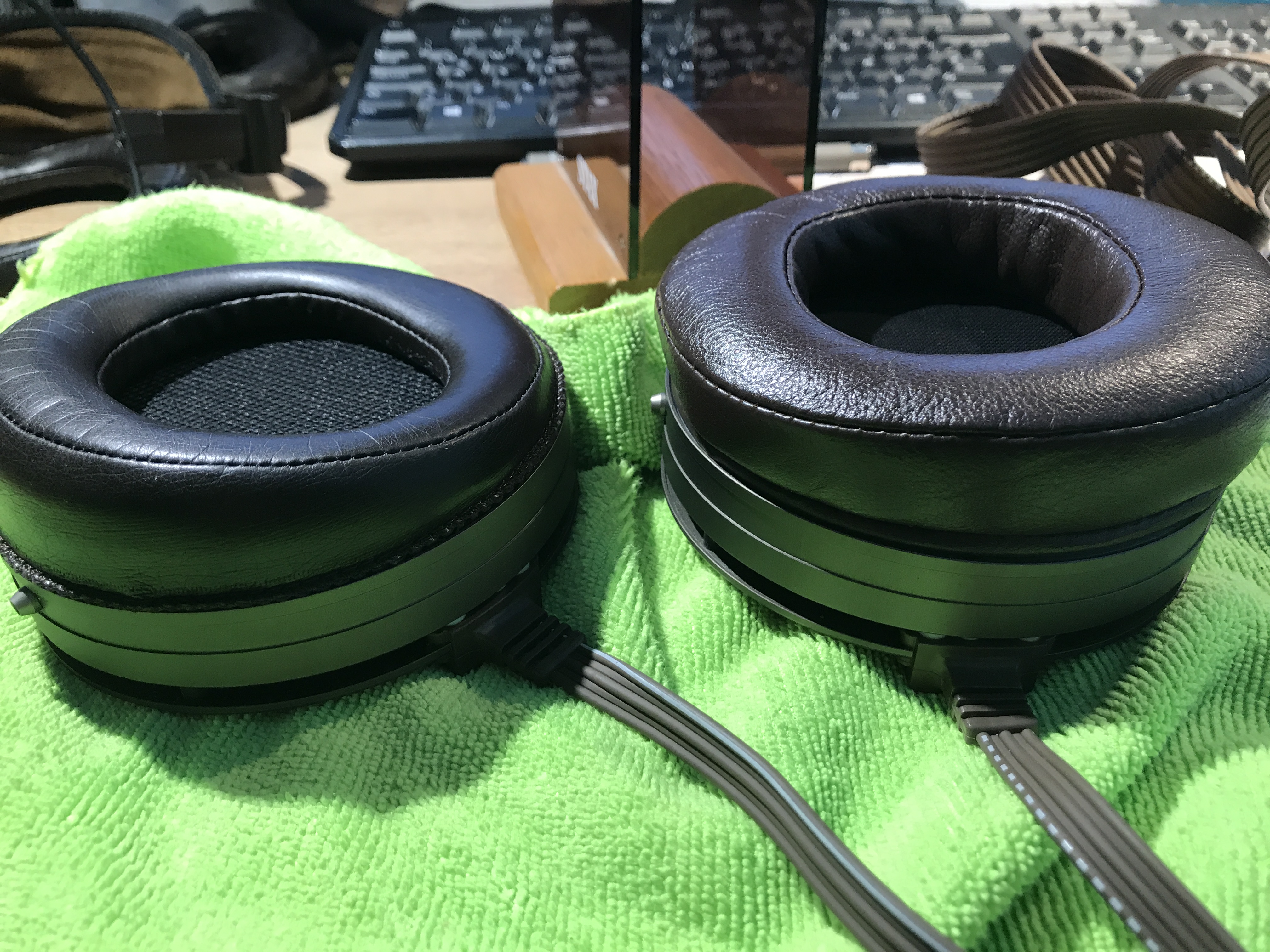
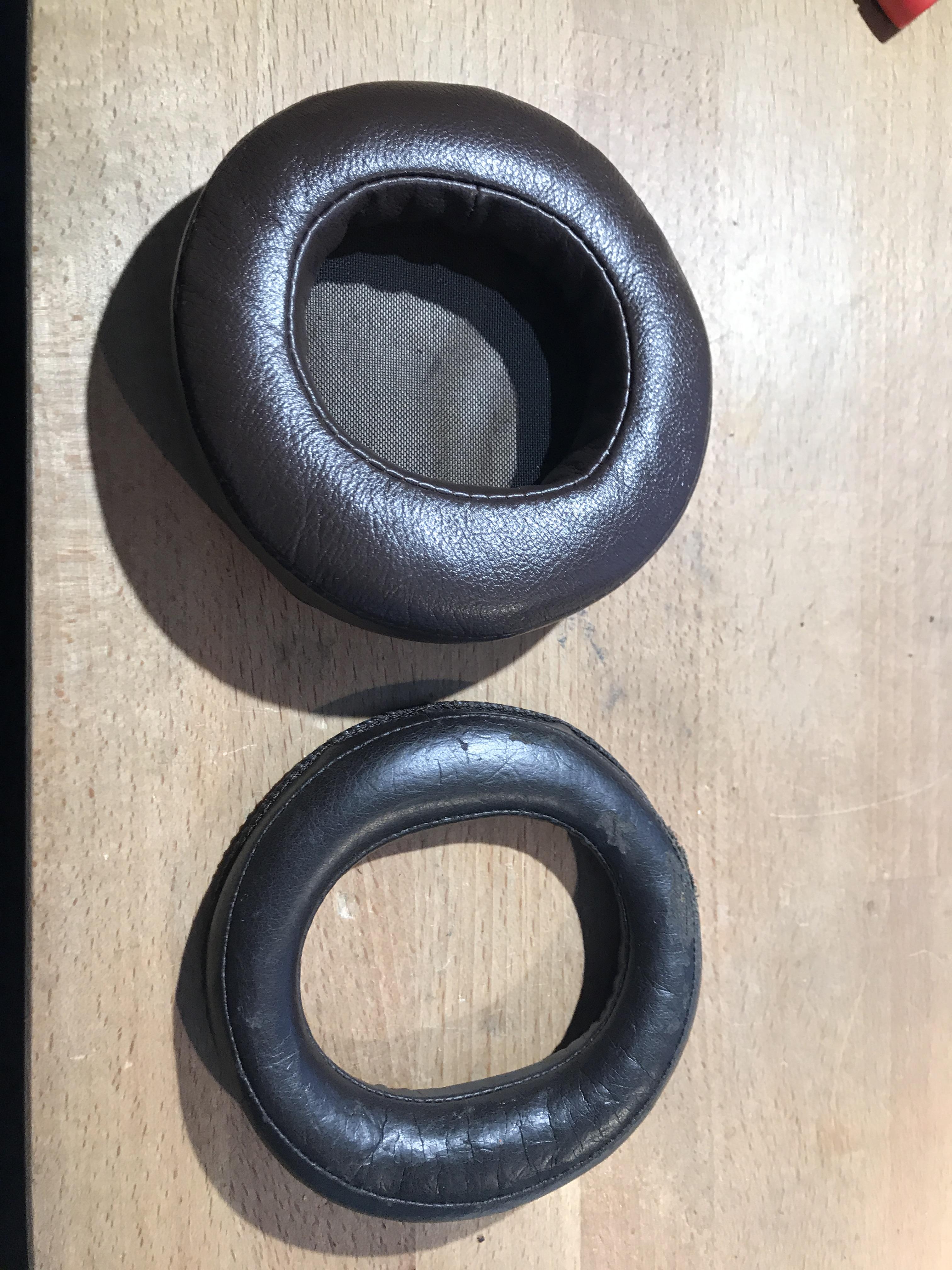
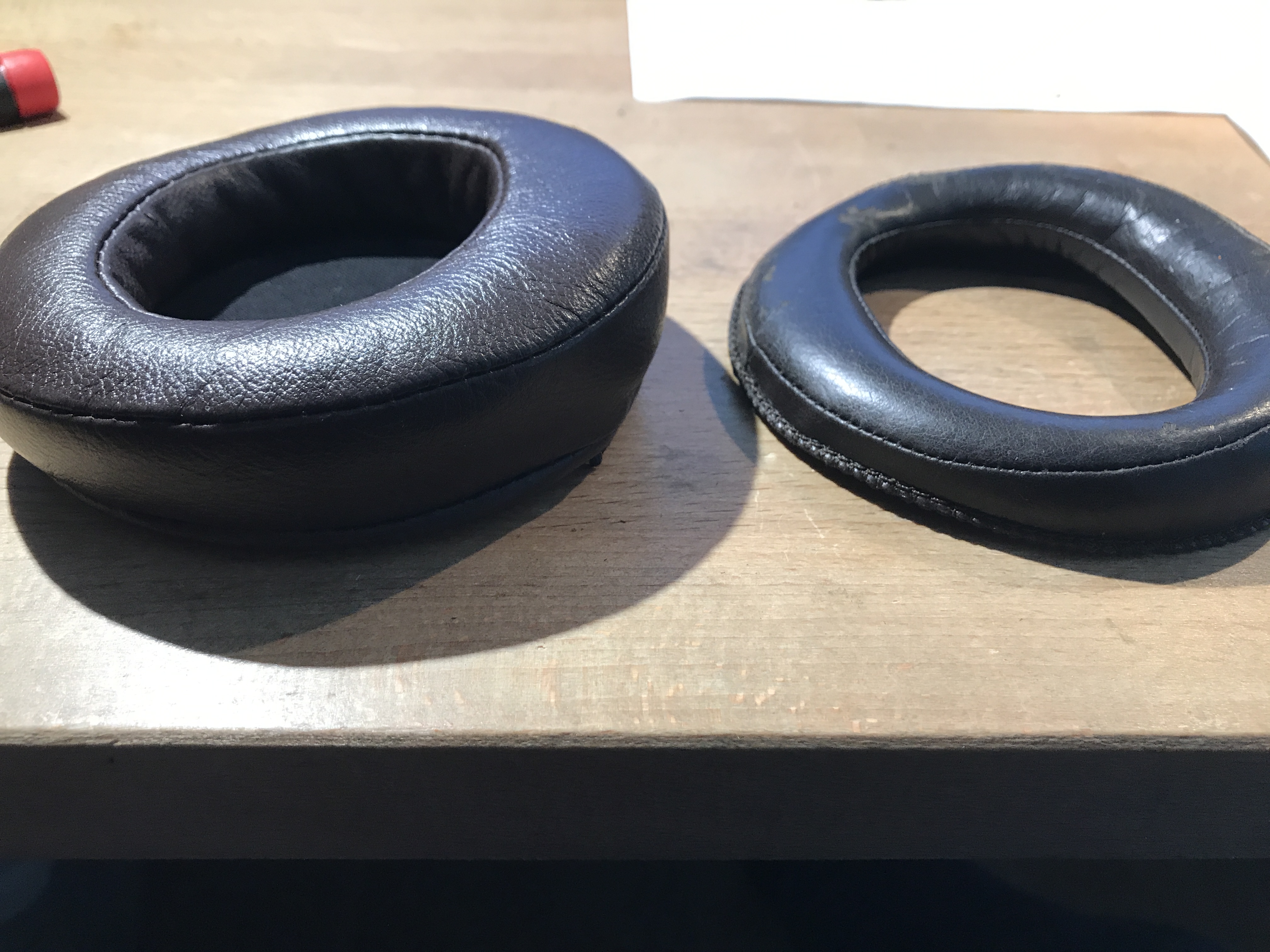
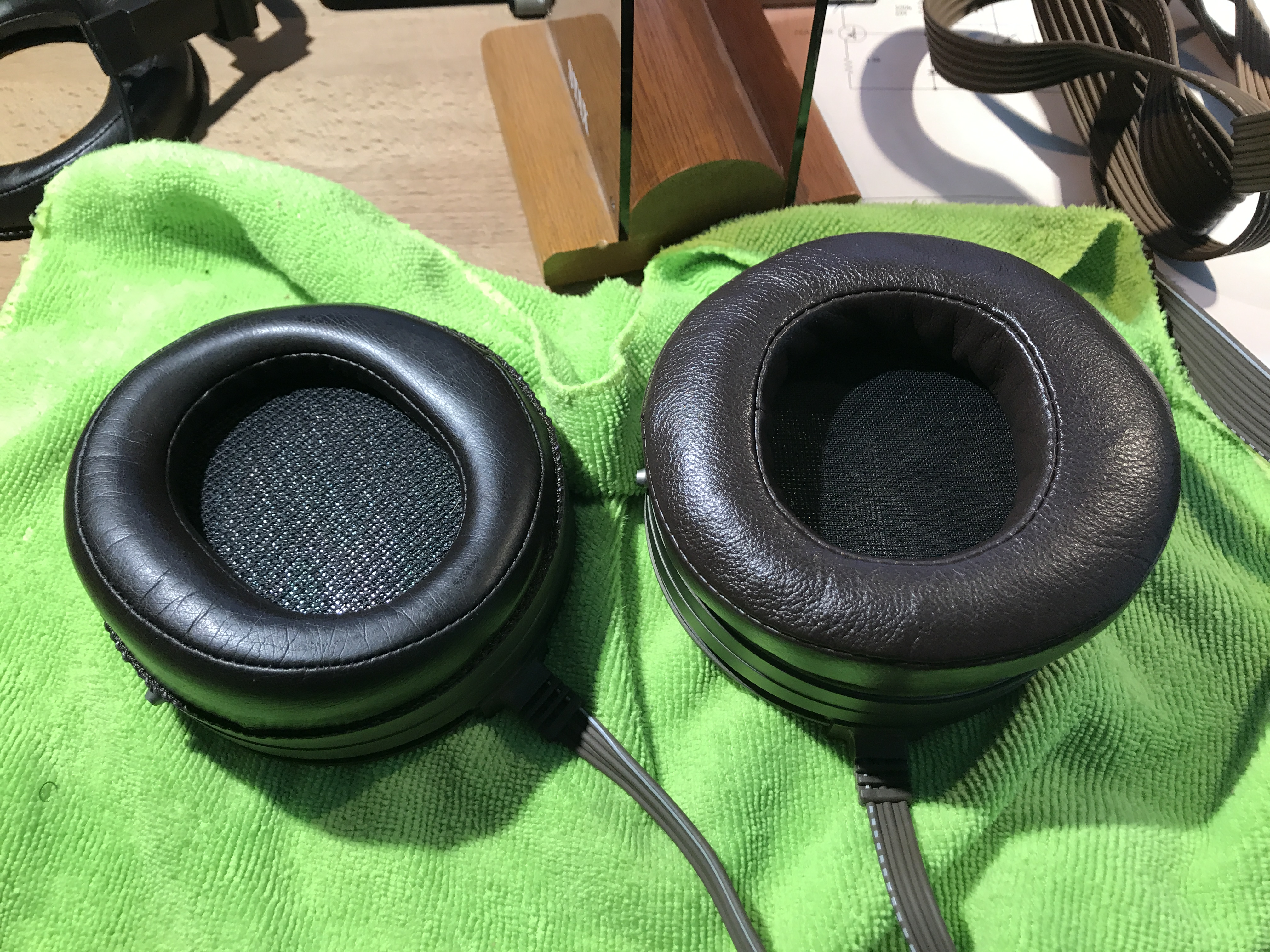
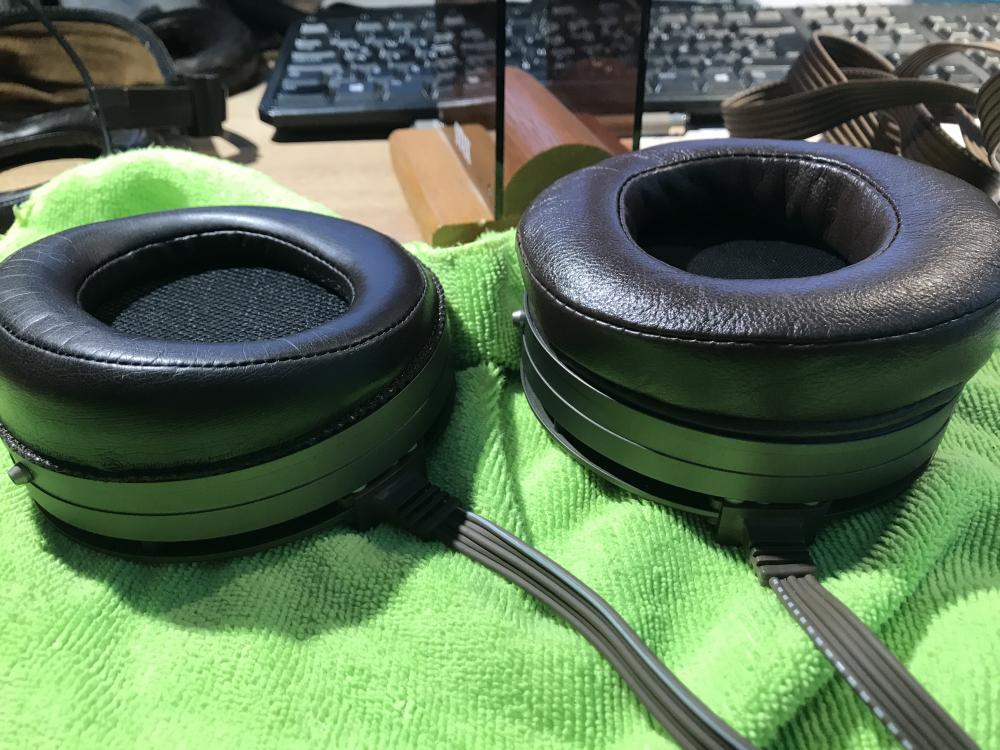
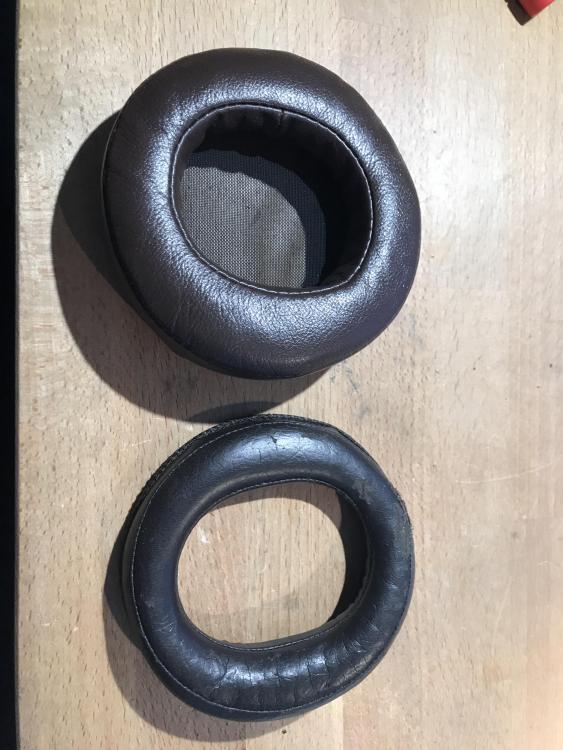
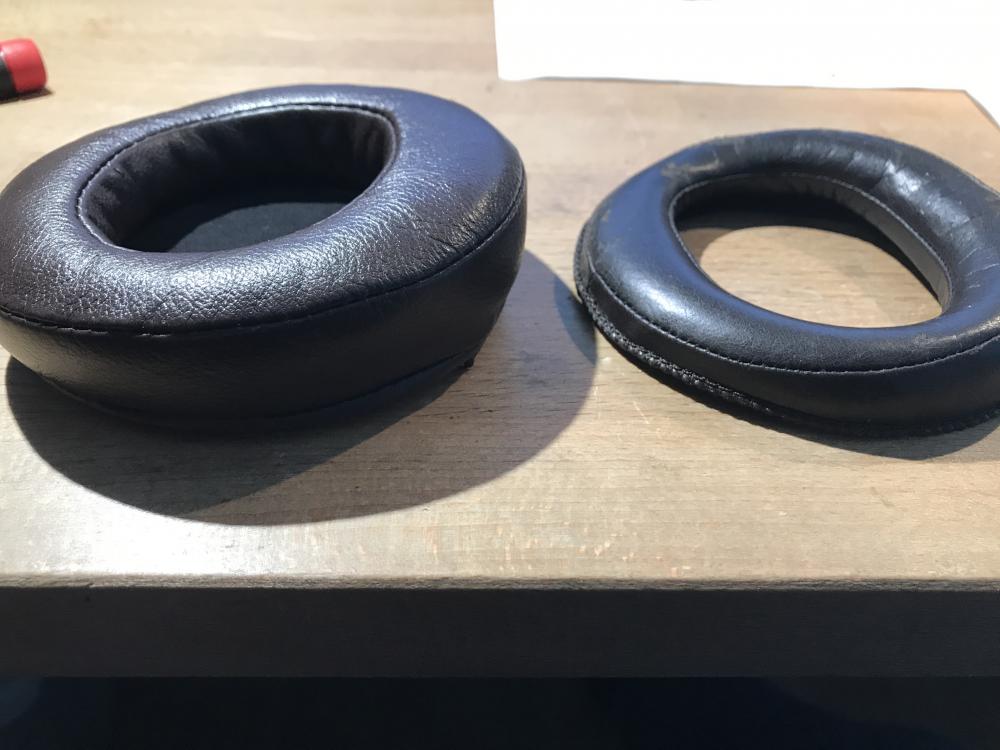
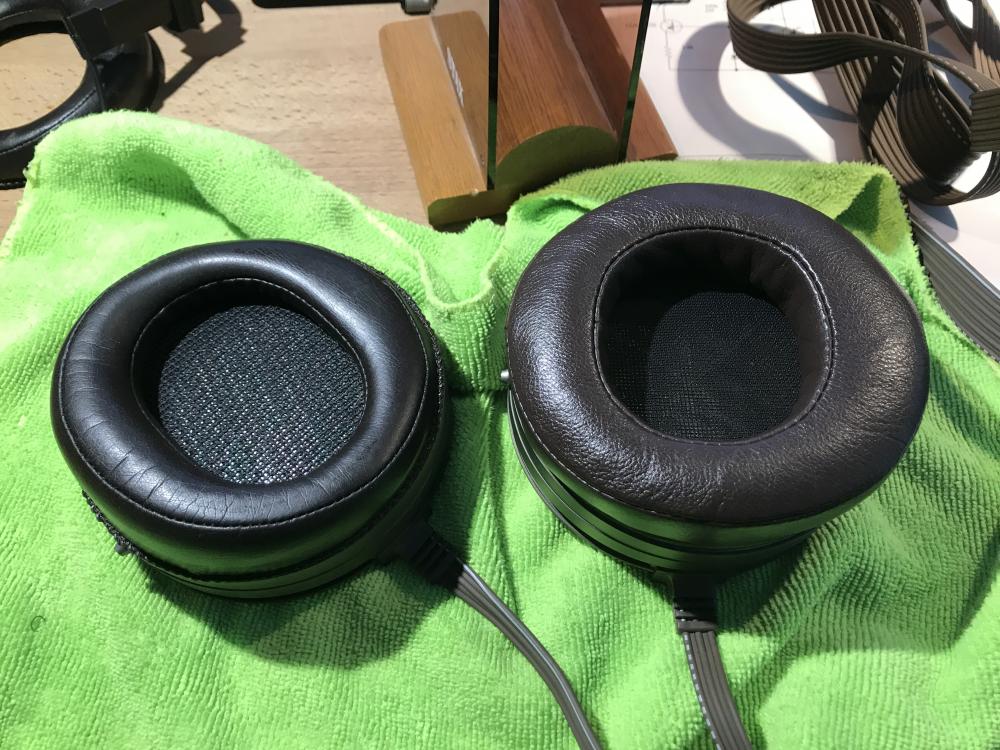
4 pointsHmmm I don't think I removed the loop out on any of ones I've done. Pop the hood and I'd know... In other news, as the SR-Omega owners know all to well...there are no more replacement earpads and the old ones are pretty much awful. Any set with the stock ones will be mimicking a block of wood by now and the replacements Stax used to sell were pretty fucked as they were just wrong. First of all they were black and then the dimensions were also wrong. They are all gone now as well so what to do... Well take a crusty set of earpads and re-engineer some new ones with the company that is making the earpads for my headphone project. Now they are real leather with memory foam. They are also thicker as they are much softer and the opening was made smaller to control the bass issues if the SR-Omega. Now this is the just the first prototype but what an utter fucking pain in the ass to install. I've sourced the pins Stax used and I'll order some new mounting rings for the next batch but yeah, not easy to install. Something I'm not sure can be changed but we'll see. Here they are mounted to the headphones: Yup, the "old" earpads are new old stock but mine won't last forever. Now how does it sound...bloody brilliant and they are so much more comfortable. Some more listening to be done on my part but some of my issues with the SR-Omega have been greatly diminished.
 4 points
 -
4 pointsLunch: Bahamanian Chowder, Conch Fritters and Shrimp and Lobster Quesadillas


 4 points
 -
3 pointsBetter is all relative anyway. All the frequency measurements at IF and sbaf, etc are equalized to various curves which no one even agrees on are correct, and which vary from person to person (hrtf). Also, the people at Audio Precision (Who are obviously also part of AES) agree that distortion at the most sensitive part of the audio range at around 1-4kHz is the most important which is audible even with more than even a tenth or two of a percent, while bass distortion is like an order of magnitude harder to detect. Yet I haven't seen any headphone review ever mention this. In other words, along with not being standardized, measurements should be weighted with frequency when it comes to human hearing, despite some people not knowing how logarithms work.3 points
-
3 points
-
3 pointsThe brain-ear system accommodates for the first part. That's the whole point in developing our hearing from infancy to adulthood. And the second part is just a contradiction. I mean think about what a soundwave is -- a localized variation in air pressure. If you recreate that localized air pressure variance just outside the ear as accurately as possible to reality, that should correspond to sounding as real as accurately as possible. I still disagree -- you have convinced me of nothing.3 points
-
2 pointsJust did 5.5 miles in the woods, 500 ft of climbing. Heart rate basically never dropped below 150. Felt like I was going to die most of the ride, but I did it, so next time should be easier. Made a friend2 points
-
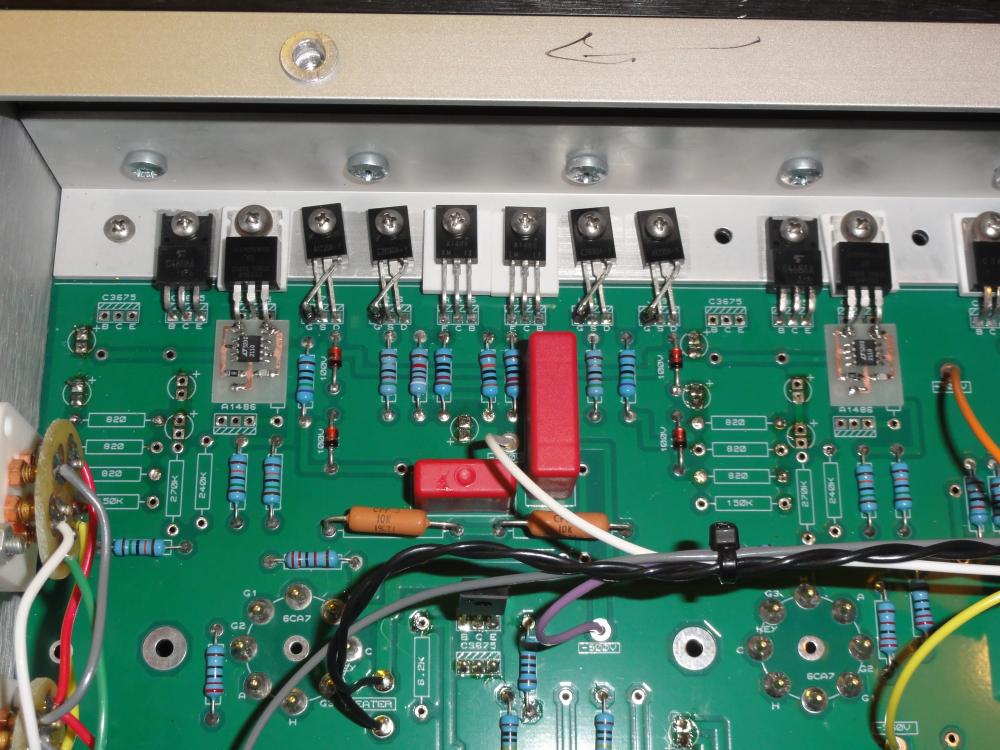
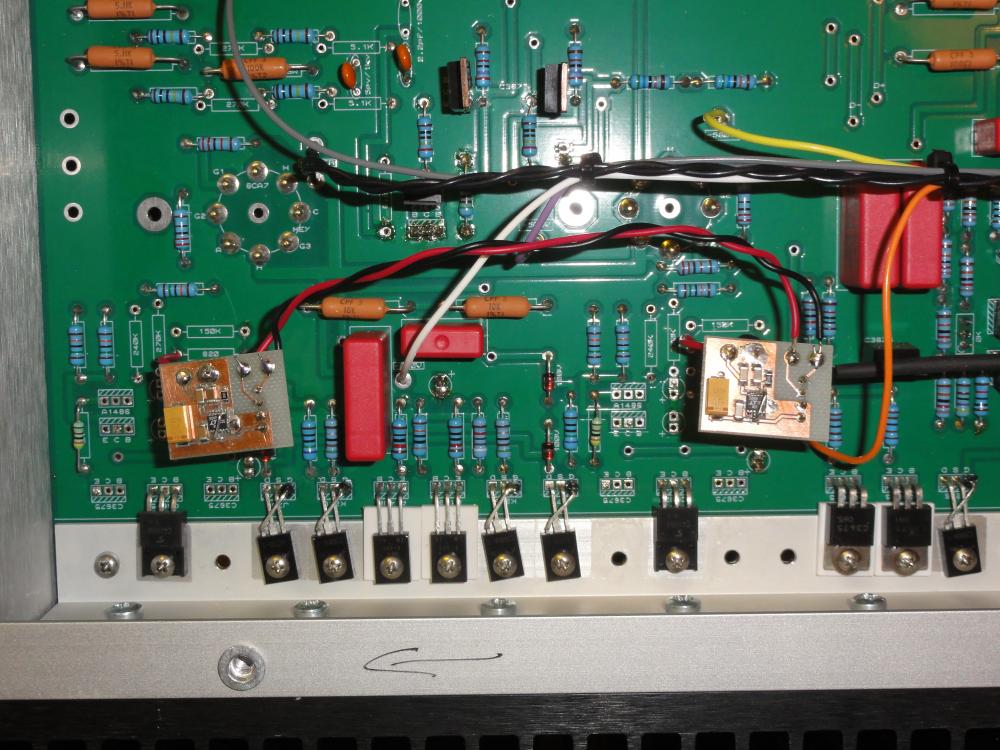
2 pointsIt was actually very easy to rebuild the large T2 with the DC/DC converters. Used same daughter board layout as for as for my modified T2, only had to move one hole 50th. I also have plenty of space since I only use one and not three output transistors and I found some nice spots for the daughter boards. One channel has the DC/DC converters and the other the newly made 01N100D/LT1021 boards. Both channels seem to work OK. Below: Daughter boards with LT1021 and 01N100D on heat sink. Boards with DC/DC converters and LT3045. Now it's late, done for today.
 2 points
 -
2 points
-
2 pointsJust ordered the new 10" ipad pro, looks sweet! I have the 12" ipad pro and always want it to be a little smaller. Happy they finally have the new iMacs out. I'll be ordered one soon.2 points
-
Oh YES. Vinyl arrived today - gob smackingly good. An unremittingly bleak picture of modern life in Waters' glorious prose, with such superb one liners: "Picture a leader with no fucking brains" and in another song "And every time a nincompoop becomes the President"2 points
-
2 pointsFinally got my stat cherry properly popped. Previously listened to a SR-202 from that small Stax amp and it didn't do much for me. Lambda Nova from SRM-1/MK2 sounds really good and bass is actually there.2 points
-
2 points
-
2 pointsThis. The way I understand it - and I understand nothing - is that your brain is used to compensating for the shape of your head (your HRTFs) but is designed to compensate for a single-point source of sound somewhere well outside of your head. Speakers aren't a single-point source but for HRTF purposes they aren't that different, so when listening to speakers, people hear similar things. Headphones are very far from a single point source, the sound originates from drivers just outside your ears and enclosed by earcups besides, so a lot of your head isn't a factor, and the same compensation curve now leads you astray into hearing a different sound, from person to person. And with IEMs, where the sound basically originates inside the ear canal, the differences are more pronounced. Now what I wonder is if the brain adjusts to the fact that the sound originates not from a single point source and comes up with some new means of compensation. I generally agree with others on how speakers sound like. When it comes to headphones, stuff like the HD650 and SR-007 actually sounds closer to a speaker system that's tuned to be flat 20-20, for me, than a lot of other things people call neutral. When it comes to IEMs, I have no clue what others are smoking, but if my crackpot theory has merit it's to be expected. People with whom I've listened to and compared IEMs have heard rather different things with regards to FR, but similar things with regards to detail, speed, dynamics, etc. From time spent on forums I've learned more or less how to compare myself to others, i.e. compared to Tyll, I gravitate towards a sound that is slightly, but not significantly warmer. Given those differences, I can kind-of extrapolate how things sound based on what I read but it's never easy or reliable, and even less so with IEMs. Of course, acclimatization is a powerful force, too. Listening to the L700 after the 007, it sounds bright. Listening to the 007 after the L700, it sounds dark. And over time, both start to sound more or less normal, though the actual relative shapes of their FR - like the L700's midbass hump and small treble spikes - are always audible.2 points
-
2 pointsof course not, I'd never try to convince you of anything. It's for the people who actually use their brains reading it later...2 points
-
2 pointsI disagree. The reference is real life. If you have a recording, and you know what it is supposed to sound like approximately one inch from the ears (where the drivers of most headphones are, and if that's where your mics are), reference headphones are ones that recreate that soundwave as accurately as possible. Ones that deliberately colour (ones that accentuate the presence or attenuate the sibilance regions, for example, or play up the midbass to trick bassheads into thinking there is moar base), are not reference headphones. Of course, this leads me to be very confused about the Sony MDR-V6/-7506, because I do consider them to be reference headphones in terms of bandwidth, once you mentally compensate for the colouration they introduce.2 points
-
2 pointsI was just doing a test fit, before opening up the $70 cork pads to actually try it out. I think I will just stick with the beater wheels on this beater bike as they are bombproof and will handle the shitty roads around here. Not sure the old MFs are up for Illinois roads.2 points
-
1 point
-
1 pointTo quote Floyd Toole from his book "Sound Reproduction: Loudspeakers and Rooms": "Technical excellence turns out to be a high correlate of both perceived accuracy and emotional gratification, and most of us can recognize it when we hear it." Basically, all things being equal, gear that measures better sounds better. I'm a believer in this, and I very much enjoy the work done by Mr. Toole, Sean Olive, and the AES.1 point
-
Is this an MOT thread? Seems like it... Sent from my iPhone using Tapatalk1 point
-
1 point
-
1 pointI agree with this. Your normal brain based hearing calibration curve is based upon the sound from essentially a point source reaching each ear and then combined nonlinearly to allow sound localization, i.e. distance and direction. This obviously utilizes the asymmetrical location and shape of both the inner and outer ear, head size and shape, bone density, etc. This curve does not work with headphones for obvious reasons. Personally, I had to learn how to listen properly with headphones. Essentially I had to build another calibration curve or more properly, curves since not all headphones interact the same way with my rather imperfect sensors.1 point
-
1 pointSteve to your point of "my" vs "the" reference I totally understand. Back in the early 90s buying speakers the Vandersteen 3c was all the rage but I could never understand why as they always sounded disconnected from the music. The Alon 2 alternately always connected me to the music immediately, it didn't make the either speaker the reference as both were highly regarded entry to mid proced "audophile" speakers. Funny enough today my speakers are studio monitors (Genelec 8050) and for years I fed them with the Metric Halo UNL-8 both of which would have been commonplace in studios but many sound engineers love this combo and some hate this combo. Neither is correct for some it allows them a reference to perform their jobs and for others it gets in the way of doing their job. Now the measurements Tyll don't look great, weirdly the LCD-X measure better but I find myself listening to the Sony more often. One would have thought that Sony would have measured their headphones during the development stage. Talking to the Sony team they seemed more science that headphone cottage industry magic people.1 point
-
1 pointWow....... that recabling of your SA5000 must be magic. My SA5000 are so sharp, like a scalpel I keep checking my eardrums for cuts and scar tissue..... They leave the AKG K701's looking like blunt butter spatula1 point
-
1 pointDusty, the point I'm trying to make is this: When you read an article about a speaker/amp/ DAC/what-have-you review, the reviewer usually mentions the system in which he is using said component. Most will state that they are using their "reference" speakers/amp/ DAC/what-have-you. They say "my" reference, not "the" reference. They say this because "reference" means the item you usually "refer" to over all others. Most reviewers have totally different reference items than others, thus no one component is considered reference by all. My reference headphones would be the AKG K1000. Not because they're the best headphone ever made, but because I completely know their signature. When using them I can therefore better understand the qualities of the component I'm auditioning. Yes, I've heard that a million times. There's post after post after post about it over there. I've listened to numerous Qualia, of each size. Did it make a difference...yeah, probably so. Did it make me like the Qualia any better when listening to the one that fit me best (Lg.) ... No.1 point
-
1 pointheadphones interact more directly with your ears than speakers, so headphones that interact in a way that is accurate for one person might interact with another person in a way that is less accurate. And different people value different aspects of sound when they're determining what is a reference headphone for them.1 point
-
1 point
-
1 point
-
1 point
-
Interesting amp. The amp section is pretty straightforward and by-the-book. I am curious, though, why did you choose the tubes you did? Was it purely for rolling purposes? I would like to point out that the output stage can't swing nearly as much voltage as most electrostatic headphone amps, but if it's enough for you, then there's no problem. Also, I notice the NFB loop is connected to only one side of the output stage, and it presents a low enough impedance to change the performance of that stage significantly, which would lead to an imbalance between the top and bottom portions of the amp. Have you considered loading the top portion similarly to restore the balance? The case and internal build quality is amazing.1 point
-
1 pointFor the Qualia it is all about the fit. Mine has a small headband so it does fit me perfectly. The sonic difference can be night and day between good and bad fit Qualia. I do enjoy the Z1R as well but I don't think it is as balanced sounding as a recabled CD3000 & SA5000 in a direct comparison. If you like a lot of bass and punchy sound signature with good sense of soundstage, the Z1R can easily be your favorite headphones. Never said that we all hear the same or prefer the same sound signatures. Plus, the Z1R works well with portable source.1 point
-
1 point
-
1 pointHa! I looked for a Z1R thread here to link to at the bottom of my review....um, yeah, don't think this one is very informative. Fucking funny, in a Head-Case sort of way, but no. Love you guys!1 point
-
1 point
-
I am so looking forward to this album!1 point
-
1 pointDid some work on mocking up the chassis and getting into a more listenable state. I will need to get aluminum top/bottom and rear panels for this (not using the steel ones that it came with). I'm also still a bit concerned with how warm the buffer transistors run, and this is open air. Using a modified amb e12 protector board (with muting). I tested this to see if HF oscillation would trip it, and it did (12V ~70MHz with the feedback set to the mid FB point). Listening-wise, it is likely my favorite amp, even being single-ended. This thing has balls, and seems to open up the recording more than any other amp I have built or used. Since my SE DynaHi boards are a drop-in, I may take another listen to those as well, but from memory, the FET version stomps it. I am going to build up a GRLV for this, and will likely get a 50 or 100VA Antek trafo for it instead of the 120 or 160VA SumR I have in here (a bit in the HC overdo it fashion ).1 point
-
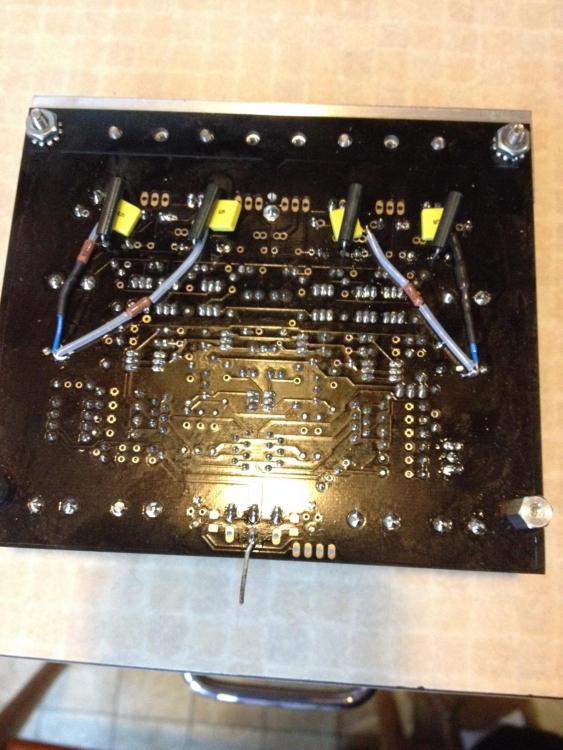
1 pointDocumenting how these are configured: Vbe multiplier: R17-R18: 3.3K R62: 1K VR3: 20K R19-R20: 2K Mods: Cordell zobels: 100pf / 90.9R from gate to ground (Cordell uses 39pf / 100R) Fair-rite ferrites (2773009112)) in series with gate resistor (cut gate traces) Gate stoppers: 47R Current feedback loop: 10K / 1K / 10pf (R55 / R56 / C1). I will try going back to the stock 1K / 100R on this. I would not even consider using the mid feedback point; last time I tried it (after board was working), it oscillated badly with no phones/output plugged in. I am going to solder the jumpers in place on this.
 1 point