

Leaderboard
-
swt61
High Rollers16Points22273Posts -
n_maher
Administrators11Points27522Posts -
Augsburger
High Rollers9Points13165Posts -
mikeymad
High Rollers9Points13883Posts



Popular Content
Showing content with the highest reputation on 08/27/22 in Posts
-
I wanted to post an update - largely thanks to you guy I have now met my fundraising goal. I rode to work yesterday despite the threat of severe thunderstorms in the afternoon (i don't melt) and while I got truly soaked on the way home it is still the best way to get too and from work. I hope to get out tomorrow for a good long ride to round off all of the base miles that i have put in this year but regardless, I'm feeling well prepared for a couple of weeks from now. Thanks again Head-Case. There really is no forum like ours.8 points
-
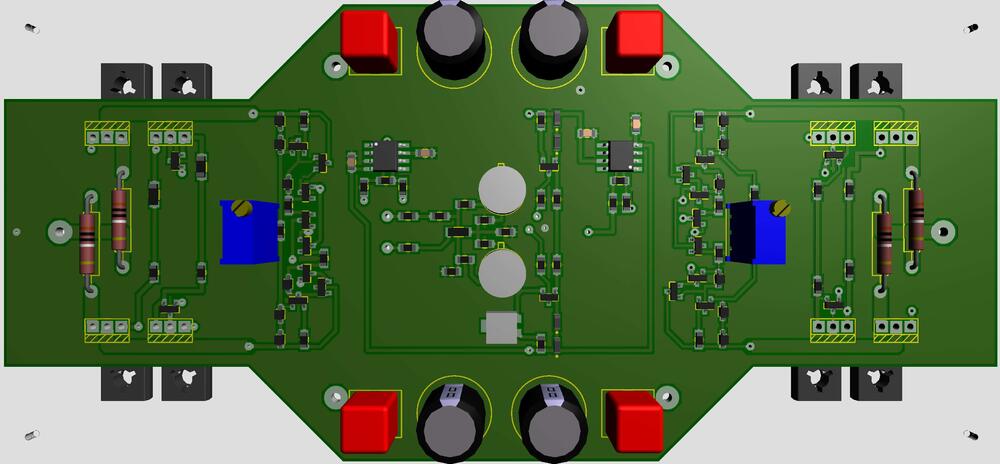
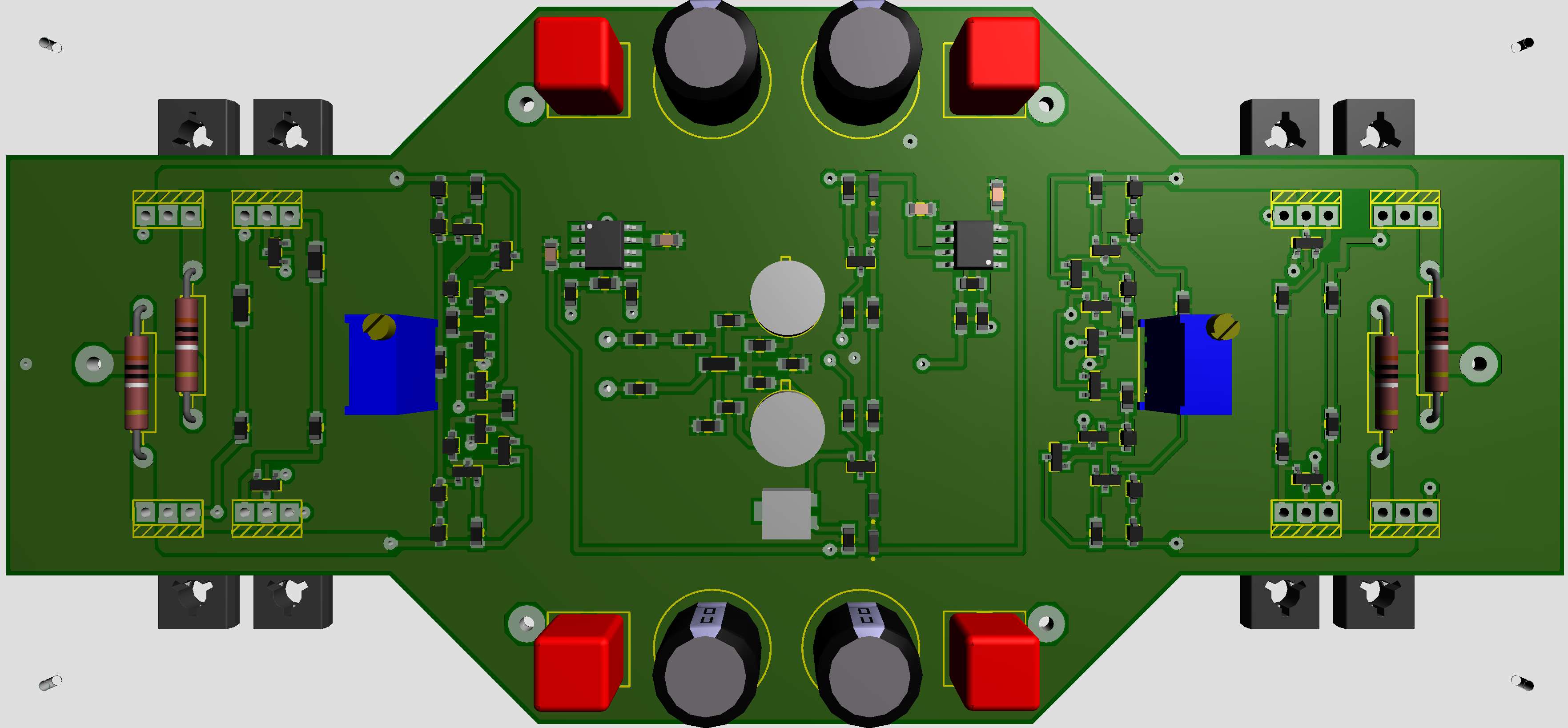
Welcome to HeadCase. You are obviously on the right track. It’s a rainy today so I had the time to finish this. Milling of the first board is scheduled at Monday 13:30 local time.
 7 points
 -
4 points
-
Test Tone @ Home live right now: https://mixlr.com/illuminator/3 points
-
Edwin everyday. The Year After European Jazz Trio 2019 https://album.link/i/1516037458 Example: Just well recorded Saturday afternoon Jazz. Fit the bill.2 points
-
2 points
-
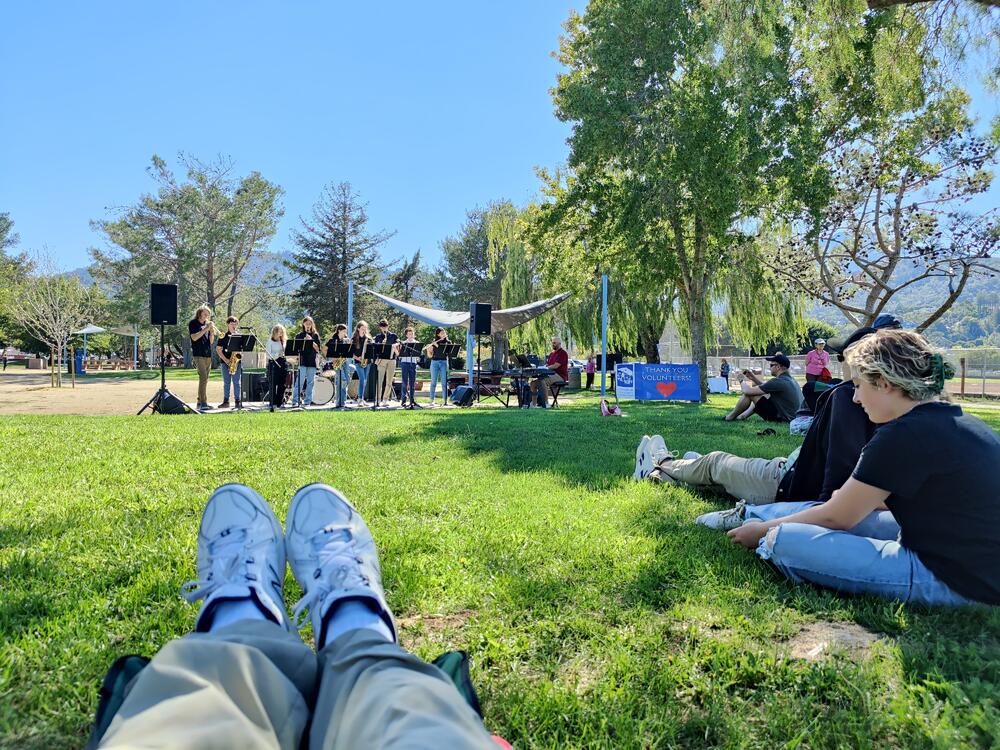
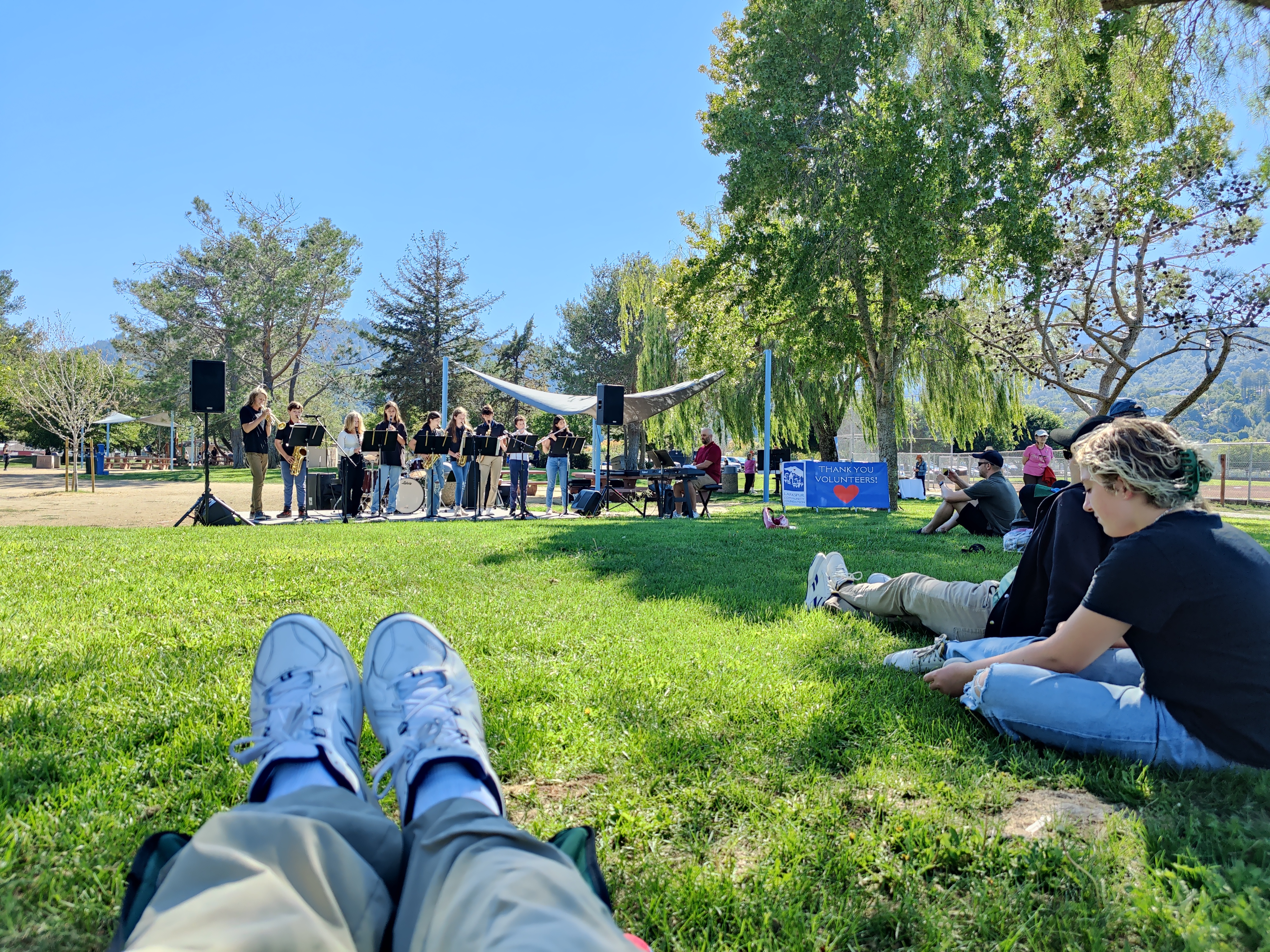
2 points2 pointsThe following is going to be nothing more than a bunch of YT embeds. There's a newish member of the Mic Snobs TF2 community who is experienced as the Spy class and posted a short "frag video" to our Discord. You don't need to know what any of that means. The music he chose was so actively painful I commented how it made me want to die. He said it was a classic from "when [he] was 15 years old." That was 2007, apparently. I did the proper old person thing and went on a rampage in the music channel of our Discord, posting a bunch of songs from when I was ~7 years old. I'm not sure it will embed, but the frag clip with the "song" is here: https://streamable.com/37w5zo2 points2 pointsShort answer: in almost all cases high accuracy is not required unless specified otherwise in the bill of materials or schematic. Most builders are using 1% tolerance resistors up to about 1W, except in the most critical of uses, and high wattage resistors are usually 5% or so. Longer answer: There are several factors to consider. A "7K" 1% resistor could actually be between 7.07K and about 6.93K and still be in spec. Similarly 4.2K could be between about 4.24K and 4.16K and still be labelled as 4.2K 1% resistor. So if you are lucky with your 4.22K and 6.98K resistors they could fall within the specs of the 7K and 4.2K anyway. If you have a good LCR meter or multimeter you could buy multiple resistors, measure and hand select the closest match to the values you want. But this is usually not necessary and requires a highly accurate measuring device. If you need accuracy without measurement you can go for 0.1% parts but they cost more, typically don't come is as wide variety of wattages and often have lower voltage ratings. Also consider that all resistors heat up when current passes through them and the heat changes their resistance. The amount the resistance changes depends on the materials and manufacturing of the resistor and is usually specified in ppm per degree of temp rise (lower is better i.e. more stable but also more costly). Unless the use of the resistor in the circuit is critical, around 50 to 200ppm is fine for low wattage resistors and multiple hundred ppm is common for higher wattage... So in circuit, depending upon the power the resistor is dissipating, its resistance will vary from that measured when cold anyway... It is vital you don't exceed the voltage or wattage rating of a resistor and it is good practice to operate them bellow their ratings for safety and long term reliability. When looking at the voltage rating look for working voltage - this is the maximum voltage it can handle continuously. Some specs don't tell you working voltage but rather the maximum voltage just before failure which is a lot less useful. Some specs don't tell you if the voltage rating is maximum or working... so assume its maximum and the working voltage will be a lot lower.2 points2 points1 pointThey wouldn't celebrate it this way on postjack's forum, but this will have to do.1 point1 pointHelloooo Larkspur! Kickin' off with the Hall middle school advanced Jazz band
 1 pointEdwin Starr About War song, What is your favorite version? The Temptations vs Edwin1 pointLady Blackbird (aka Marley Munroe): Lady Blackbird – Black Acid Soul1 pointCoincidentally large format… https://petapixel.com/2022/08/26/100-year-old-360-degree-film-camera-that-uses-98-feet-long-film/1 point1 pointRIP Joey D. That's sad and way too young. We saw him play several times and he could swing. 😢1 point1 pointI´m ready for my next challenge (1º Oct). Cicloturista de la Gomera 🙂 I have very good friends in the amphitryon team and this year I have managed to square the dates to be with them
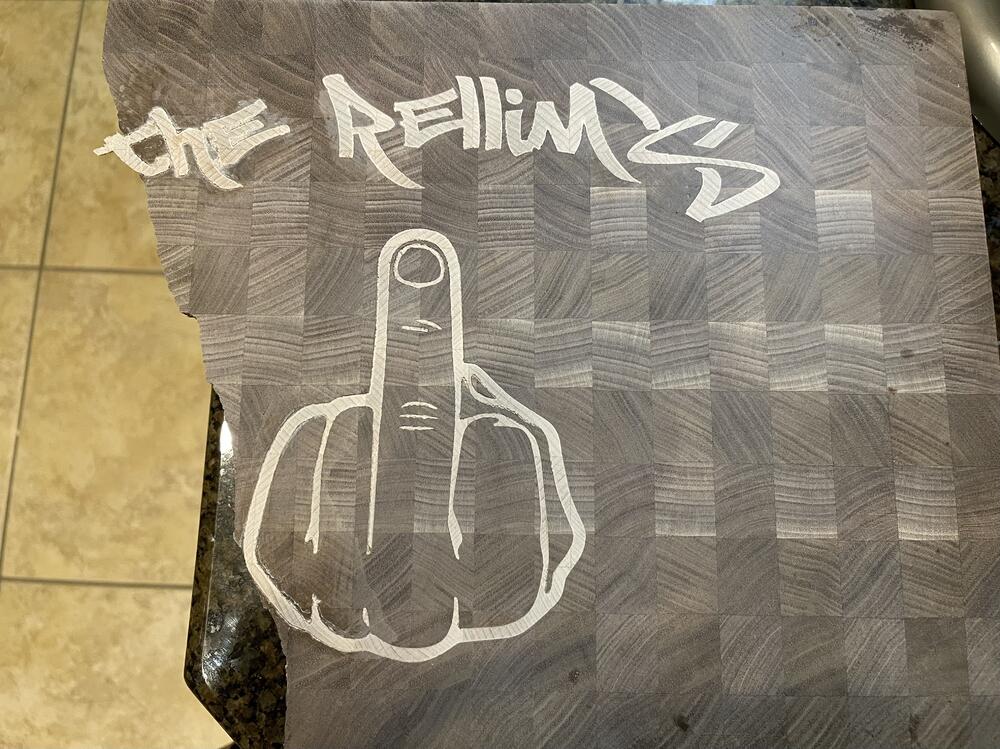
 1 pointGoodness me, a nice little surprise: Clare Grogan (Altered Images) came out with a new album! Saw in her interview, "....37 years since the last one...I know I'm rushing things a bit..." Typical pop, more like their later years before they originally broke up.... Her voice still has that cuteness to it, and it's fun & different to hear because she has quite the thick Scottish accent when she normally speaks....1 point1 pointThe unregulated power supply on the original T2 is its real Achille's heel. Other than thermal management that is. One thing to watch with T2 transformers is that the heater windings to the pentodes float at 500V. So there needs to be adequate insulation barriers inside the heater transformer to cope with that, and adequate insulation in the umbilicals. With mine I ran the floating heater wires inside the umbilicals inside a glass fiber sheath.1 point1 pointOn my prototype build, I had some hum issues. I tried DC supplies on the front-end and they did not help. What helped was how I routed the power / filament supply wires. You should have no hum on the T2.1 point1 pointdc filament power supplies normally cause way more trouble than they fix. and you definitely want that supply floating and leave in the 47 ohm resistors.1 point1 pointThanks for making me look -- Tidal now has it, too: https://tidal.com/browse/album/239031935 Haven't heard this in forever (I did buy it on CD way back when, so it's probably in my collection somewhere, still with the shrinkwrap on).1 point0 pointsDon’t put to much clamping pressure on end grain boards when glueing inlays.
 0 pointsUnfortunately it is too true. In particular from 1st October gas and electricity prices are rising by 80%. After they went up by 60% in April. And forecast for a further 80% in January. And god help us what happens in April. First rate video. Dunno who she is, but it calls the shots for sure.0 points0 pointsJaimie Branch too. Gone at 39. https://www.theguardian.com/music/2022/aug/24/jaimie-branch-jazz-composer-and-trumpeter-dies-aged-390 points0 pointsI've just known that Joey DeFrancesco died yesterday. 51. Rest in peace and thanks for the soulful music0 points0 pointsIs this thread indexed by google? I forget. I had a dualski colonoscopy and endoscopy yesterday. The prep work was gruelling in extremis. The good news is that I don't have any obvious symptoms. The bad news is that there's no explanation as to why I'm sick so severely and so often. Today I am operating at like 1/10 power. Unsure if I'm doing my radio show tomorrow or not.0 points0 pointsRIP to an old friend of mine. We'd known each other since somewhere between 4 and 6 years old. Not really close anymore, but he was a fire dective (or something) when Kristen's mom burned down their house. We had Kristen's step-dad's ashes (Emma, the kids' aunt's father) inside and I was able to catch up with him and get him to go in and retrieve them. They were in a bag inside a cardboard box. He was able to save those before the fire reignited and would have taken the ashes (and some other things we got out with Matt's help.) His mom was my 2nd grade teacher back when my dad was principal. I heard a lot of chatter about the two who passed away, but woke up this morning to a message from my mom who let me know it was Matt. He's at least the 2nd or 3rd from that friend group who's died in the past few years (the other being my best friend growing up.) He left behind a wife and I believe two young kids. As someone who lost his dad when he was 10 (and my dad was just a couple years older than Matt and I were/are now), this one was sad. https://newschannel9.com/news/local/communities-mourn-loss-of-thp-trooper-marion-county-commissioner-in-helicopter-crash RIP Matt Blansett.0 points0 pointsThis one hurts a good amount. RIP Chris Sommovigo, only 55. Say what you want about cables, but he did some amazing work over the years, some at dirt-cheap prices; some of my favorite cables have been his inexpensive trials, prototypes for some of his later designs. I have been a fan & customer for more than 2 decades, we conversed a bit about his move to Japan and then back again to the US to help his ailing mother, amongst several other things. A supremely decent human being for sure.... Very sad to hear....RIP0 points0 pointsNot just someone or another... Just got a pop up notice on Facebook that our friend Matt Dunlop would have been 40 today. Seems impossible. That must mean it has been over 10 years, since I believe he was 29 when he died. Really liked that guy. He was a good friend, and I sure do miss him.0 points0 points0 pointsPIP Billy Woodman, founder of ATC loudspeakers. One of the audio greats. Too early at 76 after long ill health. https://atc.audio/0 points0 pointsRIP Ben Stelter, a 6-yo who died of Brain Cancer. As a hockey fan, it was incredible to see the impact he had on the Edmonton Oilers, and the love they had for him. Fuck cancer...fuck it hard especially for attacking such young kids.... https://www.nhl.com/news/ben-stelter-young-oilers-fan-dies-play-la-bamba-baby/c-3352427560 points0 pointsIssey Miyake Dies at 84 https://www.nytimes.com/2022/08/09/fashion/issey-miyake-dead.html Missed this a few days ago. Of significance for me as Erika had an Issey Miyake dress as her wedding dress.0 points

























Important Information
By using this site, you agree to our Terms of Use.