Leaderboard
-
VPI
High Rollers11Points9103Posts -
Voltron
High Rollers8Points34606Posts -
Knuckledragger
High Rollers7Points16496Posts -
JoaMat
High Rollers6Points1558Posts




Popular Content
Showing content with the highest reputation on 06/27/16 in all areas
-
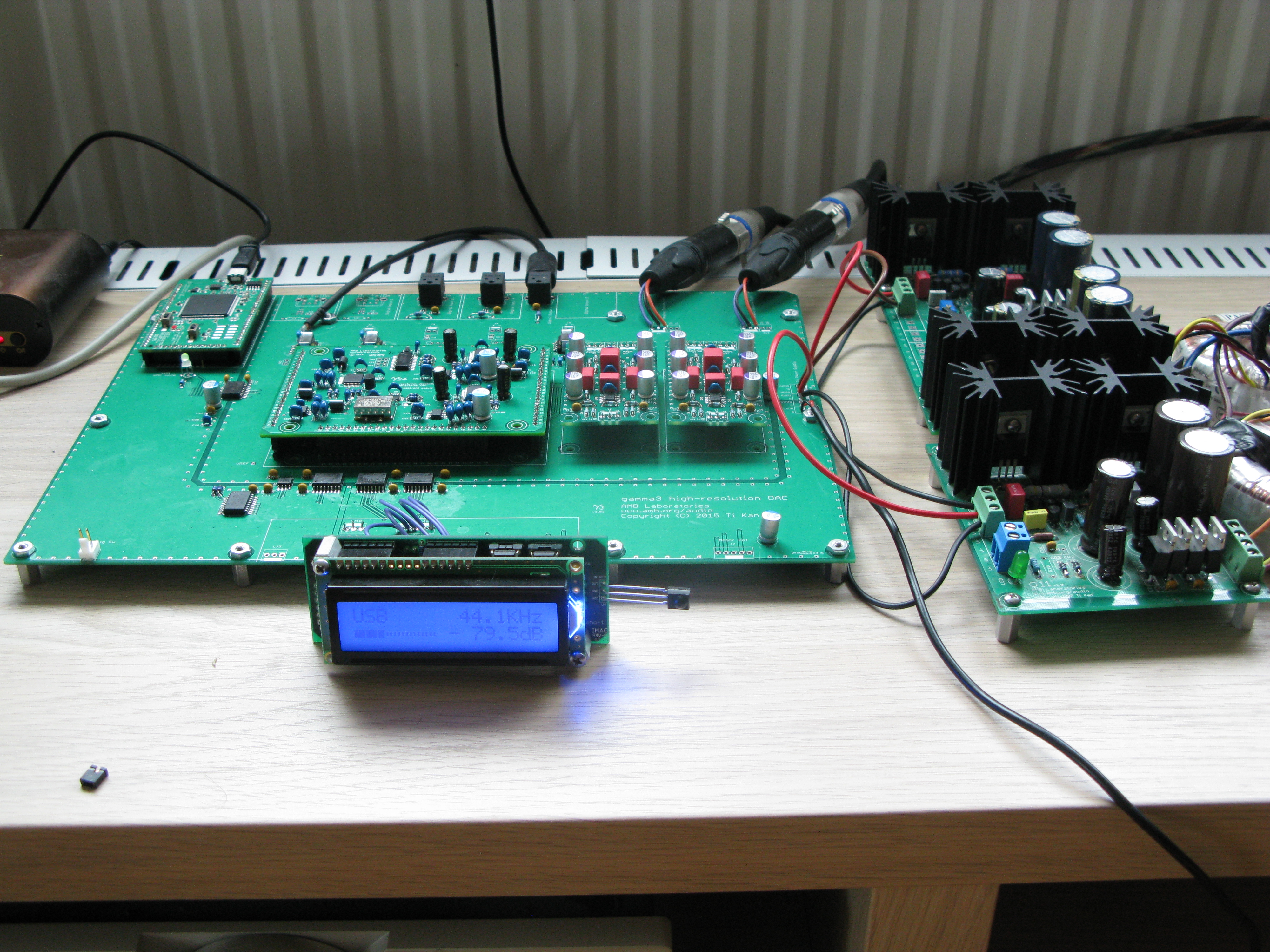
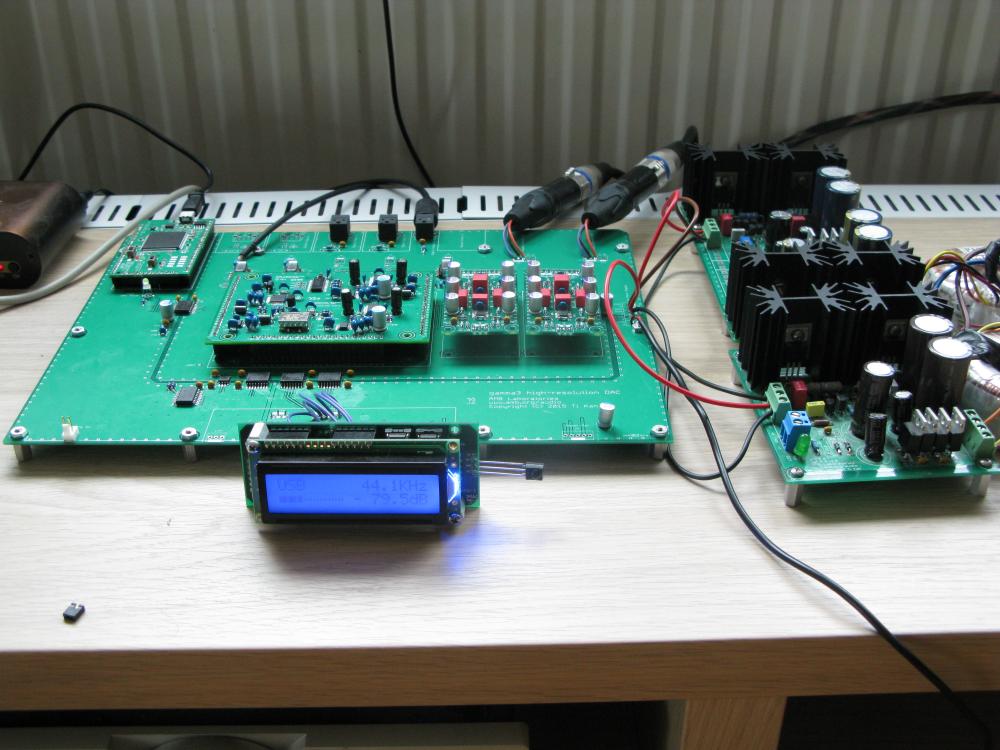
6 pointsA working y3. All right, need a nice chassis. Indeed, a very impressive DAC from AMB. I’m very grateful for all the work that have been put in this project. Thanks a lot Ti.
 6 points
 -
Najac, France. Foroglio, Valle Maggia,Ticino, southern Switzerland. Stanislav Petrov, the man who made the decision not to fire at the United States after a faulty report from the Russian missile detection that a nuke had been fired, what probably prevented WWIII.5 points
-
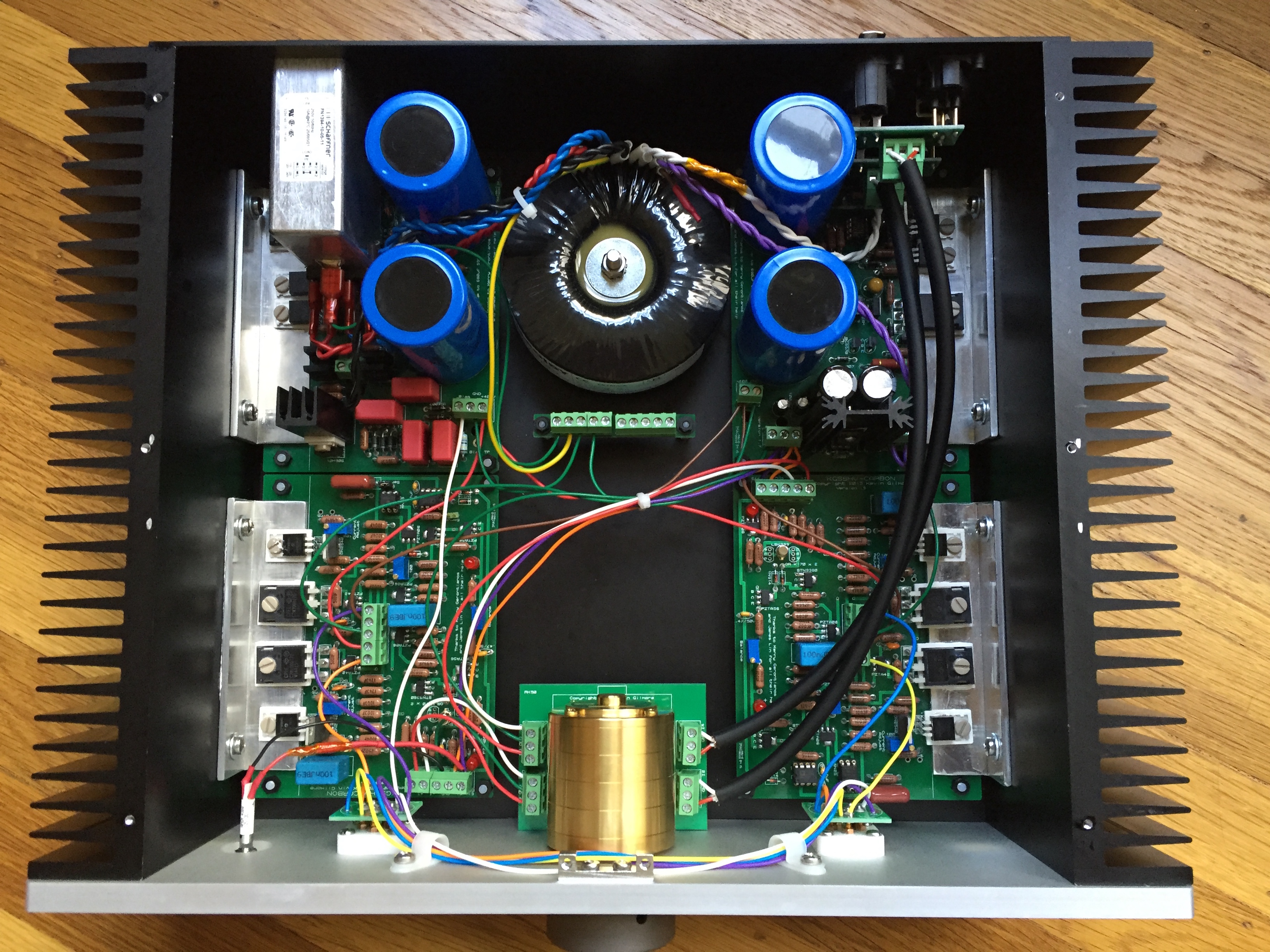
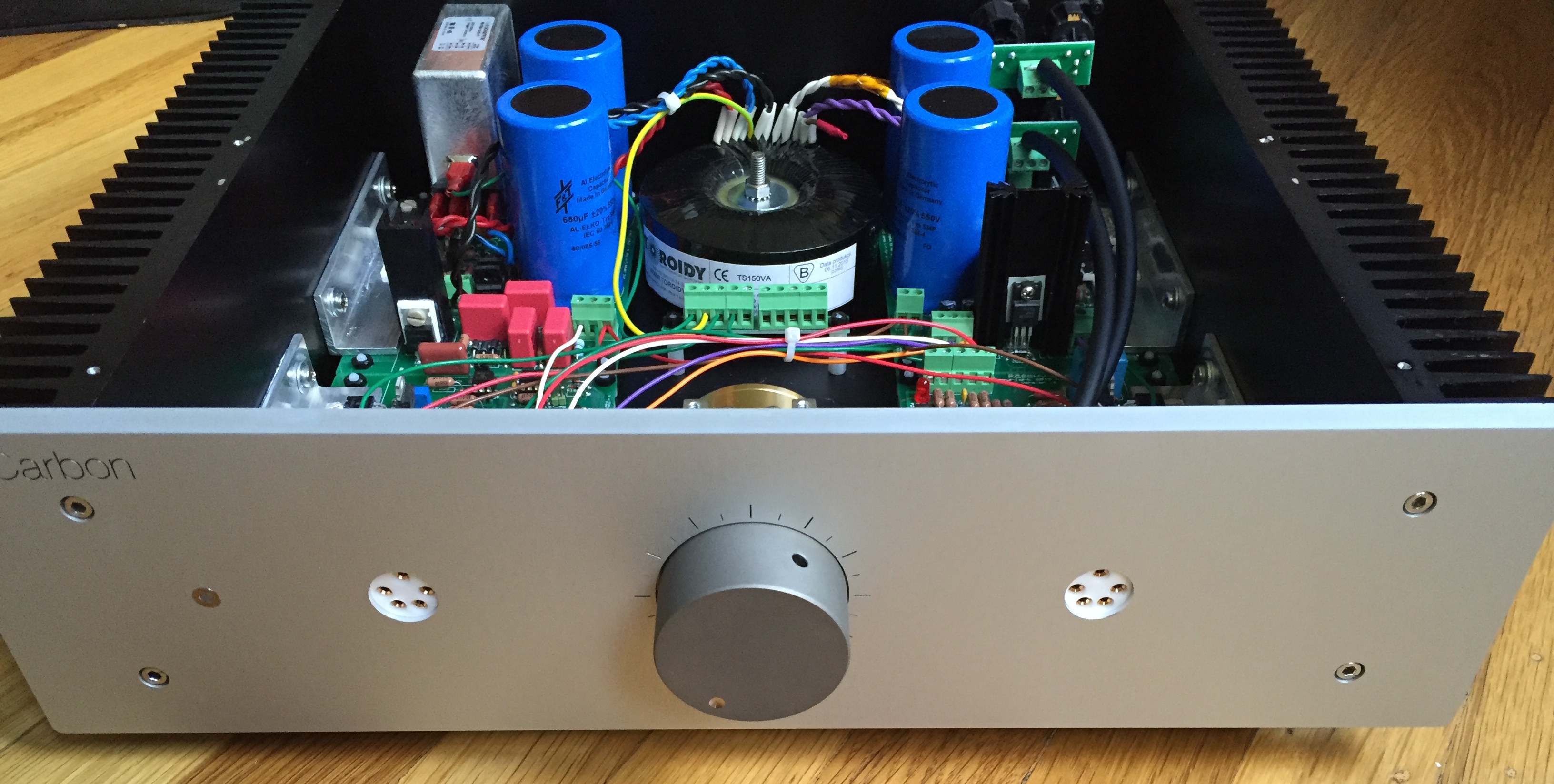
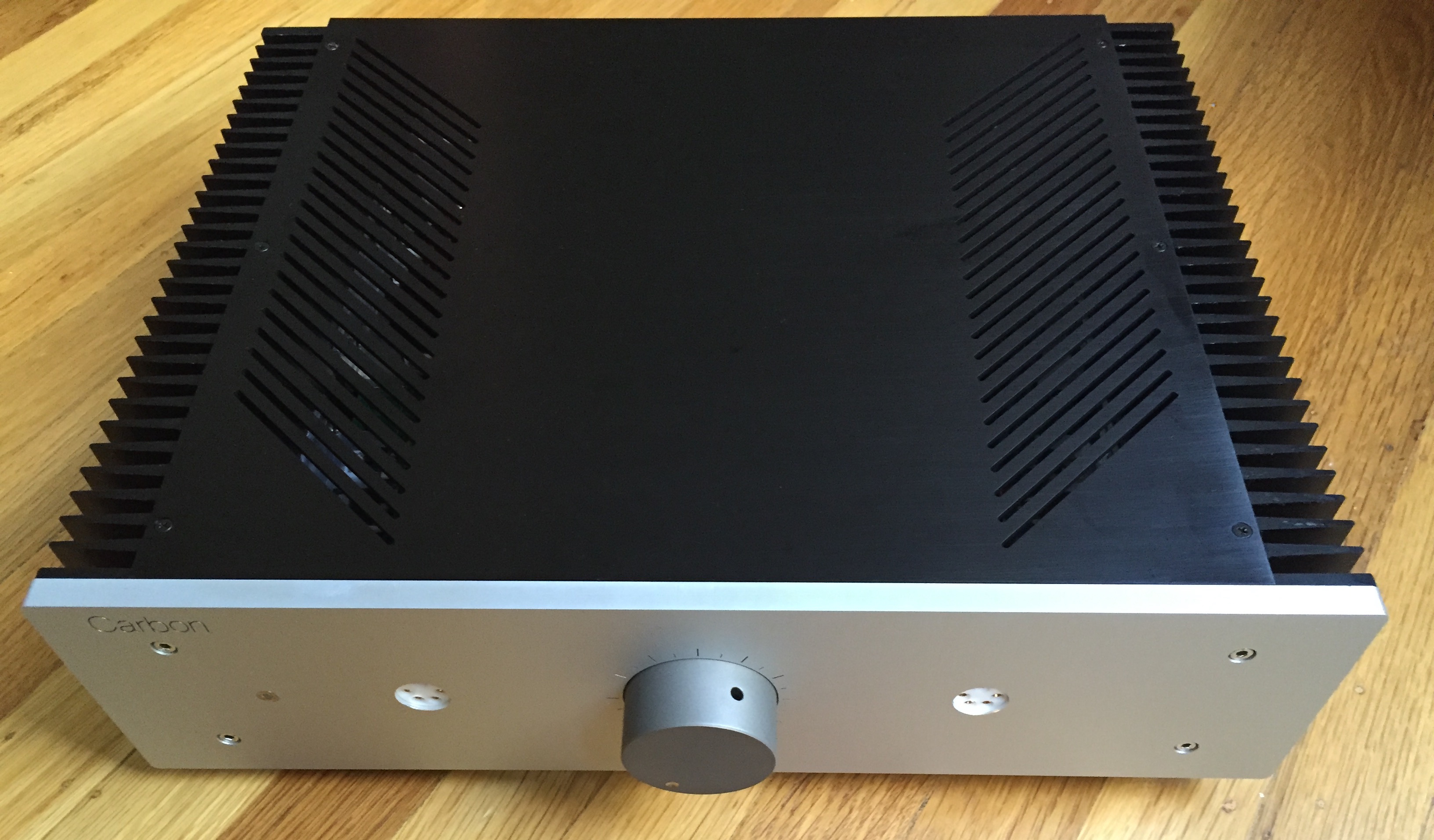
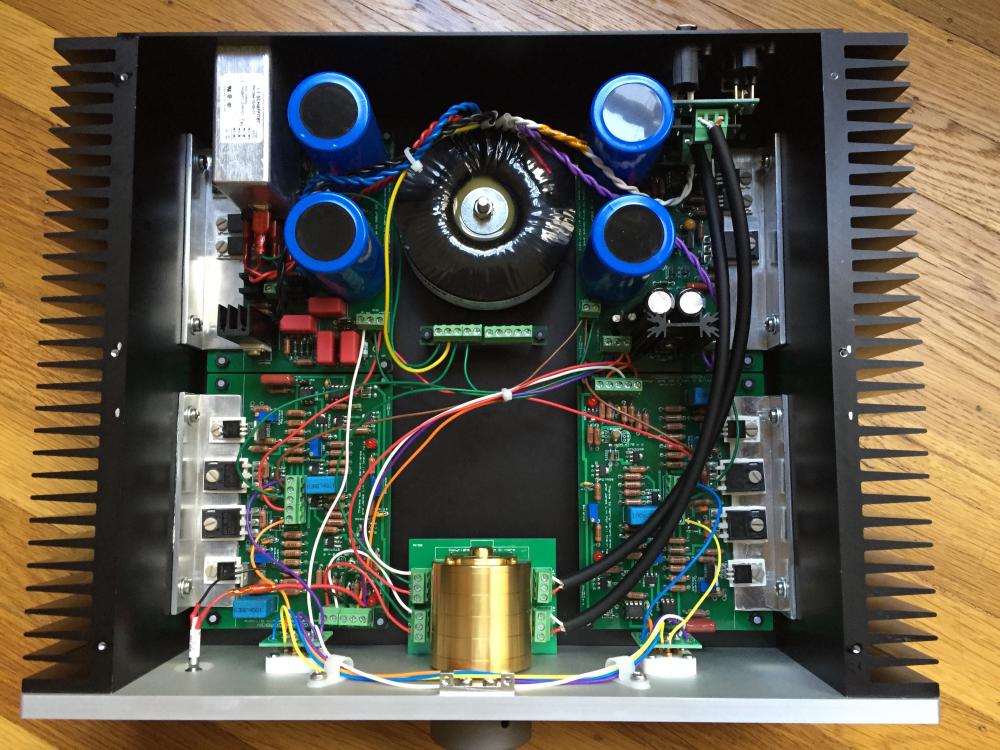
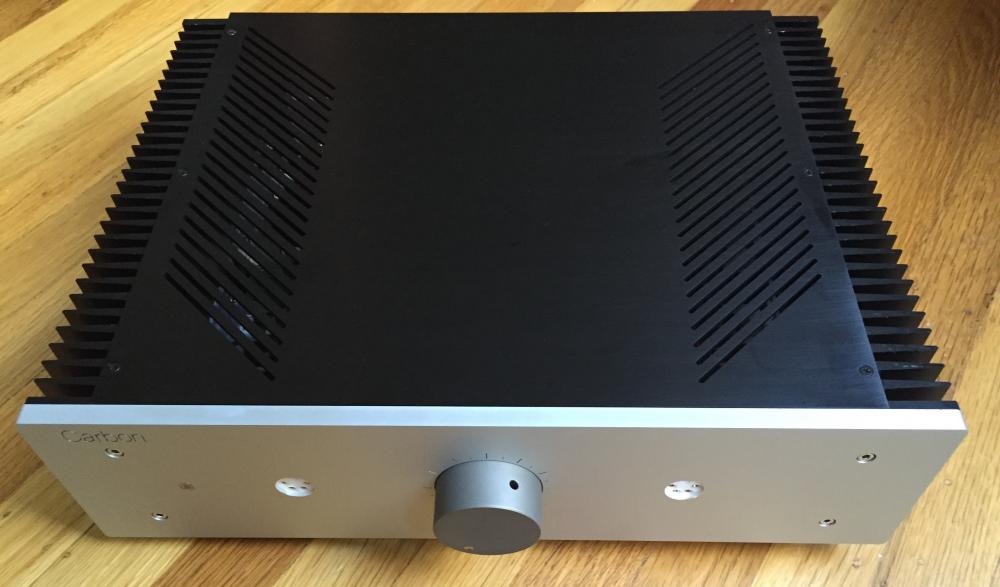
5 pointsSweet. Thanks for the explanation about the voltage jump, guys! Pictures attached to this post. This was my first time working with external heatsinks. I underestimated the difficulty, and ruined one sink trying to hand-drill it. Total fail. Luckily, I discovered that a colleague owns a Tormach PCNC 1100, and he was kind enough to invite me to his workshop and let me use the machine. A gorgeous device, let me tell you. It made short work of all the drilling. Then I hand-tapped all the holes (I think the Tormach machine can tap holes, but I wasn't sure how to keep the oil flowing and the taps clear of gunk for this operation). The heatsinks themselves took some finding. They are Fischers, 10mm high by 300mm long, with 40mm fins, part SK 56 100 SA. High quality, and hard to find in the US. With 10mm standoffs, the entire amp fits nicely into an enclosure just slightly larger than 2.5U. (I also tried sinks with identical dimensions from HS Marston, and they sucked: all extrusions I received were crooked, and there was no way I could have bolted angle brackets to them.) The rest of the chassis was done by FPE. In retrospect, I wish I extended the top and bottom panels to overlap the sharp edges of the heatsink fins, with large rectangular cutouts so air could still circulate. Still, I'm happy with how the case turned out. If anyone cares, I'm happy to share the .fpd files. Because FPE does not do anodizing, I had to have the panels made in two steps: one run before getting the pieces to an anodizer, and one run after. The circuit itself was easy to assemble and adjust. No trouble from the Toroidy transformer. Overall, the amp runs a little warm to the touch (at 20mA output): cooler than either my KGST or mini-KGSSHV, though we'll see how it fares after more than an hour (all I've listened so far). Many thanks to @mwl168 for the group buys and build notes, @sorenb and @jdineshk for the capacitor group buy and help, @vilts for making the spectacular titanium knob, everyone else who answered questions and provided inspiration, and many many thanks to Birgir and Kevin for making all this possible in the first place.

 5 points
 -
4 points
-
2 points
-
2 points
-
2 pointsProject Cars racing kicking off at 9 pm eastern. Hope you West Coast guys can join2 points
-
2 pointsFascinating. Also, that Techmoan fella is going to have to start paying me royalties.2 points
-
1 point
-
1 pointnot dangerous. LiPoly chargers are intelligent, and won't attempt to charge a battery that is too discharged1 point
-
1 pointThat little girl could end up ruling by default. (By default dat everyone else is dead.)1 point
-
1 pointI still don't think that was him. How do you go from 4 minutes/lap behind to actually winning? **BRENT**1 point
-
1 pointI had another friend make this observation. My thought is that at some point they had to stop killing off characters we've built up huge equity in or there would be no one left at the end-game. That being said, speaking of shocking depressing I think there is a door that needs holding.1 point
-
1 pointI had the same thought actually. Those SquarewaveXL was pretty good sounding.1 point
-
1 pointThat was a lot of fun even if I was driving poorly and missing breaking points left and right. I have never done "the ring" before, that was cool but doing it for the firs time in an Le Mans prototype was probably not my best choice.1 point
-
1 point
-
1 pointso it helps to have it on the bench where you can monitor whats going on while you listen to it. unloaded balanced (which would be a 804 ohm load due to the feedback resistors), 40 volts peak to peak. and its a hard clip, but thats ok. Now add a 50 ohm balanced load and the output voltage dips to under 20 volts peak to peak balanced. Turn on the other amplifier and do the same, and with both running, 17 volts peak to peak. At which point everything, the output transistors, and everything else is getting pretty warm. A number of the surface mount transistors are running pretty close to their power limits. The why is probably obvious, the power supply is sagging. Down to less than +/-12V and the rails ride the music (or test signals) Plus you loose almost 7 volts due to the Vgs of the output fets. The liquid fire had a pretty crappy underpowered power supply too. Which is why even on hd800 you can hear compression in the music. And audeze... ouch. And he6 well don't even bother. The singlepower SquarewaveXL did a much better job of sounding better (till it burned up) A decent amplifier can actually be built in a box this size. But its not easy. And every single input/output connector just takes away from valuable board space Also makes you wonder how much better a liquid gold would sound with a real power supply. I should be able to take the goldreference power supply and get it to mount in the same holes. edit: i should mention that tests were done at 115 VAC. The switcher is likely to produce more power when run on 220V1 point
-
1 pointWith these voltages I would consider not using those terminal blocks for earth grounding as they tend to relax and loosin over time, I don't hold much confidence in there ability for this purpose.1 point
-
1 point
-
1 point
-
1 point
-
1 pointPerhaps a set of bionic ears is indicated...... Or, perhaps a transplant from a cephalopod... When you're deaf, everything sounds bettah...... Or, best of all, don't insult you hearing by listening to anything with a Cavalli product....1 point
-
1 pointThe battery will be a sealed unit, so no worries there. If it kills the circuit board tomorrow, then you got one more day out of it than if you replaced it today.1 point
-
1 pointThe Lambda Nova is excellent, nothing short of it. A guy came from Denmark 10 days ago to pickup an amp in person and we naturally made whole listening session out of it. He compared pretty much all of the Lambdas and the LNS was a stand out success. Funny though, he wanted to try the SR-404 (as he has one as well) and my reply...which one? I have three.... SR-404, SR-SC1 and SR-404LE...1 point
-
1 point
-
1 pointAt Uniquely Thursday in Hinsdale. Holy fuck are the MILFs hot in my neighborhood. Sent from my iPhone using Tapatalk1 point
-
1 pointHi everyone! It's been a long road from inception to reality, but the γ3 is finally out! Check its website: http://www.amb.org/audio/gamma3/ and its companion module, the γ24: http://www.amb.org/audio/gamma24/1 point