

Leaderboard
-
Hopstretch
High Rollers36Points16809Posts -
n_maher
Administrators13Points27513Posts -
swt61
High Rollers13Points22272Posts -
grawk
Administrators12Points29546Posts




Popular Content
Showing content with the highest reputation on 05/30/17 in all areas
-
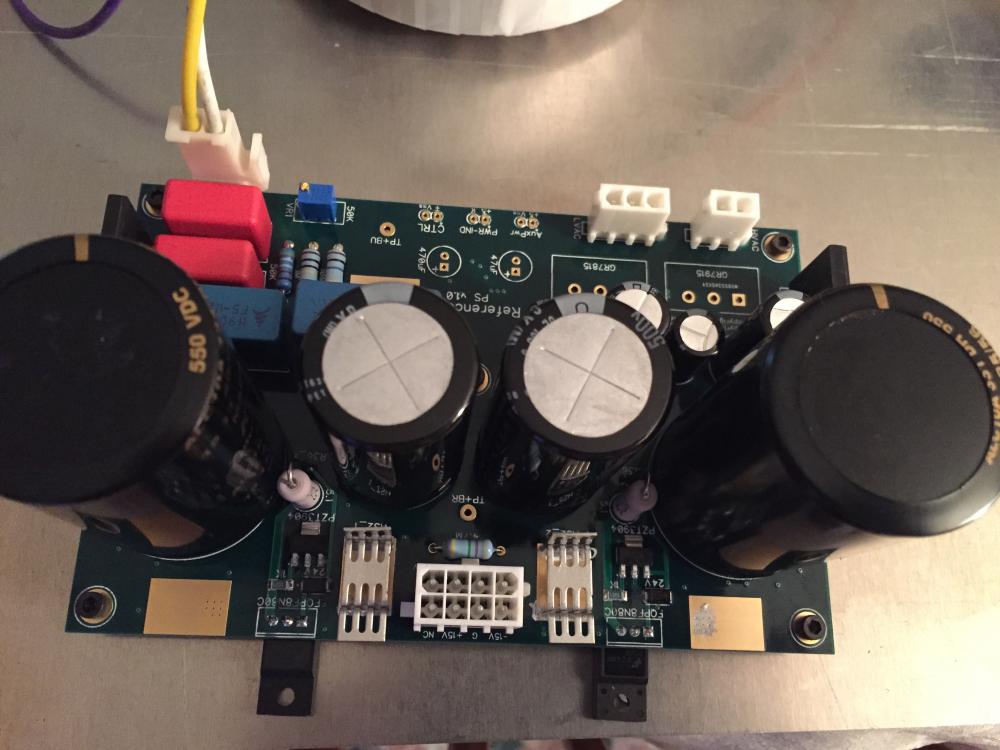
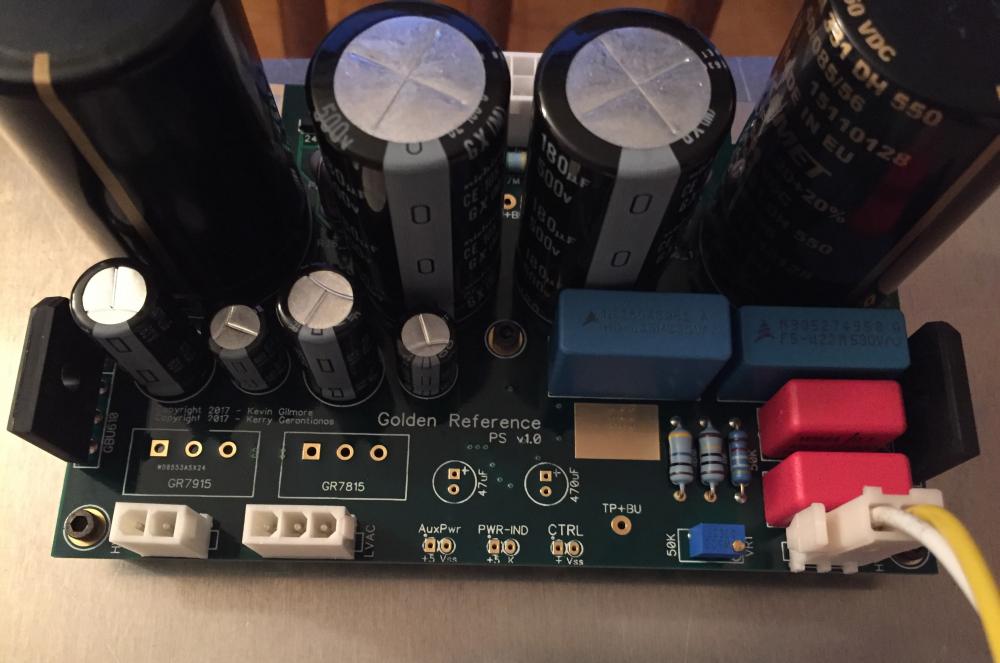
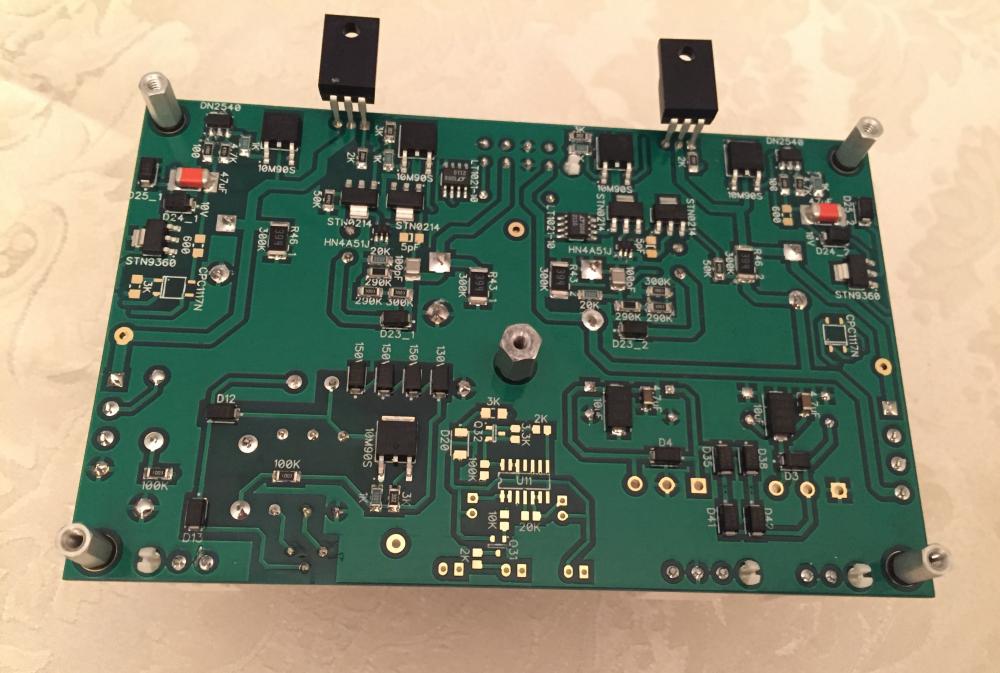
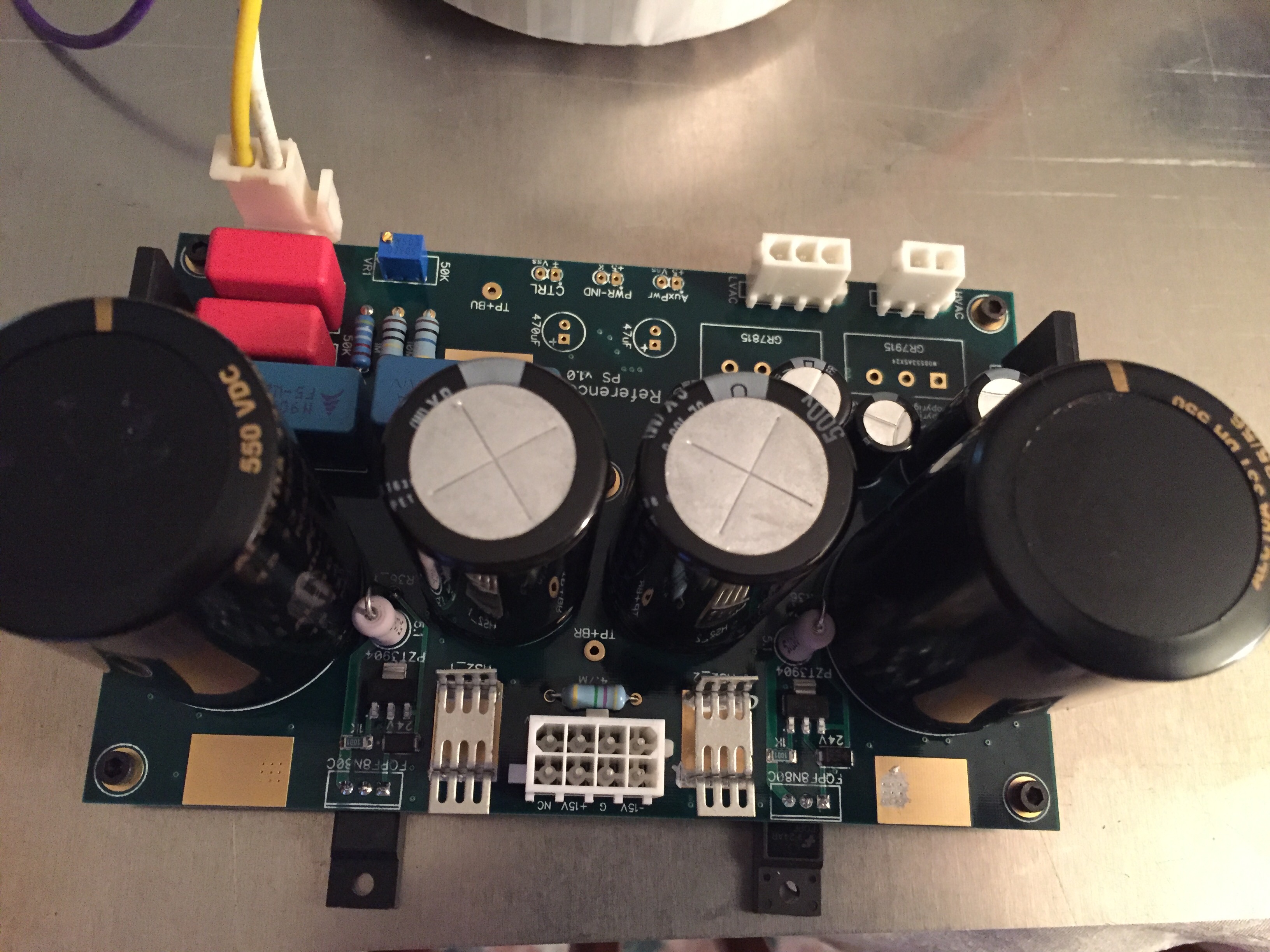
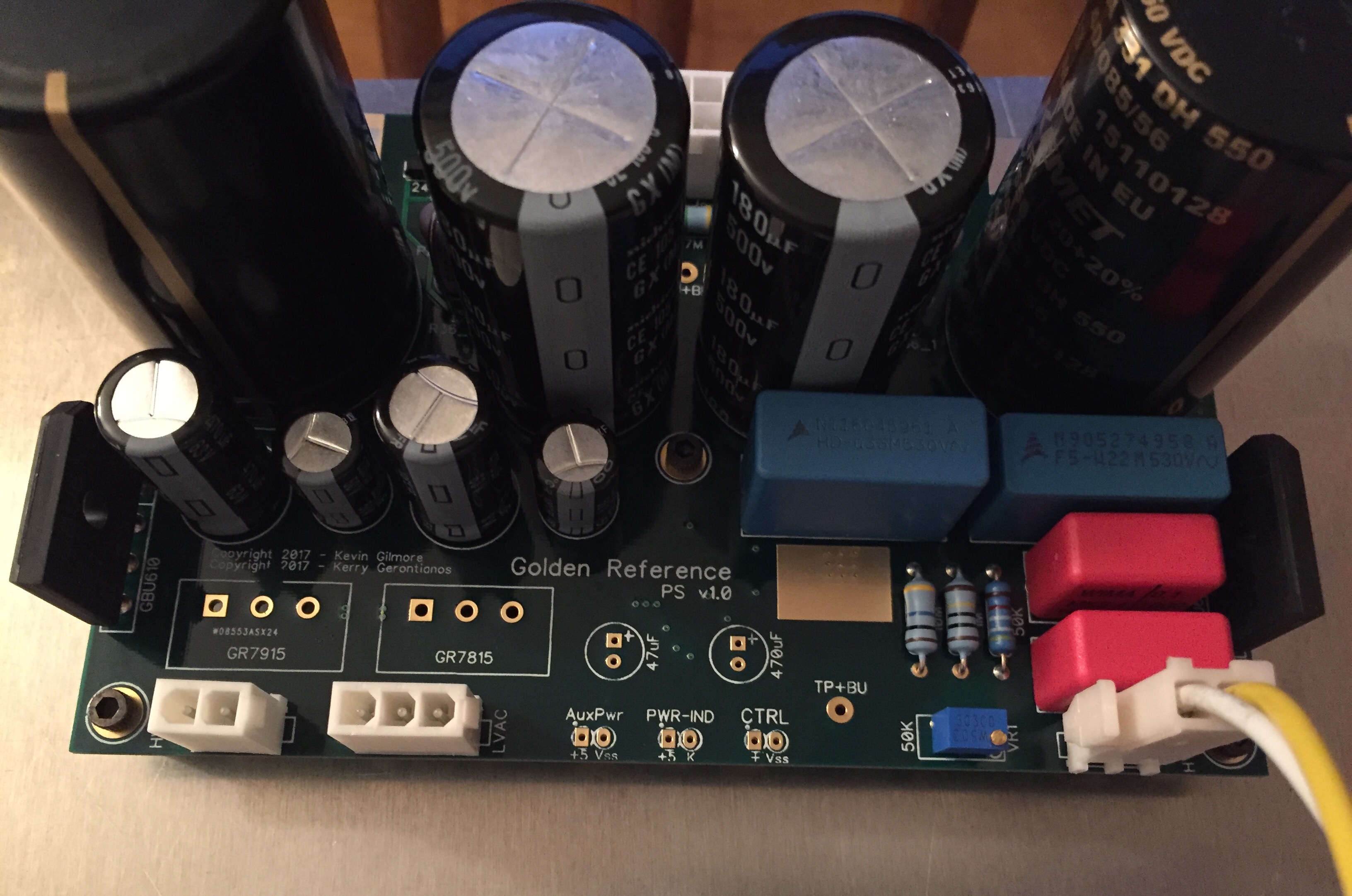
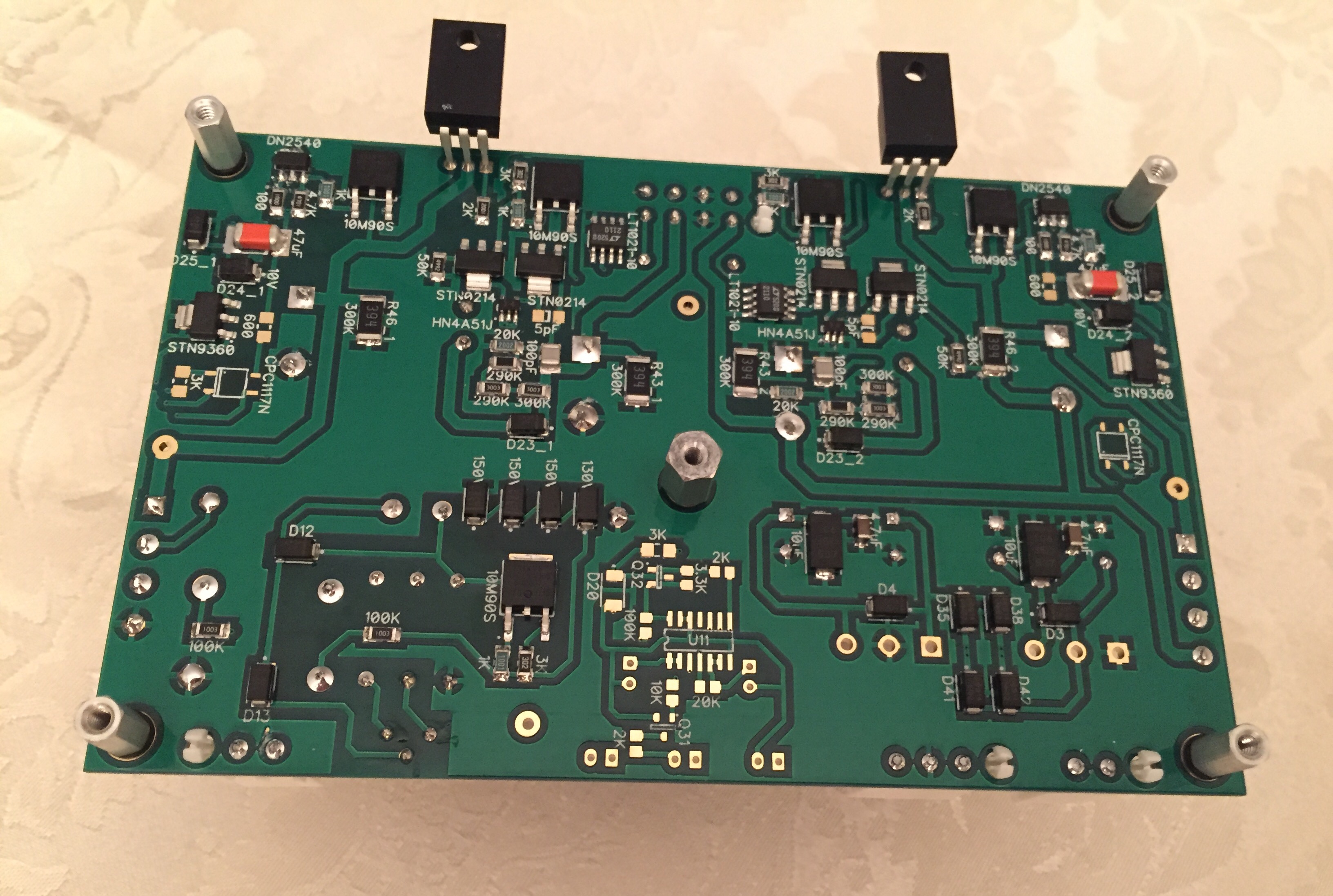
12 pointsI got the HV sections and bias up and they work perfectly Here's the board... I've already tested the GRLV boards and they work. I just have to build another set for this supply. The thermals above the IXCY10M90S regulators don't go above 99 deg. F. Very happy with the board so far.
 12 points
 -
8 points
-
7 pointsSo I've installed a 10pf bypass cap. At first the value for offset was way high (like 400V give or take) but after adjusting the batteries it fell back to within normal values. The T2 has been on for at least 5 hours now, and it hasn't misbehaved in that time. I've had to go back and check after hearing some puffs of noise which turned out to be in the recording itself. At the risk of jinxing it, that seems to have worked.7 points
-
3 points2 pointsIf we're doing 1979 I think this has to be next ...
 2 pointsI think Closer is even more depressing. Especially Decades......even the keyboard "solo" is depressing...... "We knocked on the door of Hell's darker chamber. Pushed to the limits, we dragged ourselves in...."2 pointsThe Head and the Heart -- Signs of Light Like it a lot.
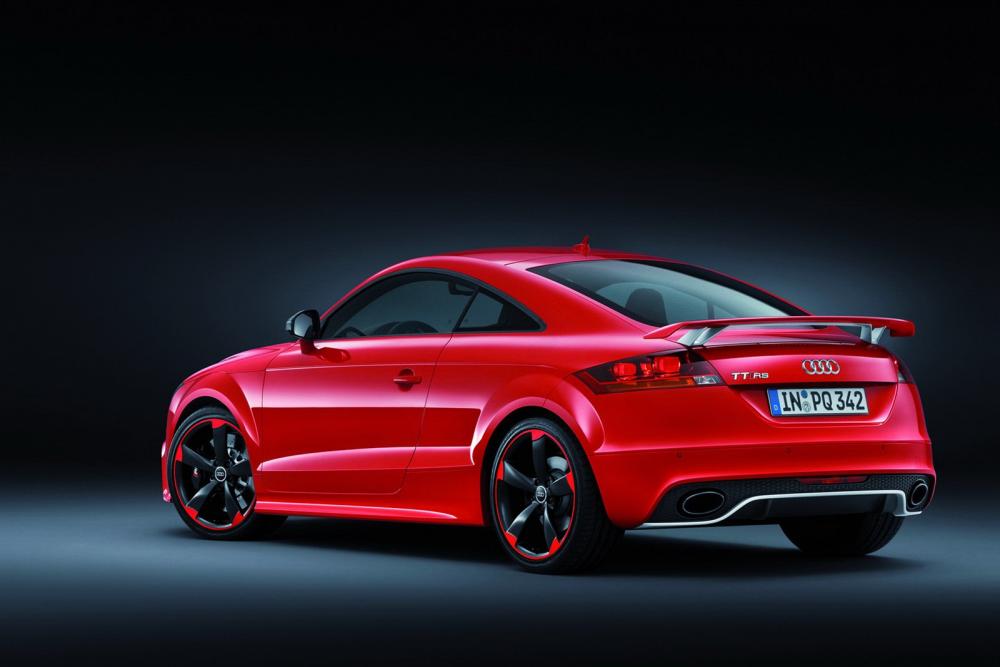
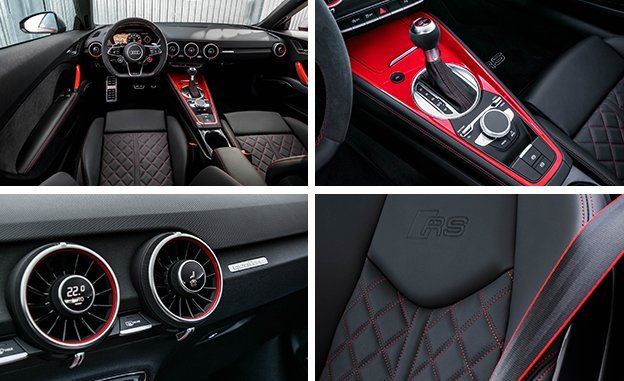
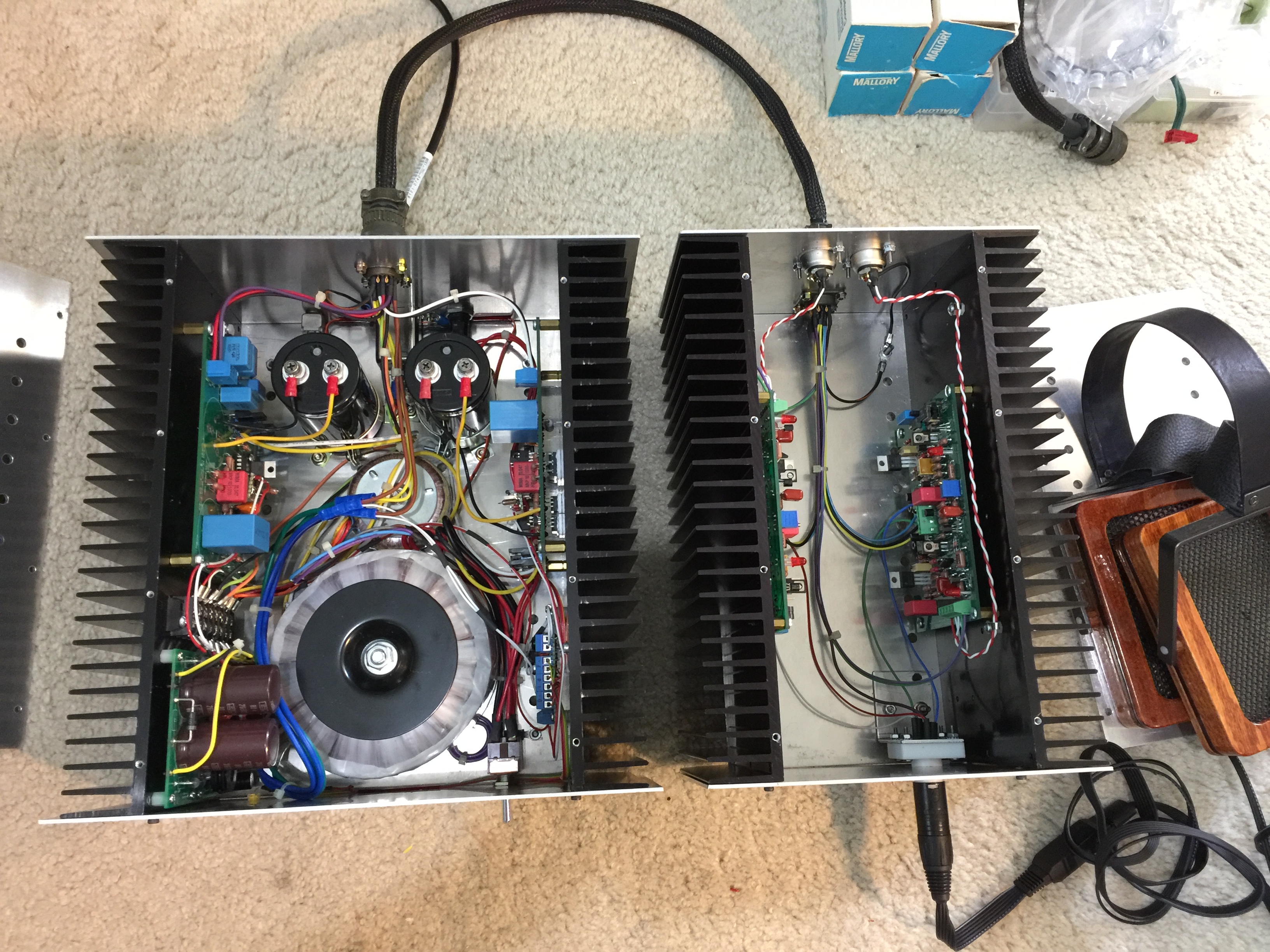
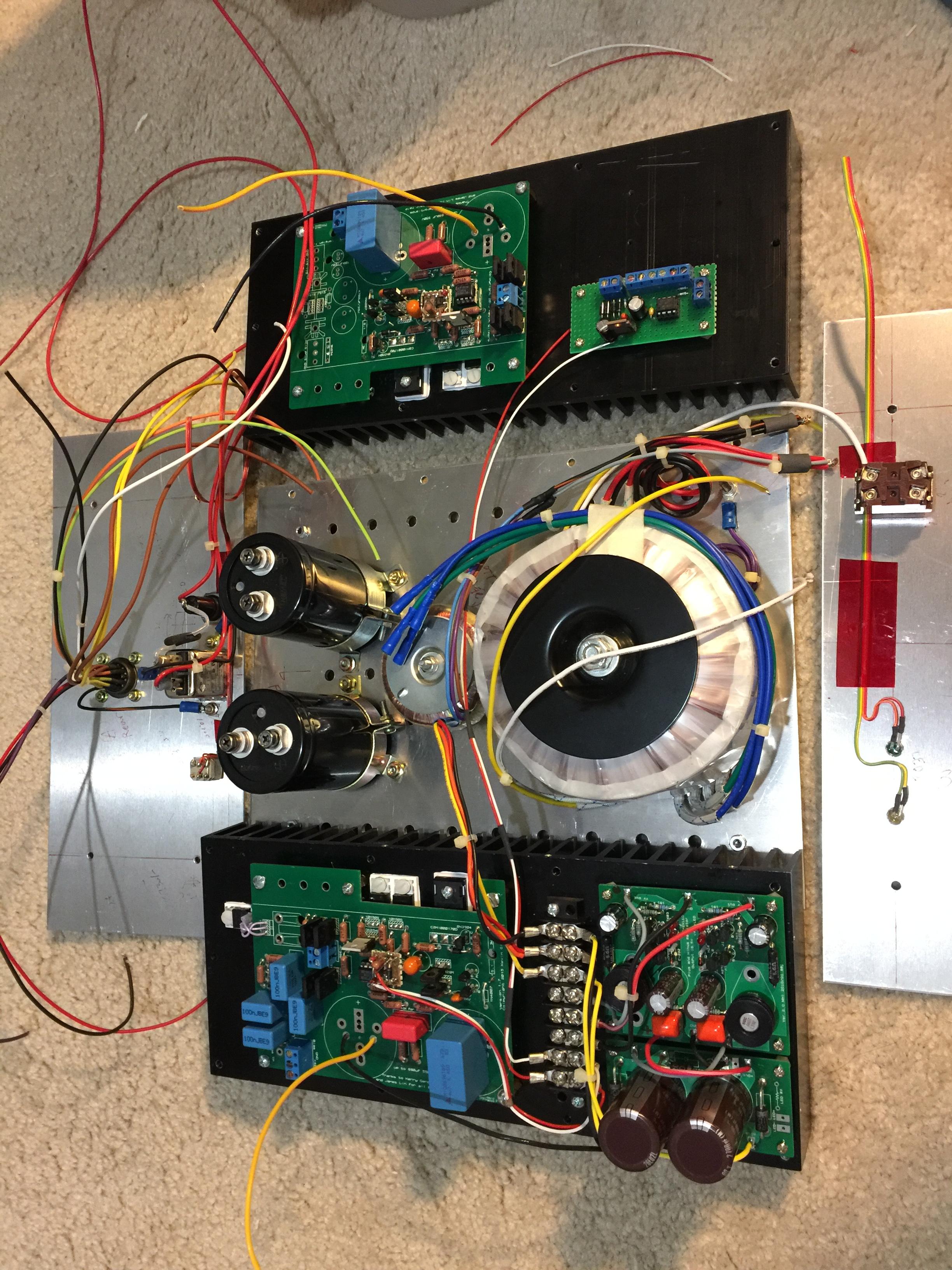
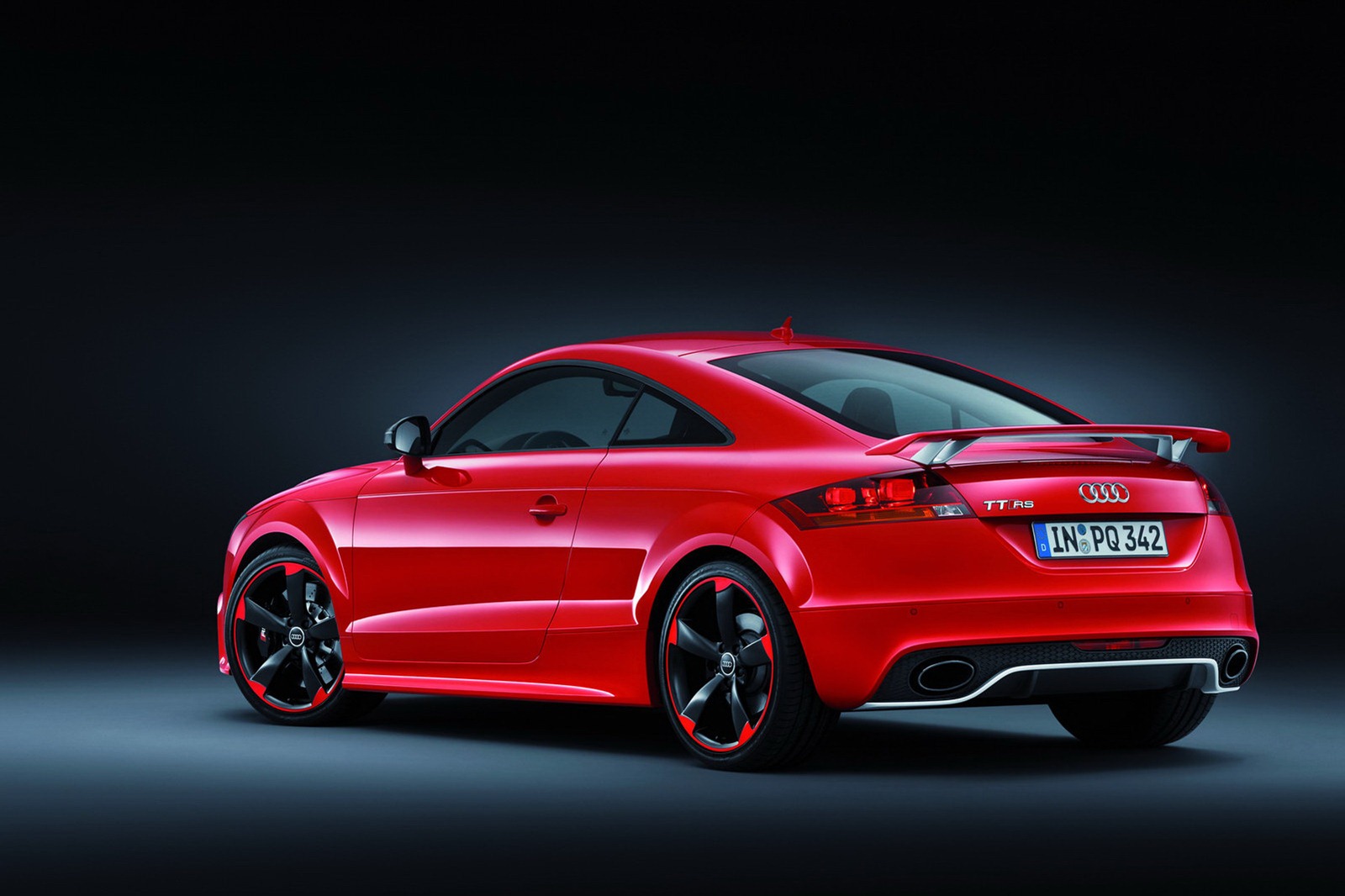
 2 points2 pointsYou spelt hatred like that. You deserve what you get. Sent from my SAMSUNG-SM-G890A using Tapatalk2 points2 pointsWent out for a short ride with the Litespeed. A couple of early lessons: Rim brakes suck. Shimano wobbly brake levers are annoying. 23 Michelin Lithion 2s have less grip in crushed limestone that 37c WTB Riddlers. All fairly minor or obvious things so I am actually happy. Ride is better than the CF bike and handling is better in everything but gravel. Maybe I will go put the Litespeed on one of my two (Brent has none) smart trainers and work on the fit. Sent from my iPhone using Tapatalk2 points2 pointsSmall board is for +/-15V. Small one on the right is 5/20/30 sec timer board (PIC). For the electrostatic headphone, please refer the following forum. https://www.head-fi.org/f/threads/my-diy-electrostatic-headphones.498292/2 points2 pointsGood stuff HS. I feel about 2% more American just for having read this!2 points2 pointsHad a doozy of a storm, from about midnight 'til 8:00 am. Just got power back now.2 points2 pointsBrent's BAI will afford him an exotic bike made out of the rare metal "cast iron".2 points1 pointAlmost missed it here, and it's after midnight there. But hope you had a great day, pet a few cakes and ate a few cats.....or something like that!1 point1 point1 point1 pointI have a friend with the old TTrs. That 5 cylinder is the real deal. I have contemplated picking up a RS3 when they hit the market.1 point1 pointAudi's interiors are impeccable. The one thing I struggle with them over is how much they charge for add'l power. They go crazy differentiating the sporty version from the base version when it comes to the pocket book... HS1 point1 pointThe new Audi RSTT definitely has my interest. Love the tweaked styling. 0-60 in 3.6 seconds, from a small 5 cylinder. The Jaguar F type SVR, with it's 575 ponies is only .1 second quicker. And love the diamond stitched interior!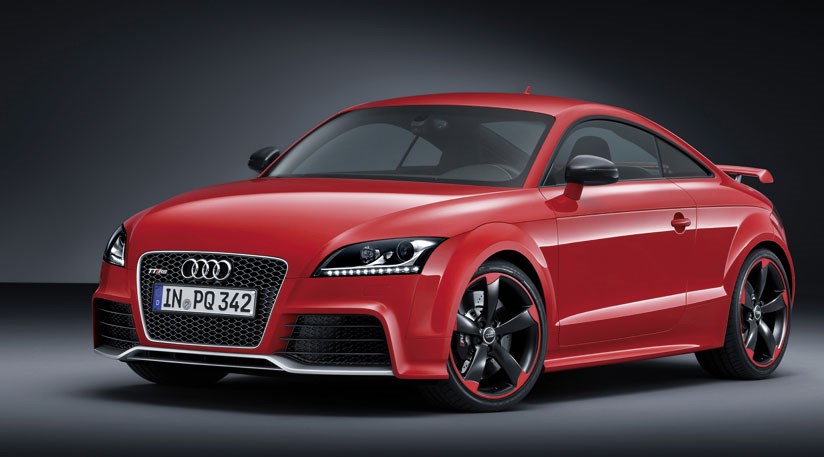
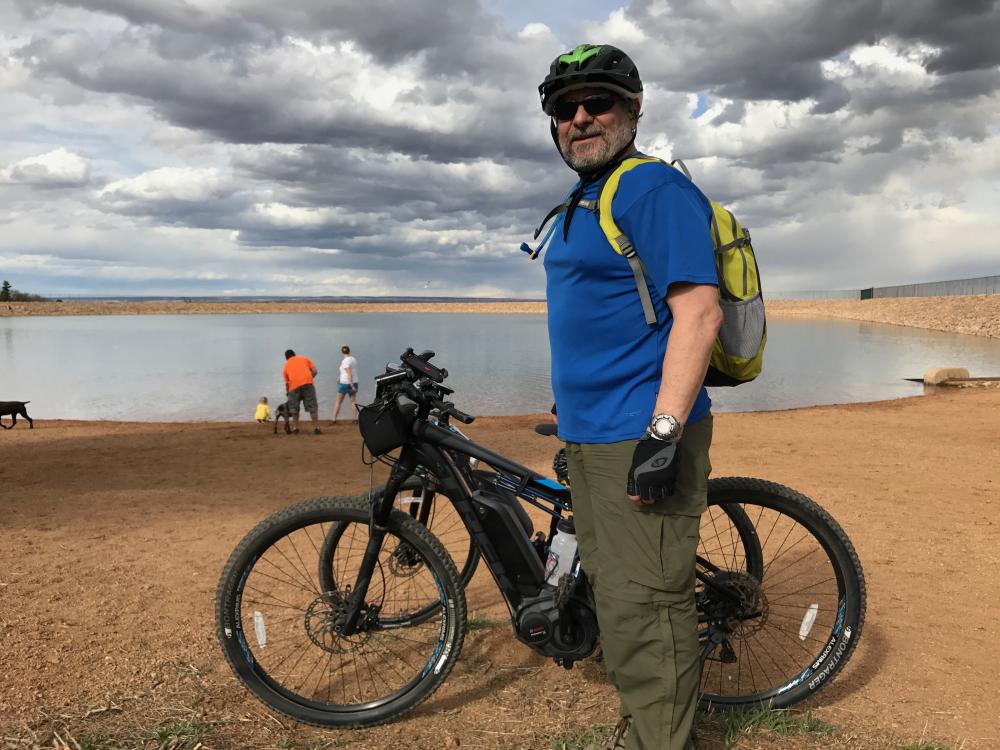
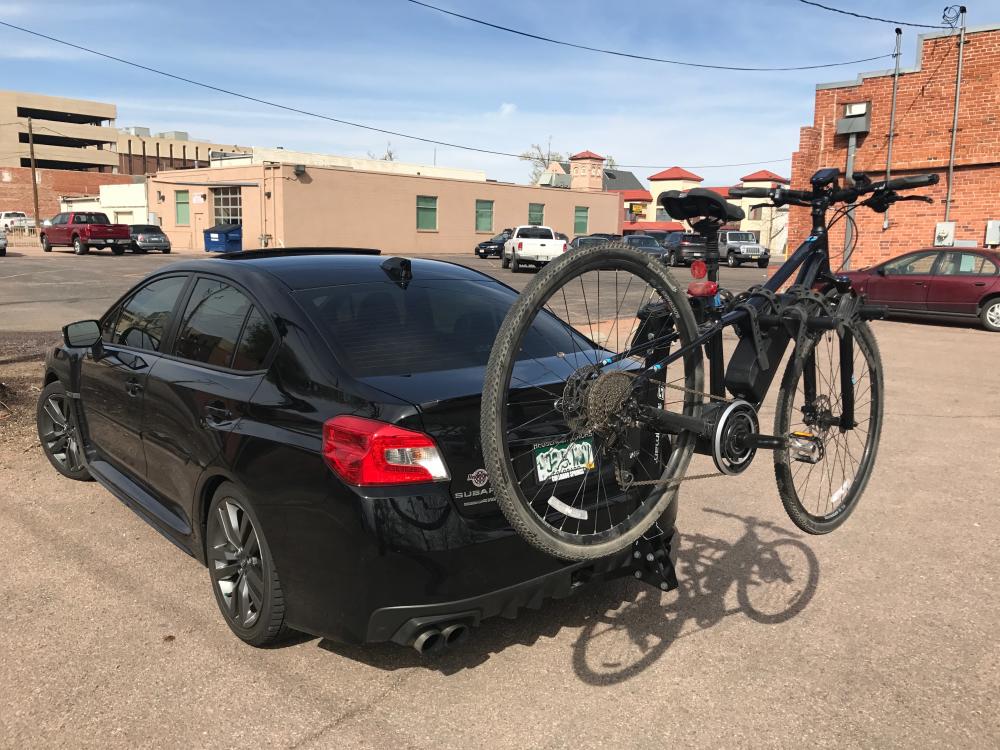
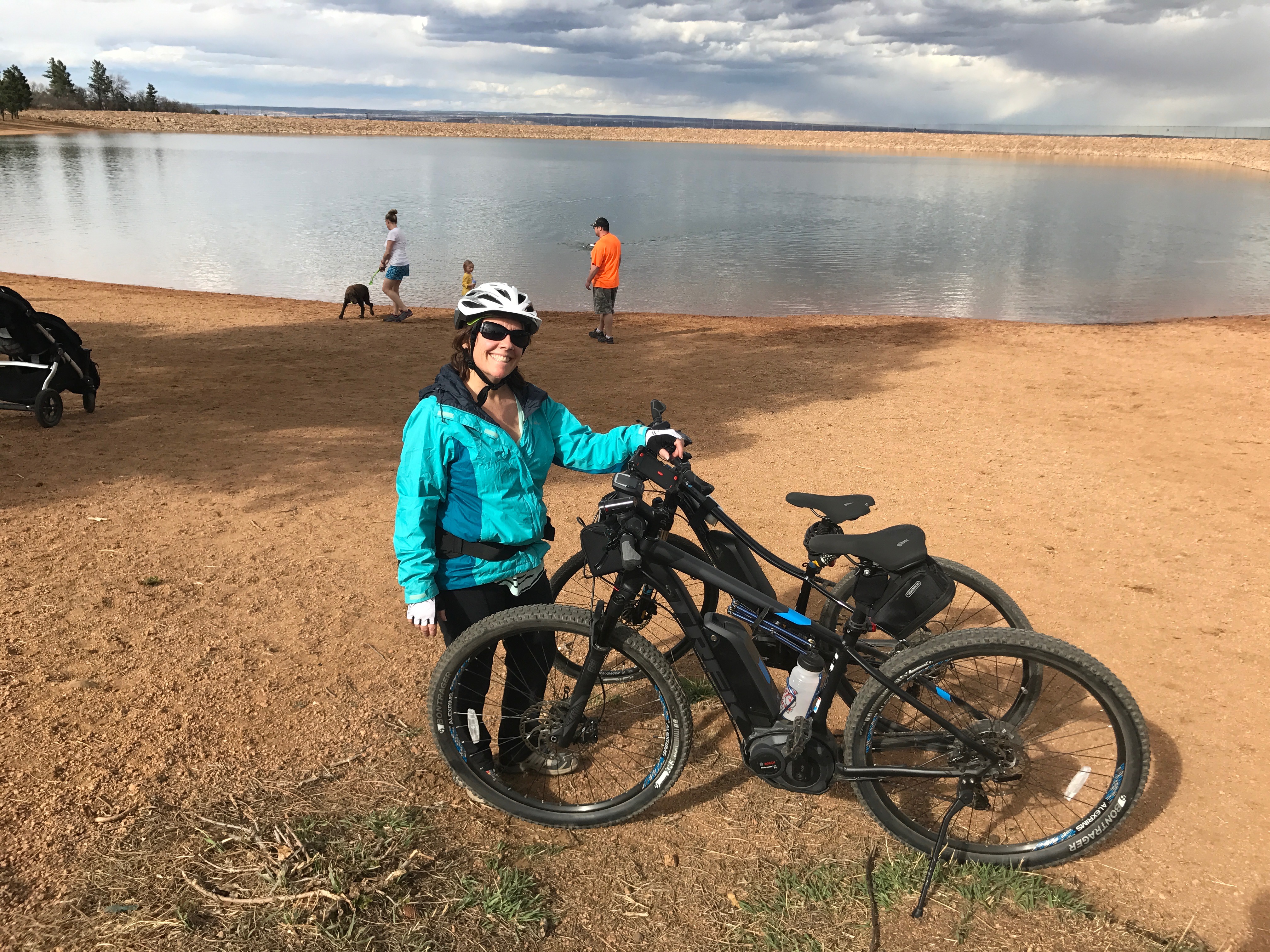
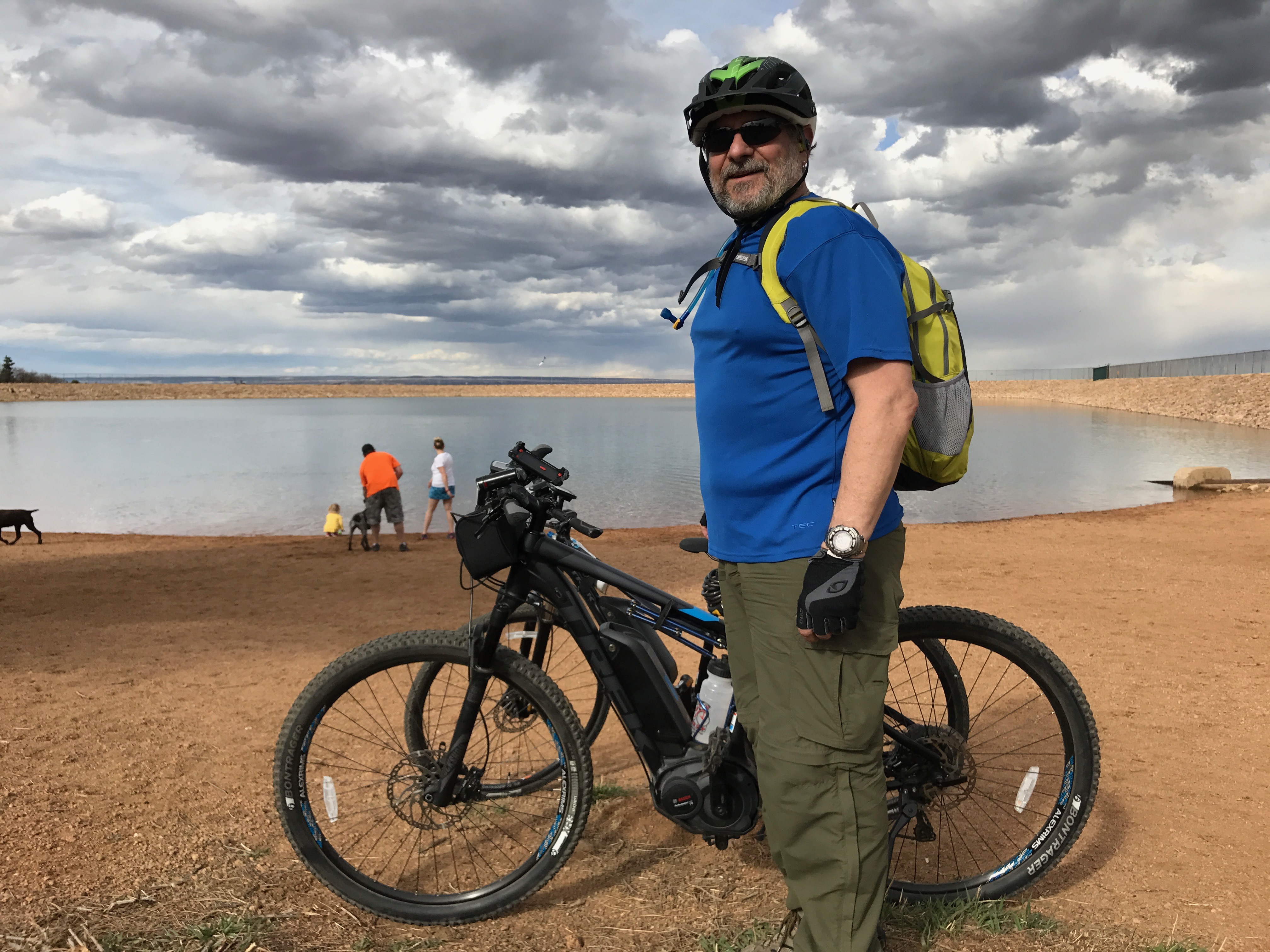
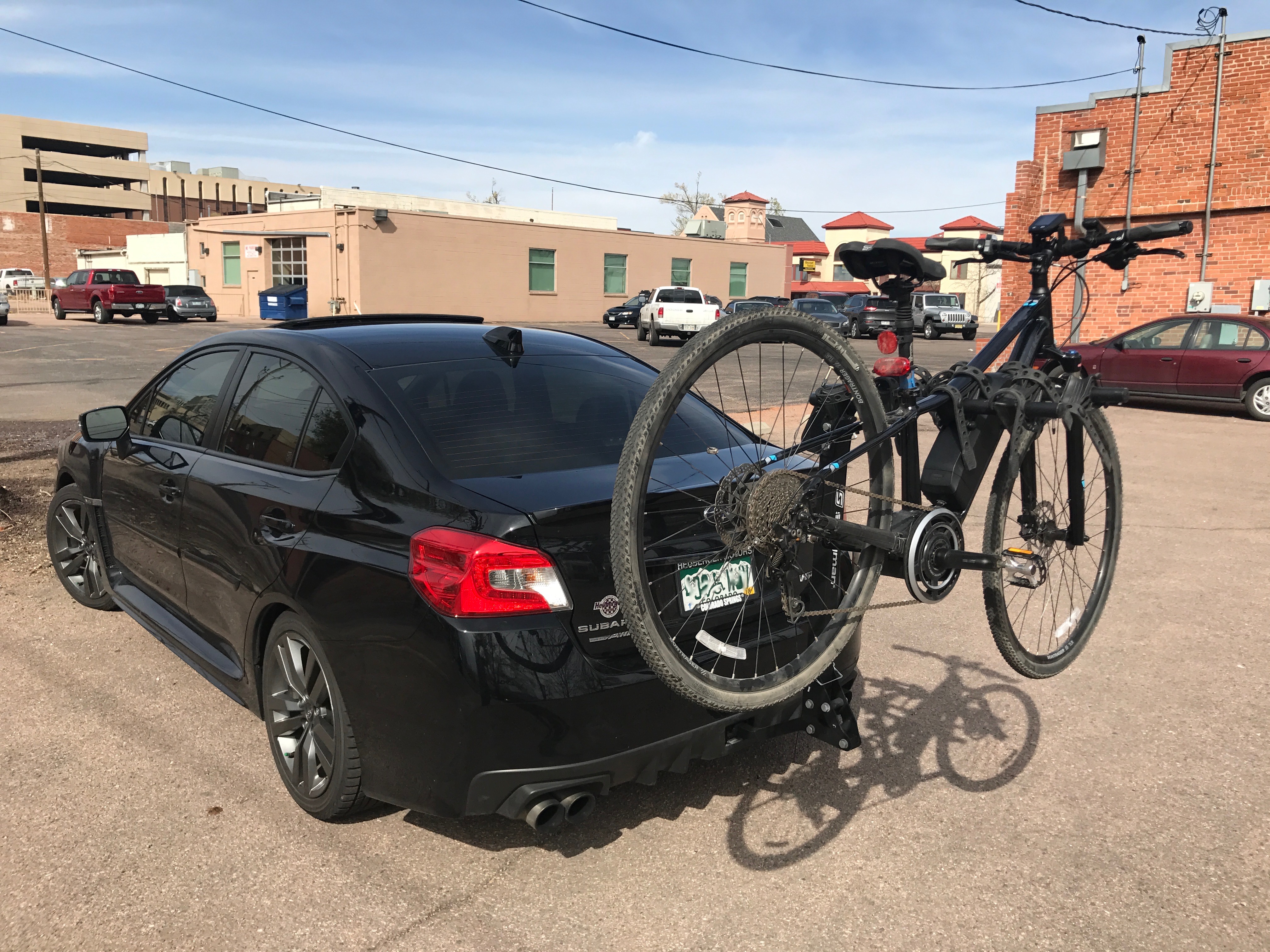
 1 pointBeen on a massive New Order kick lately so figured I'd go back to where it all began. Depressing is appropriate for the first day back at work after a 3-day weekend.1 point1 point1 pointAgree, very impressive. Can't be done much smaller.1 point1 point1 point1 pointLooks good. My only suggestions would be: fatten up the traces a bit possibly flipping RN1 and swapping U1 with U2 might clean up the routing and number of vias. Or not.1 point1 pointDrew up a little relay board for I/O since the one in the recent group buy one didn't quite fit what I wanted to do. Mainly it was that I needed to use I2C instead of SPI and I want to try stacking XLRs sideways to save space on the back panel. Any suggestions on how to improve it are appreciated. 0.3mm width traces1 pointThose guys drinkify themselves plenty behind closed doors at home believe me, or openly when in Dubai. Also cocainify and whorify. Human nature is what is.1 pointthe BH has the extra power supply on the amp boards that takes power from the negative rail, so hence the increased current. all the rest of the amps should have roughly the same current in both power supplies1 point1 pointRIP, Gregg. Eat a Peach...countless listens to that gem. This one seems befitting. Godspeed.... HS1 pointMax Richter, Sleep (the full 8-hour version, made 9 by tacking on "from Sleep" to the playlist) -- this is the most beautiful and most tranquil music I've ever heard. I've heard new age music described as music "...with all the evil taken out of it." Well, I don't like it when they take all the evil out of it (except for medicinal purposes -- e.g., Steven Halpern's music), then you get static music like Brian Eno's ambient works. In this case, they left just enough in.1 point1 pointhttp://www.russianbrides.com/Pages/Search/SearchResults.aspx?keyword=mail+order+brides&pageNum=1&sortBy=1&SEOTopicType=30&gclid=CPOrzYPBjdQCFQePaQodLWIIUg1 point1 point1 pointBefore this past Spring Break I hadn't been on a bicycle since fall of 2014, right before the big car accident. With my lung disease I'd go through a C-tank of oxygen within 15 miles of riding my Kona Nunu mtn bike on fairly flat ground with slight hills. Regardless, even with oxygen there was no hope of doing any riding in my hilly neighborhood at 6600 feet elevation, and especially no chance of making the 800 foot climb from the shopping center at the bottom of Cheyenne Mountain back up to my house (about 2.5 miles ride one way, with a grade ranging from 0 to 12% along the way). So we recently bought a pair of Trek eBikes so that I could ride in around our neighborhood whenever feasible, and so that my wife could keep up with me on the steep hills with her own eBike when she has time to ride. I bought the 17.5" Powerfly 7 mountain bike, but the smallest women's mountain bike was much too tall for my wife and she had to get the 14" Neko+ trail/hybrid. I tested the XM700+ and the Dual Sport+ first, but they didn't fit me as well as this one (and the one I got is sweet on single tracks unlike the others). The 29" tires roll over everything, and the Rock Shox Reba RL forks work great in combination with the Suntour NCX suspension seat post. The 203mm hydraulic front disk brakes are very impressive stoppers on fast downhill rides (up to 42.7mph so far), and the 75NM of torque lets me climb up very steep grades and trails. The bikes are class-1 pedal assist-only (no throttle), using torque sensing at the crank to multiply our effort, but with no assist past 20mph. We keep the assist levels as low as possible for the best workout and longest battery range. My bike adds power to the amount that I put into the crank in 4 levels: adds 55% more, 120%, 210%, or 300% more (up to 250W continuous or 500W peak), and my oxygen requirement has been dramatically reduced. My wife's bike does 50%, 100%, and 200%. Because of the mid-drive, the motor can benefit from the gear-set to make climbs easier. But because of the torque sensor, we still have to get some exercise in order to get the motor to help with climbs. On totally flat ground, any setting for assist makes pedaling effortless, which means I can leave my oxygen at home (not really true since my O2 sats drop to 85% just by walking). Range in the lowest assist mode on the easiest terrain is about 15 miles per 1 bar of battery (out of 5), or as much as 75 miles. On the harder rides around our neighborhood it drops 1/5 bars of battery every 6-8 miles, so my range would be closer to 30-40 miles. But I haven't ridden far enough to drain it more than 3 bars. I got an ECOhitch Invisi 1.25" hitch installed on my WRX (totally hidden behind the bumper) so we can take the bikes on a rack for holiday trips. We're going to Glenwood Springs CO this Memorial Day weekend, and we'll be able to ride the bike paths along the river in both directions. In the past we'd rent bikes and catch a shuttle to take us upriver so we could ride back downhill. Some parts would still be slightly uphill, and I'd need my oxygen despite the lower altitude. The plan is to ride out to the drop-off point and back, without needing the shuttle this time. Here's a pic of my wife with both bikes, then me, and the car with rack and her bike. (phone camera lens makes wife look tiny and me look huge because she's farther away behind the bikes and I'm closer and in front). I'd like to upgrade the bike rack to a 1up (or a Kuat NV base) at some point, because it's quite difficult to lift a 43 and 46 pound eBike onto the current rack.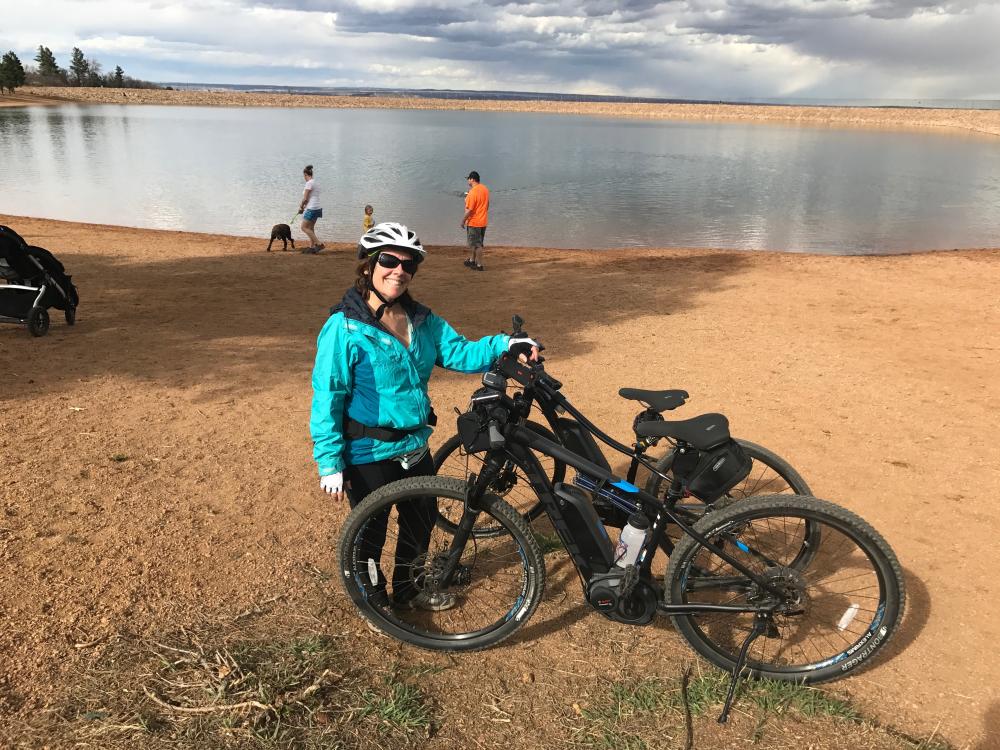
 1 point












Important Information
By using this site, you agree to our Terms of Use.
Account
Navigation
Search
Configure browser push notifications
Chrome (Android)
- Tap the lock icon next to the address bar.
- Tap Permissions → Notifications.
- Adjust your preference.
Chrome (Desktop)
- Click the padlock icon in the address bar.
- Select Site settings.
- Find Notifications and adjust your preference.
Safari (iOS 16.4+)
- Ensure the site is installed via Add to Home Screen.
- Open Settings App → Notifications.
- Find your app name and adjust your preference.
Safari (macOS)
- Go to Safari → Preferences.
- Click the Websites tab.
- Select Notifications in the sidebar.
- Find this website and adjust your preference.
Edge (Android)
- Tap the lock icon next to the address bar.
- Tap Permissions.
- Find Notifications and adjust your preference.
Edge (Desktop)
- Click the padlock icon in the address bar.
- Click Permissions for this site.
- Find Notifications and adjust your preference.
Firefox (Android)
- Go to Settings → Site permissions.
- Tap Notifications.
- Find this site in the list and adjust your preference.
Firefox (Desktop)
- Open Firefox Settings.
- Search for Notifications.
- Find this site in the list and adjust your preference.