Leaderboard
-
blessingx
High Rollers7Points17841Posts -
JoaMat
High Rollers5Points1558Posts -
skullguise
High Rollers3Points8927Posts -
Iron_Dreamer
High Rollers3Points2502Posts




Popular Content
Showing content with the highest reputation on 08/23/22 in Posts
-
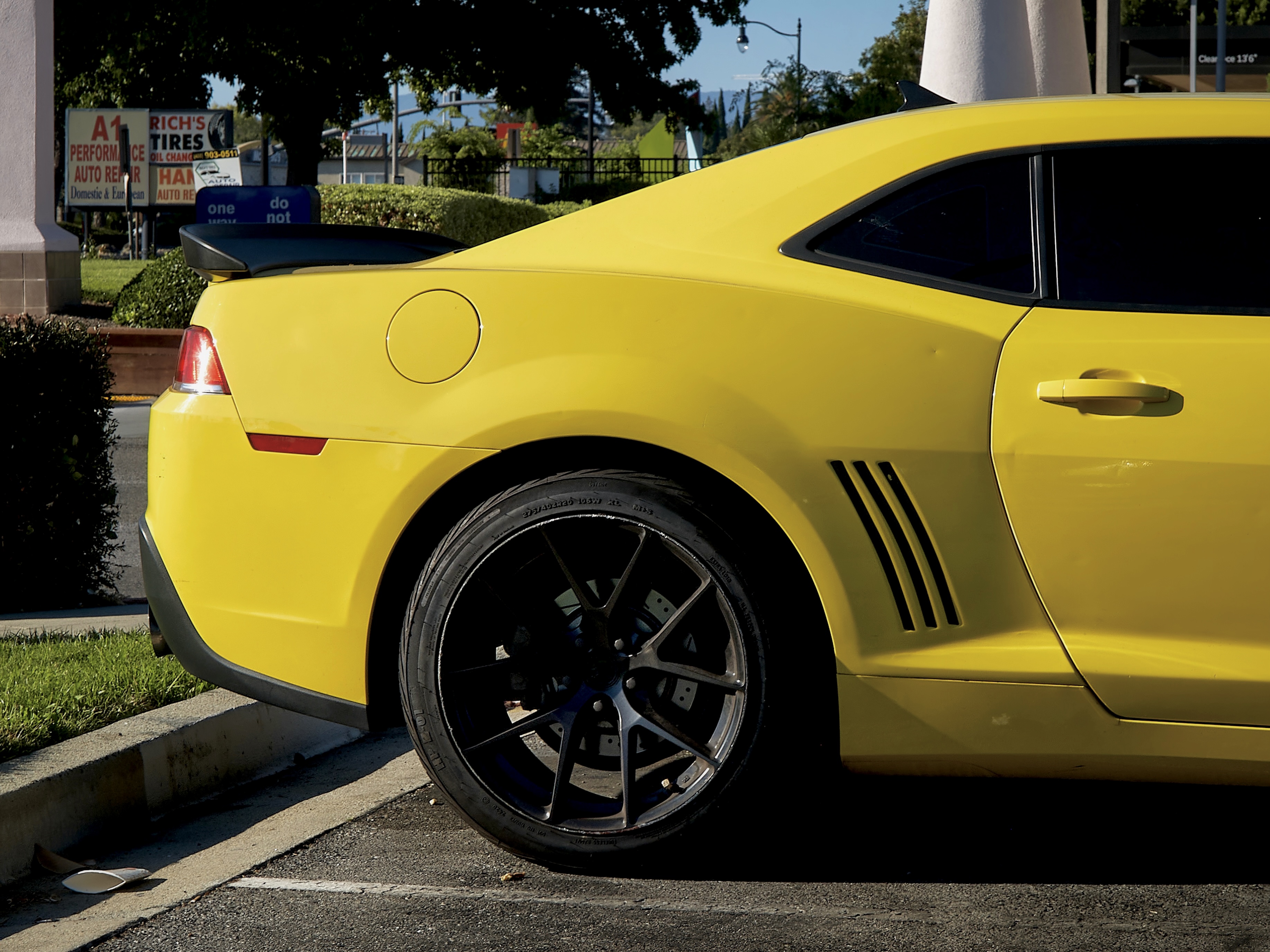
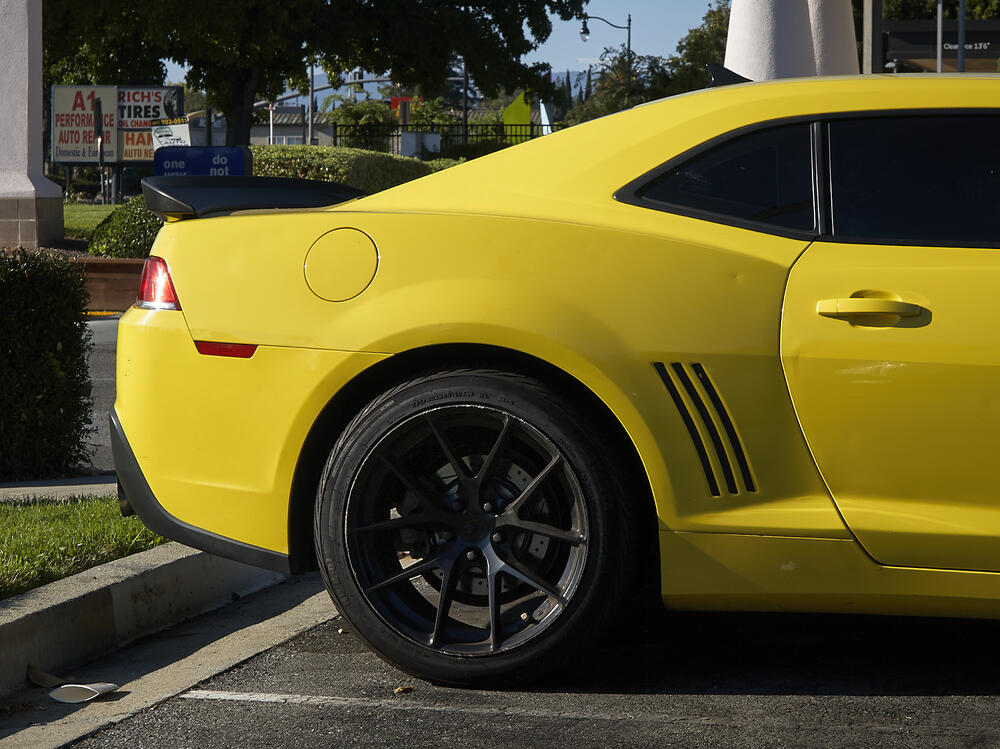
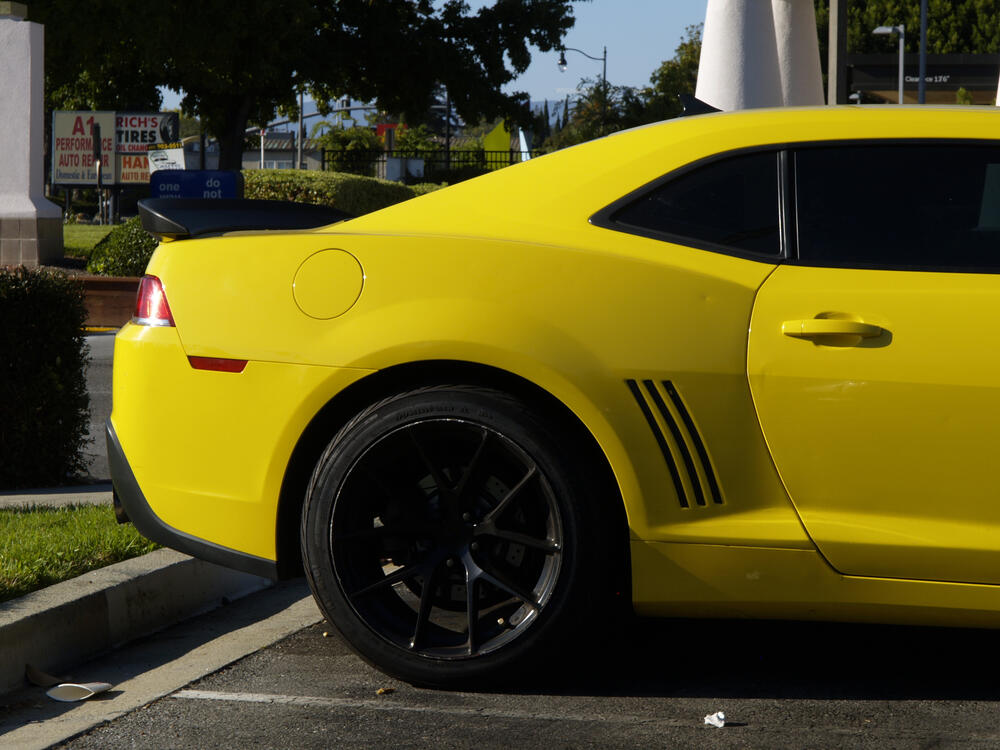
Hey Peter, thanks for the response. I suspect we come at this from different perspectives though I want to stress I very much have enjoyed your work over the years and appreciate the thoughts here and prior. The above wasn't a SOOC jpg. I don't believe I've ever posted a SOOC jpg from any camera, but those were tweaked, slightly, from the raw (mostly crop and contrast). I'll attach the SOOC jpg and tweaked raw (not corrected for mobile as above though). This is a Kodak designed CCD sensor camera, yes, Bayer, like a few other CCD models such as the M8 & M9, before everything went Live MOS/NMOS/CMOS (and eventually nearly all CMOS, stay strong Foveon!). They were certainly going for a look (even differences between CCD models modeling) and coupled with the technical limitations of the time, capture light and color differently than contemporary models. They were also selling to a mostly film audience. While there is a trend for CCD and early CMOS sensor cameras recently, and of course every trend should be looked at with critical eyes, a segment of those moving away from the mainstream in photography (both look and technology) has always been in play, no? I always think of the Japanese are-bure-boke (rough, blurred and out-of-focus) movement. In the age of HDRish smartphones, shallow depth of field and ultra high resolutions became a path forward. And in the age of both trends, maybe an interest in lower resolution, lower dynamic range, inflated colors, and cheaper finds, starts to grow? A counter-aesthetic develops, or something similar. Can you make an A7rIV, R5, or Nikon Z7II look like an E-1 or E-300? If not yes, at least close, but exactly zero people do that. Hell, no one even makes their M11 shots look like M8s, though there are possibilities. And I probably come from the Garry Winogrand school of thought - "I photograph to see what things look like photographed" and "Photography is not about the thing photographed. It is about how that thing looks photographed." Coupled with the old Poe quote "There is no exquisite beauty, without some strangeness in the proportion." I'm not sure if any editorial choices are pure (lens choice to soften skin, composition, thinking in monochrome, adjusting light even in wait), but I certainly understand the choice to keep the most options for post... though again some things never seen to happen there and it does take out happy accidents of the process. I do a ton of post on Foveon shots, but have to admit I like when I have to do less. I'm sure the commonly quoted "cameras are just a tool" and pleasure of shooting versus output, come into play here too. Maybe even the genres of our photography. And we live in the world of PureRAW, Super Resolution, and the Topaz products which lessens some restrictions. We can do a lot with a little for the first time. Especially if we go back to little... Instagram. Besides I'm not sure anyone is looking at these old digicams as a sole camera. Spend $200 on a body that used to cost $5000, $75-100 on a lens with character. Bingo. It's just one more tool in the toolbox. And most traits aren't as problematic from a contemporary or realistic perspective as most film stocks. I don't see the alarm here. And as long as I'm disagreeing, I'll throw out there - I think Fuji has the best colors as they have the most options for jpg and starting point raw development. I would never import at Adobe Standard, but bring in the image into PS or C1 as Provia, Pro Neg High, Acros or try one of the hundred in camera or RAW Studio recipes, then tweak. "Filmic" yes, but not really, just think pleasing. Anyway, thanks again for your comments. I suspect we agree a bunch, just coming from different angles with likely different goals. Big tent and all that. SOOC jpg RAW tweaked (but not for mobile). You an see I upped the shadows a little and removed a piece of paper.
 4 points
 -
I always found the opposite to be true. More constraints often yields more interesting results. We all live with the illusion that choice brigs happiness, but in fact choice makes us miserable. #prixfixe3 points
-
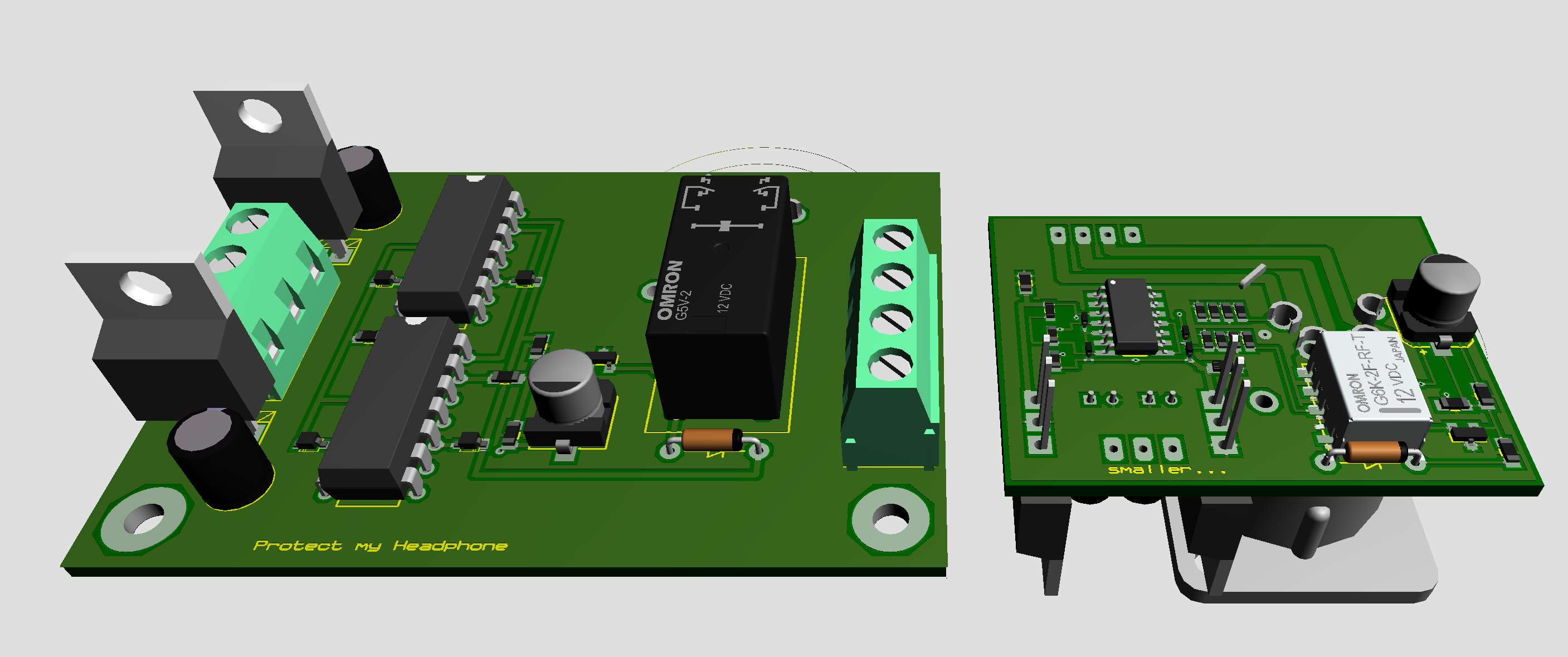
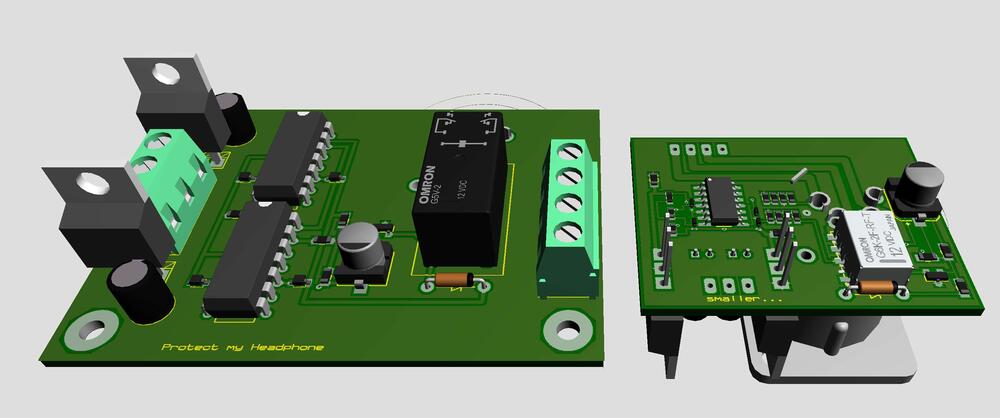
2 pointsYep, smaller seems doable. Lm339 in so14 package and smd relay. Should be able to cnc mill board myself.
 2 points
 -
2 points
-
Over all I like the vibe of it. New to me. Let us know if there is something else in the catalog to check out, that is on your list. Also new to me. Negative Act of Denial 2021 https://album.link/i/1575238753 Example: Melodic Death Metal. I didn't know I need this in my life, now I do. Kind of a Metal supergroup from a collection of good players.2 points
-
Those SOOC JPEG's or...? Is this a bayer-filter camera? Color is just one of those super-subjective things that varies so much from person to person, RAW converter to RAW converter, etc. I think people often outsource the creative work of color palette management/selection to their equipment (be it hardware or software), in much the way audiophiles outsource EQ to pairs of headphones or even cables. Throw in a dose of "retro is inherently better", etc. I never found myself in love with the supposedly great "FUJI COLORS" over the time I used their cameras, and the JPEG engine of the Sony RX-100 (I) and A6000 were hot garbage. However, I've never really owned a camera I couldn't get colors I liked out of, in post, including those. I think most digital cameras of at least the last 10 years offer SO MUCH latitude in post, that most people don't know, can't conceive of what to do with it all, and find their creativity more stimulated by the limitations of/look produced by older cameras. I'm from the Thom Hogan school of thought, i.e. capture optimal data in the field (s/n ratio, sharpness, focus, framing), then massage in post to fit your vision. I'm still floored by what I can capture with a 45MP full-frame sensor and the latest lenses. I think if anything it generally exceeds my abilities as an artist, and I can see why many would find that intimidating/challenging. I know I do at times.2 points
-
Last night's show is up: Got into some fairly weird territory.2 points
-
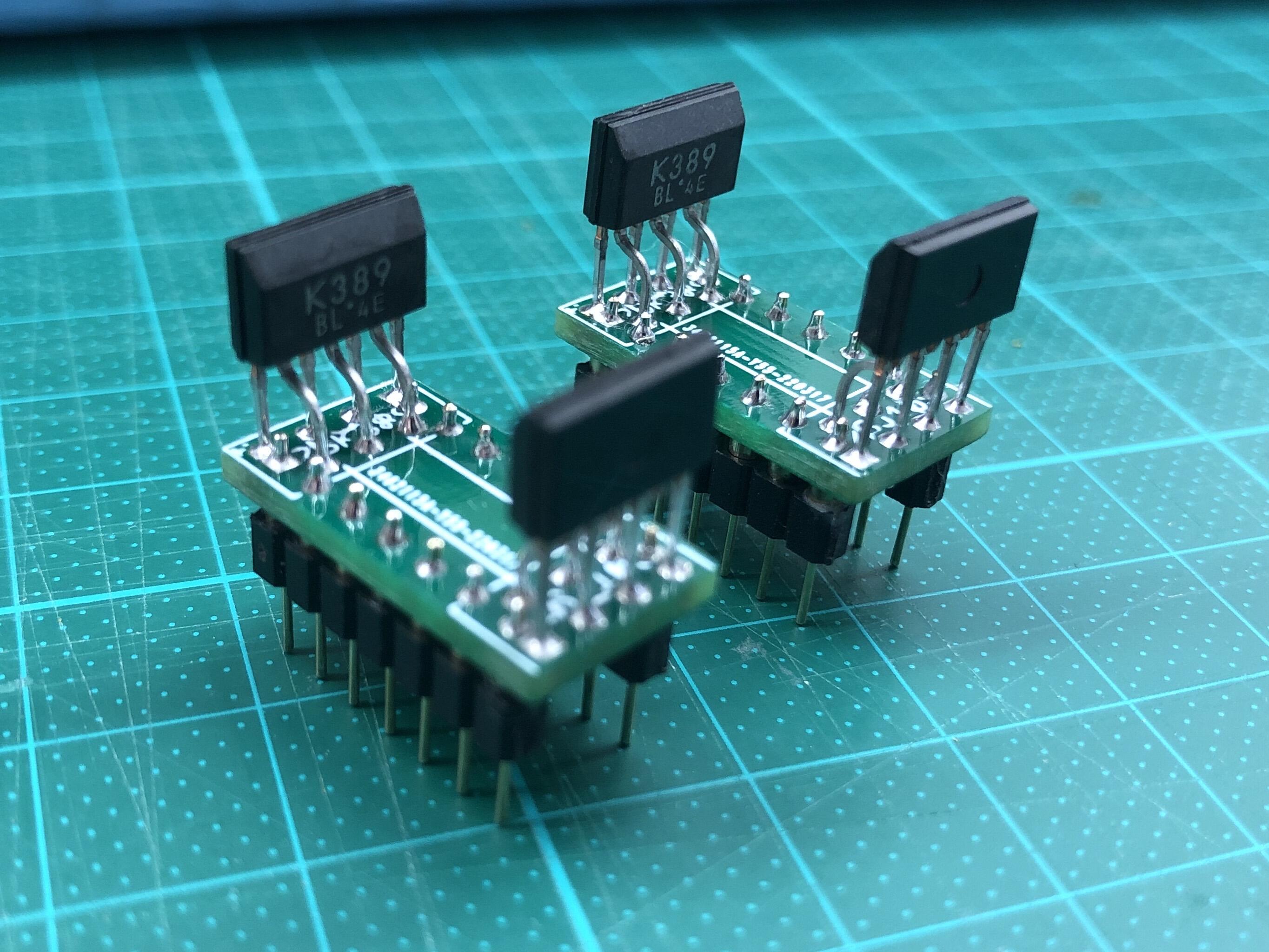
It’s an awfully warm summer here in southern Sweden and it’s too hot to sleep… did this last night… Video_22-08-19_09-57-37.mp4 An attempt to make a smd version of CFA3. Same board size as the smd version of Dynahi I built some months ago. Lots of more work… doubt I’m capable to get this to work though.2 points
-
This is everything I know by Heilung -- their onstage charisma is unarguable: Tried to listen to one of their albums once, failed. I ended up just going back to the above video.1 point
-
put a 1.5v battery on the input, and cycle thru the steps and watch the output voltage.1 point
-
1 pointThe unregulated power supply on the original T2 is its real Achille's heel. Other than thermal management that is. One thing to watch with T2 transformers is that the heater windings to the pentodes float at 500V. So there needs to be adequate insulation barriers inside the heater transformer to cope with that, and adequate insulation in the umbilicals. With mine I ran the floating heater wires inside the umbilicals inside a glass fiber sheath.1 point
-
WUHOO! Now 3/4’s of the way home, this place rocks.1 point
-
Appreciate your comments Peter and different strokes. That said on a recent trip I packed two bags - one for clothes, one for gear. Clothes took five minutes. Gear was repacked five times over two days as I tried to settle on just three cameras. I have a problem. See choice above. At the very least these old camera eBay listings, which may have gone through multiple translations over the years, have the best reviews in their descriptions. “I think it is a fun camera and having fun. Because I'm looking for love.” “The best machine is the best machine as a single-eye introduction machine.” Edit: Ha, ha. From an hour ago... Are Vintage Digital Cameras the Biggest New Photography Trend?1 point
-
1 point
-
anybody has a spare PCB (enough for a balanced CFA3 and 1x GRLV)? Thanks!1 point
-
I've always been intrigued by the Foveon cameras, but never managed to convince myself to tolerate the trade-offs. Nearly convinced myself to try a DP2m a couple of times, but just never took the plunge, and figured if the technology truly had merit, eventually Sigma or someone else would develop it into something more usable. While perhaps my previous post made me come off as someone who loves doing work in post, if anything I am the opposite. It's my least favorite part of digital photography, but a necessary evil to get the results I want. Anything I can do upfront in the shooting process to make post work less demanding appeals to me (hence capturing optimal data), but as far as I can tell, there's still no algorithm that can predict the look I want consistently and bake it into a JPEG for me. The closest I can do is a few sets of my own Adobe presets, but even those are dependent on correct exposure to work as intended and are far from universal. I do take plenty of more spontaneous / less pre-visualized photos, but generally working from the same approach of data-gathering that informs my aperture/SS/ISO/focus point decisions, and is familiar and well-trained enough to often not require much more than a reaction rather than involved thought. That is to say, I can spend more effort thinking about what goes in the frame and where, rather than how to execute the shot itself. And It's that puzzle of what goes where, how, and why, that ultimately I think I find most rewarding and enjoyable about photography. I don't see the alarm with finding charm and enjoyment in older gear either, and I can certainly see the appeal of various traits of various lenses and bodies that have been around over the years. I personally prefer to have a fairly small footprint of "stuff" in my life, so am naturally drawn to things that are closer to do-it-all, than extremely characterful specialists. In photography, much like in audio, this has generally tended to draw me to devices at the leading edge of technical development, often derided as dull, cold, soul-less, or the like by certain other enthusiasts. Put me in a target-rich environment, and I do believe I'd enjoy shooting it with any camera. But I'd enjoy it more shooting one with fewer caveats, limitations, and work-arounds required to get the results I want. I'd probably enjoy the results I got from those cameras, (perhaps even enjoy some of their results MORE, depending on the circumstances?), but I think I would enjoy the journey to those results less. And I've come to discover that I enjoy the journey of photography as much as or perhaps more than the result. I just spent 4 days in the backcountry of Kings Canyon NP. I brought one camera that I know very well, and two lenses, and had a glorious time searching through scenes to find compositions I liked, and capturing them fairly effortlessly with files that I knew would stand up well and turn out great, due to the incredible and consistent performance of that gear. I didn't have to worry about running out of dynamic range, having inconsistent acuity across the frame, name your photographic malady, basically. I just had to concern myself with getting my camera to the right place at the right time with the optimal settings, and know that the results wouldn't disappoint me. And at first look, they haven't. I've scarcely ever had more fun with a camera. But I understand someone could say exactly the same thing about doing nighttime urban photography with a Holga, and it would be completely true for them as well.1 point
-
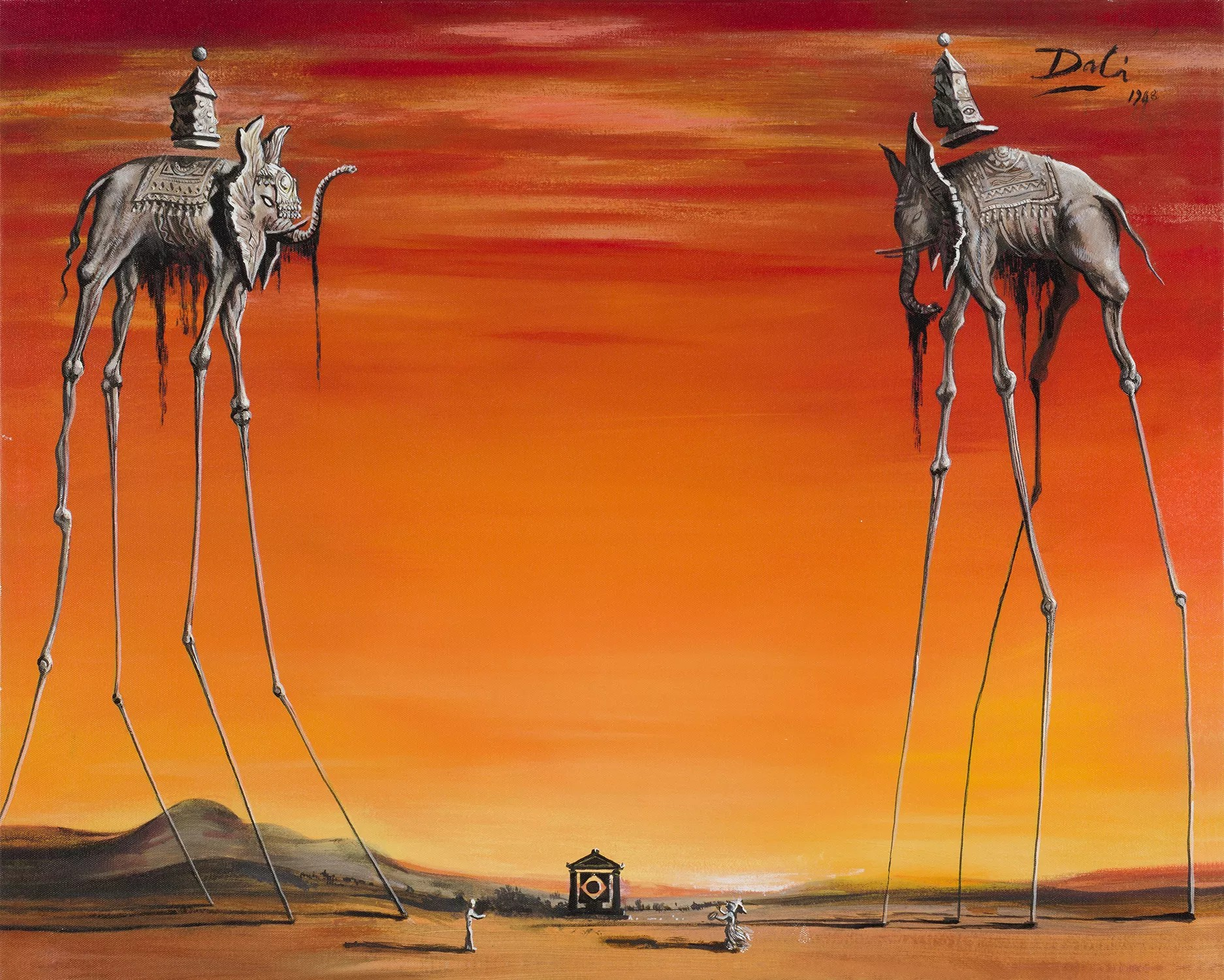
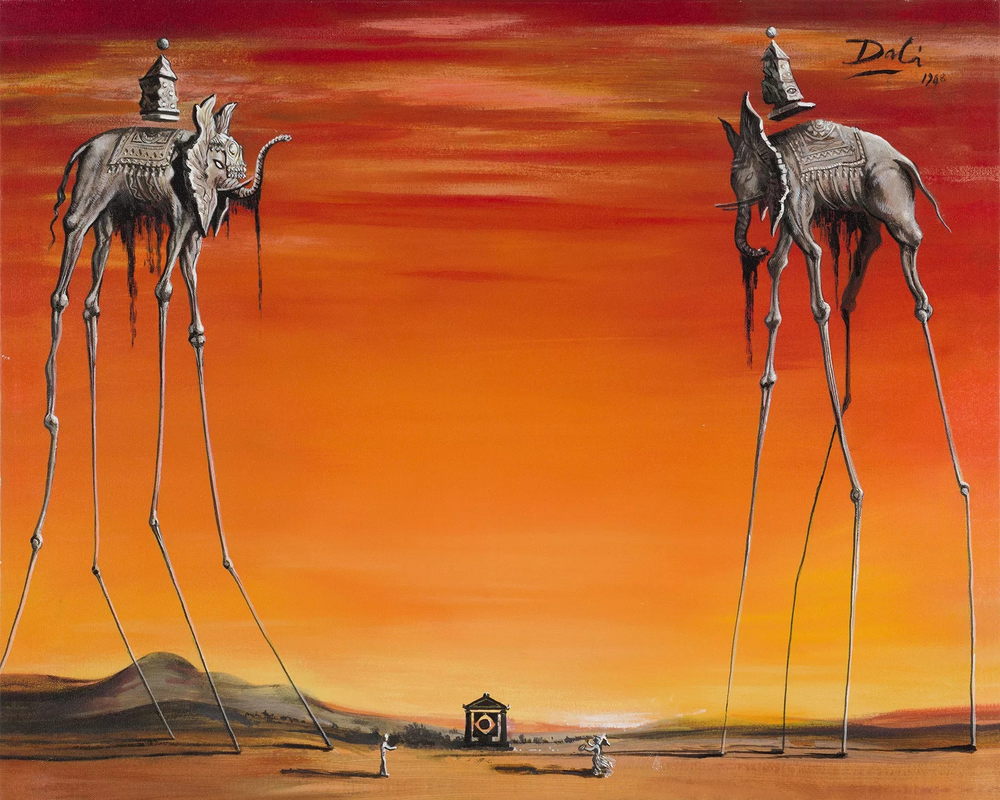
"There is no exquisite beauty, without some strangeness in the proportion." Shout out to, Dali. I digress, back to photography.
 1 point
 -
1 point
-
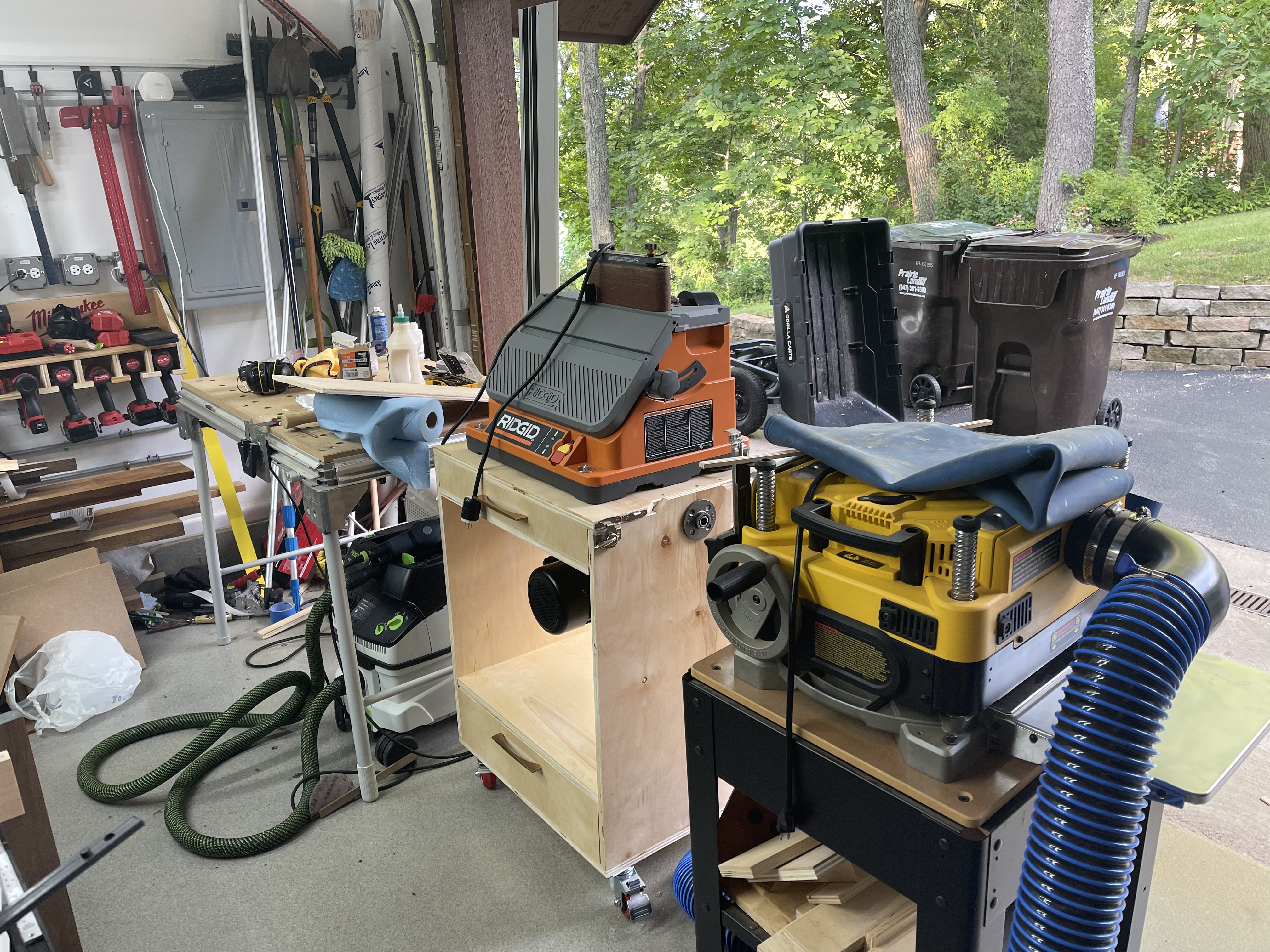
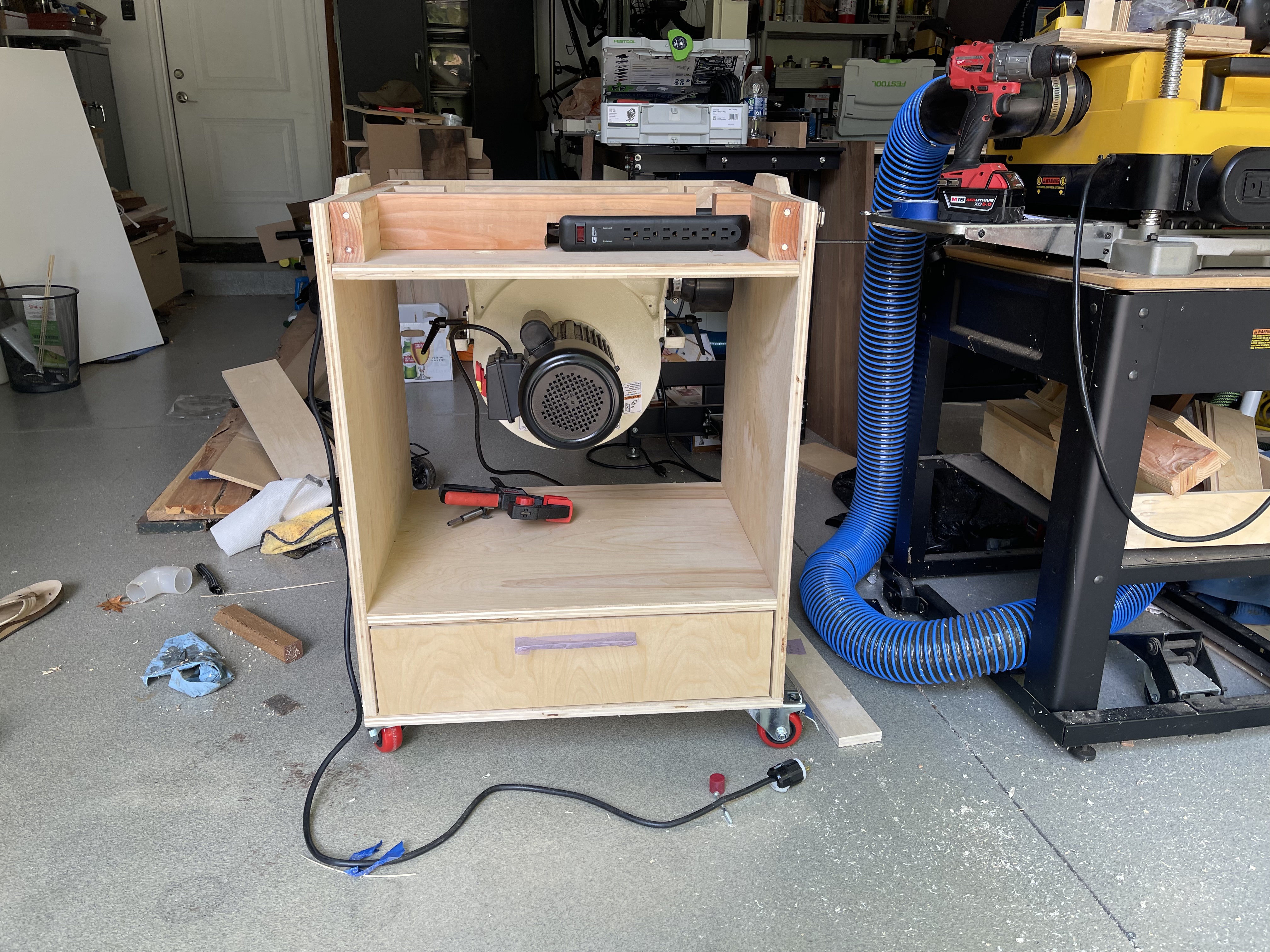
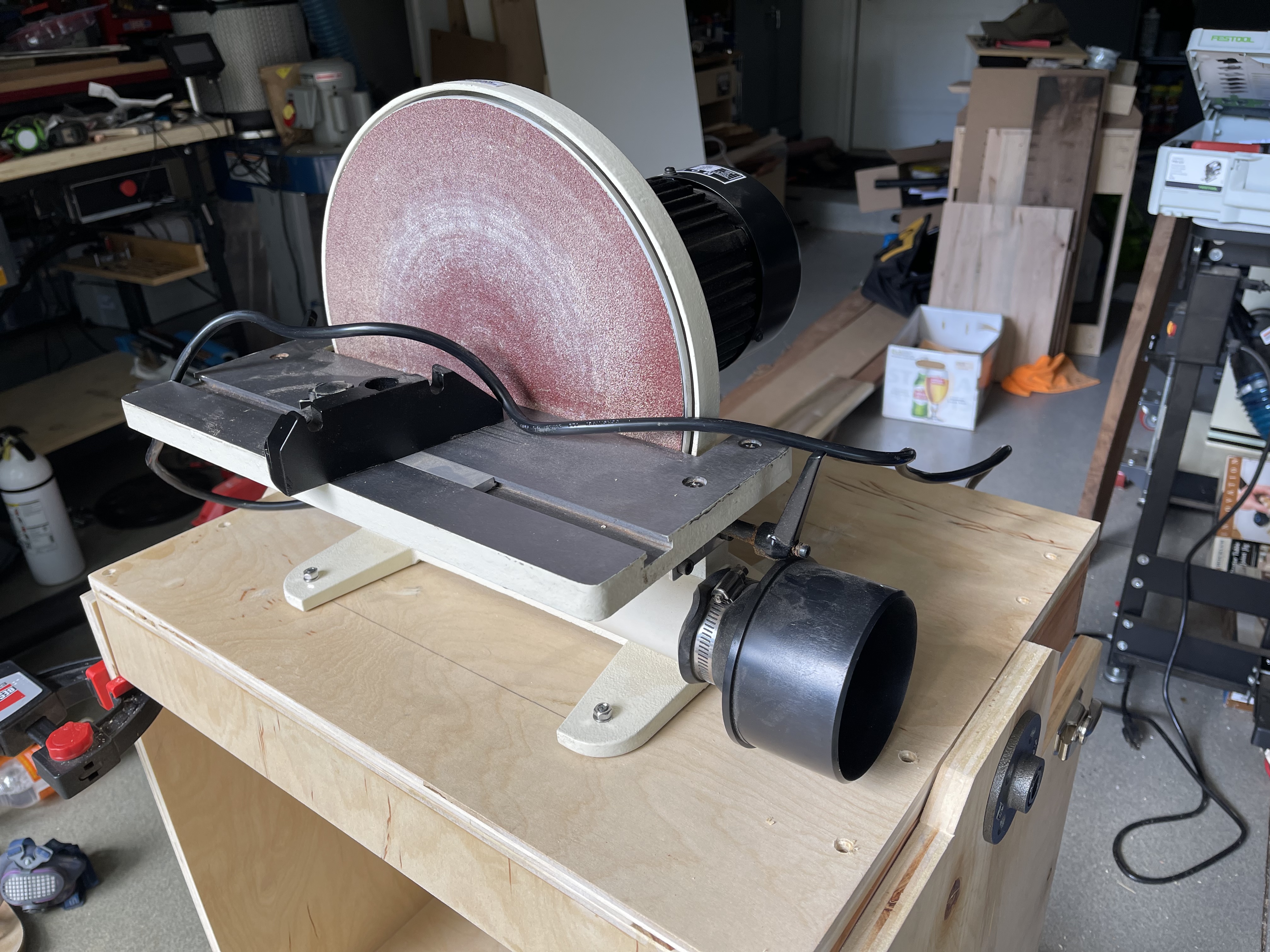
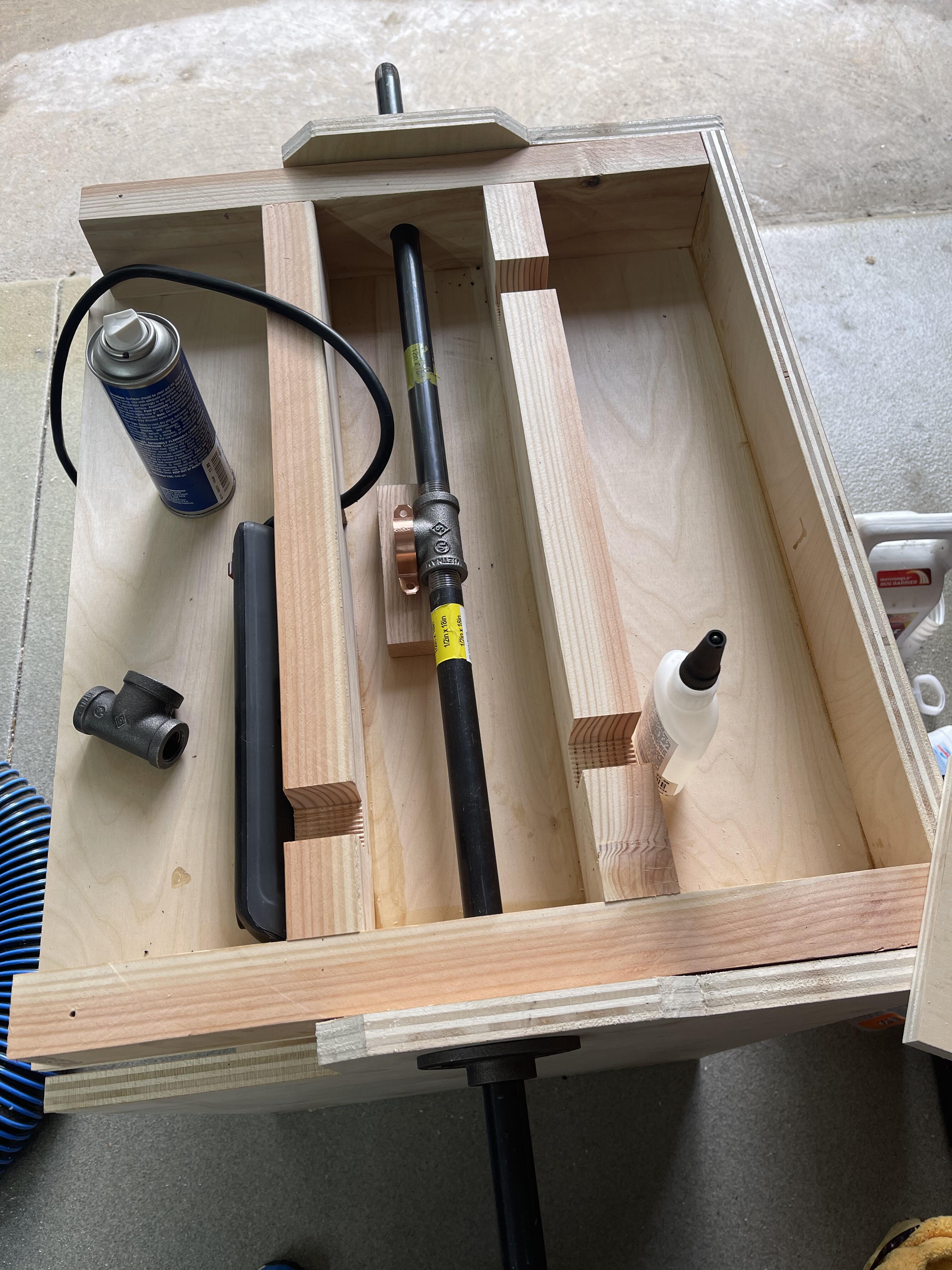
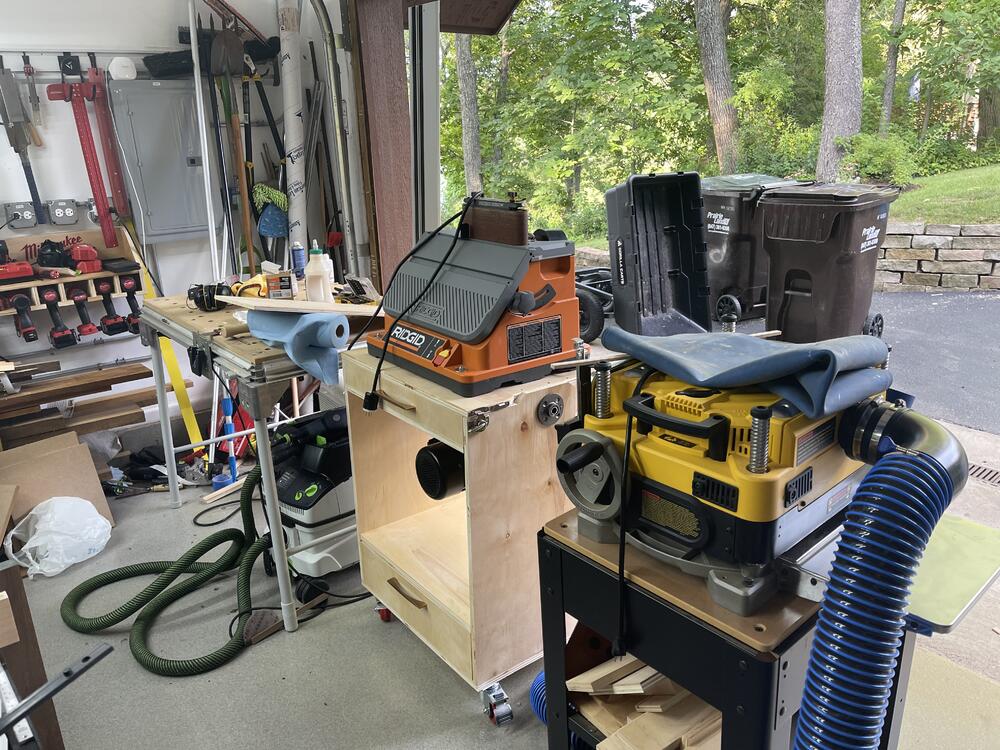
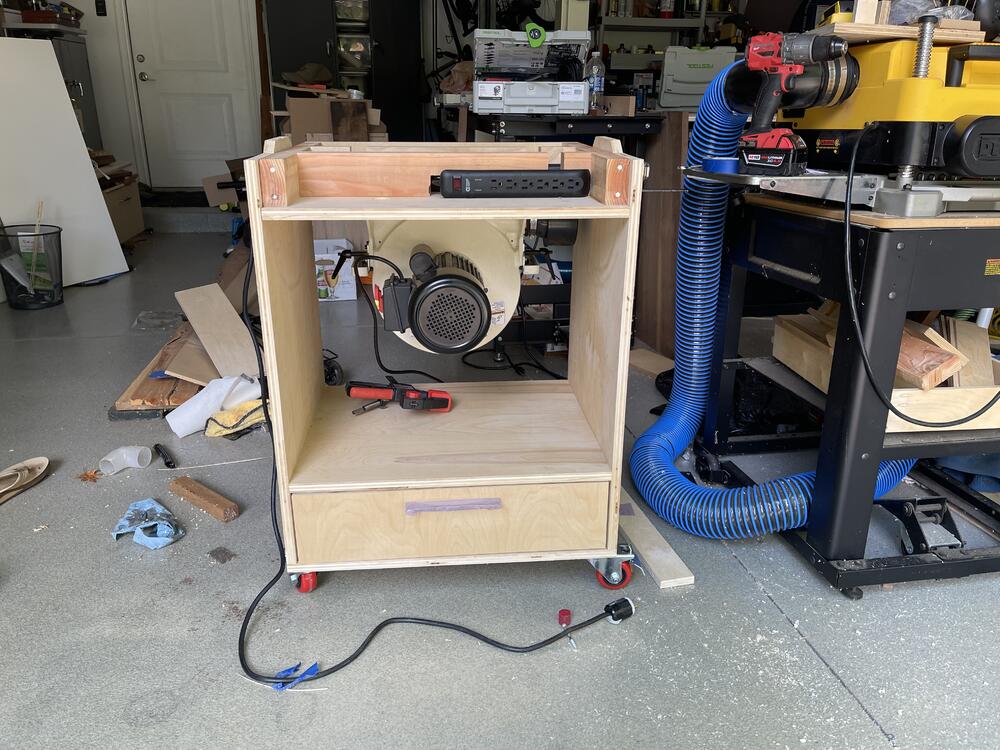
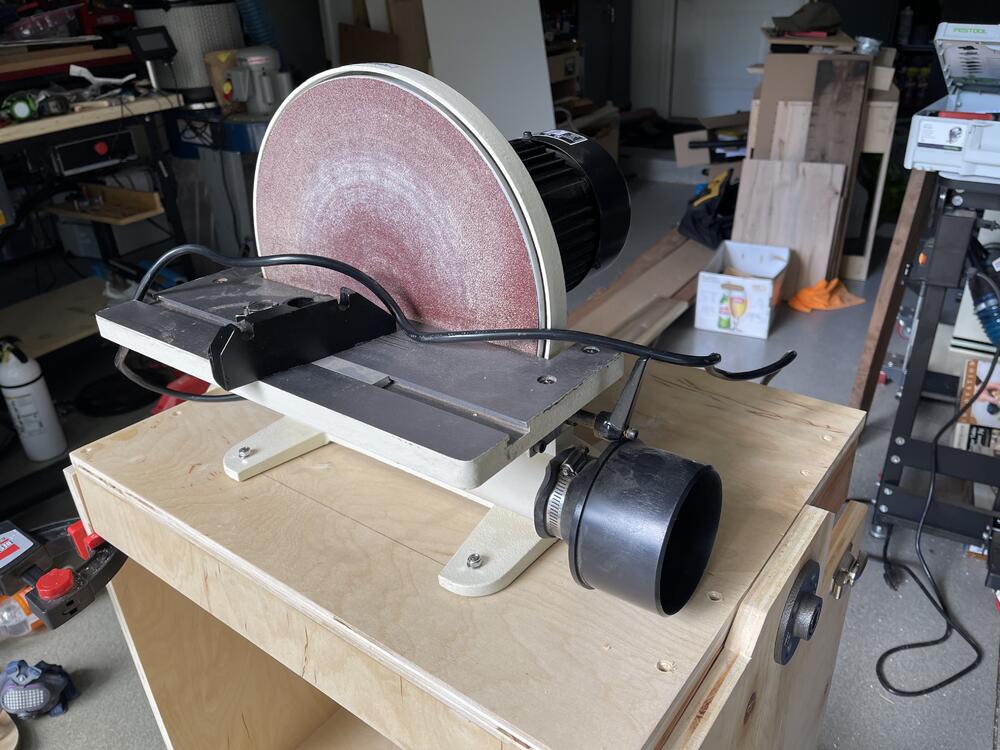
1 pointWrapped up the flip cart, now time to start on the Rocking chair Adirondacks for the new fire pit platform down by the lake.
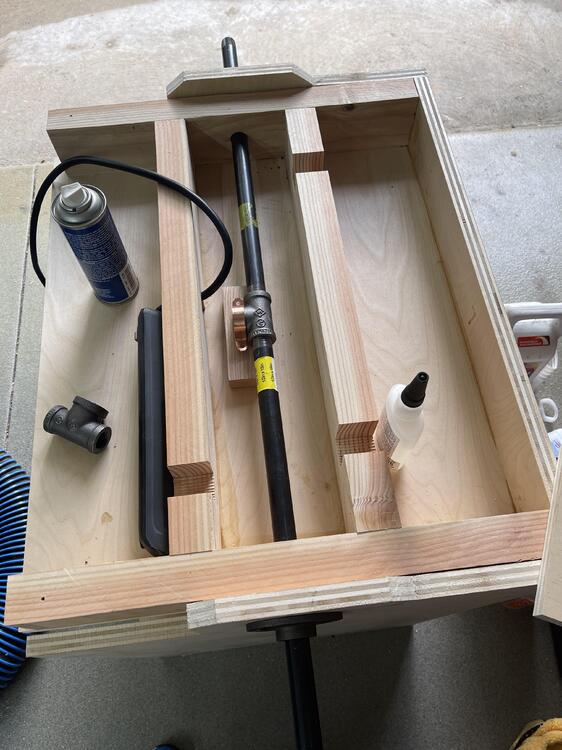 1 point
 -
At some point I switched to a 10K pot. I liked the characteristics better with the 10K pot. My newest boards use 10K pot as well.1 point
-
1 pointI entirely agree, for me the object of listening to music is emotional involvement and enjoyment. The combination of the mostly modern T2 and the SR007 does this for me in a way nothing else I have listened to can. It makes music rather than throwing detail and frequencies at you. I don't care if its not as "accurate" as something else or technically or measurably not as good. I know of no measurement or technical specification that correlates with enjoyment or musicality. I think the general trend in hifi has been for things to get brighter and brighter in the search for more "resolution" and "speed" and more "high end" sound, hence the trends for metal drivers, more silver plated/solid silver things like wires/fuses caps etc etc. If you like brighter then the sr007 is not for you, if you don't like modern sound then the sr007 can be wonderful - if driven properly and the standard stax energizers can't drive it property at all.1 point
-
Hi Milan, You should be using a 10k linear pot for the controller. That might be older code, but it’s been a while and it will take some time for me to find and verify a newer version. Best, Kerry1 point
-
1 point
-
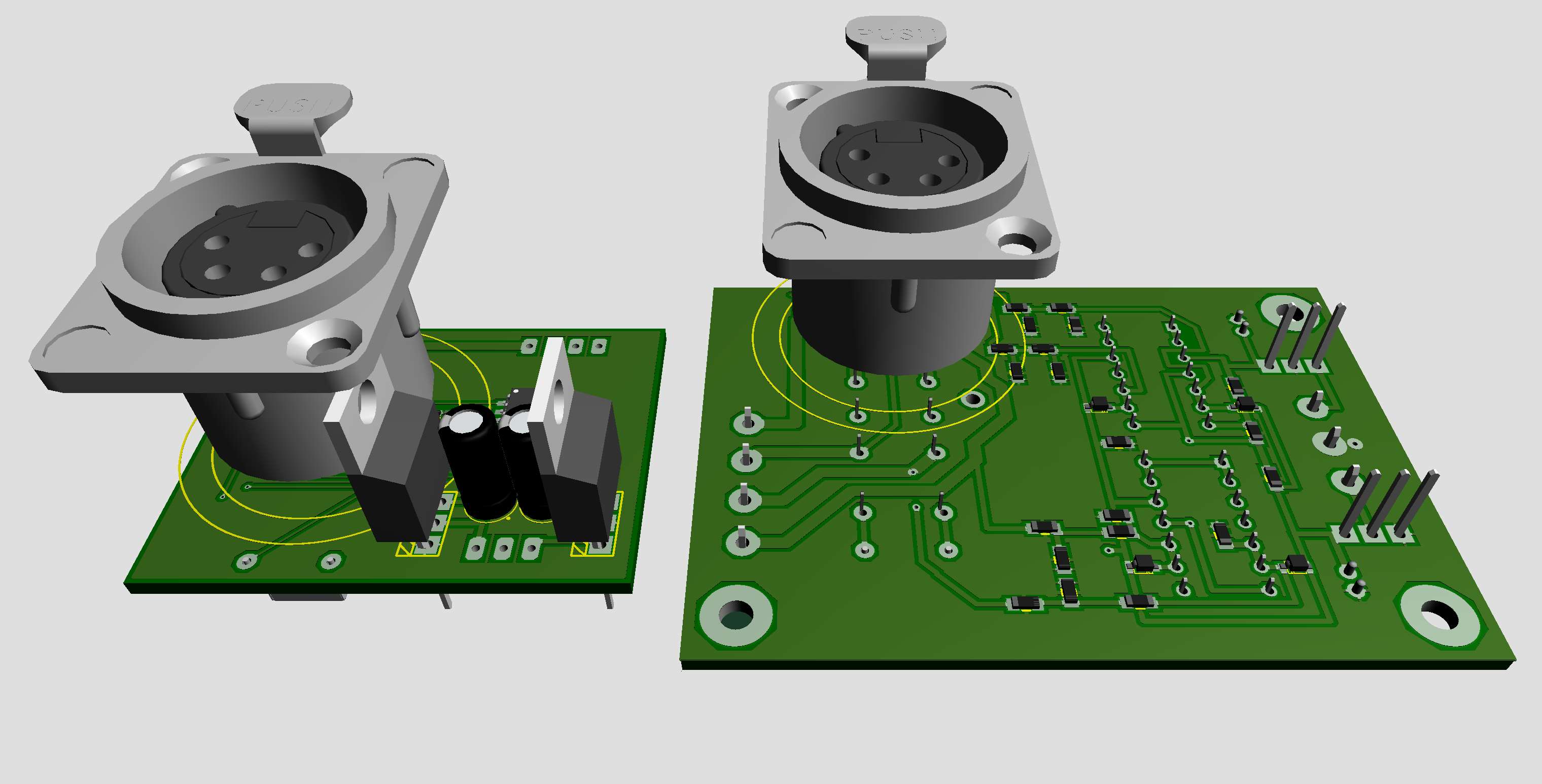
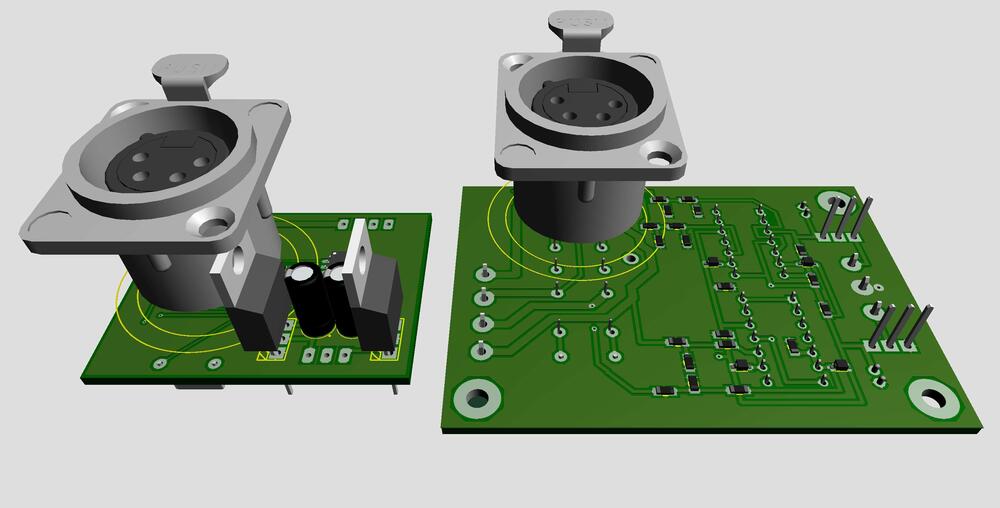
1 pointVery nice, JoaMat! I did something similar but horizontally layed out and holding two 3-pin combo-Neutrik's and two 4-pin Neutrik, directly mounted to the board, including the SS/ZF relay switching circuit as well.1 point
-
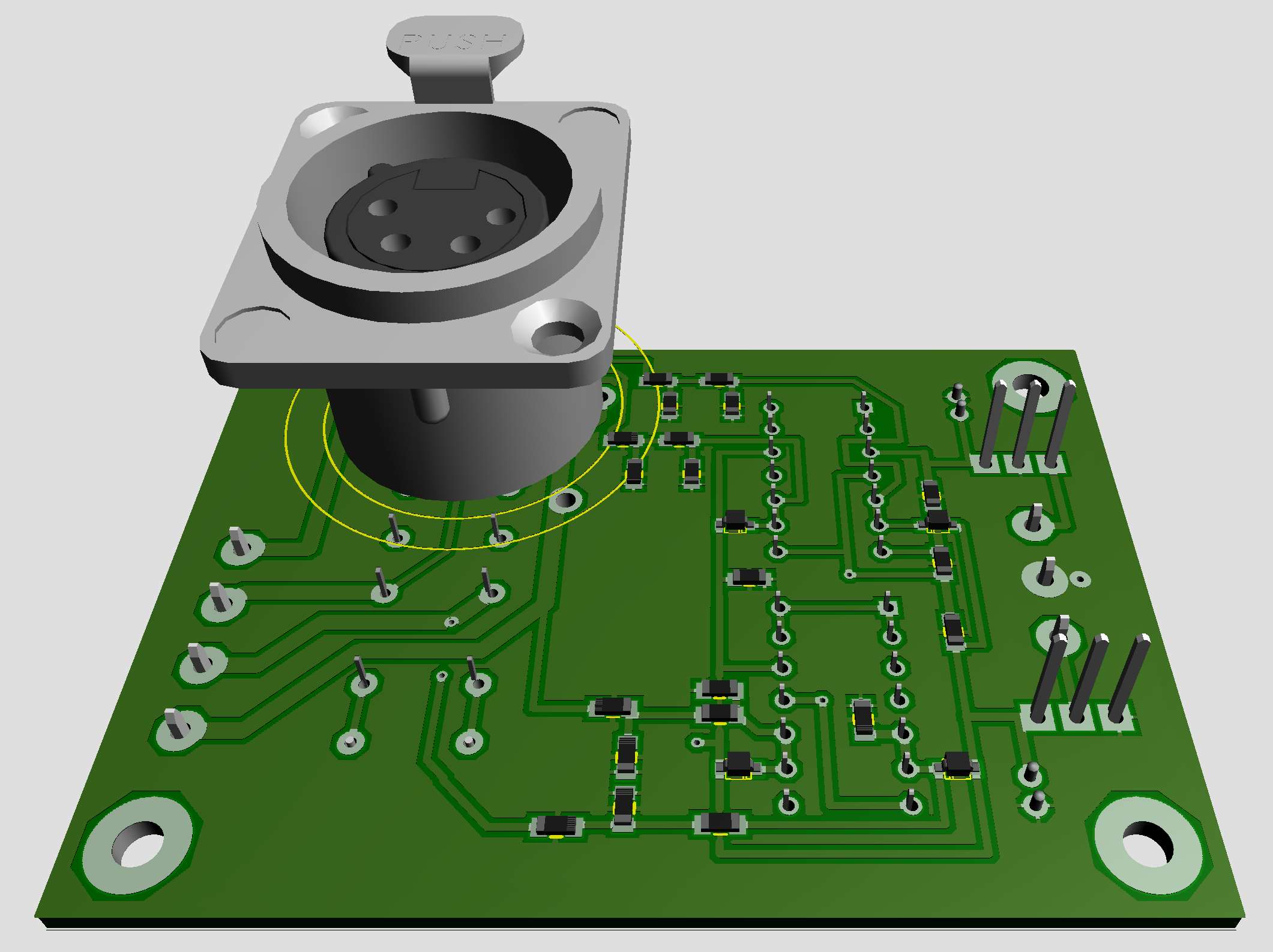
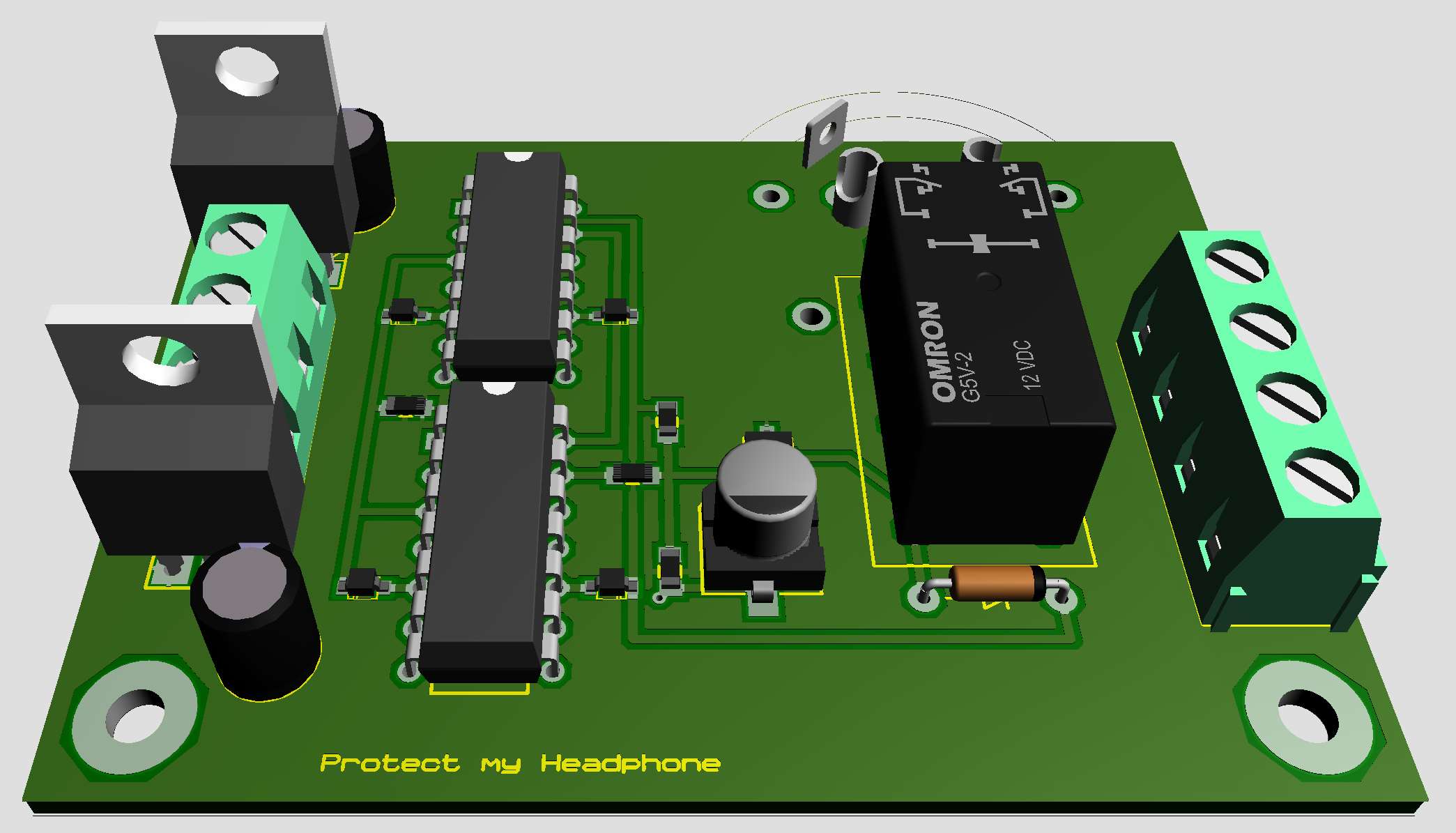
1 pointI found a backplate for Neutrik NC4FAV at oshpark.com. But I think I also need some protection for the dynamic headphones… …schematically same as Kevin’s protect3. Board size 2.75in x 1.95in. With a little creativity the board can probably be made a bit smaller.
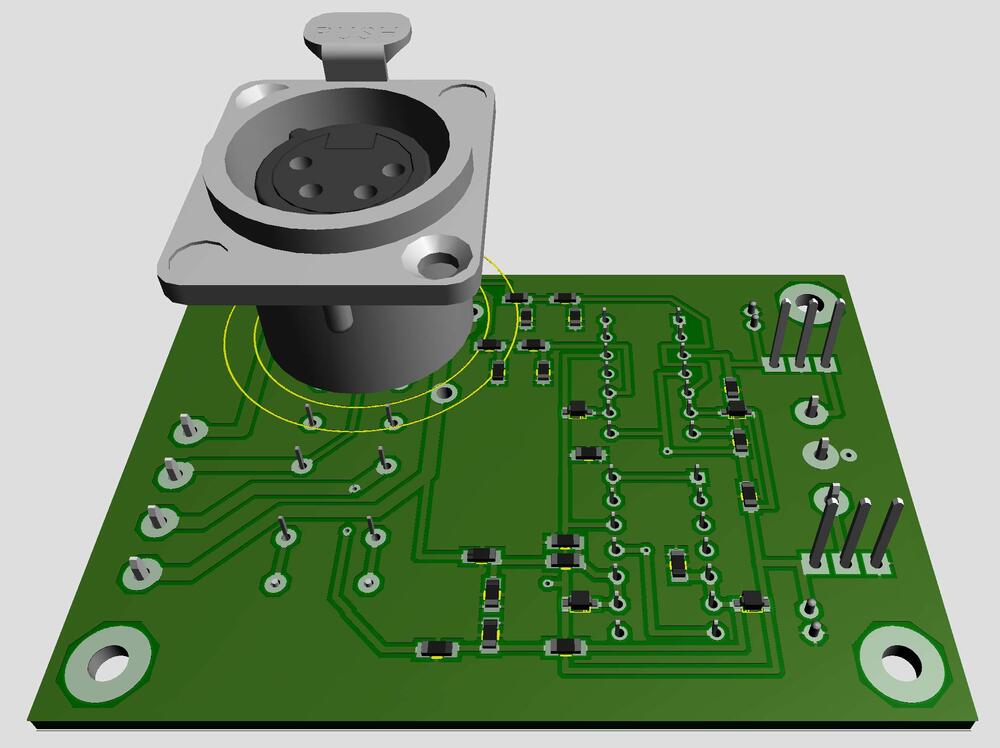
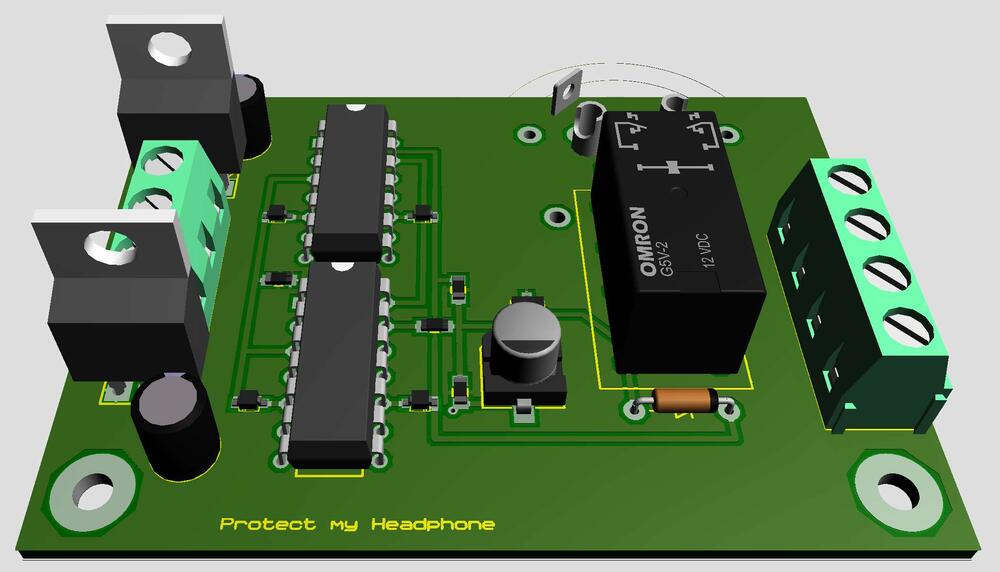 1 point
 -
1 pointHere's a long but VERY eye-opening twitter thread of what's going on that details one Russian paratrooper's account of his experiences. TL;DR the levels of corruption and incompetence in the Russian armed forces is simply staggering and defies any comprehension to people who are used to relative competence in western countries. And if you're wondering "how can Russia be losing with so much modern equipment, or have all of these capabilities that they don't use" etc etc... read this. Now take a look at the 600 foot yachts Russian oligarchs sail around on and ask yourself where that money came from, and then thank your lucky fucking stars that you live here and not there. I asked a Russian/Ukrainian friend what his take on all of this was, and he simply said "you know how some countries have a mafia? Now imagine if the mafia had a country." P.S. If you don't have a twitter account, just replace "twitter.com" with "nitter.net" in the url. Nitter is a free open source front end for twitter and while it's buggy, at least it won't require you to sign up or collect your data without asking.1 point
-
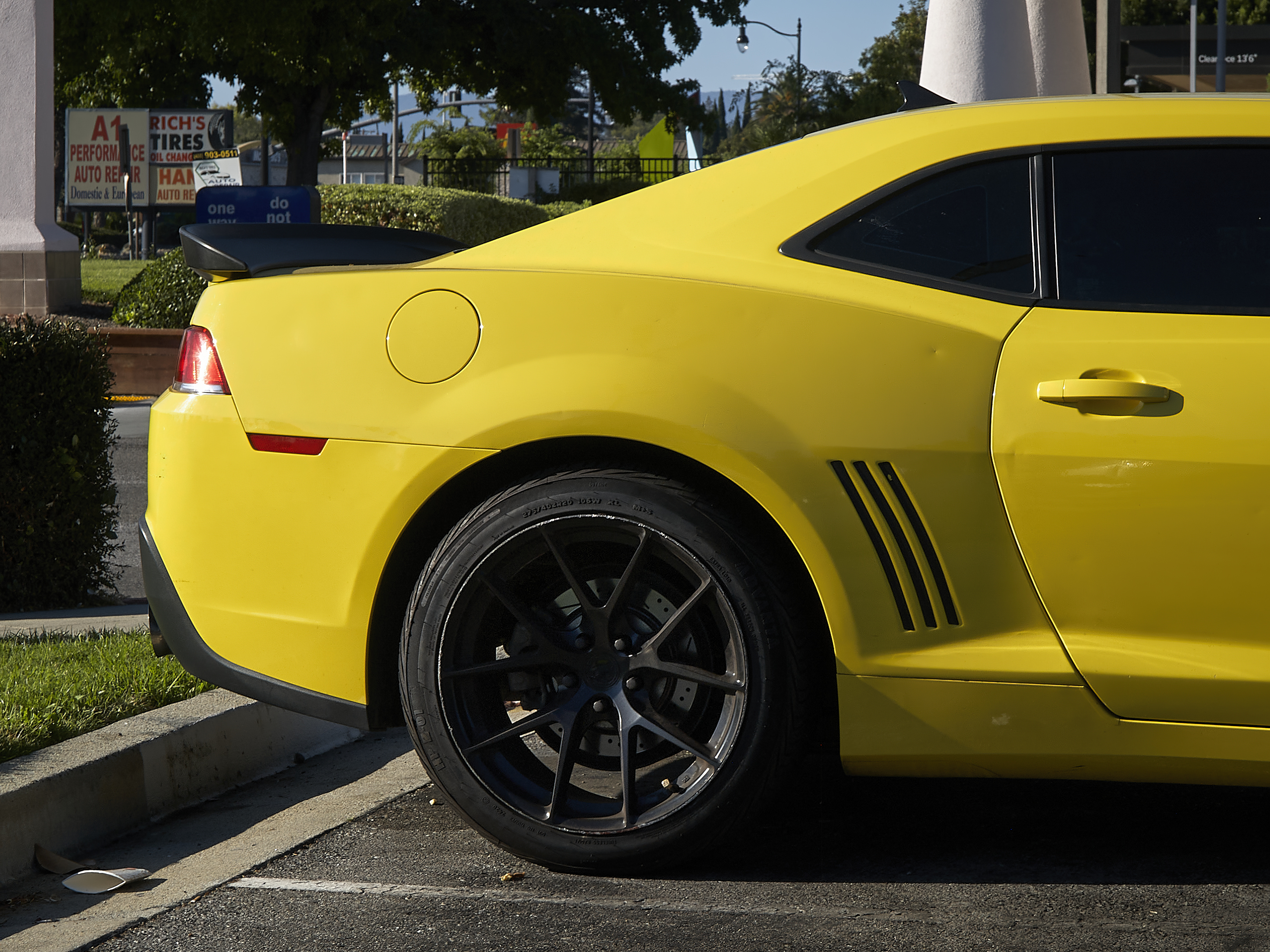
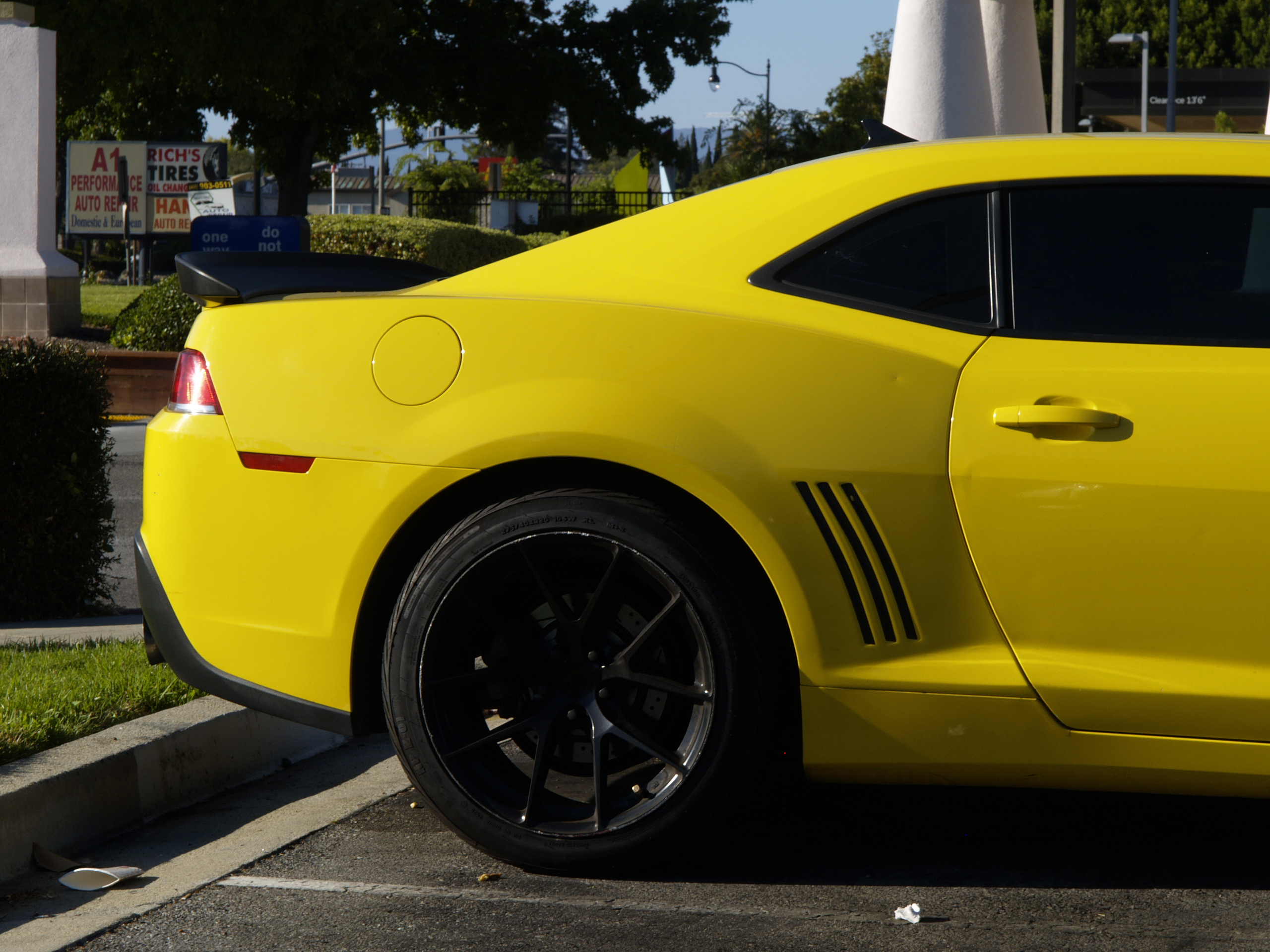
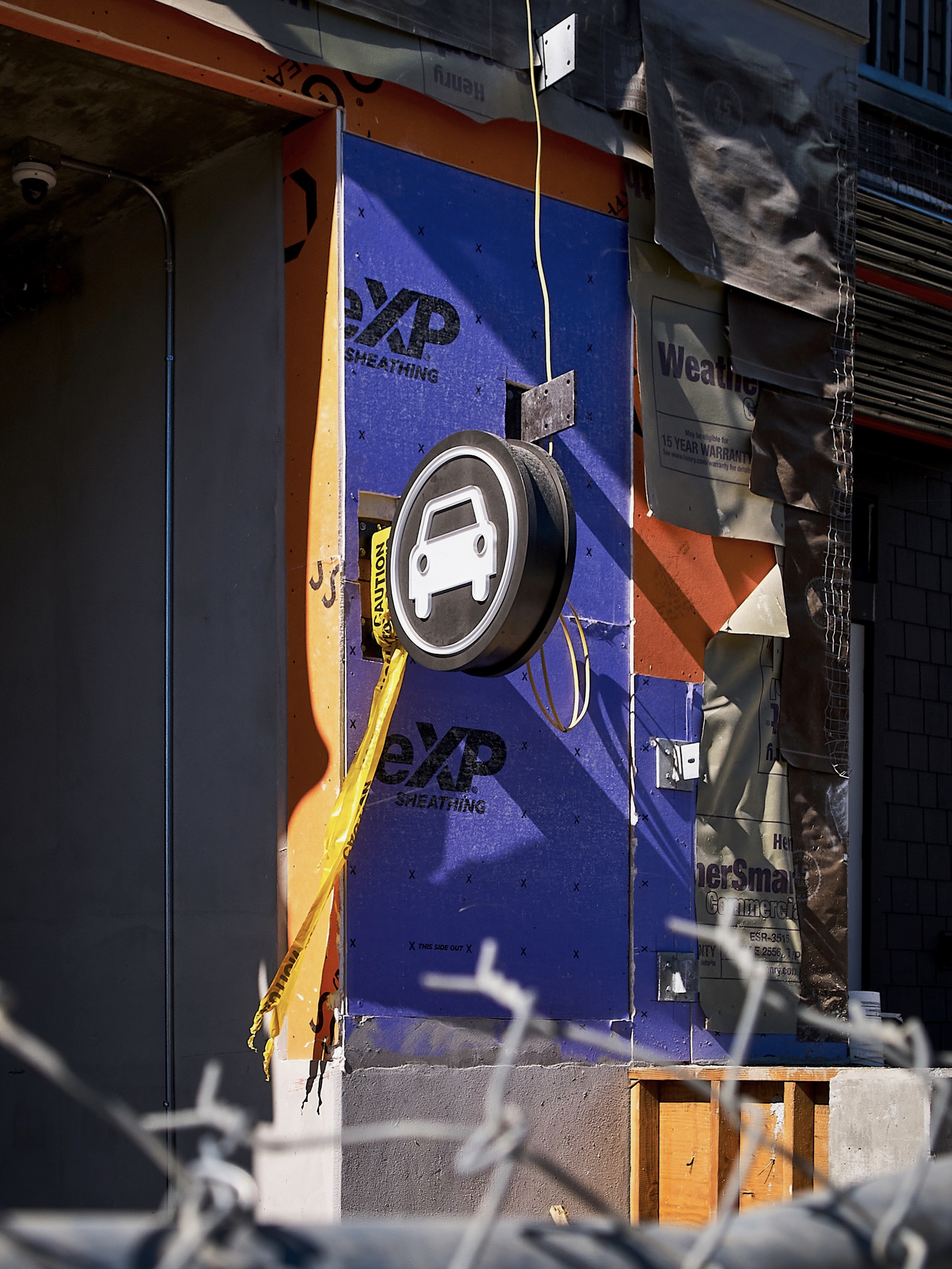
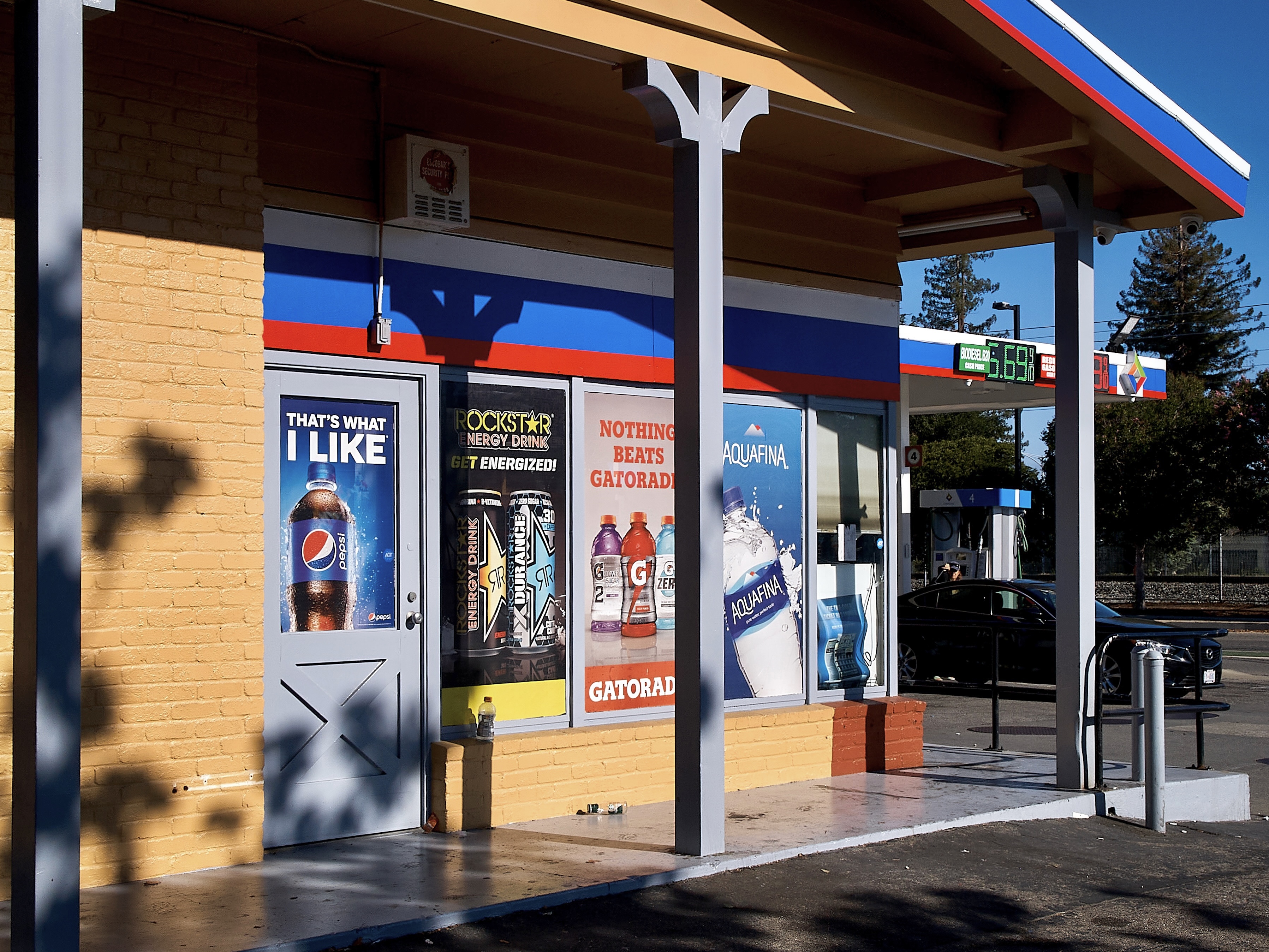
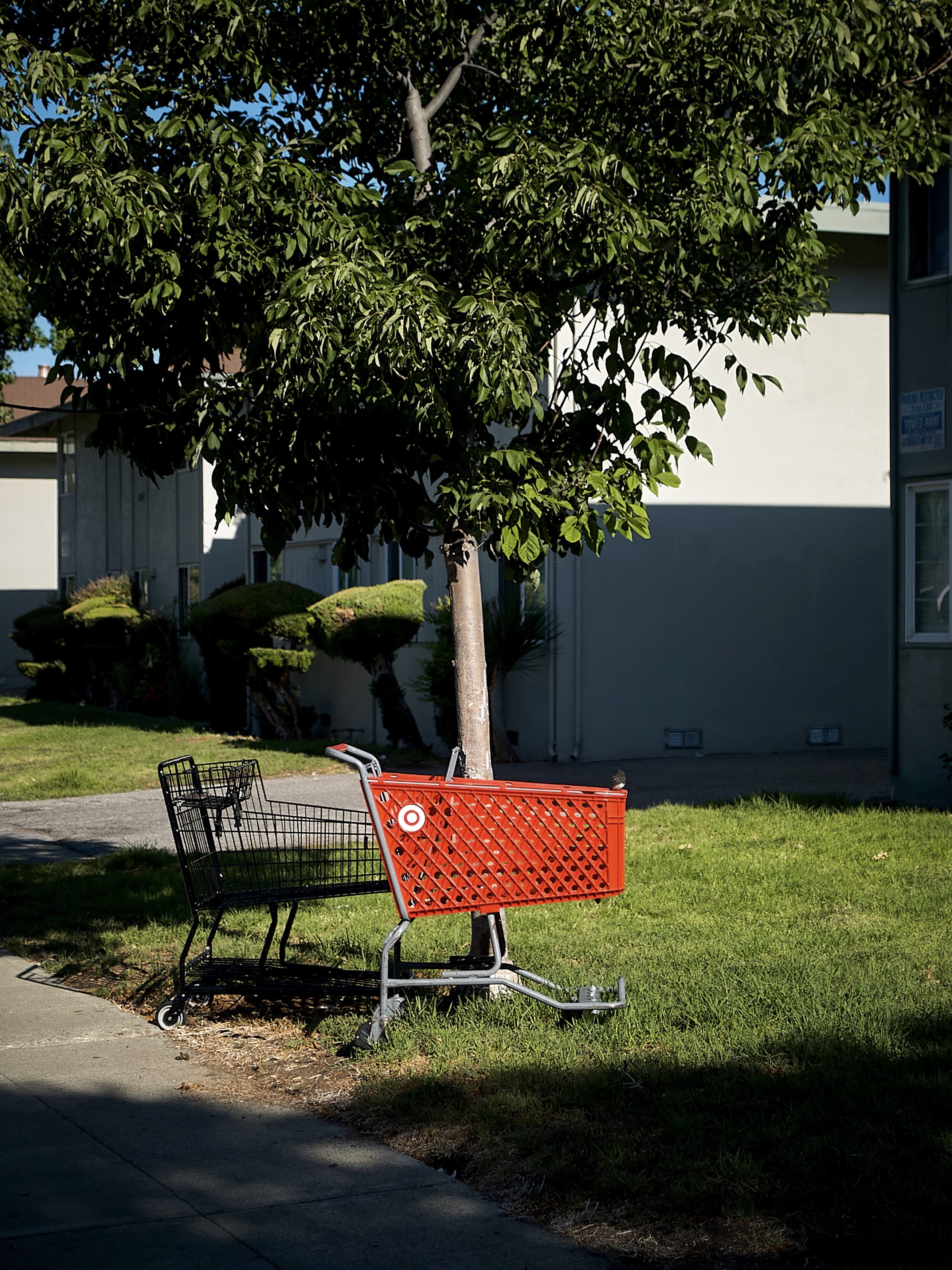
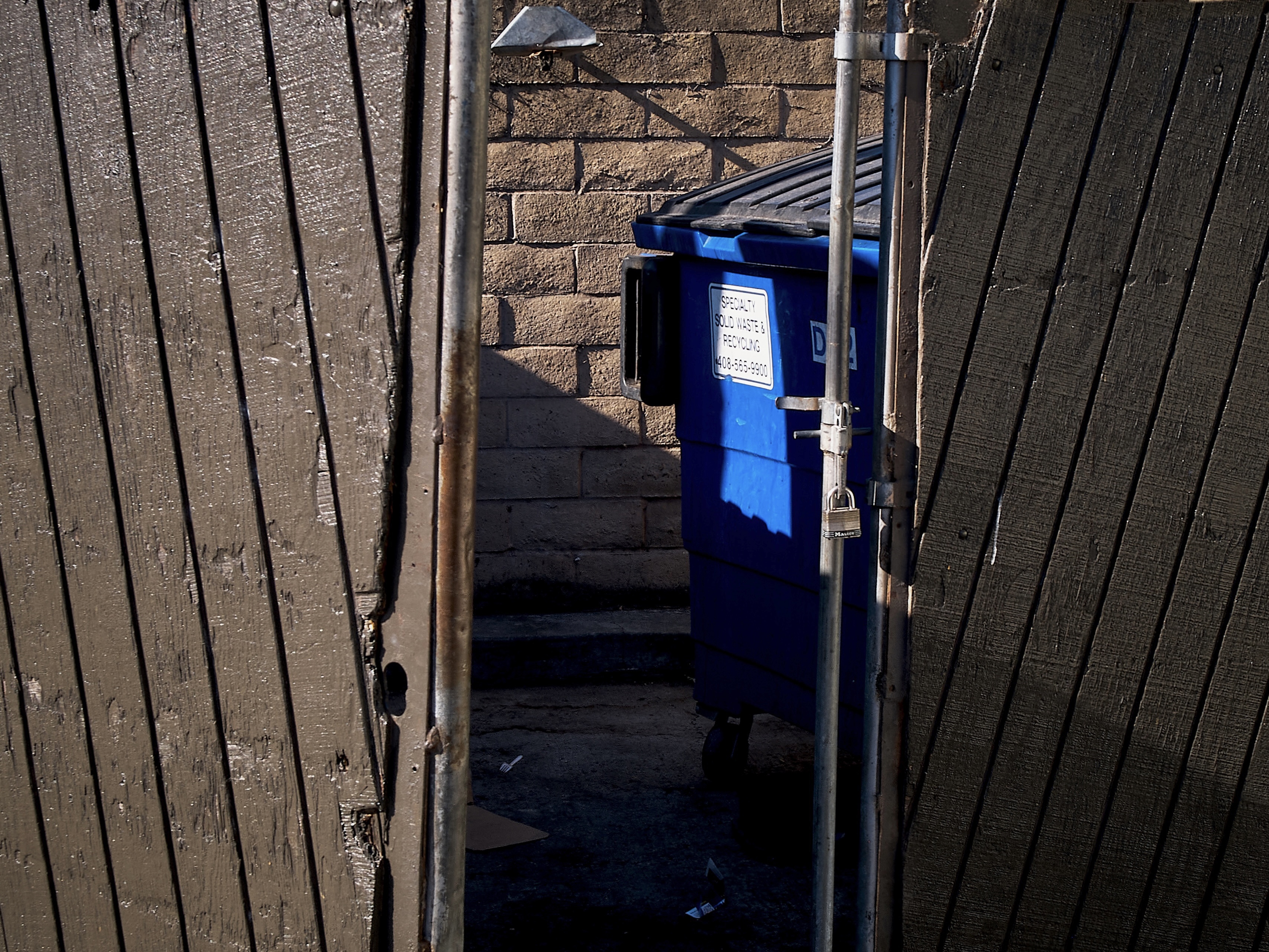
These are all throw away test shots from today, but if anyone is curious what a 19 year old 5MP Kodak designed CCD camera’s COLORS are like (tweaked, but less than most of my images)…
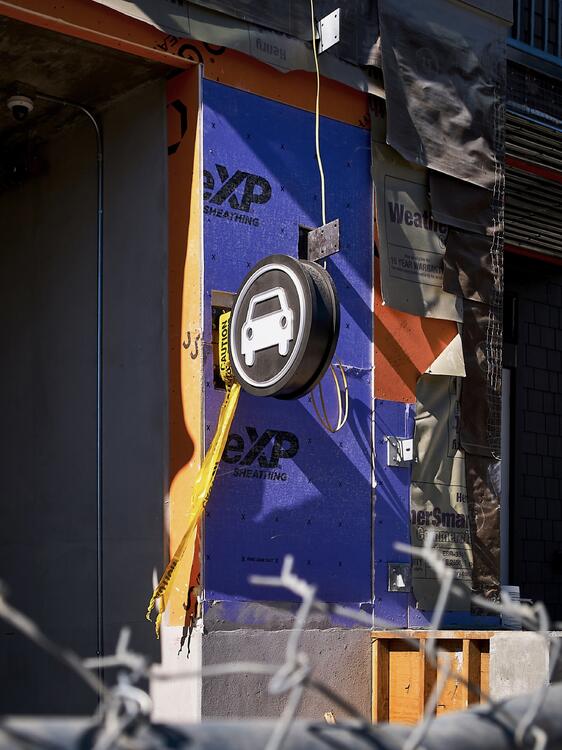
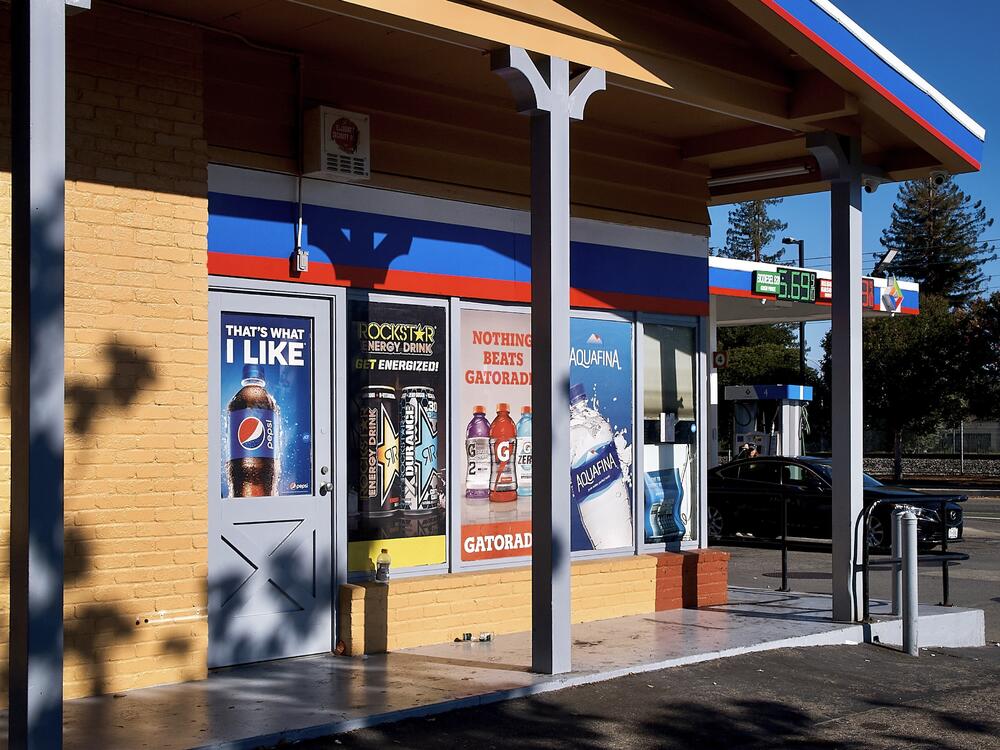
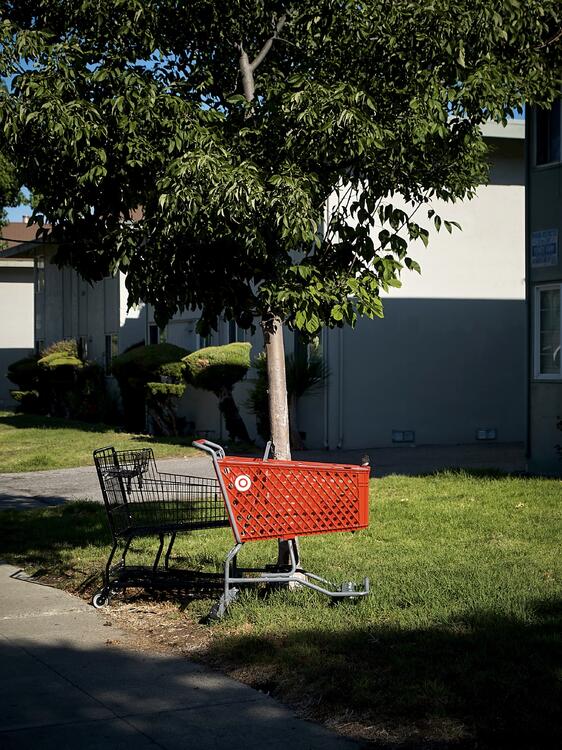
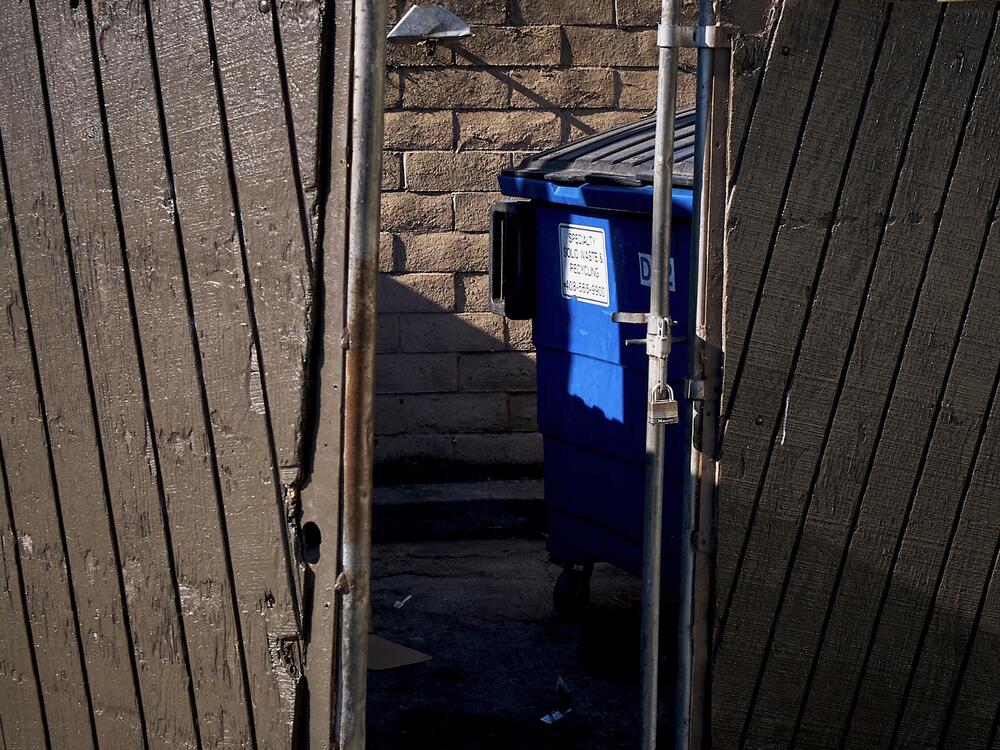
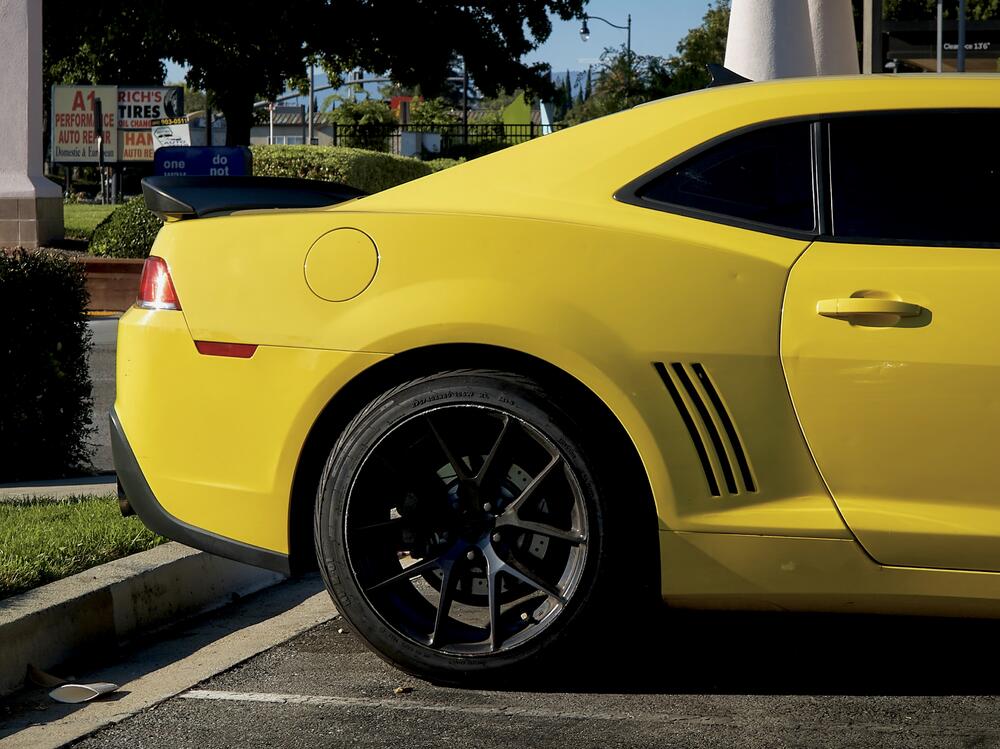
 1 point
 -
The new Heilung album, Drif. Enjoying it, a little more polished and less primal in many songs, compared to their other albums. So far, very good but not great....I'm sure it'll grow on me some more.1 point
-
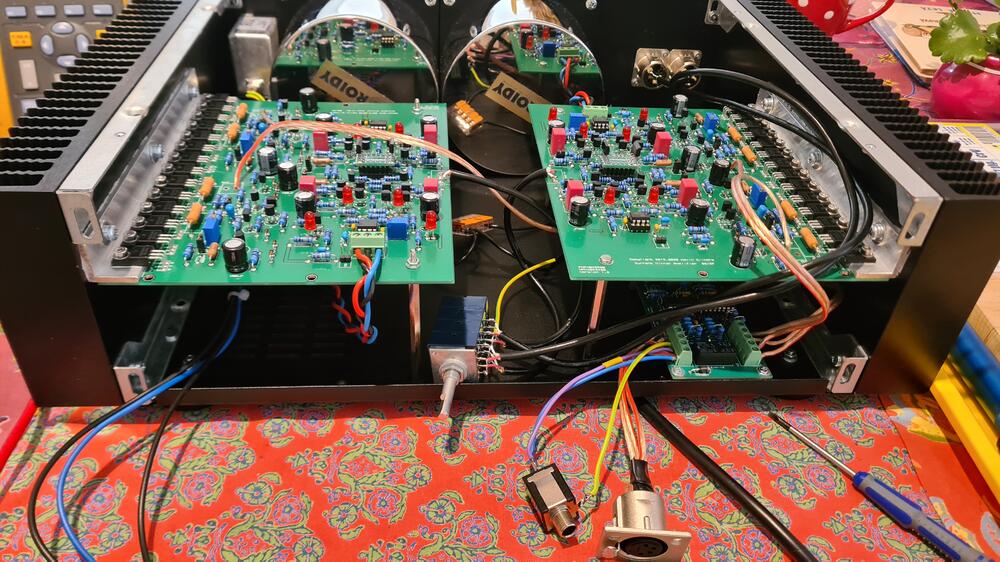
Another newborn CFA3 dual mono setup here. Thank you Mr. Gilmore and Audiostar and Mirko!
 1 point
 -
1 point
-
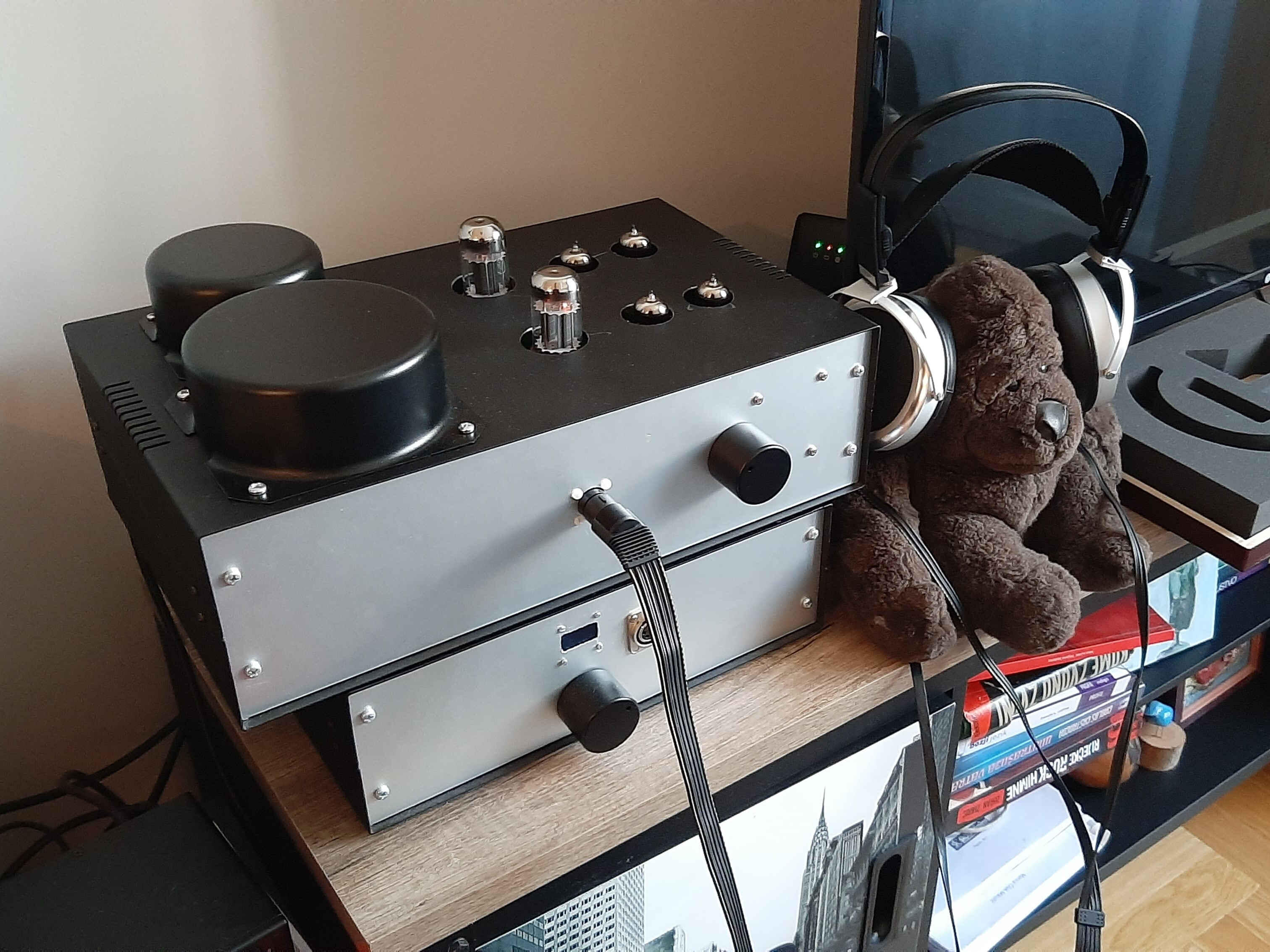
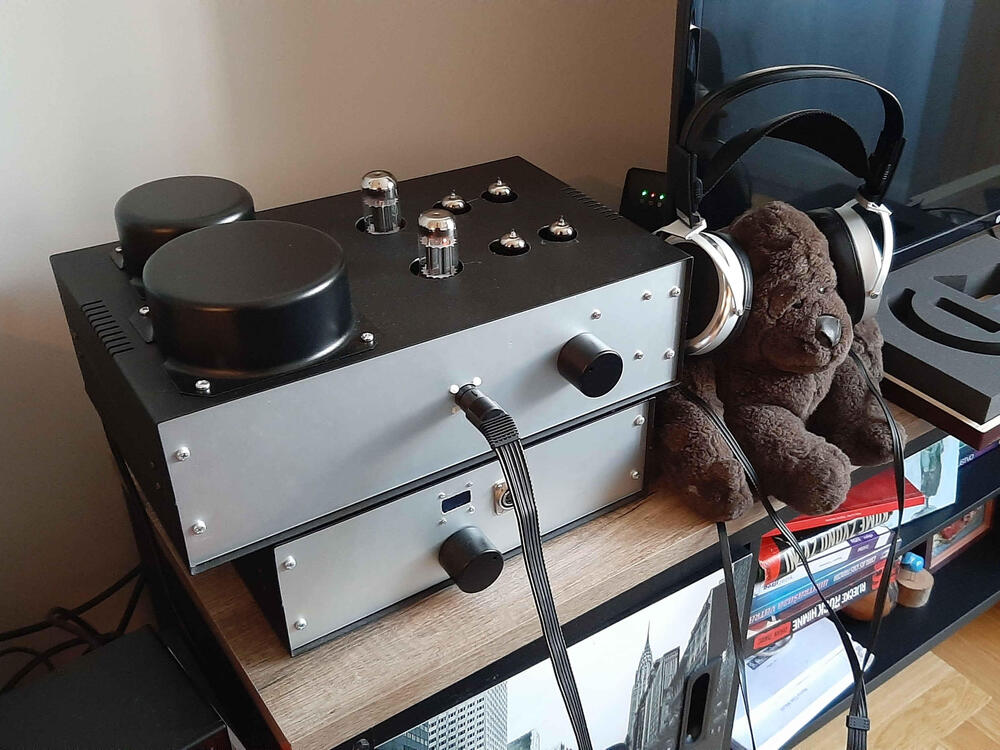
1 pointnot the prettiest build, but i'm learning. goal was to make it work, and worry about the looks later. metal works was something new for me, you need to have good tools. these are my first two amps i have ever built. lower one is SS dynalo. edit: looks like i can upload maximum one picture(500 kb).
 1 point