

Leaderboard




Popular Content
Showing content with the highest reputation on 02/25/17 in Posts
-
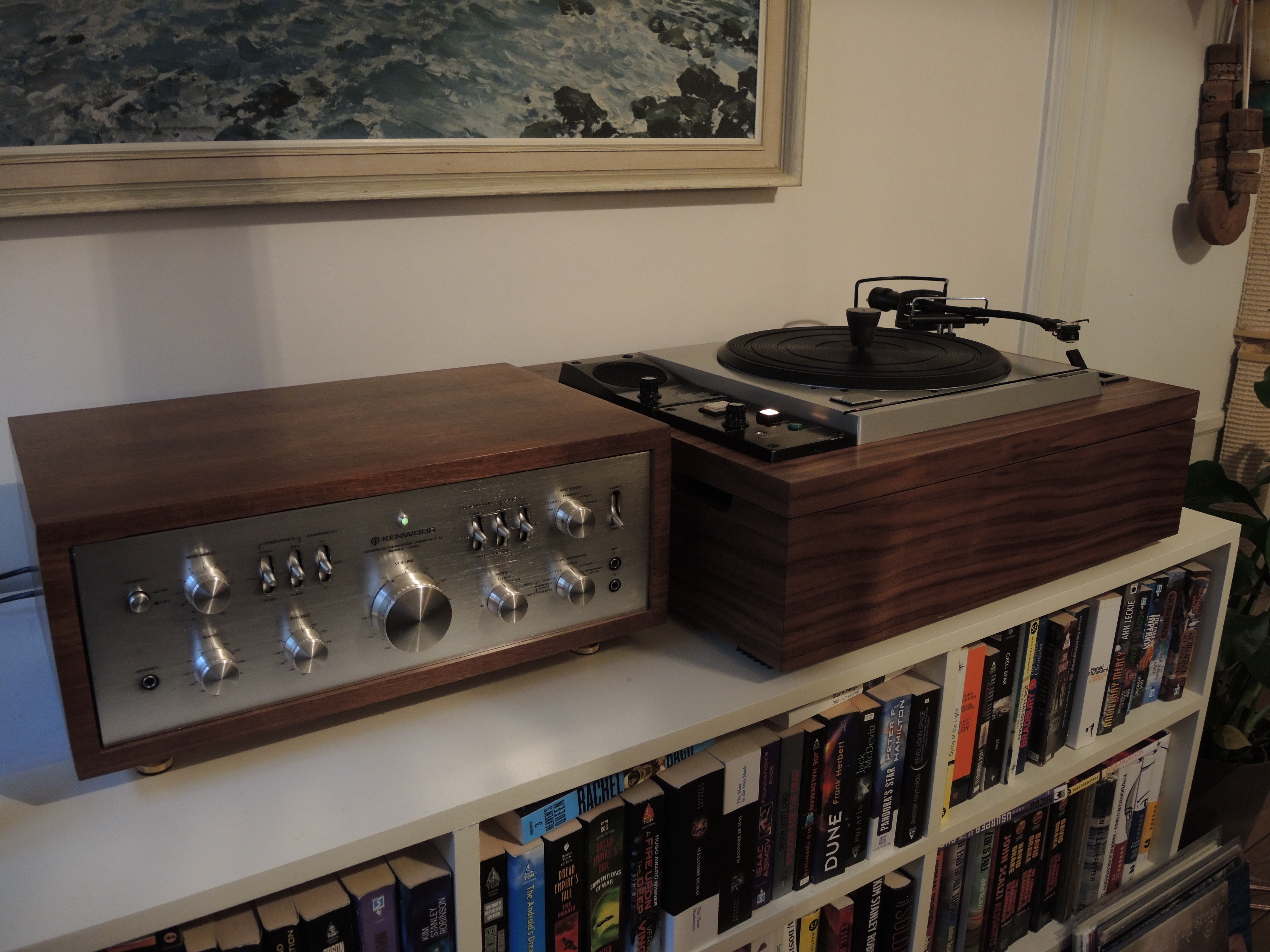
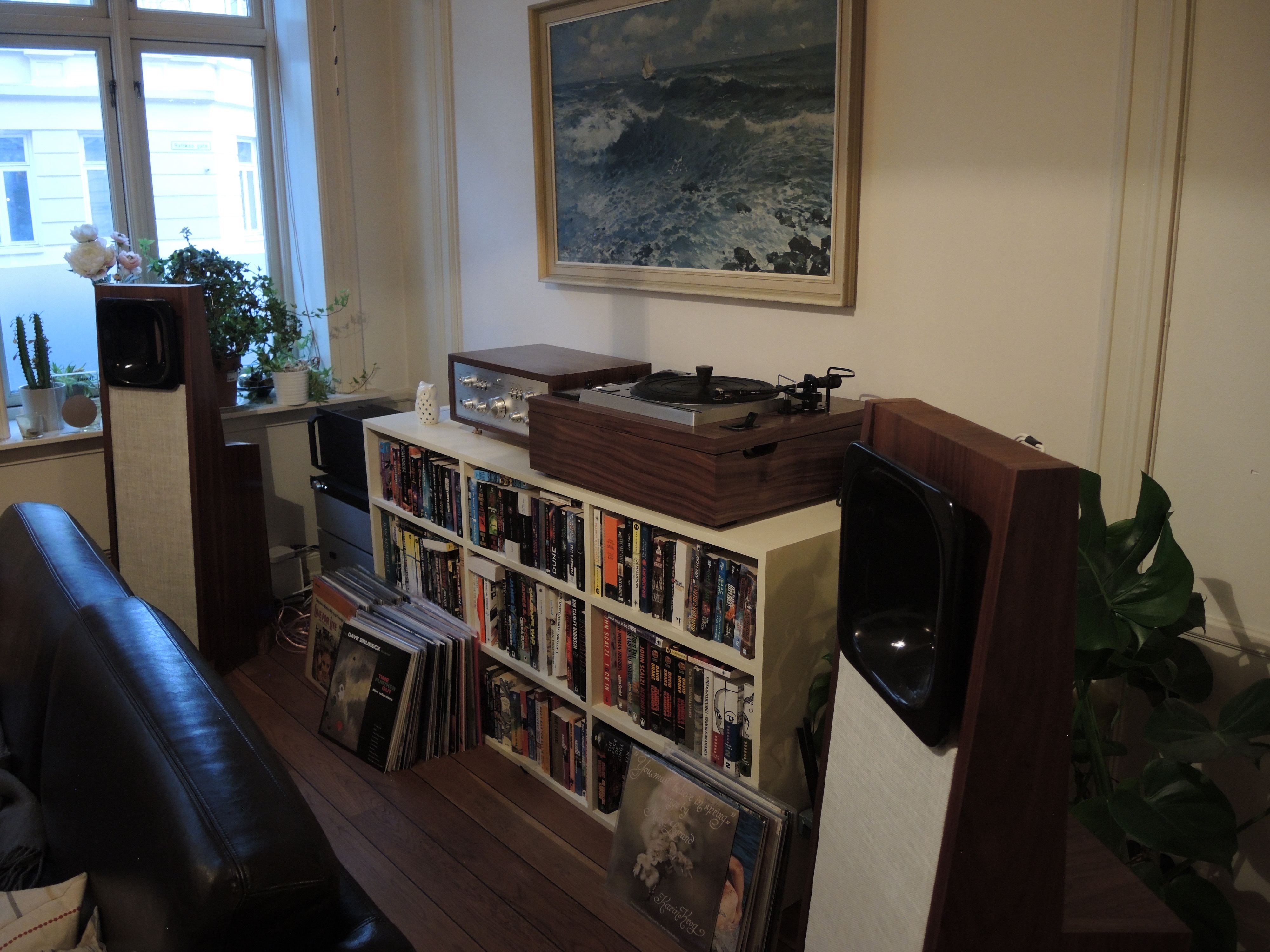
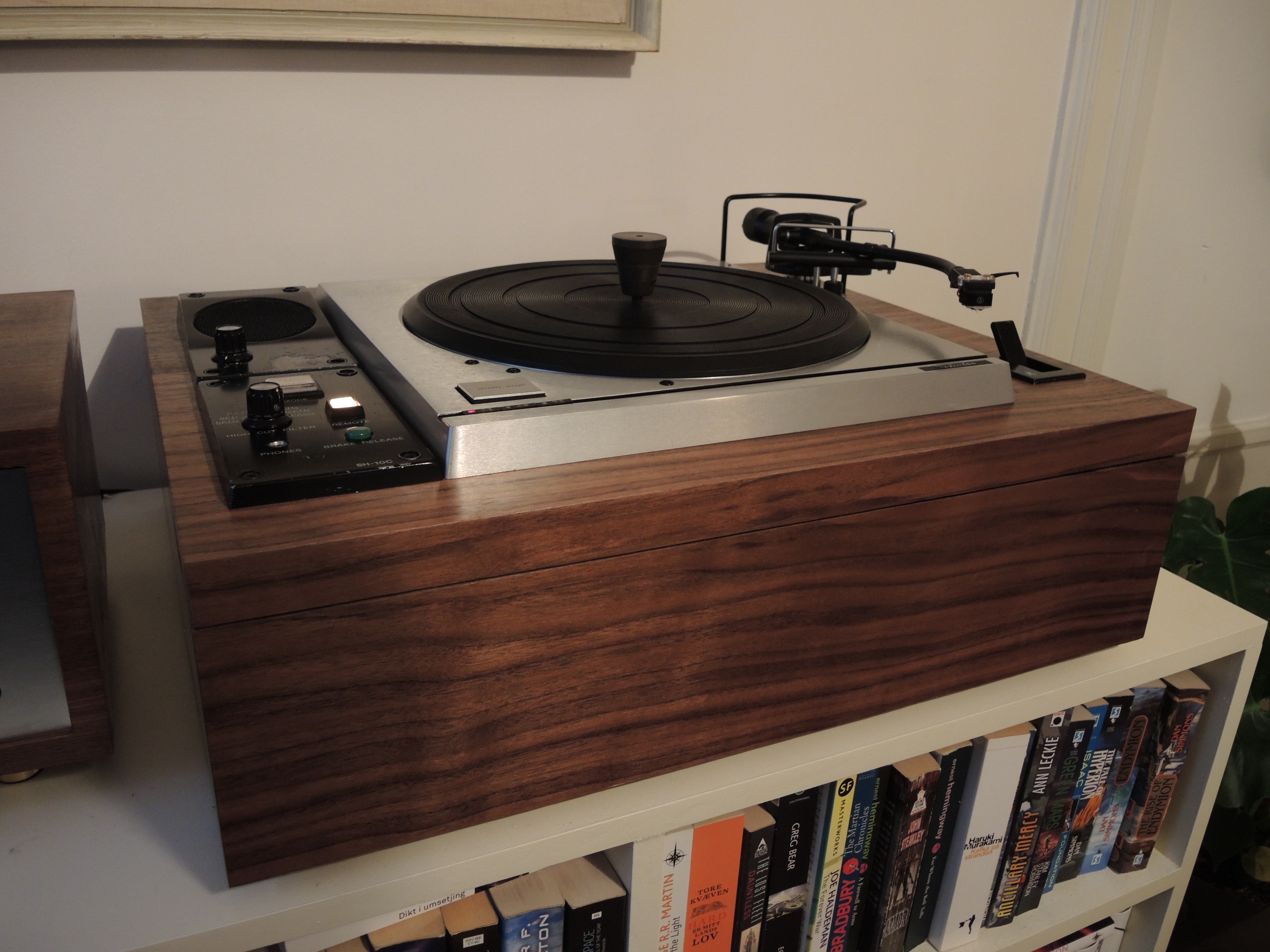
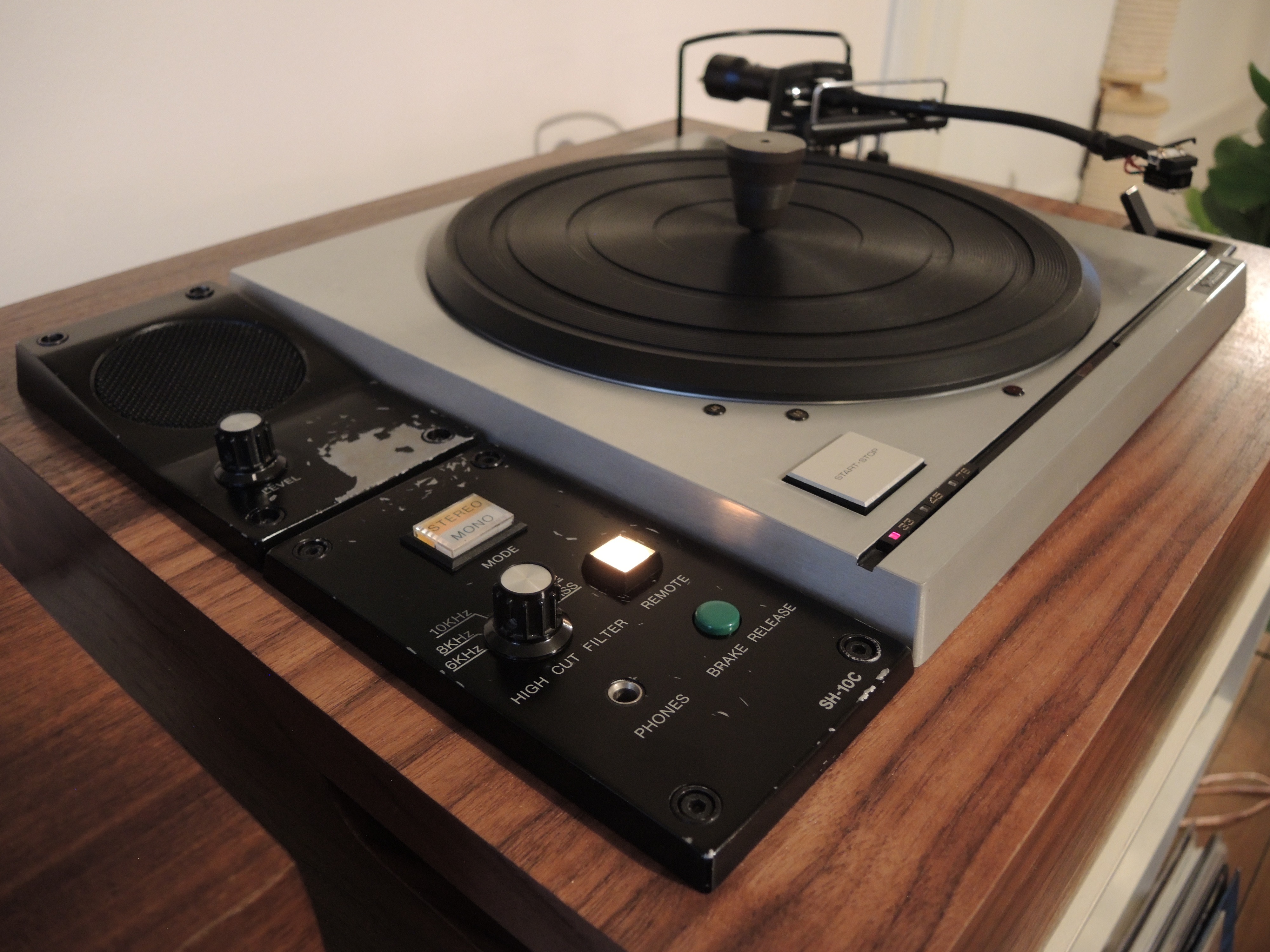
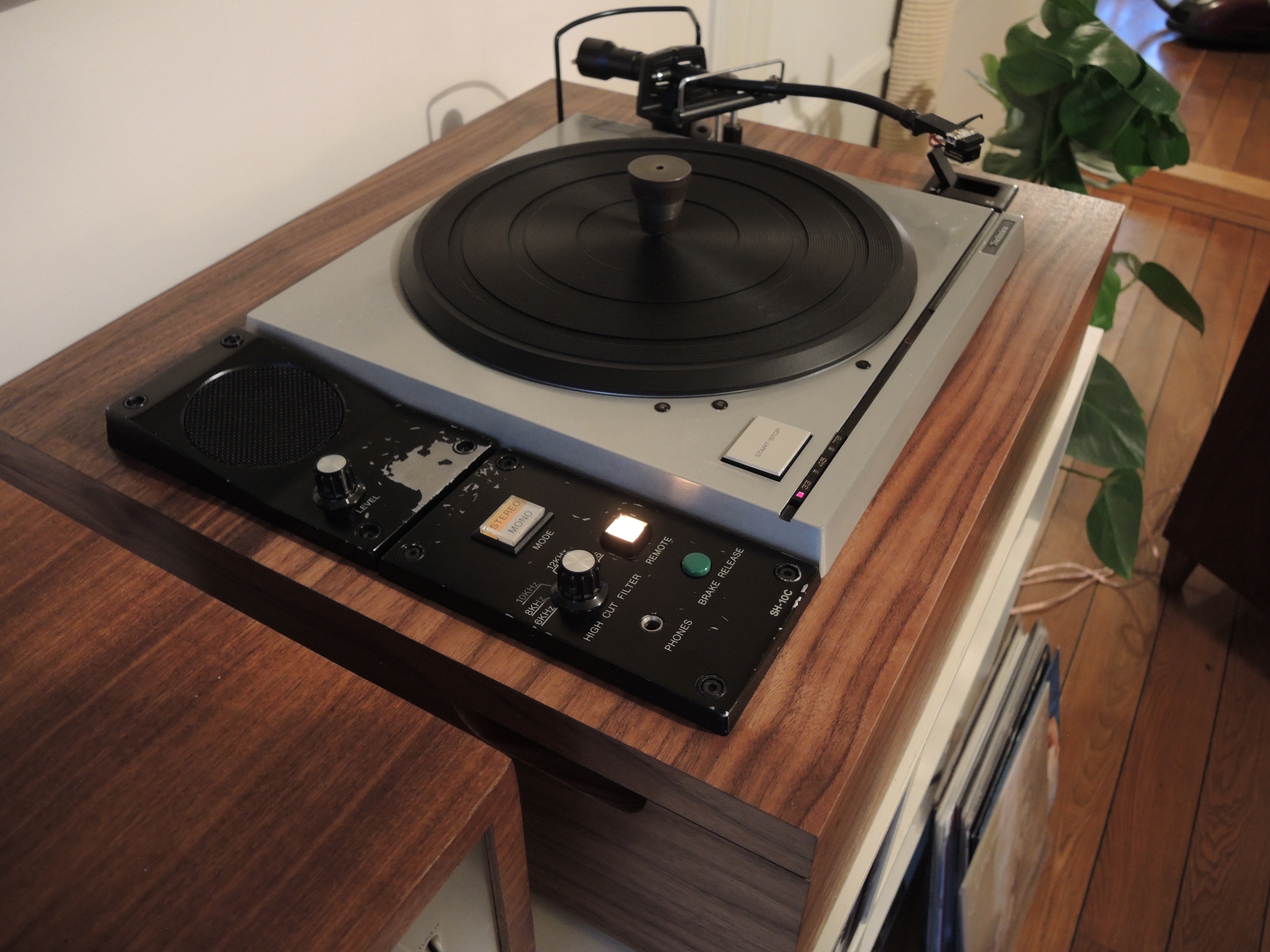
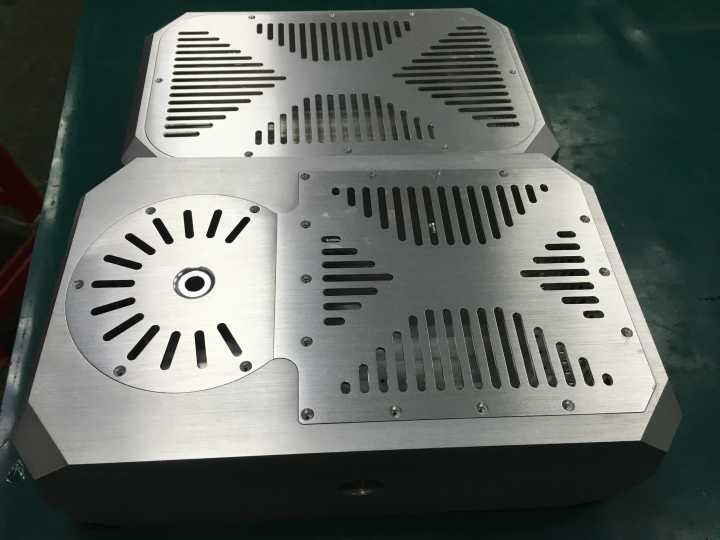
8 pointsi think it turned out pretty well in the end! (sorry MPI, but i forgot to casually drape the Fostex T30 over it before the photoshoot)
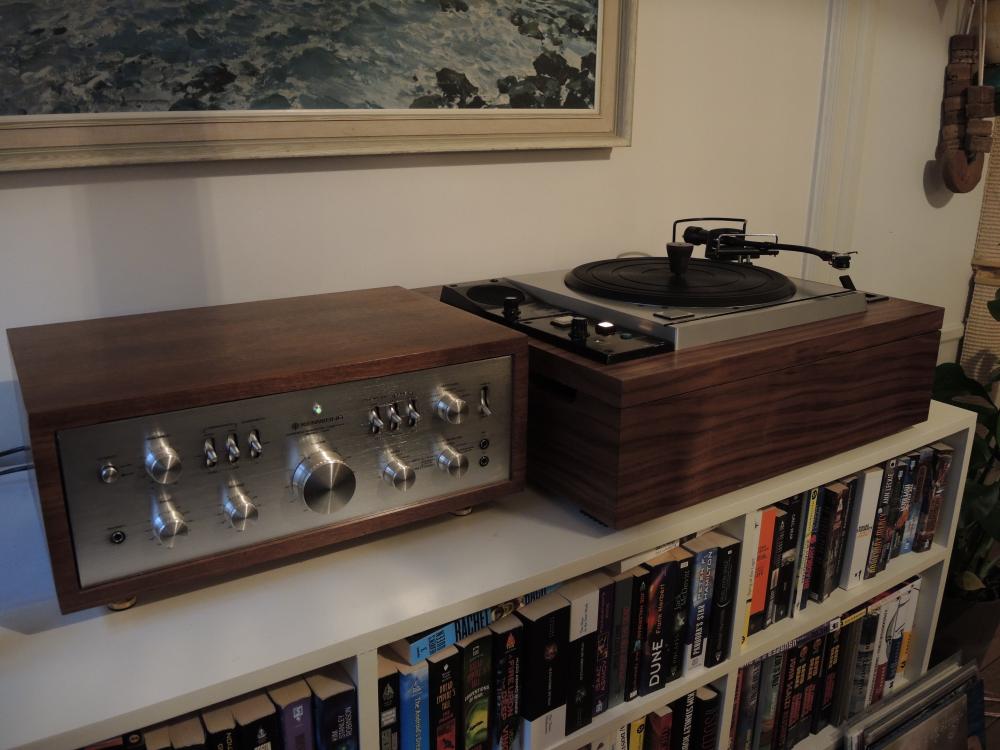
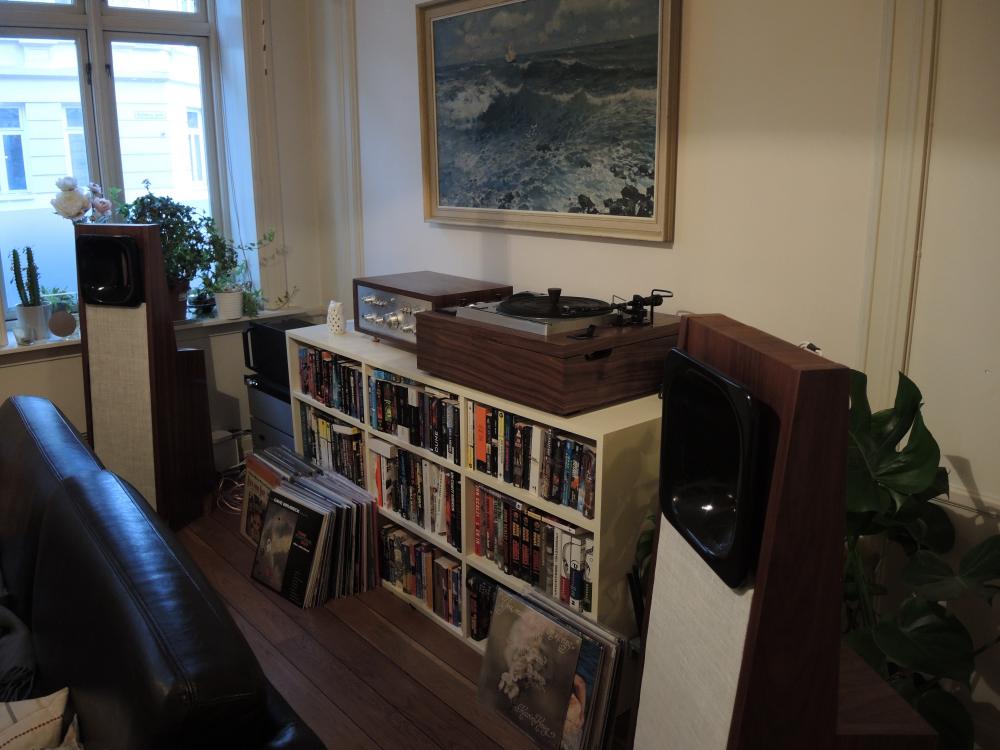
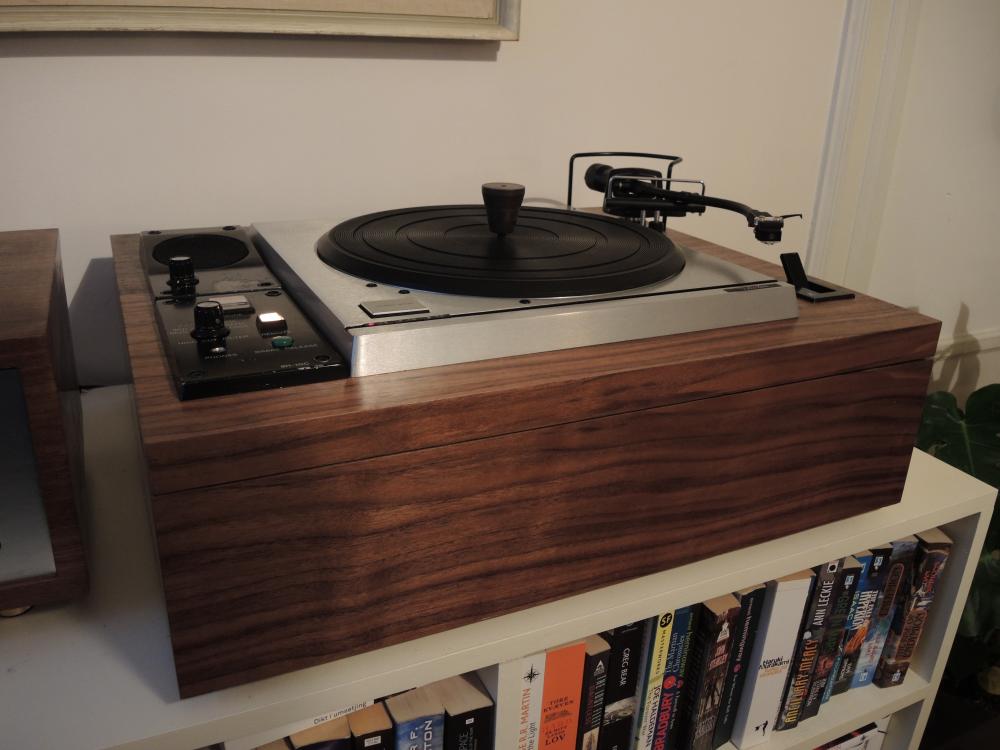
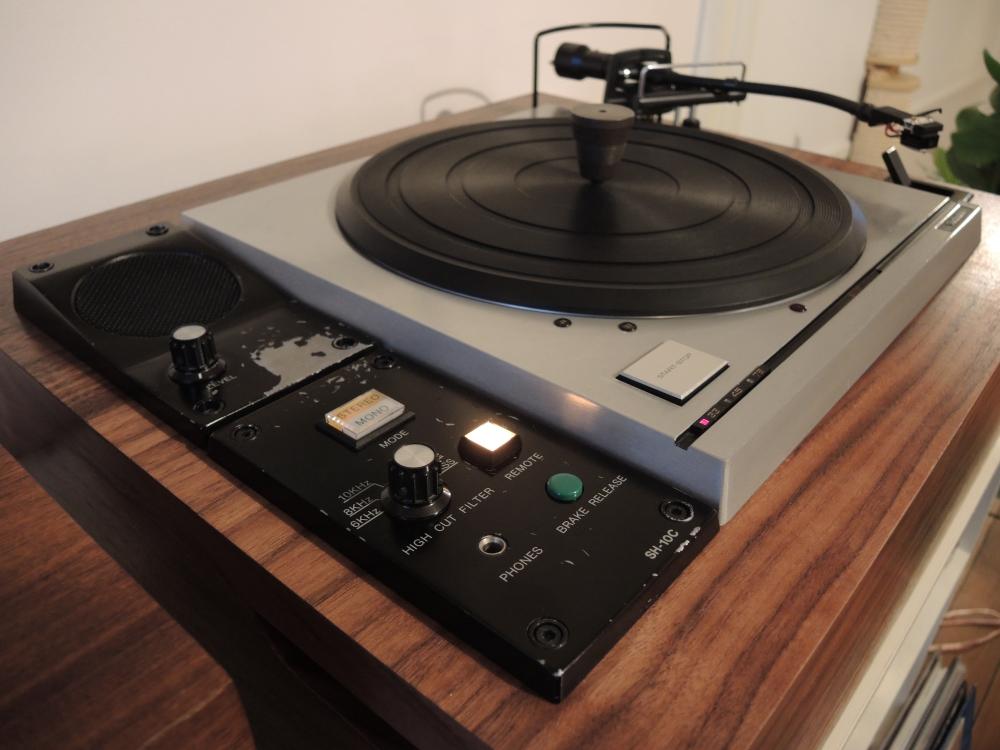
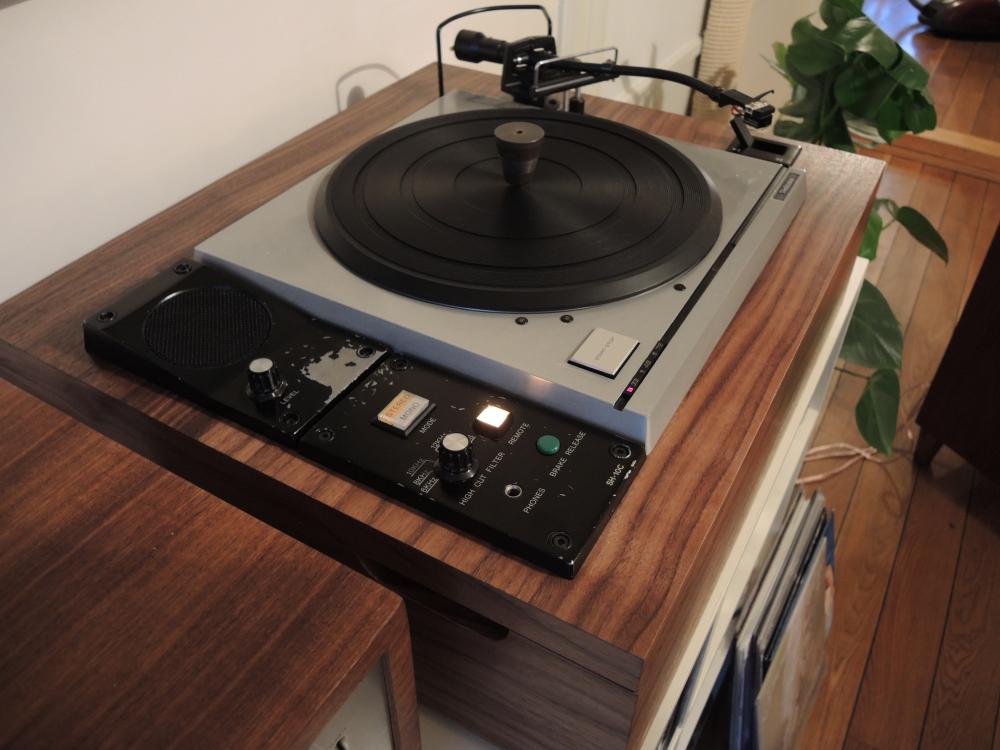 8 points
 -
8 pointsMy quality of life is better at the beer box per hour rate than it was when my firm was charging $915 per billable hour. for my work.8 points
-
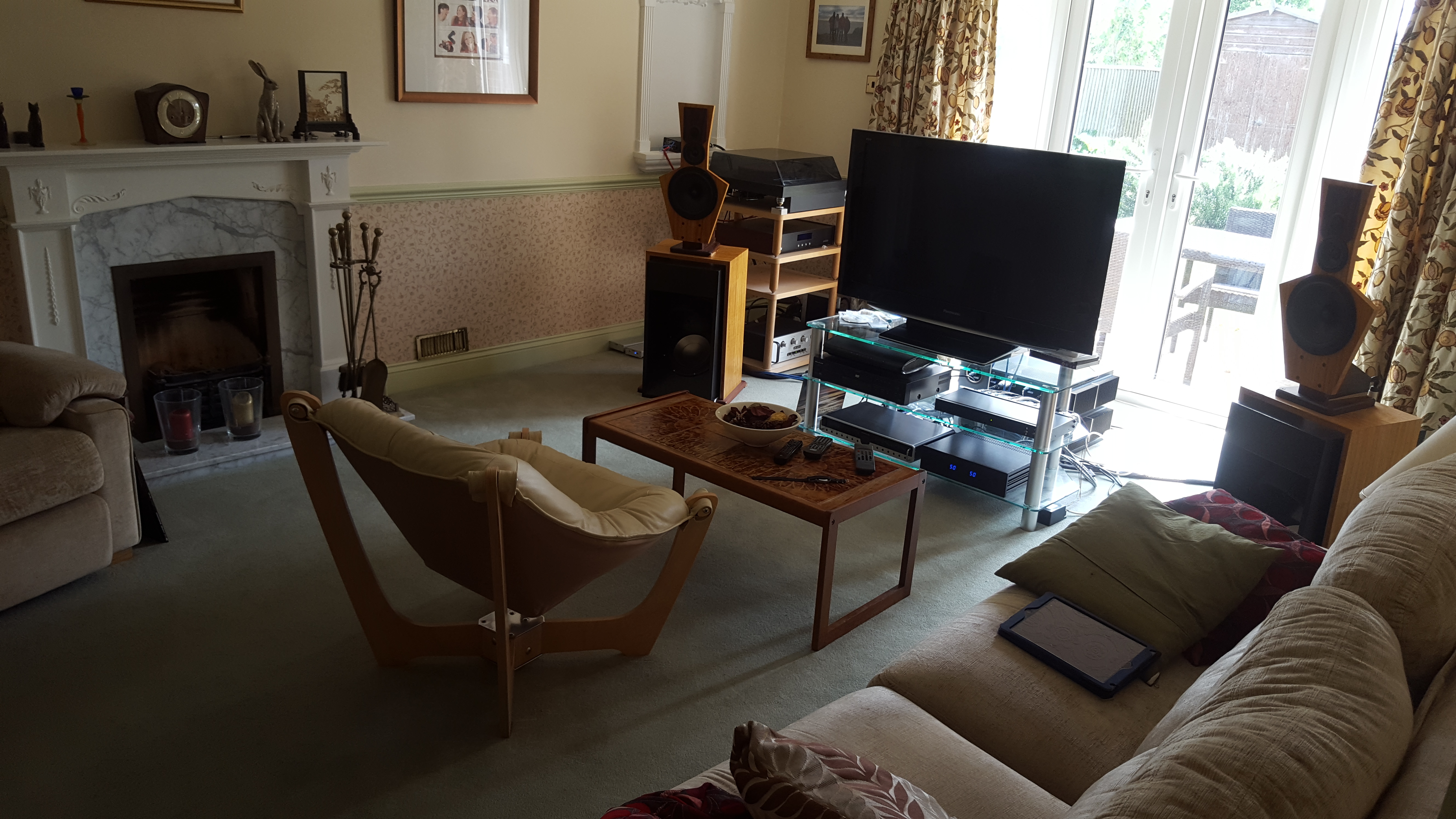
6 pointsWhere'd the tv go?! Out of sight. That's where it freakin' went. Much better.6 points
-
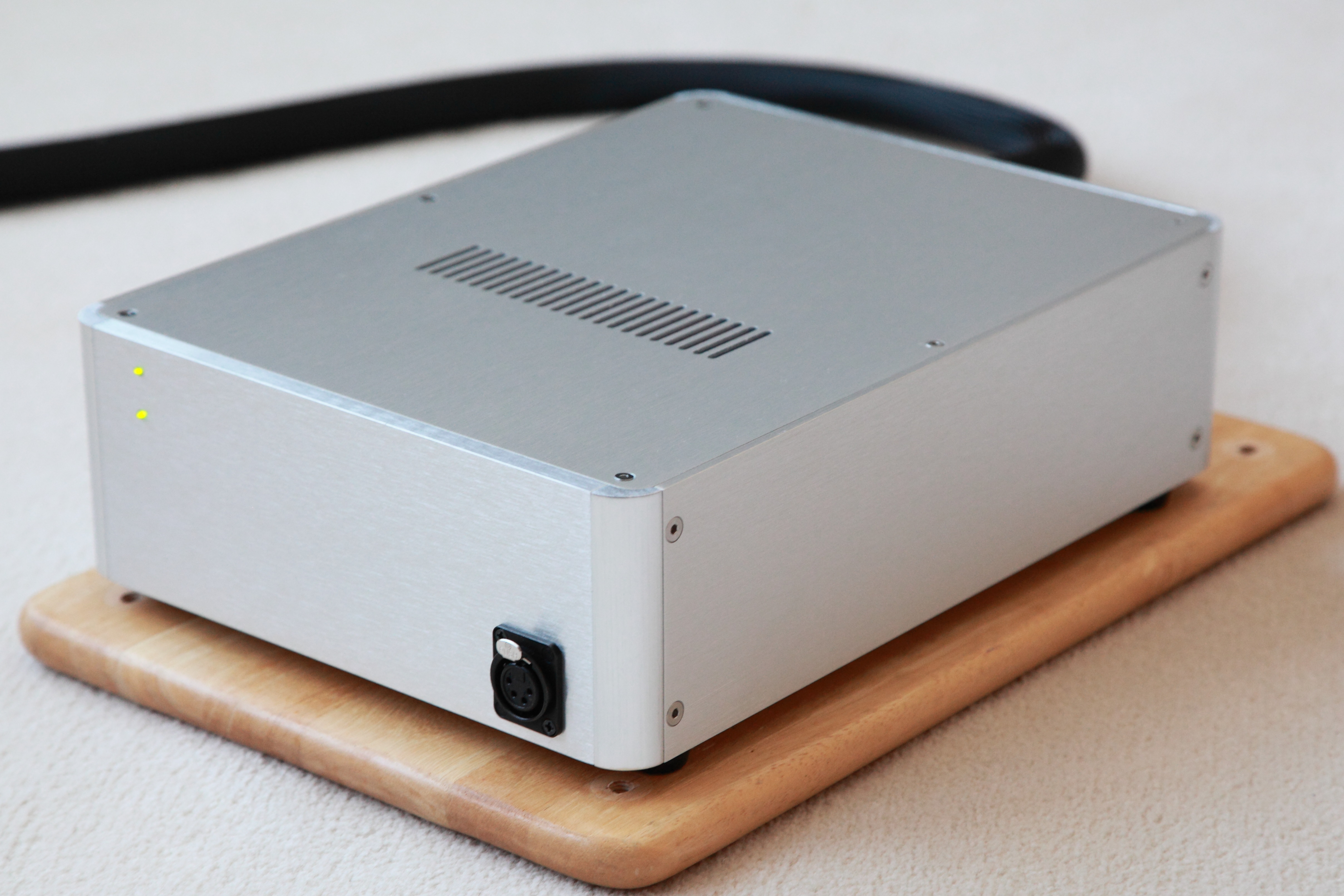
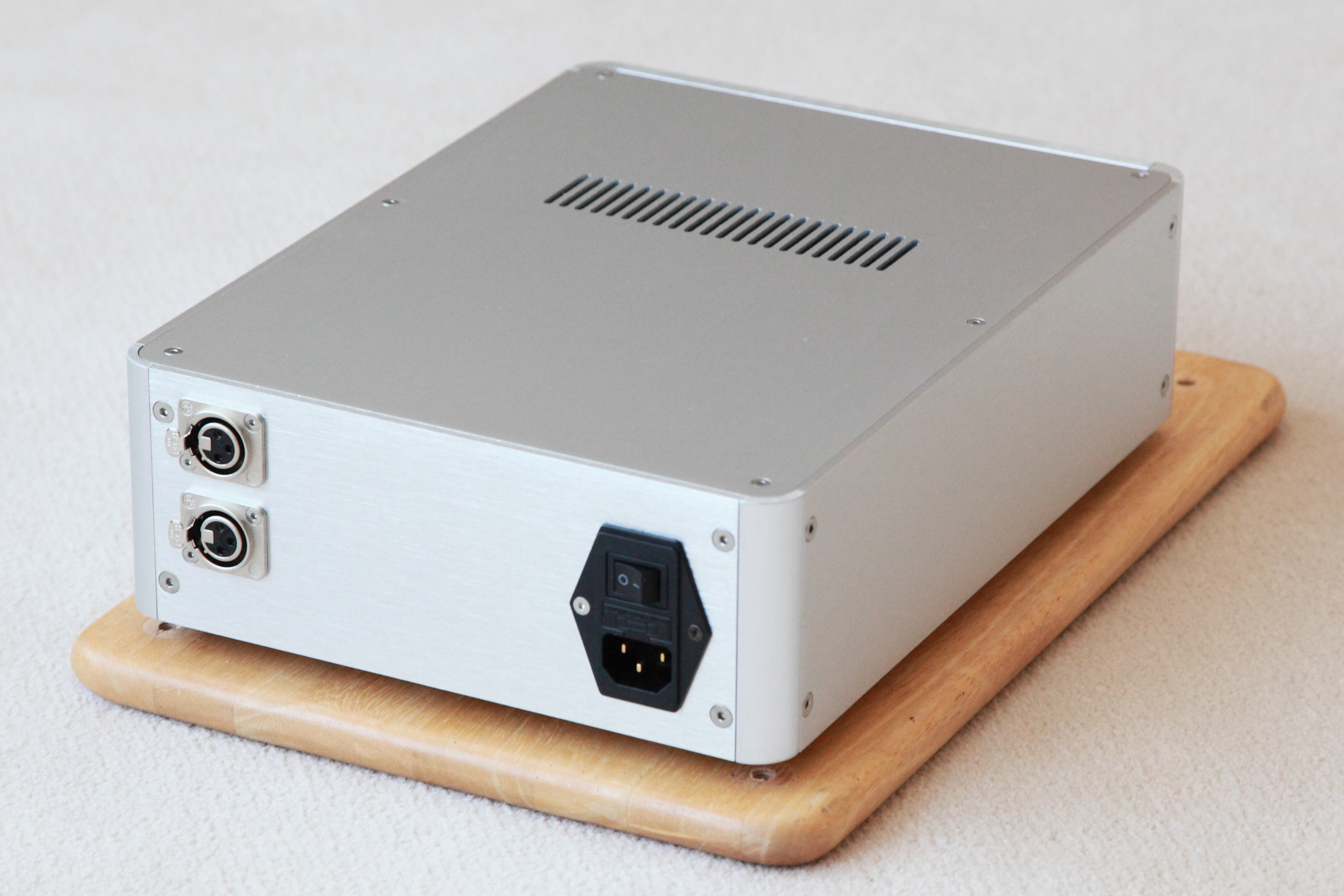
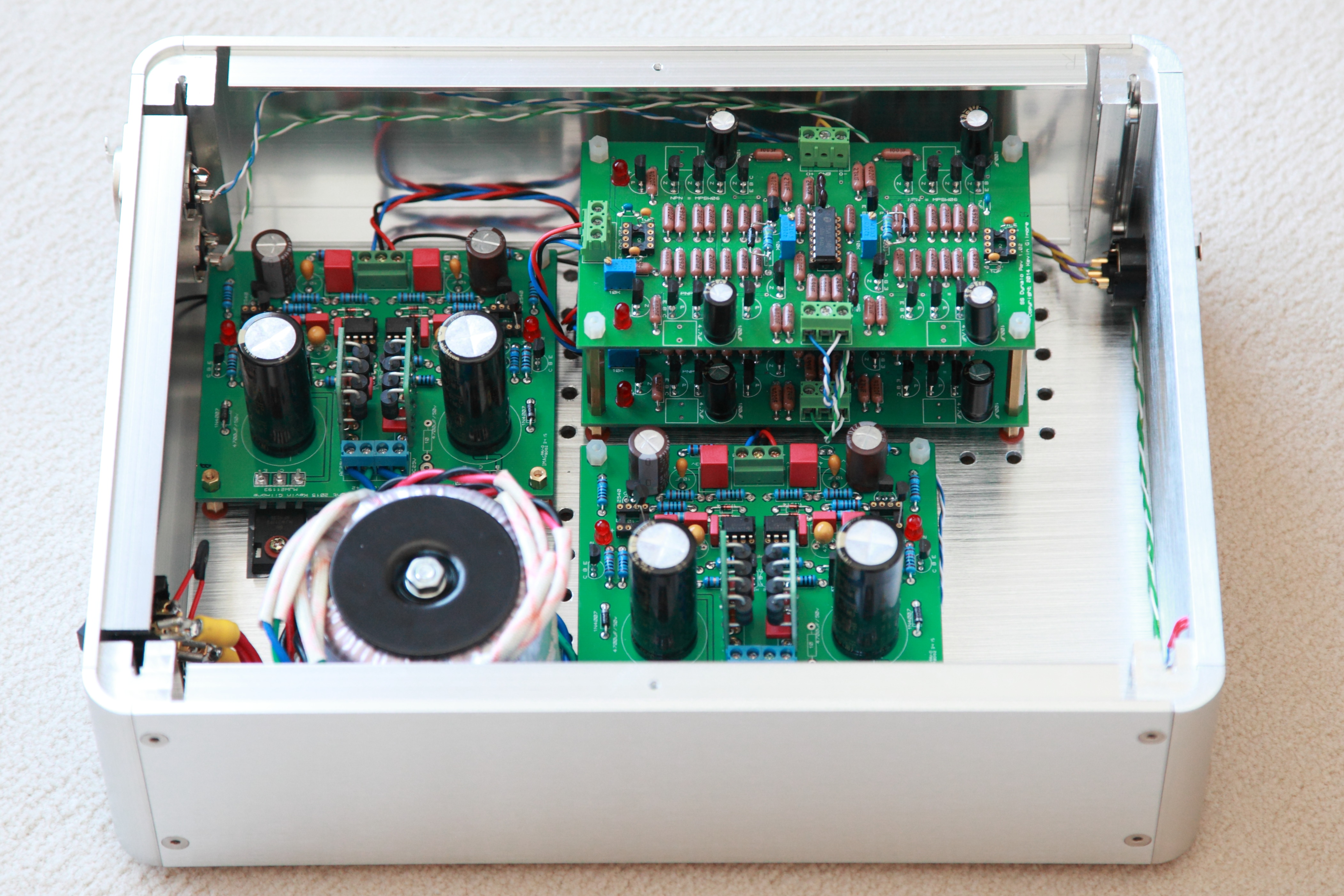
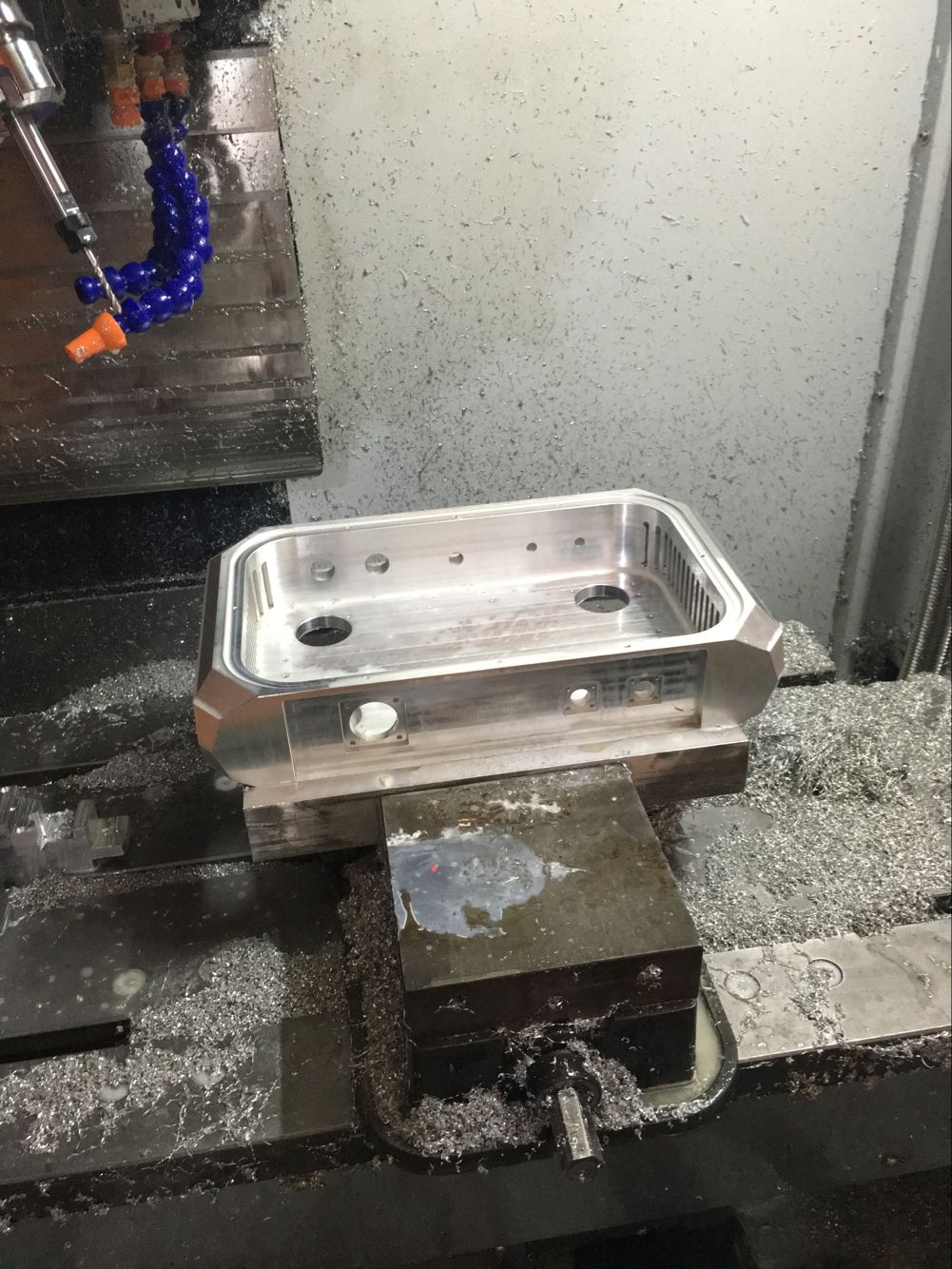
5 pointsOld wine in a new bottle - just finished casing mySS Dynalo today. Dual mono setup - one Antek 25va transformer and one 20VDC GoldenReference for each channel. Just over 14mA current on each output device (MPSWx6). First built this SS Dynalo back in 2014. Every time I took a break from my ES setup to listen to this amp I am amazed how much I like its sound. Wish I had the chance to listen to the top Focal headphones with this amp...
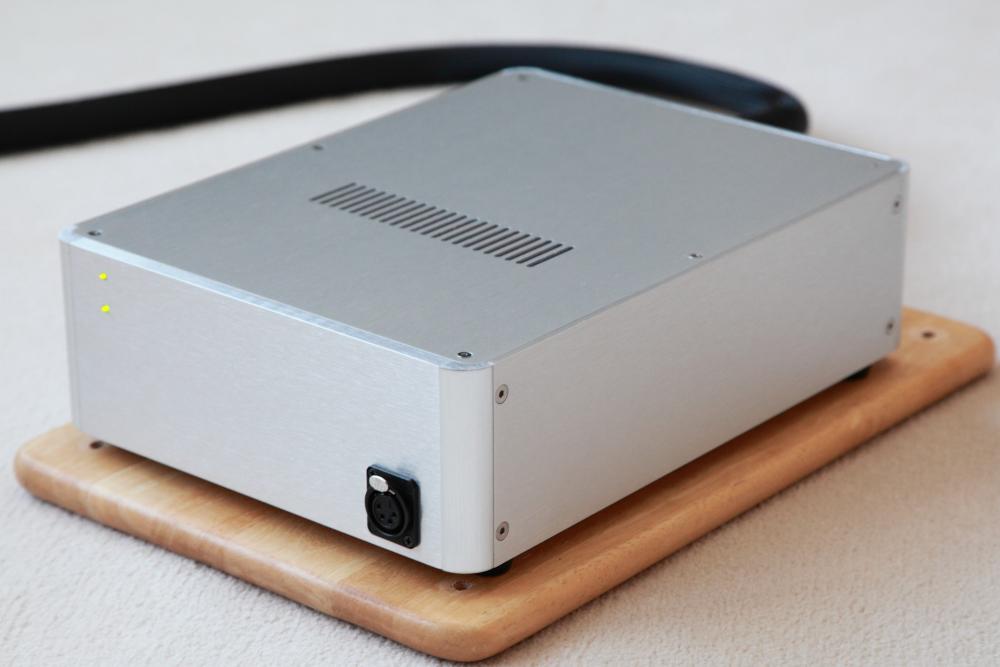
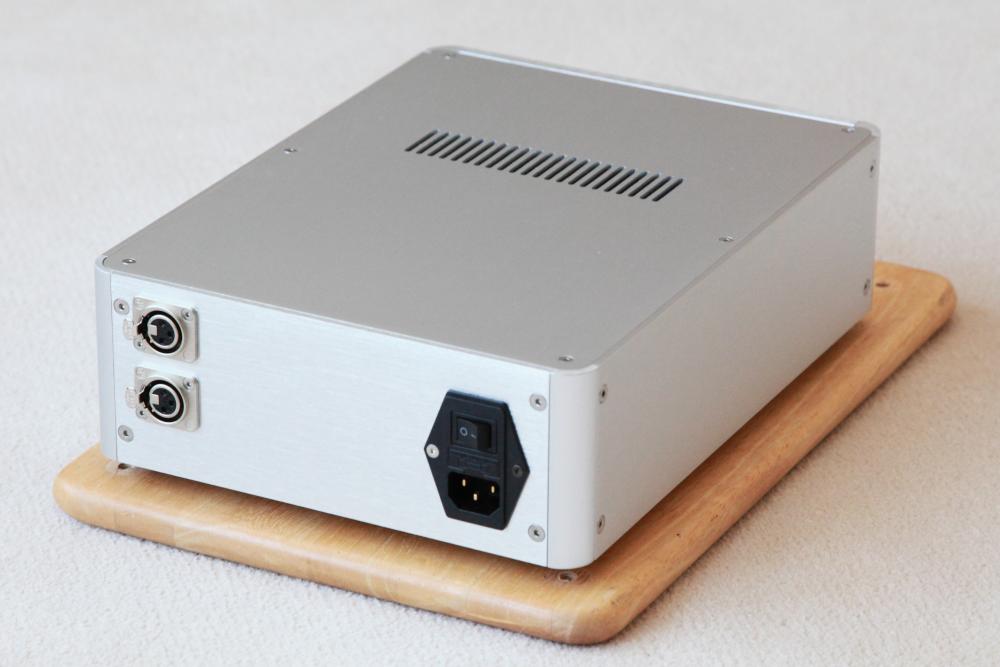
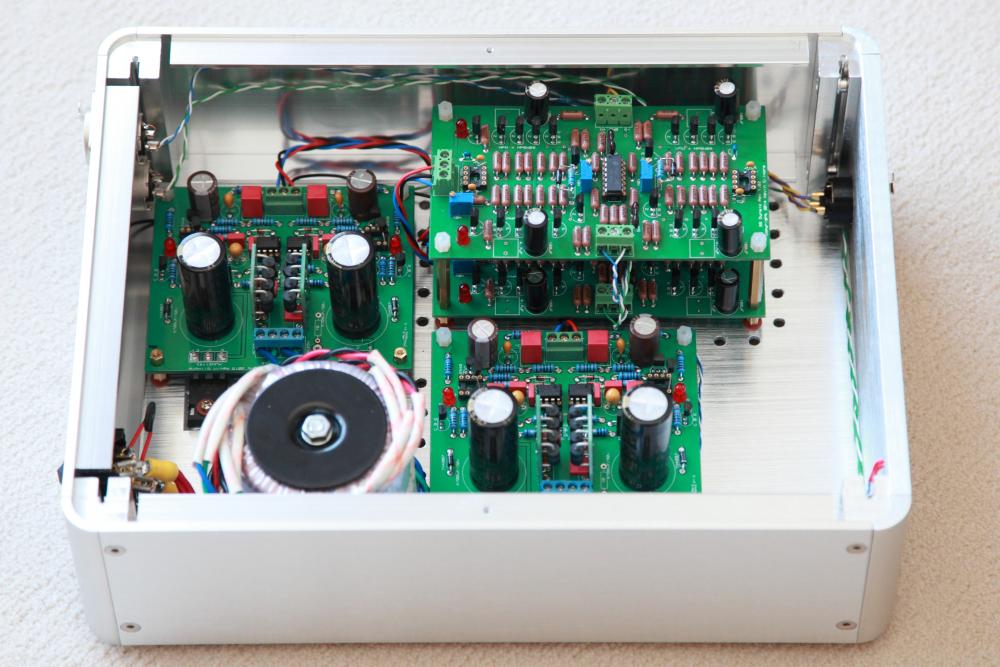
 5 points
 -
5 pointsWoohoo! Just got tickets to see Ian McKellern playing King Lear in Chichester (UK) in October in the tiny 300-seat Minerva Theatre. Seen some landmark stuff in that little theatre. McKellern in 2011 took a break from filming The Hobbit in New Zealand to be in The Syndicate (a play about The Mob). Patrick Stewart playing Macbeth (went on to the West End, Broadway and then was made into a movie). Patrick Stewart in Bingo (a play about Shakespeare in his senile older years). That will actually be two Lears we have seen in a year. A couple of months ago we saw Glenda Jackson, aged 80, playing Lear in the West End, and it was absolutely awesome.5 points
-
5 pointsI used Safelite on the RLX about 2 months ago without an issue. I turned it in last weekend so no idea on how it would have been long term. My daughter also used them for her 2005 Honda Civic and it seems to be okay so far. They are timely and convenient at the very least. Since I don't own my cars, I don't really care what parts they use as long as they do what they are supposed to do. Picked this up a week ago: Sent from my iPhone using Tapatalk5 points
-
4 pointsWas inspired by Naaman and Al, so just bought the same Chili Lime Chicharones.4 points
-
4 points
-
3 pointsWell, actually chicharrones are more like these thick pieces of bacon slices (panceta) fried until they're crusty and crunchy. Those things that Al is eating are just "cortezas" it's the skinny part of the chicharrón, fried until it gets foamy and crunchy.3 points
-
3 pointsGrilled chicken marinated in BBQ sauce overnight. First grilling of 2017. So tasty3 points
-
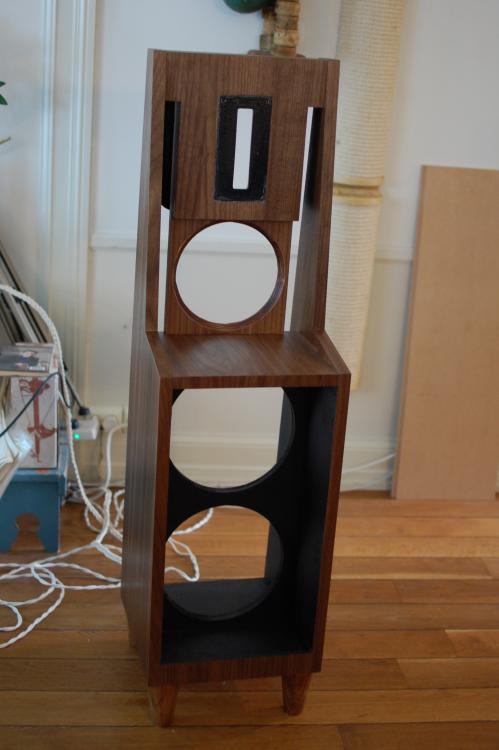
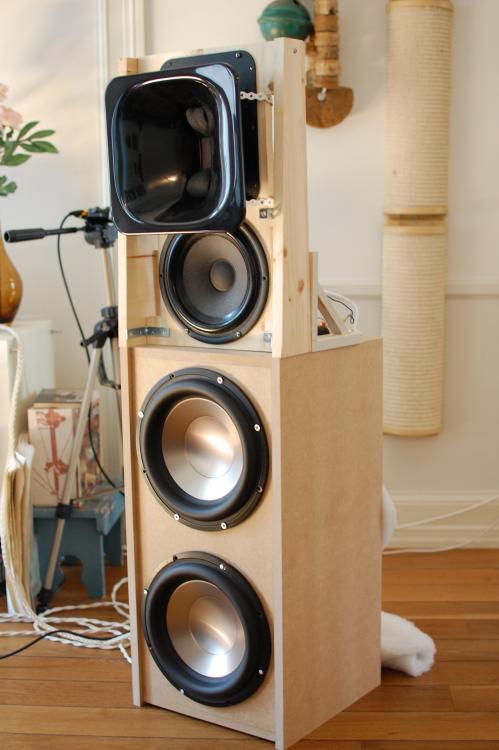
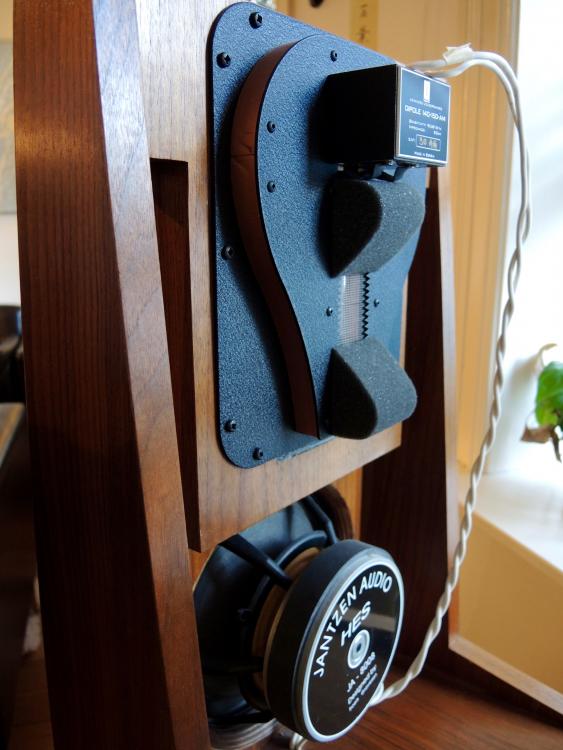
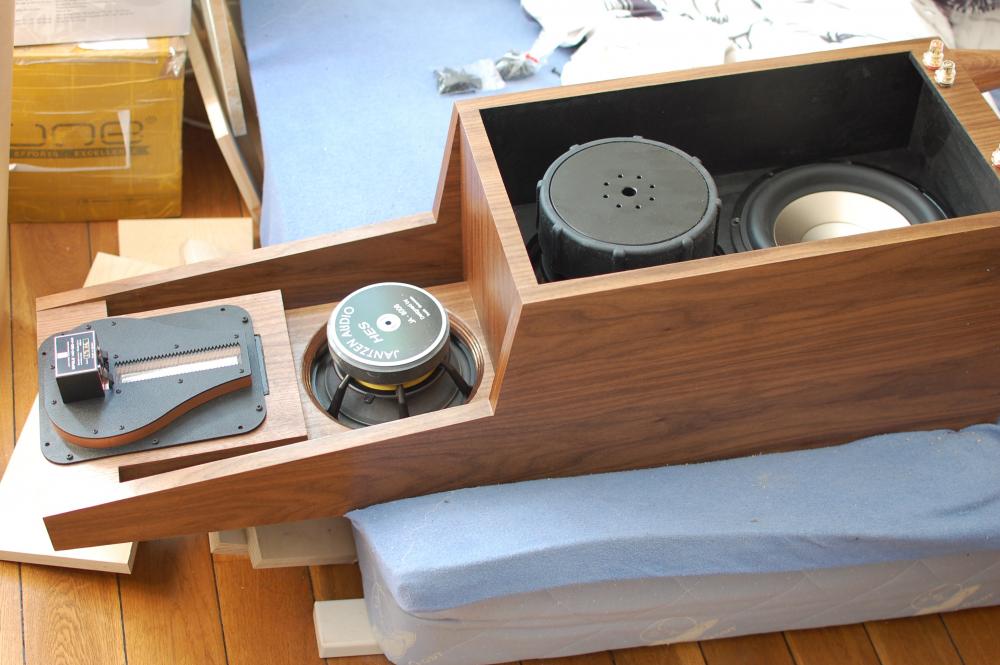
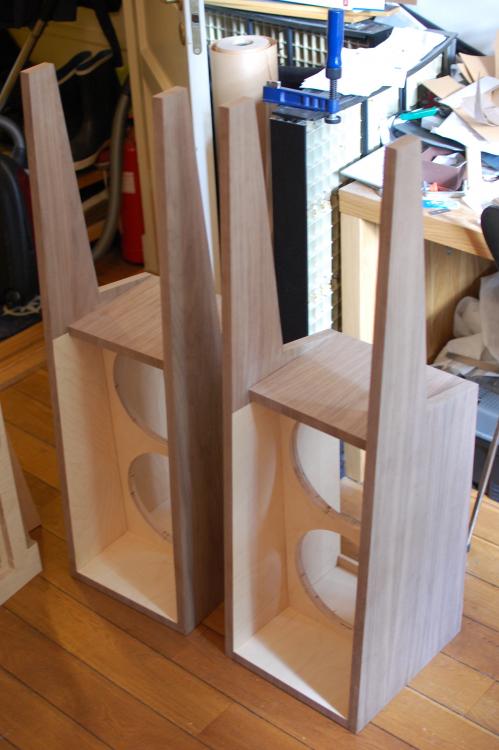
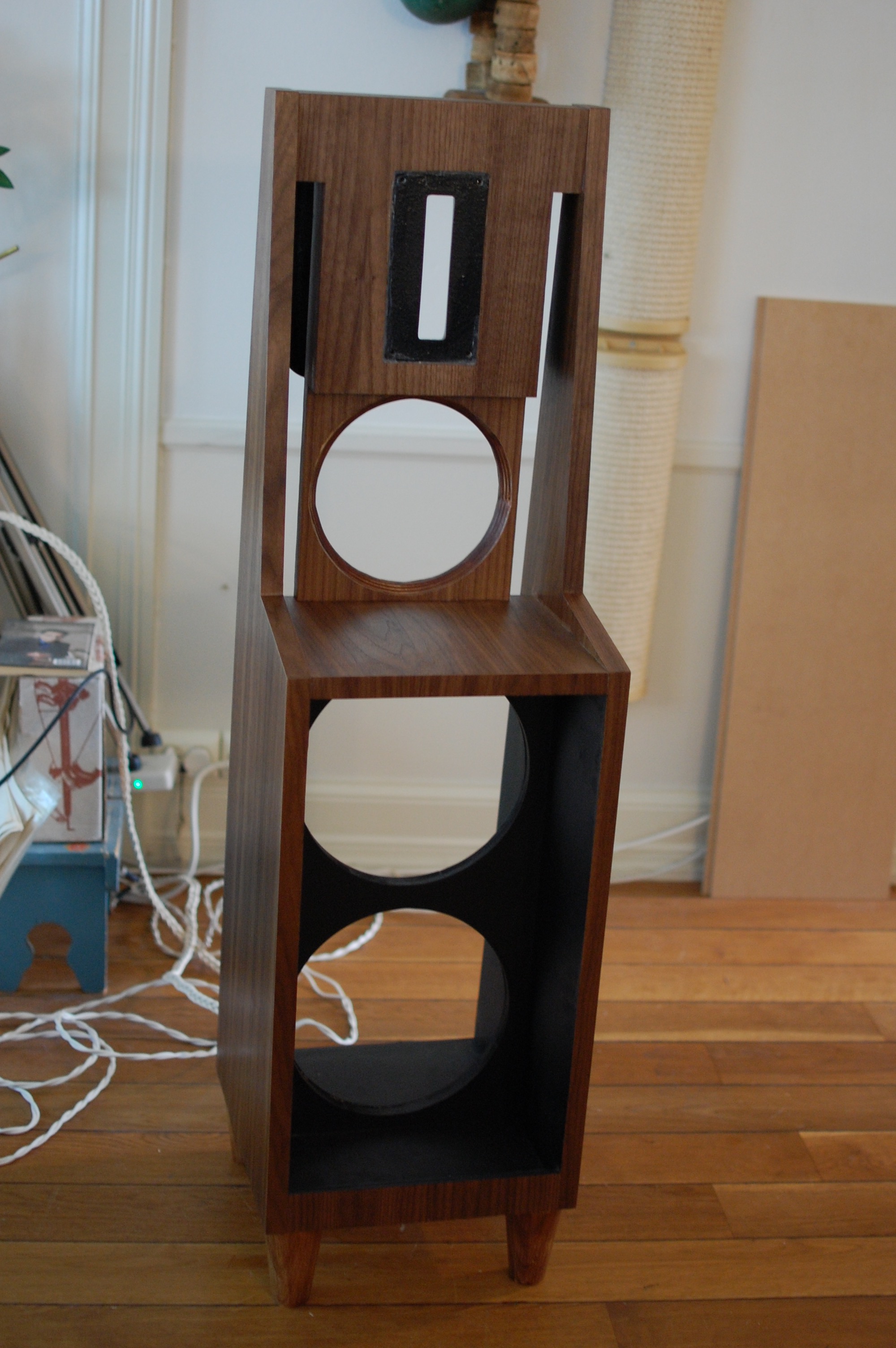
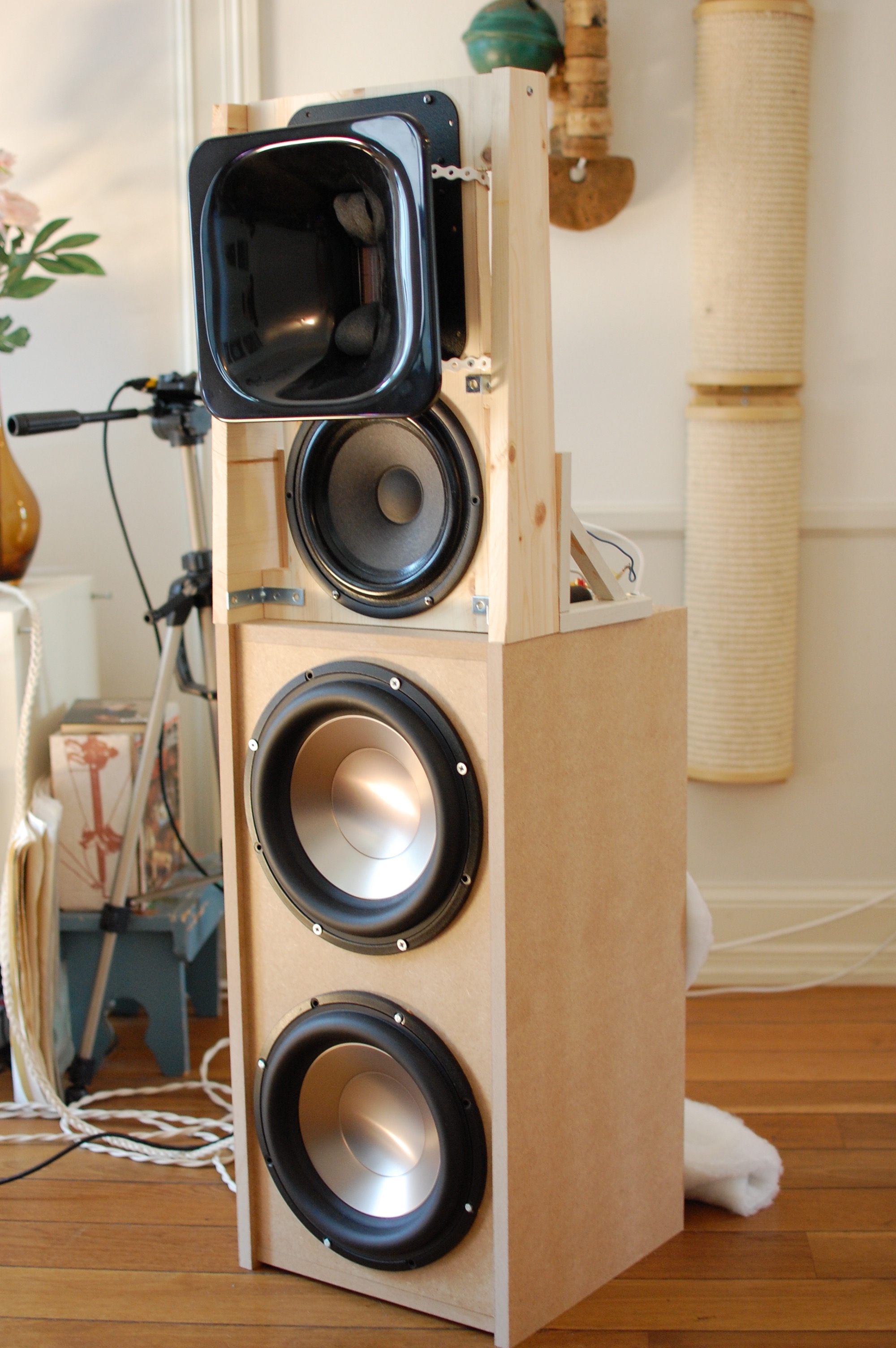
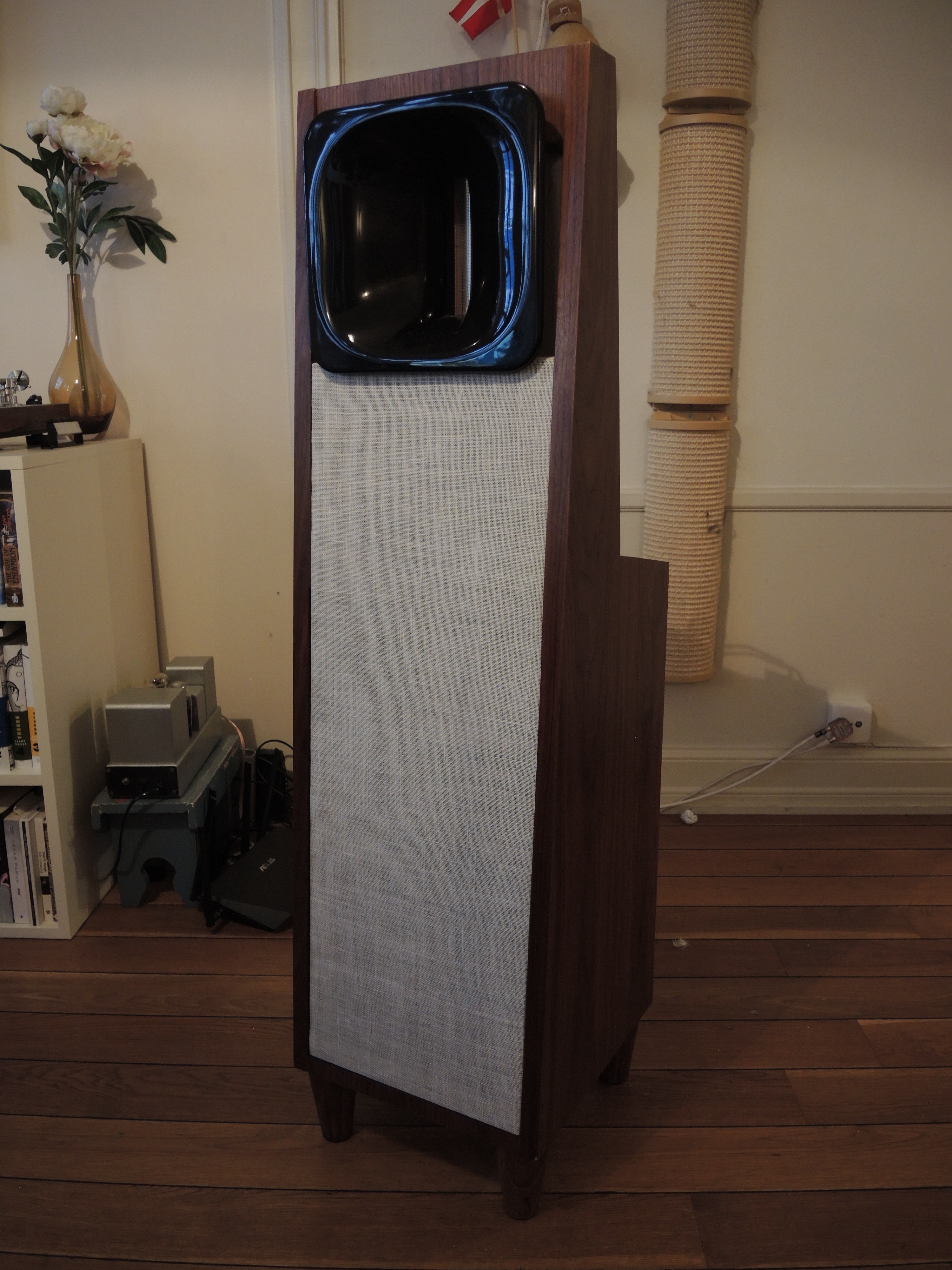
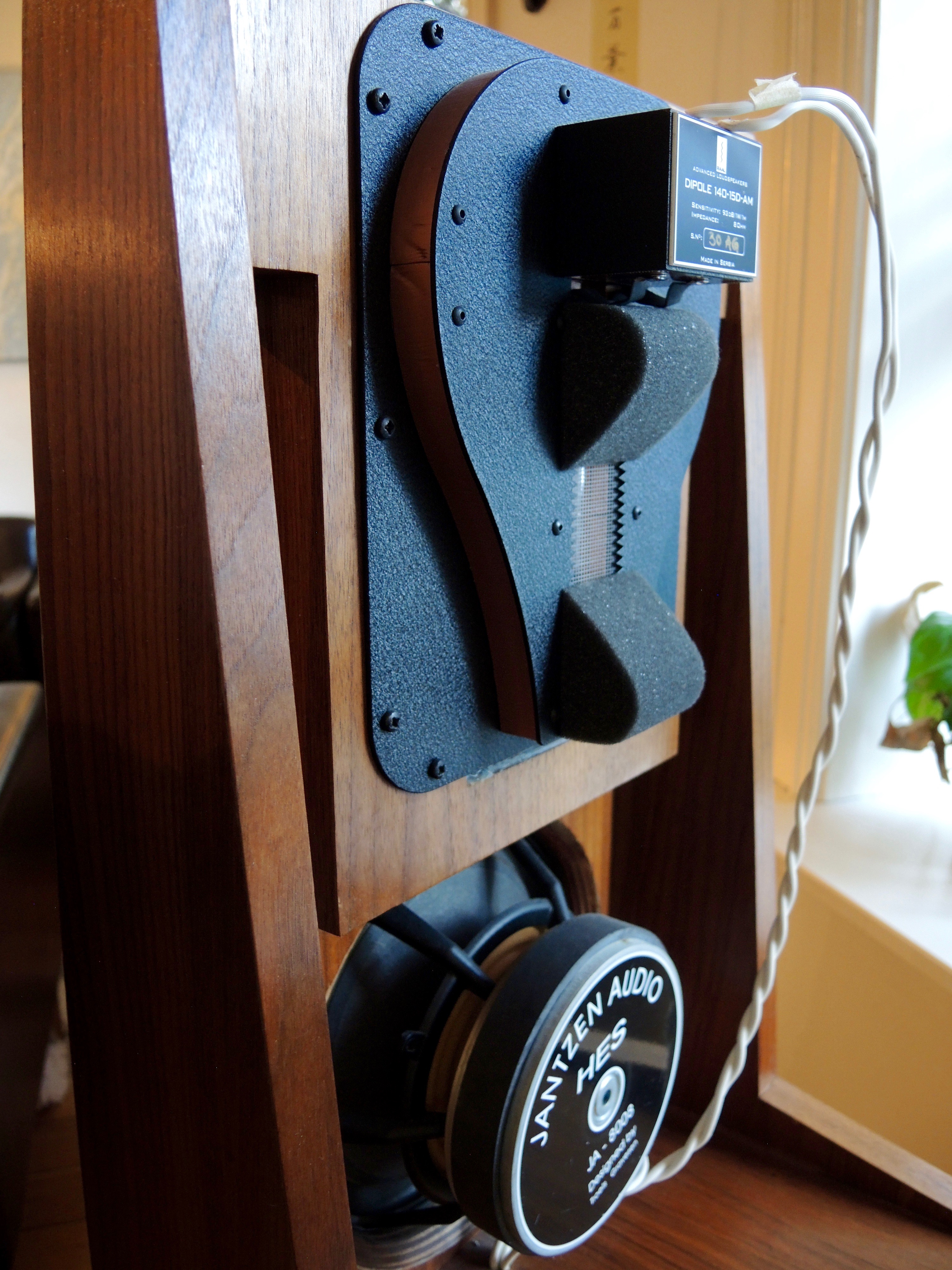
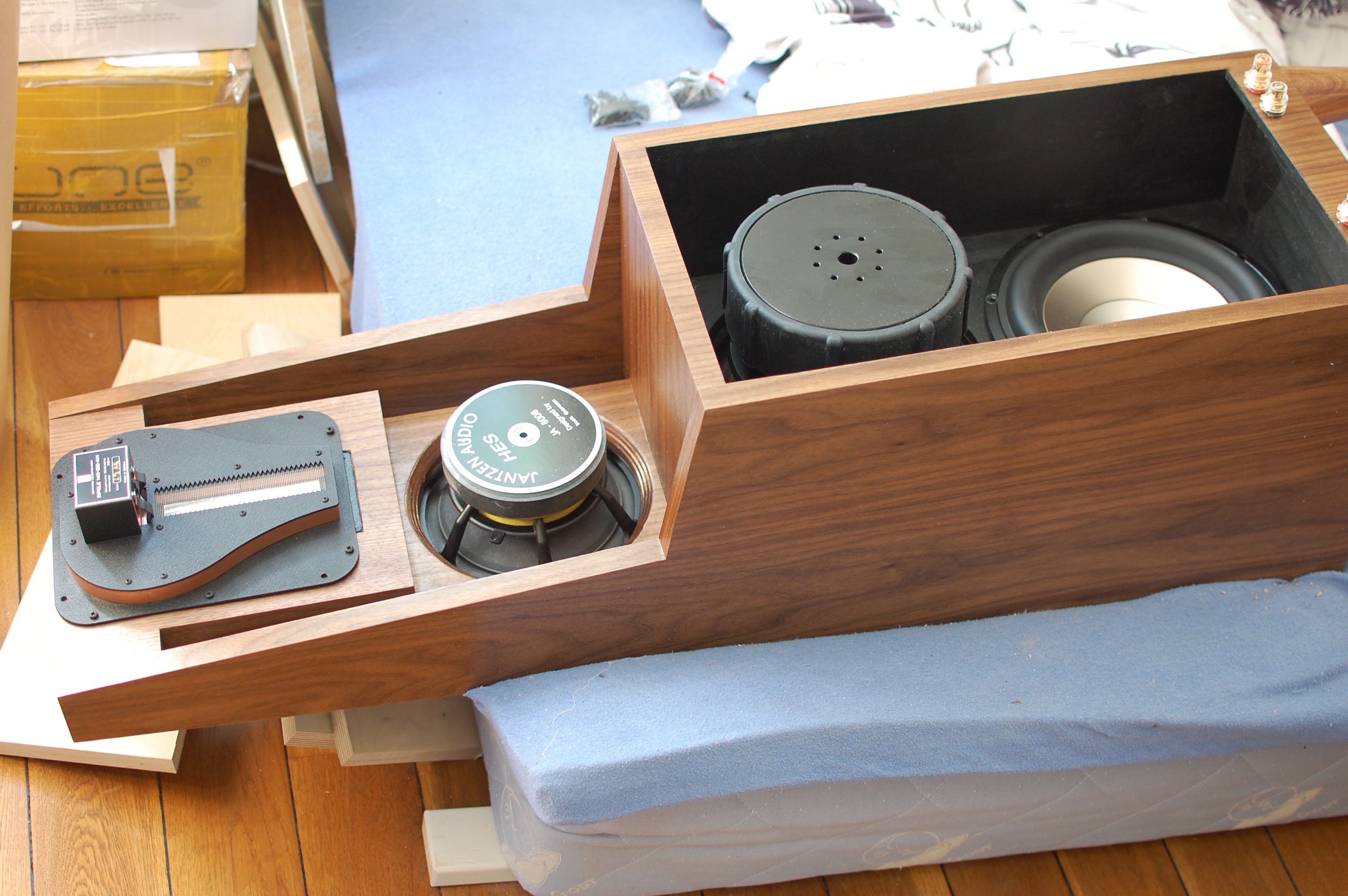
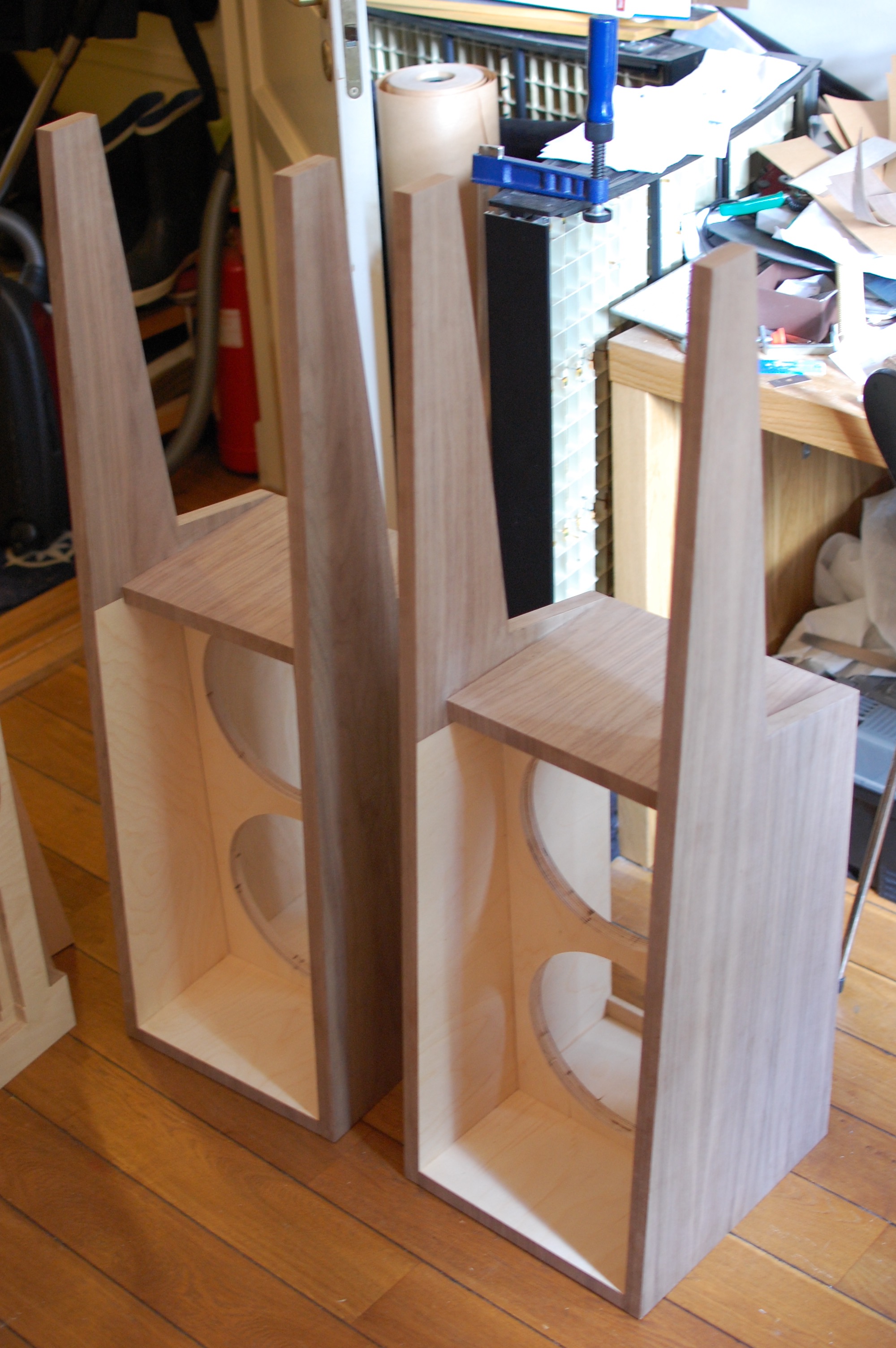
3 pointsyep, it kind of uses the same principles as the LX521, only 3-way, and i used a waveguide to match the forward dispersion of the ribbon to the midrange. the reason i chose the JA8008 was that it had nice and even dispersion all the way to 2500hz in a minimal baffle, so it could reach high enough to be crossed over steeply with the RAAL. i probably did sacrifice some controlled directivity past 70 degrees due to the side supports, but i built a prototype with and without, and they measured pretty similarly, and i couldn't really hear a difference, so i kept them. visually it was a big improvement i did try out a dampened u-baffle as well, but never could get it to measure like a cardioid, so went with an H-frame instead.
 3 points
 -
2 points
-
I'll pick up the new Trinity Sessions SACD as soon as it's available here. St. Germain – Tourist Almost ludicrously overexposed at your nearest book store/coffee shop/clothing retailer/etc., but a great album nonetheless.2 points
-
2 pointsIn that case, Jeff, you'd be fine with Killing Floor 2 and Titanfall 2. That approach can also be applied to Project CARS2 points
-
2 pointsI can't remember, is Ghost Recon the stupid one that you have to sneak around and not kill people? I prefer to not sneak around and kill everything that moves.2 points
-
2 points
-
2 pointsThat should be a blast Jim! Have a great time. I got a box of Texas beer plus one bad-ass SOB from Utah and chicharones! I should do more half-assed legal work for Naaman because this is a sweet payoff.2 points
-
2 pointsThe problem I had with Safelite was due to waviness and distortion in the glass. Drove me insane. More insane, anyway.2 points
-
1 pointI grew up knowing them as pork rinds as well. Didn't know what Chicharrones were until recently. Happy to know the Spanish, more accurate term "Cortezas". I like that name better anyway. Kind of makes me feel as though I'm revenging Montezuma.1 point
-
1 point
-
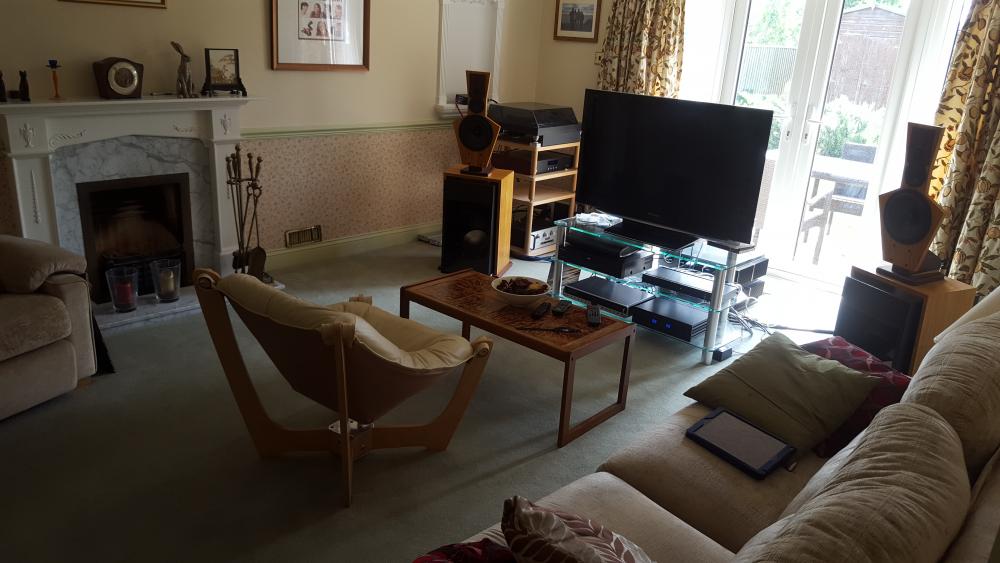
1 pointThat looks like something based on the Linkwitz Orion. I have the same SEAS woofers in my Linkwitz LX521.
 1 point
 -
1 point
-
I'm listening to that Hendrix. Awesome. Before I've been listening to Dusty's recommendation of Snarky Puppy's "Family Dinner" which is great, the full album on videos is up at Youtube1 point
-
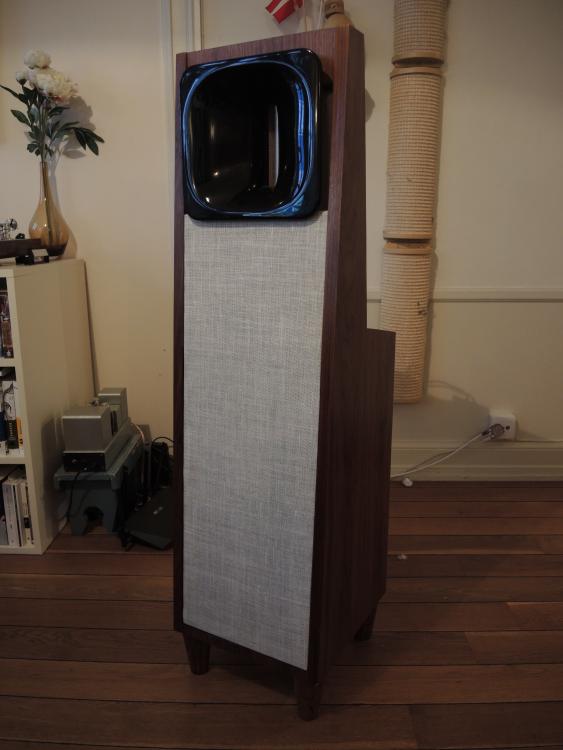
1 pointDIY OB speakers. made them back in 2013, to replace my unreliable ESL63's.
 1 point
 -
They're great, they blend with the orchestra in a way that very few jazz ensembles achieve. Their sound is solid and the music has that jazzy groove that I miss in many "fusion" bands. I must investigate them further, definitely1 point
-
1 point
-
Oh shit, you found the whole concert? Nice. I might have to watch that myself. And you're welcome. (I mentioned it in the live music thread.) You're in for a treat. I definiitely think they'll be your thing. Sorry you hadn't heard of them before now, but glad that's sorted. They have lots more videos on YouTube -- I think the entire Family Dinner album/DVD (lots of guest vocalists, my introduction to their signature jazz/R&B style) is on there, as well as their We Like It Here DVD. They like to record everything live. So many of those are what ended up on albums (including much of Sylva).1 point
-
I'm listening to the Snarky Puppy with the Metropole Orkest that Dusty mentioned elsewhere in this thread or another one. Recorded in 2015 I hadn't heard of them before. Thanks, Dusty.1 point
-
1 point
-
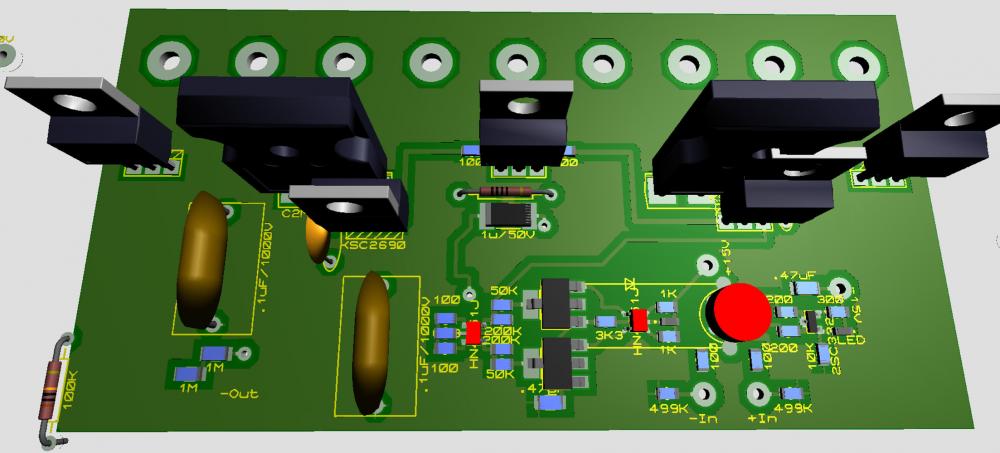
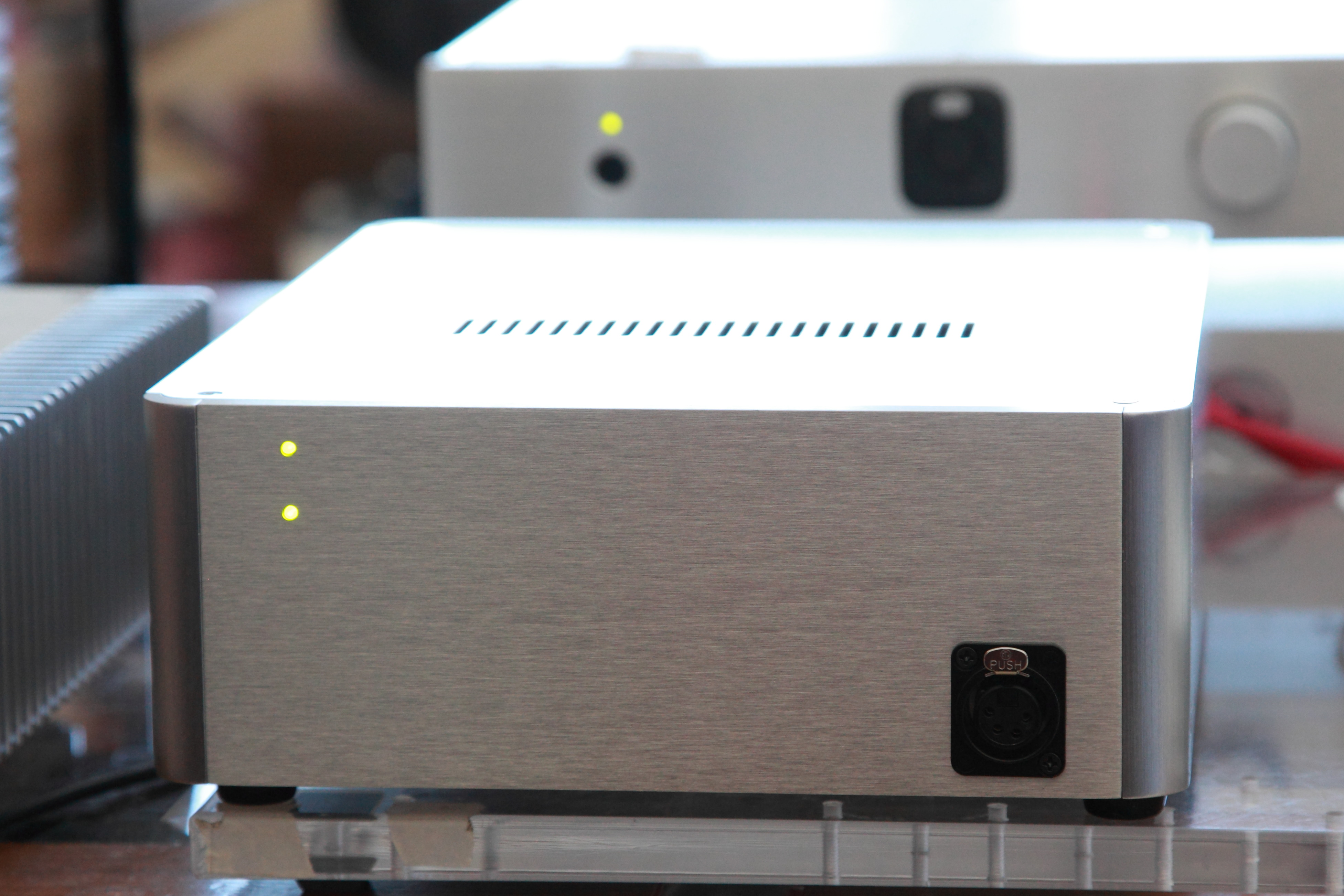
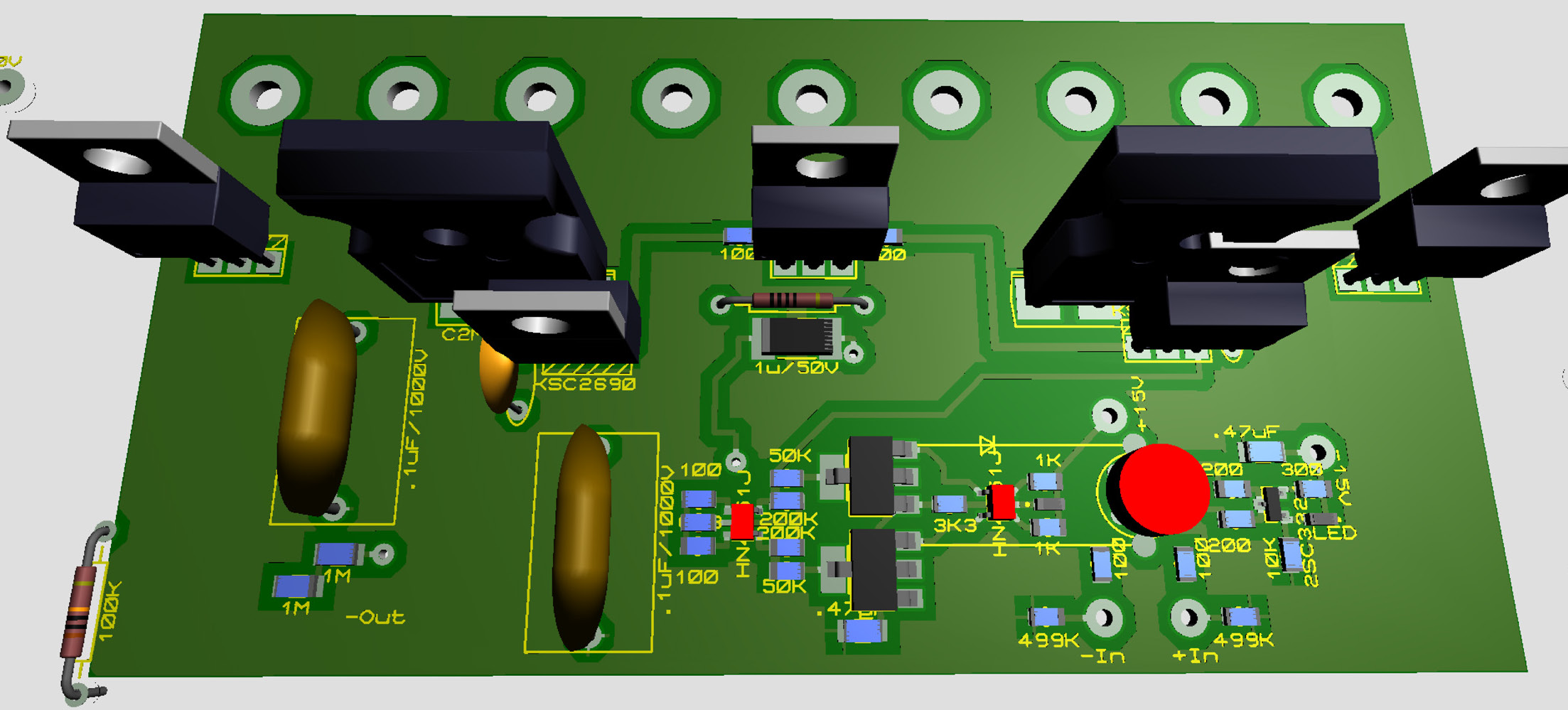
1 pointTest Tone @ Home live right now: http://mixlr.com/illuminator/chat1 point1 pointWelp, I'll figure out what to do with them when I open them up.... They look almost identical to these http://www.head-fi.org/t/355709/k-mart-electrostatic-headphones K Mart needs to start selling electrostatic headphones again, it will definitely save them from bankruptcy1 point1 point1 pointThat should be very cool! I went to Charlotte for a race when I was a kid (don't remember which race?) but it was very impressive! TV really doesn't do racing justice. Enjoy!1 point1 pointcowboy junkies - trinity sessions (analogue productions)1 point1 point1 point1 pointDirect-to-disc was the way that all recordings were made prior to WW II. Pros: minimal processing, short recording path, cons: if you made a mistake it was there forever. Some classic recordings from that era include the Schnabel complete Beethoven piano sonatas, among others (classic comment on those: "He got less of the notes and more of the music than any other interpreter."). The cons sometimes made for cautious playing due to fear of making mistakes. After WW II, when we discovered that Germany had developed a magnetic recording process, which Ampex and others perfected, nearly everyone went to analog tape until Doug Sax and a few others rediscovered direct-to-disc again, but the number of recordings made by that process were almost vanishingly small. Telarc put out a few DTD then switched to digital recordings. OTOH, editing also has its benefits. As mypasswordis has pointed out, some like Glenn Gould was an avid proponent of tape editing even and would patch and edit several playthroughs together in an attempt to get the "perfect" interpretation, whereas other artists would prefer to have a recording reflect their single best take, reserving editing only for wrong notes. But the one interpretive step that every recording has is: what microphones, and where are they placed? I would venture to guess that different recording engineers recording the same orchestra in the same location might choose different microphones in different locations. In the case of the cited recording, they are definitely using a "purist" technique with Blumlein "single point" microphones at a spot chosen to reflect their subjective notion of the "best" spot for catching the orchestra and the acoustic. Well, most of us haven't heard of most recording or mastering engineers. If you do a Google search, you'll find that he has written a text on audio mastering. I am in complete agreement with your last statement. One of my favorite recordings is Richter's live performance of Pictures at an Exhibition taken from a mono AM radio broadcast. There are times when the music-making just flat transcends the limitations of the media.1 pointThat seems like a rather flip comment. Consider this. You've heard live unprocessed sound, right? So you think you know what a live piano sounds like? A few years ago I was shopping for a piano. Every piano I played sounded a little different, some dramatically so. And that is true of EVERY acoustical instrument. Every live venue sounds different - Chicago Symphony Hall does not sound like Boston Symphony Hall. Different locations in the same hall sound different. I'm very used to the sound of a live piano - I have an excellent 7' grand piano at home. But the sound of a piano at the player's bench is not the same as the sound of the piano for someone listening to it seated several feet away. The first Stereophile test CD had J. Gordon Holt reading an article he had written, recorded using several different microphones. His voice sounded different on every microphone. So when you're listening to an "unprocessed" piano recording which you THINK sounds like a piano - what microphones were they using to record it? What hall was it recorded in? Where did thy place the microphones? What did that specific piano sound like? If you think about it, there is a processing step in even the most purist recording, and that is what microphones are chosen to do the recording, and where those microphones are placed. Because every microphone sounds different, and every location for those microphones sounds different. Those are the choices of the recording engineer. And by and large, we as consumers have no fucking idea about either, because that information is rarely published, and even if it were, most of us wouldn't know how to interpret it anyway. At best, the most we can say is, "gee, that sounds like my memory of what A piano sounds like." Note I say "A" piano, as most of us have never heard THE piano that was actually recorded. A mastering engineer is at least several steps closer to the original sound than you or I will ever be, unless you record your own reference material. They at least might have heard the original sound, in the studio or hall, perhaps chosen the microphones, have some idea of what was laid down on the tape. And, Katz has said that although the majority of his masterings have required some "sweetening", some have not, so he has certainly heard and mastered unprocessed recordings. And even if he is using "processed" recordings, he at least should know better than most what the recording "should" sound like. Look, I'm not saying that Katz is the be all and end all. I am saying that he is a very successful and experienced sound engineer and his descriptions and opinions are well worth listening to. Specifically I take his evaluation of tonal balance seriously because that is something that mastering engineers tend to be very particular about. But for the rest of us, who are using recordings where we don't know what microphones were used, where they were placed, what the original instruments really sounded like in the acoustic space they were recorded in, well... And that's assuming we are using acoustic instruments recorded in a live space for reference, and not a processed studio recording that never had an independent existence to begin with. Sure, one can criticize what amp he has chosen to test the headphones with, etc. That's perfectly legit. Any subjective review is only a guide, anyway. My tastes and priorities may be different, my reproduction chain is almost certainly different, there is definitely room for honest disagreement. What a dull world it would be if everyone agreed with me!1 point1 pointCalled insurance, waiting to hear back from safelite with quote Sent from my iPhone using Tapatalk1 point1 pointYes they're needed. But haven't tried removing them. Knock on wood, I think I have a working board. I can get it to oscillate, but only with phones plugged in AND meter(s) connected to the ballast resistors. Pull the meters and it quits. I am going to put the gate zobels ala Cordell in but need some parts. 1) tried the mid feedback point and really bad oscillation. 2) the mid feedback point doesn't control gain (rail to rail). My spice sim confirms this unless I am configuring it wrong. 3) I am going to run RMAA on it w/Dynahi for other channel. That will hopefully give me a better idea if there are bad things going on that I am not seeing on the scope. 4) I had the input wiring reversed. Works much better now [emoji4]. Boards aren't marked for shit. The @!?# black solder mask makes it very difficult to see the traces as well. 5) note to anyone messing with these: the power connector is reversed from Dynahi. Sent from my iPhone using Tapatalk1 point1 pointYup Probably a manufacturing blip But the van is 5 years old, surprised took this long. But have been better under warranty, probably not covered anyway even under the rightful period Sent from my iPhone using Tapatalk1 pointI saw the P5 in Minneapolis years ago. It was an odd and fun show - I feel like a remember there being a dancing bear with a snare drum. I have been listening to this. I don't really like anything else Fugazi did, but this EP is just about perfect.1 point1 pointNeeds more work - a lot. Board size 4.5 in x 2.4 in. No trimmers, servos on bottom.
 1 point1 pointMy Iron felt like the life was getting sucked out of it towards the end battling with the ground plane... I need to sort out how best to attach the heatsinks for the output transistors, a nice non conductive thermal tape of sorts, double sided... for the hopeful. Otherwise my first mini dynalo is working... although I have no dynamic phones to verify. For the chassis I’m going for modushop 40mm side flanges, other panels will be 2mm thick from FPE, black anodised I’m thinking. Amazing job Kerry thank you so much for the mini design.1 point1 point1 pointWell I don't know where to start really. It's not that there is profit to be made, it's how they go about doing it. Now not all makers are bad, some sell good quality cables at good prices which will last for a long time. This is usually accomplished by using pro type parts so instrument cables and pro connectors that have been made for decades. Then we have the other lot, often selling stuff at insane prices with more BS claims than Cavalli or MSB. I mean seriously...how can a cable cost 5k$? How could it possibly cost more to make than a complex amplifier with hundreds of parts? This is just fraud, plain and simple. MIT selling "impedance networks" which are just resistors from ground to hot in a molded plastic case. The whole point here is that through the sheer profit involved in peddling cables, they have created something which might seem to the casual buyer an actual legitimate part of the system. Something which should not be skimped on for best performance. Sure, it's better to have cables than not have any but will they make or break the system? Fuck no!! For me it is equally retarded as is tube rolling. They play on the highly subjective nature of audio and the sheer ignorance/arrogance of the buyers. There will be differences, if you switch a highly capacitive cable for one which isn't, there will be a difference. Same with tubes, you switch out a fresh set with a "NOS" one with very little life left and even compromised vacuum and it will ofcourse be different. Better though, that's more doubtful. This is the same as tubes vs. transistors, analog vs. digital or what ever people want to compare. To even think things can be generalized like that shows an utter lack of understanding of the underlying mechanics at play. Throw up something simple and then marvel at the differences, not really wanting know if one is an improvement or not.1 point1 pointHere is what I have to say for all dac's these days. Even though this has been going on for 25 years or more, there is still so much to be done for both the hardware and firmware/software. I'm sure that people 20 years ago that sunk >$25k in to the krell sbx64 stack are kicking themselves for doing so, as today's price on that pile is just about a giveaway. For R2R discrete dacs, you have your choice of 2's complement dacs (basically 1 ladder per channel per side) with associated issues with switching around virtual 0v and sign magnitude dacs which are twice as many parts, and can generate interesting new distortions when the 2 sides are not perfectly matched. then there is the firmware and associated iir, fir, closed form etc filters, everyone tries to make theirs proprietary, until someone open sources this, it will continue. So spending $5k or more on something that may have been close to $20k seems like money dumped into the trash can. Especially stay away from lampizator, in my opinion, the new singlepower. Buy a holo spring and sit on it for 2 years when all sorts of new everything should show up. or if you are pcm only and going to stay that way, buy a yggy. part 2 more and more people are doing upconversion from pcm to dsd128 and dsd256 and like me seem to like the sound a bunch better. Its so much easier to design one switch per channel (and match the rise and fall times and exactly control the off and on voltages) than it is to design 24 or 28 (2's comp) or 48 or 56 switches (sign magnitude) per channel, then double that for balanced.1 point




























Important Information
By using this site, you agree to our Terms of Use.