

Leaderboard
-
Hopstretch
High Rollers17Points16809Posts -
swt61
High Rollers13Points22272Posts -

tyrion
Moderators13Points10806Posts -
dsavitsk
High Rollers11Points4968Posts




Popular Content
Showing content with the highest reputation on 05/11/17 in Posts
-
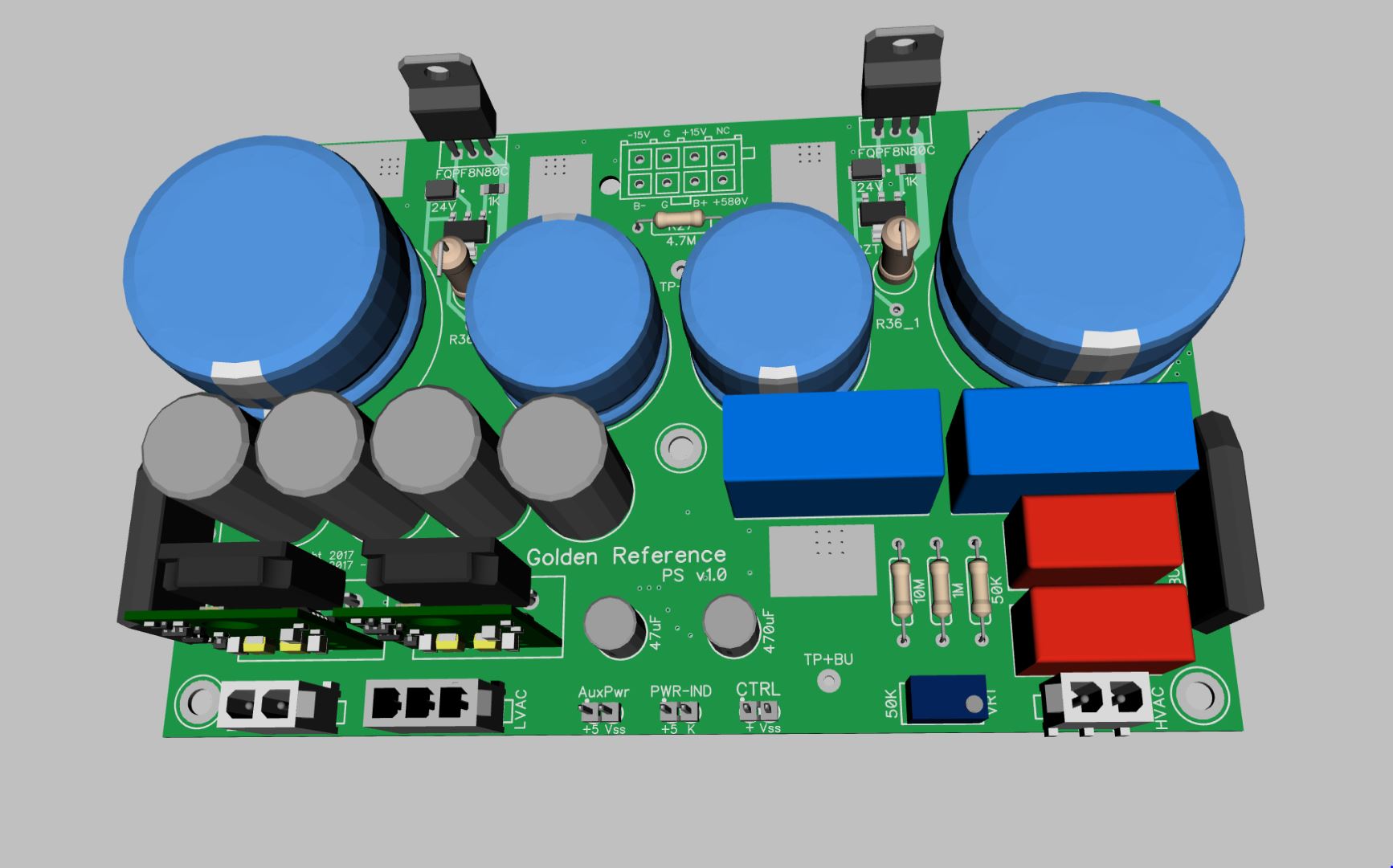
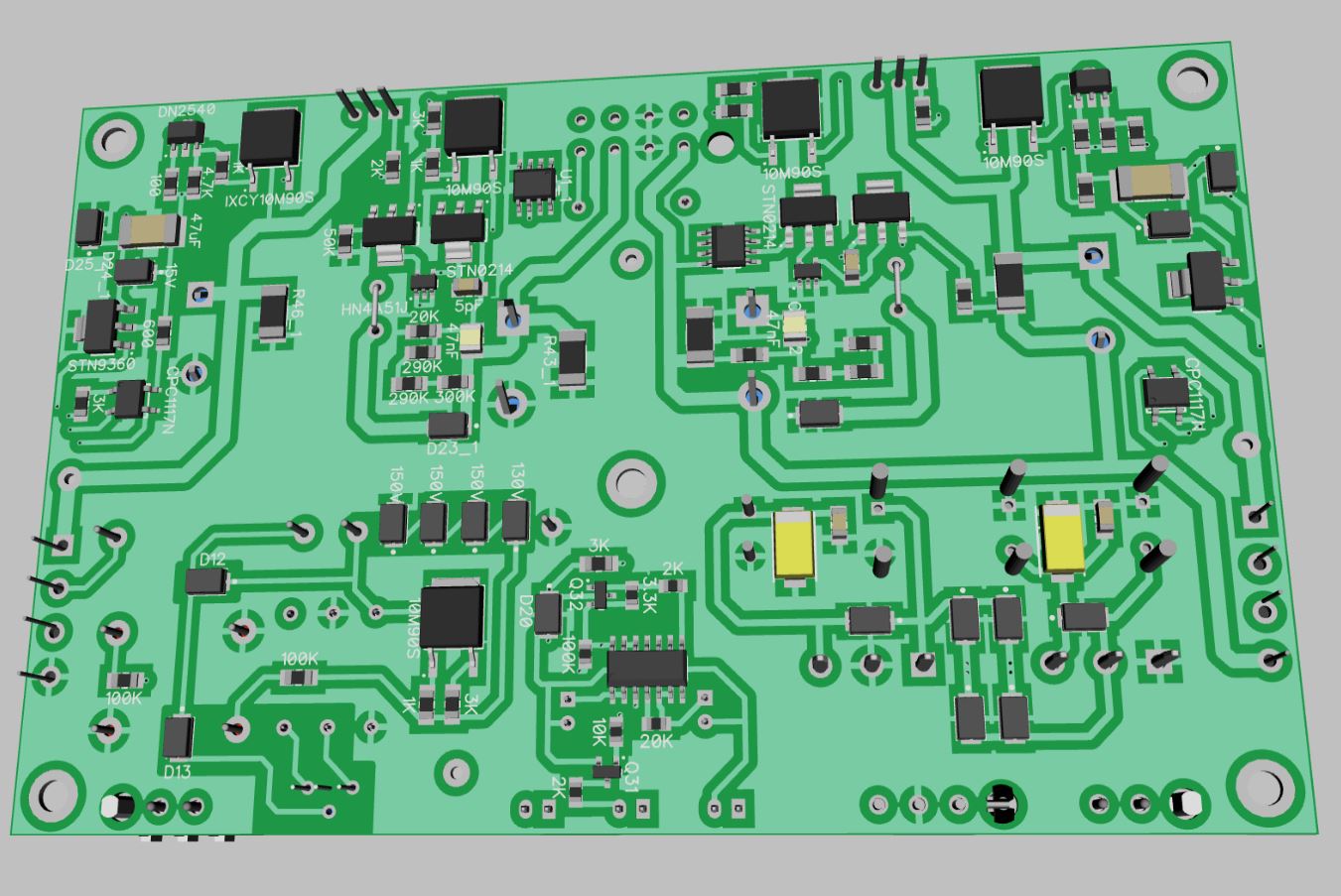
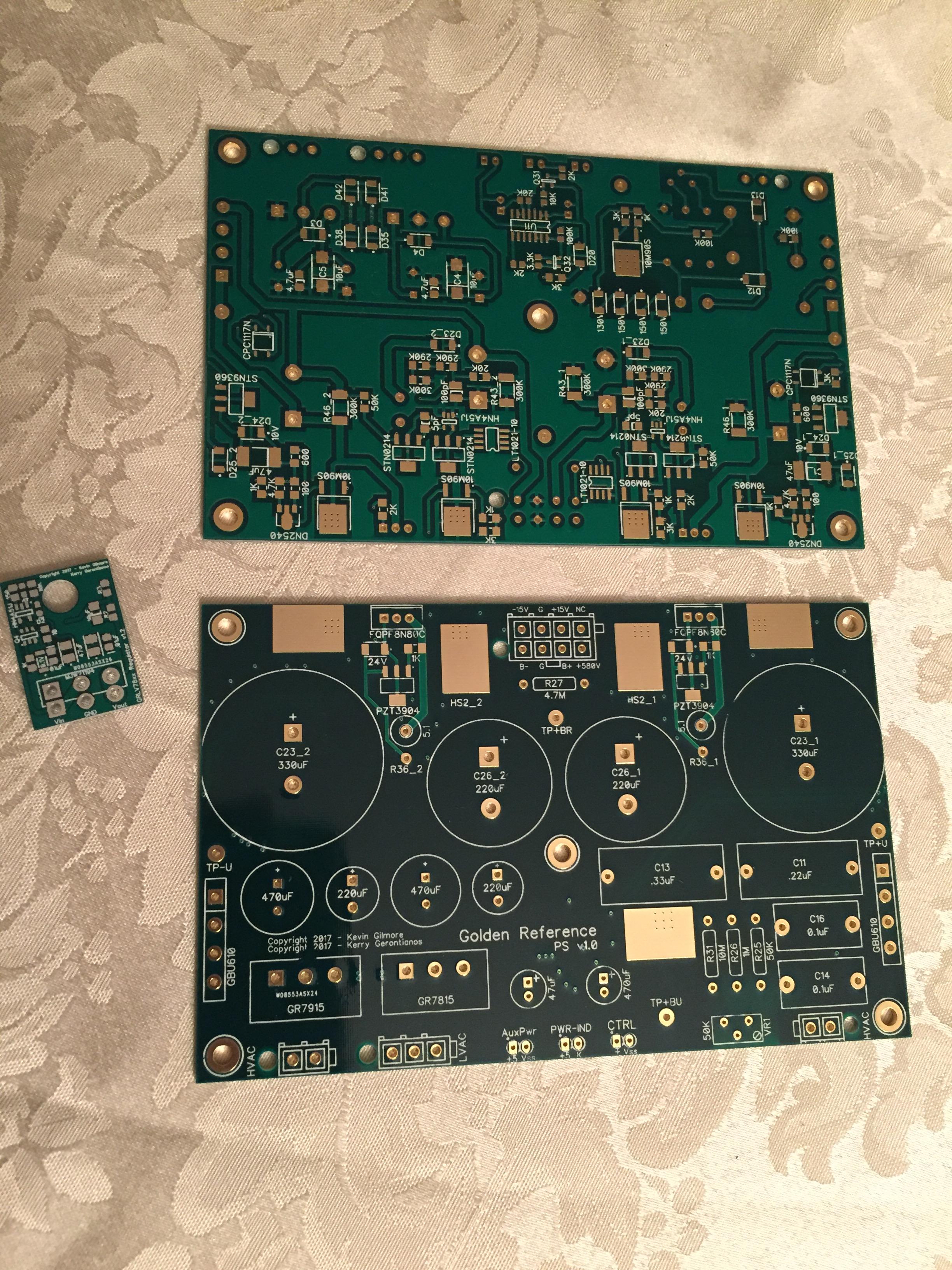
Got the boards back. I should have this tested in the next week or two
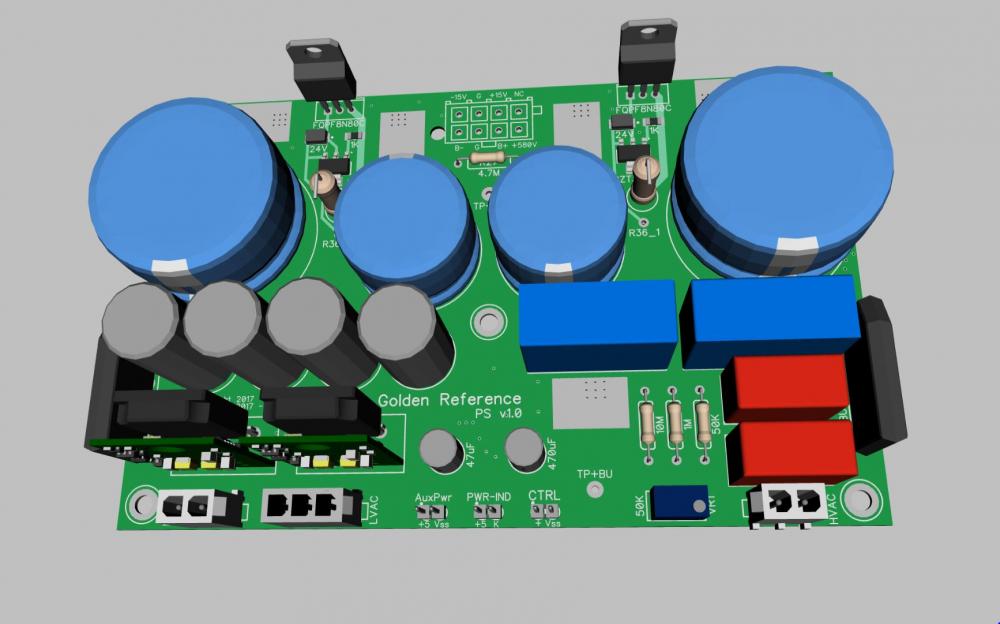
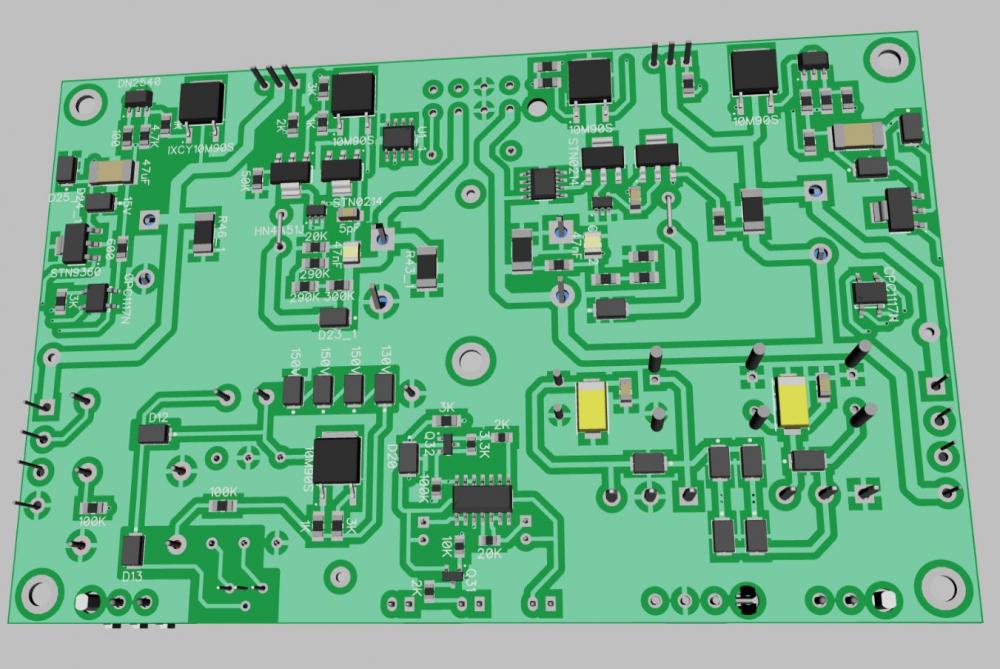
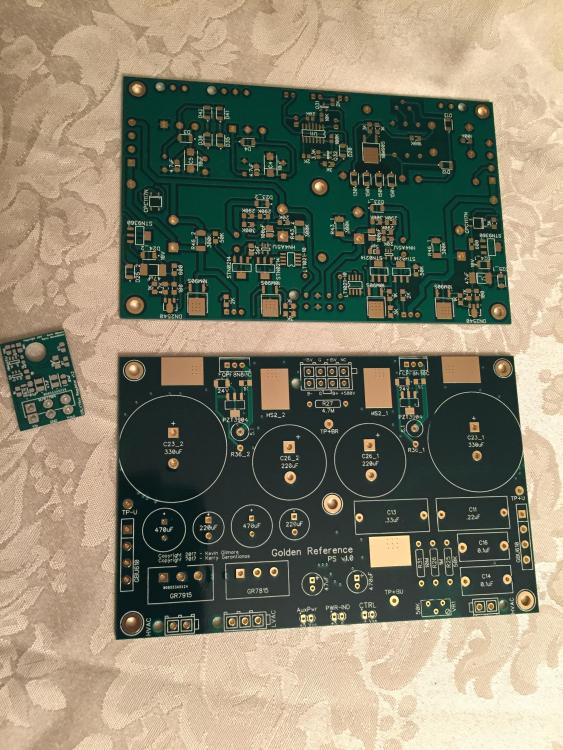 6 points
 -
6 points
-
5 pointsBrisket and ribs. Tasty, but I'm sure the Fairy could do better.5 points
-
4 pointsI have extensive listening experience with many of the schiit products with the exception of the yggy. They all have pretty miserable performance. Others on computeraudio have tested the yggy in comparison to other products, and you can probably go and read for yourself. the soon to be released complete soekris product is going to be significantly better in every possible way, and in addition it does dsd. and its about half the price of the yggy. Since 25% of my music library is dsd, the yggy was never an option regardless of price. I expected never to see another product with burn marks on the circuit board ala singlepower. Then the liquid carbon and the jotunheim showed up. left the jotunheim on for a solid week and well the thing overheats. I'm convinced that I could do a better amplifier for the same price, designed in America and assembled perfectly in china. In fact audio-gd has already done so a bunch of times. The particularly horrible unbalanced to balanced conversion of this amp combined with the BS associated with pivotpoint shows that Jason is an excellent salesman, and is just recycling designs from 40 years ago. sounded like shit then, sound like schiit now4 points
-
4 pointsWay back in December I set the UK police system on the trail of this scam merchant, who was targetting US and other nationality buyers for high ticket audio items, getting the money, and sending no goods. He seemed to have been operating for years. Anyhow, I have just had a call from West Mercia Police asking me to confirm what my recollection was of his modus operandum. We chatted for a while, and I wished her good luck in finding the guy. "Oh - we know precisely who he is" So the system works - they have the bastard!4 points
-
4 points
-
3 points3 points3 points2 pointsThanks again Kerry! Also, found a version of the GRHV with switch that Kevin has posted and it is the same size as the regular one - 139 X 99mm. I propose we use this version for this GB. Again, you can simply leave out the CPC1117N opto switch and the 600R resistor if you don't plan to implement a HV delay. Please let me know if there are objections.
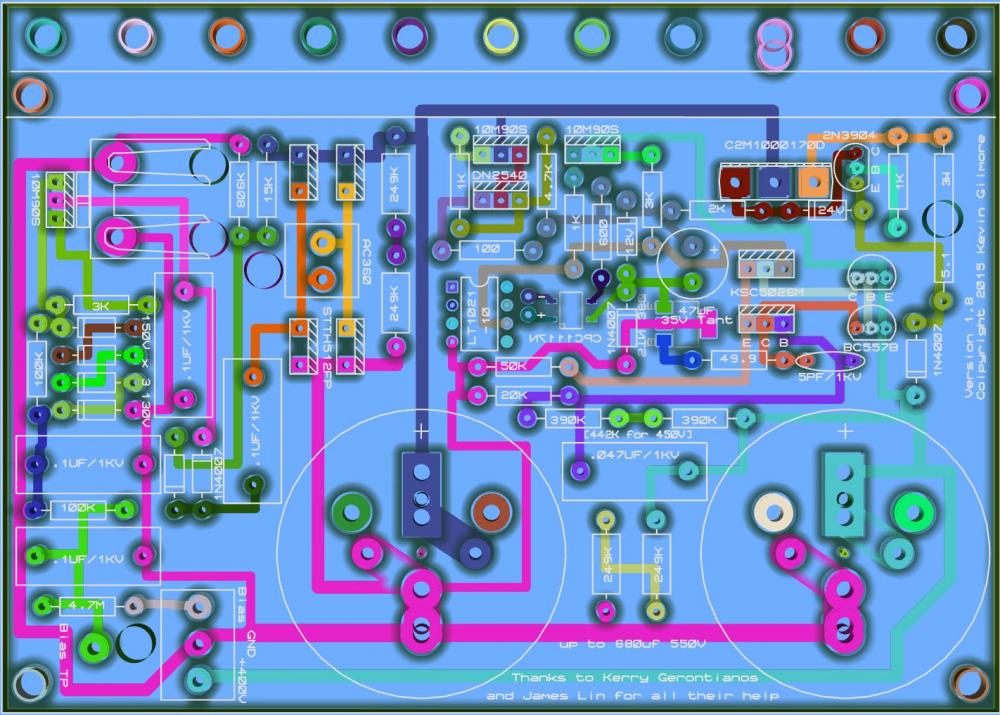
 2 points2 pointsOh, SNAP. Koneveljet are a collective of rather brilliant and batshit insane Finns who make kooky, off kilter electronic music that wanders around from techno to breakbeat to ambient. They haven't put out a proper album in 12 years, but were apparently performing live as recently as two years ago. Apparently they leaked most of their unreleased album on YouTube.2 pointsTony Iommi is the zen master of The Riff. \m/ Both those albums are fucking great! Kinda amazed that he can still whip them out after 43+ years. I was really tempted to go after the 180G of Technical Ecstasy that was recently offered me, as I've had nothing but bad experience with the various digital versions, but don't know if it's any better.2 pointsFunny, I just put this on before coming to this thread. I'm old too... vinyl2 pointsGiven Kevin's retirement, we had to move the files so I put them here temporarily. I might move them again soon though....2 points2 points2 pointsI usually stagger after the joints... Sent from my iPhone using Tapatalk2 points2 pointsSpent Friday, Saturday and Sunday replacing the deteriorating wood decking with composite. Thanks to my bro-in-laws for doing 80% of the work, the deck lives again. Sent from my iPhone using Tapatalk2 points1 pointRipped 2300+ sacd's over a 3 month period last year 2 at a time. me unusual? No never1 point1 point1 pointYou´ll have to admit, tho, that the man is very good at marketing, maybe way better than in others areas of expertise. Hence the cult (of personality). That said, I did liked my Magni for the brief time I had it, ´cause it was so cheap and good, as good as SS may be. Had it go for a friend without an amp.1 pointSorry, I should have been clear from the get go about the version of GRHV. I was just going by the version I've been getting many requests on since the original GB was completed. I am guessing the version you had in mind is the one below.
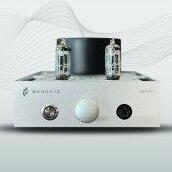
 1 point1 pointTo put things into a bit of perspective: these are the same people that found it a good idea to start a company whose name and products are based on having a giggle about feces and ass guards, then made the brand of the company into some weird cult with multiple threads across the internet on the narcissistic ramblings of lunatics, as their followers lie prostrate at their log cutting balloon knots preaching about the One True Sound.1 pointI had the opportunity to try a Utopia this past weekend, running out of my Susy Dynalo and Dynahi, and I agree with @Jim L. I didn't try to compare it with the 009 side-by-side, but, from memory, they sounded similar. I also found the Utopia surprisingly uncomfortable, putting a lot of pressure on one thin band on the top of my head. Made me lose interest fairly quickly. As far as the sound of bright-leaning headphones goes, I'd be curious to compare the SR-009, the Utopia, and the HD800 with and without the SDR mod.1 point1 pointAnyway here is the schematic for the Talent BD dac, minus the the PSU. From what I've seen and been given info with, CN06 is the PSU connector to the external unit. Any idea on the exact voltage and current inputs? I was told it uses +/- 5 and 12v regulated power supplies. The K01 relay on my pcb indicates it operates on 5vdc, but the circuit mentions it as a 12vdc unit? Therefore maybe a higher supply to it i.e. 15v or so is needed? Stax DAC-Talent_BD sch.pdf1 point1 pointNo idea. But since the police have found him I suspect that even if it is, it won't be there for long.1 point1 pointCool! Man, you're like the energizer bunny with all these projects going on! Where do you find the time?1 pointI do use the cpc1117n relay to control the hv delay, but I've used my own layouts. The circuit is identical so it should work.1 point1 pointyep, but haven't been on there in a while. I did run across some threads on there. I'll figure it out eventually. Of course now I have to get the 110 gal back up and running. I wonder if there's any reef keepers on here?1 point1 pointI kept those for many years, they were my first tropical fish. Used to love waking up to find half the gravel moved to one side of the tank1 point1 point1 pointWe are old man Ok... now something different: old guys, old sound, new songs1 point1 point1 point1 pointWhen you say it, that looks like a steel Modushop chassis with a new top plate and wooden side panels. Cheapest possible crap then... The perf boards are just retarded. I mean why would you do that, there is no good way to mount the tube sockets compared to a proper pcb with large slots to securely mount them. Ohhh and a RK27 volume control in a 12000€ amp? Are you fucking kidding me?1 point1 point1 pointThanks guys! Had a great night with some nice wine and homemade lemon birthday cheesecake (and friends)!
 1 point1 pointYou can't have it both ways. If you're writing reviews that are read by "thousands" and you are receiving discounts on the products you review, then that is a material connection to the manufacturer that must be disclosed. And you're not doing this for free. If you receive a discount, then you are in fact being compensated to the tune of the amount of said discount. People may be making buying decisions based on your reviews (for better or for worse). Accordingly, you have a duty to disclose anything that might affect the credibility of your review. Fortunately, this is all rather easily solved by simple, clear, conspicuous disclosure. When people balk at such disclosure, I get very, very suspicious about motives. But who cares what I think. The FTC on the other hand... I recommend familiarizing yourself with the FTC's 2009 guidelines on endorsements (attached hereto) and the recent guidance it disseminated regarding same. The FTC has made it very clear what the rules are and how to comply. I'll get you started. Example 7 concerning Section 255.5 seems particularly apt to me: Example 7 (section 255.5 disclosure of material connections): A college student who has earned a reputation as a video game expert maintains a personal weblog or “blog” where he posts entries about his gaming experiences. Readers of his blog frequently seek his opinions about video game hardware and software. As it has done in the past, the manufacturer of a newly released video game system sends the student a free copy of the system and asks him to write about it on his blog. He tests the new gaming system and writes a favorable review. Because his review is disseminated via a form of consumer-generated media in which his relationship to the advertiser is not inherently obvious, readers are unlikely to know that he has received the video game system free of charge in exchange for his review of the product, and given the value of the video game system, this fact likely would materially affect the credibility they attach to his endorsement. Accordingly, the blogger should clearly and conspicuously disclose that he received the gaming system free of charge. The manufacturer should advise him at the time it provides the gaming system that this connection should bedisclosed, and it should have procedures in place to try to monitor his postings for compliance. I've written reviews in the past. Like you, I also have a day job and do it for "fun." (Though I sometimes get paid cash money by the publication.) So these rules apply to me, as well. I try to disclose as much as possible any material connections; it is always on my mind for the simple reason that I don't enjoy misleading people. And I think I can probably improve on it, as well. Ignore this stuff at your peril. ETA: Also, I'm curious what your policy is regarding the resale of the gear on which you receive a discount. If/when you sell such gear, do you set the price based on retail or the price you paid? In other words, do you try to turn a profit? My personal policy is not to accept more than what I actually paid. However, I guess if it were some sort of collector's item that had an unforeseeable increase in value, I could see reaping the benefit of that. 091005revisedendorsementguides.pdf1 pointI expect to now be able to spend significant amounts of time on new designs1 point1 pointyou pull the opamps, and start with all the pots in the center. the pot in the middle of the board, you adjust so that the outputs are centered around zero. Then you adjust each other pot to bring that output to zero. then you put the opamps back in.1 point1 pointI finished building my SuSy Dynalo today and it's making music now. It appears to be working fine; no buzz no hum, dead silent with no input signal and drive both my headphones with gusto. But I have two possible issues. The amp runs on +/- 16v, 255R bias resistors (R38, R39). I hand-measured all resistors and matched all LEDs and BJTs (mpsw06 and 56) to within 0.1% using the circuits Kevin showed in his original Dynalo article. I populated all parts but did not install the server OPs. All trim pots are adjusted to its center position. Upon power on the first time, one board shows DC offset of 7mv and the other 5mv (measured between O+ and O-) and are very stable. The DC offset between either phase of out to ground is around 60mv for one board and around 45mv for the other. Here are my questions: 1. The voltage drop on the 20R resistor is only around 185mv after 60 minutes running. That's less than 10mA, much lower than that of the Dynalo (around 15 mA). Is this normal? The mpsw06/56 are rated at 1W dissipation. This setting seems extremely low. 2. I tried turning the trim pots by the LEDs to adjust the DC offset and they seem to have no effect at all - three full turns one way or the other does not seem to do anything to the DC between O+ and O-. What gives? Otherwise, the amp seems to be working fine. Can someone shed some lights? Thanks!1 point1 pointUnless you own some very expensive test equipment, easiest way to test SNR is to just plug in a super sensitive pair of IEMs and listen for hiss/hum. If nothing can be heard, you have a very, very good SNR.1 point






























Important Information
By using this site, you agree to our Terms of Use.